How we built this comparison
This page combines traveler discussion patterns, published price ranges, flight schedules, and seasonal data to help you decide between Albania and Latvia.
- Reviewed 100+ Reddit threads from r/travel, r/solotravel, r/Albania, r/Latvia, and r/europe
- Verified costs and logistics against current booking platforms like Booking.com, Skyscanner, and Rome2Rio
- Cross-referenced seasonal patterns and weather data from meteorological sources
⚡ Quick Answers
⚡ The TL;DR Verdict
For most travelers seeking a more budget-friendly, spontaneous trip with dramatic landscapes and less tourist infrastructure, Albania is the clear winner. Expect to spend $40-70 per day there. If you prefer a smoother, more European experience with efficient services, a vibrant city, and don't mind a $70-120 daily budget, Latvia offers that.
- Choose Albania: Pick Albania if you want to explore rugged mountains, remote beaches, and historical sites on a tight budget, prioritizing adventure over convenience.
- Choose Latvia: Choose Latvia for a refined city break in Riga, exploring Art Nouveau architecture and pine forests, with good infrastructure and a mellow pace.
- Choose Both: If you have 3+ weeks, combine them for a broad taste of Eastern Europe. Start in Albania for an intense week or two, then switch to Latvia for a more relaxed, organized finish.
Choose Albania
Choose Albania if you're an adventurous traveler on a budget, eager to discover Europe's last unspoiled corners. Explore the stunning Albanian Riviera, hike through dramatic landscapes like the Accursed Mountains, and delve into ancient history in Berat or Gjirokastër. It's perfect for those prioritizing raw experience and spontaneity over polished convenience, expecting to spend $40-70 daily.
Choose Latvia
Opt for Latvia if you appreciate a sophisticated European city break blended with accessible natural beauty. Explore the stunning Art Nouveau architecture in Riga's Old Town, enjoy efficient services, and venture out to the pine-fringed beaches of Jurmala. This destination is best for travelers seeking cultural refinement and a comfortable pace, with a budget of $70-120 per day.
📊 Visual Scorecard
🌤 When to Visit
Average high temperatures (°C). Green = best months, orange = avoid.
Quick Comparison
| Category | Albania | Latvia | Winner |
|---|---|---|---|
| Costs & Budget | Significantly cheaper across the board, from food to transport. | Affordable by Western European standards, but noticeably more expensive than Albania. | Albania |
| Beaches & Coastline | Long coastline with a mix of sandy and pebble beaches, especially on the Ionian Sea. | Baltic Sea coast offers wide, sandy beaches, but with cooler waters and a different vibe. | Albania |
| Culture & History | Ancient Illyrian, Roman, Ottoman, and Communist eras, visible in fortresses and towns. | Hanseatic League, Art Nouveau architecture, Soviet occupation legacy. | Tie |
| Food & Drink | Mediterranean and Balkan cuisine, fresh seafood, grilled meats, local produce. | Hearty, Northern European fare with rye bread, potatoes, and pickled items. | Albania |
| Nightlife & Socializing | Lively bar scene in Tirana, beach clubs on the Riviera, generally informal socializing. | Riga has a concentrated, active bar and club scene, particularly in the Old Town. | Latvia |
| Getting There & Flights | Tirana (TIA) is the main international airport, increasing low-cost carrier routes. | Riga (RIX) is a major Baltic hub, well-connected with numerous direct flights. | Latvia |
| Getting Around | Public transport is mainly by furgons (minibuses); car rental is popular for flexibility. | Efficient public transport in Riga; good bus and train network for intercity travel. | Latvia |
| Accommodation | Wide range of budget-friendly hostels, guesthouses, and family-run hotels. | Good selection of hostels and hotels, generally higher quality but higher prices. | Albania |
| Nature & Outdoors | Rugged mountains, deep canyons, clear rivers, and a dramatic coastline. | Expansive forests, national parks, lakes, and a gentle Baltic coast. | Albania |
| Safety & Vibe | Generally safe, welcoming locals; can feel a bit chaotic and less polished. | Very safe, organized, and calm; feels more Western European. | Latvia |
💰 Costs & Budget
Albania offers excellent value for money. Expect to pay 500-800 ALL (around $5-8) for a main meal at a local restaurant in Tirana or Saranda. Hostel beds in major cities like…

Albania
Latvia
Albania offers excellent value for money. Expect to pay 500-800 ALL (around $5-8) for a main meal at a local restaurant in Tirana or Saranda. Hostel beds in major cities like Tirana or Shkodër go for 1,000-2,000 ALL ($10-20), while budget hotels are typically 3,000-5,000 ALL ($30-50) per night. Intercity buses are very cheap, often 500-1,000 ALL ($5-10) for a few hours travel. A daily budget of $40-70 allows for comfortable travel, including accommodation, food, and local transport, with room for activities.
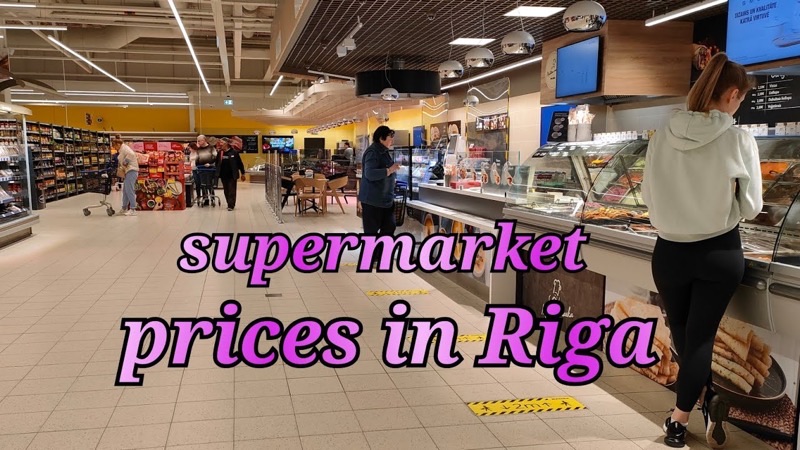
Latvia is still budget-friendly compared to Paris or London, but not as much as Albania. A main meal in Riga might cost €10-18 ($11-20). Hostel dorms usually start around €15-25 ($17-28), and budget hotels are generally €40-70 ($45-78). Public transport in Riga costs €1.15-2.00 ($1.25-2.20) per ride. Expect a daily budget of $70-120 to cover basic expenses comfortably. While you can find cheaper options, the overall price level is definitely higher than in Albania. Tabiji verdict: Albania wins for travelers prioritizing maximum savings.
- Winner: Albania
- Why: Albania consistently offers lower prices for accommodation, food, and transport, making it the better choice for budget-conscious travelers.
- Who this matters for: Backpackers, long-term travelers, and anyone trying to stretch their travel budget furthest.
🏖️ Beaches & Coastline
Albania boasts a dramatically diverse coastline. The Albanian Riviera, particularly the Ionian side south of Vlorë, has spectacular pebble beaches with clear, turquoise water.…
Albania
Latvia
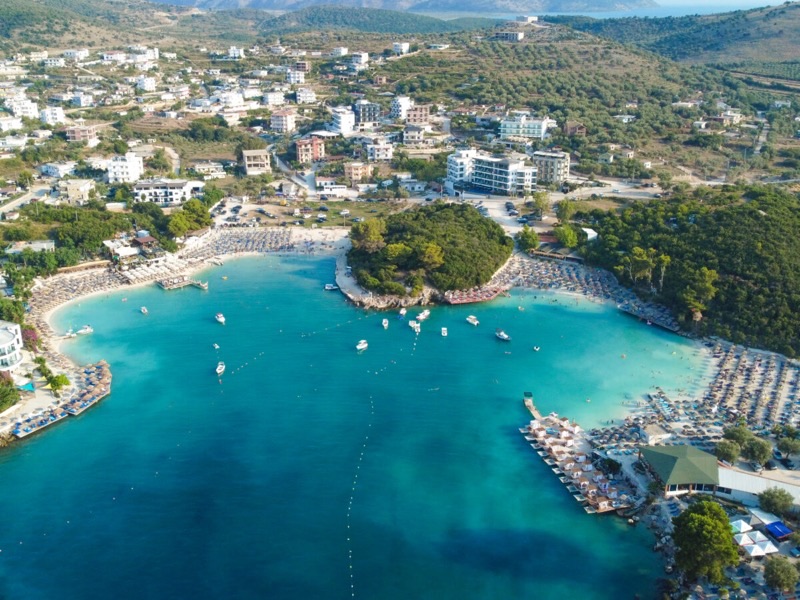
Albania boasts a dramatically diverse coastline. The Albanian Riviera, particularly the Ionian side south of Vlorë, has spectacular pebble beaches with clear, turquoise water. Places like Dhërmi, Jale, and Ksamil are popular, offering options from quiet coves to beach clubs. Gjipe Beach, accessible by a long walk or boat, is especially memorable for its canyon setting. The Adriatic coast, further north, has wider sandy beaches like those near Durrës, though the water is not as clear as the Ionian. Sea temperatures in summer are consistently warm, often above 24°C (75°F).
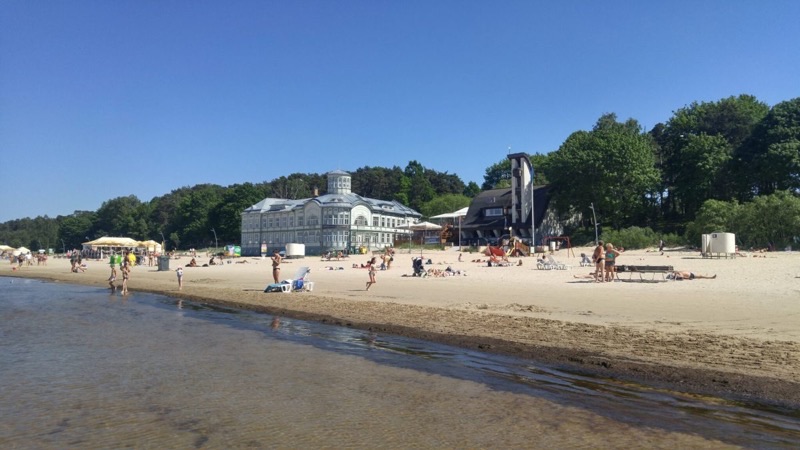
Latvia offers a very different beach experience. Its Baltic Sea coast is characterized by vast stretches of fine, white sand backed by pine forests, particularly around Jurmala, a historic resort town. The water is generally cooler, rarely exceeding 20°C (68°F), even in mid-summer, making it more suited for bracing dips than prolonged swimming for many. Saulkrasti and Liepaja also have extensive beaches. While beautiful for walks and relaxation, they lack the dramatic cliffs and intense blue waters of Albania's Ionian coast. Tabiji verdict: For warm water and dramatic coastal scenery, Albania is the clear leader.
- Winner: Albania
- Why: Albania provides warmer waters, more dramatic coastal scenery, and a greater variety of swim-friendly beaches.
- Who this matters for: Sun-seekers, snorkelers, and those who prioritize warm, clear water for swimming.
🏛️ Culture & History
Albania offers a complex historical narrative. Explore the ancient ruins of Butrint, a UNESCO site near Saranda, showcasing Greek, Roman, Byzantine, and Venetian layers. The…

Albania
Latvia
Albania offers a complex historical narrative. Explore the ancient ruins of Butrint, a UNESCO site near Saranda, showcasing Greek, Roman, Byzantine, and Venetian layers. The Ottoman-era stone cities of Berat (the city of a thousand windows) and Gjirokastër (stone city) are also UNESCO sites, with impressive castles and traditional houses. Tirana has numerous remnants of its communist past, including the BunkArt museums, converted from former bunkers. The Skanderbeg Museum in Krujë details the national hero. The cultural experience is deeply rooted in Balkan traditions, a mix of hospitality and a tumultuous past.
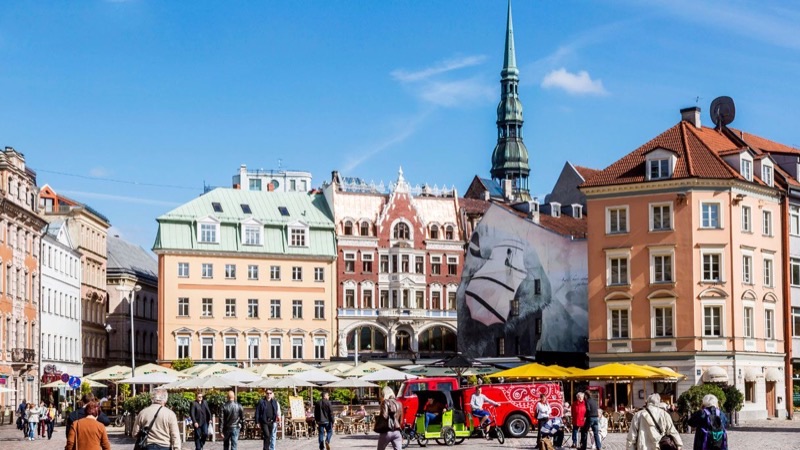
Latvia presents a history shaped by German, Swedish, Polish-Lithuanian, and Russian influences. Riga, a UNESCO World Heritage site, is renowned for its Art Nouveau architecture, with hundreds of buildings showcasing intricate facades. The Old Town also holds medieval Hanseatic merchant houses, Riga Cathedral, and St. Peters Church. Outside Riga, Rundale Palace offers baroque opulence. The occupation museum in Riga provides insight into Soviet and Nazi rule, offering a poignant look at 20th-century history. While distinct, both countries offer compelling historical journeys. Tabiji verdict: Both destinations offer profoundly rich and different historical explorations.
- Winner: Tie
- Why: Both countries offer distinct and substantial historical and cultural narratives, making a direct comparison difficult.
- Who this matters for: History buffs and those interested in understanding different regional influences.
🍽️ Food & Drink
Albanian cuisine is a delightful surprise for many, heavily influenced by its Mediterranean and Balkan neighbors. Expect fresh, seasonal ingredients. Try tavë kosi (baked lamb…
Albania
Latvia
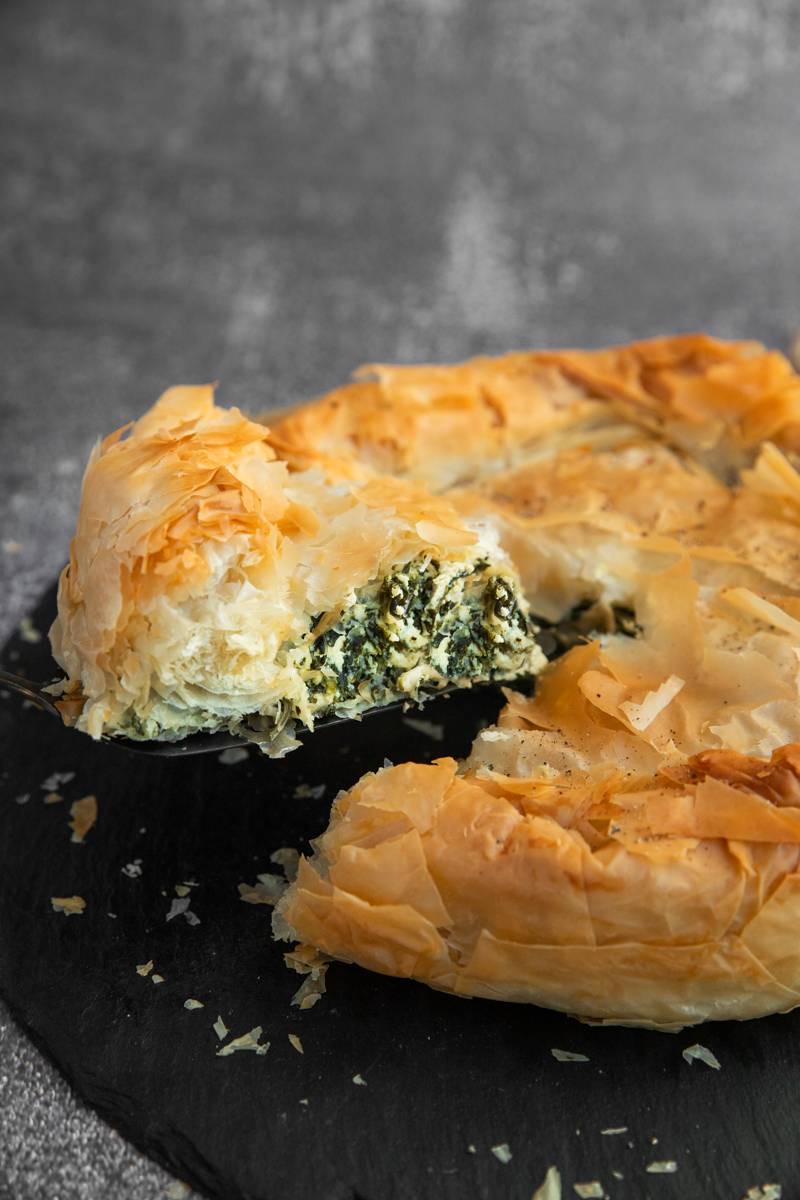
Albanian cuisine is a delightful surprise for many, heavily influenced by its Mediterranean and Balkan neighbors. Expect fresh, seasonal ingredients. Try tavë kosi (baked lamb with yogurt), fergesë (a rich stew of peppers, tomatoes, and cottage cheese), and byrek (savory pastries). Along the coast, fresh seafood like grilled octopus or sea bass is common and affordable. Rakia, a strong fruit brandy, is the traditional spirit. Coffee culture is strong, and a macchiato costs around 100-150 ALL ($1-1.50). Restaurants like Mullixhiu in Tirana offer a modern take on traditional dishes.
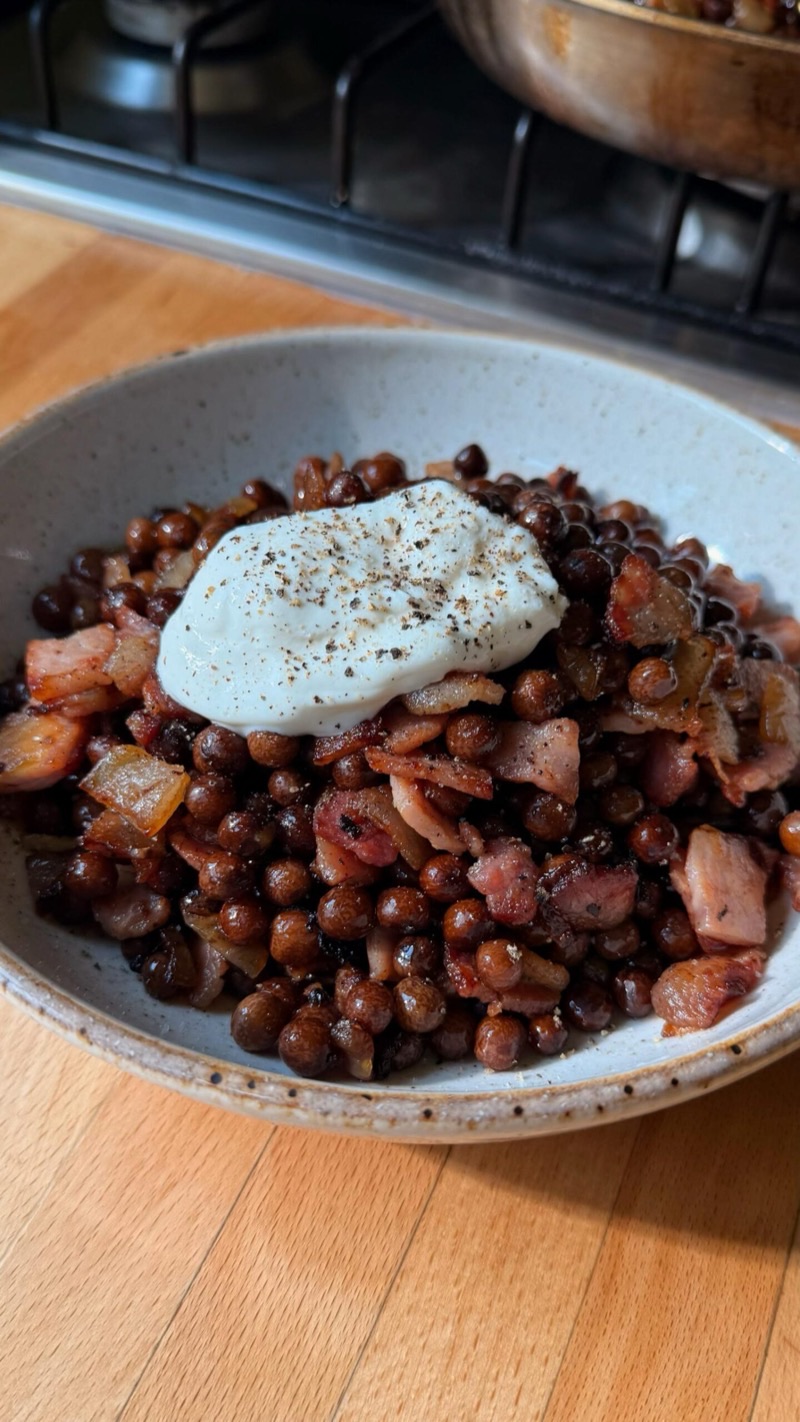
Latvian food is hearty and comforting, designed for colder climates. Staples include dark rye bread (rupjmaize), potatoes, and various pickled vegetables. Traditional dishes include grey peas with bacon (pelēkie zirņi ar speķi), potato pancakes, and various soups. Fish, especially herring, is common. Riga's Central Market is a great place to sample local produce, smoked meats, and cheeses. The local beer scene is decent, with some craft breweries emerging. Riga Black Balsam is a traditional herbal liqueur. While robust, it lacks the fresh, vibrant flavors and variety of Albanian food. Tabiji verdict: Albania wins for its more diverse and widely appealing Mediterranean-inspired flavors.
- Winner: Albania
- Why: Albanian food offers more varied, fresh, and appealing Mediterranean flavors with plentiful seafood options.
- Who this matters for: Foodies, those who prefer lighter, fresher meals, and pescatarians.
🍻 Nightlife & Socializing
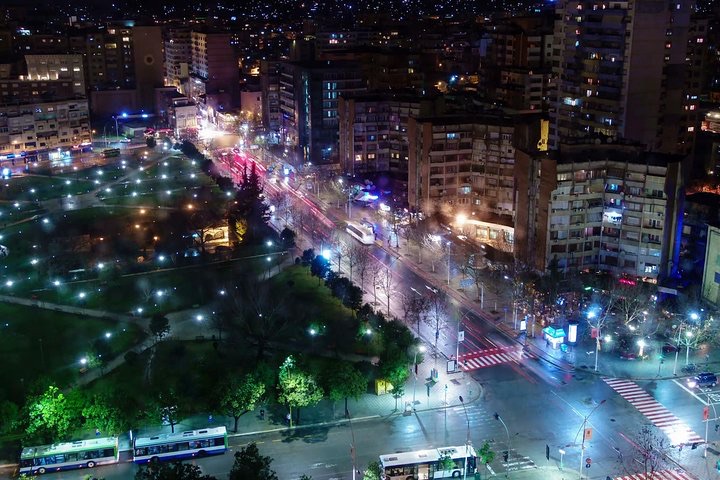
Albania's nightlife is concentrated in Tirana, especially in the Blloku area, which was once an exclusive communist-era district. Here you will find numerous bars, pubs, and…
Albania
Latvia
Albania's nightlife is concentrated in Tirana, especially in the Blloku area, which was once an exclusive communist-era district. Here you will find numerous bars, pubs, and clubs, ranging from trendy cocktail bars to places with live music. Popular spots include Radio Bar and Colonial Cafe. Along the Albanian Riviera, particularly in places like Dhërmi and Saranda, beach clubs come alive during the summer months, offering parties that go late into the night. Outside these areas, nightlife is more subdued, often revolving around cafes and local bars. Socializing is generally relaxed and friendly, with a strong coffee culture transitioning into evening drinks.
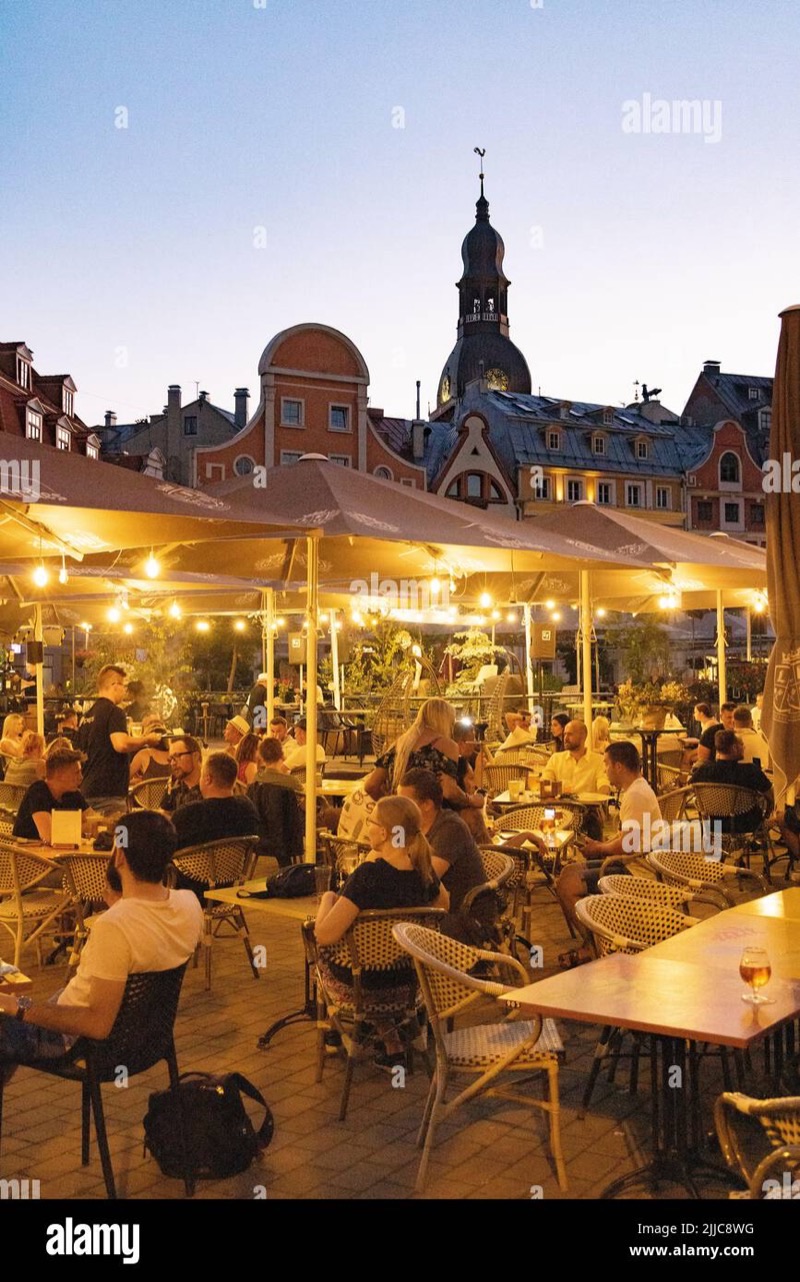
Latvia, particularly Riga, has a more developed and concentrated nightlife scene, especially within its Old Town. There is a wide array of pubs, cocktail bars, and nightclubs catering to different tastes, often within walking distance of each other. Popular establishments include Folkklubs Ala Pagrabs for traditional Latvian food, beer, and live music, and Club Kaļķu Vārti for dancing. The atmosphere can be quite energetic, especially on weekends, attracting both locals and international visitors. Outside Riga, nightlife is much quieter, primarily limited to local pubs. Tabiji verdict: Riga offers a more diverse and easily accessible concentrated party scene.
- Winner: Latvia
- Why: Riga offers a more consolidated and diverse range of bars and clubs, making it easier to enjoy an active nightlife.
- Who this matters for: Party-goers, solo travelers looking to meet people, and those who prioritize a lively evening scene.
✈️ Getting There & Flights
Albania's main international gateway is Tirana International Airport Nënë Tereza (TIA). While more airlines are adding routes, it still has fewer direct connections than major…
Albania's main international gateway is Tirana International Airport Nënë Tereza (TIA). While more airlines are adding routes, it still has fewer direct connections than major European hubs. Direct flights from central European cities like Frankfurt or Munich typically take around 2 hours 15 minutes. Airlines like Wizz Air and Ryanair are expanding their presence, making flights more affordable, but it still requires some planning, especially outside peak season. Connecting flights are often needed from North America or Asia. Access to coastal areas often requires additional bus or car travel from Tirana.
Latvia's Riga International Airport (RIX) is the largest airport in the Baltic States and serves as a significant hub for airBaltic, its national carrier, as well as many other European low-cost and full-service airlines. Direct flights from central European cities like Berlin or Warsaw take around 1 hour 45 minutes to 2 hours. This means easier and often cheaper access from a wider range of European cities. RIX is very efficient and well-connected to Riga city center by public transport (bus route 22 takes about 30 minutes). Tabiji verdict: Latvia offers superior flight connectivity and ease of arrival.
- Winner: Latvia
- Why: Latvia benefits from Riga being a larger, more established aviation hub with better direct flight connections across Europe.
- Who this matters for: Travelers seeking convenient, direct flight options and smooth airport transfers.
🚗 Getting Around
Getting around Albania can be an adventure. Intercity travel relies heavily on furgons (minibuses) which depart when full, or public buses. While very cheap, schedules can be…
Getting around Albania can be an adventure. Intercity travel relies heavily on furgons (minibuses) which depart when full, or public buses. While very cheap, schedules can be fluid, and routes might not cover all remote areas. For exploring the Albanian Riviera or the mountains, renting a car is highly recommended. Expect to pay €25-40 ($28-45) per day. Roads vary significantly in quality, from newly paved highways to rough, unpaved tracks. In cities like Tirana, walking or inexpensive taxis are common. Navigation can be challenging outside major routes without good GPS.
Latvia offers a much smoother experience for getting around. Riga has an efficient public transport system of trams, trolleys, and buses. A single ticket costs €1.15-2.00 ($1.25-2.20) depending on purchase method. For intercity travel, Latvia has a reliable bus network, with frequent services connecting major towns and cities (e.g., Riga to Jurmala by train takes 30 minutes, costs €1.40 ($1.55)). Trains are also available for certain routes. Roads are generally in good condition. Car rental is available for around €30-50 ($33-55) per day, offering flexibility for exploring national parks. Tabiji verdict: Latvia provides a more organized and less stressful transport system.
- Winner: Latvia
- Why: Latvia has a more developed and reliable public transportation network and better road infrastructure.
- Who this matters for: Travelers who prefer to rely on public transport, value convenience, and dislike driving in challenging conditions.
🏨 Accommodation
Albania offers abundant and affordable accommodation options. You can find well-rated hostels in Tirana, Shkodër, and Saranda for as little as 1,000-2,000 ALL ($10-20) per night,…
Albania offers abundant and affordable accommodation options. You can find well-rated hostels in Tirana, Shkodër, and Saranda for as little as 1,000-2,000 ALL ($10-20) per night, often with breakfast included. Guesthouses (bujtina) in smaller towns or mountain regions provide a local, homely experience, often with traditional meals. Budget-friendly hotels typically range from 3,000-5,000 ALL ($30-50). On the Albanian Riviera, many new apartments and hotels have emerged, offering good value, especially outside of peak August. Booking ahead is always a good idea, but walk-in options are often available, particularly in smaller towns.
Latvia provides a comfortable selection of accommodation, though at higher price points. Hostels in Riga start from €15-25 ($17-28) for a dorm bed. Budget hotels typically range from €40-70 ($45-78), offering clean rooms and good services. Outside Riga, options might be fewer but generally maintain good standards. You can find charming guesthouses in rural areas or near national parks, which provide a different experience. While the quality is generally consistent, you get less for your money compared to Albania. Tabiji verdict: Albania offers superior value and a wider range of budget-friendly, authentic stays.
- Winner: Albania
- Why: Albania provides significantly more affordable and often charming accommodation, from hostels to guesthouses.
- Who this matters for: Budget travelers, those seeking authentic local stays, and anyone wanting to maximize their comfort per dollar.
🏞️ Nature & Outdoors
Albania is a haven for outdoor enthusiasts, offering a raw and underexplored landscape. The Accursed Mountains (Prokletije) in the north, particularly around Valbona Valley…
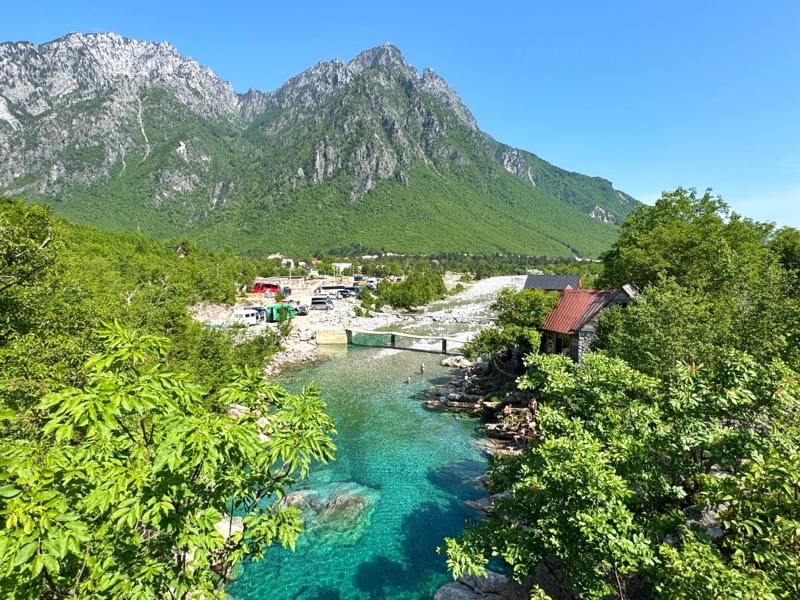
Albania is a haven for outdoor enthusiasts, offering a raw and underexplored landscape. The Accursed Mountains (Prokletije) in the north, particularly around Valbona Valley National Park and Theth National Park, provide incredible hiking trails, including the famous Valbona-Theth pass. The Albanian Riviera has clear waters for snorkeling and kayaking. The Blue Eye (Syri i Kaltër) is a stunning natural spring. River rafting on the Vjosa River, Europe's last wild river, is also an option. Its varied topography, from alpine peaks to Mediterranean coast, creates diverse ecosystems and adventure opportunities.
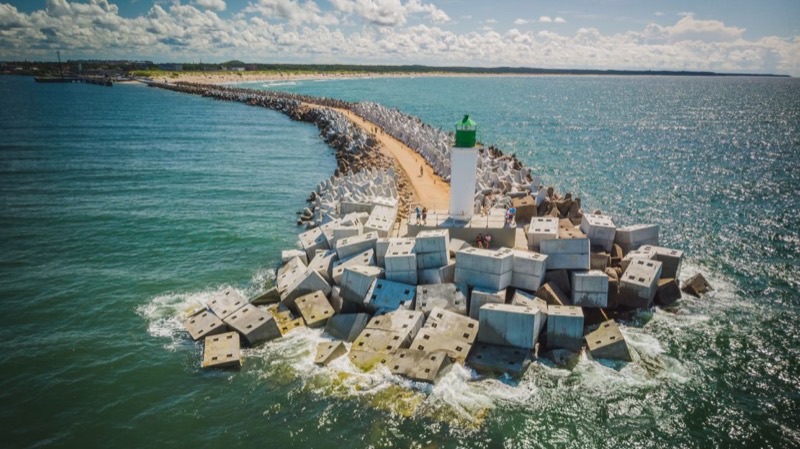
Latvia features a more gentle, forested landscape. Gauja National Park is Latvia's largest, offering hiking, canoeing on the Gauja River, and historical sites like Turaida Castle. Kemeri National Park is known for its mossy bogs and extensive boardwalks, providing a unique ecological experience. The country has numerous lakes and dense pine forests, which are popular for foraging berries and mushrooms. The Baltic coastline, with its wide sandy beaches and dunes, is good for long walks. While serene and beautiful, it lacks the dramatic elevation changes and the intense, rugged quality of Albania's natural features. Tabiji verdict: Albania presents a more dramatic and diverse range of outdoor adventure landscapes.
- Winner: Albania
- Why: Albania offers more dramatic, rugged, and varied natural landscapes, from high mountains to stunning coastal canyons.
- Who this matters for: Hikers, adventure seekers, and those who prioritize raw, untouched natural beauty.
👮 Safety & Vibe
Albania is a safe country for travelers, with low rates of violent crime against tourists. Petty crime, like pickpocketing, can occur in crowded areas, but it is not pervasive.…
Albania is a safe country for travelers, with low rates of violent crime against tourists. Petty crime, like pickpocketing, can occur in crowded areas, but it is not pervasive. The vibe is one of genuine hospitality, particularly outside of Tirana. Locals are often eager to help, though English proficiency varies. The overall atmosphere can feel a bit chaotic and less organized than Western Europe, with a more spontaneous approach to daily life and driving. Road conditions and driving habits can be a challenge. It feels less tourist-oriented and more authentic, which some travelers appreciate greatly.
Latvia is very safe, with low crime rates. Riga is generally a secure capital city. Travelers should exercise standard precautions against pickpocketing, especially in tourist-heavy areas of the Old Town. The vibe is considerably more organized, calmer, and reflects a strong European influence. Public spaces are clean, services are efficient, and English is widely spoken in tourist areas, particularly by younger generations. There is a sense of order and quiet efficiency that might appeal to those who prefer a less adventurous and more predictable travel experience. Tabiji verdict: Latvia provides a more predictable and generally smoother travel experience regarding safety and organization.
- Winner: Latvia
- Why: Latvia offers a more organized and predictable environment, with lower perceived risks and higher levels of efficiency.
- Who this matters for: Solo female travelers, first-time international travelers, and those who prioritize comfort and order.
🎯 The Decision Framework
Choose Albania If…
- You want to experience raw, underexplored natural beauty.
- You are traveling on a strict budget of $40-70 per day.
- You crave Mediterranean and Balkan cuisine with fresh seafood.
- You are comfortable with less developed infrastructure and spontaneous travel.
- You want dramatic mountain hikes and pristine Ionian beaches.
- You are interested in recent communist history and ancient Illyrian ruins.
- You appreciate genuine, unpolished local hospitality.
- You prefer driving to explore remote areas at your own pace.
Choose Latvia If…
- You seek an efficient, organized, and polished European city break in Riga.
- You want to explore stunning Art Nouveau architecture.
- Your budget is closer to $70-120 per day and you expect good value for money.
- You prefer reliable public transportation for intercity travel.
- You enjoy hearty, comforting Northern European food and good local beers.
- You want a very safe and calm travel experience with good English speakers.
- You are interested in Hanseatic League history and Soviet occupation legacy.
- You enjoy walks through serene pine forests and wide Baltic sandy beaches.
📅 Sample Itineraries
Weekend in Albania (3 Days)
💡 Use local furgons (minibuses) for intercity travel; they are much cheaper than private taxis, costing only $5-10 for short routes.
Weekend in Latvia (3 Days)
💡 Purchase a Riga Card for discounts on public transport and attractions; a 24-hour card costs around $25 and can save you money on multiple entries.
One Week in Albania (7 Days)
💡 For the best beach experience on the Albanian Riviera, rent a car for about $30-40 per day to access more secluded coves and viewpoints.
One Week in Latvia (7 Days)
💡 Consider purchasing an intercity bus pass if planning multiple trips outside Riga, as it can offer savings compared to individual tickets for routes over $10.
❓ Frequently Asked Questions
What are the typical flight times from major European hubs to Albania vs Latvia?
From central European hubs like Frankfurt or Munich, a direct flight to Tirana, Albania (TIA) takes approximately 2 hours 15 minutes. For Riga, Latvia (RIX), direct flights usually take around 1 hour 45 minutes to 2 hours. Riga generally has more direct connections.
Which country is better for a summer beach holiday?
Albania is better for a summer beach holiday, specifically its Ionian coast. It offers warmer waters (often above 24°C/75°F in summer), dramatic coves, and clear, turquoise seas at places like Dhërmi and Ksamil. Latvia's Baltic beaches are beautiful but feature cooler water (rarely exceeding 20°C/68°F).
Is it easy to get around Albania and Latvia without a car?
In Latvia, getting around is easy without a car, especially in Riga with its efficient public transport and a good intercity bus/train network. In Albania, navigating without a car is possible using furgons (minibuses), but for exploring remote beaches or mountains, renting a car (approx. €25-40/day) is highly recommended for flexibility.
Which destination offers a more authentic cultural experience?
Both offer authentic experiences, but in different ways. Albania feels more raw, less tourist-centric, and its culture is deeply rooted in Balkan traditions with strong Ottoman and communist influences. Latvia offers a more refined, Northern European cultural experience, heavily influenced by Hanseatic and Baltic traditions, with its Art Nouveau architecture and a strong sense of national identity. Albania feels more 'off the beaten path.'
What are the typical food costs in Albania versus Latvia?
In Albania, a good main meal at a local restaurant typically costs 500-800 ALL ($5-8 USD). In Latvia, a similar meal in Riga will usually be €10-18 ($11-20 USD). Street food and bakery items are cheaper in both, but Albania remains more affordable for sit-down meals.
Which country is better for hiking and outdoor activities?
Albania is superior for hiking and dramatic outdoor activities, particularly in its northern Accursed Mountains (Valbona and Theth National Parks) and along its rugged coastline. Latvia offers gentler outdoor pursuits, like walks through extensive pine forests and bogs in Kemeri National Park or canoeing in Gauja National Park.
How do the capital cities, Tirana and Riga, compare for a city break?
Tirana is a dynamic, energetic city with a young atmosphere, colorful buildings, and a lively Blloku district for nightlife, costing around $40-60/day. Riga is more classically European, known for its stunning Art Nouveau architecture and UNESCO-listed Old Town, offering a calmer, more polished experience for about $70-100/day. Riga feels more structured and historically preserved.
Are both countries safe for solo female travelers?
Both countries are generally safe for solo female travelers. Latvia offers a more organized and predictable environment with high levels of safety and widely spoken English. Albania is also safe, with friendly locals, but its less developed infrastructure and occasional chaotic nature might require a bit more assertiveness and planning, though violent crime is rare.
Ready to plan your Eastern Europe trip?
Get a free custom itinerary for Albania, Latvia, or both — built from real traveler insights.
👥 Travelers Also Compared
🎟️ Book Tours & Experiences
Hand-picked tours and activities for both destinations — book with free cancellation
Experiences via Viator — free cancellation on most tours