
How we built this comparison
This page combines traveler discussion patterns, published price ranges, flight schedules, and seasonal data to help you decide between Latvia and Lithuania.
- Reviewed Reddit threads from r/travel, r/solotravel, r/baltics, r/Latvia, and r/Lithuania.
- Verified costs and logistics against current booking platforms like Booking.com, Skyscanner, and public transport sites.
- Cross-referenced seasonal patterns and weather data from meteorological sources for accurate 'best time to visit' advice.
⚡ Quick Answers
⚡ The TL;DR Verdict
Latvia is often the pick for budget-conscious urban explorers seeking a more energetic capital with easy beach access. Lithuania appeals more to history enthusiasts and nature lovers willing to spend slightly more for deeper cultural experiences and expansive natural parks. For most travelers focusing on a single capital city trip, Riga offers a more immediate hit of accessibility and social life, while Vilnius presents a calmer, deeply historic city with accessible lakes and forests. Expect to spend $60-90/day in Latvia, $70-100/day in Lithuania.
- Choose Latvia: Choose Latvia if you prioritize a budget-friendly trip, enjoy a lively nightlife scene, appreciate Art Nouveau architecture, and want quick access to coastal resorts like Jurmala.
- Choose Lithuania: Pick Lithuania for a deeper dive into medieval history, sprawling national parks, unique natural landscapes like the Curonian Spit, and a slightly more contemplative urban experience.
- Choose Both: If you have 10-14 days, doing both is efficient. Take a comfortable three-hour bus between Riga and Vilnius, experiencing two distinct Baltic cultures without feeling rushed.
Choose Latvia
Choose Latvia if you're a budget-conscious traveler eager for a vibrant city experience. Riga offers an energetic capital with stunning Art Nouveau architecture, a lively Old Town nightlife, and the convenience of nearby Jurmala beach. It's perfect for urban explorers seeking an immediate hit of social life and easy coastal escapes, expecting to spend around $60-90 daily.
Choose Lithuania
Opt for Lithuania if you crave a deeper historical immersion and love exploring nature. Vilnius provides a calmer, deeply historic capital, rich with medieval charm and accessible lakes and forests. It's ideal for history buffs and nature lovers willing to spend slightly more for unique landscapes like the Curonian Spit and expansive national parks, budgeting $70-100 per day.
📊 Visual Scorecard
🌤 When to Visit
Average high temperatures (°C). Green = best months, orange = avoid.
Quick Comparison
| Category | Latvia | Lithuania | Winner |
|---|---|---|---|
| Overall Costs | Slightly more budget-friendly for accommodation and social activities, especially outside peak season. | Marginally higher costs for accommodation and dining in popular areas, but transport is still affordable. | Latvia |
| Getting There | Riga International Airport (RIX) is the largest in the Baltics, with many direct connections. | Vilnius Airport (VNO) also well-connected, but often fewer direct routes than Riga from distant origins. | Latvia |
| Getting Around | Efficient public transport in Riga; good bus network for inter-city travel. | Compact Vilnius city center is walkable; reliable bus/train system across the country. | Tie |
| Accommodation | Wide range from budget hostels to boutique Art Nouveau hotels in Riga; coastal options in Jurmala. | Diverse selection including historic boutique hotels in Vilnius Old Town and guesthouses near national parks. | Latvia |
| Food Scene | Hearty, traditional dishes with modern twists; Riga Central Market is a food hub. | Emphasis on traditional Lithuanian potato dishes; burgeoning new Nordic cuisine in Vilnius. | Tie |
| Nightlife | Riga is known for its lively and accessible bar and club scene, particularly in the Old Town. | Vilnius has a more relaxed, but still active, bar culture concentrated around the Old Town and Užupis. | Latvia |
| Culture & History | Art Nouveau architecture is a highlight; Soviet history, medieval Old Town. | Deep medieval history, grand Baroque architecture, unique Užupis Republic. | Lithuania |
| Nature & Outdoors | Gauja National Park for forests and castles; coastal charm of Jurmala. | Curonian Spit's unique dunes, numerous national parks, extensive lakes and forests. | Lithuania |
| Day Trips | Easy access to Jurmala beach, Sigulda's castles, and Kemeri bogs. | Trakai Castle, Kaunas city, and the Hill of Crosses are popular, but require more travel time. | Latvia |
| Solo Travel & Safety | Generally safe, good hostel scene for meeting people; common petty crime in crowded areas. | Very safe, slightly calmer atmosphere; easy to meet locals in pubs and tours. | Tie |
💰 Overall Costs
Travel in Latvia tends to be a touch more economical, particularly for accommodation and dining. A hostel bed in Riga can be found for 15-25 EUR ($17-28), while a mid-range hotel…
Travel in Latvia tends to be a touch more economical, particularly for accommodation and dining. A hostel bed in Riga can be found for 15-25 EUR ($17-28), while a mid-range hotel room averages 50-80 EUR ($55-90) per night. A casual meal at a local spot like Lido or a restaurant in the Central Market might cost 8-15 EUR ($9-17). Public transport in Riga is 1.15 EUR ($1.30) for a single ride with an e-ticket. A budget for daily expenses, excluding major tours, can realistically hover around 60-85 EUR ($67-95).
Lithuania is still affordable compared to Western Europe, but expect slightly higher prices than Latvia, especially in Vilnius. Hostel dorms typically run 18-30 EUR ($20-33), and mid-range hotels are often 60-95 EUR ($67-105). A main course at a restaurant like Etno Dvaras might be 10-18 EUR ($11-20), and a local beer around 3-5 EUR ($3.50-5.50). Public transport in Vilnius costs 1 EUR ($1.10) for a 30-minute ticket. A comfortable daily budget for Lithuania is generally 70-100 EUR ($78-110). Latvia offers better value for the budget-conscious.
- Winner: Latvia
- Why: Latvia offers slightly better prices for accommodation, food, and social activities, making a dollar stretch further.
- Who this matters for: Budget travelers, those planning extended stays, or groups looking to minimize overall expenditure.
✈️ Getting There
Riga International Airport (RIX) functions as a primary hub for airBaltic, offering direct flights from a broad range of European cities like London (LHR/STN, ~2.5 hours), Berlin…
Riga International Airport (RIX) functions as a primary hub for airBaltic, offering direct flights from a broad range of European cities like London (LHR/STN, ~2.5 hours), Berlin (TXL/BER, ~1.5 hours), and Helsinki (HEL, ~1 hour). Flights from major US cities typically involve one stop, taking 9-12 hours total. Competition among airlines often results in competitive pricing, making Riga a very accessible entry point for the region. The airport is a straightforward 20-minute bus ride to the city center.
Vilnius Airport (VNO) provides good connectivity, with direct flights to many European destinations such as London (LTN/STN, ~2.5 hours), Frankfurt (FRA, ~1.5 hours), and Warsaw (WAW, ~1 hour). However, it generally has fewer long-haul direct connections than Riga, meaning more layovers for travelers from North America or Asia. Total travel time from the US is often 10-14 hours. The airport is very close to the city center, reachable by train in 7 minutes or bus in 15-20 minutes. Riga often provides easier and more numerous direct flight options.
- Winner: Latvia
- Why: Riga has a slightly larger airport with more direct flight options, especially from further afield, streamlining travel.
- Who this matters for: International travelers, those with limited time, and anyone preferring fewer layovers.
🚌 Getting Around
Latvia offers an efficient public transport system in Riga, comprising trams, trolleys, and buses. A single e-ticket costs 1.15 EUR ($1.30), a 24-hour ticket 5 EUR ($5.50). The…
Latvia offers an efficient public transport system in Riga, comprising trams, trolleys, and buses. A single e-ticket costs 1.15 EUR ($1.30), a 24-hour ticket 5 EUR ($5.50). The Old Town is pedestrian-friendly. For inter-city travel, Lux Express and Ecolines provide comfortable bus services connecting major towns like Sigulda (1.5 hours, ~5 EUR/$5.50) and Liepaja (3 hours, ~10 EUR/$11). Buses are punctual and generally comfortable. Renting a car is straightforward for exploring rural areas, though roads can vary in quality outside main routes.
Lithuania has excellent public transport within its cities and a comprehensive inter-city network. Vilnius is very walkable, particularly its Old Town. Public buses and trolleys are modern; a 30-minute ticket costs 1 EUR ($1.10) and a 24-hour pass 5 EUR ($5.50). Lux Express and Ecolines also operate extensively here, linking Vilnius to Kaunas (1.5 hours, ~6 EUR/$6.70) and Klaipeda (3.5 hours, ~15 EUR/$17). Trains are an option for some routes, such as Vilnius to Trakai (30 minutes, 1.80 EUR/$2). Road quality for rental cars is generally good. Both countries offer efficient and affordable transport options.
- Winner: Tie
- Why: Both nations provide well-developed, affordable, and punctual public and inter-city transport, making travel within and between them easy.
- Who this matters for: All travelers, particularly those who prefer not to rent a car and rely on public services.
🏨 Accommodation
Latvia presents a slightly broader and often more affordable selection of accommodation, especially in Riga. Hostels like Naughty Squirrel Backpackers offer beds from 15-25 EUR…
Latvia presents a slightly broader and often more affordable selection of accommodation, especially in Riga. Hostels like Naughty Squirrel Backpackers offer beds from 15-25 EUR ($17-28). Mid-range hotels, many with Art Nouveau flair, such as Wellton Riverside Spa Hotel, can be booked for 50-80 EUR ($55-90) off-season. Luxury options like Grand Poet Hotel are available for 120+ EUR ($135+). Outside Riga, guesthouses and rural stays are prevalent and good value. Jurmala offers resort-style lodging, from basic to premium. Booking in advance, particularly for summer, is advisable.
Lithuania has a good variety of places to stay, with a strong emphasis on historic properties within Vilnius Old Town. Hostels such as Downtown Forest Hostel offer dorms from 18-30 EUR ($20-33). Mid-range hotels like Hotel Tilto often range from 60-95 EUR ($67-105). High-end choices like Grand Hotel Kempinski Vilnius start at 140+ EUR ($155+). Accommodation outside the main cities includes farm stays and guesthouses near Trakai or the Curonian Spit. While quality is high, prices can be a bit steeper, especially for character properties. Latvia offers slightly better value across most accommodation tiers.
- Winner: Latvia
- Why: Latvia generally offers a wider selection of accommodation across all price points, with slightly better value, particularly in Riga.
- Who this matters for: Budget-conscious travelers and those seeking diverse lodging experiences from city to coast.
🍽️ Food Scene
Latvian cuisine offers substantial, comforting dishes, with a focus on rye bread, potatoes, pork, and dairy. Riga Central Market is a must-visit for local delicacies like smoked…
Latvian cuisine offers substantial, comforting dishes, with a focus on rye bread, potatoes, pork, and dairy. Riga Central Market is a must-visit for local delicacies like smoked fish, pickles, and various cheeses, with meals available for 5-10 EUR ($5.50-11). Restaurants like LIDO offer a cafeteria-style experience with traditional fare at low prices (8-15 EUR/$9-17 for a full meal). Modern Latvian cuisine is emerging, with places like 3 Chefs Restaurant (approx. 40-60 EUR/$45-67 for tasting menu) providing a contemporary take. Riga also has a strong cafe culture and good craft beer presence. Try Rīgas Melnais balzams (Black Balsam).
Lithuanian food is known for its potato-based dishes like cepelinai (potato dumplings with meat) and kugelis (potato pudding). Traditional restaurants like Etno Dvaras or Šnekutis serve these hearty meals for 10-18 EUR ($11-20). The pink cold beet soup, šaltibarščiai, is a summer staple. Vilnius has seen a rise in modern European and new Nordic restaurants, offering fine dining experiences, with tasting menus sometimes reaching 50-80 EUR ($55-90). The craft beer scene is also strong, with local brews widely available. Both countries provide distinct and satisfying culinary experiences.
- Winner: Tie
- Why: Both nations offer distinct and satisfying culinary landscapes, from hearty traditional fare to modern dining, with excellent local markets and craft beverages.
- Who this matters for: Foodies, those interested in regional differences, and travelers who enjoy exploring local markets.
🍻 Nightlife
Riga holds a reputation for its vibrant nightlife, attracting party-goers from across Europe. The Old Town is dense with bars, pubs, and clubs, catering to various tastes. Popular…
Riga holds a reputation for its vibrant nightlife, attracting party-goers from across Europe. The Old Town is dense with bars, pubs, and clubs, catering to various tastes. Popular spots like Folkklubs Ala Pagrabs offer traditional music, dancing, and cheap beer (3-5 EUR/$3.50-5.50 a pint). Clubs such as Studio 69 or Kalku Varti keep the party going late, with entry fees typically 5-15 EUR ($5.50-17). The atmosphere is generally energetic and social, making it easy to meet other travelers. Cocktail bars are also plentiful. Weekends see a significant increase in activity.
Vilnius offers a more understated but still active nightlife. The focus is more on cozy bars, craft beer pubs, and intimate live music venues rather than large clubs. Areas around Vilniaus Gatve and Užupis are popular. Bars like Alaus Biblioteka (Beer Library) or Bambalynė offer extensive local and international craft beer selections, with pints around 4-6 EUR ($4.50-6.70). Clubs exist, but they are less concentrated and often have a local feel, with entry fees ranging from 5-10 EUR ($5.50-11). The overall scene is less boisterous than Riga's, appealing to those seeking a relaxed evening. Riga wins for pure energy and selection.
- Winner: Latvia
- Why: Riga offers a more concentrated, energetic, and diverse nightlife scene, particularly for those seeking clubs and lively bars.
- Who this matters for: Young travelers, party-goers, and anyone looking for a social and active evening out.
🏛️ Culture & History
Latvia’s cultural and historical landscape centers around Riga’s UNESCO-listed Old Town, boasting medieval remnants and impressive Art Nouveau architecture, particularly on…
Latvia’s cultural and historical landscape centers around Riga’s UNESCO-listed Old Town, boasting medieval remnants and impressive Art Nouveau architecture, particularly on Alberta Street. The Latvian Ethnographic Open-Air Museum provides insights into rural life. The Museum of the Occupation of Latvia documents the Soviet and Nazi occupations. Riga Castle, the House of the Black Heads, and the Freedom Monument are key landmarks. While rich, the historical narrative often feels more fragmented compared to Lithuania’s continuous story. The Daugavpils Fortress is a notable historical site outside the capital.
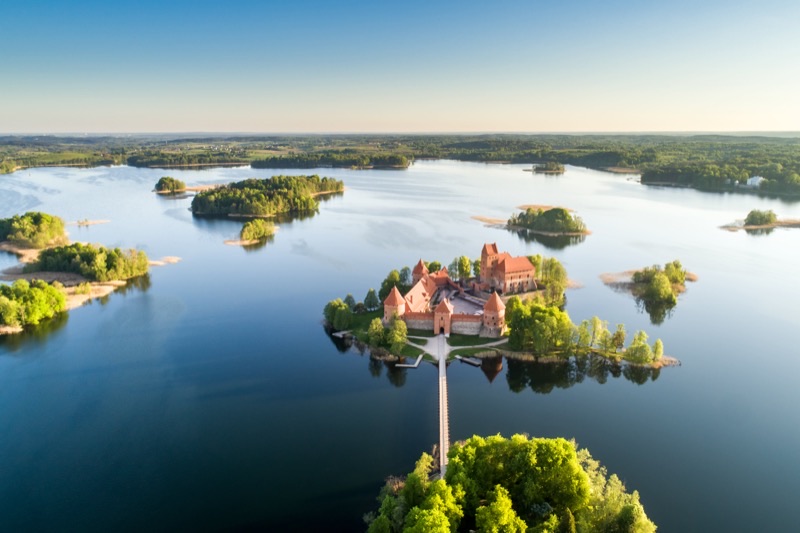
Lithuania offers a profound historical journey, from the Grand Duchy of Lithuania to Soviet occupation. Vilnius Old Town, a UNESCO site, features a dense collection of Baroque churches, the Gediminas Tower, and the Presidential Palace. The Museum of Occupations and Freedom Fights (KGB Museum) in Vilnius is a sobering experience. Trakai Castle, a medieval island fortress, is a primary historical attraction. The Hill of Crosses near Šiauliai is a powerful symbol of resistance. The self-proclaimed Užupis Republic in Vilnius offers a bohemian cultural contrast. Lithuania’s history feels more cohesive and deeply ingrained in its cities. Lithuania offers a more compelling historical narrative and diverse cultural experiences.
- Winner: Lithuania
- Why: Lithuania offers a deeper, more integrated historical narrative spanning centuries, from powerful medieval empires to unique modern cultural enclaves.
- Who this matters for: History buffs, architecture enthusiasts, and those interested in exploring complex national identities.
🌳 Nature & Outdoors
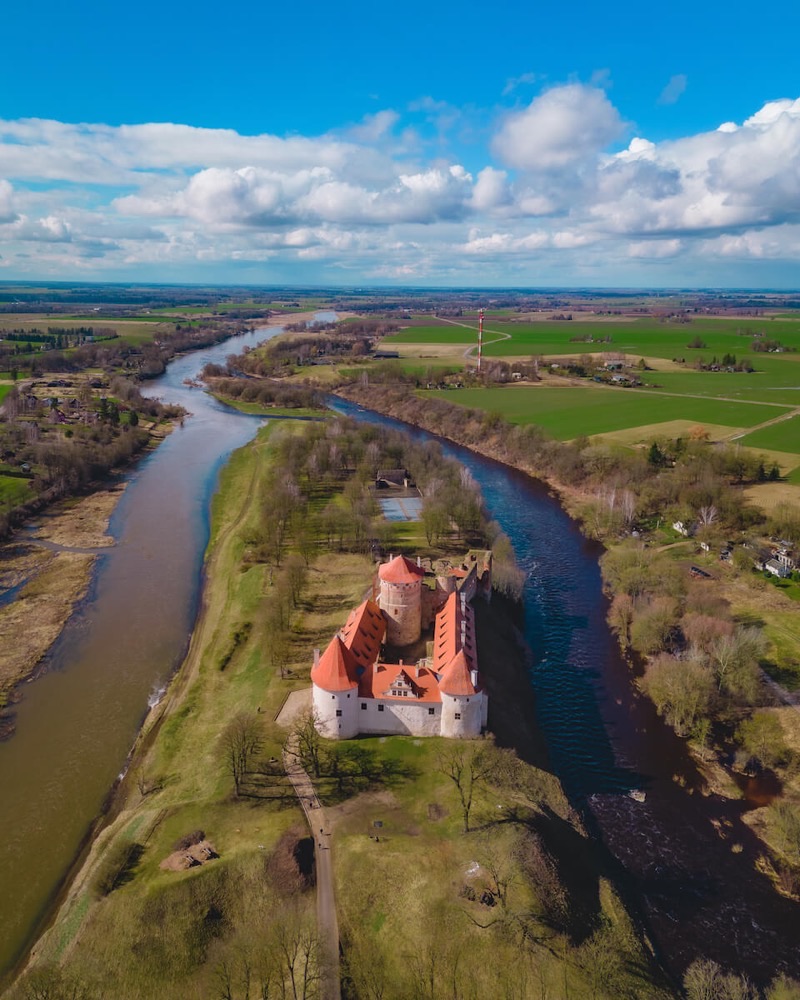
Latvia presents accessible natural escapes, notably Gauja National Park, often called 'Latvian Switzerland,' with medieval castles like Turaida and Sigulda, hiking trails, and the…
Latvia presents accessible natural escapes, notably Gauja National Park, often called 'Latvian Switzerland,' with medieval castles like Turaida and Sigulda, hiking trails, and the Gauja River for canoeing. Its landscapes are primarily forested and gentle. The Baltic coastline, particularly the resort town of Jurmala, offers wide sandy beaches and pine forests, reachable from Riga in 30 minutes by train. Kemeri National Park features unique moss bogs and walking paths. While pleasant, the scale and variety of its natural wonders are somewhat less diverse than Lithuania’s.
Lithuania has a broader spectrum of natural beauty. The Curonian Spit, a UNESCO World Heritage site, is a narrow strip of land with towering sand dunes, pine forests, and charming fishing villages like Nida, offering a unique landscape. Aukštaitija National Park is dotted with over 100 lakes, making it ideal for kayaking and camping. Dzūkija National Park features extensive pine forests and traditional villages. The country’s interior is covered by vast forests and numerous lakes, providing ample opportunities for hiking, cycling, and water sports. Lithuania offers more diverse and dramatic natural landscapes.
- Winner: Lithuania
- Why: Lithuania's natural landscapes are more varied and dramatic, from the unique Curonian Spit dunes to its numerous lake-filled national parks.
- Who this matters for: Outdoor enthusiasts, nature photographers, and travelers seeking diverse ecological experiences.
🗺️ Day Trips
Latvia offers several convenient and rewarding day trips from Riga. Jurmala, a seaside resort with sandy beaches and wooden architecture, is just a 30-minute train ride away (2.50…
Latvia offers several convenient and rewarding day trips from Riga. Jurmala, a seaside resort with sandy beaches and wooden architecture, is just a 30-minute train ride away (2.50 EUR/$2.80 return). Sigulda, in Gauja National Park, provides medieval castles (Turaida Castle entry ~8 EUR/$9), bobsleigh tracks, and scenic cable car rides, reachable by bus or train in just over an hour (~5 EUR/$5.50 return). Kemeri National Park with its Great Kemeri Bog Boardwalk is also easily accessible by train and bus. These destinations are close, well-serviced by public transport, and relatively compact for exploration.
Lithuania’s day trips are equally compelling but sometimes require a bit more travel time. Trakai Castle, a medieval island fortress, is a popular choice, only 30 minutes by train from Vilnius (1.80 EUR/$2 one-way). Kaunas, Lithuania’s second-largest city with its own castle and Old Town, is 1.5 hours by bus (~6 EUR/$6.70 one-way). The Hill of Crosses near Šiauliai is a powerful sight, but it is a 2.5-hour bus ride from Vilnius, making it a longer day. While Lithuania’s options are excellent, Latvia’s day trips are generally closer and more easily integrated into a shorter itinerary.
- Winner: Latvia
- Why: Latvia's day trip options are generally closer to Riga and more easily reached by public transport, maximizing exploration time.
- Who this matters for: Travelers with limited time, those without a rental car, and anyone prioritizing short, easy excursions.
🚶♀️ Solo Travel & Safety
Latvia is generally safe for solo travelers. Riga has a strong hostel culture, making it easy to meet other backpackers, particularly at places like The Naughty Squirrel Hostel.…
Latvia is generally safe for solo travelers. Riga has a strong hostel culture, making it easy to meet other backpackers, particularly at places like The Naughty Squirrel Hostel. The Old Town is well-lit and busy, though like any popular tourist area, petty theft can occur, so keep an eye on belongings in crowded bars or markets. Public transport is reliable and safe. Walking alone at night in well-trafficked areas is usually fine, but exercise caution in less-lit side streets. Locals are generally reserved but helpful when approached.
Lithuania also ranks high on safety for solo travelers. Vilnius is a calm city, and its Old Town feels very secure. The atmosphere is perhaps a little less overtly social than Riga’s, but it is still easy to connect with people in pubs or through organized walking tours. Like Latvia, petty crime is rare but can happen in tourist hotspots. Public transport is very safe and efficient. Solo female travelers report feeling comfortable exploring independently both day and night in both major cities. Overall, both countries are excellent choices for solo adventurers.
- Winner: Tie
- Why: Both Latvia and Lithuania are very safe for solo travelers, offering good infrastructure and low crime rates, fostering independent exploration.
- Who this matters for: Solo adventurers, first-time international travelers, and anyone prioritizing a secure and welcoming environment.
🛡 Dig deeper: Latvia health guide · Lithuania health guide
🎯 The Decision Framework
Choose Latvia If…
- You want a more social and energetic city break in Riga.
- Your budget is tight, aiming for $60-85/day.
- You appreciate Art Nouveau architecture in a concentrated area.
- You want easy, quick access to a beach resort like Jurmala.
- You prefer a more lively nightlife scene with many options.
- You want to explore medieval castles and nature in Gauja National Park within an hour of the capital.
- You prioritize direct flights into a major Baltic hub (RIX).
- You enjoy hearty, traditional Latvian comfort food like those at Lido.
- You are looking for affordable accommodation options across various tiers.
Choose Lithuania If…
- You seek a deeper dive into medieval and Baroque history in Vilnius.
- You want to visit unique natural wonders like the Curonian Spit dunes.
- You are fascinated by specific cultural enclaves like Užupis Republic.
- You are keen to explore a calmer, more reflective capital city.
- Your budget allows for $70-100/day, accepting slightly higher costs.
- You want to visit iconic landmarks like Trakai Castle, an island fortress.
- You are interested in the somber history reflected in places like the KGB Museum.
- You prefer hearty Lithuanian potato dishes like cepelinai and šaltibarščiai.
- You enjoy extensive national parks and lake districts for outdoor activities.
❓ Frequently Asked Questions
What is the best time of year to visit Latvia and Lithuania?
Summer (June-August) offers the warmest weather, long daylight hours, and many festivals, but also higher prices and more crowds. Spring (April-May) and autumn (September-October) provide pleasant temperatures, fewer tourists, and lower costs, with changing foliage. Winters (November-March) are cold and snowy, but offer Christmas markets and winter sports, with very low prices.
Do I need a visa for Latvia or Lithuania?
Both Latvia and Lithuania are part of the Schengen Area. Citizens from the US, Canada, UK, Australia, and many other countries do not need a visa for stays up to 90 days within any 180-day period. Always check current visa requirements based on your nationality before travel.
What currency is used in Latvia and Lithuania?
Both Latvia and Lithuania use the Euro (EUR). Credit and debit cards are widely accepted in urban areas, but it is advisable to carry some cash for smaller purchases, local markets, or in more rural regions.
Is English widely spoken in Latvia and Lithuania?
In major cities like Riga and Vilnius, English is commonly spoken, especially among younger generations and in tourist-facing businesses, hotels, and restaurants. In more rural areas, knowing a few basic phrases in Latvian or Lithuanian, or Russian, can be helpful.
How long should I spend in each country?
For a focused city break, 3-4 days in Riga or Vilnius is sufficient to see the main sights. If you want to explore beyond the capital, such as Jurmala or Trakai, allow 5-7 days per country. For a combined trip encompassing both, allocate 10-14 days for a comfortable pace.
What are the main differences in their cuisine?
Latvian cuisine tends to be heartier, with a strong focus on rye bread, pork, potatoes, and dairy, often found in cafeteria-style eateries like LIDO. Lithuanian cuisine also features potatoes heavily (e.g., cepelinai, kugelis) and cold beet soup (šaltibarščiai), with a slightly broader influence of Eastern European flavors. Both have craft beer scenes.
Which country is better for beaches?
Latvia generally wins for beach access, primarily due to Jurmala, a well-developed seaside resort town easily reachable from Riga in 30 minutes. Lithuania has excellent beaches along the Curonian Spit, but they require more travel time to reach and are more about natural beauty than resort infrastructure.
Are taxis or ride-sharing apps available?
Yes, both countries have readily available taxi services. Ride-sharing apps like Bolt are very popular and widely used in Riga and Vilnius, offering convenient and often more affordable transport compared to traditional taxis. Make sure to download the app beforehand.
Ready to plan your Baltic trip?
Know the tourist scams before you go — documented from real traveler reports.