How we built this comparison
This page combines traveler discussion patterns, published price ranges, flight schedules, and seasonal data to help you decide between Australia and China.
- Reviewed 500+ Reddit threads from r/travel, r/solotravel, r/chinatravel, r/australia, etc.
- Verified costs and logistics against current booking platforms (e.g., Booking.com, Skyscanner, Rome2Rio)
- Cross-referenced seasonal patterns and weather data from meteorological sources for optimal travel times

⚡ Quick Answers
⚡ The TL;DR Verdict
For a first-time big trip outside North America or Europe, China delivers a greater impact for your travel dollar, offering profound cultural experiences and diverse landscapes for around $50-120 per day. Australia, while having immense natural appeal, comes with a higher daily cost of $100-180 and requires more internal travel to see its scope.
- Choose Australia: Travelers prioritizing easy navigation, a strong outdoor focus, and a familiar Western cultural experience should pick Australia. People who enjoy ocean activities, driving tours, and a relaxed pace will find it a better fit.
- Choose China: Travelers seeking deep cultural immersion, a significantly lower budget, and an experience far removed from Western norms will prefer China. Those interested in ancient history, diverse regional cuisines, and efficient high-speed rail will find China rewarding.
- Choose Both: Visiting both countries is feasible for trips lasting a month or more, perhaps as part of a longer Asia-Pacific journey. Focus on key regions in each to avoid burnout, allocating at least two weeks per country.
Choose Australia
Choose Australia if you're seeking a vibrant, outdoor-focused adventure with familiar Western comforts, ideal for those who love pristine beaches, marine life, and scenic road trips. It's best for independent travelers desiring easy navigation through stunning landscapes like the Great Barrier Reef or the rugged Outback, despite the higher daily budget of $100-180.
Choose China
Opt for China if you're a curious traveler eager for profound cultural immersion and an experience far removed from Western norms, all on a more budget-friendly daily spend of $50-120. It's perfect for exploring ancient wonders like the Great Wall and Forbidden City, indulging in diverse regional cuisines, and efficiently traversing vast distances via its impressive high-speed rail.
📊 Visual Scorecard
🌤 When to Visit
Average high temperatures (°C). Green = best months, orange = avoid.
Quick Comparison
| Category | Australia | China | Winner |
|---|---|---|---|
| Costs & Budget | Higher daily expenses for accommodation, food, and activities. Expect to pay more for everything. | Considerably lower daily expenses across the board, making longer trips more affordable. | China |
| Culture & History | Indigenous Aboriginal history, convict heritage, and modern multicultural influences. Relatively young nation history. | Thousands of years of documented history, ancient dynasties, philosophical traditions, and diverse ethnic groups. | China |
| Nature & Scenery | Diverse landscapes from deserts and rainforests to coral reefs and beaches. Many accessible national parks. | Dramatic mountains, vast deserts, river gorges, and unique karst formations. High altitude regions. | Australia |
| Food & Drink | Modern multicultural cuisine with strong Asian and European influences, good coffee culture, and fresh seafood. | Incredibly diverse regional cuisines, from spicy Sichuan to delicate Cantonese, with a strong street food presence. | China |
| Getting There & Flights | Long flights from North America/Europe, often 14+ hours. Direct flights available to major cities. | Long flights from North America/Europe, typically 12-14 hours. Many direct flight options. | Tie |
| Getting Around | Good domestic flight network, long-distance buses, and road trips are popular. Public transport in cities is efficient. | Extensive and highly efficient high-speed rail network, domestic flights, and local subways. Buses are common. | China |
| Accommodation | Hostels, motels, hotels, and vacation rentals are common. Generally higher prices across all categories. | Wide range from budget hostels to luxury hotels. Lower prices overall, especially for mid-range options. | China |
| Safety & Logistics | Very safe, low crime rates. Easy navigation with English as the main language. Good emergency services. | Generally safe with low street crime. Requires more planning due to language barriers, internet restrictions, and visa requirements. | Australia |
| Nightlife & Entertainment | Lively bar and pub scenes in cities, live music, and casinos. Early closing times in some areas. | Diverse options from KTV and nightclubs to traditional tea houses and evening markets. Generally late closing. | China |
| Solo Travel | Excellent infrastructure for solo travelers, easy to meet people, safe, and navigable. | Rewarding for adventurous solo travelers, but requires more preparation due to language and connectivity. | Australia |
💰 Costs & Budget
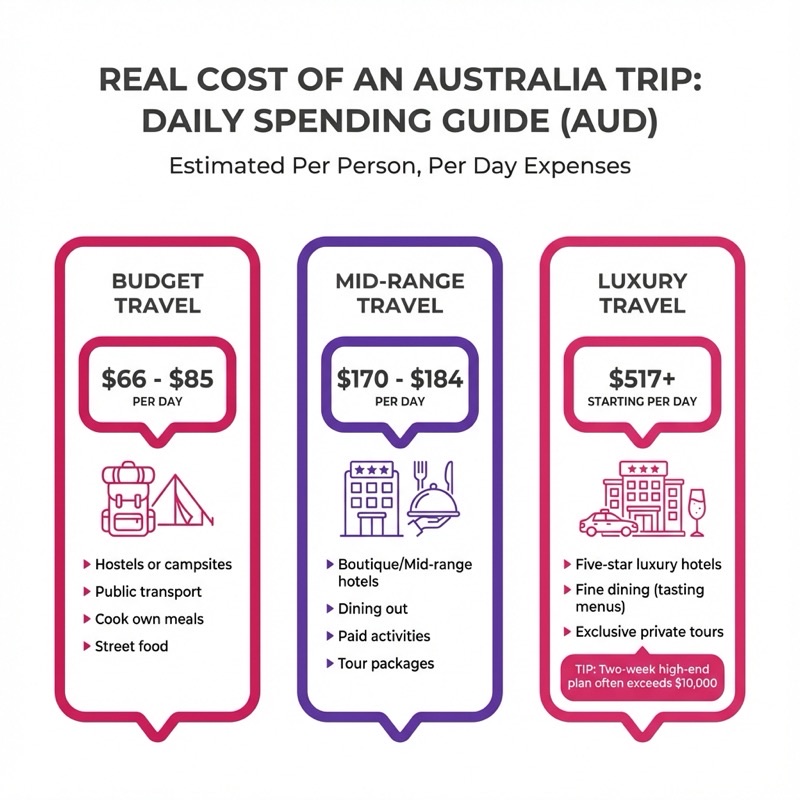
Australia operates at a Western European or North American cost level. Expect hostel dorms to run AUD 40-70 ($27-48 USD) and basic sit-down meals AUD 20-35 ($13-24 USD). A daily…
Australia
China
Australia operates at a Western European or North American cost level. Expect hostel dorms to run AUD 40-70 ($27-48 USD) and basic sit-down meals AUD 20-35 ($13-24 USD). A daily budget for a budget traveler can easily reach AUD 150-250 ($100-180 USD), excluding major tours or long-distance flights. Even groceries and basic coffee are more expensive than in many other countries. Transport between cities via flights adds up quickly, with Sydney to Melbourne flights often AUD 80-150 ($55-100 USD) or more.
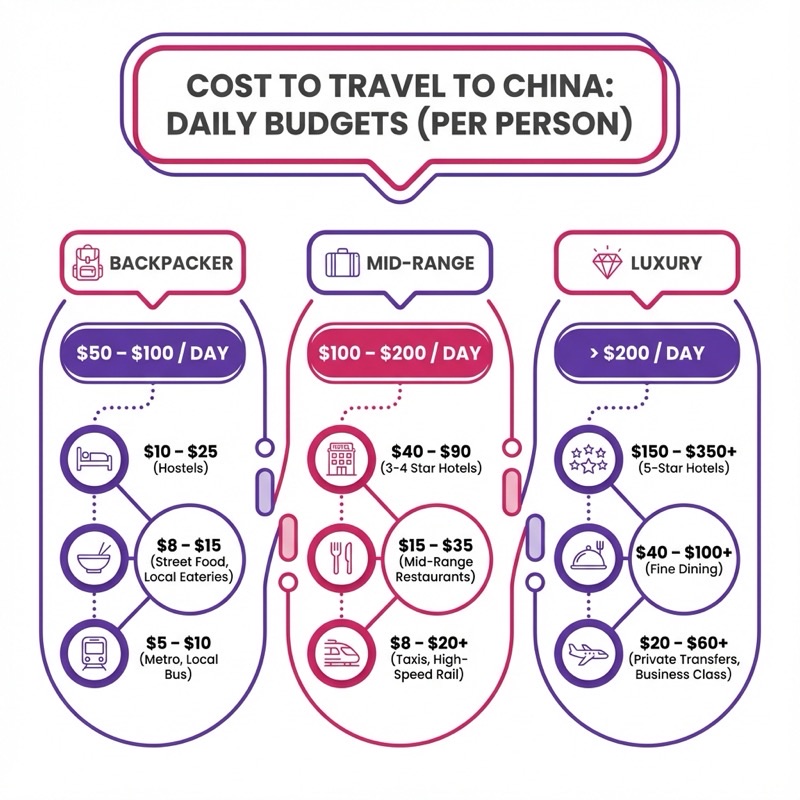
China offers exceptional value for money. Hostel dorms typically cost RMB 60-120 ($8-16 USD), and street food or local restaurant meals are RMB 20-50 ($3-7 USD). A comfortable budget travel day can be as low as RMB 350-600 ($50-85 USD). High-speed rail, while not free, provides fast and affordable intercity travel; a Beijing to Shanghai high-speed train ticket is around RMB 550 ($75 USD) for second class. Entrance fees to major attractions like the Forbidden City are often RMB 60-100 ($8-14 USD). China wins for value, hands down.
- Winner: China
- Why: China provides a significantly lower cost of travel, allowing for longer stays and more experiences on a fixed budget.
- Who this matters for: Budget-conscious travelers, backpackers, and those planning extended trips
🗿 Culture & History
Australia has a rich Aboriginal history spanning over 65,000 years, evident in rock art sites like those in Kakadu National Park. Its colonial history, starting with the First…
Australia
China
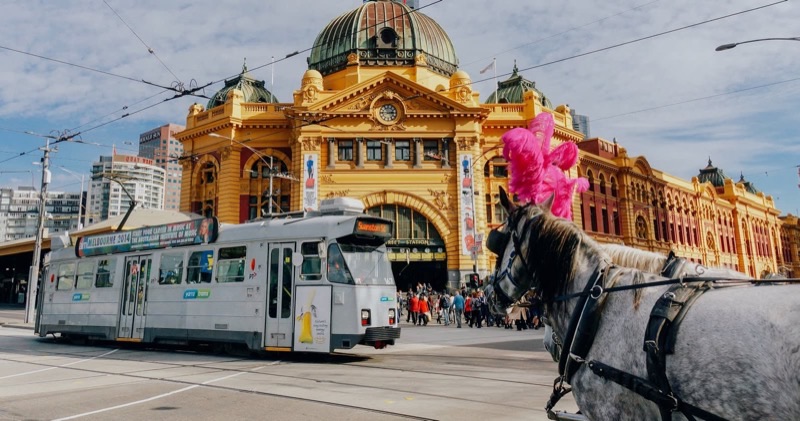
Australia has a rich Aboriginal history spanning over 65,000 years, evident in rock art sites like those in Kakadu National Park. Its colonial history, starting with the First Fleet in 1788, is seen in places like Sydney’s The Rocks and Port Arthur in Tasmania. While there are historical buildings and museums, the dominant modern culture often feels familiar to Western visitors. Major cities like Melbourne and Sydney are contemporary and multicultural, but the ancient structures and deep historical layers present in other parts of the world are less common. Cultural experiences often revolve around contemporary arts, sports, and outdoor activities rather than ancient traditions.
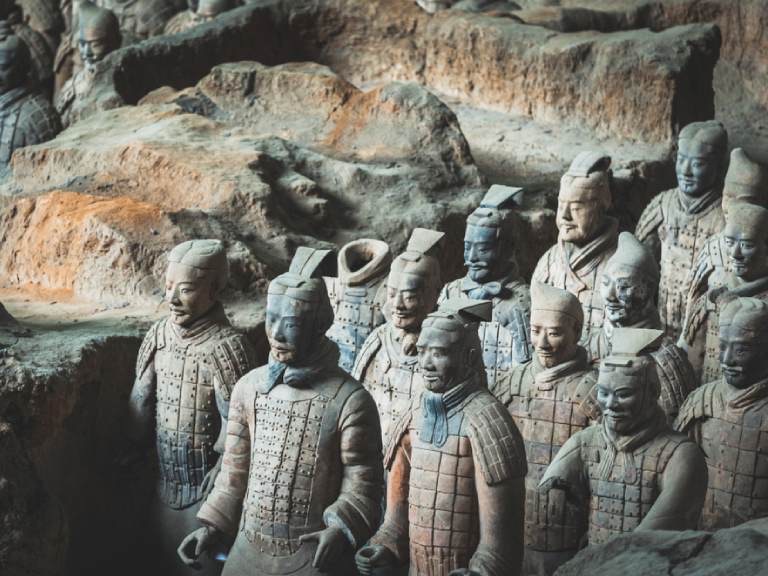
China possesses one of the worlds oldest continuous civilizations, with a historical narrative stretching back millennia. Visitors can explore the Great Wall near Beijing, the Terracotta Army in Xi’an, the Forbidden City, and numerous ancient temples and pagodas across the country. Traditional arts like calligraphy, opera, and tea ceremonies are actively practiced. The country offers a deep dive into various dynastic periods, philosophical movements like Confucianism and Taoism, and the history of numerous ethnic minority groups. The cultural impact of seeing such ancient structures and traditions is profound. China provides a more extensive and accessible historical and cultural journey.
- Winner: China
- Why: China offers a vastly deeper and more extensive historical and cultural experience with ancient sites and living traditions spanning thousands of years.
- Who this matters for: History enthusiasts, cultural scholars, and travelers seeking profound ancient experiences
🏞️ Nature & Scenery
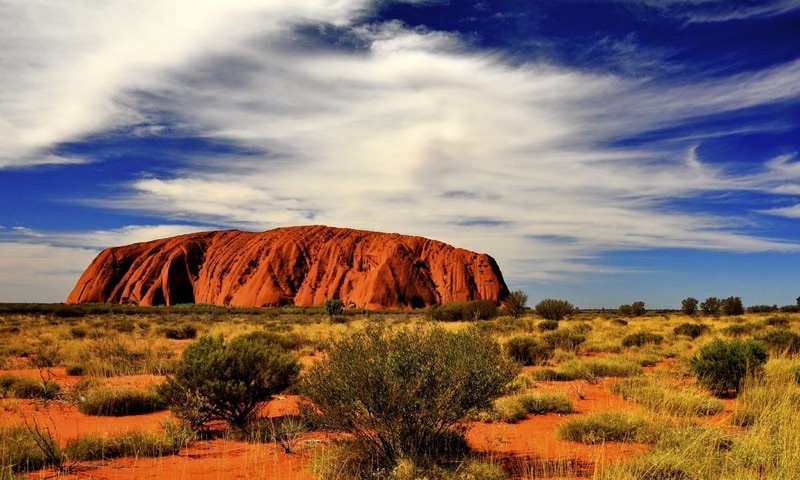
Australia offers an exceptional range of natural environments. The Great Barrier Reef, a massive coral system, is accessible from Cairns. Uluru, a large sandstone monolith,…
Australia
China
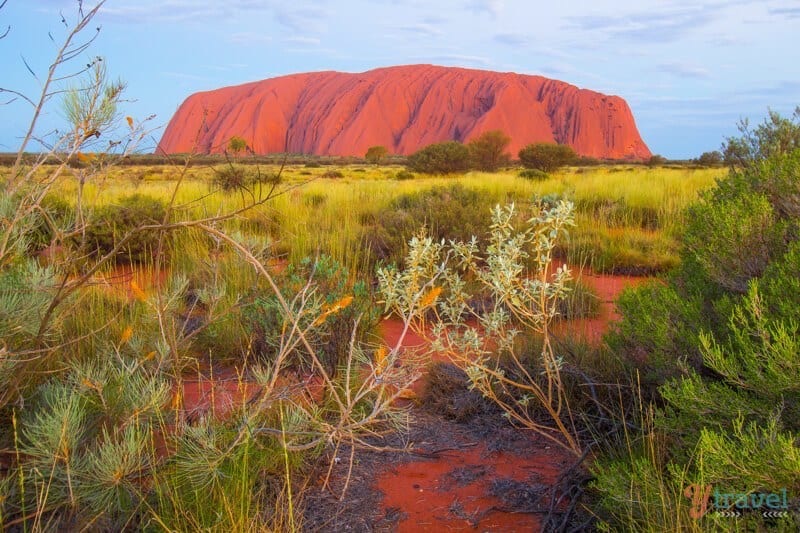
Australia offers an exceptional range of natural environments. The Great Barrier Reef, a massive coral system, is accessible from Cairns. Uluru, a large sandstone monolith, dominates the Red Centre desert. The Blue Mountains near Sydney feature eucalyptus forests and sandstone cliffs. Extensive coastline provides countless beaches like Whitehaven Beach in the Whitsundays. Unique wildlife, including kangaroos, koalas, and wallabies, can be seen in their natural habitats across national parks. The Daintree Rainforest, one of the worlds oldest, provides an ancient jungle experience. Getting to these places often involves significant travel time and cost but the rewards are substantial.
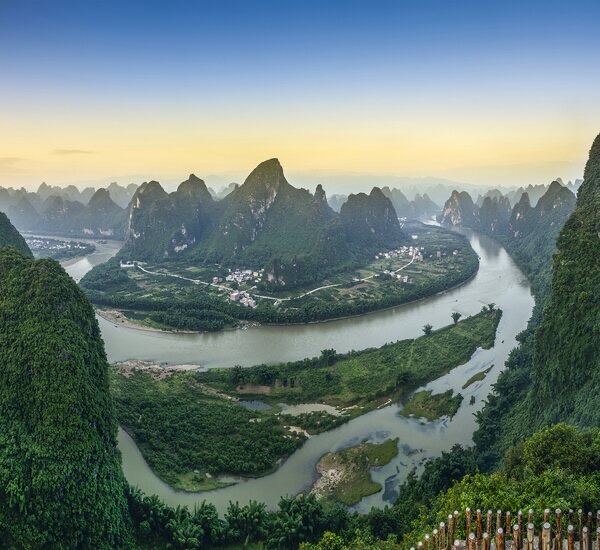
China also has significant natural beauty, including the karst mountains of Guilin and Yangshuo, the Zhangjiajie National Forest Park with its sandstone pillars, and the vast Gobi Desert. The Tibetan Plateau offers high-altitude mountain landscapes. However, some of these regions require more planning, permits (e.g., for Tibet), or are less easily accessible for independent travelers compared to Australias well-trodden nature paths. While impressive, China often requires more effort to experience its top natural features without a guided tour. Australia wins for overall accessibility and diversity of truly grand natural spectacles.
- Winner: Australia
- Why: Australia presents a more accessible and varied array of grand natural landscapes and unique wildlife, easily explored by independent travelers.
- Who this matters for: Outdoor adventurers, wildlife observers, divers, and those who prioritize natural beauty
🍜 Food & Drink
Australias food scene is modern and fusion-focused, with strong influences from its diverse immigrant populations. Cities like Melbourne and Sydney excel in cafes, with a serious…

Australia
China
Australias food scene is modern and fusion-focused, with strong influences from its diverse immigrant populations. Cities like Melbourne and Sydney excel in cafes, with a serious coffee culture. Expect good quality produce, fresh seafood, and modern Australian dishes. Restaurants can be pricey, with a mid-range dinner often costing AUD 40-70 ($27-48 USD) per person. Pub meals are more affordable, around AUD 25-35 ($17-24 USD). While there are Aboriginal-inspired 'bush tucker' experiences, they are niche. The focus is often on high-quality ingredients prepared simply or with international flair. Craft beer and wine regions like the Barossa Valley are strong points.
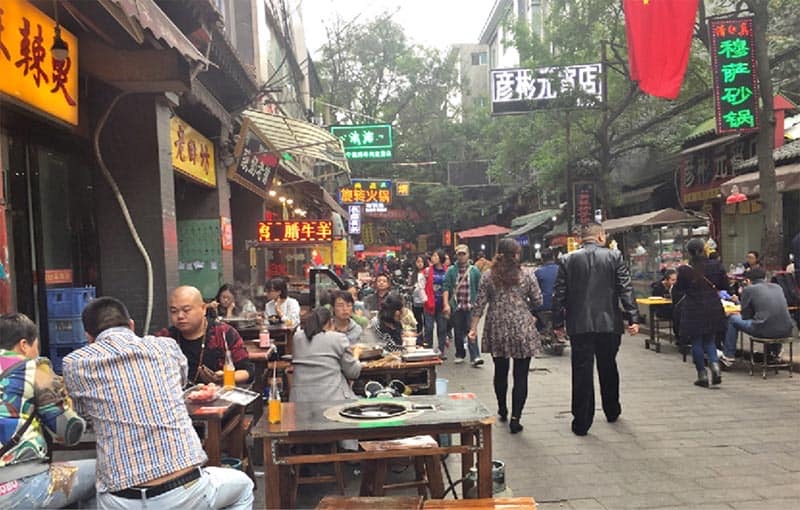
China offers unparalleled culinary diversity. Each region has distinct dishes, flavors, and cooking methods. Explore fiery Sichuan cuisine in Chengdu, delicate dim sum in Guangzhou, hearty noodles in Xi’an, and Peking duck in Beijing. Street food is ubiquitous, affordable, and a core part of the experience. A full meal at a local restaurant can be RMB 30-80 ($4-11 USD), and street snacks are often RMB 5-15 ($0.70-2 USD). Food markets like Wangfujing in Beijing (for exotic snacks) or local wet markets provide immersive experiences. Navigating menus often requires a translation app or pointing, but the reward is immense. China wins for its sheer variety and depth of culinary experiences.
- Winner: China
- Why: China offers a far broader and more profoundly diverse range of regional cuisines and street food at much lower prices.
- Who this matters for: Foodies, adventurous eaters, and travelers prioritizing culinary exploration
✈️ Getting There & Flights
Flights to Australia, especially from North America or Europe, are among the longest international routes. From Los Angeles (LAX) to Sydney (SYD), direct flights usually take…
Australia
China
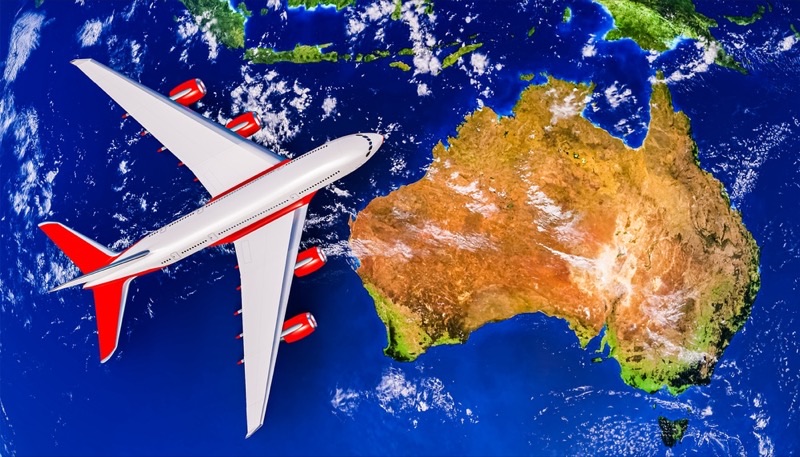
Flights to Australia, especially from North America or Europe, are among the longest international routes. From Los Angeles (LAX) to Sydney (SYD), direct flights usually take 14.5-15.5 hours. From London (LHR) to Sydney, it is typically 22-24 hours with a stop. Fares from North America can range from $1000-1800 USD round trip, depending on the season and booking time. Direct routes are common to major hubs like Sydney, Melbourne, and Brisbane, but getting to more remote areas like Perth or Cairns usually involves an additional domestic flight.
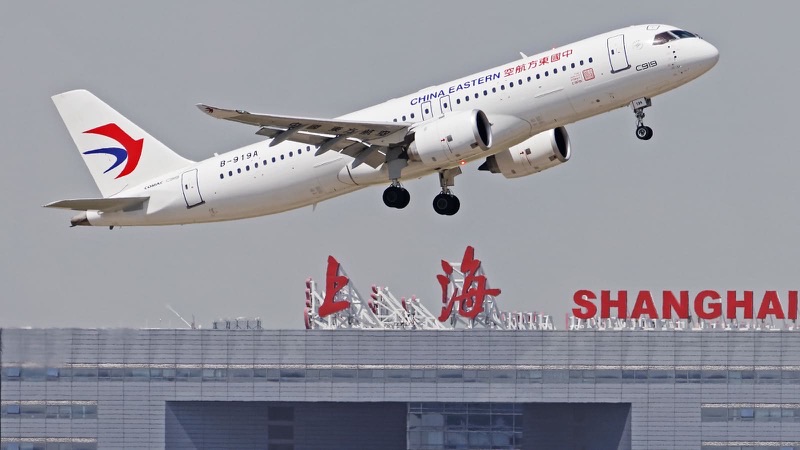
Flights to major Chinese cities like Beijing (PEK) or Shanghai (PVG) from North America are also long but slightly shorter than to Australia. From Los Angeles (LAX), direct flights are generally 12-13 hours. From London (LHR), direct flights are around 10-11 hours. Fares from North America typically fall in the $800-1500 USD range round trip. While flight times are marginally shorter to China from the US, the need for a visa for China adds a layer of complexity and cost (around $140-180 USD for US citizens) that Australia does not have for many Western nationalities (eVisitor or ETA often free/low cost). Therefore, considering overall ease and marginal flight time differences, it is a tie.
- Winner: Tie
- Why: Both destinations require significant travel time and cost from Western departure points, with China having slightly shorter flight times but requiring a visa for most.
- Who this matters for: All travelers due to the initial investment in time and money
🚃 Getting Around
Australia has a large land mass, making domestic flights a common way to cover long distances between major cities like Sydney, Melbourne, and Perth. Airlines like Qantas, Virgin…
Australia has a large land mass, making domestic flights a common way to cover long distances between major cities like Sydney, Melbourne, and Perth. Airlines like Qantas, Virgin Australia, and Jetstar operate frequent routes. Long-distance buses (e.g., Greyhound Australia) are available but take a very long time for cross-country journeys. City public transport (trains, trams, buses) in Sydney and Melbourne is clean and efficient. Driving is a popular option for exploring coastal routes and national parks, requiring an international driving permit. Fuel costs can be significant, and distances are vast.
China boasts an incredibly advanced and efficient high-speed rail (HSR) network, connecting most major cities and regions quickly and affordably. For example, Beijing to Shanghai takes about 5 hours on HSR. Domestic flights are also plentiful, served by airlines like China Southern and China Eastern. City metro systems in Beijing, Shanghai, Chengdu, and other major cities are extensive, cheap, and easy to navigate, even for non-Mandarin speakers (English signs are common). Buses are also widely available for local and regional travel. The infrastructure for getting around China is superior for speed, cost-effectiveness, and ease of use for independent travelers, even with language barriers. China wins for its sheer transportation efficiency.
- Winner: China
- Why: China offers a superior, more efficient, and cost-effective transportation network, especially with its high-speed rail.
- Who this matters for: Travelers covering multiple cities, those with limited time, and budget-conscious adventurers
🏨 Accommodation
Australia has a developed accommodation sector, but prices are consistently higher. A bed in a decent hostel dorm in Sydney or Melbourne will cost AUD 40-70 ($27-48 USD). Budget…
Australia has a developed accommodation sector, but prices are consistently higher. A bed in a decent hostel dorm in Sydney or Melbourne will cost AUD 40-70 ($27-48 USD). Budget hotels or motels start around AUD 120-180 ($80-120 USD) for a private room. Airbnb and other vacation rentals are popular but also reflect the higher cost of living. Booking in advance is advisable, especially for popular coastal towns during peak season. Expect quality to be high, with good amenities and English-speaking staff common in most establishments.
China provides a broad spectrum of accommodation at much more accessible price points. Hostel dorms in major cities can be found for RMB 60-120 ($8-16 USD), offering good social atmospheres. Mid-range hotels, often with good standards and amenities, are typically RMB 250-500 ($35-70 USD) per night. Luxury options are also significantly cheaper than comparable establishments in Australia. While communication can sometimes be an issue outside of international chains, many hotels in tourist areas have some English-speaking staff. It is generally easy to find last-minute rooms, though booking ahead for popular destinations or festivals is always wise. China offers superior value for accommodation.
- Winner: China
- Why: China offers significantly more affordable accommodation options across all categories, from hostels to mid-range hotels.
- Who this matters for: Budget travelers, those seeking longer stays, and anyone looking for good value on lodging
👮 Safety & Logistics
Australia is an exceptionally safe country with low crime rates. Travelers can generally feel secure walking alone, even at night in most urban areas. The main safety concerns are…
Australia is an exceptionally safe country with low crime rates. Travelers can generally feel secure walking alone, even at night in most urban areas. The main safety concerns are natural: sun exposure, powerful ocean currents, and wildlife (e.g., snakes, spiders, jellyfish, though encounters are rare with sensible precautions). English is the spoken language, making communication and navigation straightforward. Emergency services are reliable and easily accessed. There are no major bureaucratic hurdles beyond initial visa processing for many nationalities. Logistics are simple, especially for first-time international travelers.
China is also generally safe regarding violent crime. Pickpocketing can occur in crowded tourist spots, but it is not rampant. The biggest logistical challenges are language barriers outside of major tourist hubs, the need for a pre-arranged visa, and internet censorship (requiring a VPN for common Western apps like Google, Instagram, Facebook). Navigating without Mandarin can be difficult, though translation apps help immensely. It is illegal to stay in private residences that are not registered for foreigners. While safe, China requires a higher degree of planning and adaptability due to these operational considerations. Australia provides a more straightforward and less logistically complex travel experience.
- Winner: Australia
- Why: Australia provides a more straightforward and less logistically complex travel experience due to language, internet, and fewer bureaucratic hurdles.
- Who this matters for: First-time international travelers, those preferring ease of navigation, and travelers reliant on Western internet services
🍻 Nightlife & Entertainment
Australia offers a strong pub and bar culture in its major cities like Melbourne, Sydney, and Brisbane. Live music venues are common, and there are casinos. However, some areas,…
Australia offers a strong pub and bar culture in its major cities like Melbourne, Sydney, and Brisbane. Live music venues are common, and there are casinos. However, some areas, particularly Sydney, have had 'lockout laws' that restrict entry to venues after a certain hour (though these have been relaxed in some areas, the culture of early closing sometimes persists). Prices for drinks can be high, with a beer often costing AUD 10-15 ($7-10 USD). Coastal towns have a relaxed evening atmosphere, often centered around beachside bars. It is social and generally enjoyable, but can feel familiar to Western visitors.
China offers a more varied and often more late-night entertainment landscape. Major cities like Shanghai and Beijing have numerous nightclubs, KTV (karaoke) bars, and cocktail lounges that stay open very late. Local bars, 'beer streets,' and night markets provide different atmospheres. Beyond conventional nightlife, there are traditional performances like opera, acrobatics shows, and evening strolls through illuminated historical areas. A beer can cost RMB 15-30 ($2-4 USD) in a local bar. The scale and variety of options, from high-energy clubs to tranquil tea houses, along with more flexible closing times, make China a winner for evening entertainment. China offers greater diversity and accessibility for evening activities.
- Winner: China
- Why: China offers a more diverse range of late-night entertainment options, including unique KTV experiences, at more affordable prices.
- Who this matters for: Party-goers, social travelers, and those seeking varied evening cultural experiences
🚶♀️ Solo Travel
Australia is an ideal destination for solo travelers, particularly backpackers and those on working holidays. The hostel network is extensive and social, making it easy to meet…
Australia is an ideal destination for solo travelers, particularly backpackers and those on working holidays. The hostel network is extensive and social, making it easy to meet other travelers. English is the common language, simplifying communication and navigation. Public transport is reliable in cities, and joining group tours for specific activities (e.g., diving, Outback tours) is straightforward. Safety is a non-issue. The overall ease of travel, combined with a friendly local population, makes solo exploration very comfortable. Many resources cater specifically to solo adventurers, and the well-established tourist routes are easy to follow without companions.
Solo travel in China is incredibly rewarding for those who embrace the challenges. While generally safe, the language barrier and the need for a VPN for Western communication apps require more self-reliance and planning. However, China has an excellent hostel network, especially in major cities, where English-speaking staff and fellow travelers are common. High-speed rail makes covering distances alone very efficient. Joining local tours for specific sites can fill gaps. It is a destination that pushes you outside your comfort zone, but offers immense personal growth and exposure to a truly different culture. However, for sheer ease and immediate comfort, Australia is a better choice for first-time solo international travelers. Australia provides a more accessible and stress-free solo travel experience.
- Winner: Australia
- Why: Australia offers a more straightforward, easier, and less logistically challenging experience for solo travelers, especially those new to international trips.
- Who this matters for: First-time solo travelers, those prioritizing ease of communication and social interaction with other Western travelers
🎯 The Decision Framework
Choose Australia If…
- You prioritize easy communication in English.
- You dream of diving or snorkeling on coral reefs.
- You want to see kangaroos, koalas, and unique marsupials.
- You enjoy laid-back beach culture and surfing.
- You prefer a highly developed and familiar travel infrastructure.
- You are comfortable with higher daily travel expenses.
- You plan on renting a car and taking long road trips.
- You want a relaxed, outdoor-focused adventure.
Choose China If…
- You seek deep immersion in ancient historical sites and diverse cultural practices.
- You are looking for a significantly more budget-friendly travel experience.
- You want to experience incredibly varied regional cuisines and street food.
- You plan to utilize a highly efficient high-speed rail system.
- You are comfortable navigating a country with a significant language barrier.
- You are prepared to use a VPN for internet access.
- You enjoy exploring vast, bustling cities and traditional markets.
- You are interested in seeing landmarks like the Great Wall and Terracotta Army.
📅 Sample Itineraries
Weekend in Australia (3 Days)
💡 Purchase an Opal card upon arrival in Sydney for cheaper public transport fares and easy tap-on/tap-off access to buses, trains, and ferries. You can get daily caps too, saving about $5-10 per day.
Weekend in China (3 Days)
💡 Download WeChat and Alipay for mobile payments, as cash is rarely accepted in many places. This will save time and hassle, especially when buying street food or small items. A local SIM card costs about $10-15.
One Week in Australia (7 Days)
💡 For inter-city travel, book domestic flights well in advance, especially with budget airlines like Jetstar or Virgin Australia, to secure better prices (potentially saving $50-100 per flight).
One Week in China (7 Days)
💡 Book high-speed train tickets through apps like Trip.com or directly at stations well in advance, especially for popular routes. This ensures availability and often better pricing, saving about $10-20 per ticket.
❓ Frequently Asked Questions
What is the average daily budget for each country?
For Australia, expect to spend AUD 150-250 ($100-180 USD) per day for a budget to mid-range traveler, covering a hostel bed, basic meals, and local transport. China is significantly cheaper, with RMB 350-600 ($50-85 USD) per day covering similar accommodations and activities.
How long are flights from the US to each country?
Direct flights from the US West Coast (e.g., LAX) to Australia (e.g., Sydney) are typically 14.5-15.5 hours. Flights to China (e.g., Beijing or Shanghai) from the US West Coast are slightly shorter, usually 12-13 hours direct.
Is a visa required for US citizens for these destinations?
US citizens need an Electronic Travel Authority (ETA) or an eVisitor visa for Australia, which is usually processed quickly online for a small fee or free. For China, a full tourist visa is required in advance, which costs around $140-180 USD and requires an application process at a consulate.
Which country is better for nature and wildlife viewing?
Australia wins for nature and wildlife. Its accessible national parks, the Great Barrier Reef, and unique marsupials like kangaroos and koalas offer unparalleled experiences. China has impressive mountains and landscapes, but its wildlife viewing is less common for tourists.
How easy is it to get around without knowing the local language?
Getting around Australia is very easy as English is the official language. China presents more of a challenge due to the Mandarin language barrier, though major cities have English signage in transit hubs and translation apps are indispensable. High-speed rail ticketing can often be done with English interfaces.
What are the main cultural differences a traveler might notice?
Australia has a contemporary Western culture, often feeling familiar to North American or European visitors, with a laid-back attitude. China presents a profoundly different cultural landscape with thousands of years of tradition, distinct social norms, and a very different daily rhythm. The historical depth in China is far greater and more visible.
Which country has better internet access for travelers?
Australia has open internet access, allowing use of all standard apps and websites. China implements strict internet censorship, meaning popular Western apps like Google, Facebook, and Instagram are blocked without a reliable VPN. Plan to download and set up a VPN before arriving in China.
What are typical food costs in each country?
In Australia, a casual restaurant meal averages AUD 20-35 ($13-24 USD), and coffee is AUD 5-7 ($3-5 USD). In China, street food or a local restaurant meal is RMB 20-50 ($3-7 USD), and a local coffee or tea is often RMB 10-25 ($1.50-3.50 USD).
Ready to plan your Asia-Pacific trip?
Get a free custom itinerary for Australia, China, or both — built from real traveler insights.
👥 Travelers Also Compared
🎟️ Book Tours & Experiences
Hand-picked tours and activities for both destinations — book with free cancellation
Experiences via Viator — free cancellation on most tours