How we built this comparison
This page combines traveler discussion patterns, published price ranges, flight schedules, and seasonal data to help you decide between Australia and India.
- Reviewed 500+ Reddit threads from r/travel, r/solotravel, r/AusTravel, r/IndiaTravel, and r/backpacking
- Verified costs and logistics against current booking platforms (Booking.com, Skyscanner, etc.)
- Cross-referenced seasonal patterns and weather data from meteorological sources
⚡ Quick Answers
⚡ The TL;DR Verdict
For most first-time international travelers with a standard budget, Australia offers a more predictable, easier experience with higher comfort. Those seeking deep cultural immersion, adventure, and extreme budget travel should lean towards India, but prepare for intensity. Pick Australia for $100-200/day, India for $20-50/day.
- Choose Australia: You prioritize ease, safety, modern comforts, extensive nature without rough edges, and have a more flexible budget for daily expenses.
- Choose India: You seek profound cultural immersion, historical sites spanning millennia, challenging yet rewarding experiences, and a very low daily travel cost.
- Choose Both: If you have 6+ weeks and a substantial budget, start with India for 3 weeks of intense immersion, then unwind in Australia for 3 weeks of relaxation and nature.
Choose Australia
Opt for Australia if you're a first-time international traveler or prioritize a consistently comfortable, safe experience with stunning natural beauty. Explore the vibrant city life of Sydney, marvel at the Great Barrier Reef, or unwind on pristine Gold Coast beaches, knowing every step will be well-supported. It's best for those with a flexible budget seeking effortless adventure and world-class modern amenities.
Choose India
Select India if you crave profound cultural immersion, historical depth, and don't shy away from intensity and sensory overload. Wander through ancient Varanasi's ghats, witness the majesty of the Taj Mahal, or navigate the vibrant chaos of Delhi's bustling markets. It's ideal for adventurous travelers on a strict budget who seek transformative, unforgettable experiences and are prepared for a challenging journey.
📊 Visual Scorecard
🌤 When to Visit
Average high temperatures (°C). Green = best months, orange = avoid.
Quick Comparison
| Category | Australia | India | Winner |
|---|---|---|---|
| Costs & Budget | Australia is expensive for everything: accommodation, food, transport. Expect high daily spend. | India offers extreme value; accommodation, food, and transport are remarkably inexpensive. | India |
| Nature & Landscapes | Australia offers diverse, accessible natural environments from beaches to deserts, often well-maintained national parks. | India has varied geography, including mountains, deserts, and jungles, but access and infrastructure can be challenging. | Australia |
| Food & Drink | Australia has modern, multi-cultural cuisine, excellent coffee culture, and quality fresh produce, but dining out is costly. | India offers an explosion of regional flavors, street food, and traditional dishes, all at extremely low prices. | India |
| Culture & History | Australia has a relatively young post-colonial history and ancient Aboriginal heritage, often presented in modern museums. | India boasts thousands of years of continuous history, empires, religions, and architecture, offering profound cultural immersion. | India |
| Getting There & Around | Australia requires long-haul flights. Internal travel is primarily by plane or self-drive, with limited train options. | India has extensive flight connections. Internal travel is cheap via trains, buses, and rickshaws, but can be slow and chaotic. | Tie |
| Accommodation | Australia offers modern hotels, hostels, and holiday parks, all generally well-maintained and expensive. | India has a spectrum from basic guesthouses and budget hotels to luxury palaces, with high variability in quality and very low prices. | India |
| Safety & Health | Australia is a very safe country with excellent healthcare, but natural dangers exist (sun, wildlife). | India presents more safety concerns (petty crime, scams) and health risks (food/waterborne illness), requiring more vigilance. | Australia |
| Solo Travel | Australia is easy and safe for solo travelers, with an established backpacking circuit and social hostels. | India offers profound solo adventures but demands resilience, strong boundaries, and careful planning due to cultural differences and harassment. | Australia |
| Beaches & Water Activities | Australia is globally renowned for its extensive coastline, clear waters, surfing, and snorkeling/diving. | India has coastlines with beaches, primarily in Goa and Kerala, offering a different vibe, but less focus on watersports. | Australia |
| Shopping & Souvenirs | Australia offers modern retail, designer brands, and souvenirs tied to its unique wildlife and Aboriginal art. | India is a treasure trove of textiles, crafts, spices, and jewelry, with options from street markets to upscale boutiques. | India |
| Weather & Seasons | Australia has diverse climates; best visited during shoulder seasons (spring/autumn) for mild weather nationwide. | India experiences distinct monsoon, winter, and summer seasons; best visited during the cooler, dry winter (Oct-March). | Tie |
💰 Costs & Budget
Traveling Australia requires a significant budget. Expect hostel dorms to cost AUD 50-80 ($33-53 USD) per night in major cities like Sydney or Melbourne. A simple restaurant meal…
Australia

India
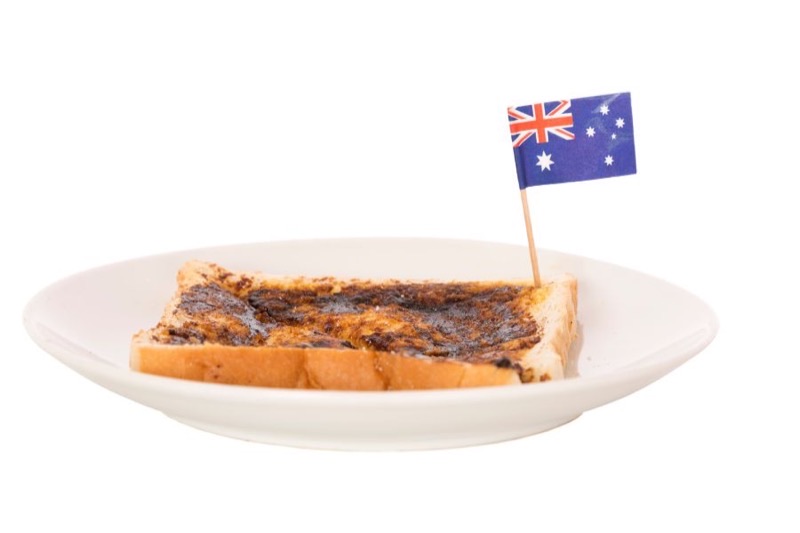
Traveling Australia requires a significant budget. Expect hostel dorms to cost AUD 50-80 ($33-53 USD) per night in major cities like Sydney or Melbourne. A simple restaurant meal can be AUD 20-35 ($13-23 USD), and domestic flights between cities like Sydney and Cairns start around AUD 150-300 ($100-200 USD). Public transport in cities like Melbourne can be AUD 5-10 ($3-7 USD) for a daily pass. Activities like snorkeling the Great Barrier Reef typically cost AUD 200-300 ($130-200 USD) for a day trip. A conservative daily budget for a backpacker is AUD 100-150 ($66-100 USD), more if you want private rooms or more tours.
India operates on a different financial scale. A clean hostel dorm in Delhi or Jaipur can be INR 500-1000 ($6-12 USD) per night, while guesthouses with private rooms might range from INR 1500-3000 ($18-36 USD). Street food or a meal at a local eatery often costs INR 100-300 ($1.20-3.60 USD). A long-distance train ticket (sleeper class) from Delhi to Agra (about 3 hours) can be as low as INR 200-500 ($2.40-6 USD). Entry to major sites like the Taj Mahal is INR 1100 ($13 USD) for foreigners. A daily budget of INR 2000-4000 ($24-48 USD) allows comfortable travel, including accommodation, food, and some activities. India is the clear winner for budget-conscious travelers.
- Winner: India
- Why: India provides significantly lower costs across all travel categories, allowing for much longer trips on a smaller budget.
- Who this matters for: Budget travelers, long-term backpackers, and anyone wanting to maximize their travel duration.
🏞️ Nature & Landscapes
Australia is home to an immense range of natural settings. The Great Barrier Reef in Queensland offers coral ecosystems. The Red Centre, with Uluru, presents arid desert…
Australia
India
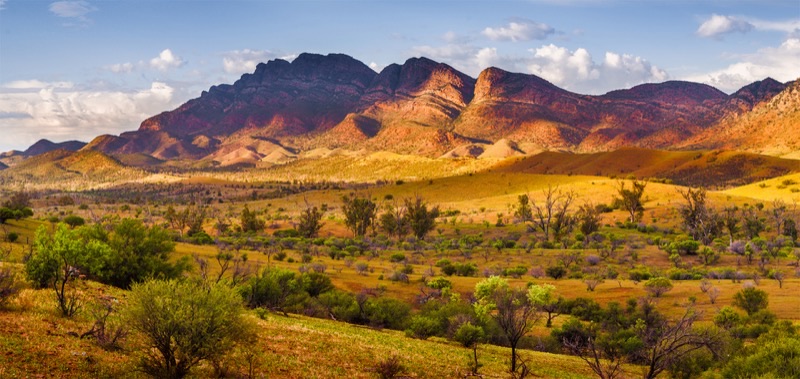
Australia is home to an immense range of natural settings. The Great Barrier Reef in Queensland offers coral ecosystems. The Red Centre, with Uluru, presents arid desert environments. Tasmania provides ancient rainforests and rugged coastlines, while the Blue Mountains near Sydney offer eucalyptus forests and valleys. National parks like Kakadu in the Northern Territory protect wetland ecosystems and aboriginal rock art. Most parks have good visitor infrastructure, walking tracks, and organized tours. Wildlife encounters with kangaroos, koalas, and various bird species are common and often close at hand, especially outside major cities.
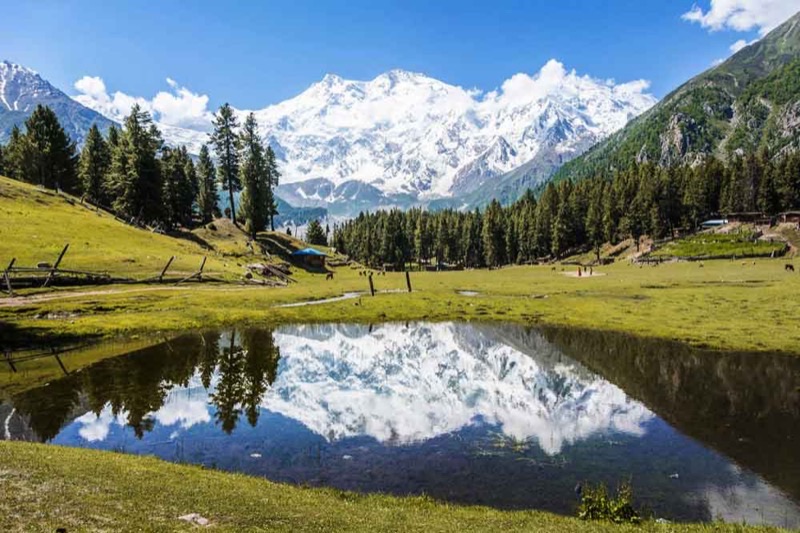
India also has considerable natural diversity, from the Himalayan peaks in states like Uttarakhand and Himachal Pradesh to the Thar Desert in Rajasthan and the backwaters of Kerala. However, accessing these areas often involves more effort, and infrastructure might be basic. Wildlife sanctuaries like Ranthambore National Park offer tiger sightings, but these experiences are often less curated and require specialized tours. Pollution can detract from natural settings in many areas. While the landscapes are immense, the interaction with nature is often less pristine and more intertwined with human activity. Australia wins for pristine, accessible, and diverse natural encounters.
- Winner: Australia
- Why: Australia presents expansive, well-preserved, and easily accessible natural environments with abundant unique wildlife.
- Who this matters for: Nature photographers, hikers, wildlife enthusiasts, and those seeking adventure in structured environments.
🍜 Food & Drink
Australian food culture reflects its immigration history, with strong influences from European, Asian, and Middle Eastern cuisines. Cities like Melbourne and Sydney are known for…

Australia

India
Australian food culture reflects its immigration history, with strong influences from European, Asian, and Middle Eastern cuisines. Cities like Melbourne and Sydney are known for their cafes, offering high-quality coffee and brunch. Seafood, like fresh prawns and barramundi, is popular along the coasts. Modern Australian cuisine often focuses on fresh, local ingredients, with restaurants like Quay in Sydney pushing boundaries. Expect to pay AUD 25-40 ($17-27 USD) for a casual main dish, and AUD 60+ ($40+ USD) for a nicer dinner. Craft breweries and wineries are common, with a pint of beer around AUD 10-14 ($7-9 USD).
Indian food is a sensory experience, varying dramatically by region. From the rich, creamy curries and tandoori breads of North India (e.g., butter chicken, naan) to the spicy, coconut-infused dishes and dosa of South India, the culinary range is vast. Street food, like pani puri, samosas, and chai, is ubiquitous and incredibly cheap, often just INR 20-100 ($0.25-1.20 USD) per item. A full meal at a local restaurant might cost INR 200-500 ($2.40-6 USD). Hygiene on the street can be a concern, but many travelers manage by choosing popular stalls with high turnover. India provides a depth of flavor and affordability that Australia cannot match. The sheer diversity and low cost make India the winner.
- Winner: India
- Why: India offers an unmatched depth of flavors, regional variations, and incredible affordability for diverse and memorable eating experiences.
- Who this matters for: Foodies, culinary explorers, budget travelers, and anyone seeking authentic, complex flavors.
🏛️ Culture & History
Australia's recorded history largely focuses on its post-colonial period since 1788, with impressive museums like the National Museum of Australia in Canberra covering this and…
Australia
India
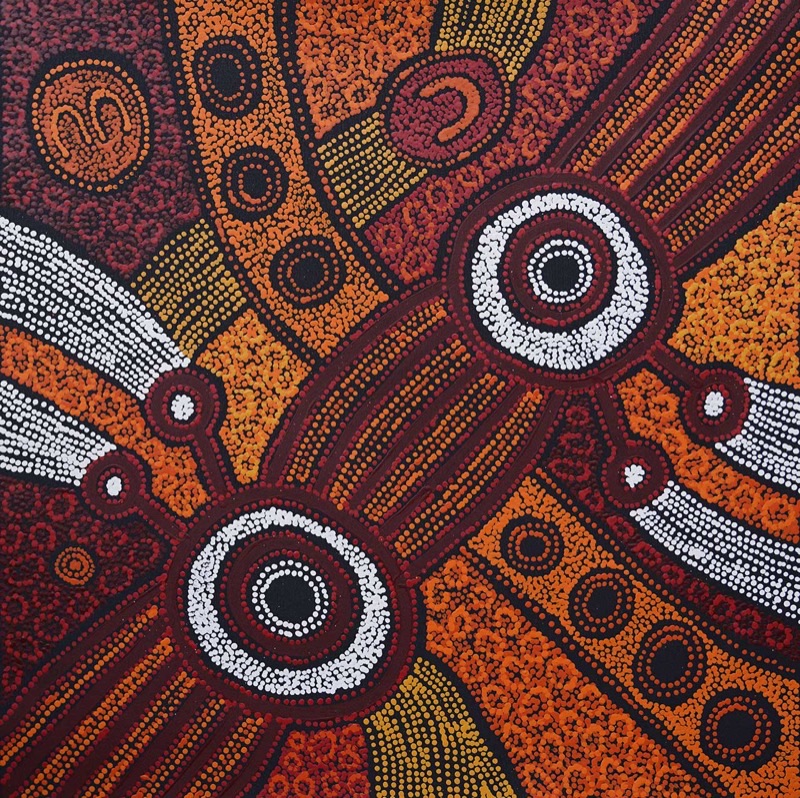
Australia's recorded history largely focuses on its post-colonial period since 1788, with impressive museums like the National Museum of Australia in Canberra covering this and its Aboriginal heritage. Aboriginal culture, one of the oldest continuing cultures globally, is presented through rock art sites like those in Kakadu National Park and cultural centers. While valuable, these experiences are often curated and separate from daily life for visitors. Cities like Melbourne and Sydney showcase modern art, architecture, and a lively performing arts scene. The cultural experience in Australia leans towards contemporary Western society with significant multicultural influences.
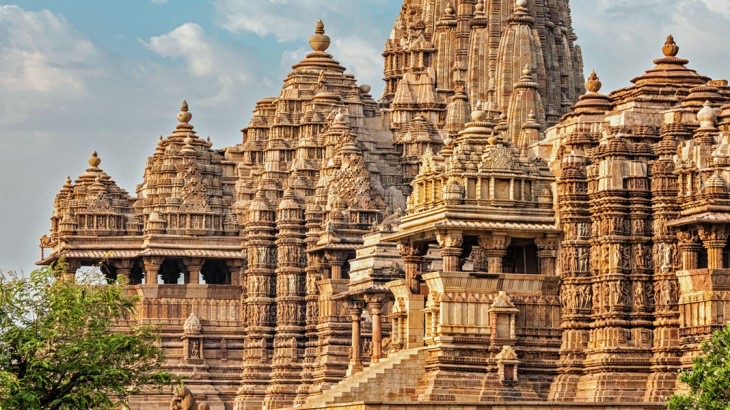
India is an ancient land with a history spanning over 5,000 years, home to multiple major religions (Hinduism, Buddhism, Sikhism, Jainism) and countless empires. Historical sites are abundant, from the Mughal splendor of the Taj Mahal in Agra and Humayuns Tomb in Delhi, to the ancient temples of Khajuraho and the cave complexes of Ajanta and Ellora. Daily life itself is a cultural experience, with festivals, rituals, and traditional practices visible everywhere. The cultural immersion is constant and overwhelming, from the streets of Varanasi with its ghats and pilgrims to the royal palaces of Rajasthan. India offers a profound, immersive, and ancient cultural journey that Australia, with its newer settler history, cannot replicate. India wins this category hands down.
- Winner: India
- Why: India provides an unparalleled depth of ancient history, spiritual practices, diverse traditions, and daily cultural immersion.
- Who this matters for: History buffs, anthropologists, spiritual seekers, and travelers desiring deep cultural understanding.
✈️ Getting There & Around
Getting to Australia typically involves very long flights. From Los Angeles (LAX) to Sydney (SYD), direct flights are around 14-15 hours. From London (LHR) to Melbourne (MEL),…

Australia
India
Getting to Australia typically involves very long flights. From Los Angeles (LAX) to Sydney (SYD), direct flights are around 14-15 hours. From London (LHR) to Melbourne (MEL), expect 20-24 hours with a stop. Once in Australia, domestic flights are the most common way to cover long distances quickly; for example, Sydney to Perth is a 5-hour flight costing AUD 150-400 ($100-270 USD). Greyhound buses offer cheaper, slower alternatives. Renting a car or campervan is a popular option for flexibility, but fuel and rental costs are high. Public transport within cities is efficient but not always extensive, requiring some planning.
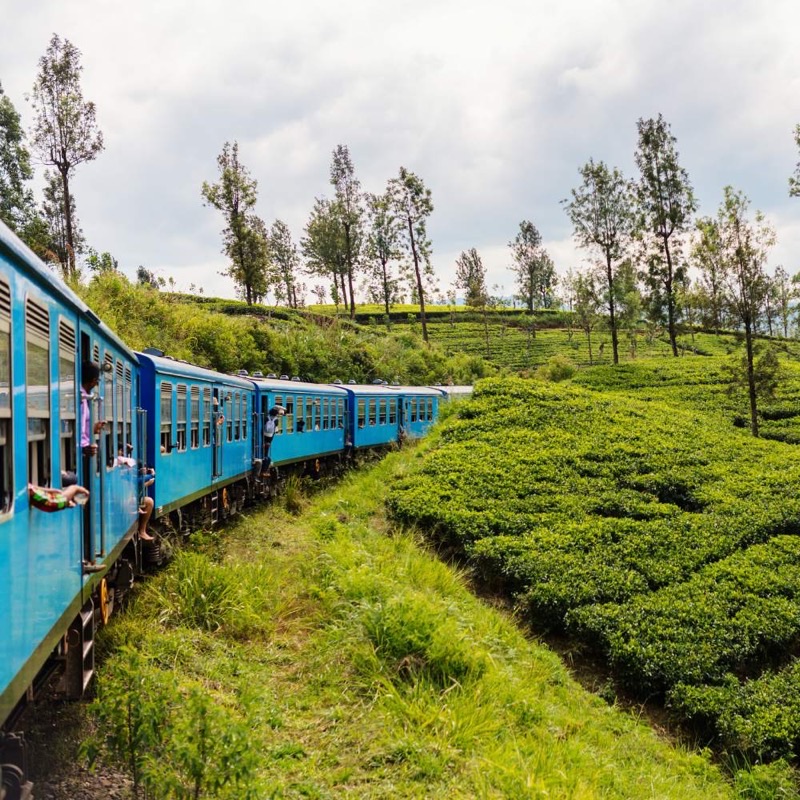
Flights to India from major hubs are also long; LAX to Delhi (DEL) is typically 15-18 hours with a stop, and LHR to Mumbai (BOM) is 9-10 hours direct. India has an extensive rail network, providing a cheap and authentic way to travel long distances, though trains can be delayed. Sleeper class tickets from Delhi to Agra are around INR 200-500 ($2.40-6 USD). Buses are even cheaper but less comfortable. Within cities, auto-rickshaws and cycle-rickshaws are abundant and very inexpensive, but traffic is dense and chaotic. Ridesharing apps like Ola and Uber are available in major cities. Both countries require significant travel time to reach, but internal travel options differ vastly. Its a tie as each offers a different experience, neither universally superior.
- Winner: Tie
- Why: Both destinations require long international flights, and internal travel methods cater to different travel styles and budgets, making a clear winner difficult.
- Who this matters for: Travelers prioritizing either speed and comfort (Australia) or cost and local immersion (India).
🏨 Accommodation
Accommodation in Australia is generally of a high standard, but prices reflect this. Hostel dorms in cities like Sydney or Melbourne typically cost AUD 50-80 ($33-53 USD) per…
Accommodation in Australia is generally of a high standard, but prices reflect this. Hostel dorms in cities like Sydney or Melbourne typically cost AUD 50-80 ($33-53 USD) per night. Budget hotels or motels might start around AUD 120-200 ($80-130 USD). Mid-range hotels are AUD 200-350 ($130-230 USD). Holiday parks offer cabins and camping sites, which can be a more affordable option, especially for families or those with vehicles, but still charge AUD 30-60 ($20-40 USD) for a powered site. Standards are consistently good, with clean facilities and reliable services.
India's accommodation landscape is incredibly diverse. You can find basic guesthouses for INR 500-1500 ($6-18 USD) per night, which may or may not include air conditioning or hot water, but often offer a local experience. Budget hotels (3-star equivalent) are typically INR 2000-4000 ($24-48 USD) and offer better amenities. Luxury hotels and heritage properties, like former palaces in Rajasthan, can cost INR 8000+ ($96+ USD) but offer experiences that would be exponentially more expensive elsewhere. While quality varies widely and requires careful research, the sheer range and affordability of options, especially at the lower end, make India a flexible choice for any budget. India provides better value and more unique stays for the money.
- Winner: India
- Why: India provides significantly more diverse and budget-friendly accommodation options, from basic to luxurious, offering much better value.
- Who this matters for: All travelers, especially those on a budget or seeking unique, affordable heritage stays.
⚕️ Safety & Health
Australia is one of the safest countries globally, with low crime rates. Major concerns are typically related to nature: strong sun (UVA/UVB), venomous snakes and spiders in rural…
Australia is one of the safest countries globally, with low crime rates. Major concerns are typically related to nature: strong sun (UVA/UVB), venomous snakes and spiders in rural areas (though bites are rare), and dangerous marine life (jellyfish, sharks) in certain coastal regions. However, information and precautions are well-communicated. Healthcare is excellent, though expensive for non-residents, making travel insurance a necessity. Tap water is safe to drink nationwide. For solo travelers, particularly women, Australia offers a high degree of comfort and security. You can walk around most areas without major concern.
India requires a higher level of vigilance regarding personal safety and health. Petty theft, scams directed at tourists, and harassment (especially for solo female travelers) are more common. Public spaces can be crowded and chaotic. Traffic accidents are frequent. Health-wise, food and waterborne illnesses (e.g., travelers diarrhea) are common, necessitating caution with street food and only drinking bottled water. Vaccinations like Hepatitis A/B, Typhoid, and Tetanus are recommended, and malaria prophylaxis might be advised for some regions. While many travelers have incident-free trips, the constant need for awareness makes it more challenging. Australia offers a much more relaxed and safer environment.
- Winner: Australia
- Why: Australia provides a much higher general standard of personal safety, reliable infrastructure, and excellent healthcare, making for a less stressful trip.
- Who this matters for: Solo travelers, families with young children, those new to international travel, and anyone prioritizing peace of mind.
🚶♀️ Solo Travel
Australia is a popular destination for solo travelers, particularly backpackers. The east coast in particular has a well-trodden circuit, making it easy to meet other travelers in…
Australia is a popular destination for solo travelers, particularly backpackers. The east coast in particular has a well-trodden circuit, making it easy to meet other travelers in hostels like YHA or Base Backpackers. Public transport in cities and domestic flights are efficient. Hitchhiking is not recommended, but organized tours and shared rides are common. English is the native language, making communication straightforward. Safety is generally high, and solo female travelers report feeling comfortable. While solo travel can be expensive, the ease of logistics and social opportunities make it a rewarding experience for many.
Solo travel in India can be incredibly transformative but comes with significant challenges. For men, it is generally easier, though still requires resilience for the constant attention and chaotic environments. For solo women, harassment, staring, and unwanted attention are common, requiring a strong sense of self and strategies to manage it (e.g., dressing conservatively, avoiding isolated areas after dark, using trusted transport). Meeting other travelers is possible in guesthouses or tour groups, but the experience is often more introspective. It is harder to connect with locals as an outsider. While deeply rewarding for seasoned adventurers, the constant mental load makes it less accessible. Australia offers a simpler and less stressful solo journey.
- Winner: Australia
- Why: Australia offers an easier, safer, and more socially integrated experience for solo travelers, with fewer cultural barriers and security concerns.
- Who this matters for: First-time solo travelers, solo female travelers, and those seeking a low-stress independent trip.
🏖️ Beaches & Water Activities
Australia boasts an immense coastline with some of the world's most famous beaches. Bondi Beach in Sydney is iconic for surfing and people-watching. The Gold Coast in Queensland…
Australia boasts an immense coastline with some of the world's most famous beaches. Bondi Beach in Sydney is iconic for surfing and people-watching. The Gold Coast in Queensland offers expansive stretches of sand for swimming and sunbathing. For snorkeling and diving, the Great Barrier Reef provides unparalleled access to coral ecosystems and marine life near Cairns. Western Australia offers pristine, remote beaches like Lucky Bay, where kangaroos might join you. Surfing is a national pastime, with numerous surf schools and breaks for all levels. Waters are generally clear and inviting, though marine stingers are a seasonal concern in northern waters. The infrastructure for watersports is extensive and professional.
India has coastlines along the Arabian Sea and the Bay of Bengal, with popular beach destinations primarily in Goa and Kerala. Goa is known for its party beaches like Palolem and Anjuna, offering shacks, sun loungers, and basic watersports like jet skis. Kerala's Varkala and Kovalam beaches are more relaxed, with cliffside cafes and Ayurvedic treatments. While the beaches are pleasant for relaxing and swimming, the focus is less on active watersports and more on the atmosphere. The water quality can vary, and marine life encounters are not as diverse or easily accessed as in Australia. Australia's sheer quantity, quality, and variety of beaches and water activities are unmatched. Australia is the clear winner for ocean enjoyment.
- Winner: Australia
- Why: Australia provides superior, cleaner, and more diverse beaches, extensive watersports infrastructure, and iconic marine ecosystems.
- Who this matters for: Surfers, divers, snorkelers, beach lovers, and anyone prioritizing ocean-based activities.
🛍️ Shopping & Souvenirs
Shopping in Australia generally aligns with Western retail experiences. Major cities have large shopping malls with international and local brands. Souvenirs often include items…
Shopping in Australia generally aligns with Western retail experiences. Major cities have large shopping malls with international and local brands. Souvenirs often include items related to Australian wildlife (koalas, kangaroos), boomerangs, opals, and Aboriginal art. Prices are generally high. Markets like Queen Victoria Market in Melbourne offer fresh produce and some artisan goods. Duty-free shopping is available at airports for higher-value items. The shopping experience is organized and clean, but not necessarily unique compared to other developed nations. For specific, high-quality Australian products like Ugg boots or high-end natural cosmetics, it is a good destination.
India offers a shopping experience unlike almost anywhere else. Its markets are famous for textiles (silk, cotton, cashmere), spices, jewelry (silver, gold, precious stones), leather goods, handicrafts, and intricate artworks. From the chaotic but rewarding street markets of Chandni Chowk in Delhi to the artisan bazaars of Jaipur, bargaining is expected and part of the experience. Prices are exceptionally low, especially for handmade items. You can find everything from intricate saris and pashminas to carved wooden elephants and fragrant teas. This is a place to buy goods with character and history, directly from artisans or small shopkeepers. The variety, authenticity, and affordability of goods make India a shopping paradise. India wins for its rich, diverse, and affordable shopping opportunities.
- Winner: India
- Why: India offers an incredible diversity of handmade goods, textiles, spices, and crafts at exceptionally low prices, providing a unique shopping experience.
- Who this matters for: Bargain hunters, collectors, craft enthusiasts, and those seeking authentic, locally-made souvenirs.
☀️ Weather & Seasons
Australia spans multiple climate zones. The south (Sydney, Melbourne, Perth) experiences four distinct seasons, with mild winters (June-August, 10-15°C / 50-59°F) and hot summers…
Australia spans multiple climate zones. The south (Sydney, Melbourne, Perth) experiences four distinct seasons, with mild winters (June-August, 10-15°C / 50-59°F) and hot summers (Dec-Feb, 25-35°C / 77-95°F). The tropical north (Cairns, Darwin) has a wet season (Nov-April, hot and humid with heavy rain) and a dry season (May-Oct, warm and sunny). For touring across the country, the shoulder seasons of spring (Sept-Nov) and autumn (March-May) offer the most pleasant temperatures. Specific regions have optimal times; for example, avoiding the summer heat in the Red Centre or the wet season in the Top End. Planning around regional climates is important.
India has three main seasons: summer (March-June, very hot, 30-45°C / 86-113°F), monsoon (July-Sept, heavy rains, high humidity), and winter (Oct-Feb, mild and dry, 10-25°C / 50-77°F). The best time to visit most of India is during the winter months, when temperatures are pleasant, and rainfall is minimal. Hill stations in the Himalayas are a popular escape from the summer heat. The south of India can be hot and humid even in winter but is generally less extreme than the north. Traveling during monsoon can lead to disruptions and limited access to some areas. Both countries require careful consideration of regional weather patterns. A tie, as optimal times exist for both but require distinct planning.
- Winner: Tie
- Why: Both countries offer specific ideal travel seasons depending on the region, requiring travelers to plan their trips around distinct weather patterns.
- Who this matters for: All travelers; specifically those sensitive to extreme heat, humidity, or heavy rainfall.
🎯 The Decision Framework
Choose Australia If…
- You want comfortable, modern infrastructure.
- You prioritize personal safety and predictable travel.
- You dream of seeing kangaroos, koalas, and unique birds.
- You enjoy pristine beaches and ocean sports like surfing or diving.
- You prefer self-driving through open landscapes.
- You are comfortable with a higher daily budget.
- You are interested in relatively new, multicultural cities.
- You enjoy hiking in national parks with good facilities.
Choose India If…
- You are on a strict travel budget ($20-50 USD/day).
- You seek deep cultural and spiritual immersion.
- You love complex, regional street food at low prices.
- You want to explore ancient temples, palaces, and forts.
- You are prepared for chaos, intensity, and cultural challenges.
- You prefer to travel by train or local transport.
- You want to buy unique textiles, spices, and crafts.
- You are ready for a truly transformative travel experience.
📅 Sample Itineraries
Weekend in Sydney, Australia (3 Days)
💡 Purchase an Opal card for public transport; it offers daily fare caps, making travel around Sydney more economical.
Weekend in Delhi, India (3 Days)
💡 Use ride-sharing apps like Ola or Uber for affordable and convenient city travel; rides often cost just $2-5.
One Week in Australia (7 Days)
💡 Book domestic flights well in advance, especially between major cities like Sydney and Melbourne, to save $50-100 on airfare.
One Week in India (7 Days)
💡 Pre-book train tickets online via IRCTC several weeks ahead, especially for popular routes like the Golden Triangle, to ensure seat availability and better prices.
❓ Frequently Asked Questions
What is the average daily budget for Australia versus India?
For Australia, a budget traveler should expect to spend AUD 100-150 ($66-100 USD) per day for dorms, basic meals, and some transport. In India, a similar style of travel can be done for INR 2000-4000 ($24-48 USD) per day, including guesthouse stays and local food.
How long are flights from North America or Europe to each country?
Flights from major North American cities like LAX to Sydney typically take 14-15 hours direct. Flights to Delhi from LAX usually involve a stop and last 15-18 hours. From London (LHR), direct flights to Mumbai are 9-10 hours, while flights to Melbourne are 20-24 hours with a stop.
Which destination is better for solo female travelers?
Australia is significantly easier and safer for solo female travelers, offering high comfort and low harassment rates. India, while possible and rewarding, requires much higher vigilance, conservative dress, and mental resilience due to prevalent harassment and cultural differences.
What are the main health considerations for each country?
In Australia, the primary health concerns relate to sun exposure, dehydration, and some venomous wildlife (rare encounters). India requires more precautions for food and waterborne illnesses, and vaccinations like Typhoid and Hepatitis A/B are highly recommended.
Can I drink tap water in Australia and India?
Yes, tap water is safe to drink throughout Australia. In India, it is generally not safe to drink tap water for travelers; always opt for bottled water or use a reliable water filter/purifier.
Which country offers better opportunities for wildlife viewing?
Australia provides more accessible and diverse opportunities to see unique wildlife in its natural habitats, such as kangaroos, koalas, and various marine life on the Great Barrier Reef, often in well-maintained parks. India offers experiences like tiger safaris, but sightings are less guaranteed and overall wildlife encounters are less common for casual travelers.
What is the best time of year to visit Australia vs India?
For Australia, the shoulder seasons (spring: Sept-Nov, autumn: March-May) are ideal for milder weather across many regions. For India, the cooler, dry winter months (October-March) are generally the best time to visit most parts of the country to avoid extreme heat and monsoon rains.
Which destination is more suitable for a family trip with young children?
Australia is generally more suitable for families with young children due to its high safety standards, excellent infrastructure, predictable travel, and readily available amenities. India's chaotic environments, health risks, and cultural intensity can be challenging for families with small kids.
Ready to plan your next adventure?
Get a free custom itinerary for Australia, India, or both — built from real traveler insights.
👥 Travelers Also Compared
🎟️ Book Tours & Experiences
Hand-picked tours and activities for both destinations — book with free cancellation
Experiences via Viator — free cancellation on most tours