How we built this comparison
This page combines traveler discussion patterns, published price ranges, flight schedules, and seasonal data to help you decide between Bolivia and South Korea.
- Reviewed 100+ Reddit threads from r/travel, r/solotravel, r/Bolivia, r/Korea, r/southkorea, r/travelasia for firsthand experiences.
- Verified costs and logistics against current booking platforms like Google Flights, Booking.com, and local tour operators.
- Cross-referenced seasonal patterns and weather data for optimal travel timing in both regions.
⚡ Quick Answers
⚡ The TL;DR Verdict
For most travelers seeking a mix of adventure, culture, and ease of travel, South Korea is the stronger option. It provides a comfortable, efficient experience with plenty to see and do for a daily budget of $80-150. Bolivia, at $40-80/day, is for those who prioritize raw, budget-conscious exploration and dont mind a few travel challenges.
- Choose Bolivia: You are a budget-focused adventurer looking for intense natural landscapes, deep indigenous culture, and a less-trodden path. You prioritize raw experiences over comfort and convenience.
- Choose South Korea: You appreciate efficiency, modern infrastructure, diverse food, and a high level of safety. You want a well-rounded trip from ancient palaces to futuristic cities, with excellent public transit.
- Choose Both: If you have 4+ weeks and a flexible budget, combine a 2-week Bolivia trip for Andean adventure with 2 weeks in South Korea for a cultural and urban contrast. Start with Bolivia for the immersion, then transition to South Korea for easier travel.
Choose Bolivia
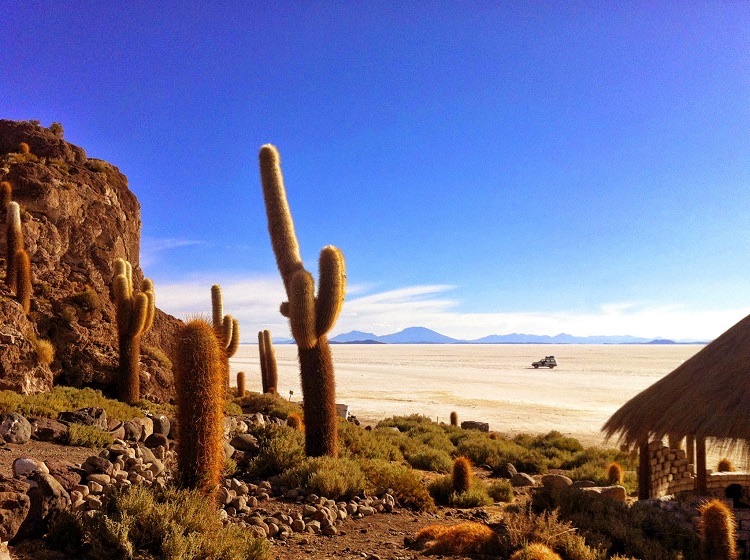
Choose Bolivia if you're a budget-focused adventurer yearning for unparalleled natural wonders and authentic cultural immersion. Explore the surreal Uyuni Salt Flats, trek challenging Andean peaks, or delve into the vibrant indigenous markets of La Paz. This destination is best for travelers prioritizing raw, off-the-beaten-path experiences over modern comforts, on a daily budget of $40-80.
Choose South Korea
Opt for South Korea if you seek a seamless blend of ancient traditions and futuristic innovation, delivered with exceptional efficiency and comfort. Wander through the historic Gyeongbokgung Palace, explore the dynamic streets of Seoul for K-pop and street food, or enjoy the serene beauty of Jeju Island. This is ideal for travelers who value safety, modern infrastructure, and diverse cultural experiences on a $80-150 daily budget.
📊 Visual Scorecard
🌤 When to Visit
Average high temperatures (°C). Green = best months, orange = avoid.
Quick Comparison
| Category | Bolivia | South Korea | Winner |
|---|---|---|---|
| Costs & Budget | Significantly cheaper, especially for food and local transport. Accommodation is basic but affordable. | Higher costs across the board, but offers good value for quality. Food and transport are still reasonable. | Bolivia |
| Getting There & Around | Long, multi-stop flights from North America/Europe. Local transport is cheap but can be slow and less reliable. | Long direct flights from North America/Europe. Internal transport is incredibly efficient, clean, and fast. | South Korea |
| Culture & History | Deep indigenous roots, Spanish colonial architecture, Andean traditions, and pre-Columbian sites. | Ancient dynasties, Confucian traditions, modern K-culture, and the unique history of division. | Tie |
| Food Scene | Hearty, meat-and-potato focused dishes. Abundant and very cheap street food. Less vegetarian-friendly. | Incredibly diverse, often spicy, and highly social. Street food, BBQ, and fine dining options are everywhere. | South Korea |
| Nature & Scenery | Dramatic, high-altitude landscapes: salt flats, mountains, deserts, and parts of the Amazon basin. | Forested mountains, coastal areas, volcanic islands, and four distinct seasons offering varied landscapes. | Bolivia |
| Nightlife & Entertainment | More low-key, focused on local bars, peñas (folk music venues), and some hostels with social scenes. | Extremely active and diverse, from K-Pop clubs and karaoke rooms to themed cafes and late-night street food. | South Korea |
| Safety | Higher risks of petty crime (pickpocketing, bag snatching), especially in tourist areas and on night buses. Some political instability. | Among the safest countries in the world, with very low crime rates. Comfortable for solo travelers and families. | South Korea |
| Accommodation | Budget-friendly hostels and basic hotels are common. Luxury options are limited outside of major cities. | Wide range from hostels to luxury hotels, traditional hanoks, and themed stays. Generally high quality. | South Korea |
| Shopping | Focused on local crafts, textiles, and traditional goods. Markets are the main shopping experience. | Modern shopping centers, department stores, duty-free, unique fashion, and tech gadgets. Excellent variety. | South Korea |
| Solo Travel | Rewarding for adventurous solo travelers. Can be challenging with language barriers and safety concerns. | Extremely safe, easy to navigate, and welcoming for solo travelers. Excellent infrastructure and social opportunities. | South Korea |
💸 Costs & Budget
Bolivia is a top destination for budget travelers. Expect to spend $40-80 USD per day for a comfortable mid-range experience, including private rooms and activities. Dorm beds in…
Bolivia

South Korea
Bolivia is a top destination for budget travelers. Expect to spend $40-80 USD per day for a comfortable mid-range experience, including private rooms and activities. Dorm beds in places like La Paz can be found for 50-80 BOB ($7-11 USD), and private rooms for 150-280 BOB ($22-40 USD). A street meal like a salteña or anticucho might cost 5-15 BOB ($0.70-2 USD), while a sit-down meal is 25-50 BOB ($3.50-7 USD). Long-distance buses are notably inexpensive; a 10-hour trip from La Paz to Uyuni is around 80-150 BOB ($11-22 USD). Activities like a 3-day Salar de Uyuni tour can be had for 700-1400 BOB ($100-200 USD), making epic adventures accessible.
South Korea operates on a higher price scale. A daily budget of $80-150 USD is more realistic for comfortable travel, balancing hostels and some private rooms. Dorm beds in Seoul average 25,000-45,000 KRW ($20-35 USD), and budget private rooms start around 60,000-90,000 KRW ($45-70 USD). Street food at Gwangjang Market might be 5,000-15,000 KRW ($4-12 USD), and a casual restaurant meal 8,000-20,000 KRW ($6-15 USD). Transportation is efficient but costs more; a Seoul subway ride is 1,250 KRW ($1 USD), and a KTX train from Seoul to Busan is 59,800 KRW ($45 USD). Museum entry fees range from free to 10,000-20,000 KRW ($7-15 USD). For true budget travel, Bolivia is the clear choice.
- Winner: Bolivia
- Why: Bolivia provides a significantly lower cost of travel across all categories, making it accessible for budget-conscious explorers.
- Who this matters for: Backpackers, long-term travelers, and those with tight budgets.
✈️ Getting There & Around
Getting to Bolivia typically involves long journeys with at least one stop, usually in Miami, Panama City, or Bogota. From major North American cities like New York or Los…
Bolivia
South Korea
Getting to Bolivia typically involves long journeys with at least one stop, usually in Miami, Panama City, or Bogota. From major North American cities like New York or Los Angeles, flights to La Paz (LPB) or Santa Cruz (VVI) can take 10-15 hours, with round-trip fares often ranging from $800-1500 USD. Once there, getting around relies heavily on intercity buses, which are cheap (e.g., La Paz to Sucre for 40-80 BOB or $6-11 USD) but can be slow, bumpy, and sometimes involve less-than-modern vehicles. Within cities, colectivos, trufis, and taxis are plentiful and inexpensive, though language barriers can make navigation a bit tricky.
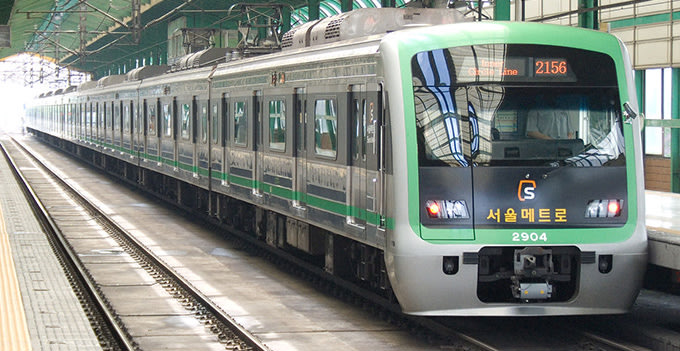
South Korea boasts a highly developed transportation network. Direct flights from North America (e.g., LAX to Incheon ICN) typically take 12-14 hours, with round-trip tickets often priced between $1000-2000 USD, though deals can be found. The KTX high-speed rail connects major cities rapidly; Seoul to Busan takes about 2.5 hours and costs around 59,800 KRW ($45 USD). The subway systems in Seoul and Busan are among the world's best: extensive, clean, and easy to use with clear English signage, costing about 1,250 KRW ($1 USD) per ride. Local buses are also efficient. For ease and speed of travel, South Korea is the clear victor.
- Winner: South Korea
- Why: South Korea's modern, efficient, and user-friendly transportation infrastructure makes travel significantly smoother and faster.
- Who this matters for: Travelers who prioritize convenience, speed, and comfort in their journeys.
🏛️ Culture & History
Bolivia offers a distinct cultural experience centered on its strong indigenous heritage, particularly Aymara and Quechua traditions. Cities like La Paz showcase a fusion of…
Bolivia
South Korea
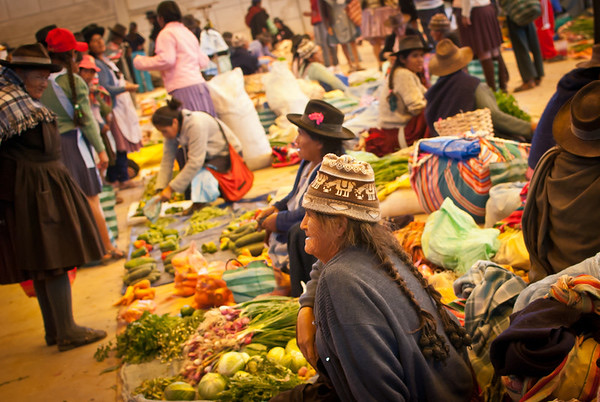
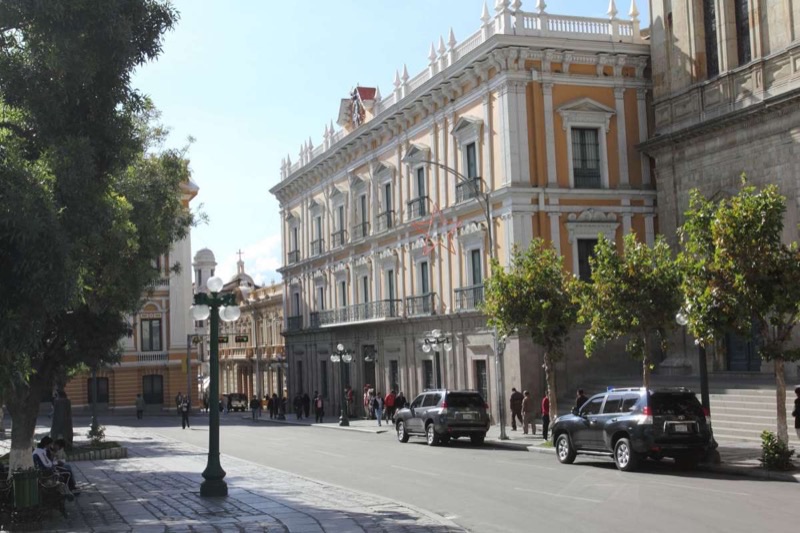
Bolivia offers a distinct cultural experience centered on its strong indigenous heritage, particularly Aymara and Quechua traditions. Cities like La Paz showcase a fusion of indigenous markets (such as the Witches Market selling traditional remedies) and colonial architecture. Sucre, a UNESCO site, is a historical gem with its white-washed buildings and well-preserved colonial center. Tiwanaku, an ancient archaeological site near Lake Titicaca, provides a glimpse into pre-Incan civilizations. Cultural festivals are numerous and often involve traditional dress and music, offering a look into living traditions. Learning some Spanish or local phrases is helpful for deeper engagement.
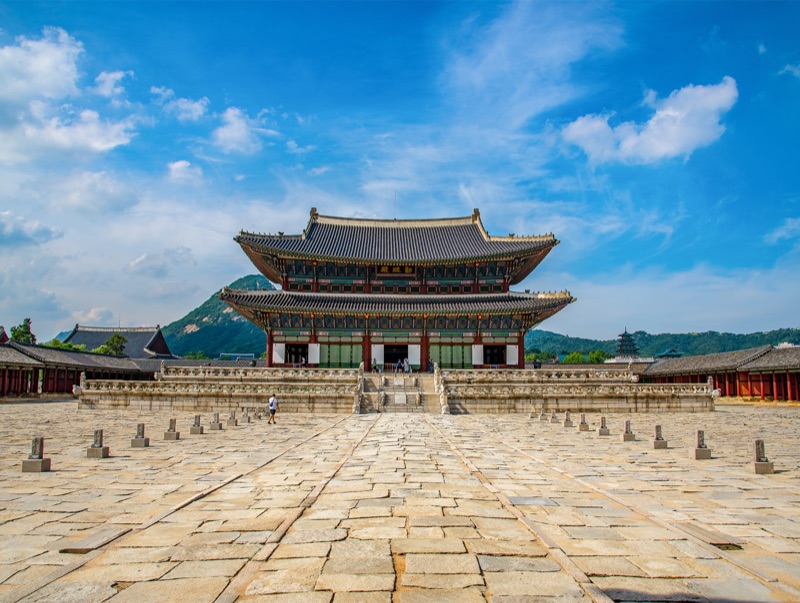
South Korea presents a different but equally compelling cultural landscape. Its history spans millennia, evident in the palaces of Seoul (like Gyeongbokgung and Changdeokgung), ancient temples (Bulguksa Temple and Seokguram Grotto in Gyeongju), and traditional hanok villages. The Demilitarized Zone (DMZ) provides a somber and thought-provoking look at the division of the Korean peninsula. Beyond historical sites, South Korea is a global force in modern culture, with K-Pop, K-dramas, and a vibrant arts scene. Traditional tea ceremonies offer a peaceful contrast to the high-energy urban environments. Both destinations provide profound and distinctive cultural journeys.
- Winner: Tie
- Why: Both countries offer deep, distinct, and rewarding cultural and historical explorations, catering to different interests but delivering equally meaningful experiences.
- Who this matters for: Anyone seeking immersive experiences; those interested in indigenous heritage might favor Bolivia, while those drawn to ancient dynasties and modern pop culture will appreciate South Korea.
🍲 Food Scene
Bolivian cuisine is generally hearty, comforting, and meat-centric, reflecting its Andean roots. Staples include potatoes, corn, and various meats. Popular dishes are Salteñas…
Bolivia
South Korea
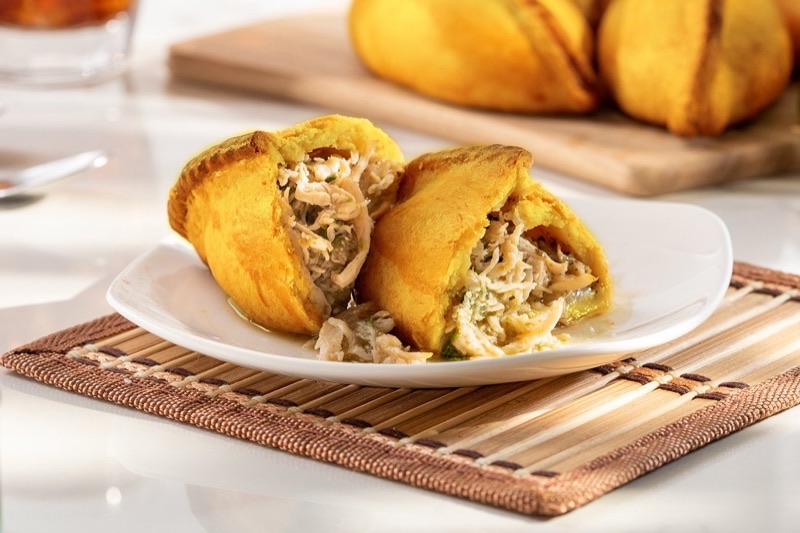
Bolivian cuisine is generally hearty, comforting, and meat-centric, reflecting its Andean roots. Staples include potatoes, corn, and various meats. Popular dishes are Salteñas (savory baked pastries), Pique Macho (a platter of beef, sausage, potatoes, and vegetables), and Anticuchos (skewered beef heart). Street food is incredibly common and inexpensive, with options like empanadas and soups readily available for a few bolivianos. Vegetarian options can be limited outside of larger cities like La Paz, often requiring specific requests. Dining out is informal, and local markets offer a genuine look at daily life and ingredients. The focus is on sustenance and flavor rather than culinary innovation.
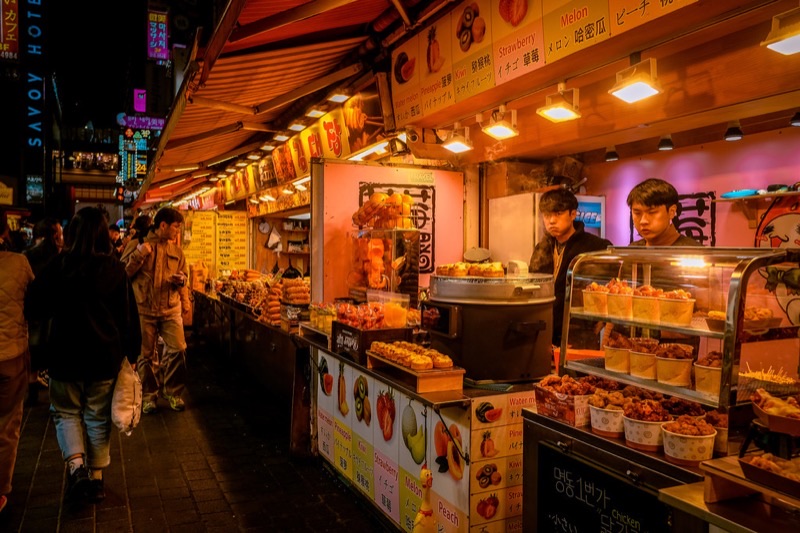
South Korea's food scene is a major draw for travelers. It is incredibly diverse, ranging from street food stalls in Myeongdong selling tteokbokki and odeng, to Michelin-starred restaurants. Korean BBQ (samgyeopsal, bulgogi) is a social event, often cooked at the table. Bibimbap, kimchi jjigae, and various banchan (side dishes) are staples. Vegetarian options are increasingly available, especially in Seoul and Busan, with temple food being a notable, healthy choice. Cafe culture is also huge, with aesthetically focused cafes on nearly every corner. The quality, variety, and accessibility of food in South Korea make it a truly food-focused destination. The range of flavors and experiences is simply broader.
- Winner: South Korea
- Why: South Korea offers a far more diverse, sophisticated, and accessible food experience, from vibrant street food to high-end dining, with options for various dietary needs.
- Who this matters for: Foodies, adventurous eaters, and those who prioritize culinary exploration in their travels.
⛰️ Nature & Scenery
Bolivia is a country of extreme, raw, and diverse natural settings. The Salar de Uyuni (Uyuni Salt Flats) is its most famous natural attraction, an otherworldly expanse of white…

Bolivia
South Korea
Bolivia is a country of extreme, raw, and diverse natural settings. The Salar de Uyuni (Uyuni Salt Flats) is its most famous natural attraction, an otherworldly expanse of white that creates incredible optical illusions. The Andean mountain ranges offer opportunities for trekking and climbing, with peaks like Huayna Potosí accessible for multi-day expeditions. Lake Titicaca, the highest navigable lake in the world, is shared with Peru and holds deep spiritual significance. The Death Road (Yungas Road) provides an adrenaline-pumping downhill biking experience. Furthermore, parts of Bolivia extend into the Amazon rainforest (e.g., Rurrenabaque), offering jungle tours and wildlife viewing. The sheer scale and variety of its undeveloped landscapes are unmatched.
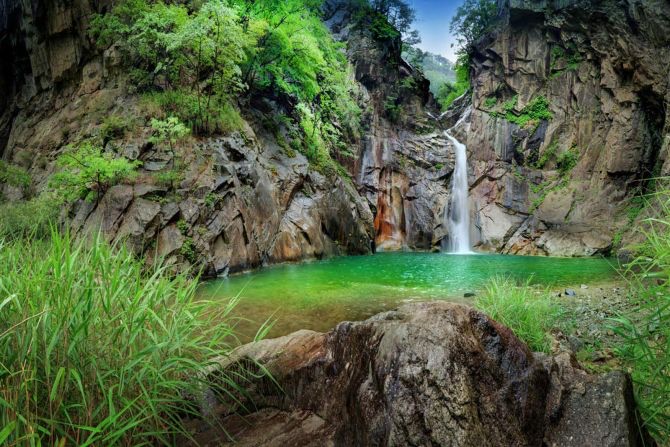
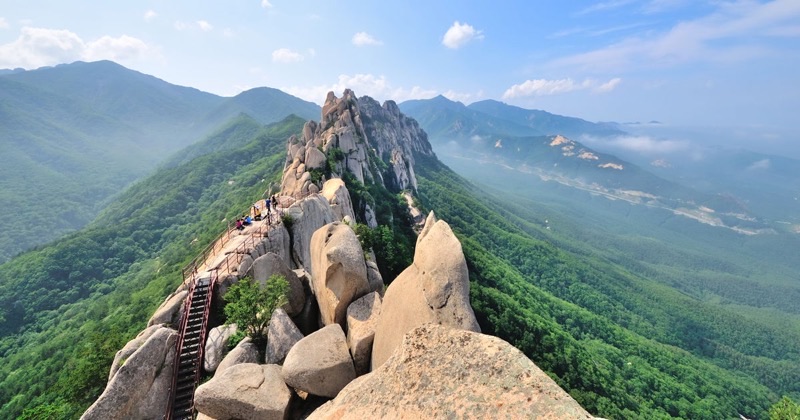
South Korea also has natural beauty, though on a different scale. Seoraksan National Park is a jewel, known for its granite peaks, autumn foliage, and hiking trails. Jeju Island, a volcanic island, offers unique geological features like lava tubes (Manjanggul Cave) and coastal trails (Olle Trails). The Jirisan National Park is another popular hiking destination. While South Korea has beautiful mountains and coasts, much of its nature is more manicured and easily accessible, often within a short train ride from major cities. It offers pleasant nature experiences but lacks the raw, expansive, and extreme environments that Bolivia presents. For jaw-dropping, epic landscapes, Bolivia wins.
- Winner: Bolivia
- Why: Bolivia's natural landscapes are more dramatic, diverse, and on a grander scale, offering raw, extreme, and truly unique environments like the Uyuni Salt Flats and towering Andes.
- Who this matters for: Adventure travelers, photographers, hikers, and those seeking truly unique, undeveloped natural wonders.
🌃 Nightlife & Entertainment
Bolivian nightlife is generally more subdued. In larger cities like La Paz, you will find a selection of bars and clubs, particularly in areas frequented by tourists and younger…
Bolivian nightlife is generally more subdued. In larger cities like La Paz, you will find a selection of bars and clubs, particularly in areas frequented by tourists and younger locals. Peñas are a highlight, offering traditional Andean music and dance performances, providing a culturally specific form of entertainment. Hostels often have their own bars and social events, which can be a good way to meet other travelers. Salsa clubs are also present. However, the scene is not as extensive or as late-running as in other South American countries or major global cities. Outside of La Paz and Santa Cruz, nightlife becomes very quiet, often limited to a few local eateries and bars.
South Korea, especially Seoul, offers an incredibly dynamic and varied nightlife. Districts like Hongdae and Gangnam are famous for their K-Pop clubs, trendy bars, and karaoke (noraebang) rooms that operate well into the morning. The energy is constant, with street food vendors staying open late, providing fuel for partygoers. Beyond traditional clubbing, there are themed cafes, PC bangs (gaming cafes), and arcades open 24/7. Busan also has a lively beach and club scene. Alcohol consumption is a big part of Korean social life, with soju and makgeolli being popular choices. For a high-energy, diverse, and late-night entertainment experience, South Korea is a clear standout.
- Winner: South Korea
- Why: South Korea provides a far more extensive, diverse, and energetic nightlife and entertainment scene, particularly in its major cities, catering to a wider range of preferences.
- Who this matters for: Younger travelers, party-goers, and anyone who enjoys staying out late with plenty of options.
🚨 Safety
Bolivia, while generally welcoming, does have safety considerations that travelers need to be aware of. Petty crime like pickpocketing and bag snatching is common, especially in…
Bolivia, while generally welcoming, does have safety considerations that travelers need to be aware of. Petty crime like pickpocketing and bag snatching is common, especially in crowded markets, bus terminals, and tourist-heavy areas of cities like La Paz and Santa Cruz. It is advisable to avoid walking alone at night, particularly in less-trafficked areas. Long-distance night buses carry a higher risk of theft. Road safety can be a concern due to varying road conditions and driving practices. There can also be periodic political protests that can disrupt travel, sometimes leading to roadblocks. Vigilance and common sense are key to staying safe here.
South Korea consistently ranks as one of the safest countries globally. Violent crime is exceedingly rare, and even petty crime like pickpocketing is uncommon. Travelers can generally feel comfortable walking alone at night in major cities. Public transportation is very safe and reliable. While it is always wise to be aware of your surroundings, the overall risk level is remarkably low. This makes South Korea an excellent choice for solo female travelers, families, and anyone who prioritizes a worry-free travel experience. You are far less likely to encounter significant safety issues here than almost anywhere else.
- Winner: South Korea
- Why: South Korea's extremely low crime rates and overall stability provide a significantly safer and more worry-free travel experience for visitors.
- Who this matters for: Solo travelers, families, first-time international travelers, and anyone prioritizing peace of mind.
🛌 Accommodation
Accommodation in Bolivia is generally basic but very affordable. Hostels are plentiful in tourist hubs like La Paz, Sucre, and Copacabana, with dorm beds costing 50-80 BOB ($7-11…
Accommodation in Bolivia is generally basic but very affordable. Hostels are plentiful in tourist hubs like La Paz, Sucre, and Copacabana, with dorm beds costing 50-80 BOB ($7-11 USD) and private rooms from 150-280 BOB ($22-40 USD). Hotels in the mid-range offer more comfort, often with private bathrooms and breakfast, for around 300-500 BOB ($43-72 USD). Luxury options are scarce outside of the very high-end hotels in major cities like La Paz or Santa Cruz, and even then, they might not meet international luxury standards. Expect functional rather than plush, with amenities varying greatly. Booking ahead for popular spots, especially during peak season, is always a good idea.
South Korea offers a broad spectrum of accommodation, generally with high standards of cleanliness and service. Hostels are readily available in cities like Seoul, Busan, and Gyeongju, with dorm beds typically costing 25,000-45,000 KRW ($20-35 USD) and private rooms from 60,000-90,000 KRW ($45-70 USD). Mid-range hotels are plentiful and modern, often with good amenities. For a unique experience, consider staying in a traditional hanok guesthouse in Seoul or Jeonju, offering a glimpse into Korean heritage, albeit at a slightly higher price point (starting around 80,000 KRW or $60 USD). Luxury hotels are prominent in major cities, providing top-tier services. The variety and quality of South Korean accommodations cater to every budget and preference more effectively.
- Winner: South Korea
- Why: South Korea offers a wider range of high-quality accommodation options, from budget-friendly and traditional guesthouses to luxury hotels, all with consistently good standards.
- Who this matters for: All travelers, especially those who appreciate comfort, cleanliness, and diverse lodging experiences.
🛍️ Shopping
Shopping in Bolivia is primarily about artisan crafts, textiles, and local goods. The Witches Market (Mercado de las Brujas) in La Paz offers unusual traditional remedies, charms,…
Shopping in Bolivia is primarily about artisan crafts, textiles, and local goods. The Witches Market (Mercado de las Brujas) in La Paz offers unusual traditional remedies, charms, and alpaca products. General markets (mercados) across the country sell everything from fresh produce to clothing, providing an immersive local experience. Alpaca wool products like sweaters, scarves, and blankets are popular souvenirs, found at reasonable prices in cities like La Paz and Sucre. Silver jewelry is also a common purchase. While there are some modern malls in Santa Cruz and La Paz, the focus is largely on traditional, handcrafted items and everyday necessities. Bargaining is often expected in markets.
South Korea is a shopping paradise, especially in Seoul. Districts like Myeongdong are famous for cosmetics, skincare, and fashion, with countless brand stores and street vendors. Dongdaemun Design Plaza (DDP) is a hub for fashion and design, hosting numerous shopping complexes that stay open late. Insadong offers a more traditional experience, with art galleries, antique shops, and souvenir stores selling traditional crafts. High-end department stores like Lotte and Shinsegae cater to luxury shoppers. Electronics and K-Pop merchandise are also easy to find. The sheer variety, quality, and trend-setting nature of South Korean shopping, from traditional crafts to cutting-edge fashion and tech, make it a clear winner.
- Winner: South Korea
- Why: South Korea provides a far more diverse and extensive shopping experience, from modern fashion and tech to unique cosmetics and traditional crafts, appealing to all types of shoppers.
- Who this matters for: Fashion enthusiasts, tech lovers, K-Pop fans, and those who enjoy extensive retail therapy.
🚶♀️ Solo Travel
Solo travel in Bolivia is certainly possible and can be incredibly rewarding for those seeking an off-the-beaten-path adventure. Hostels are a great way to meet other travelers,…
Solo travel in Bolivia is certainly possible and can be incredibly rewarding for those seeking an off-the-beaten-path adventure. Hostels are a great way to meet other travelers, especially for tours like the Salar de Uyuni. However, solo travelers should exercise a higher degree of caution regarding personal safety, particularly in cities and on long-distance transport. Language can be a significant barrier if you don't speak Spanish, as English is not widely spoken outside of major tourist-focused businesses. The challenges of navigating a less developed infrastructure and the need for constant vigilance mean it's better suited for experienced solo travelers who are comfortable with potential difficulties and self-reliant. It offers deep immersion but requires resilience.
South Korea is an excellent destination for solo travelers, often considered one of the easiest and safest countries to navigate alone. Its low crime rate means solo travelers, including women, can feel secure exploring cities and rural areas at any time. The public transportation system is incredibly efficient and easy to use, with clear English signage, making independent travel simple. Hostels and guesthouses are numerous and social, making it easy to meet people. Solo dining is also common and well-catered for. The ubiquity of Wi-Fi and the availability of translation apps further simplify the experience. For a comfortable, safe, and hassle-free solo trip, South Korea is a top choice.
- Winner: South Korea
- Why: South Korea's exceptional safety, efficient infrastructure, ease of navigation, and welcoming environment make it significantly better suited for solo travelers.
- Who this matters for: First-time solo travelers, women traveling alone, and those who prioritize ease and security when traveling independently.
🎯 The Decision Framework
Choose Bolivia If…
- You want raw, unfiltered adventure in the Andes and Amazon.
- Your budget is strict, aiming for under $80 USD per day.
- You are excited by indigenous cultures and pre-Columbian history.
- You seek vast, otherworldly natural landscapes like the Uyuni Salt Flats.
- You are comfortable with slower, less predictable travel logistics.
- You prefer to travel to less-touristy destinations with fewer crowds.
- You want to practice your Spanish and immerse yourself in local life.
- You are drawn to physically demanding activities like high-altitude trekking.
Choose South Korea If…
- You desire a highly efficient, comfortable, and safe travel experience.
- You are a foodie eager to explore a diverse and delicious culinary scene.
- You appreciate futuristic cities, K-pop, and modern pop culture.
- You want excellent public transportation and easy navigation.
- You are looking for a lively and varied nightlife and entertainment scene.
- You are interested in ancient palaces, temples, and unique DMZ history.
- You value high-quality accommodation and diverse shopping opportunities.
- You prefer a destination where English is more widely understood in tourist areas.
📅 Sample Itineraries
Weekend in Bolivia (3 Days)
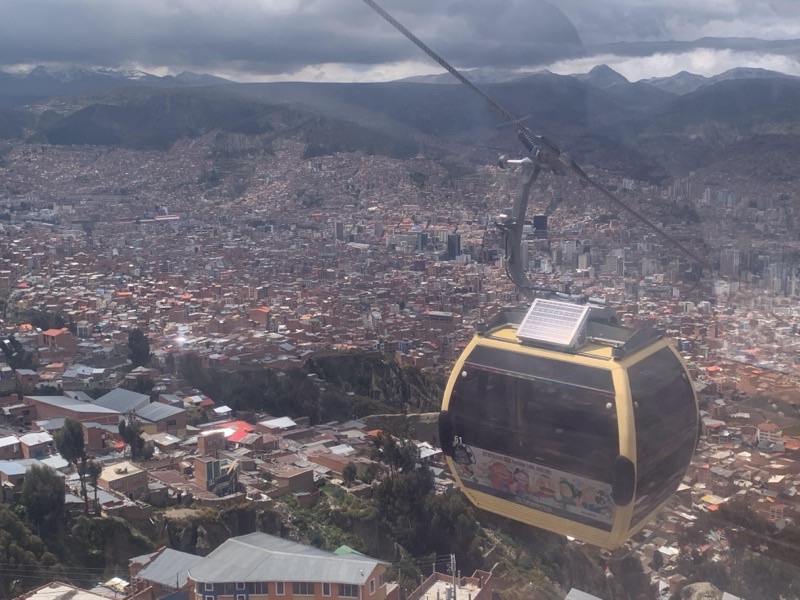
💡 Purchase a pre-paid Teleférico card in La Paz for smoother, quicker travel between different city zones, saving time and small change.
Weekend in South Korea (3 Days)
💡 Get a T-Money card upon arrival for seamless use on Seoul's extensive subway and bus systems, saving you from buying single-use tickets for each journey.
One Week in Bolivia (7 Days)
💡 For the Salar de Uyuni tour, bring plenty of warm layers, sunscreen, and cash for small purchases, as conditions can be extreme and ATMs are rare outside Uyuni town. Consider booking a tour starting and ending in La Paz for convenience.
One Week in South Korea (7 Days)
💡 For traveling between cities like Seoul, Busan, and Gyeongju, consider purchasing a Korea Rail Pass (KR Pass) if you plan multiple train journeys, which can offer significant savings over individual tickets.
❓ Frequently Asked Questions
What are the typical flight times and costs from major hubs to each country?
Flights from major North American or European cities to Bolivia (La Paz/Santa Cruz) typically involve 1-2 stops and take 10-15 hours of actual flight time, costing $800-1500 USD round-trip. To South Korea (Seoul Incheon), direct flights are common, taking 12-14 hours, with round-trip prices usually ranging from $1000-2000 USD.
Which country is better for a budget backpacker?
Bolivia is significantly better for budget backpackers. You can comfortably travel on $40-80 USD per day, including dorms, local food, and activities like the Uyuni Salt Flats tour (around $100-200 USD for three days). South Korea, while offering good value, will require $80-150 USD per day for a similar style of travel.
How do the natural landscapes compare?
Bolivia boasts extreme and raw landscapes: the vast Salar de Uyuni, towering Andes mountains, high-altitude Lake Titicaca, and parts of the Amazon. South Korea offers forested mountains (Seoraksan), scenic coastlines, and volcanic islands (Jeju), which are beautiful but generally more accessible and less wild than Bolivia's terrain.
Is one country significantly safer than the other for solo travelers?
Yes, South Korea is considerably safer. It has one of the lowest crime rates globally, making it a very comfortable destination for solo travelers, including women, at any time of day. Bolivia has higher risks of petty crime, requiring more vigilance, especially in cities and on overnight buses.
What are the main cultural differences a traveler would notice?
Bolivia's culture is deeply rooted in indigenous traditions, colonial history, and Andean spiritual practices, with a strong focus on local markets and traditional festivals. South Korea blends ancient Confucian and Buddhist heritage (palaces, temples) with a highly modern, tech-driven society and global pop culture phenomena like K-Pop.
Which country offers better public transportation?
South Korea wins decisively for public transportation. Its cities boast extensive, efficient, clean, and English-friendly subway systems (a ride is around $1 USD). High-speed KTX trains connect major cities rapidly (Seoul to Busan in 2.5 hours for $45 USD). Bolivia relies more on local buses, colectivos, and taxis, which are inexpensive but can be less reliable and slower.
Are there good vegetarian food options in both countries?
South Korea has a much better and more diverse food scene for vegetarians, especially in major cities like Seoul and Busan, with temple food being a notable option. Bolivia's cuisine is very meat-centric, and while some vegetarian dishes exist, options can be limited outside of larger tourist-focused restaurants, often requiring specific requests.
Which destination is better for shopping and souvenirs?
South Korea is a shopping destination, offering everything from cutting-edge fashion, cosmetics, and tech gadgets in districts like Myeongdong and Dongdaemun, to traditional crafts in Insadong. Bolivia's shopping is primarily focused on local artisan crafts, alpaca wool products, and market goods, offering a different, more traditional kind of retail experience.
Ready to plan your South America or East Asia trip?
Get a free custom itinerary for Bolivia, South Korea, or both — built from real traveler insights.
👥 Travelers Also Compared
🎟️ Book Tours & Experiences
Hand-picked tours and activities for both destinations — book with free cancellation
Experiences via Viator — free cancellation on most tours