
How we built this comparison
This page combines traveler discussion patterns, published price ranges, flight schedules, and seasonal data to help you decide between Brazil and Germany.
- Reviewed Reddit threads from r/travel, r/solotravel, r/BrazilTravel, r/GermanyTravel, r/backpacking.
- Verified costs and logistics against current booking platforms like Google Flights, Booking.com, and local transport sites.
- Cross-referenced seasonal patterns and weather data for optimal travel timing.
⚡ Quick Answers
⚡ The TL;DR Verdict
For most travelers seeking a more relaxed pace, bigger adventures, and lower costs, Brazil is the clear choice with a daily budget of $50-100. Germany suits those prioritizing meticulous planning, robust infrastructure, and a predictable travel experience, typically needing $70-120 daily.
- Choose Brazil: You want a big, warm, sensory experience with lower costs, focused on beaches, nature, and lively street culture. Expect spontaneity.
- Choose Germany: You prefer a precise, organized trip with excellent public transport, detailed history, and a focus on cities, castles, and efficient service. Comfort and predictability are key.
- Choose Both: This is a challenging combination due to flight times and cost. If you have 4+ weeks and a flexible budget, you could experience both, perhaps focusing on distinct regions in each.
Choose Brazil
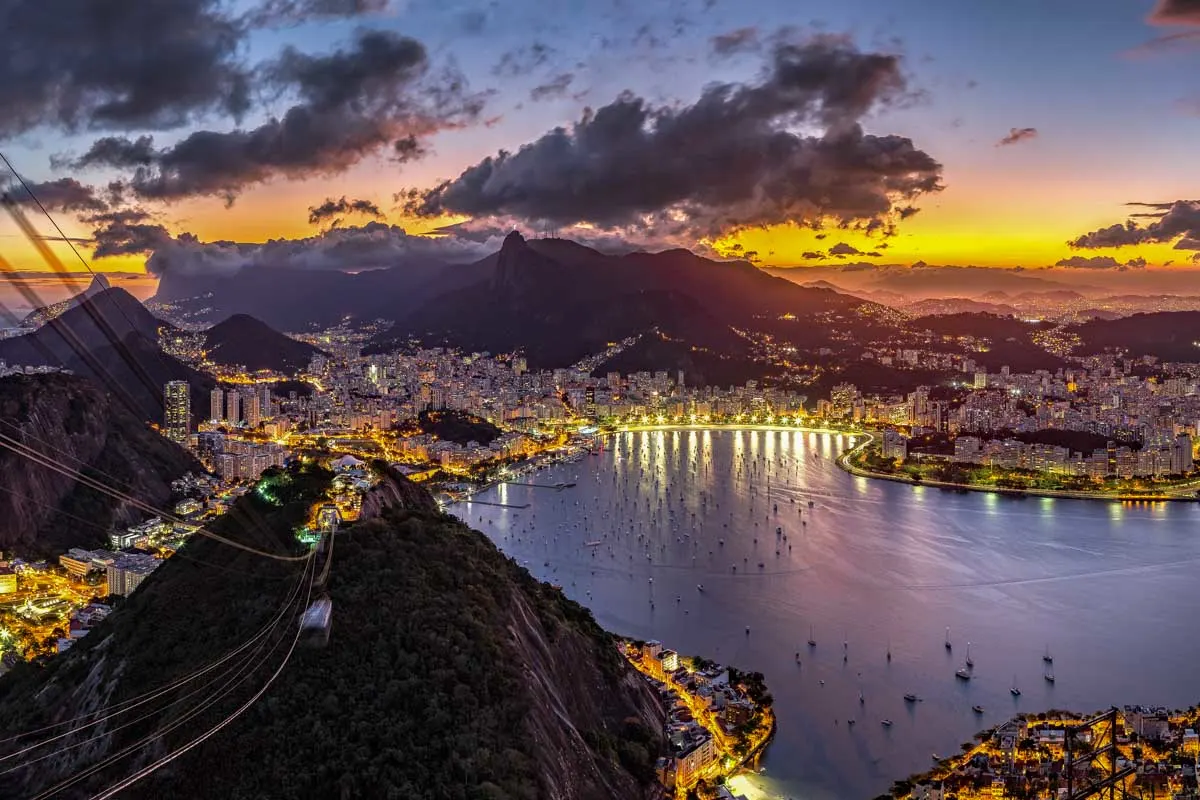
Choose Brazil if you're an adventurous traveler seeking culture and striking natural wonders on a flexible budget of $50-100 daily. Immerse yourself in the energy of Rio's Carnaval, explore the Amazon rainforest, or relax on Bahia's pristine beaches, embracing spontaneity and sensory overload.
Choose Germany
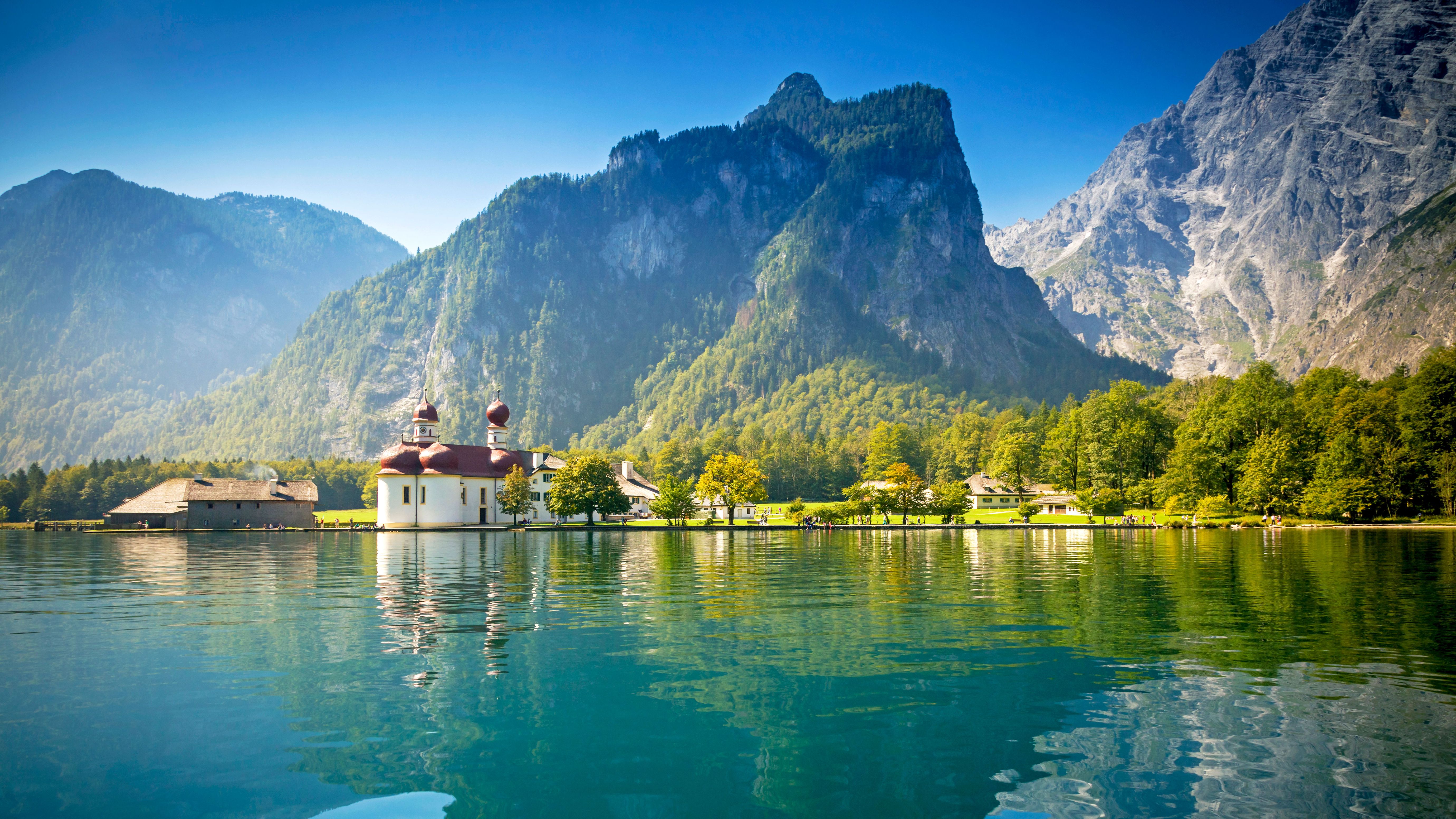
Opt for Germany if you value meticulous planning, robust infrastructure, and a rich historical journey, budgeting $70-120 daily. Explore medieval castles like Neuschwanstein, explore Berlin's profound history and art scene, or enjoy an authentic Hofbräuhaus experience, all with the comfort of predictable, efficient travel.
📊 Visual Scorecard
🌤 When to Visit
Average high temperatures (°C). Green = best months, orange = avoid.
Quick Comparison
| Category | Brazil | Germany | Winner |
|---|---|---|---|
| Costs & Budget | Significantly lower daily expenses, especially for food and local transport. Accommodation is more affordable. | Higher daily costs across the board, particularly for food, transport, and lodging. Deals require planning. | Brazil |
| Getting There | Longer, often more expensive flights from North America and Europe. Fewer direct routes. | Shorter, generally more affordable flights from North America. Numerous direct flight options from major hubs. | Germany |
| Getting Around | Domestic flights for long distances, extensive but variable quality bus network, ride-sharing common in cities. | Exceptional train network (DB), comprehensive public transport in cities, easy car rental for scenic drives. | Germany |
| Food & Drink | Hearty, meat-focused cuisine with regional variations; fresh tropical fruits, potent cocktails like caipirinha. | Sausages, pretzels, schnitzel, beer halls, hearty comfort food. Regional specialties like Currywurst in Berlin. | Brazil |
| Nightlife | Carnival, samba clubs, beach parties, live music, late-night street gatherings. Energetic and spontaneous. | Beer gardens, techno clubs in Berlin, traditional pubs, classical music concerts. More structured but still lively. | Brazil |
| Culture & History | Indigenous, African, and Portuguese influences. Colonial architecture, arts, music, and dance forms. | Roman, Holy Roman Empire, Prussian, and modern history. Castles, cathedrals, WWII sites, innovative arts. | Germany |
| Nature & Scenery | Amazon Rainforest, Pantanal wetlands, Iguazu Falls, diverse coastline, chapadas (tablelands). Immense biodiversity. | Black Forest, Bavarian Alps, Rhine Valley, Baltic Sea coast. Forests, mountains, rivers, and lakes. | Brazil |
| Beaches | Iconic city beaches, remote pristine stretches, warm waters, active beach culture. | North Sea and Baltic Sea coasts, cooler waters, more subdued beach scene. | Brazil |
| Safety | Requires vigilance, particularly in large cities and certain areas. Pickpocketing and petty crime are concerns. | Generally very safe with low crime rates. Public spaces are secure, even at night. | Germany |
| Accommodation | Wide range from hostels to luxury resorts, generally more affordable. Boutique options are growing. | Efficient and high-quality options, but prices are higher. Excellent hostels, guesthouses, and hotels. | Brazil |
💰 Costs & Budget
Brazil generally offers a much more budget-friendly travel experience. A daily budget of $50-100 (R$250-500) allows for comfortable travel, including hostel stays (R$80-150 /…
Brazil generally offers a much more budget-friendly travel experience. A daily budget of $50-100 (R$250-500) allows for comfortable travel, including hostel stays (R$80-150 / $16-30), street food or casual restaurant meals (R$30-80 / $6-16), and local transport. A caipirinha, Brazils national cocktail, often costs R$20-40 ($4-8) in a bar. Entrance fees to attractions like Christ the Redeemer are around R$100-120 ($20-24). Budget airlines like GOL or LATAM offer internal flights, but can add up.
Germany operates on a higher cost scale. A budget of $70-120 (€65-110) per day is more realistic for basic travel, covering hostel beds (typically €25-45 / $27-49), groceries for self-catering, and regional train passes. A sit-down meal in a casual restaurant costs €12-25 ($13-27), and a pint of local beer is €4-6 ($4.50-6.50). Museum entry can be €8-15 ($9-16). High-speed train tickets for inter-city travel can be €30-100+ ($33-109+) if not booked far in advance. Brazil wins for pure value.
- Winner: Brazil
- Why: Brazil offers a substantially lower cost of travel for accommodation, food, and daily activities, allowing budgets to stretch further.
- Who this matters for: Budget travelers, long-term backpackers, and anyone prioritizing saving money.
✈️ Getting There
Flying to Brazil from North America or Europe involves longer travel times and usually higher fares. A typical direct flight from the East Coast US (e.g., Miami, New York) to São…
Flying to Brazil from North America or Europe involves longer travel times and usually higher fares. A typical direct flight from the East Coast US (e.g., Miami, New York) to São Paulo (GRU) or Rio de Janeiro (GIG) is 9-10 hours, while from the West Coast (e.g., Los Angeles) it can be 12-14+ hours, often with a layover. Round-trip economy tickets usually range from $700-1200+, depending on the season and booking lead time. From Europe, flights are around 10-12 hours.
Germany offers more convenient and typically cheaper air travel options from North America. Direct flights from major East Coast US cities (e.g., New York, Boston) to Frankfurt (FRA) or Munich (MUC) are typically 7-8 hours. From the West Coast, flights are around 10-11 hours, often direct. Round-trip economy tickets can be found for $600-1000+. Germany is also easily accessible from across Europe via budget airlines like Ryanair or EasyJet for under €100 ($109). Germany is the easier and more economical journey for most travelers.
- Winner: Germany
- Why: Germany has shorter flight times and generally more affordable, frequent direct flight options from major international hubs.
- Who this matters for: Travelers with limited time off, those sensitive to flight costs, and anyone from North America or Europe.
🗺️ Getting Around
Navigating Brazil involves a mix of options. For long distances between major cities like Rio and Salvador, domestic flights are the fastest but most expensive choice. Expect to…
Navigating Brazil involves a mix of options. For long distances between major cities like Rio and Salvador, domestic flights are the fastest but most expensive choice. Expect to pay R$300-800 ($60-160) for a one-way flight between major hubs. The bus network is extensive; an overnight bus from Rio to Sao Paulo costs around R$100-200 ($20-40). Within cities, ride-sharing apps like Uber are common and affordable (R$15-40 / $3-8 for most rides). Public transport in cities like Rio and Sao Paulo includes metro and bus systems, which are efficient in parts but dont cover every area.
Germany excels in its public transportation. The Deutsche Bahn (DB) train system is renowned for its punctuality and reach, connecting virtually every town and city. A high-speed ICE train from Berlin to Munich can take around 6 hours and cost €50-100 ($55-109) if booked in advance, or much more last minute. Regional trains are more economical. City public transport, including U-Bahn (subway), S-Bahn (commuter rail), trams, and buses, is integrated and highly efficient; a daily pass in Berlin is around €9 ($10). Car rental is also popular for exploring rural areas like the Romantic Road, with prices starting from €30-50 ($33-55) per day. Germany is simply superior for smooth, predictable transit.
- Winner: Germany
- Why: Germany offers a highly efficient, punctual, and comprehensive public transportation system, particularly its train network.
- Who this matters for: Travelers who prioritize efficiency, reliability, and ease of independent movement without a car.
🍽️ Food & Drink
Brazilian food is a flavor explosion, often centered around meat, beans, and rice. Must-try dishes include feijoada (a black bean and pork stew), churrasco (barbecue), and pão de…
Brazilian food is a flavor explosion, often centered around meat, beans, and rice. Must-try dishes include feijoada (a black bean and pork stew), churrasco (barbecue), and pão de queijo (cheese bread). Street food like pastéis (fried pastries) and coxinha (shredded chicken croquettes) are cheap and satisfying, costing R$5-15 ($1-3). The abundance of fresh tropical fruits is unmatched, from acai to passion fruit. Drinks wise, the caipirinha is everywhere, and local beers like Skol and Brahma are popular. For a proper churrascaria experience in Rio, expect to pay R$100-180 ($20-36).
German cuisine is known for its hearty, comforting qualities. Sausages (Wurst) come in many forms, from Bratwurst to Currywurst, often costing €3-6 ($3.50-6.50) from a street vendor. Pretzels (Brezel) are a staple. Bavarian specialties include Weisswurst and Schweinshaxe (pork hock). German beer culture is prominent, with various types and sizes, often enjoyed in beer gardens or historic breweries like Hofbräuhaus in Munich, where a liter of beer costs around €9-10 ($10-11). While substantial, German food can feel less varied for some palates. Brazil offers a more exciting and diverse culinary journey.
- Winner: Brazil
- Why: Brazil provides a more diverse, exciting, and flavor-forward culinary experience with abundant fresh ingredients and unique regional dishes.
- Who this matters for: Foodies, adventurous eaters, and those seeking fresh, exotic flavors.
🕺 Nightlife
Brazilian nightlife is legendary for its energy and passion. Rio de Janeiro is famous for its samba clubs in Lapa, where live music spills onto the streets and drinks flow until…
Brazilian nightlife is legendary for its energy and passion. Rio de Janeiro is famous for its samba clubs in Lapa, where live music spills onto the streets and drinks flow until dawn. A night out might involve dancing at a 'gafieira' for R$30-60 ($6-12) entry, or simply enjoying street parties in areas like Copacabana or Ipanema. Carnaval is the peak of this, transforming entire cities into massive celebrations. Salvador offers a different beat with its Afro-Brazilian rhythms and capoeira circles. Even on a regular weekend, Brazilians know how to have a good time, often starting late and going very late.
German nightlife varies by city. Berlin is renowned for its electronic music scene, with clubs like Berghain and Sisyphos attracting international DJs and clubbers for multi-day parties. Entry can be €15-30 ($16-33), with drinks inside adding up. Munich is known for its traditional beer gardens and beer halls, especially during Oktoberfest, where a liter of beer is about €10-12 ($11-13). Other cities have their own local pubs and bars, but the spontaneous, street-level energy of Brazil is generally less common. Brazil has an unmatched, inherent festive spirit.
- Winner: Brazil
- Why: Brazil delivers a more spontaneous, energetic, and culturally immersive nightlife experience, especially with its world-famous music and dance scenes.
- Who this matters for: Party-goers, music lovers, and those looking for lively, late-night social experiences.
🏛️ Culture & History
Brazil offers a rich blend of cultures, primarily indigenous, African, and Portuguese. Its history is marked by colonization, slavery, and the development of a distinct national…
Brazil offers a rich blend of cultures, primarily indigenous, African, and Portuguese. Its history is marked by colonization, slavery, and the development of a distinct national identity. Colonial towns like Ouro Preto in Minas Gerais showcase Baroque architecture. Salvador da Bahia is the heart of Afro-Brazilian culture, with Candomblé traditions and Pelourinho district. Brazilian music genres like samba, bossa nova, and forró are globally recognized. While deep, Brazilian history can sometimes feel less immediately accessible or formally preserved compared to European counterparts, requiring more effort to uncover specific narratives.
Germany possesses a long, complex, and meticulously documented history stretching from Roman times through the Holy Roman Empire, Prussian kingdom, and the two World Wars, up to reunification. Iconic historical sites include the Brandenburg Gate and Reichstag in Berlin, numerous medieval castles like Neuschwanstein (entry €15-20 / $16-22), and stunning cathedrals like Cologne Cathedral (free entry, tower climb €6 / $6.50). German museums are excellent, from the Pergamon Museum in Berlin (€12 / $13) to the Deutsches Museum in Munich. The country also grapples with its 20th-century past with solemn memorials and educational centers. Germany wins for the sheer depth and accessibility of its historical narratives and architectural preservation.
- Winner: Germany
- Why: Germany presents a more extensive, well-preserved, and easily accessible historical narrative with numerous castles, cathedrals, and museums covering millennia.
- Who this matters for: History buffs, architecture enthusiasts, and those interested in European intellectual and political development.
🌳 Nature & Scenery
Brazil is a powerhouse of natural diversity. It holds a significant portion of the Amazon Rainforest, home to unparalleled biodiversity, though access often requires guided tours…
Brazil is a powerhouse of natural diversity. It holds a significant portion of the Amazon Rainforest, home to unparalleled biodiversity, though access often requires guided tours and internal flights. The Pantanal, the worlds largest tropical wetland, offers incredible wildlife viewing opportunities, with multi-day tours starting around R$1500-3000 ($300-600). Iguazu Falls, shared with Argentina, is a geological spectacle, with Brazilian side entry around R$90 ($18). The coastline stretches for thousands of kilometers, featuring various ecosystems from dramatic cliffs to calm bays. Chapada Diamantina offers hiking through canyons and waterfalls.
Germany offers appealing natural landscapes, albeit on a smaller, more cultivated scale. The Black Forest (Schwarzwald) is known for its dense woods, cuckoo clocks, and hiking trails. The Bavarian Alps in the south provide mountainous terrain for skiing and hiking, with Zugspitze, Germanys highest peak, accessible by cable car (€50-60 / $55-65 return). The Rhine Valley features vineyards and castles along the river. The Baltic Sea coast has sandy beaches and islands. While attractive, Germanys nature often feels more managed and less wild than Brazil's vast, untamed ecosystems. Brazil is simply on another level for raw, diverse natural grandeur.
- Winner: Brazil
- Why: Brazil possesses immense, diverse, and globally significant natural environments, including the Amazon, Pantanal, and Iguazu Falls.
- Who this matters for: Wildlife enthusiasts, adventure seekers, and those who prioritize experiencing large-scale natural phenomena.
🏖️ Beaches
Brazil is synonymous with beaches. Rio de Janeiros Copacabana and Ipanema are globally recognized, offering city beach experiences with vendors, sunbathers, and surfers. A…
Brazil is synonymous with beaches. Rio de Janeiros Copacabana and Ipanema are globally recognized, offering city beach experiences with vendors, sunbathers, and surfers. A fresh coconut water on the beach costs around R$8-15 ($1.50-3). Beyond the cities, the coastline has thousands of kilometers of variety, from the dramatic cliffs and clear waters of Praias do Morro Branco in Ceara to the secluded, pristine bays of Fernando de Noronha (requires an environmental tax of R$100-300 / $20-60 per day). The water is consistently warm, inviting for swimming and water sports, and beach culture is a core part of daily life.
Germany has a coastline along the North Sea and the Baltic Sea, offering a different kind of beach experience. These beaches are generally cooler, often windier, and less about swimming in warm waters than about walking, relaxing in Strandkörbe (hooded beach chairs, rentable for €8-15 / $9-16 a day), and enjoying the bracing sea air. Popular spots include the islands of Sylt and Rügen. While pleasant for specific activities, German beaches lack the tropical warmth, lively atmosphere, and sheer variety of the Brazilian coast. For classic beach holidays, Brazil is the obvious choice.
- Winner: Brazil
- Why: Brazil offers thousands of kilometers of diverse, warm-water beaches, iconic city beaches, and a pervasive, lively beach culture.
- Who this matters for: Beach lovers, sun worshippers, surfers, and anyone seeking a tropical coastal experience.
⚠️ Safety
Safety in Brazil requires a higher degree of awareness. While millions visit safely each year, petty crime like pickpocketing and bag snatching is common in tourist areas of major…
Safety in Brazil requires a higher degree of awareness. While millions visit safely each year, petty crime like pickpocketing and bag snatching is common in tourist areas of major cities like Rio de Janeiro and São Paulo. More serious crimes can occur, particularly in less affluent neighborhoods or at night. Travelers are often advised to avoid displaying valuables, not walk alone after dark, and research specific neighborhood safety. Favelas, while offering cultural tours, should generally be visited with a trusted guide. Being aware of your surroundings and using ride-sharing apps at night greatly helps.
Germany is one of the safest countries for travelers. Crime rates are low, and serious incidents are rare. Public spaces, including train stations and city centers, are generally secure even late at night. Travelers can feel comfortable walking alone in most areas. Standard precautions against pickpocketing in crowded tourist areas or on public transport are still wise, but the overall risk is minimal. For example, leaving a phone on a table in a German cafe is generally not a concern, while it would be ill-advised in many parts of Brazil. Germany provides a noticeably more relaxed and secure travel environment.
- Winner: Germany
- Why: Germany offers a consistently high level of personal safety and low crime rates, allowing travelers to relax and explore without constant vigilance.
- Who this matters for: Solo travelers, families with young children, and anyone prioritizing peace of mind and security.
🛡 Dig deeper: Brazil health guide · Germany health guide
🏨 Accommodation
Accommodation in Brazil offers good value across all categories. Hostels are plentiful in popular destinations, with dorm beds costing R$80-150 ($16-30) in cities like Rio or…
Accommodation in Brazil offers good value across all categories. Hostels are plentiful in popular destinations, with dorm beds costing R$80-150 ($16-30) in cities like Rio or Florianopolis. Mid-range hotels typically range from R$250-500 ($50-100) per night, offering comfortable amenities. For those seeking luxury, there are high-end resorts and boutique hotels, especially in coastal areas or the Amazon. Airbnb and local pousadas (guesthouses) are also popular and can offer unique experiences. Prices fluctuate seasonally, with peak season (Carnaval, New Years) seeing significant increases. Overall, getting more for your money is a common theme.
German accommodation is known for its cleanliness and efficiency but comes at a higher price point. Hostel dorm beds generally cost €25-45 ($27-49), with private rooms often €60-100 ($65-109). Mid-range hotels in cities like Berlin or Munich can be €80-150 ($87-163) per night, while guesthouses (Gasthäuser) offer a cozy, often family-run alternative in smaller towns. Luxury hotels are available, particularly in major business centers. Booking in advance, especially during major events like Oktoberfest, is crucial to secure reasonable rates. While reliable, German lodging doesnt offer the same bang-for-buck as Brazil. Brazil provides superior value for lodging.
- Winner: Brazil
- Why: Brazil provides significantly more affordable accommodation options across all budget levels, offering better value for money.
- Who this matters for: Budget-conscious travelers, backpackers, and those looking to extend their stay with lower daily costs.
🎯 The Decision Framework
Choose Brazil If…
- You want to spend less than $100 per day comfortably.
- You dream of warm beaches and lively street parties.
- You are excited by tropical nature and wildlife excursions.
- You are comfortable with spontaneity and less rigid planning.
- You love trying exotic, food and fresh fruits.
- You dont mind a longer flight for a different experience.
- You are seeking a destination with a strong, infectious musical culture.
- You enjoy navigating challenges for a more rewarding experience.
Choose Germany If…
- You prioritize efficient public transport and predictable travel.
- You are deeply interested in European history, castles, and museums.
- You prefer a very safe and secure travel environment.
- You enjoy hearty, comforting food and world-renowned beer culture.
- You are seeking accessible, well-maintained hiking and cycling routes.
- You appreciate punctuality and detailed planning in your travels.
- You want to experience distinct city cultures and architectural styles.
- You prefer shorter flight times from North America or Europe.
❓ Frequently Asked Questions
What is the typical flight time and cost from the US to Brazil vs Germany?
Flights from the East Coast US to Brazil (e.g., Rio) average 9-10 hours and cost $700-1200+ round-trip. To Germany (e.g., Frankfurt), direct flights are 7-8 hours and typically $600-1000+ round-trip. West Coast flights are longer for both, usually 12-14+ hours to Brazil and 10-11 hours to Germany.
How much should I budget for daily expenses in each country?
In Brazil, a comfortable budget traveler can expect to spend $50-100 (R$250-500) per day, covering hostel stays, local meals, and transport. Germany typically requires $70-120 (€65-110) daily for similar amenities, due to higher costs for food, accommodation, and public transport.
Is one country significantly safer for solo travelers?
Germany is considerably safer for solo travelers, with very low crime rates and a secure environment even at night. Brazil requires greater vigilance, especially in major cities, where petty theft is a concern. Solo travelers in Brazil should exercise caution and avoid walking alone after dark.
What kind of food can I expect in Brazil versus Germany?
Brazil offers a diverse, often meat-heavy cuisine with strong African and Portuguese influences, including feijoada, churrasco, and tropical fruits. Germany features hearty comfort food like various sausages (Wurst), schnitzel, and pretzels, along with a prominent beer culture. Brazilian food is generally more varied and exotic.
Which country has better public transportation for getting around?
Germany has a superior public transportation system, particularly its efficient and punctual Deutsche Bahn (DB) train network, connecting cities and towns reliably. Brazilian transport relies more on an extensive but variable bus system for inter-city travel and ride-sharing in urban areas, with domestic flights often necessary for long distances.
What are the main natural attractions in each destination?
Brazil has vast natural wonders like the Amazon Rainforest, the Pantanal wetlands for wildlife, and the immense Iguazu Falls. Germany offers scenic landscapes such as the Black Forest, the Bavarian Alps for mountains and hiking, and the picturesque Rhine Valley with its castles.
Can I easily communicate in English in both Brazil and Germany?
In major German cities and tourist areas, English is widely spoken and understood. In Brazil, English proficiency is less common, especially outside of major tourist hubs and high-end establishments. Learning some basic Portuguese phrases will greatly enhance your experience in Brazil.
Which destination is better for a beach vacation?
Brazil is significantly better for a beach vacation, offering thousands of kilometers of warm-water beaches, iconic city beaches like Copacabana, and a beach culture. German beaches on the North and Baltic Seas are cooler, often windier, and suited more for walks and relaxation rather than swimming.
Ready to plan your next adventure?
Know the tourist scams before you go — documented from real traveler reports.