How we built this comparison
This page combines traveler discussion patterns, published price ranges, flight schedules, and seasonal data to help you decide between China and Hong Kong.
- Reviewed 100+ Reddit threads from r/travel, r/solotravel, r/chinatrip, r/hongkong, r/digitalnomad.
- Verified costs and logistics against current booking platforms like Trip.com, Google Flights, and hotel aggregators.
- Cross-referenced seasonal patterns and weather data for optimal travel timing.

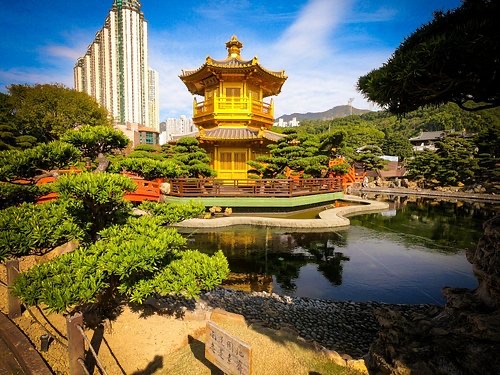
⚡ Quick Answers
⚡ The TL;DR Verdict
For most travelers seeking a broad cultural immersion on a moderate budget, China offers a deeper, more varied experience. Hong Kong is ideal for a shorter, higher-budget city break with straightforward logistics. If you have two weeks, combine them for a comprehensive East Asian journey.
- Choose China: You want to explore diverse landscapes, ancient history, deep cultural immersion, and operate on a more flexible budget across multiple regions. You are prepared for more complex logistics like visas and internet restrictions.
- Choose Hong Kong: You prioritize ease of travel, modern convenience, efficient public transport, English accessibility, and a compact city experience with a focus on food and shopping, even with a higher daily cost.
- Choose Both: If you have 10-14 days and want to experience both traditional Chinese culture and a modern, international hub. Start in Hong Kong for an easy entry, then fly or take a train into mainland China.
Choose China
Choose China if you crave an expansive journey through ancient history and breathtaking natural diversity. It's best for adventurous travelers and culture enthusiasts eager to explore wonders like the Great Wall, the Forbidden City, or the dramatic landscapes of Guilin, all while immersing in authentic regional cuisines. Prepare for a grand, immersive experience on a moderate budget.
Choose Hong Kong
Opt for Hong Kong for a dynamic, cosmopolitan city break offering unparalleled convenience and culinary excellence. It's ideal for foodies and urban explorers prioritizing efficient transport, world-class dim sum, vibrant street markets in Mong Kok, and iconic Victoria Peak views. Expect a higher daily budget, but effortless exploration and thrilling experiences await.
📊 Visual Scorecard
🌤 When to Visit
Average high temperatures (°C). Green = best months, orange = avoid.
Quick Comparison
| Category | China | Hong Kong | Winner |
|---|---|---|---|
| Costs & Budget | Significantly more affordable, especially outside of major cities. Daily budget for mid-range travel is $50-100. | Higher costs for accommodation, food, and transport. Daily budget for mid-range travel is $100-200. | China |
| Culture & History | Thousands of years of imperial history, diverse ethnic groups, and ancient traditions across vast regions. | A blend of Cantonese traditions, British colonial legacy, and modern global influences in a compact setting. | China |
| Food Scene | Incredible regional diversity from Sichuan to Cantonese, street food, and imperial cuisine. Authentic and affordable. | A paradise for Cantonese food, dim sum, global cuisines, and Michelin-starred restaurants. High quality, higher price. | Tie |
| Logistics & Getting Around | Requires visa, VPN for internet, local apps for transport/payment. High-speed rail is excellent for intercity. | No visa for many nationalities, open internet, English widely spoken. MTR is efficient for getting around the city. | Hong Kong |
| Safety & Ease of Travel | Generally safe with low crime rates, but language barriers and cultural differences require more awareness. Strict laws. | Very low crime rates, high levels of public safety. Easy to navigate for tourists with good infrastructure. | Hong Kong |
| Nature & Outdoors | Vast and diverse landscapes: mountains, rivers, deserts, national parks, pandas. | Surprising amount of hiking, islands, beaches, and country parks within a compact city. | China |
| Nightlife | Varies by city, from speakeasies and clubs in Shanghai/Beijing to KTV and local bars elsewhere. More localized. | Extremely active, international nightlife with rooftop bars, clubs, and lively street scenes in areas like Lan Kwai Fong and Soho. | Hong Kong |
| Accommodation | Wide range from budget hostels to luxury hotels. Good value for money, especially outside Tier 1 cities. | Generally high prices, especially for space. Compact rooms are common. Boutique hotels and hostels are popular. | China |
| Getting There (Flights) | Direct flights from major hubs often to Beijing (PEK) or Shanghai (PVG). Total flight time ~12-14 hours from West Coast US. | Major international hub (HKG) with many direct connections. Total flight time ~14-16 hours from West Coast US. | Tie |
| Shopping | Markets for traditional goods, tea, silk, electronics, and local brands. Bargaining is common. | Luxury brands, electronics, fashion, and duty-free shopping. High-end and international focus. | Hong Kong |
💰 Costs & Budget
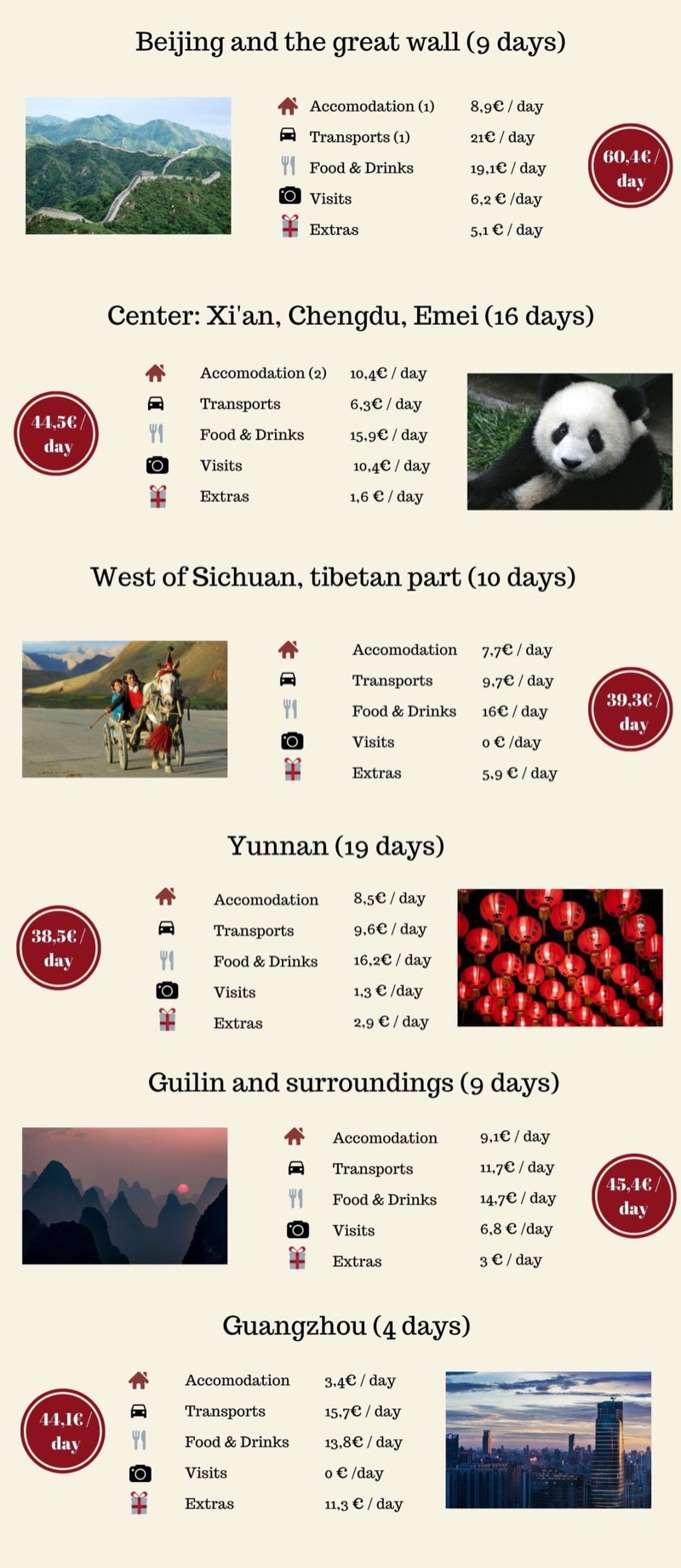
China provides substantial value for money across most categories. A decent meal at a local restaurant in Beijing or Shanghai might cost 30-60 CNY ($4-8 USD), while street food is…
China
Hong Kong
China provides substantial value for money across most categories. A decent meal at a local restaurant in Beijing or Shanghai might cost 30-60 CNY ($4-8 USD), while street food is often 10-20 CNY ($1.50-3 USD). Intercity high-speed train tickets, like Beijing to Shanghai, are around 550 CNY ($75 USD). Accommodation, even in Tier 1 cities, can be found for 200-400 CNY ($28-55 USD) for a clean mid-range hotel. Outside of cities like Guilin or Chengdu, prices drop further, making extended travel quite economical. Taxis are also cheaper, with short rides starting at 10-14 CNY ($1.50-2 USD).
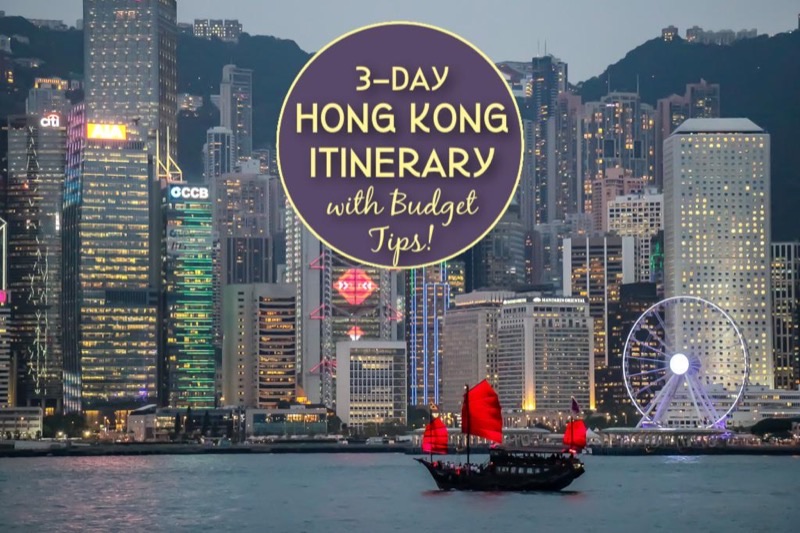
Hong Kong is a more expensive destination. A basic meal at a cha chaan teng (local cafe) costs 50-80 HKD ($6-10 USD), and a sit-down restaurant meal can easily be 150-300 HKD ($19-38 USD). Public transport, while efficient, adds up, with MTR rides typically 5-30 HKD ($0.60-3.80 USD). Accommodation is a primary budget drain; a modest hotel room in a central area often starts at 600-1000 HKD ($75-128 USD) per night. Activities like theme parks or boat trips also come with higher price tags, making Hong Kong more suited for travelers with larger budgets or shorter stays. China offers far greater financial freedom for travelers aiming to stretch their budget.
- Winner: China
- Why: China consistently offers lower prices for accommodation, food, transport, and attractions, allowing for longer trips or more experiences per dollar.
- Who this matters for: Budget-conscious travelers, backpackers, and those planning extended journeys.
🏛️ Culture & History
China possesses a depth of history that spans millennia, offering an incredible range of cultural experiences. Travelers can walk along the Great Wall outside Beijing, explore the…

China
Hong Kong
China possesses a depth of history that spans millennia, offering an incredible range of cultural experiences. Travelers can walk along the Great Wall outside Beijing, explore the Terracotta Army in Xi'an, wander through ancient water towns like Wuzhen, or visit the Forbidden City. The cultural landscape shifts dramatically across provinces, from Tibetan monasteries in Sichuan to Hakka tulou in Fujian. Engaging with local people, observing traditional crafts, and participating in festivals like Chinese New Year provide immersion into a civilization with a long memory. The sheer scale of historical sites and diverse regional cultures is unmatched.
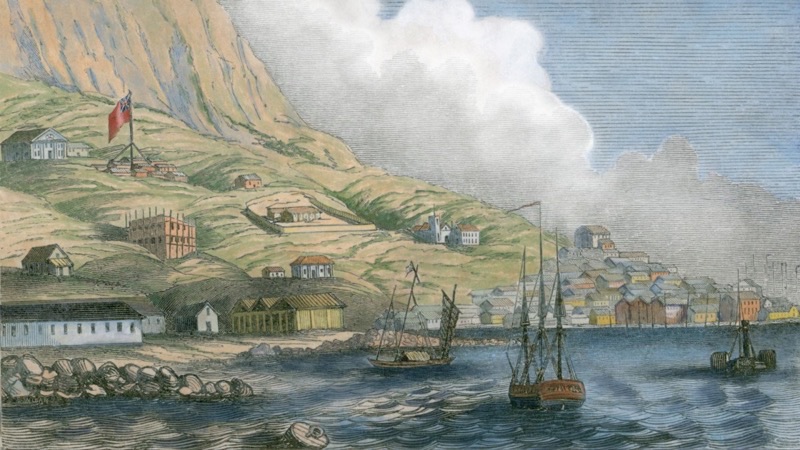
Hong Kong's cultural identity is a distinct mix. It features strong Cantonese roots, visible in temples like Man Mo Temple, traditional markets, and dim sum culture. The city also showcases its British colonial past through architecture in Central and Tsim Sha Tsui, and its modern identity as an international financial center. Its culture is more urban and fast-paced, focusing on contemporary art, design, and a global outlook. While it has its own unique cultural flavor, it does not offer the same ancient, sprawling historical narrative as mainland China. China provides a far more expansive and varied cultural and historical education.
- Winner: China
- Why: China offers an unparalleled depth and breadth of ancient history, diverse regional cultures, and significant historical sites that Hong Kong, as a smaller entity, cannot rival.
- Who this matters for: History enthusiasts, culture seekers, and travelers looking for diverse ethnic and regional experiences.
🍜 Food Scene
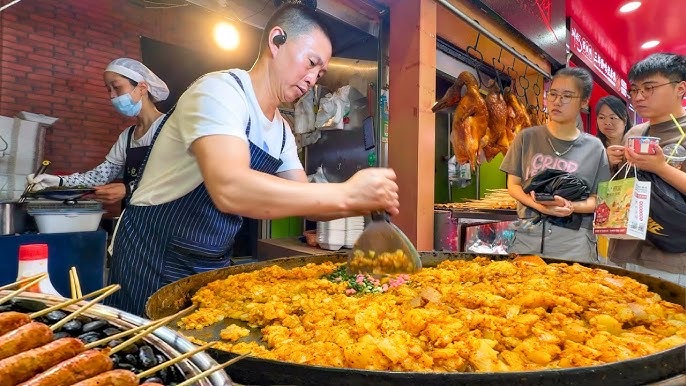
China's food scene is a journey through diverse culinary traditions. Each region presents its own distinct flavors: spicy Sichuan dishes like mapo tofu and hotpot, delicate…
China
Hong Kong
China's food scene is a journey through diverse culinary traditions. Each region presents its own distinct flavors: spicy Sichuan dishes like mapo tofu and hotpot, delicate Cantonese dim sum in Guangzhou, hearty noodles in Xi'an, and refined imperial cuisine in Beijing. Street food markets, like Wangfujing in Beijing or Muslim Quarter in Xi'an, offer endless exploration for a few dollars. Eating locally is highly affordable, with large meals often costing 50-80 CNY ($7-11 USD). The variety and authenticity of regional dishes are a major draw, providing endless opportunities to try new flavors and preparation styles, from stir-fries to dumplings to local BBQ. You can spend weeks eating your way through different provinces.
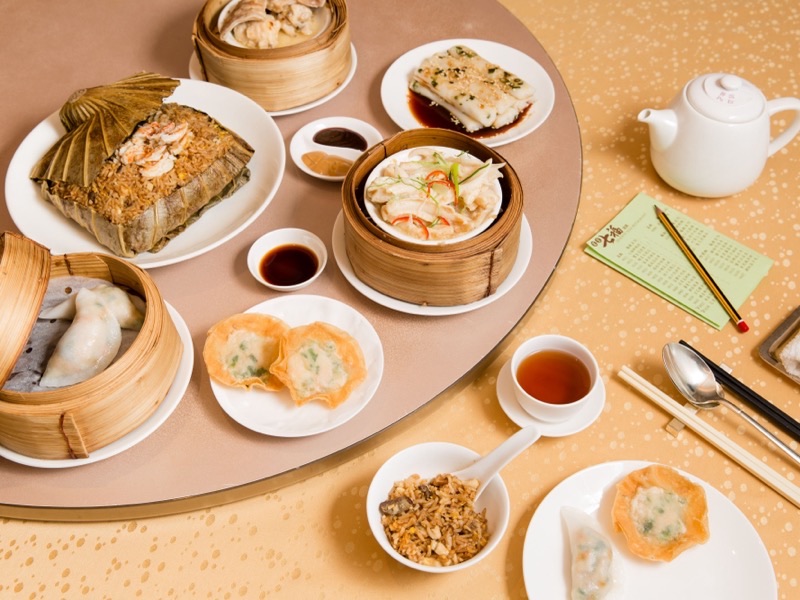
Hong Kong is a culinary powerhouse, particularly for Cantonese food. Its dim sum is world-renowned, with places like Tim Ho Wan offering exceptional quality at reasonable prices (e.g., char siu bao for 20-30 HKD or $2.50-4 USD). Beyond Cantonese, the city has a high concentration of global cuisines, from Michelin-starred fine dining to excellent Thai, Japanese, and Western options. Street food stalls, or dai pai dongs, serve up classics like fish balls and egg waffles. The food culture is accessible, with English menus common, and the quality across the board is consistently high. While generally more expensive than mainland China, Hong Kong offers a concentrated, high-quality, and convenient dining experience. Both destinations deliver exceptional food, making it a tie, depending on what type of culinary adventure one seeks.
- Winner: Tie
- Why: Both destinations offer exceptional, distinct food experiences. China wins for sheer regional diversity and affordability, while Hong Kong excels in concentrated, high-quality Cantonese and global cuisine.
- Who this matters for: Foodies, gourmands, and anyone who considers eating a primary travel activity.
🗺️ Logistics & Getting Around
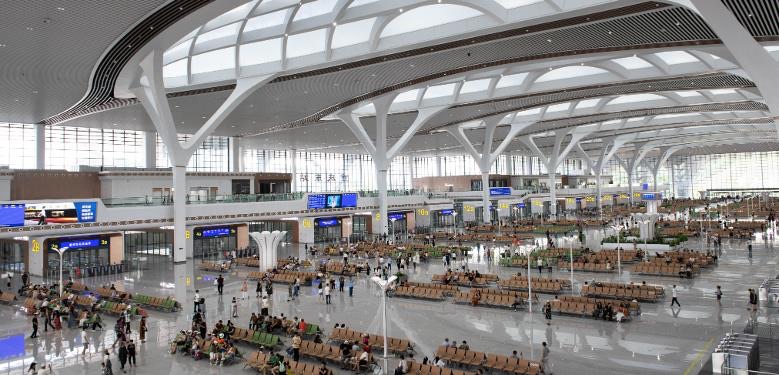
Traveling in mainland China involves more logistical planning. A visa is required for most nationalities, needing application in advance. Internet access is restricted, meaning a…
China
Hong Kong
Traveling in mainland China involves more logistical planning. A visa is required for most nationalities, needing application in advance. Internet access is restricted, meaning a VPN is essential for accessing Google, Instagram, Facebook, and WhatsApp. Local apps like WeChat (for communication and payment), Baidu Maps, and Didi (ride-hailing) are necessary for smooth navigation and transactions. Cash is rarely used; mobile payment is dominant. Intercity travel is efficient with the extensive high-speed rail network, connecting major cities like Shanghai, Beijing, and Guangzhou quickly. Public transport within cities is good but can be challenging with language barriers on buses.
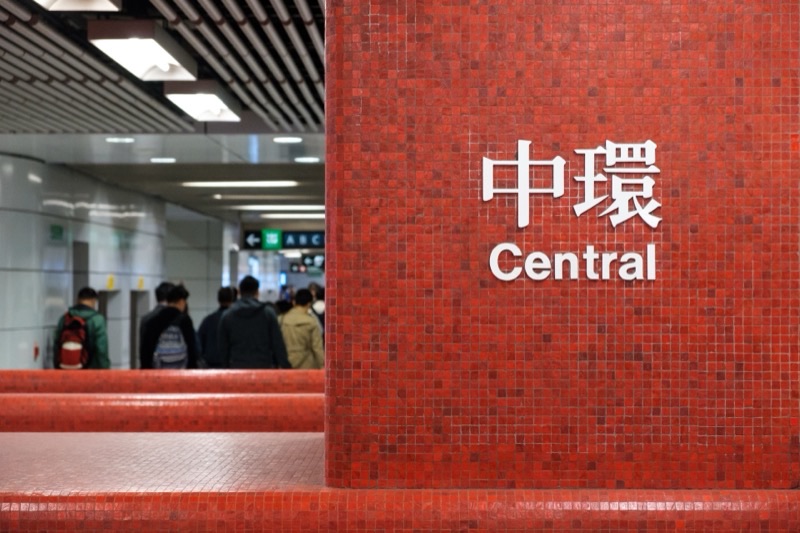
Hong Kong offers significantly simpler logistics. Many nationalities can enter visa-free for 90 days. The internet is open and unrestricted. English is widely understood and spoken, especially in tourist areas and on public transport. The Octopus card (a reusable smart card) simplifies all public transport (MTR, buses, trams, ferries) and even purchases in convenience stores. The MTR subway system is one of the most efficient in the world, making internal city travel a breeze. Mobile payment (Apple Pay, credit cards) and cash are readily accepted. Getting around is intuitive and requires minimal pre-planning. Hong Kong's ease of access and navigation make it the clear winner for straightforward travel.
- Winner: Hong Kong
- Why: Hong Kong offers visa-free entry for many, unrestricted internet, widespread English, and a highly efficient, easy-to-use public transport system, reducing travel friction.
- Who this matters for: First-time international travelers, those on short trips, and anyone prioritizing convenience and simplicity.
🚨 Safety & Ease of Travel
Mainland China is a safe destination with generally low street crime. However, the ease of travel can be impacted by language barriers, especially outside major cities. Scams,…
China
Hong Kong
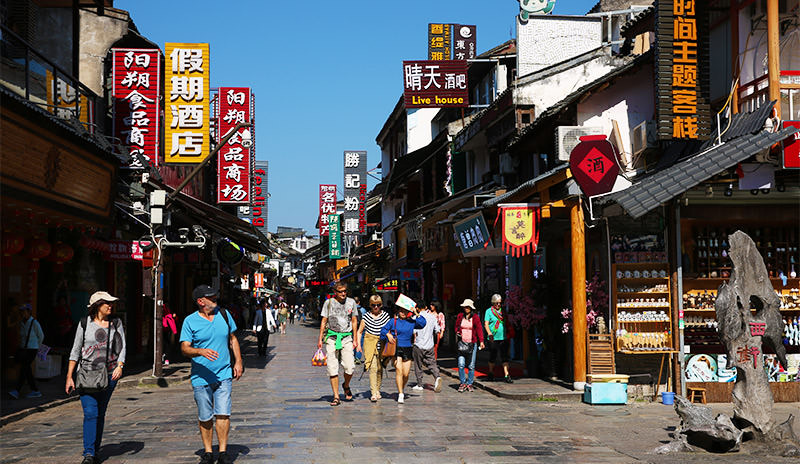
Mainland China is a safe destination with generally low street crime. However, the ease of travel can be impacted by language barriers, especially outside major cities. Scams, while not rampant, can occur, particularly around tourist sites (e.g., tea scams). Internet censorship and the need for a VPN add a layer of complexity. Political sensitivities mean certain topics are avoided. Navigating bureaucracy, like airport security or train stations, requires patience and sometimes a translation app. Overall, personal safety is high, but the 'ease' factor requires more effort and adaptation from the traveler.
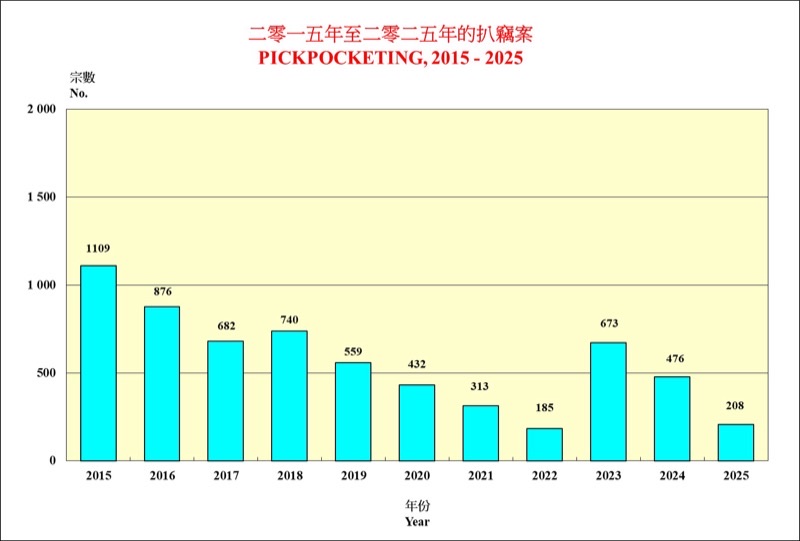
Hong Kong is renowned for its low crime rates and high level of public safety. Travelers can generally feel secure walking alone at night. The city's efficient public services and clear signage in English contribute to a sense of order and safety. While political protests have occurred in the past, they typically do not target tourists and are easily avoided by staying informed. The ease of communication, reliable infrastructure, and generally straightforward processes make Hong Kong a very comfortable place to travel independently. For general peace of mind and effortless movement, Hong Kong is superior. Hong Kong provides a consistently smoother and less challenging travel experience.
- Winner: Hong Kong
- Why: Hong Kong offers a higher degree of overall public safety, fewer language barriers, and a more straightforward travel environment due to open internet and clear infrastructure.
- Who this matters for: Solo travelers, families, and those who prefer a highly predictable and secure travel environment.
🌳 Nature & Outdoors
China's geographic scale means it contains an incredible array of natural environments. From the dramatic karst landscapes of Guilin and Yangshuo to the towering peaks of…
China's geographic scale means it contains an incredible array of natural environments. From the dramatic karst landscapes of Guilin and Yangshuo to the towering peaks of Zhangjiajie (Avatar Mountains), the sacred mountains like Huangshan (Yellow Mountain), and the deserts of Xinjiang, there is immense variety. The Giant Panda Research Base in Chengdu offers a chance to see pandas. National parks are well-developed, though crowds can be significant at popular spots. Exploring these areas often requires longer travel times between regions but rewards with truly grand and diverse scenery. Examples include the Yangtze River cruises, Tibetan plateau regions, and the forests of Yunnan.
Hong Kong, despite its urban density, boasts a surprising amount of green space and outdoor activities. The city is surrounded by country parks, offering numerous hiking trails like the Dragon's Back (named one of the best urban hikes). Outlying islands like Lantau and Cheung Chau offer beaches, fishing villages, and gentler paces. Tai Long Wan is a popular surf spot. While the scale of nature is smaller than mainland China, its accessibility from the city center is a major advantage. You can be on a hiking trail or beach within an hour of leaving your hotel. However, for sheer magnitude and variety of ecosystems, China is the undisputed champion. China provides a broader and more diverse range of natural wonders.
- Winner: China
- Why: China's immense size and varied geography offer a far greater diversity of natural landscapes, from towering mountains and vast deserts to unique geological formations and wildlife conservation areas.
- Who this matters for: Adventure seekers, hikers, photographers, and those who prioritize experiencing diverse natural environments.
🌃 Nightlife
Nightlife in mainland China varies significantly by city. Shanghai and Beijing offer the most developed club and bar scenes, with international DJs, trendy speakeasies, and…
Nightlife in mainland China varies significantly by city. Shanghai and Beijing offer the most developed club and bar scenes, with international DJs, trendy speakeasies, and diverse options along areas like The Bund (Shanghai) or Sanlitun (Beijing). Karaoke (KTV) is a nationwide pastime and a core part of social gatherings. Outside these major hubs, nightlife often revolves around local bars, night markets, and dining experiences. Language can be a barrier in smaller venues, and the atmosphere is generally less overtly Western. Enforcement of closing times and regulations can also be stricter depending on the area.
Hong Kong's nightlife is a major draw. Areas like Lan Kwai Fong and Soho in Central are packed with bars, pubs, and clubs that stay open late, offering a lively, international atmosphere. Rooftop bars provide impressive city views. Tsim Sha Tsui also has its own selection of pubs and karaoke spots. The MTR runs late, making it easy to get around after hours. The city's liberal alcohol laws and dense population contribute to a consistently energetic and accessible nightlife. For travelers seeking easy-to-find, diverse, and late-night entertainment with an international feel, Hong Kong takes the prize. Hong Kong offers a more dynamic and accessible nightlife experience.
- Winner: Hong Kong
- Why: Hong Kong's concentrated and international bar and club scene, particularly in areas like Lan Kwai Fong, offers a more active and easily navigable nightlife.
- Who this matters for: Party-goers, social travelers, and those who enjoy late-night entertainment with diverse options.
🏨 Accommodation
China offers a vast range of accommodation options that generally provide better value for money. In major cities like Shanghai or Beijing, a comfortable mid-range hotel can be…
China offers a vast range of accommodation options that generally provide better value for money. In major cities like Shanghai or Beijing, a comfortable mid-range hotel can be found for 300-600 CNY ($40-80 USD) per night. Hostels are readily available for 60-120 CNY ($8-16 USD). Outside of the major Tier 1 cities, prices drop considerably, and even boutique hotels in scenic areas like Guilin can be found for 200-400 CNY ($28-55 USD). International hotel chains are present, but local options often provide more character. Booking platforms like Ctrip (Trip.com) are widely used and often offer better local rates.
Hong Kong's accommodation is known for being expensive and often compact. A small but clean hotel room in a central location often starts at 600-1000 HKD ($75-128 USD) per night. Luxury hotels can easily exceed 2000 HKD ($250 USD). Hostels are also available, typically costing 150-300 HKD ($19-38 USD) per night for a dorm bed. Due to limited space, rooms tend to be smaller than in many other major cities. Boutique hotels offer some unique options, but the value for money is generally lower than in mainland China. For travelers seeking more space and affordability, China is the better choice. China consistently provides more space and lower prices for similar quality lodging.
- Winner: China
- Why: China offers significantly better value for accommodation, with more spacious rooms and lower prices across all categories, from budget hostels to mid-range hotels.
- Who this matters for: Budget travelers, families needing more space, and anyone seeking greater value in their lodging choices.
✈️ Getting There (Flights)
Getting to mainland China typically involves direct flights from major international hubs like Los Angeles, San Francisco, New York, or London to Beijing (PEK), Shanghai (PVG), or…
Getting to mainland China typically involves direct flights from major international hubs like Los Angeles, San Francisco, New York, or London to Beijing (PEK), Shanghai (PVG), or Guangzhou (CAN). Flight times from the West Coast US average around 12-14 hours. Prices vary significantly by season but can range from $700-$1200 USD round trip. While direct flights are common, China's strict entry requirements, including a pre-arranged visa and sometimes health declarations, add to the pre-travel planning. Once in China, domestic flights are extensive and often reasonably priced for intercity travel.
Hong Kong International Airport (HKG) is a major global hub with connections to almost every continent. Direct flights from the West Coast US usually take 14-16 hours, slightly longer than to mainland China, but from Europe, it can be similar or shorter than to some Chinese cities. Round-trip flights often fall in the $800-$1300 USD range. The primary advantage of flying into Hong Kong is the ease of entry for many nationalities, often requiring no pre-arranged visa. This makes it a straightforward gateway for many travelers. For convenience and global connectivity, HKG is exceptional, but direct flights to major Chinese cities are also abundant. Both destinations are well-connected internationally, making this a tie.
- Winner: Tie
- Why: Both destinations serve as major international flight hubs, offering ample direct connections from around the world.
- Who this matters for: All travelers; ease of access varies more by personal starting location than by destination inherent qualities.
🛍️ Shopping
Shopping in mainland China offers a mix of traditional markets, modern shopping malls, and burgeoning local brands. Cities like Beijing have silk markets (e.g., Silk Street…
Shopping in mainland China offers a mix of traditional markets, modern shopping malls, and burgeoning local brands. Cities like Beijing have silk markets (e.g., Silk Street Market) and antique markets (Panjiayuan) where bargaining is expected and can yield good deals on souvenirs, tea, and crafts. Electronics markets are extensive, particularly in Shenzhen. High-end shopping malls exist in major cities, featuring both international and domestic brands. However, for a Western shopper, the experience might require more navigation, language skills, and awareness of quality differences.
Hong Kong is a shopper's paradise, especially for luxury goods, electronics, and fashion. Areas like Causeway Bay, Tsim Sha Tsui, and Central are packed with high-end boutiques, flagship stores of international brands, and large department stores. Mong Kok offers a more local market experience with electronics and clothing. The city's duty-free status means prices on some luxury items and cosmetics can be competitive. The shopping environment is user-friendly, with English widely spoken and clear pricing. For a focused, convenient, and high-quality shopping spree, particularly for international brands, Hong Kong is the superior choice. Hong Kong wins for its concentration of international brands and duty-free status.
- Winner: Hong Kong
- Why: Hong Kong excels with its duty-free shopping, concentration of international luxury brands, and a more accessible, convenient shopping environment.
- Who this matters for: Brand shoppers, electronics enthusiasts, and those looking for luxury goods or a straightforward retail experience.
🎯 The Decision Framework
Choose China If…
- You want deep historical immersion: Forbidden City, Terracotta Army.
- You seek diverse landscapes: mountains, deserts, rivers.
- You are on a tighter budget, aiming for $50-100 USD/day.
- You are comfortable using local apps like WeChat and a VPN.
- You are interested in regional cuisines beyond Cantonese.
- You have at least 10-14 days for comprehensive exploration.
- You want to experience a truly different cultural system and way of life.
- You are prepared for language barriers and a less Westernized experience.
Choose Hong Kong If…
- You want an easy, visa-free entry (for many nationalities).
- You prioritize convenience, open internet, and English accessibility.
- You are a foodie focused on Cantonese cuisine and global dining.
- You enjoy an active, international nightlife scene.
- You appreciate efficient public transport (MTR, Octopus card).
- You are comfortable with a higher daily budget, $100-200 USD/day.
- You plan a shorter trip, 3-7 days, focused on an urban hub.
- You want excellent shopping for luxury and international brands.
📅 Sample Itineraries
Weekend in Beijing (3 Days)
💡 Purchase a local SIM card (around $15 for data) upon arrival to use essential apps like WeChat Pay and Baidu Maps, as many international services are restricted.
Weekend in Hong Kong (3 Days)
💡 Get an Octopus card (deposit ~$6, initial value ~$13) immediately for seamless travel on MTR, buses, ferries, and even some convenience stores, saving time and hassle with cash.
One Week in China (7 Days)
💡 Book high-speed train tickets well in advance, especially for popular routes like Beijing-Xi'an or Xi'an-Shanghai, as they can sell out. Use Ctrip for convenient booking.
One Week in Hong Kong (7 Days)
💡 Utilize Hong Kong's extensive public ferry system to explore outlying islands like Lamma and Cheung Chau for a different perspective and quieter experience. Fares are low, typically $2-5 per trip.
❓ Frequently Asked Questions
Do I need a visa for China or Hong Kong?
Most nationalities, including US, UK, EU, and Australian citizens, require a visa to enter mainland China, which must be obtained in advance. Hong Kong, however, offers visa-free entry for 90 days to most of these same nationalities, making it a much simpler entry point.
What is the best time of year to visit both destinations?
For both China and Hong Kong, spring (April-May) and autumn (September-October) offer the most pleasant weather, with moderate temperatures and less rain. Summers (June-August) can be hot and humid with potential for typhoons in Hong Kong, while winters (November-March) can be cold in northern China but mild in Hong Kong and southern China.
Can I use Google and social media in China?
In mainland China, Google, Facebook, Instagram, WhatsApp, and many other Western apps are blocked by the 'Great Firewall.' You will need a reliable VPN (Virtual Private Network) installed on your devices BEFORE you arrive to access these services. Hong Kong has unrestricted internet access.
How do payments work in China vs. Hong Kong?
In mainland China, mobile payments (WeChat Pay and Alipay) are dominant; cash and international credit cards are often not accepted at smaller vendors. In Hong Kong, Octopus cards are widely used for transport and small purchases, while credit cards and cash are also commonly accepted.
What are typical flight times from the US West Coast to each?
Direct flights from major US West Coast cities (e.g., LAX) to Shanghai or Beijing typically take 12-14 hours. Flights to Hong Kong International Airport (HKG) are usually slightly longer, averaging 14-16 hours direct.
Is it easy to travel between China and Hong Kong?
Yes, it is relatively easy. High-speed trains connect Hong Kong's West Kowloon Station to major Chinese cities like Guangzhou (approx. 1 hour) and Shenzhen (approx. 20 minutes). Flights are also available. Remember, you will pass through immigration and customs, and visa requirements for mainland China still apply when crossing the border from Hong Kong.
What about language barriers?
In Hong Kong, English is widely spoken, especially in tourist areas, public transport, and business sectors, alongside Cantonese. In mainland China, Mandarin is the official language, and English proficiency is much lower, especially outside of major cities. Translation apps are essential for independent travel in China.
How long should I spend in each place?
For Hong Kong, a 3-5 day trip is sufficient to cover main attractions, hiking, and food. For mainland China, due to its vastness and travel complexities, a minimum of 7-10 days is recommended for one region (e.g., Beijing/Shanghai), with 2-3 weeks ideal for a multi-city tour. If combining both, allow 10-14 days total.
Ready to plan your East Asia trip?
Get a free custom itinerary for China, Hong Kong, or both — built from real traveler insights.
👥 Travelers Also Compared
🎟️ Book Tours & Experiences
Hand-picked tours and activities for both destinations — book with free cancellation
Experiences via Viator — free cancellation on most tours