How we built this comparison
This page combines traveler discussion patterns, published price ranges, flight schedules, and seasonal data to help you decide between China and Indonesia.
- Reviewed 100+ Reddit threads from r/travel, r/solotravel, r/ChinaTravel, r/Bali, and r/indonesia.
- Verified costs and logistics against current booking platforms like Booking.com, Trip.com, and local service providers.
- Cross-referenced seasonal patterns and weather data from meteorological sources for optimal travel times.
⚡ Quick Answers
⚡ The TL;DR Verdict
For most first-time Asia travelers seeking a relaxed, budget-friendly experience focused on nature and beach life, Indonesia is the superior pick, with a daily budget around $60-100. If you are an experienced traveler craving grand scale history, modern infrastructure, and distinct cultural immersion, China offers a more challenging but rewarding journey, budgeting $80-150 per day.
- Choose China: You prioritize ancient history, futuristic cities, efficient transport, and a distinct cultural experience, even if it means navigating language barriers and internet restrictions.
- Choose Indonesia: You are looking for beach relaxation, volcano treks, diving, spiritual experiences, a generally lower cost of living, and an easier travel flow with less planning.
- Choose Both: If you have at least 4-6 weeks and a significant budget, combining them offers a comprehensive view of Asia's diversity, moving from China's structured grandeur to Indonesia's relaxed island hopping.
Choose China
Choose China if you're an experienced traveler eager for a challenging yet profoundly rewarding adventure into ancient history and futuristic cities. Explore the Great Wall, marvel at the Terracotta Army, and experience Shanghai's dazzling skyline via efficient high-speed rail. It’s best for those prioritizing grand scale, distinct culture, and modern infrastructure, budgeting around $80-150 daily.
Choose Indonesia
Choose Indonesia for a more relaxed, nature-focused adventure, ideal for first-time Asia travelers seeking easy beach life and spiritual experiences. Relax on Bali's beaches, trek active volcanoes, or explore vibrant marine life diving in Raja Ampat, all with generally lower costs. It’s best for those prioritizing natural beauty, laid-back travel, and a daily budget around $60-100.
📊 Visual Scorecard
🌤 When to Visit
Average high temperatures (°C). Green = best months, orange = avoid.
Quick Comparison
| Category | China | Indonesia | Winner |
|---|---|---|---|
| Culture & History | Ancient empires, monumental architecture, diverse ethnic groups, modern communist influence. | Island-specific traditions, Hindu-Buddhist legacies, rich animistic beliefs, colonial impact. | China |
| Food Scene | Incredibly diverse regional cuisines, street food, imperial dishes, strong tea culture. | Fresh ingredients, spice-forward, affordable street food (warungs), diverse island specialties. | Indonesia |
| Natural Landscapes | Towering karst mountains, vast deserts, dramatic gorges, diverse climates. | Volcanoes, tropical beaches, coral reefs, rice paddies, diverse rainforests. | Tie |
| Cost of Travel | Moderate, higher in major cities, efficient public transport saves money. | Very affordable, especially outside Bali, excellent value for money. | Indonesia |
| Getting Around | World-class high-speed rail, extensive subway systems, efficient domestic flights. | Domestic flights for island hopping, ferries, motorbikes, taxis; less integrated. | China |
| Accommodation | Modern hotels, international chains, budget hostels; booking can require local apps. | Guesthouses, homestays, villas, hostels, resorts; wide range of styles and prices. | Indonesia |
| Nightlife & Entertainment | Thriving mega-city clubs, karaoke, speakeasies, live music, diverse options. | Beach clubs, bars, reggae nights, local live music; concentrated in tourist hubs. | China |
| Visa & Entry | Complex visa application required for most, strict entry rules. | Visa on Arrival for many nationalities, generally straightforward entry. | Indonesia |
| Traveler Experience | Challenging due to language, internet restrictions, vast distances; rewarding for resilient travelers. | Generally easy, welcoming locals, English widely spoken in tourist areas, relaxed pace. | Indonesia |
| Adventure & Activities | Hiking, cycling, martial arts, urban exploration, some river activities. | Surfing, diving, volcano trekking, jungle exploration, yoga, water sports. | Indonesia |
🏛️ Culture & History
China's history unfolds on a scale that few nations can match. You can walk along sections of the Great Wall near Mutianyu, explore the Forbidden City's imperial grandeur in…

China

Indonesia
China's history unfolds on a scale that few nations can match. You can walk along sections of the Great Wall near Mutianyu, explore the Forbidden City's imperial grandeur in Beijing, or stand among the Terracotta Army in Xi'an. These sites are impeccably maintained and offer a direct link to millennia of dynastic rule. Beyond the major attractions, regional cultures, from the Uyghur traditions in Xinjiang to the minority groups in Yunnan, present a depth of experience that takes considerable time to unpack. Expect organized tours at major sites, sometimes with large crowds, but also moments of quiet contemplation if you venture to less frequented spots or smaller temples.
Indonesia offers a mosaic of cultures, each island presenting its own traditions. Bali's Hindu heritage is evident in every temple like Pura Ulun Danu Beratan and daily offerings, contrasting sharply with Java's Islamic influence and its colossal 9th-century Buddhist temple, Borobudur, or the Hindu Prambanan complex. The history here is often less about grand empires and more about localized customs, spiritual practices, and the fusion of indigenous beliefs with imported religions. Exploring these requires engaging with local communities, perhaps attending a traditional dance performance in Ubud or witnessing a cremation ceremony. For those prioritizing deep historical immersion and grand, organized sights, China delivers with unmatched scale, making it the clear choice.
- Winner: China
- Why: China offers a deeper, more imposing sense of ancient history and monumental cultural sites.
- Who this matters for: Travelers seeking grand historical sights, ancient empires, and a profound sense of scale.
🍜 Food Scene
China's culinary landscape is vast and varied, from the numbing spice of Sichuan hot pot (e.g., Haidilao) to the delicate dim sum of Canton and the savory Peking roast duck (try…
China

Indonesia
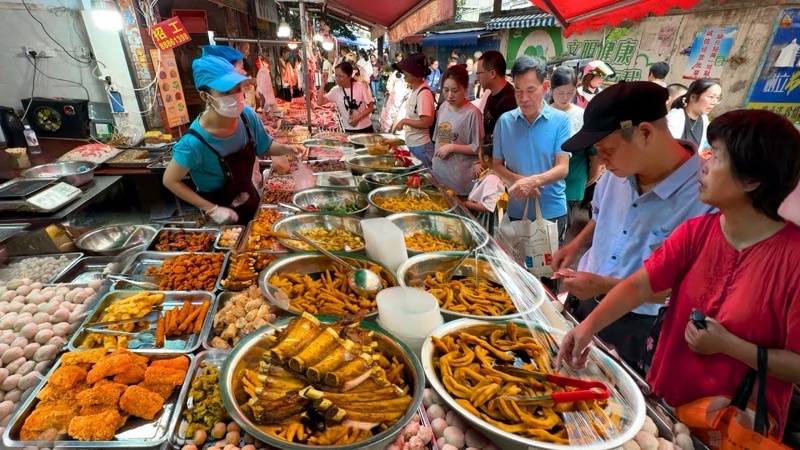
China's culinary landscape is vast and varied, from the numbing spice of Sichuan hot pot (e.g., Haidilao) to the delicate dim sum of Canton and the savory Peking roast duck (try Quanjude in Beijing). Street food like jianbing (savory crepes) can be found for 8-15 CNY (~1-2 USD) and a decent restaurant meal costs 50-150 CNY (~7-20 USD). However, navigating menus can be challenging without Mandarin skills, and many local eateries do not cater to dietary restrictions. The range is impressive, but access for non-Chinese speakers often defaults to tourist-centric or international options.
Indonesia's food scene, while perhaps less globally recognized than China's, is consistently accessible and satisfying. Staples like Nasi Goreng (fried rice) and Mie Goreng (fried noodles) are ubiquitous and cost 20,000-40,000 IDR (~1.30-2.60 USD) at a local warung. Sate ayam (chicken satay) is a street food staple, and fresh seafood is readily available in coastal areas. Bali's food scene, especially in areas like Canggu and Ubud, offers a blend of traditional Indonesian fare, healthy Western options, and creative fusions at competitive prices. The ease of finding delicious, affordable food, often with English menus or helpful staff, gives Indonesia an edge. For everyday deliciousness, variety, and ease of access, Indonesia wins.
- Winner: Indonesia
- Why: Indonesia offers consistently accessible, delicious, and affordable food, especially street food, with more options for diverse palates.
- Who this matters for: Food enthusiasts who prioritize ease of access, affordability, and a generally less challenging culinary exploration.
⛰️ Natural Landscapes
China presents landscapes of epic proportions: the ethereal karst mountains of Guilin and Yangshuo (Li River cruises are popular), the dramatic sandstone pillars of Zhangjiajie…

China
Indonesia
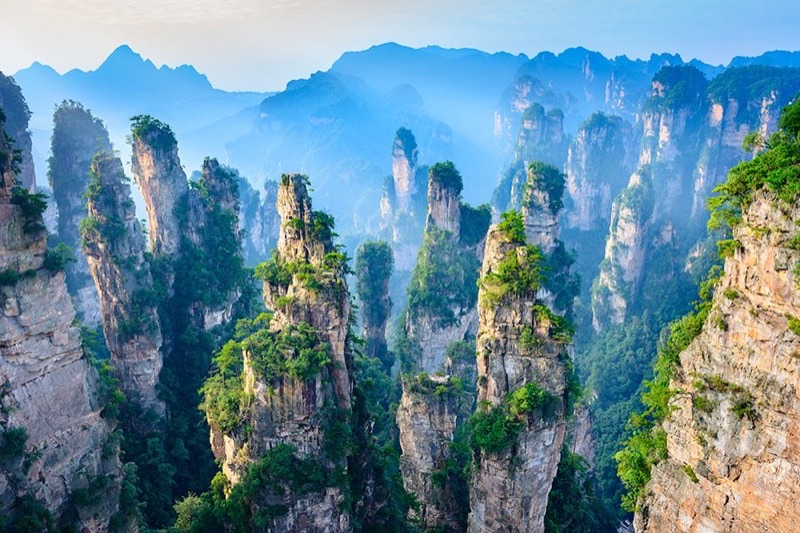
China presents landscapes of epic proportions: the ethereal karst mountains of Guilin and Yangshuo (Li River cruises are popular), the dramatic sandstone pillars of Zhangjiajie National Forest Park (known as the 'Avatar Mountains'), and the powerful currents of Tiger Leaping Gorge in Yunnan. The scale is immense, often requiring extensive travel between regions. From the Gobi Desert to the Tibetan Plateau, the range of environments is staggering. Many national parks have extensive, well-maintained infrastructure, including cable cars and walkways, making them accessible but sometimes crowded.
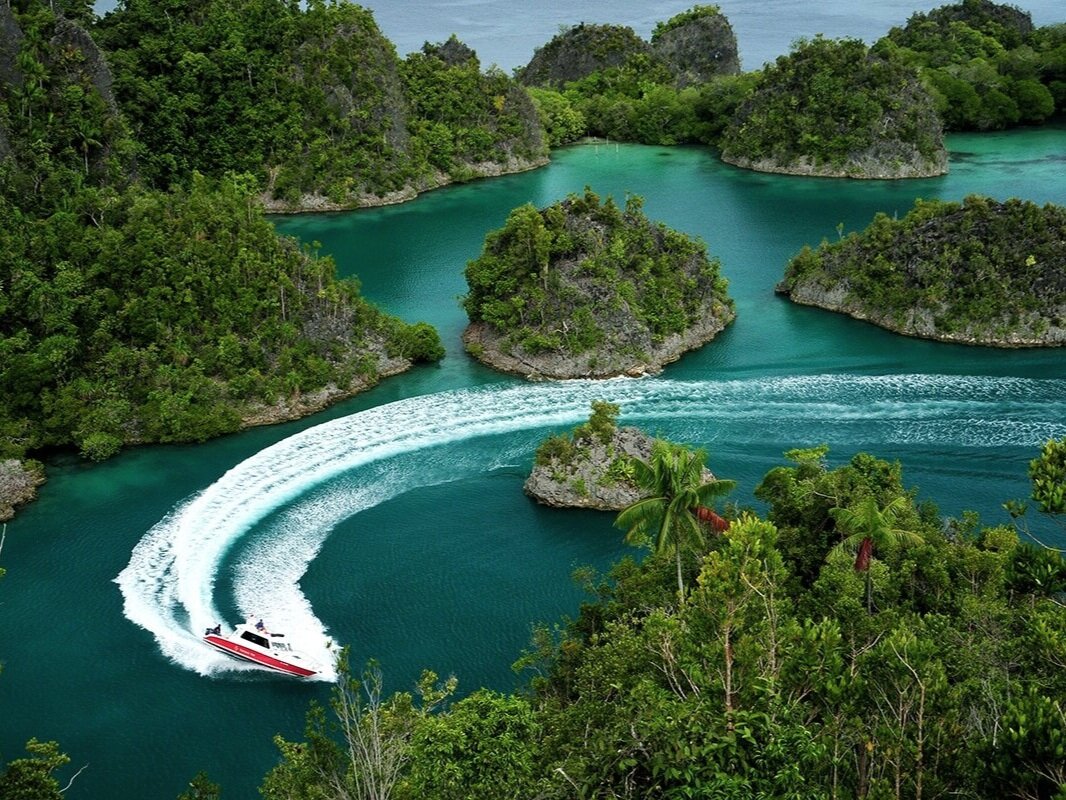
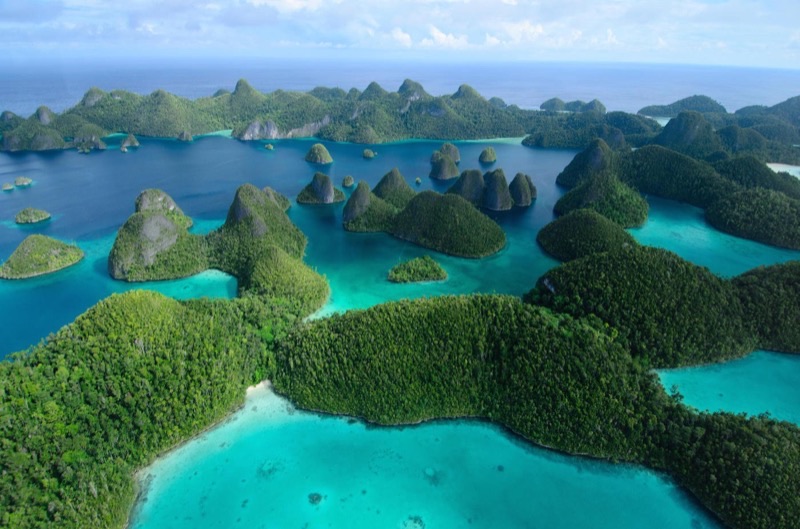
Indonesia counters with a different kind of natural splendor, primarily centered around its tropical islands. Think of the active volcanoes like Mount Bromo and Mount Rinjani, offering challenging treks and sunrise views. The rice paddies of Ubud, Bali, provide a serene agricultural landscape. Crucially, Indonesia offers some of the world's best diving and snorkeling spots, particularly in Raja Ampat, Komodo National Park (where you can see Komodo dragons), and the Gili Islands, with coral reefs teeming with marine life. While both countries have incredible natural beauty, China's feels more grand and geological, whereas Indonesia's is more tropical and marine-focused. Each offers a unique connection to the natural world, making this category a tie based on preference rather than quality.
- Winner: Tie
- Why: Both offer distinct, world-class natural beauty – China with its grand geological formations, Indonesia with its tropical islands and marine life.
- Who this matters for: Travelers whose primary goal is experiencing natural beauty, but the type of beauty will dictate the choice.
💰 Cost of Travel
Traveling in China can be surprisingly affordable once you are past the flights. Hostels in major cities like Beijing or Shanghai cost 80-150 CNY (~11-20 USD) per night, while…
China
Indonesia
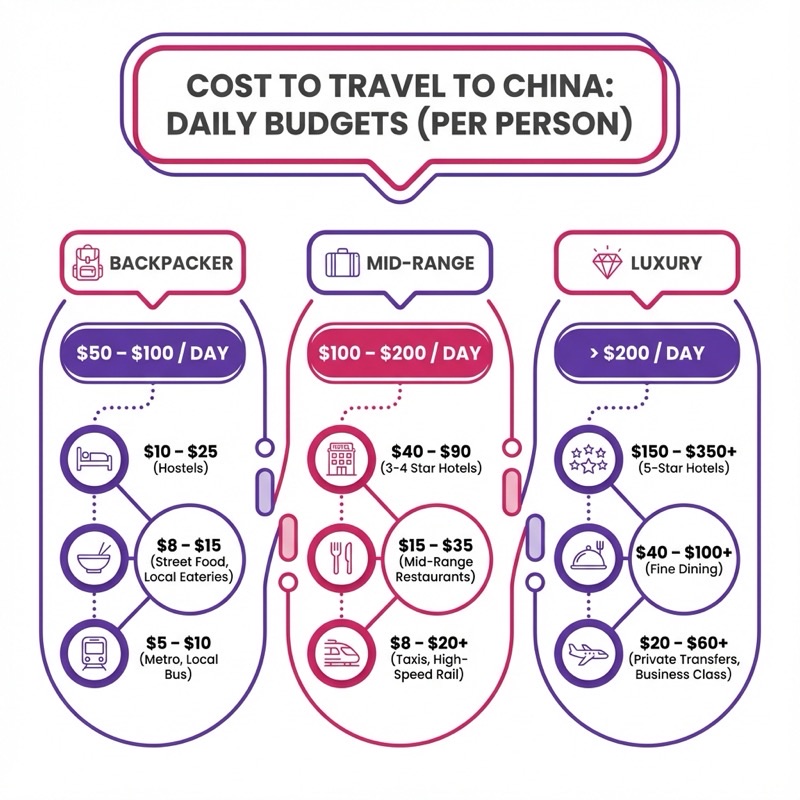
Traveling in China can be surprisingly affordable once you are past the flights. Hostels in major cities like Beijing or Shanghai cost 80-150 CNY (~11-20 USD) per night, while mid-range hotels are 300-600 CNY (~40-80 USD). Meals at local restaurants typically range from 30-80 CNY (~4-11 USD). High-speed rail tickets, while efficient, can add up, e.g., Beijing to Shanghai is around 550 CNY (~75 USD). Entrance fees to major attractions are often 40-100 CNY (~5-14 USD). A comfortable daily budget for China is generally $80-150, largely depending on accommodation and inter-city travel choices.
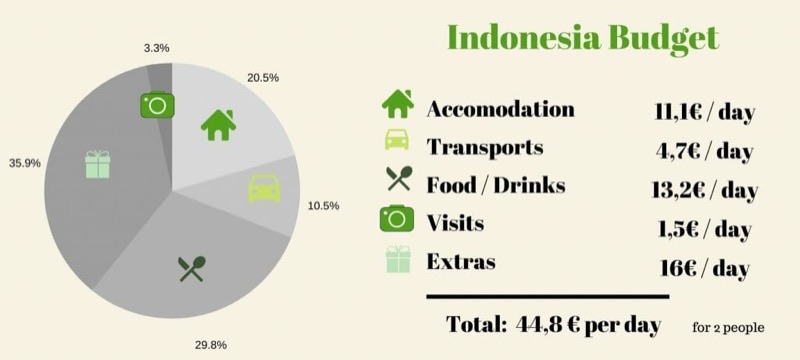
Indonesia consistently offers better value for money. Hostel beds in Bali or Lombok can be found for 100,000-200,000 IDR (~6-13 USD), and a decent guesthouse or private room is often 250,000-500,000 IDR (~16-33 USD). Local meals at warungs are 20,000-40,000 IDR (~1.30-2.60 USD), and even a nice cafe meal in Bali might only be 80,000-150,000 IDR (~5-10 USD). Activities like surfing lessons or massages are also significantly cheaper than in China or Western countries. Domestic flights are reasonably priced, e.g., Jakarta to Denpasar can be 700,000-1,200,000 IDR (~45-80 USD). A daily budget of $50-100 is realistic for a comfortable trip. For budget-conscious travelers, Indonesia provides superior value.
- Winner: Indonesia
- Why: Indonesia offers significantly lower daily costs for accommodation, food, and activities, providing excellent value.
- Who this matters for: Budget travelers, long-term backpackers, and anyone wanting their money to stretch further.
🚅 Getting Around
China's transportation infrastructure is arguably the best in the world. Its high-speed rail (HSR) network connects major cities with incredible speed and efficiency, making…
China
Indonesia
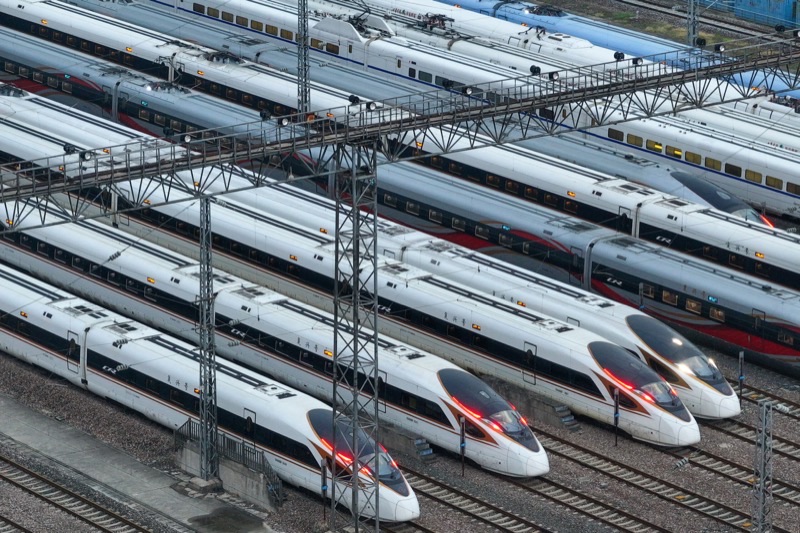
China's transportation infrastructure is arguably the best in the world. Its high-speed rail (HSR) network connects major cities with incredible speed and efficiency, making travel between destinations like Beijing, Shanghai, Xi'an, and Chengdu a seamless experience. For example, the 1,300 km journey from Beijing to Shanghai takes just over 5 hours on a G-train, costing around 550 CNY (~75 USD). City subways are clean, extensive, and cheap (3-10 CNY/~0.40-1.40 USD per ride). Domestic flights are also plentiful and reliable. Booking can be done via apps like Trip.com, and navigating stations is straightforward once you understand the system, despite language barriers. This network facilitates covering vast distances quickly.
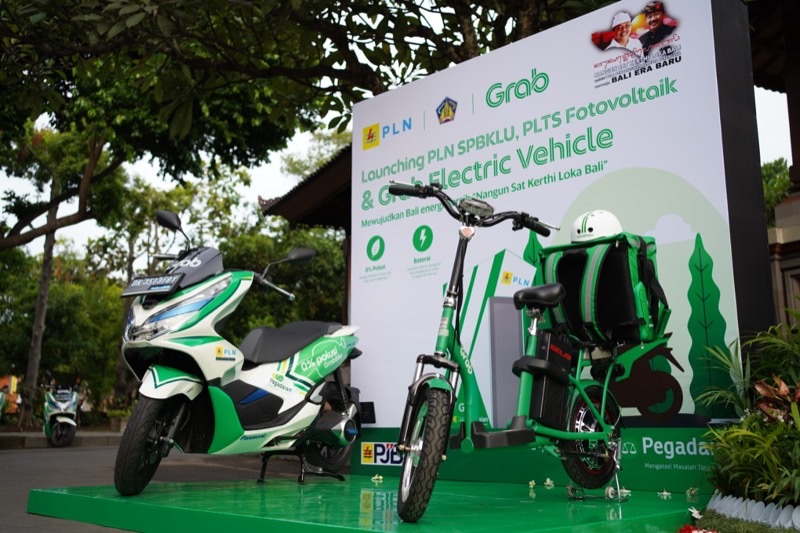
Indonesia's transportation is primarily defined by its archipelagic nature. Domestic flights are the most practical way to cover long distances between islands (e.g., Jakarta to Bali is ~1.5 hours, 700,000-1,200,000 IDR/~45-80 USD). Inter-island ferries and slow boats are available but can be time-consuming. On individual islands, motorbikes (rentals typically 60,000-100,000 IDR/~4-7 USD per day) and ride-hailing apps like Gojek and Grab (for bikes and cars) are common. While functional, it requires more planning and often involves more time. The system feels less integrated and can be more prone to delays. For sheer efficiency, speed, and comfort over long distances, China's transport network is unmatched.
- Winner: China
- Why: China's high-speed rail and extensive public transport networks provide unparalleled efficiency and ease for covering long distances.
- Who this matters for: Travelers who prioritize efficient, comfortable, and reliable inter-city transport to maximize sightseeing time.
🏨 Accommodation
China's accommodation options range from budget hostels to luxury international hotels. Hostels in major cities like Shanghai or Chengdu typically cost 80-150 CNY (~11-20 USD) for…
China's accommodation options range from budget hostels to luxury international hotels. Hostels in major cities like Shanghai or Chengdu typically cost 80-150 CNY (~11-20 USD) for a dorm bed. Mid-range hotels (e.g., local chains like Hanting or Jinjiang) are 300-600 CNY (~40-80 USD). Booking platforms like Booking.com or Agoda work, but some smaller local places might only be found on Chinese apps like Ctrip/Trip.com, and some hotels might not accept foreign guests without prior notice. The quality is generally consistent, and major cities offer modern amenities, but the options outside of standard hotels can be limited.
Indonesia shines in its variety and charm of accommodation, especially outside of major business hubs. Bali, Lombok, and other tourist-friendly islands are packed with guesthouses (often 200,000-400,000 IDR/~13-26 USD for a private room with AC), homestays, and private villas (starting from 800,000 IDR/~50 USD and upwards) that offer character and often include breakfast. Hostels are plentiful and often come with pools or social areas, costing 100,000-250,000 IDR (~6-16 USD). You get a lot more for your money in Indonesia, with options that feel more integrated into the local environment, from beachfront bungalows to rice paddy views. For diverse, characterful, and affordable options, Indonesia is a better choice.
- Winner: Indonesia
- Why: Indonesia offers a far greater variety of charming, affordable, and value-rich guesthouses, villas, and boutique stays.
- Who this matters for: Travelers seeking unique, locally-integrated, and affordable accommodation with character beyond standard hotels.
🌃 Nightlife & Entertainment
China's mega-cities like Shanghai and Beijing offer a nightlife scene that can rival any global capital. Shanghai's Bund and French Concession areas have sophisticated cocktail…
China's mega-cities like Shanghai and Beijing offer a nightlife scene that can rival any global capital. Shanghai's Bund and French Concession areas have sophisticated cocktail bars and high-end clubs like Bar Rouge and Myst, with cover charges sometimes around 100-200 CNY (~14-27 USD). Beijing's Sanlitun district is packed with pubs, clubs, and live music venues. Karaoke (KTV) is a national pastime and an experience in itself. Beyond the major hubs, even mid-sized cities have lively bars and local entertainment options. The scale and diversity of entertainment, from underground electronic music scenes to elaborate theatrical performances, are extensive.
Indonesia's nightlife is primarily concentrated in tourist hot spots like Bali (Kuta, Seminyak, Canggu) and Jakarta. Bali offers beach clubs like Potato Head Beach Club, bars with live reggae music, and a party scene that caters heavily to international visitors. Drinks are generally affordable, with beers (Bintang) costing around 30,000-50,000 IDR (~2-3.50 USD) and cocktails 80,000-150,000 IDR (~5-10 USD). Jakarta has more sophisticated clubs and bars, but they are localized. Outside of these areas, nightlife is far more subdued, often limited to local eateries or quiet guesthouses. For sheer variety, scale, and intensity of options, China's urban centers provide a more robust nightlife experience. For those wanting big city parties and diverse entertainment, China is the clear winner.
- Winner: China
- Why: China's mega-cities offer a more diverse, large-scale, and sophisticated nightlife and entertainment scene.
- Who this matters for: Travelers seeking urban nightlife, modern clubs, live music, and a wide array of entertainment options.
🛂 Visa & Entry
Entering China requires significant preparation for most nationalities. A visa must be applied for in advance at a Chinese embassy or consulate in your home country. This process…
Entering China requires significant preparation for most nationalities. A visa must be applied for in advance at a Chinese embassy or consulate in your home country. This process typically involves submitting an itinerary, flight bookings, hotel reservations, and an invitation letter. Fees can be substantial, for example, around 140 USD for US citizens, and the processing time can take several weeks. There are 24/72/144-hour visa-free transit policies for certain cities, but these come with strict conditions and limit your travel within designated zones. This often adds a layer of stress and commitment to the trip before it even begins.
Indonesia offers a far more relaxed entry process for many travelers. A Visa on Arrival (VoA) is available for citizens of over 80 countries, including the US, UK, EU, and Australia. This can be obtained directly at major airports like Denpasar (Bali) or Jakarta for 500,000 IDR (~35 USD) for a 30-day stay, which can be extended once for another 30 days. Some nationalities are even visa-exempt for short stays. The process is generally quick and efficient upon arrival, minimizing pre-trip hassle and allowing for more spontaneous travel plans. For ease of entry and reduced pre-trip stress, Indonesia is the obvious choice.
- Winner: Indonesia
- Why: Indonesia offers straightforward Visa on Arrival for many nationalities, significantly reducing pre-trip planning and cost.
- Who this matters for: Travelers who prefer spontaneity, dislike complex bureaucratic processes, or want to minimize pre-trip visa expenses.
🗺️ Traveler Experience
Traveling in China can be an intense but rewarding experience. The language barrier is significant outside of major tourist hubs, making simple tasks like ordering food or asking…
Traveling in China can be an intense but rewarding experience. The language barrier is significant outside of major tourist hubs, making simple tasks like ordering food or asking for directions challenging without translation apps. Google Maps and many Western social media platforms are blocked, requiring a VPN (Virtual Private Network) to access them, which can be inconsistent. Navigating the sheer scale of the country and its modern, often impersonal cities, requires a degree of resilience and preparation. However, the reward is a deep immersion in a truly different culture and society, witnessing rapid development alongside ancient traditions. It's a trip that requires active engagement and problem-solving.
Indonesia generally offers a much smoother traveler experience. English is widely spoken in tourist areas like Bali, Lombok, and major cities, making communication straightforward. Local people are often very welcoming and accustomed to tourists. While traffic can be an issue in certain areas, the overall pace of travel feels more relaxed and adaptable. Services like Gojek and Grab simplify transport and food delivery. The island-hopping nature of the country, coupled with a generally positive attitude towards tourists, makes it a less stressful and more spontaneous destination. For a more relaxed and less challenging trip, Indonesia is the clear preference.
- Winner: Indonesia
- Why: Indonesia offers a more welcoming, less complex, and generally less stressful travel environment with fewer language barriers.
- Who this matters for: First-time international travelers, those preferring an easy-going trip, and travelers less keen on navigating significant cultural differences alone.
🏄 Adventure & Activities
China's adventure offerings are often tied to its natural grandeur and specific activities. You can hike sections of the Great Wall, cycle through the karst landscapes of…
China's adventure offerings are often tied to its natural grandeur and specific activities. You can hike sections of the Great Wall, cycle through the karst landscapes of Yangshuo, or trek in regions like Tiger Leaping Gorge. Skiing is growing in popularity in the north. Urban exploration in mega-cities offers its own kind of adventure, discovering hidden markets or art districts. However, organized adventure sports like white-water rafting or specific climbing expeditions are less prevalent or easily accessible for independent travelers compared to other regions. Many activities are geared towards sightseeing rather than active participation.
Indonesia stands out for its diverse and accessible adventure activities. It's a paradise for water sports: world-class surfing in Bali (e.g., Kuta, Uluwatu) and Lombok, incredible diving and snorkeling in Raja Ampat, Komodo, and the Gili Islands. Land-based adventures include challenging volcano treks up Mount Bromo or Mount Rinjani, jungle trekking to see orangutans in Sumatra or Borneo, and white-water rafting on rivers like the Ayung in Bali. Yoga and wellness retreats are also abundant, especially in Ubud. The availability of guides, schools, and well-established infrastructure for these activities makes them easy to arrange and participate in. For a wide range of outdoor adventures and active pursuits, Indonesia provides more options and accessibility.
- Winner: Indonesia
- Why: Indonesia offers a wider, more accessible range of outdoor adventure activities, especially water sports and trekking.
- Who this matters for: Adventure seekers, active travelers, divers, surfers, hikers, and those looking for a mix of physical challenges and relaxation.
🎯 The Decision Framework
Choose China If…
- You want to experience ancient history and monumental architecture on a grand scale.
- You are fascinated by the intersection of tradition and rapid modern development.
- You prioritize efficient high-speed rail travel between diverse cities.
- You are prepared to navigate language barriers and internet restrictions.
- You seek unique regional cuisines like Sichuan spice or Peking duck.
- You want to explore vast and varied natural landscapes, from mountains to deserts.
- You appreciate well-organized attractions and public infrastructure.
- You enjoy the energy and variety of mega-city nightlife and entertainment.
Choose Indonesia If…
- You are looking for a relaxed, easy-going travel experience.
- You want to enjoy tropical beaches, surfing, and world-class diving.
- You prefer a very budget-friendly trip with excellent value for money.
- You are interested in diverse island cultures and spiritual practices.
- You enjoy accessible, flavorful street food and local eateries.
- You want an easier visa process (Visa on Arrival for many nationalities).
- You plan to trek active volcanoes or explore lush rice paddies.
- You prefer a destination where English is commonly spoken in tourist areas.
📅 Sample Itineraries
Weekend in Beijing (3 Days)
💡 Purchase a local SIM card upon arrival for around $10-15 to access navigation apps and mobile payment (WeChat Pay/Alipay) which are essential for daily transactions.
Weekend in Bali (3 Days)
💡 Rent a scooter for around $5-7 per day to navigate Bali's roads efficiently; just ensure you have an international driving permit and feel comfortable with local traffic.
One Week in China (7 Days)
💡 For train travel, book tickets in advance via official apps or agents, especially for popular routes. Consider a hard-sleeper on overnight trains for a cost-effective and authentic experience, costing around $40-60.
One Week in Indonesia (7 Days)
💡 Always negotiate prices for taxis, souvenirs, and local markets, especially outside of major tourist hubs. Aim for 30-50% off the initial asking price to get a fair deal.
❓ Frequently Asked Questions
Which destination is cheaper for a two-week trip?
Indonesia is generally significantly cheaper. A comfortable two-week trip in Indonesia might cost $800-$1,400 (excluding flights), whereas China would likely range from $1,100-$2,100. Accommodation and food costs are consistently lower in Indonesia.
How long are flights typically from the US or Europe to these countries?
Flights from the US West Coast to China (e.g., LAX to Shanghai) are around 11-13 hours direct. From the US East Coast (e.g., JFK to Beijing) it's 14-16 hours with stops. From Europe (e.g., London to Jakarta) to Indonesia, it's typically 13-16 hours with stops, similar to China.
Is solo female travel safe in China or Indonesia?
Both countries are generally safe for solo female travelers. China has a low crime rate and efficient public transport, but language can be a barrier. Indonesia is largely welcoming, especially in tourist hubs, but petty theft can occur. Exercise standard precautions in both.
Which has better beaches and outdoor activities?
Indonesia wins for beaches and water-based outdoor activities. Bali, Lombok, Gili Islands, and Raja Ampat offer world-class surfing, diving, and snorkeling. China has some beaches, but its outdoor appeal lies more in hiking mountains like Huangshan or exploring karst landscapes.
What are the internet and communication like for travelers?
In China, many Western apps (Google, Facebook, Instagram) are blocked, requiring a VPN. Local Wi-Fi is good, but a local SIM card is recommended. In Indonesia, internet access is generally open, and local SIM cards (e.g., Telkomsel) are cheap and easy to acquire, offering good coverage.
Which destination is better for families with young children?
Indonesia, particularly Bali, often caters better to families. There are many resorts with kids' clubs, family-friendly activities like monkey forests and water parks, and a relaxed atmosphere. China's scale and language barriers can be more challenging for families with very young children.
What's the best time of year to visit each country?
For China, spring (April-May) and autumn (Sept-Oct) offer pleasant temperatures, avoiding summer heat and winter cold. For Indonesia, the dry season (May-September) is ideal, especially for beach activities and volcano treks, with less rain and lower humidity.
How do language barriers compare?
The language barrier is significantly higher in China, where Mandarin is dominant, and English is not widely spoken outside of major international hotels and tourist sites. In Indonesia, especially in tourist areas like Bali, English is commonly understood and spoken, making communication much easier for travelers.
Ready to plan your Asia trip?
Get a free custom itinerary for China, Indonesia, or both — built from real traveler insights.
👥 Travelers Also Compared
🎟️ Book Tours & Experiences
Hand-picked tours and activities for both destinations — book with free cancellation
Experiences via Viator — free cancellation on most tours