How we built this comparison
This page combines traveler discussion patterns, published price ranges, flight schedules, and seasonal data to help you decide between China and Taiwan.
- Reviewed 100+ Reddit threads from r/travel, r/solotravel, r/China, r/Taiwan, etc.
- Verified costs and logistics against current booking platforms like Booking.com, Trip.com, and local fare calculators.
- Cross-referenced seasonal patterns and weather data from official tourism boards and meteorological sources.
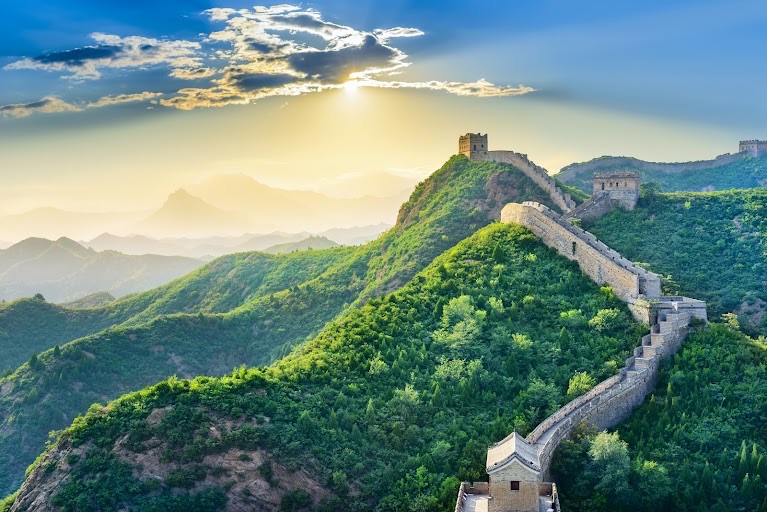
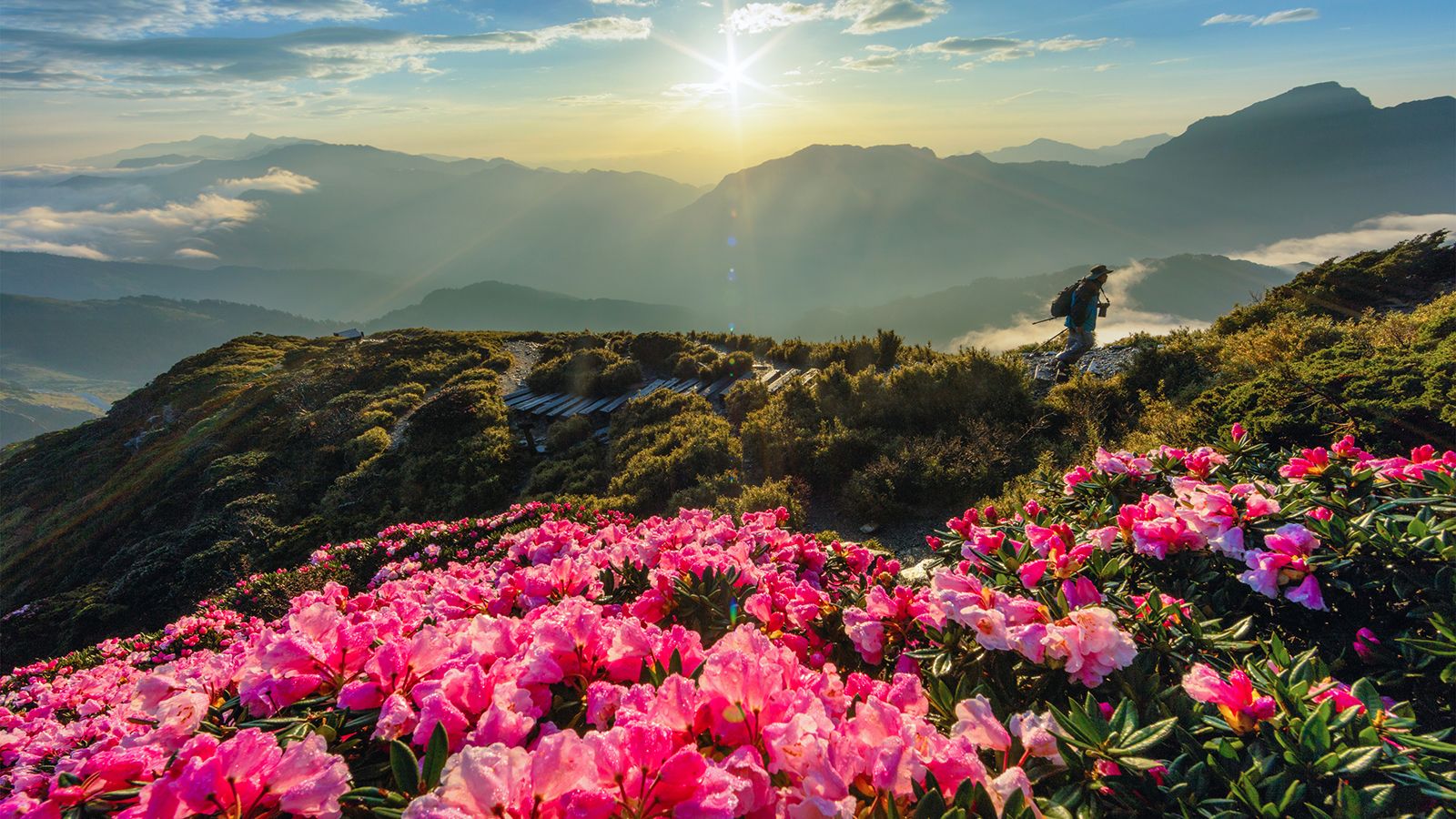
⚡ Quick Answers
⚡ The TL;DR Verdict
For most first-time travelers prioritizing ease, accessibility, and a gentler pace, Taiwan is the clearer choice. It offers excellent infrastructure, a friendly atmosphere, and less logistical friction. China appeals to those seeking grand, immersive cultural experiences and are prepared for a more challenging but ultimately rewarding journey. Daily budgets range from $70-150 USD in Taiwan and $50-120 USD in China.
- Choose China: You want grand history, epic landscapes, a sense of immense scale, and dont mind navigating language barriers and digital restrictions. It is for the adventurer seeking deep cultural immersion.
- Choose Taiwan: You prioritize ease of travel, delicious food at night markets, natural scenery a short distance from cities, and a welcoming atmosphere with less language friction. It is ideal for relaxed exploration.
- Choose Both: If you have 3-4 weeks and a robust budget, combine them. Start with Taiwan for an accessible introduction, then transition to China via a flight from Taipei to Shanghai or Guangzhou to experience the contrasts.
📊 Visual Scorecard
🌤 When to Visit
Average high temperatures (°C). Green = best months, orange = avoid.
Quick Comparison
| Category | China | Taiwan | Winner |
|---|---|---|---|
| Food & Drink | Regional cuisines, diverse flavors, street food, hot pot, local alcohol. | Night markets, diverse street food, seafood, boba tea, craft beer. | Tie |
| Costs & Budget | Generally lower costs for food, transport, and hostels. Mid-range hotels competitive. | Slightly higher costs, especially for accommodation. Food and transport remain affordable. | China |
| Getting Around | Extensive high-speed rail, efficient metro systems, ride-sharing apps (Didi). VPN for Google Maps. | Efficient high-speed rail, comprehensive public transport, easy local buses, taxi apps. | Taiwan |
| Culture & History | Imperial palaces, ancient wonders, diverse ethnic groups, dynastic history, modern art. | Folk religions, indigenous heritage, Japanese colonial influence, democratic evolution. | China |
| Nature & Outdoors | Diverse landscapes from mountains to deserts, national parks, famous rivers. | Volcanic terrain, high mountains, gorges, coastal parks, hot springs. | China |
| Nightlife & Entertainment | Sky-high clubs, karaoke, craft cocktail bars, local KTV, late-night food stalls. | Night markets, pubs, clubs, speakeasies, live music, karaoke rooms. | China |
| Safety & Security | Generally safe, high surveillance, petty crime exists, political sensitivities. | Very safe, low crime rates, natural disaster risk (typhoons, earthquakes). | Taiwan |
| Accommodation | Diverse range from budget hostels to luxury hotels. Chain hotels often more accessible. | Boutique hotels, hostels, guesthouses, homestays, some luxury options. | Taiwan |
| Digital Nomad Suitability | Requires VPN, local apps, language barrier, good internet infrastructure, lower costs. | Excellent internet, co-working spaces, less language barrier, good quality of life. | Taiwan |
| Solo Travel | Can be challenging due to language and internet, but rewarding. Hostels aid connections. | Easy to navigate, welcoming locals, safe, excellent public transport, social hostels. | Taiwan |
🍜 Food & Drink
China presents a vast food landscape with distinct regional cuisines. From Sichuan spice and Shanghainese soup dumplings (Xiaolongbao at Jia Jia Tang Bao for around 30 RMB / 4…
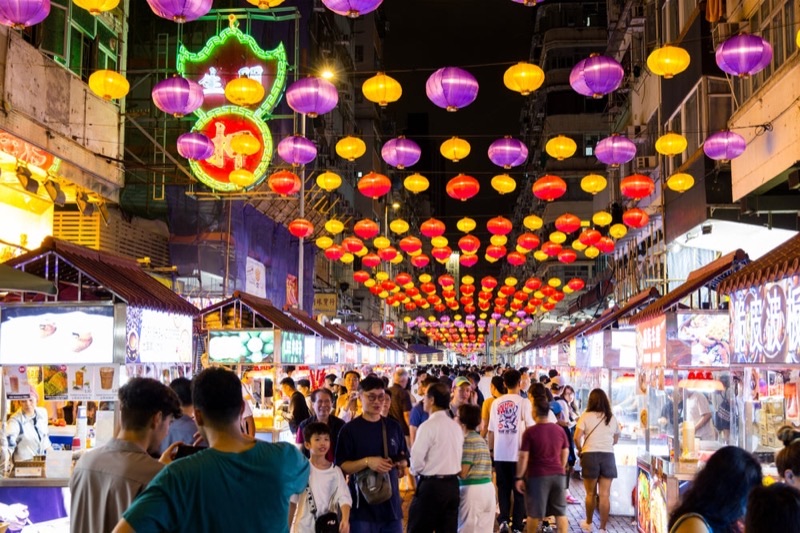
China
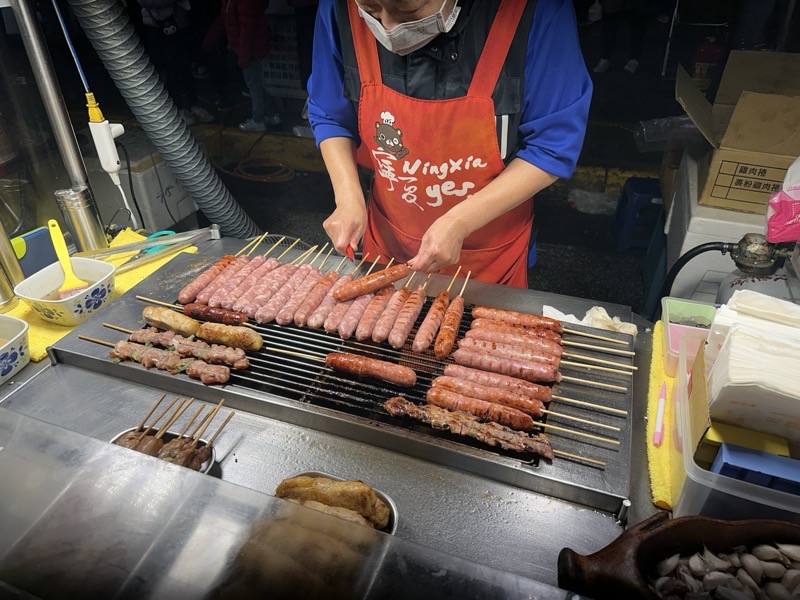
Taiwan
China presents a vast food landscape with distinct regional cuisines. From Sichuan spice and Shanghainese soup dumplings (Xiaolongbao at Jia Jia Tang Bao for around 30 RMB / 4 USD) to Cantonese dim sum and Beijing roast duck (Peking Duck at Quanjude for 200-300 RMB / 28-42 USD), the variety is immense. Street food is widely available and cheap, with noodle bowls or skewers often costing 15-30 RMB (2-4 USD). Tea culture is fundamental, and local baijiu (a strong spirit) is common. Dining out is a core part of the experience, offering everything from humble stalls to elaborate banquets.
Taiwan is celebrated for its night markets, which are the heart of its food scene. Shilin Night Market or Raohe Night Market in Taipei offer a concentration of dishes like stinky tofu, oyster omelets, pepper buns, and Gua Bao (pork belly buns), typically costing 50-150 TWD (1.5-5 USD) per item. Taiwanese beef noodle soup is a national dish (150-250 TWD / 5-8 USD). The island also excels in fresh fruit, seafood, and a burgeoning craft beer and coffee culture. Bubble tea originated here, and small cafes are everywhere. The emphasis is on quality ingredients and accessible, delicious small bites. Verdict: Both offer exceptional, distinct food journeys; the choice depends purely on personal taste preferences rather than quality.
- Winner: Tie
- Why: Both countries offer compelling and distinct culinary journeys that cater to different preferences, making it impossible to pick a single winner.
- Who this matters for: Everyone traveling, as food is a central part of any trip.
💰 Costs & Budget
China generally offers a lower cost of travel, particularly for budget-conscious travelers. Hostels in major cities like Shanghai or Beijing can be found for 80-150 RMB (11-21…
China
Taiwan
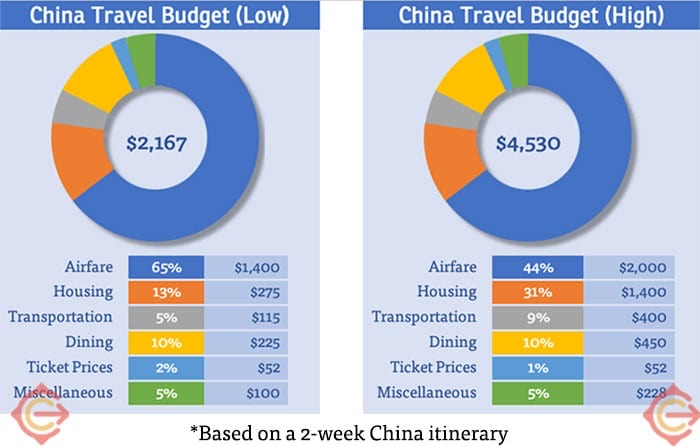
China generally offers a lower cost of travel, particularly for budget-conscious travelers. Hostels in major cities like Shanghai or Beijing can be found for 80-150 RMB (11-21 USD) per night. Street food is exceptionally cheap, often 10-25 RMB (1.5-3.5 USD) for a meal. Local buses and subways are 2-8 RMB (0.3-1.1 USD). High-speed rail, while efficient, can add up for long distances, e.g., Shanghai to Beijing starts around 550 RMB (76 USD). Museum entry fees are typically 30-60 RMB (4-8 USD). Mid-range hotels in tier-1 cities average 300-600 RMB (42-83 USD).
Taiwan is slightly more expensive than China, though still considered affordable compared to Western countries. Hostels in Taipei average 600-1000 TWD (20-33 USD) per night. Night market food is 50-150 TWD (1.5-5 USD) per item, making meals budget-friendly. City bus and MRT fares are 20-35 TWD (0.7-1.2 USD). High-speed rail from Taipei to Kaohsiung starts around 1490 TWD (49 USD). Entry fees for attractions like Taipei 101 observatory are 600 TWD (20 USD). Mid-range hotels in Taipei often cost 2000-3500 TWD (65-115 USD). Verdict: China provides more travel mileage for your money, making it the better choice for strict budget travelers.
- Winner: China
- Why: China offers a significantly lower daily expenditure for food, transport, and basic accommodation, making it more budget-friendly.
- Who this matters for: Budget travelers, long-term backpackers, and anyone looking to maximize their travel funds.
🚆 Getting Around
China boasts one of the most extensive high-speed rail networks globally, connecting major cities rapidly. For example, Beijing to Shanghai takes approximately 4.5 hours. Metro…
China
Taiwan
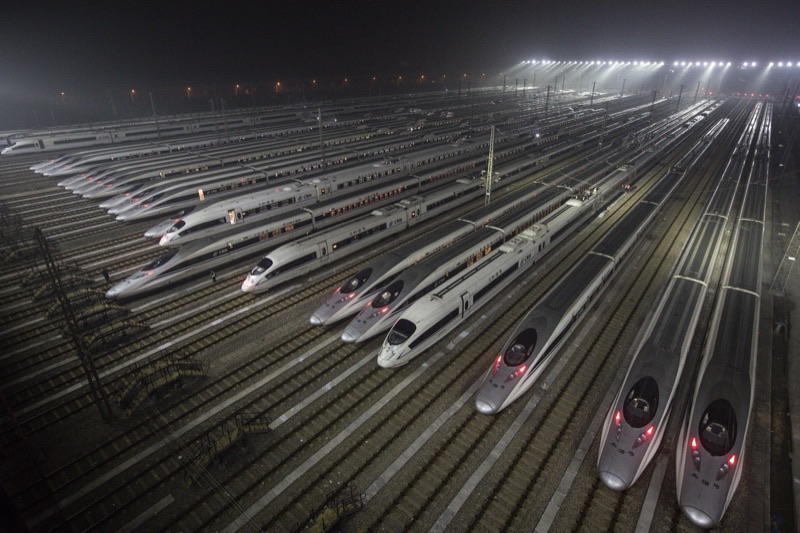
China boasts one of the most extensive high-speed rail networks globally, connecting major cities rapidly. For example, Beijing to Shanghai takes approximately 4.5 hours. Metro systems in cities like Shanghai, Beijing, and Guangzhou are modern, clean, and efficient, often costing 3-8 RMB (0.4-1.1 USD) per ride. Didi Chuxing is the equivalent of Uber and works well, but a local phone number is often needed. Navigating public transport requires a VPN for Google Maps or using local alternatives like Baidu Maps (in Chinese). Language barriers can make bus travel challenging in smaller cities, but signage in major cities often includes English.
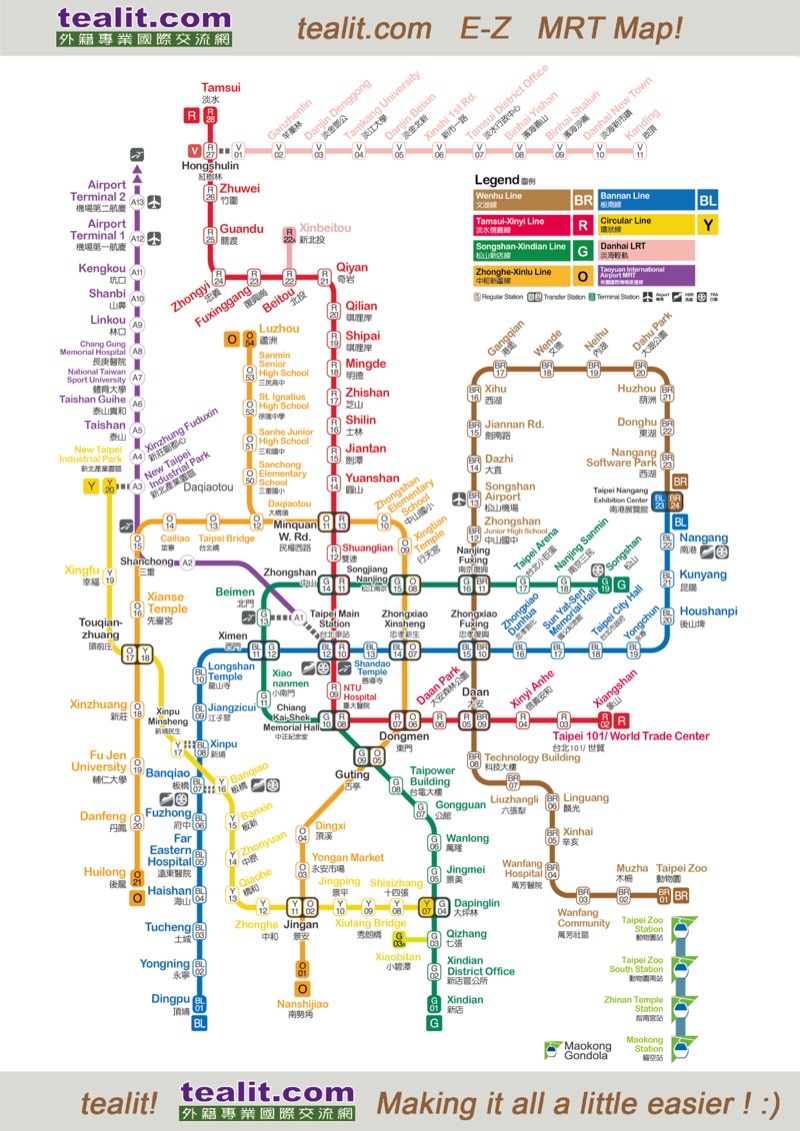
Taiwan's transport system is highly efficient and user-friendly. The High-Speed Rail (HSR) connects major cities along the west coast, taking just 1.5-2 hours from Taipei to Kaohsiung. Taipei's MRT system is incredibly clean, punctual, and has excellent English signage and announcements (20-35 TWD / 0.7-1.2 USD). Local buses are extensive, and Google Maps works perfectly. Renting scooters is popular for exploring smaller towns and scenic routes, but requires an international driving permit. Taxis are readily available, and ride-sharing apps like Uber operate smoothly. Verdict: Taiwan provides a more accessible and less logistically demanding experience for independent travelers getting around.
- Winner: Taiwan
- Why: Taiwan's public transport is easier to navigate for international visitors due to better English support and seamless integration with global apps like Google Maps.
- Who this matters for: Solo travelers, first-time visitors to Asia, and anyone who prefers straightforward logistics.
🏯 Culture & History
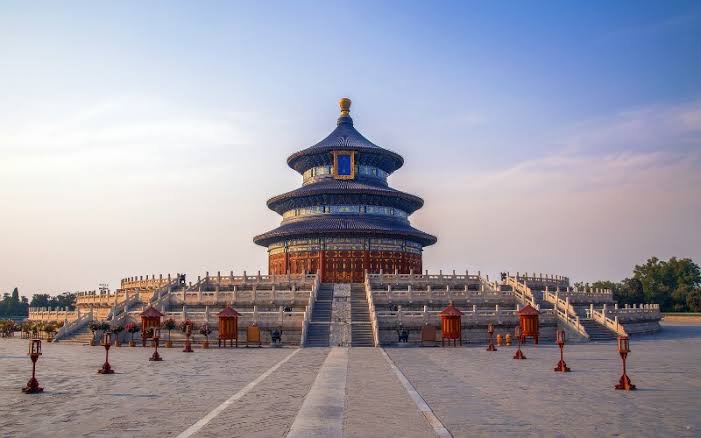
China offers an immense scale of historical and cultural experiences, spanning millennia. Visit the Forbidden City and the Great Wall (Mutianyu section is recommended for around…
China
Taiwan
China offers an immense scale of historical and cultural experiences, spanning millennia. Visit the Forbidden City and the Great Wall (Mutianyu section is recommended for around 100 RMB / 14 USD entry) in Beijing, the Terracotta Warriors in Xi'an (120 RMB / 17 USD), or the ancient water towns near Shanghai like Zhujiajiao. The country presents a continuous thread of dynastic history, Confucianism, and diverse ethnic cultures across its vast geography. Museums are generally grand and well-funded, such as the Shanghai Museum. Modern Chinese art and architecture also represent a significant cultural movement, exemplified by areas like Beijing's 798 Art District.
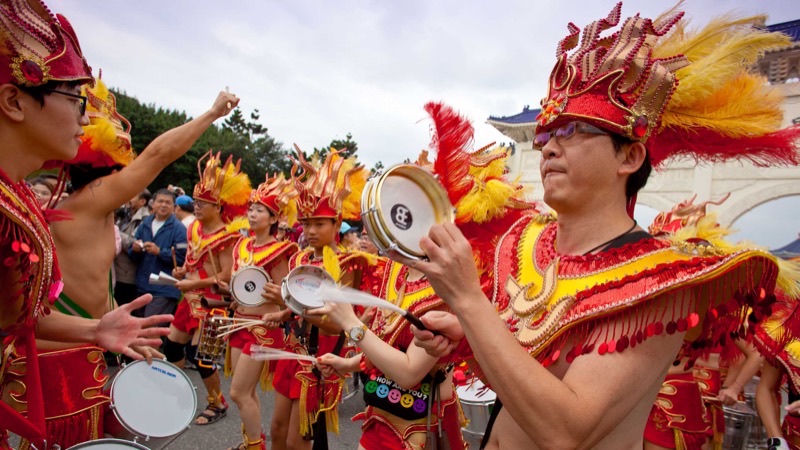
Taiwan's cultural landscape is a distinct blend influenced by aboriginal traditions, Chinese migration, and Japanese colonial rule. Temples like Longshan Temple in Taipei (free entry) showcase traditional folk religions. The National Palace Museum houses an extensive collection of Chinese artifacts, many brought over during the Chinese Civil War (350 TWD / 11.5 USD). Taiwan's democratic development since the 1980s has fostered a vibrant civic culture. Indigenous cultures are a focus in areas like Hualien and Taitung, offering a different perspective. Japanese influence is visible in architecture and cuisine, especially in older parts of cities. Verdict: China's historical sites possess an unparalleled scale and age, making it the stronger destination for grand historical exploration.
- Winner: China
- Why: China's historical sites and cultural breadth are simply larger and older, presenting an epic scope that Taiwan cannot match.
- Who this matters for: History enthusiasts, those seeking grand ancient civilizations, and anyone interested in vast empires.
⛰️ Nature & Outdoors
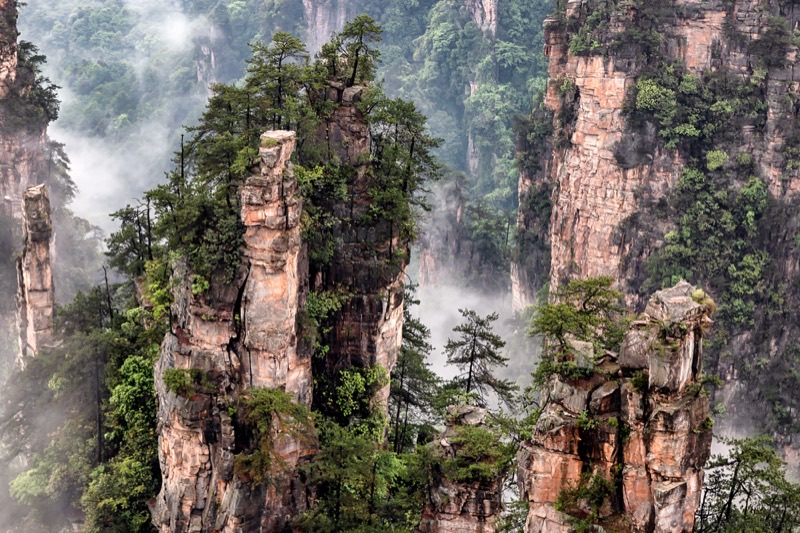
China boasts an incredible range of natural environments due to its immense size. From the dramatic karst landscapes of Guilin and Yangshuo (boat tours from 180 RMB / 25 USD) to…
China

Taiwan
China boasts an incredible range of natural environments due to its immense size. From the dramatic karst landscapes of Guilin and Yangshuo (boat tours from 180 RMB / 25 USD) to the ethereal peaks of Zhangjiajie National Forest Park (entry 228 RMB / 32 USD), the Yellow Mountains (Huangshan, 190 RMB / 26 USD), and the deserts of Xinjiang, the diversity is immense. The Tibetan Plateau offers alpine scenery, while the pandas in Chengdu (Chengdu Research Base of Giant Panda Breeding 58 RMB / 8 USD) provide a unique wildlife experience. Accessing some remote areas can be time-consuming, but the reward is significant.
Taiwan's compact size allows for easy access to its natural wonders. Taroko Gorge National Park (free entry, but shuttle or taxi tour costs vary) is a main draw with marble cliffs and clear rivers. Alishan National Scenic Area is famous for its misty forests and sunrise views over a sea of clouds. Yushan National Park houses the highest peak in Northeast Asia. The island is dotted with hot springs, especially in areas like Beitou near Taipei. Kenting National Park offers beaches and tropical forests in the south. Mountain hikes and coastal drives are readily available, often just a few hours from major cities. Verdict: China's sheer size gives it a more varied and grander selection of natural formations, appealing to those who want extreme diversity.
- Winner: China
- Why: China's vast geography provides an unmatched diversity and scale of natural landscapes, from towering mountains to expansive deserts.
- Who this matters for: Adventure travelers, landscape photographers, and those seeking extreme geological diversity.
🍻 Nightlife & Entertainment
China's major cities, particularly Shanghai and Beijing, offer a substantial nightlife scene. Shanghai has high-end clubs like M2 and a strip of rooftop bars along the Bund…
China's major cities, particularly Shanghai and Beijing, offer a substantial nightlife scene. Shanghai has high-end clubs like M2 and a strip of rooftop bars along the Bund offering views of the city skyline. Beijing's Sanlitun district is known for its bars, clubs, and international pubs. Karaoke (KTV) is a national pastime, with elaborate private rooms available. Craft cocktail bars are emerging, and late-night street food is always an option. The scale of options can be overwhelming, with everything from quiet jazz clubs to massive EDM venues. Costs for drinks can be comparable to Western cities in upscale venues, 50-100 RMB (7-14 USD) for a cocktail, but cheaper for local beer.
Taiwan's nightlife is centered around its famous night markets, which are a cultural experience in themselves, often open until midnight or later. In Taipei, areas like Xinyi District have clubs (e.g., Omni, Marquee) and bars, while Ximen offers a more youthful and relaxed pub atmosphere. Craft beer bars have gained popularity, and izakaya-style eateries are common. KTV is also a popular activity, similar to China. While there are options for dancing and late-night drinks, the scene is generally less intense and sprawling than in China's megacities. A cocktail typically costs 250-400 TWD (8-13 USD). Verdict: China provides a grander, more diverse, and often more extravagant nightlife experience, especially in its first-tier cities.
- Winner: China
- Why: China's major cities deliver a more extensive and varied nightlife, from high-end clubs to expansive KTV complexes.
- Who this matters for: Partygoers, club enthusiasts, and those who seek late-night entertainment on a grand scale.
🚨 Safety & Security
China is generally a safe country for travelers, with low rates of violent crime, especially in major cities. This is partly due to extensive surveillance. Petty crime like…
China is generally a safe country for travelers, with low rates of violent crime, especially in major cities. This is partly due to extensive surveillance. Petty crime like pickpocketing can occur in crowded tourist areas. Tourists should be aware of scams, such as tea ceremonies or art student scams, particularly in places like Shanghai. Political discussions should be avoided, and travelers should be mindful of local laws and customs. Traffic can be chaotic in cities, requiring vigilance from pedestrians. Emergency services are responsive, but a local SIM card helps communication.
Taiwan is consistently ranked as one of the safest countries in the world. Violent crime is rare, and petty crime is minimal. People often leave belongings unattended in public spaces without issue. The main safety concerns are natural disasters like typhoons (especially July-September) and earthquakes. The public is well-prepared for these events, with clear emergency protocols. Traffic is generally orderly, though scooter traffic can be heavy in cities. The strong public trust and community ties contribute to a secure environment for residents and visitors. Verdict: Taiwan offers a significantly higher sense of security and a lower risk profile for travelers compared to mainland China.
- Winner: Taiwan
- Why: Taiwan has an exceptionally low crime rate and a relaxed social environment, providing a higher sense of safety for travelers.
- Who this matters for: Solo female travelers, families, and anyone prioritizing peace of mind and minimal risk.
🏨 Accommodation
China offers a range of accommodation from basic guesthouses and youth hostels to international luxury hotels. Hostels can be found for 80-150 RMB (11-21 USD) per night. Mid-range…
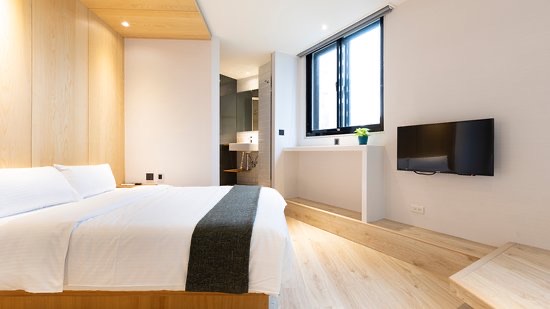
China offers a range of accommodation from basic guesthouses and youth hostels to international luxury hotels. Hostels can be found for 80-150 RMB (11-21 USD) per night. Mid-range hotels (3-4 star) in cities like Beijing or Shanghai are typically 300-600 RMB (42-83 USD). International hotel chains are common and often easier to book for foreigners. However, some smaller, local guesthouses may not be licensed to host foreigners, which can be a booking hurdle. AirBnB is available but less prevalent than in many other countries, and local apps like Fliggy or Ctrip are dominant. Rural areas might have more basic options.
Taiwan provides a consistently high standard of accommodation across all budget levels. Hostels are plentiful, well-maintained, and often design-focused, costing 600-1000 TWD (20-33 USD). Mid-range hotels (3-4 star) are typically 2000-3500 TWD (65-115 USD) in Taipei and slightly less elsewhere. Boutique hotels and charming homestays (minsu) are common outside major cities, offering a local experience. AirBnB is widely used and accepted. Online booking platforms work seamlessly. The overall quality, cleanliness, and ease of booking are generally superior and more standardized than in China. Verdict: Taiwan provides a more reliable and comfortable accommodation experience with fewer booking restrictions for international travelers.
- Winner: Taiwan
- Why: Taiwan offers a more consistent quality of accommodation, easier booking for foreigners, and a wider array of appealing boutique options.
- Who this matters for: Travelers who prioritize comfort, reliable booking, and a hassle-free stay.
💻 Digital Nomad Suitability
Working remotely from China presents unique challenges, primarily the 'Great Firewall' which necessitates a reliable VPN for accessing many Western websites and communication…
Working remotely from China presents unique challenges, primarily the 'Great Firewall' which necessitates a reliable VPN for accessing many Western websites and communication tools. This can be a constant source of frustration. Local payment apps like WeChat Pay and Alipay are essential, requiring a local bank account or careful setup for foreigners. Internet infrastructure is generally good and fast in cities. Co-working spaces are available but less common than in other digital nomad hubs. The lower cost of living and food can be attractive, but the digital hurdles and language barrier for daily tasks (e.g., getting a SIM card, ordering food) make it less straightforward.
Taiwan is a strong contender for digital nomads. It boasts some of the fastest internet speeds globally, and there are no internet restrictions. Co-working spaces are plentiful in Taipei and other major cities (e.g., FutureWard, CLBC). The language barrier is less pronounced, especially in Taipei, where English is more widely spoken, and public services are foreigner-friendly. The high quality of life, excellent public transport, and access to nature combine with a safe and welcoming environment. While slightly more expensive than China, the ease of doing business and living without digital friction generally outweighs the cost difference. Visa options, however, may require consideration for longer stays. Verdict: Taiwan is significantly more suitable for digital nomads due to unrestricted internet access and a more accommodating infrastructure for remote work.
- Winner: Taiwan
- Why: Taiwan offers unrestricted internet access, a robust co-working scene, and less digital friction, making it superior for remote work.
- Who this matters for: Digital nomads, remote workers, and anyone reliant on stable, uncensored internet access.
🚶♀️ Solo Travel
Solo travel in China can be a profound experience, but it comes with a steeper learning curve. The language barrier outside of major tourist zones is significant, and navigating…
Solo travel in China can be a profound experience, but it comes with a steeper learning curve. The language barrier outside of major tourist zones is significant, and navigating without a VPN for essential apps like Google Maps can be frustrating. Meeting locals can be difficult without language skills, though hostel common areas are good for connecting with other travelers. While generally safe, the sheer scale of the country means long journeys between destinations. Solo female travelers report feeling safe but need to be extra vigilant with scams and online interactions. The reward is a deeper immersion into a complex culture.
Taiwan is an exceptional destination for solo travelers. Its low crime rate ensures safety, even at night. The efficient public transport system makes independent exploration straightforward and stress-free. English is more widely understood, especially in tourist areas and among younger generations, simplifying communication. Hostels are numerous and often designed for social interaction, making it easy to meet other travelers. The night markets offer a perfect solo dining experience with diverse, affordable options. The compact size of the island means less time spent in transit and more time exploring. Verdict: Taiwan offers a much more accessible, safer, and less logistically demanding experience for solo travelers.
- Winner: Taiwan
- Why: Taiwan's ease of navigation, safety, and welcoming atmosphere make it an ideal choice for solo adventurers.
- Who this matters for: First-time solo travelers, those prioritizing safety and ease, and individuals seeking spontaneous connections.
🎯 The Decision Framework
Choose China If…
- You want to see ancient wonders like the Great Wall and Terracotta Warriors.
- You are prepared to navigate a language barrier for an authentic experience.
- Your budget is strict, and you want to maximize your spending power.
- You seek immense landscapes, from deserts to high mountains.
- You are interested in observing a rapidly modernizing society.
- You want to explore an enormous country with diverse regional cultures.
- You enjoy the challenge of logistical planning and problem-solving.
- You use local apps like WeChat Pay and Alipay for daily transactions.
Choose Taiwan If…
- You prioritize ease of travel and a user-friendly public transport system.
- You love night markets and delicious, affordable street food.
- You want to experience a high level of personal safety and security.
- You need unrestricted internet access for work or communication.
- You enjoy hiking and exploring accessible natural parks like Taroko Gorge.
- You prefer a destination where English is more commonly understood.
- You are interested in a blend of Chinese, Japanese, and indigenous influences.
- You appreciate a relaxed pace and a welcoming local population.
📅 Sample Itineraries
Weekend in Beijing (3 Days)
💡 Use WeChat Pay or Alipay for nearly all transactions; cash is rarely accepted in many places, even for small purchases.
Weekend in Taipei (3 Days)
💡 Purchase an EasyCard upon arrival for seamless payments on MRT, buses, and at many convenience stores, saving time and hassle.
One Week in China (7 Days)
💡 Download a reliable VPN (like ExpressVPN) before arriving in China to access blocked international websites and apps, which is essential for communication and navigation.
One Week in Taiwan (7 Days)
💡 For intercity travel, booking train tickets in advance, especially for popular routes like Taipei to Hualien, is advisable to secure your preferred times.
❓ Frequently Asked Questions
Do I need a visa for China or Taiwan?
Most nationalities require a visa for mainland China, typically a tourist (L) visa, which must be obtained in advance. For Taiwan, many countries, including the US, Canada, EU, and Australia, are granted visa-free entry for up to 90 days. Always check your specific nationality requirements with official government sources before travel.
What is the best way to get between China and Taiwan?
The most common way is by direct flight. Flights operate frequently between major cities like Shanghai, Beijing, and Guangzhou in China, and Taipei or Kaohsiung in Taiwan. A flight from Shanghai to Taipei takes approximately 1.5-2 hours and costs around 150-300 USD depending on booking time. There are no direct ferry services between the main islands for international travelers.
How long should I plan for a trip to each destination?
For a good introduction to Taiwan, 7-10 days is sufficient to see Taipei, Taroko Gorge, and perhaps one other region. For China, given its size, a minimum of 2-3 weeks is recommended to cover a few key regions like Beijing, Shanghai, and Xi'an. More time allows for deeper exploration of specific provinces or natural sites.
Is English widely spoken in China and Taiwan?
In Taiwan, English is more commonly understood, especially in Taipei, tourist areas, and among younger generations. Most public transport, street signs, and museum exhibits have English. In China, English proficiency varies significantly; it is more prevalent in major international hotels and some tourist sites in first-tier cities, but outside of these, the language barrier can be substantial. Translation apps are essential.
What are the internet and communication like in each place?
Taiwan offers open and fast internet access without restrictions; a local SIM card (e.g., Chunghwa Telecom, Far EasTone) is easy to acquire upon arrival for about 500-1000 TWD (16-33 USD) for unlimited data. In China, the internet is censored by the Great Firewall, meaning many Western apps and websites (Google, Facebook, Instagram, WhatsApp) are blocked. A reliable VPN is necessary, and acquiring a local SIM card (e.g., China Mobile, China Unicom) is recommended for local apps like WeChat for payments and communication.
What is the typical daily budget for a mid-range traveler?
In China, a mid-range daily budget for accommodation, food, local transport, and some attractions is approximately 500-800 RMB (70-110 USD). In Taiwan, a similar mid-range budget would be around 2000-3000 TWD (65-100 USD). These figures can vary based on travel style and specific activities.
When is the best time of year to visit?
Both destinations share similar seasonal patterns. Spring (March-May) and Autumn (September-November) are generally considered the best times to visit both, offering pleasant temperatures and less rain. Summer (June-August) can be hot and humid with potential for typhoons in Taiwan. Winter (December-February) can be cold in northern China but mild in southern China and Taiwan.
Are there any specific cultural etiquette tips for travelers?
In both China and Taiwan, respect for elders, politeness, and modesty are appreciated. In China, tipping is not customary. In Taiwan, it is also not generally expected but may be common in some high-end establishments. Always remove your shoes when entering homes or certain temples. Be mindful of personal space in crowded areas. It is polite to offer and receive items with both hands, especially business cards.
Ready to plan your East Asia trip?
Get a free custom itinerary for China, Taiwan, or both — built from real traveler insights.
👥 Travelers Also Compared
🎟️ Book Tours & Experiences
Hand-picked tours and activities for both destinations — book with free cancellation
Experiences via Viator — free cancellation on most tours