
How we built this comparison
This page combines traveler discussion patterns, published price ranges, flight schedules, and seasonal data to help you decide between Cinque Terre and Costa Brava.
- Reviewed Reddit threads from r/travel, r/solotravel, r/ItalyTravel, r/SpainTravel, r/Eurotravel.
- Verified costs and logistics against current booking platforms (Booking.com, Skyscanner, Rome2Rio).
- Cross-referenced seasonal patterns and weather data from meteorological sources.
⚡ Quick Answers
⚡ The TL;DR Verdict
For most travelers seeking a more relaxed pace with diverse activities and better value, Costa Brava is the pick. If your priority is iconic cliffside beauty, dedicated hiking, and Italian food, Cinque Terre is a specific, higher-budget choice. Expect to spend $100-200 per day in Cinque Terre, versus $70-150 in Costa Brava.
- Choose Cinque Terre: You prioritize focused coastal hiking, postcard views, and authentic Italian village life, accepting higher costs and larger crowds.
- Choose Costa Brava: You want diverse beach options, historical towns, broader culinary choices, and more budget flexibility, with a car for exploring.
- Choose Both: If you have 3+ weeks in Europe and want to experience both specific coastal aesthetics, fly between Pisa (for Cinque Terre) and Girona (for Costa Brava).
📊 Visual Scorecard
🌤 When to Visit
Average high temperatures (°C). Green = best months, orange = avoid.
Quick Comparison
| Category | Cinque Terre | Costa Brava | Winner |
|---|---|---|---|
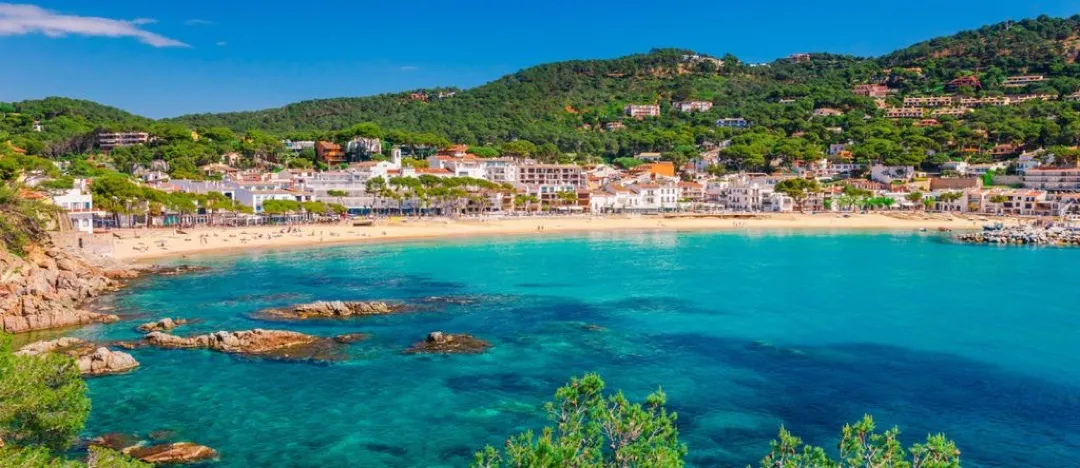
| Beaches & Coastline | Small, pebbly beaches, often crowded. Focus is on cliffside views, not expansive sand. | Wide variety of sandy and rocky coves, clear waters, accessible for swimming and relaxation. | Costa Brava |
| Food & Drink | Classic Ligurian Italian cuisine: pesto, seafood, focaccia, local wines. Focus on freshness and simplicity. | Catalan and Spanish influences: fresh seafood, paella, tapas, arroz negre, Cava. Diverse and innovative. | Costa Brava |
| Costs & Budget | Generally higher costs for accommodation, food, and activities due to limited space and high demand. | More budget-friendly options across accommodation, dining, and activities, with a wider range of price points. | Costa Brava |
| Getting There | Fly into Pisa (PSA) or Genoa (GOA), then train to La Spezia and local train to villages. | Fly into Barcelona (BCN) or Girona (GRO), then train, bus, or rental car. | Costa Brava |
| Getting Around | Primarily trains and hiking trails connect the five villages. Cars are impractical. | Public buses connect major towns, but a rental car is recommended for exploring coves and villages. | Tie |
| Accommodation | Limited options, mostly guesthouses and small hotels in historic buildings. Higher prices, especially for sea views. | Wide range of choices from budget hotels and apartments to luxury villas and boutique guesthouses. | Costa Brava |
| Activities & Exploration | Focused on hiking between villages, coastal views, swimming, and enjoying village atmosphere. | Diverse options including beaches, medieval towns, museums (Dali), water sports, and hiking. | Costa Brava |
| Nightlife & Atmosphere | Quiet, relaxed evenings with dinner and drinks. Not a party destination. | Varies from lively resorts with clubs to sophisticated bars in smaller towns or quiet coves. | Costa Brava |
| Crowds & Seasons | Extremely crowded from May to September. Shoulder seasons (April, October) offer some relief. | Popular in summer, but offers more space and varied options to disperse crowds. Pleasant shoulder seasons. | Costa Brava |
| Day Trips & Beyond | Limited day trip options directly from the villages; focus is on the Cinque Terre park itself. | Excellent day trip potential to medieval towns, Girona, Dalí Museum, and other coastal areas. | Costa Brava |
🏖️ Beaches & Coastline
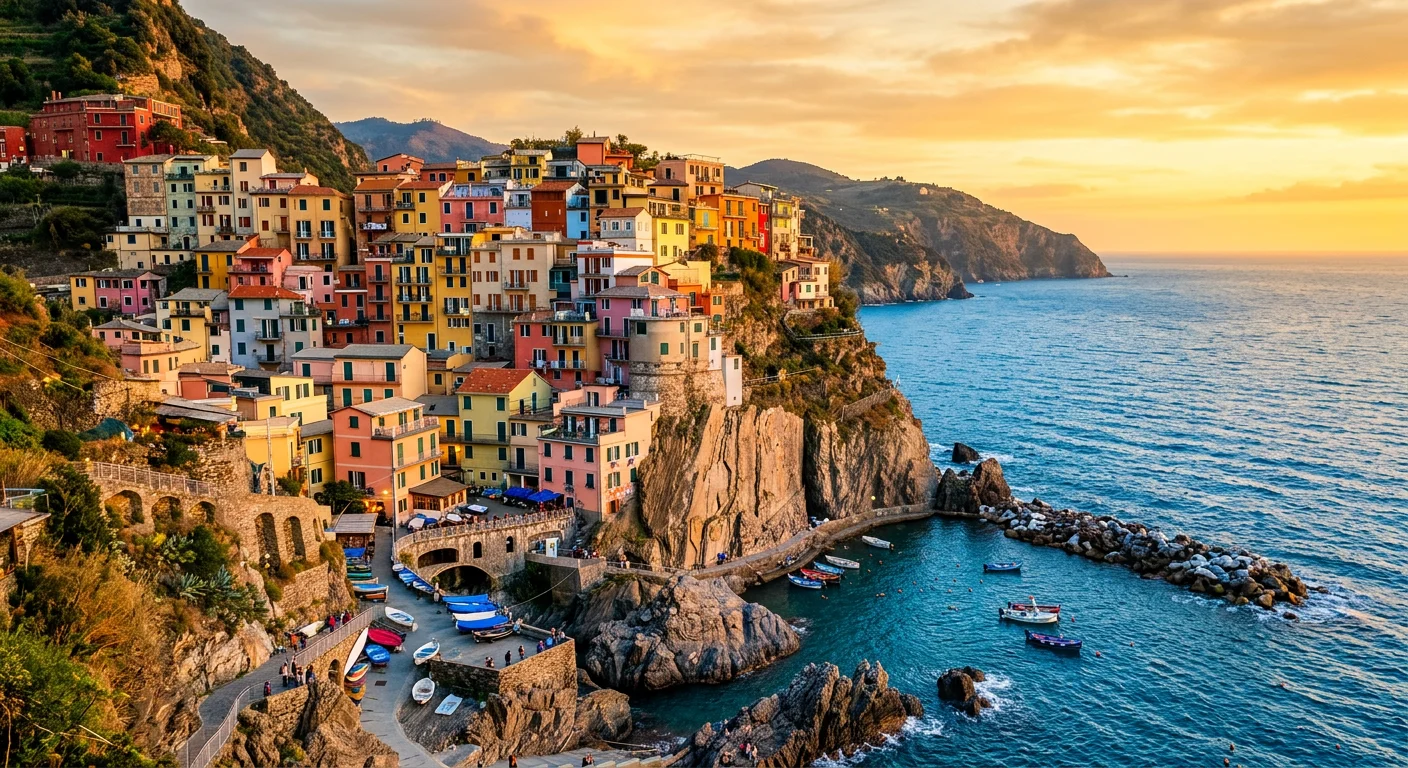
Cinque Terre offers small, often pebbly beaches or rocky coves, mainly in Monterosso al Mare. The focus here is on the dramatic cliffside landscapes and the traditional harbor…
Cinque Terre offers small, often pebbly beaches or rocky coves, mainly in Monterosso al Mare. The focus here is on the dramatic cliffside landscapes and the traditional harbor areas, rather than extensive beach lounging. Monterosso has the largest sandy stretch, but it gets very crowded, especially from June to August. Other villages like Riomaggiore and Manarola have smaller rocky swimming spots. Expect to pay for chair rentals in Monterosso, around €20-€30 ($22-$33) for a day. Water activities are limited, mostly swimming or short boat tours.
Costa Brava presents a greater range of beach experiences. From the expansive sandy beaches of Platja d'Aro and L'Estartit to the secluded coves like Cala Estreta near Palafrugell or Cala Pola near Tossa de Mar, there is significant variety. The water is generally clear and calm, suitable for swimming, snorkeling, and paddleboarding. Many beaches are free, with paid options for sunbeds or umbrellas available, often around €10-€15 ($11-$17). Towns like Cadaqués offer charming pebble beaches with whitewashed houses. The coastline here is more varied and better suited for dedicated beach days. For a true beach experience with diverse options, Costa Brava delivers more.
- Winner: Costa Brava
- Why: Costa Brava offers significantly more diverse and accessible beach types, from long sandy stretches to secluded coves.
- Who this matters for: Travelers prioritizing swimming, sunbathing, and varied beach access.
🍝 Food & Drink
Cinque Terre excels with Ligurian specialties. Pesto, originating from Genoa, is a highlight, found in pasta dishes like Trenette al Pesto. Fresh seafood, caught daily, is…
Cinque Terre excels with Ligurian specialties. Pesto, originating from Genoa, is a highlight, found in pasta dishes like Trenette al Pesto. Fresh seafood, caught daily, is prepared simply, often grilled or fried, like Fritto Misto. Focaccia, baked fresh, is a common snack. Sciacchetrà, a local sweet dessert wine, is specific to the region. Restaurants like Trattoria dal Billy in Manarola offer excellent views and seafood, with main courses around €20-€30 ($22-$33). Wine is often house white or the local Sciacchetrà. The food is consistently good and authentic but can feel repetitive after a few days.
Costa Brava provides a broader and more experimental culinary landscape. Seafood is also prominent, but the preparation varies, with dishes like 'arroz negre' (black rice with squid ink) or suquet de peix (fish stew). Tapas bars are common, offering small, diverse plates, often for €3-€7 ($3.30-$7.70) per dish. Girona, a short drive away, has El Celler de Can Roca, a renowned restaurant, and many other establishments showcasing modern Catalan cuisine. Local wines, especially Cava (sparkling wine), are affordable and high quality. Restaurants like Compartir in Cadaqués offer inventive dishes, with mains from €25-€40 ($28-$44). The variety, from traditional paella to avant-garde Catalan dishes, is a clear advantage. For culinary exploration and diversity, Costa Brava offers a more expansive palate.
- Winner: Costa Brava
- Why: Costa Brava offers a wider range of culinary experiences, from traditional Spanish to innovative Catalan dishes, often at better price points.
- Who this matters for: Food enthusiasts seeking diverse flavors, tapas culture, and experimental cuisine.
💰 Costs & Budget
In Cinque Terre, budget travelers will find challenges. Accommodation, particularly during peak season (May-September), can be €100-€200 ($110-$220) per night for a basic room. A…
In Cinque Terre, budget travelers will find challenges. Accommodation, particularly during peak season (May-September), can be €100-€200 ($110-$220) per night for a basic room. A typical restaurant meal with wine can easily be €30-€50 ($33-$55) per person. The Cinque Terre Card, necessary for hiking and unlimited train travel, costs €18.20 ($20) for a 1-day adult card. Gelato is around €3-€5 ($3.30-$5.50). Limoncello shots are about €5 ($5.50). Overall, a daily budget of €100-€200 ($110-$220) per person is realistic for a comfortable stay, excluding flights.
Costa Brava offers more flexibility. Basic accommodation in towns like Lloret de Mar can be found for €50-€80 ($55-$88) per night, while charming guesthouses in Cadaqués or Begur might be €80-€150 ($88-$165). Meals vary widely; a tapas dinner can be €15-€25 ($17-$28), while a seafood paella in a good restaurant might be €25-€40 ($28-$44). Groceries are cheaper, and local markets provide good value. Car rental, while an added cost (around €30-€50/$33-$55 per day), opens up more affordable lodging and dining outside major towns. Public transport is less comprehensive but generally cheaper than the Cinque Terre card for equivalent distances. A daily budget of €70-€150 ($77-$165) allows for comfortable travel. For travelers watching their spending, Costa Brava provides better value.
- Winner: Costa Brava
- Why: Costa Brava consistently offers better value across accommodation, dining, and activities, with more options for various budgets.
- Who this matters for: Budget-conscious travelers or those seeking more spending power for their euros.
✈️ Getting There
To reach Cinque Terre, the most common approach is flying into Pisa Galileo Galilei Airport (PSA), then taking a train (approximately 1 hour, €8-€12 / $9-$13) to La Spezia…
To reach Cinque Terre, the most common approach is flying into Pisa Galileo Galilei Airport (PSA), then taking a train (approximately 1 hour, €8-€12 / $9-$13) to La Spezia Centrale. From La Spezia, local regional trains (running frequently, €5 / $5.50 per segment or use Cinque Terre Card) connect to the five villages. Genoa Cristoforo Colombo Airport (GOA) is another option, requiring a similar train journey south. Direct flights to Pisa are common from major European hubs, but long-haul travelers often connect via larger Italian cities like Rome or Milan, adding transit time. The journey into the villages can feel fragmented.
Costa Brava is generally easier to access. Girona-Costa Brava Airport (GRO) is directly on the Costa Brava and served by budget airlines like Ryanair, making it a convenient entry point. Barcelona-El Prat Airport (BCN) is a major international hub, about 1.5-2 hours drive or train/bus ride from many Costa Brava towns. Regular direct buses from Barcelona Nord station connect to coastal towns like Lloret de Mar (€10-€15 / $11-$17) or Palafrugell. Renting a car from either airport is straightforward and often recommended for exploring the region fully. This flexibility in airports and ground transport options, especially from a major hub like Barcelona, makes Costa Brava more accessible for various traveler types. Costa Brava offers more straightforward and often cheaper access points.
- Winner: Costa Brava
- Why: Costa Brava benefits from closer major airports and easier ground transport options, particularly with a rental car.
- Who this matters for: Travelers prioritizing ease and speed of arrival, especially from international flights.
🚶♀️ Getting Around
Cinque Terre relies on its efficient regional train system. The trains run frequently, connecting all five villages in minutes. A Cinque Terre Card provides unlimited train travel…
Cinque Terre relies on its efficient regional train system. The trains run frequently, connecting all five villages in minutes. A Cinque Terre Card provides unlimited train travel and access to hiking trails for a set period (e.g., €18.20 / $20 for one day). Hiking is a major draw, with trails varying in difficulty; the famous 'Via dell'Amore' (Lover's Path) between Riomaggiore and Manarola is often closed, but higher trails between Monterosso, Vernazza, and Corniglia offer rewarding views. Boats also connect the villages, offering different perspectives. Cars are not useful; parking is minimal and expensive outside the villages.
Getting around Costa Brava is best done with a combination of public transport and a rental car. Buses connect the main coastal towns like Lloret de Mar, Tossa de Mar, and Palafrugell. However, to explore the secluded coves, medieval villages inland (like Pals or Peratallada), and specific viewpoints, a car provides freedom. Roads are well-maintained, but some coastal routes can be winding. Parking can be challenging in popular towns during peak season but is generally manageable outside of them. Taxis are available but expensive. For specific village-hopping and hiking, Cinque Terre's trains are hard to beat, while Costa Brava's car-dependent exploration allows for broader discovery. The best option depends entirely on your preferred travel style.
- Winner: Tie
- Why: Both destinations offer effective, albeit different, modes of transport that suit their specific geographies and attractions.
- Who this matters for: This depends entirely on whether you prefer walking/trains or driving to explore.
🏨 Accommodation
Accommodation in Cinque Terre is characterized by smaller, family-run guesthouses, B&Bs, and apartments within the historic village structures. Hotels are less common and tend to…
Accommodation in Cinque Terre is characterized by smaller, family-run guesthouses, B&Bs, and apartments within the historic village structures. Hotels are less common and tend to be basic. Sea-view rooms are highly sought after and command premium prices, often €150-€300 ($165-$330) per night in peak season. Booking well in advance (6-12 months) is crucial, especially for specific villages like Vernazza or Manarola. Options are limited by the small size of the villages and strict building regulations. Basic rooms without views can still be €100-€150 ($110-$165). There are no large resorts or extensive hotel chains.
Costa Brava provides a much broader spectrum of accommodation. In larger towns like Lloret de Mar, you'll find numerous resorts and budget-friendly hotels starting from €50-€80 ($55-$88) per night. Charming boutique hotels and guesthouses are prevalent in towns like Cadaqués, Begur, and Calella de Palafrugell, often ranging from €80-€180 ($88-$198). For families or longer stays, villas and apartment rentals are abundant and can offer good value, especially outside the absolute peak season. There are also luxury options and agriturismos (farm stays) further inland. This diversity means travelers can find lodging that aligns with various budgets and preferences, from basic to luxurious. For sheer choice and value, Costa Brava provides a better array.
- Winner: Costa Brava
- Why: Costa Brava offers a significantly wider range of accommodation types and price points, catering to more traveler needs.
- Who this matters for: Travelers with specific budget needs or those seeking diverse lodging experiences, from resorts to secluded villas.
🗺️ Activities & Exploration
Cinque Terre's primary activity is hiking the coastal trails that connect the five villages. The views are a highlight, but trail conditions vary, and some sections may be closed.…
Cinque Terre's primary activity is hiking the coastal trails that connect the five villages. The views are a highlight, but trail conditions vary, and some sections may be closed. Beyond hiking, visitors enjoy swimming in the small coves, exploring the narrow streets of each village, taking boat tours to see the coastline from the water, and sampling local food and wine. Photography is popular due to the distinctive architecture and dramatic cliffs. There are no major museums or large historical sites. The pace is generally slower, focused on appreciating the natural and man-made beauty. Spending a few hours in each village is the typical experience.
Costa Brava presents a greater variety of activities. Beyond its numerous beaches and coves for swimming and water sports (kayaking, paddleboarding, snorkeling), the region has a collection of well-preserved medieval towns like Pals, Peratallada, and Monells, offering a historical contrast to the coast. The Salvador Dalí Theatre-Museum in Figueres and Dalí's house in Portlligat (near Cadaqués) are major cultural draws. Girona, a short drive inland, provides a larger city experience with a historic Jewish Quarter and cathedral. Hiking trails, like parts of the GR 92 coastal path, exist but are less centralized than in Cinque Terre. Boat trips, golf courses, and even hot air balloon rides over volcanic areas add to the options. For a broader range of experiences beyond just coastal villages, Costa Brava is more appealing.
- Winner: Costa Brava
- Why: Costa Brava offers a more extensive and diverse array of activities, from cultural sites and medieval towns to varied water sports and historical exploration.
- Who this matters for: Travelers seeking a mix of history, culture, varied outdoor activities, and beach time.
🌙 Nightlife & Atmosphere
Nightlife in Cinque Terre is subdued and generally revolves around dinner, a glass of wine or limoncello, and a stroll through the village. There are no nightclubs or late-night…
Nightlife in Cinque Terre is subdued and generally revolves around dinner, a glass of wine or limoncello, and a stroll through the village. There are no nightclubs or late-night bars. Most establishments close by 11 PM or midnight. The atmosphere is calm and romantic, favoring quiet conversation and admiring the evening lights. In villages like Manarola or Riomaggiore, you might find a few bars open later, but they are focused on drinks rather than dancing. The focus here is on early mornings and active days, not late nights. Expect to hear waves and distant conversations, not thumping music.
Costa Brava offers a spectrum of evening atmospheres. Lloret de Mar is known for its energetic nightlife, with numerous clubs and bars staying open late, attracting a younger crowd. Tossa de Mar has a more moderate scene with lively bars and waterfront restaurants. In charming towns like Cadaqués or Calella de Palafrugell, the evenings are more sophisticated, featuring excellent seafood restaurants, artisan cocktail bars, and live music in intimate settings. Girona, just inland, provides urban nightlife options. This diversity means visitors can choose their preferred level of evening activity, from tranquil dinners by the sea to dancing until dawn. For travelers seeking options beyond quiet dining, Costa Brava is the stronger choice.
- Winner: Costa Brava
- Why: Costa Brava provides a much broader range of nightlife options, from quiet sophistication to energetic clubs, catering to all preferences.
- Who this matters for: Travelers seeking diverse evening entertainment, from lively bars to quiet coastal dining.
🗓️ Crowds & Seasons
Cinque Terre experiences intense crowding, especially from May to September. The small size of the villages and limited infrastructure mean that even during shoulder seasons like…
Cinque Terre experiences intense crowding, especially from May to September. The small size of the villages and limited infrastructure mean that even during shoulder seasons like April and October, streets and trains can be packed. Large tour groups are common. This impacts the enjoyment of hiking trails and makes finding quiet spots difficult. Visiting in the off-season (November-March) offers fewer crowds but also means some businesses may be closed, and weather can be less predictable. The magic of the villages can be diminished by the sheer volume of visitors. Early mornings and late evenings are the best times to experience relative calm.
Costa Brava also sees increased tourism in July and August, particularly in major beach towns like Lloret de Mar. However, its larger geographical area, numerous smaller towns, and diverse attractions (beaches, medieval villages, inland areas) allow for better dispersion of visitors. It's easier to find a quiet cove or a less crowded village, even in high season, especially with a car. Shoulder seasons (May-June and September-October) are particularly pleasant, with warm weather, fewer crowds, and most businesses open. Winter is quiet, with many coastal businesses closing, but inland towns like Girona remain active. The scale of Costa Brava helps mitigate the feeling of being overwhelmed by people. For a less intense crowd experience, Costa Brava is a better choice.
- Winner: Costa Brava
- Why: Costa Brava, due to its larger size and diverse offerings, manages crowds better and provides more opportunities for quieter experiences.
- Who this matters for: Travelers sensitive to crowds and those seeking a more relaxed pace, especially during peak travel months.
🚗 Day Trips & Beyond
From Cinque Terre, day trip options are somewhat limited. Portovenere, a nearby town just south of La Spezia, is accessible by ferry or bus and offers charm similar to the Cinque…
From Cinque Terre, day trip options are somewhat limited. Portovenere, a nearby town just south of La Spezia, is accessible by ferry or bus and offers charm similar to the Cinque Terre villages without the same level of crowding. Lerici and Tellaro are also pleasant coastal towns. Beyond these, longer train journeys are required to reach cities like Pisa (for the Leaning Tower), Florence, or Genoa. These are full-day excursions that take a significant amount of time traveling. The core experience of Cinque Terre is contained within the five villages and their immediate surroundings, encouraging visitors to immerse themselves in the park. The region is more of a destination in itself rather than a base for broader exploration.
Costa Brava serves as an excellent base for numerous day trips. Girona, with its impressive medieval old town, cathedral, and Jewish Quarter, is a major highlight just a short drive or bus ride away. The Salvador Dalí Theatre-Museum in Figueres is another popular destination, offering a surreal art experience. Inland, towns like Pals, Peratallada, and Besalú (a medieval bridge) provide historical and architectural interest. Further south, Barcelona is within reach for a day trip, though it merits several days on its own. Northwards, you can cross into France for a taste of the Pyrenees-Orientales region. This geographical positioning and the variety of attractions nearby make Costa Brava a strong contender for those who enjoy exploring beyond their immediate base. Costa Brava provides far more options for varied excursions.
- Winner: Costa Brava
- Why: Costa Brava offers a significantly richer and more diverse array of day trip options, including major cultural sites and charming medieval towns.
- Who this matters for: Travelers who enjoy exploring beyond their immediate base and seeking diverse cultural or historical experiences.
🎯 The Decision Framework
Choose Cinque Terre If…
- You want postcard-perfect cliffside villages.
- You prioritize dedicated coastal hiking with dramatic views.
- You seek authentic Italian Ligurian cuisine and local wines.
- You prefer car-free travel via trains and footpaths.
- You appreciate a slow pace focused on village life.
- You are comfortable with higher prices for a specific experience.
- You enjoy capturing iconic landscapes through photography.
- You are okay with very small, pebbly beaches for quick dips.
Choose Costa Brava If…
- You want diverse beach options, from sandy stretches to secluded coves.
- You seek a broader and more experimental culinary scene (Catalan, tapas).
- You prefer more budget flexibility and better value for money.
- You plan to explore medieval towns and historical sites.
- You want access to major cultural attractions like the Dalí Museum.
- You appreciate diverse nightlife options, from quiet bars to energetic clubs.
- You prefer the flexibility of a rental car for exploring.
- You want to escape intense crowds by finding less-visited areas.
- You enjoy water sports and varied outdoor activities beyond just hiking.
❓ Frequently Asked Questions
Which destination is better for hiking?
Cinque Terre is arguably better for focused coastal hiking due to its interconnected trails between the five villages (e.g., Monterosso to Vernazza is about 3.5 km). The Cinque Terre Card provides trail access and train travel. Costa Brava also has coastal paths (GR 92), but they are less concentrated and often require car access to connect different sections.
Is a car necessary for either region?
A car is not recommended for Cinque Terre; the villages are pedestrianized, and parking is scarce and expensive. Trains are the primary mode of transport. For Costa Brava, a rental car is highly recommended. While buses connect major towns, a car allows you to explore secluded coves, inland medieval villages, and provides much greater flexibility.
What are the typical flight durations from major European hubs?
From cities like London or Paris, direct flights to Pisa (for Cinque Terre) are around 2 hours. Flights to Barcelona or Girona (for Costa Brava) are also typically 1.5-2.5 hours. From further afield, connections will add transit time, usually making the total journey 5-8 hours.
Which destination is better for families with young children?
Costa Brava is generally better for families. Its wider sandy beaches are more child-friendly, accommodation often includes pools, and towns like L'Estartit or Tossa de Mar have more varied activities for kids. Cinque Terre's steep terrain, crowded trains, and limited beach space can be challenging for young children.
What is the best time of year to visit each region?
For Cinque Terre, the shoulder seasons (April-May and September-October) offer pleasant weather and slightly fewer crowds, though it remains busy. July-August are very hot and crowded. For Costa Brava, May-June and September are ideal for warm weather, fewer crowds than peak summer, and all services open. July-August are hot and busy.
Which place offers better value for restaurants?
Costa Brava generally offers better value for dining. You can find excellent tapas and set menus (menú del día) for €15-€25 ($17-$28) per person. In Cinque Terre, a comparable sit-down meal with wine will typically cost €30-€50 ($33-$55) per person, reflecting the higher demand and smaller market.
Can I combine a visit to a major city with these coastal trips?
Yes. For Cinque Terre, Florence or Milan are popular pre/post-trip additions, roughly 2-3 hours by train. For Costa Brava, Barcelona is a direct fit, about 1.5-2 hours away by car, bus, or train, making it very easy to combine urban and coastal experiences.
Are there good options for solo travelers?
Both can work for solo travelers. Cinque Terre offers safety and clear paths, but its romantic atmosphere might not suit everyone. Costa Brava, with its diverse towns and activities, offers more chances to meet people in hostels or lively bars, especially in Girona or specific coastal towns. Both are generally safe for solo exploration.
Ready to plan your European coastal trip?
Know the tourist scams before you go — documented from real traveler reports.