
How we built this comparison
This page combines traveler discussion patterns, published price ranges, flight schedules, and seasonal data to help you decide between Colombia and Panama.
- Reviewed Reddit threads from r/travel, r/solotravel, r/Colombia, r/Panama, r/digitalnomad
- Verified costs and logistics against current booking platforms like Google Flights, Booking.com, and local transportation sites
- Cross-referenced seasonal patterns and weather data from NOAA and local meteorological services

⚡ Quick Answers
⚡ The TL;DR Verdict
For most travelers seeking a longer, more immersive experience with a tighter budget, Colombia is the clear choice, offering extensive variety for $50-80 a day. Panama works better for shorter trips, easier access from North America, or those prioritizing direct access to island paradises and a more developed capital city, with daily costs around $70-110.
- Choose Colombia: Travelers who have more time (2+ weeks), want diverse landscapes from Caribbean beaches to Andes mountains, seek deeper cultural immersion, and prefer a lower daily budget.
- Choose Panama: Travelers with less time (1 week), prioritizing ease of access from North America, wanting island hopping (San Blas, Bocas del Toro), or a more developed, modern capital city experience.
- Choose Both: If you have 3+ weeks and can manage a regional flight, combining both offers a comprehensive Central/South American experience, starting with Panama for ease, then flying to Colombia for depth.
Choose Colombia
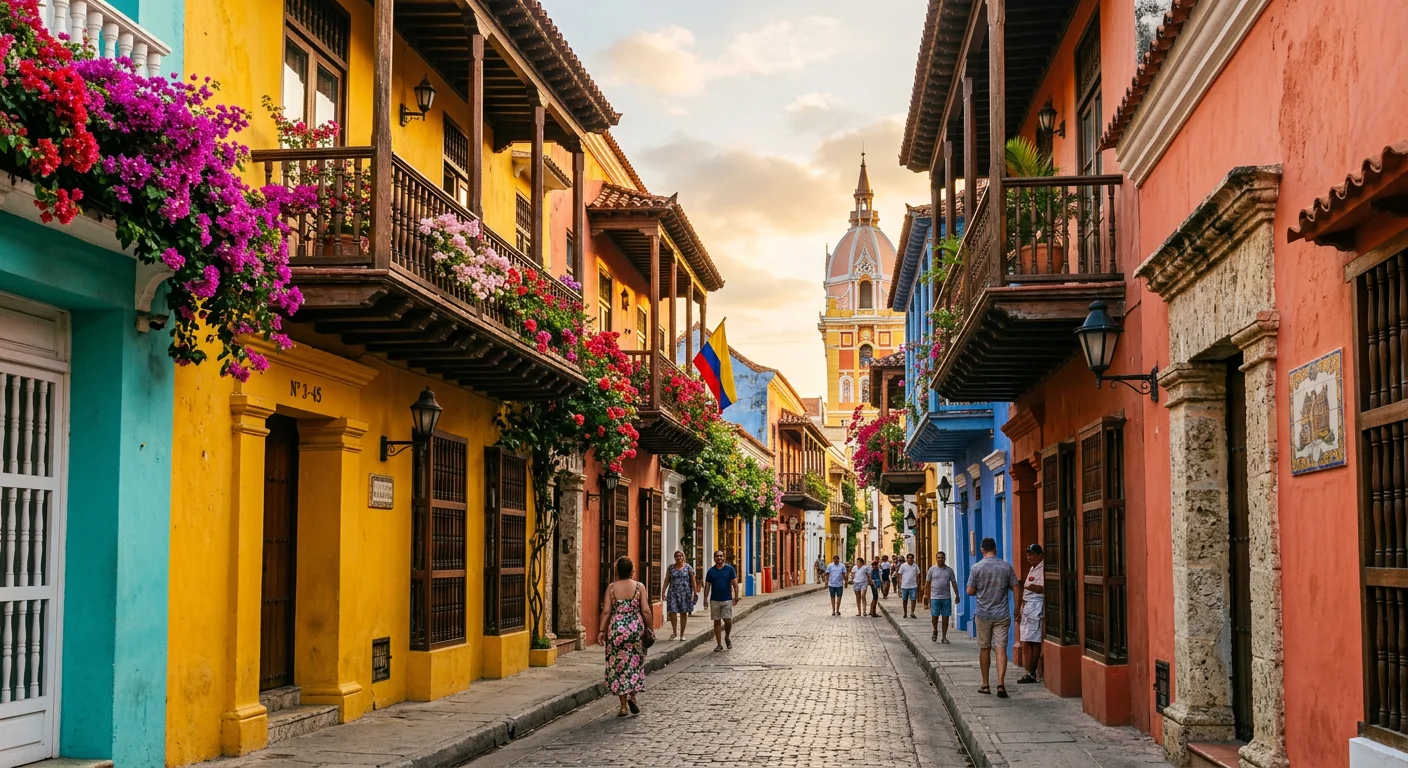
Colombia is ideal for travelers seeking an immersive, value-packed adventure lasting two weeks or more on a budget of $50-80 a day. Explore vibrant Medellín, wander the colorful streets of Cartagena, or trek through the coffee region, all while connecting deeply with diverse landscapes and rich culture. It's perfect for those craving extensive variety without breaking the bank.
Choose Panama
Panama is perfect for shorter trips (around a week) prioritizing convenience, direct flights from North America, and stunning island escapes. Indulge in pristine beaches and unique culture in San Blas or Bocas del Toro, then explore Panama City's modern skyline and historic Casco Viejo. It caters to travelers seeking an accessible tropical paradise and a more developed capital experience for $70-110 daily.
📊 Visual Scorecard
🌤 When to Visit
Average high temperatures (°C). Green = best months, orange = avoid.
Quick Comparison
| Category | Colombia | Panama | Winner |
|---|---|---|---|
| Cost of Travel | Generally cheaper across the board, from food to accommodation to transport. Daily budget $50-80 USD. | Higher costs for food, accommodation, and activities, especially in Panama City and popular islands. Daily budget $70-110 USD. | Colombia |
| Culture and History | Deep colonial history in cities like Cartagena, pre-Columbian artifacts, coffee culture, and diverse regional identities. | Panama Canal engineering marvel, Casco Viejo colonial district, indigenous Guna Yala culture, and a history tied to maritime trade. | Colombia |
| Beaches and Nature | Caribbean coast (Tayrona, Rosario Islands), Pacific coast (whale watching), Andes mountains, Amazon rainforest, Cocora Valley. | San Blas Islands, Bocas del Toro, Pacific surf breaks, cloud forests of Boquete, Gamboa rainforest. | Colombia |
| Safety and Security | Improved significantly but still requires vigilance, especially in larger cities and specific rural areas. Petty crime is common. | Generally considered safer for tourists, particularly in Panama City and popular tourist zones. Border regions require caution. | Panama |
| Food and Drink | Hearty, meat-centric comfort food, diverse fruits, and excellent coffee. Less focus on spicy cuisine. | Seafood influences, Caribbean flavors, tropical fruits, and a mix of international options in the capital. | Colombia |
| Getting There & Around | Major international airports, extensive domestic flight network, long-distance bus system, and local ride-sharing apps. | Panama City (PTY) is a major hub, domestic flights to islands/Boquete, efficient bus system, and Panama City Metro. | Panama |
| Nightlife and Social Scene | Medellín, Bogota, and Cartagena offer diverse options from salsa clubs to electronic music, active social hostels. | Panama Citys Casco Viejo has upscale bars and clubs, Bocas del Toro offers lively island party spots. Less widespread. | Colombia |
| Accommodation | Wide range of budget-friendly hostels, boutique hotels, and guesthouses. Excellent value for money. | Hostels and mid-range hotels available, but prices are generally higher, especially in the capital and on islands. | Colombia |
| Digital Nomad Scene | Strong communities in Medellín and Bogota, numerous co-working spaces, good internet, and affordable cost of living. | Panama City has a growing scene, decent infrastructure, but higher cost of living. Boquete also draws remote workers. | Colombia |
| Unique Experiences | Coffee farm stays, Tatacoa Desert stargazing, salsa dancing classes, exploring colonial towns. | Panama Canal transit tours, Guna Yala island hopping, indigenous Embera village visits, volcano hiking in Boquete. | Colombia |
💰 Cost of Travel
Colombia consistently delivers a lower cost of travel. A budget traveler can manage on $40-60 USD per day for a hostel bed ($10-15 USD), street food meals ($3-7 USD), and local…
Colombia consistently delivers a lower cost of travel. A budget traveler can manage on $40-60 USD per day for a hostel bed ($10-15 USD), street food meals ($3-7 USD), and local transport ($1-2 USD per ride). Mid-range travelers will find comfortable private rooms for $30-50 USD, restaurant meals for $10-15 USD, and intercity buses for $20-40 USD, averaging $70-90 USD per day. For example, an Arepa with cheese in Bogota might cost 3,000 COP ($0.75 USD), while a full Bandeja Paisa in Medellín is around 25,000 COP ($6.50 USD).
Panama is pricier, particularly in Panama City and tourist-focused island areas like Bocas del Toro or San Blas. A hostel bed in Panama City is typically $15-25 USD, and a basic private room starts at $50-70 USD. Meals at local fondas can be $7-12 USD, but sit-down restaurants often charge $15-25 USD for a main course. Intercity buses from Panama City to David cost about $18 USD. On the San Blas Islands, a basic hut and three meals usually costs $100-150 USD per day. A typical daily budget for a mid-range traveler in Panama is $90-120 USD. Colombia offers more bang for your buck for nearly every aspect of a trip.
- Winner: Colombia
- Why: Colombia offers significantly lower daily expenses for accommodation, food, and transport, making longer trips more accessible.
- Who this matters for: Budget travelers, long-term backpackers, and those wanting to stretch their travel funds.
🏛️ Culture and History
Colombia presents a profound cultural and historical experience. Cartagena walls and colorful streets speak to a Spanish colonial past, with entrance to the Castillo San Felipe de…
Colombia presents a profound cultural and historical experience. Cartagena walls and colorful streets speak to a Spanish colonial past, with entrance to the Castillo San Felipe de Barajas costing about 27,000 COP ($7 USD). Bogotas Gold Museum (Museo del Oro) showcases extensive pre-Columbian artifacts for 5,000 COP ($1.25 USD) on weekdays, free on Sundays. The Botero Museum also in Bogota is free. The coffee regions offer insight into traditional farming practices, like a farm tour near Salento for 50,000 COP ($13 USD). Regions like Boyaca have towns like Villa de Leyva, preserved with cobblestone streets and colonial architecture. The countrys diverse music (Cumbia, Vallenato) and dance forms are prevalent everywhere.
Panama, while smaller, has its own historical points. The Panama Canal, an engineering feat, provides visitor centers at Miraflores Locks (entry around $20 USD) where ships transit. Panama Citys Casco Viejo is a UNESCO area with renovated colonial buildings, churches, and plazas. The indigenous Guna Yala people maintain a distinct culture on the San Blas Islands, offering a unique opportunity to witness their way of life, though this interaction is managed by the Guna themselves. Panama Viejo, the ruins of the original Panama City, also offers historical perspective. While Panama has important sites, Colombias cultural depth feels more extensive and varied across its regions.
- Winner: Colombia
- Why: Colombia offers a broader and more diverse range of historical periods, cultural practices, and regional identities to explore.
- Who this matters for: Travelers seeking deep dives into history, traditional arts, and local customs beyond modern amenities.
🌴 Beaches and Nature
Colombias natural landscapes offer incredible variety. The Caribbean coast includes Tayrona National Natural Park (entry 68,000 COP / $17 USD for foreigners), with its beaches and…
Colombias natural landscapes offer incredible variety. The Caribbean coast includes Tayrona National Natural Park (entry 68,000 COP / $17 USD for foreigners), with its beaches and jungle hikes. The Rosario Islands near Cartagena provide clear waters for snorkeling. On the Pacific coast, regions like Nuqui or Bahia Solano offer secluded beaches and whale watching (July-October). The Andes mountain range spans the country, with highlights like the Valle de Cocora near Salento, known for its tall wax palms (entry to a popular viewpoint is around 6,000 COP / $1.50 USD). The country also contains parts of the Amazon rainforest, accessible from Leticia. This range allows for jungle, mountain, and sea experiences within one country.
Panama has attractive natural areas as well. The San Blas Islands, managed by the Guna Yala, are postcard-worthy with clear water and small, sandy cays. Bocas del Toro, on the Caribbean side, is a popular spot for surfing, snorkeling, and relaxed island life. Its accessible by a short flight from Panama City to Bocas Town for around $100-150 USD round trip. On the Pacific side, areas like Santa Catalina offer surfing. The highlands around Boquete provide cooler temperatures, cloud forests, and coffee farms. Gamboa, near Panama City, offers rainforest access and wildlife viewing. While Panamas islands are compelling, Colombias sheer scale and diversity of ecosystems, from high-altitude paramo to deep Amazon jungle, give it an edge.
- Winner: Colombia
- Why: Colombia presents a greater range of ecosystems and natural wonders, from high Andes peaks to vast rainforests and two distinct coastlines.
- Who this matters for: Outdoor enthusiasts, hikers, wildlife observers, and those seeking varied natural experiences.
🛡️ Safety and Security
Colombia has made substantial progress in security over the past decades. However, petty crime like pickpocketing and phone snatching is common in crowded areas of Bogota,…
Colombia has made substantial progress in security over the past decades. However, petty crime like pickpocketing and phone snatching is common in crowded areas of Bogota, Medellín, and Cartagena. Areas to avoid after dark are often well-known locally, and using ride-sharing apps like Uber or Cabify is safer than hailing taxis. For example, in Bogotas La Candelaria, staying aware of surroundings and not displaying valuables is important. Rural travel, while largely safe, should be researched for current conditions. Overall, exercise awareness, avoid walking alone at night, and do not resist if confronted.
Panama generally offers a higher sense of security for tourists. Panama Citys Casco Viejo and El Cangrejo areas are well-patrolled, though common sense precautions against petty theft apply. The metro system in Panama City is considered safe. Border areas with Colombia (Darien Gap) should be avoided entirely by tourists. Outside of the capital, popular destinations like Boquete and Bocas del Toro have low crime rates relative to tourist volumes. The police presence in tourist zones is noticeable. Panama feels like a country where travelers can relax a bit more, though no destination is completely risk-free. Panama edges out Colombia due to a generally lower incidence of serious crime against tourists.
- Winner: Panama
- Why: Panama offers a generally lower risk of crime and a higher sense of security for travelers, especially in its main tourist areas.
- Who this matters for: Solo travelers, first-time international travelers, and those prioritizing a low-stress environment.
🛡 Dig deeper: Colombia health guide · Panama health guide
🍽️ Food and Drink
Colombian cuisine is defined by its comforting, substantial dishes. Staples include Ajiaco (chicken and potato soup) in Bogota, Bandeja Paisa (a platter with beans, rice, meat,…
Colombian cuisine is defined by its comforting, substantial dishes. Staples include Ajiaco (chicken and potato soup) in Bogota, Bandeja Paisa (a platter with beans, rice, meat, egg, plantain, avocado) in Medellín, and Arepas (corn cakes with various toppings) found everywhere. Empanadas are common street food, costing 2,000-5,000 COP ($0.50-$1.25 USD). The fruit selection is immense and inexpensive; try Lulo or Maracuyá juice. High-quality coffee is a national treasure, with a typical Tinto (black coffee) costing 2,000-4,000 COP ($0.50-$1 USD). Restaurants range from simple 'menu del dia' for 15,000-25,000 COP ($4-6 USD) to upscale dining in cities. The food is generally not spicy.
Panamanian food often carries Caribbean and seafood influences. Sancocho (chicken and vegetable soup) is a national dish. Ceviche is popular, especially fresh fish and seafood at places like the Mercado de Mariscos in Panama City, where a cup might cost $3-5 USD. Ropa Vieja (shredded beef) and Arroz con Pollo (chicken and rice) are common. Plantains, fried or mashed, are a side dish. Craft beer has a small but growing scene in Panama City. While good, the range of unique, locally available dishes feels less extensive than in Colombia. Panama City offers a wide array of international dining options, but authentic Panamanian cuisine, while tasty, does not reach the same level of regional diversity or recognition as Colombias offerings. For a deeper culinary journey, Colombia is more rewarding.
- Winner: Colombia
- Why: Colombia offers a broader and more regionally diverse culinary landscape, with unique dishes and a strong coffee culture.
- Who this matters for: Foodies, those interested in local culinary traditions, and coffee lovers.
✈️ Getting There & Around
Getting to Colombia involves direct flights to Bogota (BOG), Medellín (MDE), or Cartagena (CTG) from major North American and European hubs. A flight from Miami (MIA) to Bogota…
Getting to Colombia involves direct flights to Bogota (BOG), Medellín (MDE), or Cartagena (CTG) from major North American and European hubs. A flight from Miami (MIA) to Bogota takes about 3.5 hours and can cost $200-400 USD return. Domestically, Avianca, LATAM, and Wingo offer frequent flights connecting major cities for $50-150 USD. For example, Bogota to Cartagena is about 1.5 hours flying. The bus network is comprehensive but journeys are long (e.g., Bogota to Medellín is 8-10 hours, $25-40 USD). Ride-sharing apps like Uber and Cabify work well in cities.
Panama Citys Tocumen International Airport (PTY) is a significant regional hub, often offering competitive flight prices from North America. A flight from Miami (MIA) to Panama City takes about 3 hours and can be $250-450 USD return. Domestically, Air Panama flies to Bocas del Toro and David (near Boquete) for around $100-150 USD one way. Panamas bus system is efficient for its size; for example, Panama City to David takes about 6-7 hours and costs $18 USD. Panama City has the only metro system in Central America, making urban transport easy and cheap ($0.35 USD per ride). The smaller geographic size of Panama means less time spent in transit overall. Panama offers a more convenient experience for getting around quickly.
- Winner: Panama
- Why: Panama benefits from a highly connected international airport, a smaller geographic size requiring less transit time, and an efficient urban metro system.
- Who this matters for: Travelers with limited time, those connecting through major hubs, and those who dislike long bus journeys.
🎉 Nightlife and Social Scene
Colombias nightlife is legendary, especially in Medellín and Bogota. Medellins Parque Lleras and Provenza areas are packed with bars and clubs, with cover charges typically…
Colombias nightlife is legendary, especially in Medellín and Bogota. Medellins Parque Lleras and Provenza areas are packed with bars and clubs, with cover charges typically 10,000-30,000 COP ($2.50-$7.50 USD) for clubs. Bogotas Zona T and Chapinero neighborhoods offer a mix of upscale bars and vibrant dance venues. Cartagena has salsa clubs like Cafe Havana, with live music and a lively atmosphere. Alcohol prices are reasonable; a local beer (Aguila, Club Colombia) is 5,000-8,000 COP ($1.25-$2 USD). Hostels in Colombia are generally very social, making it easy to meet other travelers for nights out. The energy is consistent across several major cities.
Panama Citys Casco Viejo has become the epicenter of its nightlife, with rooftop bars, cocktail lounges, and clubs. Calle Uruguay also has options, though some areas have changed. Drinks can be pricier here than in Colombia, with a cocktail often $8-12 USD. On the islands, Bocas del Toro has a backpacker party scene centered around places like Filthys Fill Station or floating bars. Outside of these key areas, nightlife options are significantly reduced. While Panama City has sophisticated options and Bocas offers island fun, Colombias broader and more diverse nightlife, coupled with its general affordability, gives it a stronger social scene for most travelers.
- Winner: Colombia
- Why: Colombia offers a more diverse, widespread, and affordable nightlife across multiple major cities, with strong local music and dance scenes.
- Who this matters for: Social travelers, those seeking dance clubs, live music, and ease of meeting other people.
🏨 Accommodation
Colombia offers exceptional value in accommodation. Hostels with good reviews often cost $10-18 USD for a dorm bed in cities like Medellín (e.g., The Click Clack Hotel, Los Patios…
Colombia offers exceptional value in accommodation. Hostels with good reviews often cost $10-18 USD for a dorm bed in cities like Medellín (e.g., The Click Clack Hotel, Los Patios Hostel). Private rooms in hostels or guesthouses are typically $25-45 USD. Boutique hotels in areas like Cartagenas Walled City or Bogotas Chapinero can be found for $70-120 USD, offering high standards for the price. Airbnbs are widely available and provide good value. The standard of cleanliness and amenities for budget accommodation is generally high, making it easy to find comfortable and social places to stay.
Panama, while having options, presents higher accommodation costs. A dorm bed in a popular hostel in Panama City or Bocas del Toro typically ranges from $18-30 USD (e.g., Selina Casco Viejo). Private rooms in mid-range hotels often start at $60-90 USD, and can quickly exceed $100 USD in desirable areas of Panama City. On the San Blas Islands, accommodation is basic, consisting of simple huts, and is usually part of a package price. While you can find decent places, they often cost 20-30% more than comparable options in Colombia. For budget and value, Colombia consistently provides better options.
- Winner: Colombia
- Why: Colombia provides better value and a wider selection of affordable, high-quality hostels and boutique hotels.
- Who this matters for: Budget-conscious travelers, backpackers, and those seeking comfortable stays without excessive cost.
💻 Digital Nomad Scene
Colombia, particularly Medellín, is a hotspot for digital nomads. Medellín offers a robust community, numerous co-working spaces like Selina or District 20 for $10-20 USD per day,…
Colombia, particularly Medellín, is a hotspot for digital nomads. Medellín offers a robust community, numerous co-working spaces like Selina or District 20 for $10-20 USD per day, fast internet (often 50-100 Mbps in apartments), and a low cost of living. A comfortable apartment in El Poblado or Laureles can be rented for $500-800 USD per month. Bogota also has a significant nomad presence, especially in Chapinero and Usaquen, with many cafes suitable for working. Visa options are favorable, including a new digital nomad visa. The social scene is active, making it easy to connect with other remote workers.
Panama City is an emerging hub for digital nomads, benefiting from its international airport and modern infrastructure. Co-working spaces exist, though fewer than in Medellín, with similar pricing. Internet speeds are generally reliable. However, the cost of living in Panama City is higher; a comparable apartment might be $800-1200 USD per month. Boquete offers a smaller, quieter digital nomad community in the highlands, appealing to those seeking nature. While Panama offers an attractive option for some, Colombias established infrastructure, larger community, and significantly lower cost of living for a comfortable lifestyle make it a more appealing long-term base for most remote workers. Colombia provides a more developed and affordable ecosystem for remote workers.
- Winner: Colombia
- Why: Colombia offers a more established and affordable digital nomad ecosystem, with larger communities and better cost of living.
- Who this matters for: Remote workers, freelancers, and those planning extended stays while working online.
🌟 Unique Experiences
Colombia offers several unique experiences. Staying on a coffee farm in the Zona Cafetera, near Salento or Filandia, provides insight into the coffee production process and…
Colombia offers several unique experiences. Staying on a coffee farm in the Zona Cafetera, near Salento or Filandia, provides insight into the coffee production process and allows for a rural immersion, with stays around $50-100 USD per night including meals. The Tatacoa Desert provides otherworldly landscapes and incredible stargazing opportunities, with basic accommodation available for $15-30 USD per night. Taking salsa classes in Cali, the salsa capital, is an immersive cultural activity (classes often $10-20 USD). Exploring the well-preserved colonial towns like Villa de Leyva or Barichara offers a step back in time. These experiences are deeply tied to the countrys geography and cultural heritage.
Panama also provides distinct adventures. A partial transit tour of the Panama Canal, observing ships navigate the locks, is an engineering marvel (tours typically $150-200 USD). Visiting the San Blas Islands with the Guna Yala offers a close look at an autonomous indigenous culture and pristine islands, usually as an all-inclusive package for $100-150 USD per day. Day trips to an Embera indigenous village are available from Panama City for $100-150 USD, including transport and cultural presentation. Hiking Volcan Baru in Boquete, the highest point in Panama, is another option. While the Panama Canal and San Blas are compelling, Colombias range of deeply rooted and regionally diverse experiences feels more extensive and varied for the average traveler. Colombia simply has more types of unique engagements.
- Winner: Colombia
- Why: Colombia offers a wider array of distinctive, regionally specific experiences that cater to diverse interests.
- Who this matters for: Adventure seekers, cultural explorers, and those looking for experiences beyond typical tourist attractions.
🎯 The Decision Framework
Choose Colombia If…
- You want to spend less than $80 USD per day.
- You dream of hiking through palm trees in the Cocora Valley.
- You are excited by the idea of learning salsa in Cali.
- You want to explore diverse regions from Caribbean coast to Andes mountains.
- You prefer to spend more time immersing yourself in local culture.
- You plan to stay for three weeks or longer.
- You are a digital nomad looking for an affordable, established community.
- You enjoy hearty, substantial meals like Bandeja Paisa and Ajiaco.
Choose Panama If…
- You want a direct, easy flight from North America.
- You want to witness the Panama Canal in operation.
- You prioritize island hopping in pristine environments like San Blas.
- You prefer a generally lower-risk travel environment.
- You have a shorter trip (1-2 weeks) and want less transit time.
- You appreciate modern urban infrastructure like a city metro.
- You are interested in the unique culture of the Guna Yala people.
- You enjoy fresh seafood and tropical Caribbean flavors.
❓ Frequently Asked Questions
Which country is better for a two-week trip?
For a two-week trip, Colombia offers more regional diversity to explore, from Cartagenas old city to Medellins urban charm and the coffee region. Panama is manageable in two weeks, allowing for Panama City, Bocas del Toro, and San Blas, but Colombia provides more varied landscapes and cultural depth for that duration.
How do flight times and costs differ from the USA?
From major US cities like Miami or NYC, direct flights to Bogota or Panama City are typically 3-5 hours. Costs are often comparable, ranging from $250-500 USD return, though Panama City (PTY) can sometimes have slightly more competitive fares due to its hub status with Copa Airlines.
Is it easy to combine Colombia and Panama in one trip?
Yes, it is relatively easy to combine them. Direct flights between Panama City (PTY) and Bogota (BOG) or Medellín (MDE) are frequent, lasting about 1.5 hours and costing around $100-200 USD one-way. You should allow at least three weeks to properly experience both destinations without rushing.
Which country has better internet connectivity for remote work?
Both countries offer reliable internet, but Colombia, particularly in Medellín and Bogota, has a more established infrastructure for digital nomads. Expect 50-100 Mbps in most urban areas. Panama City also has good connectivity, but options outside the capital can be less consistent.
What are the average daily food costs in each country?
In Colombia, budget travelers can eat well for $10-15 USD per day, focusing on street food and local menus. In Panama, expect to spend $15-25 USD per day for similar options, with restaurant meals being notably pricier in Panama City and tourist zones.
Which country is better for adventure activities?
Colombia offers a broader range of adventure activities due to its varied geography, including paragliding in Bucaramanga, trekking in Tayrona, white-water rafting, and exploring the Amazon. Panama provides excellent surfing in Bocas del Toro and Santa Catalina, and volcano hiking in Boquete, but with less overall variety.
Are credit cards widely accepted in both countries?
In both Colombia and Panama, credit cards are widely accepted in larger cities, hotels, and established restaurants. However, cash is essential for street vendors, small shops, local markets, and rural areas. Always carry small denominations of local currency (Colombian Pesos, Panamanian Balboa/USD).
What are the visa requirements for US citizens for each country?
US citizens typically do not need a visa for tourist stays up to 90 days in both Colombia and Panama. Ensure your passport is valid for at least six months beyond your intended departure date. Always check current regulations before travel as policies can change.
Ready to plan your Central/South America trip?
Know the tourist scams before you go — documented from real traveler reports.