How we built this comparison
This page combines traveler discussion patterns, published price ranges, flight schedules, and seasonal data to help you decide between England and New Zealand.
- Reviewed 50+ Reddit threads from r/travel, r/solotravel, r/england, r/newzealand, and r/TravelNZ
- Verified costs and logistics against current booking platforms like Google Flights, Booking.com, and local transport sites
- Cross-referenced seasonal patterns and weather data from meteorological services
- Consulted blogs and forums by long-term travelers and expatriates living in both regions
⚡ Quick Answers
⚡ The TL;DR Verdict
For most travelers seeking cultural depth, accessible history, and varied city experiences without extreme travel times, England is the practical pick, with a daily budget around $75-150. New Zealand is for the committed adventurer, willing to invest significant time and money for unparalleled natural immersion, with a daily spend often $90-180, excluding high-cost activities.
- Choose England: If you prioritize historical sites, efficient public transport, diverse city life, and shorter flight times from Europe or North America, England offers a compact, enriching journey.
- Choose New Zealand: Opt for New Zealand if epic scenery, outdoor adventure activities, road trips, and a slower pace in nature are your travel goals, and you have ample time and budget for long-haul travel.
- Choose Both: To experience both, allocate at least three weeks for each. England might be a quicker trip (10-14 days), while New Zealand truly needs 3-4 weeks to cover both islands without rushing, making a combined trip a multi-month endeavor.
Choose England
Choose England if you're a history enthusiast or city explorer yearning for rich cultural immersion and efficient travel. It's best for those who dream of wandering ancient castles like Warwick, catching a West End show in London, or exploring world-class museums, all easily accessible by train. Expect a practical budget, typically $75-150 daily, making it ideal for a compact, enriching journey.
Choose New Zealand
Opt for New Zealand if you're a committed adventurer or nature enthusiast craving unparalleled natural beauty and thrilling outdoor activities. It's best for travelers eager to hike the majestic Milford Track, bungee jump in Queenstown, or explore Rotorua's geothermal landscapes, embracing a slower pace. Be prepared for a significant investment of time and a daily budget of $90-180, excluding big adventures.
📊 Visual Scorecard
🌤 When to Visit
Average high temperatures (°C). Green = best months, orange = avoid.
Quick Comparison
| Category | England | New Zealand | Winner |
|---|---|---|---|
| Getting There | Relatively short flights from North America and Europe; extensive flight options into major hubs. | Significant long-haul journey from most origins; typically involves multiple connections and longer travel times. | England |
| Costs (Daily Budget) | Moderate to high, with London being a notable expense. Budget travel possible with careful planning. | Moderate to high, particularly with adventure activities. Food and accommodation can be costly, but road trips offer savings. | England |
| Getting Around | Extensive train and bus network covers most areas, particularly good in the south and for city-to-city travel. | Driving (car or campervan) is the most flexible option. Limited public transport outside major cities, intercity buses connect hubs. | England |
| Culture & History | Ancient castles, Roman ruins, literary landscapes, museums, and royal heritage. Long, documented history. | Maori heritage, early European settlement, pioneer history, and a strong outdoor/adventure culture. | England |
| Nature & Scenery | Rolling green hills, dramatic coastlines, national parks (Lake District, Peak District) for walking and cycling. | Epic, rugged landscapes: fjords, glaciers, active volcanoes, alpine peaks, vast forests, and pristine beaches. | New Zealand |
| Food & Drink | Hearty pub fare, afternoon tea, diverse international cuisine in cities, craft beer scene. | Fresh seafood, lamb, Maori hāngi, flat whites, and a strong wine industry. Influences from Asia-Pacific. | Tie |
| Accommodation | Wide range from hostels to luxury hotels, B&Bs, and unique stays. Booking in advance is key for popular areas. | Hostels, motels, B&Bs, and holiday parks (especially for campervans). Options are fewer and can be pricier in remote areas. | England |
| Activities & Adventure | Urban exploration, museum visits, theater, historical walks, gentle hiking, cycling, pub crawls. | World-renowned for adventure sports: bungee jumping, skydiving, whitewater rafting, extensive hiking, skiing. | New Zealand |
| Weather & Seasons | Four distinct seasons; mild summers, cool/wet winters. Unpredictable, often rainy. | Opposite seasons to the Northern Hemisphere; varied climate across islands. Can experience 'four seasons in a day.' | Tie |
| Safety & Local Insight | Generally safe, but petty crime in cities. Friendly but reserved locals. Good emergency services. | Very safe overall, low crime rates. Welcoming and hospitable locals. Excellent emergency services, especially for outdoor incidents. | New Zealand |
✈️ Getting There
Travel to England is straightforward from most Western countries. Direct flights from major North American cities like New York (JFK) to London (LHR) typically take 7-8 hours,…

England

New Zealand
Travel to England is straightforward from most Western countries. Direct flights from major North American cities like New York (JFK) to London (LHR) typically take 7-8 hours, costing around $600-1000 USD (£480-800) return. From European hubs like Paris or Dublin, flights are often under 2 hours and cost $100-300 USD (£80-240) return. London Heathrow (LHR) and Gatwick (LGW) are major international gateways, offering frequent services. The convenience of these flight durations and price points makes England a simpler destination to reach for many.
Reaching New Zealand is a commitment due to its geographic isolation. From Los Angeles (LAX) to Auckland (AKL), expect a direct flight time of about 12-13 hours, with return fares typically $1200-2000 USD (NZD $2000-3300). From Europe, the journey is significantly longer, often requiring 25-35 hours of travel with 1-2 layovers, and costs can range from $1500-2500 USD (NZD $2500-4100) return. Auckland (AKL) is the primary international airport. The extended travel time and higher flight costs are a notable barrier for many travelers.
Tabiji verdict: England wins this category outright due to its global accessibility and significantly shorter, cheaper flights for the majority of travelers.
- Winner: England
- Why: England is considerably easier and less expensive to reach for most international travelers.
- Who this matters for: Travelers with limited time off, tighter budgets for flights, or those based in Europe/North America.
💰 Costs (Daily Budget)
A mid-range daily budget in England, outside of central London, can be around £60-100 ($75-125 USD). This covers hostel or budget hotel accommodation (£30-60 / $38-75 USD), simple…
England
New Zealand
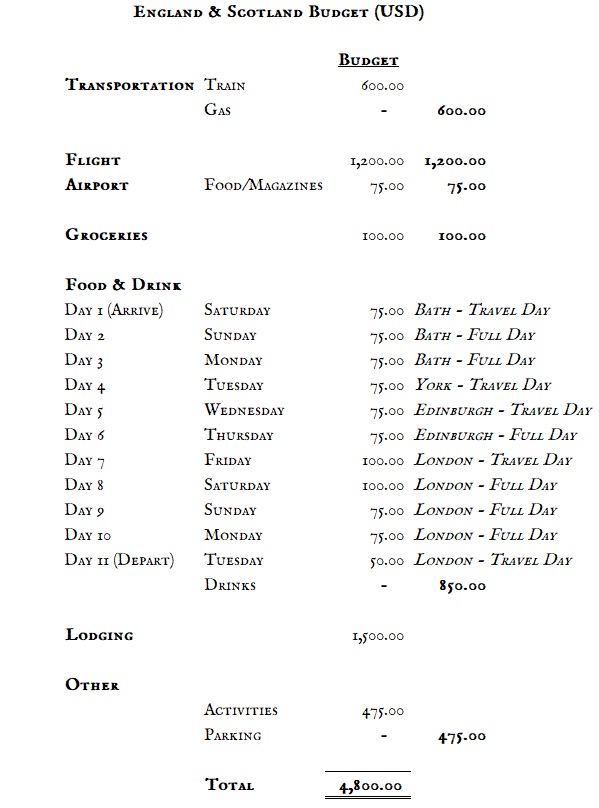
A mid-range daily budget in England, outside of central London, can be around £60-100 ($75-125 USD). This covers hostel or budget hotel accommodation (£30-60 / $38-75 USD), simple meals like a pub lunch (£10-15 / $13-19 USD) and groceries, plus some local transport and museum entries. London pushes this higher, with a mid-range day often costing £80-150 ($100-190 USD) for similar experiences. For example, a pint of beer is typically £4-6 ($5-7.50 USD), and a train from London to Manchester might cost £30-60 ($38-75 USD) if booked in advance.
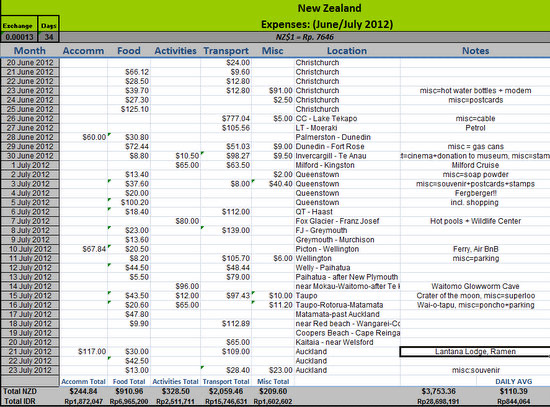
New Zealand's daily costs are comparable to or slightly higher than England’s, especially if incorporating popular activities. A mid-range daily budget for a traveler not doing extreme sports is around NZD $150-250 ($90-150 USD). Hostel beds average NZD $30-60 ($18-36 USD), while budget motels start around NZD $90-150 ($55-90 USD). Basic meals, like fish and chips, cost NZD $15-25 ($9-15 USD). A 'Lord of the Rings' tour in Queenstown could be NZD $200-400 ($120-240 USD). Renting a campervan for a week averages NZD $800-1500 ($480-900 USD), which can save on accommodation but adds fuel costs.
Tabiji verdict: England offers more opportunities for budget-conscious travelers to find affordable options, especially outside of London, giving it a slight edge in overall cost manageability.
- Winner: England
- Why: England provides more affordable options for basic travel, especially beyond its capital, compared to New Zealand's consistently higher baseline.
- Who this matters for: Travelers aiming to stretch their budget, especially those planning trips outside major cities.
🚇 Getting Around
England has a comprehensive public transport system. Trains connect major cities like London, Manchester, and Edinburgh frequently. A standard single train ticket from London to…
England

New Zealand
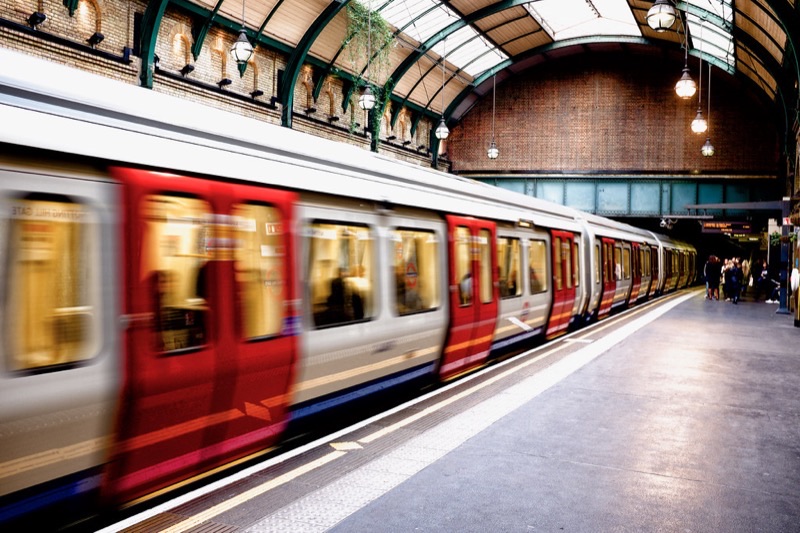
England has a comprehensive public transport system. Trains connect major cities like London, Manchester, and Edinburgh frequently. A standard single train ticket from London to Brighton is around £20-30 ($25-38 USD). The London Underground ('Tube') is efficient for city travel, with daily caps on contactless payments. National Express and Megabus offer intercity coach services that are cheaper but slower than trains. Rural areas are accessible by local buses, though less frequent. This network allows travel without a private vehicle, which is a major convenience for many.
New Zealand's public transport is less developed, making a rental car or campervan the preferred method for exploration. Distances between points of interest are substantial, particularly on the South Island. Intercity bus services like InterCity connect major towns, but reaching many trailheads or smaller destinations requires private transport. Fuel costs can be significant, with petrol prices around NZD $2.80-3.20 per liter ($6.50-7.50 USD per gallon). Car rentals typically start from NZD $50-80 ($30-48 USD) per day. The freedom of a vehicle is valuable, but it's an added expense and responsibility.
Tabiji verdict: England wins for its accessible, comprehensive public transport, which allows travelers to move freely without the need for a rental car.
- Winner: England
- Why: England's robust public transport network simplifies travel for those without private vehicles, saving costs and stress.
- Who this matters for: Solo travelers, those uncomfortable driving on the left, or budget travelers avoiding rental car expenses.
🏰 Culture & History
England’s history is extensive and easily visible. From Roman Baths in Bath (entry ~£25 / $31 USD) and Hadrian's Wall in Northumberland to the Tower of London (entry ~£35 / $44…
England

New Zealand
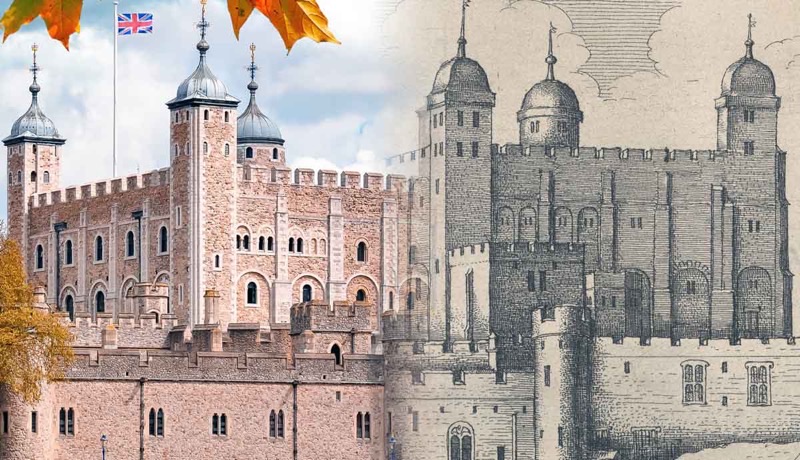
England’s history is extensive and easily visible. From Roman Baths in Bath (entry ~£25 / $31 USD) and Hadrian's Wall in Northumberland to the Tower of London (entry ~£35 / $44 USD) and Westminster Abbey in London. Literary sites like Shakespeare's birthplace in Stratford-upon-Avon or Jane Austen's house in Chawton draw many. The British Museum (free entry) houses artifacts from across millennia. Pub culture is central to social life, offering a glimpse into daily English interactions. Regional variations in accents, food, and traditions add layers to the experience. This historical depth is spread across the land.
New Zealand's cultural narrative is centered on its Maori heritage and the relatively recent European settlement. Significant sites include Te Papa Museum in Wellington (free entry to main exhibitions) and the Maori Arts and Crafts Institute in Rotorua (entry ~NZD $50 / $30 USD) where you can experience a Hāngi and Kapa Haka performance. The Waitangi Treaty Grounds (entry ~NZD $50 / $30 USD) hold historical significance as the birthplace of the nation. The adventure culture, built around activities like bungee jumping in Queenstown or hiking the Tongariro Alpine Crossing, also forms a key part of its modern identity. It's a younger history, but presented with pride and a focus on interaction.
Tabiji verdict: England offers a more concentrated and diverse historical experience, with a vast array of ancient sites and institutions that have shaped global narratives, making it the stronger choice for history enthusiasts.
- Winner: England
- Why: England possesses a substantially deeper and more visible historical footprint, with countless ancient sites, museums, and cultural institutions.
- Who this matters for: Travelers with a strong interest in ancient history, literature, royal heritage, and traditional European culture.
⛰️ Nature & Scenery
England's natural settings are characterized by their pastoral beauty, ancient woodlands, and developed landscapes. The Lake District offers serene lakes and fells for hiking,…
England
New Zealand
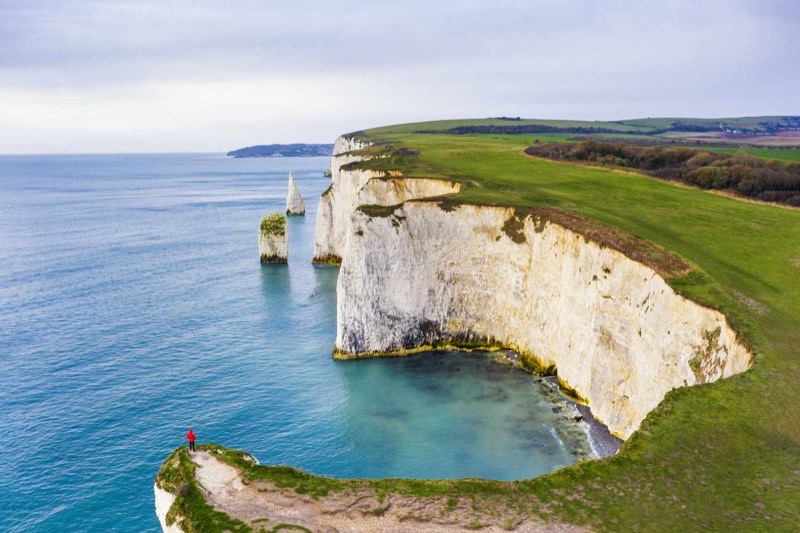
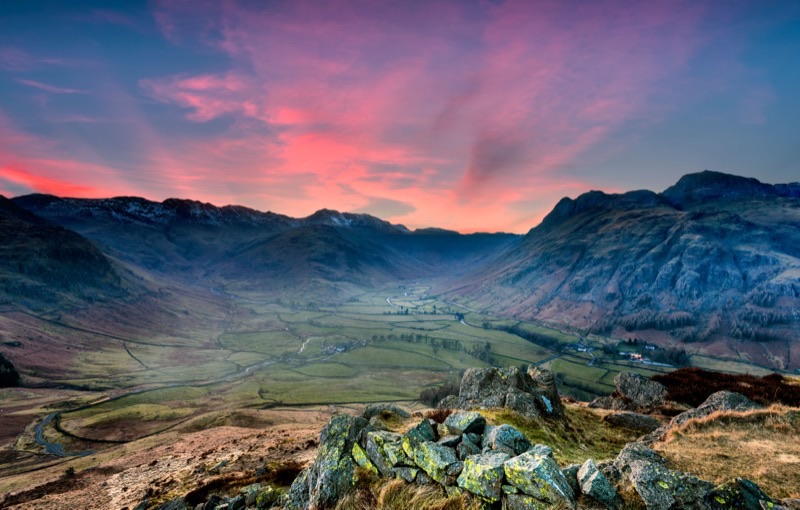
England's natural settings are characterized by their pastoral beauty, ancient woodlands, and developed landscapes. The Lake District offers serene lakes and fells for hiking, while Cornwall's coastline provides surf spots and dramatic cliffs. The Peak District National Park is known for its gritstone edges and dales. While beautiful, these landscapes are generally softer and more 'managed' than wilderness areas in other parts of the world. Walks are accessible, and many trails crisscross farmland or well-maintained paths. Examples include coastal paths in Dorset or the Malvern Hills, offering views without extreme challenges.
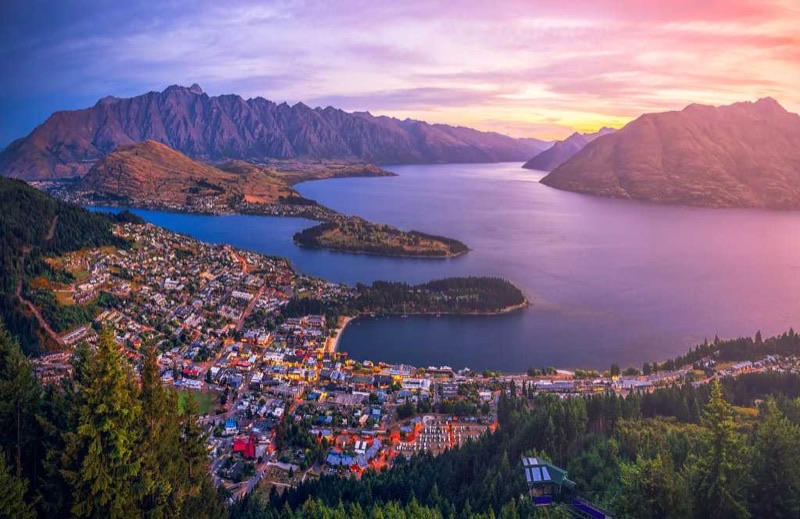
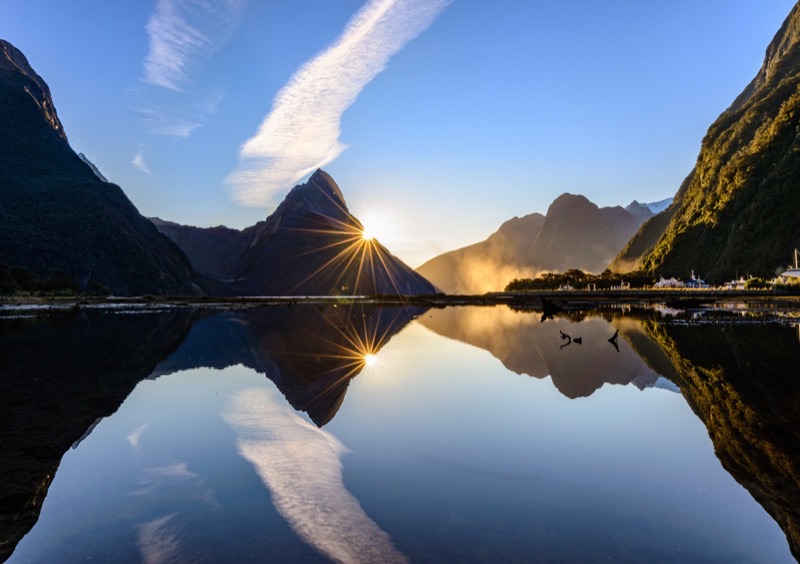
New Zealand's scenery is on a different scale, often appearing in films for its dramatic scope. Milford Sound, a fjord in Fiordland National Park, features sheer cliffs and waterfalls cascading into dark waters. Franz Josef and Fox Glaciers on the West Coast of the South Island are accessible for guided walks. The Tongariro National Park on the North Island showcases active volcanoes and varied terrain. There are thousands of kilometers of hiking trails ('tracks'), from day walks to multi-day 'Great Walks' like the Routeburn Track. The country offers a condensed range of varied, untouched natural settings that are globally recognized.
Tabiji verdict: New Zealand presents a more dramatic, diverse, and untouched natural environment, offering an unparalleled experience for those seeking grand landscapes and outdoor activities.
- Winner: New Zealand
- Why: New Zealand's natural settings are globally exceptional, offering a more dramatic and varied array of untouched landscapes than England.
- Who this matters for: Adventure seekers, hikers, photographers, and anyone prioritizing access to truly wild and diverse natural environments.
🍽️ Food & Drink
England's food scene often gets a bad rap, but it's come a long way. Beyond traditional fish and chips (£10-15 / $13-19 USD) and Sunday roasts, London is a hub for global cuisine,…
England's food scene often gets a bad rap, but it's come a long way. Beyond traditional fish and chips (£10-15 / $13-19 USD) and Sunday roasts, London is a hub for global cuisine, from Michelin-starred restaurants to incredible street food at Borough Market. Pubs remain central, offering local ales and often decent meals. The craft beer scene has boomed, and afternoon tea experiences are a staple, like at The Ritz (£65-85 / $80-105 USD). Regional specialties include Cornish pasties and Cumberland sausage. Eating out can range from affordable takeaways to expensive fine dining.
New Zealand prides itself on fresh, local produce. Lamb is a staple, often featured in restaurant meals. Seafood, particularly green-lipped mussels and Bluff oysters, is prominent, especially in coastal areas. The Maori hāngi, a traditional method of cooking food in an underground oven, offers a unique cultural and culinary experience (often part of a cultural show, ~NZD $100-200 / $60-120 USD). New Zealand is also famed for its Sauvignon Blanc wines from Marlborough and Pinot Noir from Central Otago. The 'flat white' coffee originated here. Cafes are plentiful and serve high-quality coffee and brunch.
Tabiji verdict: Both destinations offer compelling food and drink experiences; England for its diverse international offerings and pub culture, New Zealand for its fresh ingredients and distinct local specialties, making it a fair tie based on different strengths.
- Winner: Tie
- Why: Both countries offer distinct, appealing culinary experiences: England for its global diversity and pub culture, New Zealand for its fresh local produce and unique specialties.
- Who this matters for: Foodies who prioritize either diverse international cuisine and classic comfort food (England) or fresh, local produce and unique indigenous culinary experiences (New Zealand).
🛌 Accommodation
Accommodation in England is varied and widely available. Hostels in major cities start from £25-45 ($31-56 USD) per night. Budget hotels like Premier Inn or Travelodge offer rooms…
Accommodation in England is varied and widely available. Hostels in major cities start from £25-45 ($31-56 USD) per night. Budget hotels like Premier Inn or Travelodge offer rooms from £50-100 ($62-125 USD) outside central London. Charming B&Bs in smaller towns or rural areas cost around £80-150 ($100-190 USD). Unique stays include historical manor houses or glamping pods in national parks. Airbnb is popular, offering apartments from £70 ($87 USD). While London can be expensive, options are plentiful, and competitive pricing exists if booked ahead.
New Zealand's accommodation landscape caters well to road-trippers and those seeking outdoor access. Hostels are common, particularly in adventure hubs like Queenstown, ranging from NZD $30-60 ($18-36 USD). Motels are a standard mid-range option, often costing NZD $90-180 ($55-110 USD) per night. Holiday Parks are ubiquitous, providing powered sites for campervans (NZD $25-50 / $15-30 USD) and often cabins. Boutique hotels and luxury lodges exist but are less common outside of major cities and typically start above NZD $250 ($150 USD). Options can be scarce and expensive in popular holiday spots or during peak season, especially on the South Island.
Tabiji verdict: England offers a greater density and variety of accommodation options at more competitive prices across its regions, particularly for non-camping travelers, making it the more convenient choice.
- Winner: England
- Why: England generally offers a wider selection of accommodation types and price points, making it easier to find suitable lodging across diverse regions.
- Who this matters for: Travelers who prefer traditional accommodations like hotels or B&Bs and value choice and competitive pricing.
🧗 Activities & Adventure
England's activities are largely centered around its cultural offerings and gentler outdoor pursuits. Exploring London's neighborhoods, visiting the Globe Theatre (tickets ~£20-60…
England's activities are largely centered around its cultural offerings and gentler outdoor pursuits. Exploring London's neighborhoods, visiting the Globe Theatre (tickets ~£20-60 / $25-75 USD), or touring a historical castle like Warwick Castle (entry ~£30 / $38 USD) are common. Hiking in the Lake District or along the Jurassic Coast offers scenic walks rather than extreme challenges. Cycling routes are abundant. While there are some adventure parks, the focus is generally on experiencing history, arts, and the pastoral outdoors. Activities are often less physically demanding and more about engagement with heritage.
New Zealand is synonymous with adventure. Queenstown is the self-proclaimed 'Adventure Capital of the World,' offering bungee jumping (from NZD $250 / $150 USD), skydiving (from NZD $350 / $210 USD), whitewater rafting, and jet boating. Hiking ('tramping') is a national pastime, with numerous trails from short walks to multi-day 'Great Walks' like the Kepler Track. Skiing and snowboarding are popular in the Southern Alps during winter. Caving in Waitomo or kayaking in Abel Tasman National Park are also prominent. These activities cater to a high thrill level and offer direct engagement with the country's physical environments.
Tabiji verdict: New Zealand is the clear winner for adventure and outdoor activities, offering an extensive range of high-thrill, world-class experiences that are central to its tourism identity.
- Winner: New Zealand
- Why: New Zealand offers a far broader and more intense range of adventure sports and outdoor activities, truly living up to its reputation.
- Who this matters for: Adrenaline junkies, outdoor enthusiasts, and travelers specifically seeking physically demanding and thrill-seeking experiences.
☀️ Weather & Seasons
England experiences four distinct seasons, though its weather is often described as unpredictable. Summers (June-August) are mild, with average temperatures of 15-25°C (59-77°F),…
England experiences four distinct seasons, though its weather is often described as unpredictable. Summers (June-August) are mild, with average temperatures of 15-25°C (59-77°F), but rain is always a possibility. Winters (December-February) are cool and damp, with averages around 2-8°C (36-46°F), and occasional snow. Spring (March-May) and Autumn (September-November) offer pleasant temperatures but can also be wet. Layering clothing is essential year-round. For example, a summer day in London could be 25°C, but a sudden shower can drop temperatures significantly.
New Zealand's seasons are opposite to the Northern Hemisphere. Summer (December-February) is warm, with temperatures ranging 20-30°C (68-86°F), ideal for beaches and hiking. Winter (June-August) brings snow to the Southern Alps, suitable for skiing, with coastal areas experiencing milder, wetter conditions. Spring and Autumn are pleasant but can be windy. The weather is highly variable; it's common to experience sunshine, rain, and strong winds within a single day, especially in mountainous regions or on the South Island. For example, a morning in Queenstown might be sunny and warm, while the afternoon brings a cold front and rain.
Tabiji verdict: Both countries present weather challenges and seasonal appeal depending on preferences; England offers predictable seasonal patterns while New Zealand's rapid changes are part of its appeal, resulting in a tie.
- Winner: Tie
- Why: Both destinations offer distinct weather patterns that appeal differently: England with its classic four seasons, New Zealand with its dramatic, quick-changing conditions.
- Who this matters for: Travelers who prefer predictable seasonal patterns might lean towards England, while those who like dynamic weather and don't mind changes will appreciate New Zealand.
🚨 Safety & Local Insight
England is a generally safe country for travelers, with low rates of violent crime. However, petty crime like pickpocketing is common in crowded tourist areas of London, like…
England is a generally safe country for travelers, with low rates of violent crime. However, petty crime like pickpocketing is common in crowded tourist areas of London, like around Oxford Street or Borough Market. It's advisable to be aware of surroundings and secure belongings. Emergency services (999 for police, ambulance, fire) are reliable. Locals are typically polite and helpful, though often reserved initially. Navigating public spaces is straightforward, and solo female travelers generally report feeling secure, especially outside of late-night urban areas.
New Zealand consistently ranks among the safest countries in the world. Crime rates are very low, even in major cities. The primary safety concerns are related to outdoor activities, such as accurately assessing weather conditions before a hike or understanding rip currents at beaches. However, the Department of Conservation provides extensive safety information for 'tracks.' Locals, known as 'Kiwis,' are renowned for their friendliness and hospitality. Solo travel, including for women, is widely practiced and considered safe. Emergency services (111) are efficient, and there's a strong culture of looking out for one another, especially in smaller communities.
Tabiji verdict: New Zealand edges out England for its exceptionally low crime rates and a pervading sense of security, particularly for solo and outdoor-focused travelers.
- Winner: New Zealand
- Why: New Zealand's consistently low crime rates and reputation as a safe, welcoming country make it slightly superior in terms of traveler security.
- Who this matters for: Solo travelers, families, and anyone prioritizing a very low-risk travel environment, especially when exploring outdoors.
🎯 The Decision Framework
Choose England If…
- You want to walk through 2000 years of history, from Roman walls to royal palaces.
- You appreciate efficient public transport for exploring cities and towns.
- You want access to a vast array of free museums and art galleries.
- You enjoy classic pub culture, hearty meals, and diverse international cuisine.
- You prefer shorter flight times and less complex travel logistics from Europe/North America.
- You enjoy varied urban experiences and cultural performances like theater.
- You want to explore charming villages and accessible national parks with well-maintained paths.
- You are traveling on a moderate budget and seek options to save money outside the capital.
Choose New Zealand If…
- You prioritize dramatic, untouched natural landscapes: fjords, glaciers, and volcanoes.
- You are seeking high-adrenaline adventure sports like bungee jumping or skydiving.
- You want to embark on an epic road trip, preferably in a campervan.
- You are an avid hiker looking for multi-day 'Great Walks' and alpine trails.
- You want to experience unique Maori culture and hospitality.
- You are comfortable with long-haul flights and a higher overall travel budget.
- You prefer a relaxed pace, with a focus on outdoor exploration and scenic drives.
- You value traveling in one of the safest countries globally, even in remote areas.
📅 Sample Itineraries
Weekend in England (3 Days)
💡 Purchase an Oyster card for London public transport; it's cheaper than single tickets, saving you £2-3 ($2.50-4) per journey.
Weekend in New Zealand (3 Days)
💡 Renting a car in New Zealand is essential for exploring beyond major cities; booking in advance can save 15-20% on daily rates.
One Week in England (7 Days)
💡 Book train tickets in England several weeks in advance ('Advance' fares) to save up to 70% compared to 'walk-up' prices, especially for longer journeys.
One Week in New Zealand (7 Days)
💡 Purchase a DOC (Department of Conservation) pass if you plan extensive hiking or camping, as it can offer cost savings on hut fees and permits over individual bookings.
❓ Frequently Asked Questions
What is the average flight cost to England versus New Zealand?
Flights to England from major US cities like New York generally cost $600-1000 USD return, taking 7-8 hours. To New Zealand from the US, expect $1200-2000 USD return, with flights lasting 12-13 hours direct from LA, often much longer from other departure points.
Which country is better for budget travel?
England offers more opportunities for budget travel, especially outside London, with hostels from £25 ($31 USD) and affordable public transport. New Zealand's base costs for accommodation and food are often higher, and adventure activities quickly add up, making it harder to maintain a tight budget without camping or cooking all meals.
Is it easy to get around without a car in either country?
England has an excellent train and bus network, making it very easy to travel without a car between cities and most towns. In New Zealand, a car or campervan is highly recommended for exploring beyond major cities, as public transport is limited for reaching many natural attractions and trailheads.
Which country has better hiking opportunities?
New Zealand offers more epic and challenging hiking opportunities, including world-renowned multi-day 'Great Walks' through diverse, rugged landscapes. England has lovely, accessible walks through rolling hills, coastal paths, and national parks, but they are generally less strenuous and dramatic than New Zealand's offerings.
What kind of food can I expect in each destination?
In England, expect hearty pub food like fish and chips or Sunday roasts, plus diverse international cuisine, especially in cities. New Zealand focuses on fresh, local produce, particularly lamb and seafood, alongside excellent coffee culture and unique Maori culinary experiences like a Hāngi.
Which destination is more suitable for solo travelers?
Both are suitable, but New Zealand often feels more catered to solo travelers due to its strong backpacker culture, numerous hostels, and very high safety ratings, even in remote areas. England is also very safe, but its social scene outside of hostels might feel a bit more reserved for solo adventurers.
When is the best time to visit each country?
For England, late spring (May-June) or early autumn (September-October) offers pleasant weather and fewer crowds. For New Zealand, summer (December-February) is ideal for outdoor activities, but shoulder seasons (November, March-April) offer good weather with fewer tourists and potentially better prices.
How long should I plan for a trip to England or New Zealand?
For England, 7-10 days is sufficient for a city-focused trip or exploring one region, while 2 weeks allows for a broader overview. For New Zealand, a minimum of 2-3 weeks is recommended to cover both the North and South Islands without feeling rushed, with 4 weeks being ideal for deeper exploration and adventure activities.
Ready to plan your next adventure?
Get a free custom itinerary for England, New Zealand, or both — built from real traveler insights.
👥 Travelers Also Compared
🎟️ Book Tours & Experiences
Hand-picked tours and activities for both destinations — book with free cancellation
Experiences via Viator — free cancellation on most tours