
How we built this comparison
This page combines traveler discussion patterns, published price ranges, flight schedules, and seasonal data to help you decide between England and Scotland.
- Reviewed Reddit threads from r/travel, r/solotravel, r/UKTravel, r/England, r/Scotland, r/London, r/Edinburgh
- Verified costs and logistics against current booking platforms like Skyscanner, Trainline, Booking.com, Hostelworld, and local attraction websites
- Cross-referenced seasonal patterns, weather data, and major event calendars from meteorological offices and tourism boards
⚡ Quick Answers
⚡ The TL;DR Verdict
For first-time international travelers prioritizing major cities, museums, and diverse food without renting a car, England usually makes more sense. Scotland excels for those seeking raw nature, hiking, whisky, and a slightly lower overall daily budget, particularly outside Edinburgh. Most travelers will find Scotland offers a more distinct experience from continental Europe.
- Choose England: Prioritize extensive public transport, vast museums, West End theater, diverse culinary scenes, and major city experiences like London, Manchester, or Liverpool.
- Choose Scotland: Seek dramatic natural scenery (Highlands, lochs), whisky distilleries, a strong sense of national identity, and are comfortable driving or taking specific tour buses to reach more remote areas.
- Choose Both: If you have at least 10-14 days and want a comprehensive UK experience, combining London with Edinburgh via a 4-5 hour train journey allows for a good contrast.
Choose England
England, especially London, is ideal for first-time international travelers prioritizing world-class urban experiences, extensive public transport, and diverse cultural attractions. It's best for those seeking top-tier museums like the British Museum, vibrant West End theater, and a vast culinary landscape without the need for a rental car.
Choose Scotland
Scotland is perfect for adventurers drawn to dramatic natural beauty, from the misty Scottish Highlands to serene lochs, and a rich whisky culture. It's best for travelers eager to explore rugged landscapes, enjoy scenic drives to remote distilleries, and experience a distinctly wilder, often more budget-friendly side of the UK.
📊 Visual Scorecard
🌤 When to Visit
Average high temperatures (°C). Green = best months, orange = avoid.
Quick Comparison
| Category | England | Scotland | Winner |
|---|---|---|---|
| Costs & Budget | Higher overall, especially in London. Expect daily budgets of $120-180 USD, excluding major splurges. | Generally more budget-friendly. Daily budgets often range from $100-160 USD, with Edinburgh being the most expensive city. | Scotland |
| Nature & Scenery | Varied landscapes from rolling hills to dramatic coastlines, including the Lake District and Cornwall. | Dominated by vast, rugged Highlands, deep lochs, dramatic glens, and remote islands, offering more remote and wild experiences. | Scotland |
| Cities & Culture | Home to London, a global cultural powerhouse, plus historical cities like Bath, Oxford, and vibrant hubs like Manchester and Liverpool. | Edinburgh offers a historical capital with a castle and Old Town, while Glasgow is known for its architecture, music, and art scene. | England |
| Food & Drink | Globally diverse in London, excellent gastropubs, Sunday roasts, and regional specialties like Cornish pasties. | Known for quality seafood, whisky, haggis, Neeps and Tatties, and traditional Scottish breakfasts. | England |
| Getting Around | Extensive national rail network, comprehensive city public transport (London Tube/buses), and good road infrastructure. | Rail connects major cities, but a car is often needed for remote Highlands. City buses are efficient. | England |
| Accommodation | Wide range, but generally more expensive in London; good hostel options and boutique hotels outside the capital. | Better value overall, though Edinburgh can be pricey during festivals. More independent guesthouses and B&Bs in rural areas. | Scotland |
| Nightlife | London's diverse club and pub scene, Manchester's music venues, and Brighton's coastal party atmosphere. | Edinburgh's traditional pubs and ghost tours, Glasgow's reputation as a music city, and smaller city pub crawls. | England |
| Day Trips | Easy access to historical sites, charming towns, and coastal areas from major cities like London. | Requires longer travel times but offers access to castles, lochs, and distilleries, often best by car or tour. | England |
| Weather & Seasons | Generally milder winters and warmer summers, though rain is common year-round. South is warmer. | Colder, wetter, and windier overall, especially in the Highlands. Midges are a factor in summer. | England |
| Solo Travel | London is easy for solo exploration with extensive public transport and many hostels. Good for independent city exploration. | Friendly locals, active hostel scene in cities, and numerous organized tours make meeting people easy, especially in rural areas. | Scotland |
💰 Costs & Budget
England’s costs are heavily influenced by London, which compares to other major global cities. A budget traveler in London can expect to pay £40-£70 ($50-$90) for a hostel bed in…
England’s costs are heavily influenced by London, which compares to other major global cities. A budget traveler in London can expect to pay £40-£70 ($50-$90) for a hostel bed in a decent zone, £15-£25 ($19-$32) for a casual meal, and £10-£15 ($13-$19) for a single tube ride without an Oyster card or contactless payment. Outside London, cities like Manchester or Bristol offer better value, with hostel beds around £25-£40 ($32-$50) and meals closer to £12-£20 ($15-$25). Day trips can add significant train costs, like a return ticket to Bath from London potentially costing £30-£60 ($38-$76) if not booked in advance.
Scotland generally offers better value, though Edinburgh during festivals can rival London prices. A hostel bed in Edinburgh is typically £30-£55 ($40-$70), while Glasgow might be £25-£45 ($32-$57). Meals are often £12-£22 ($15-$28) in cities. Renting a car in Scotland is a common expense for exploring the Highlands, averaging £40-£70 ($50-$90) per day, plus fuel. Public transport within cities is affordable, with a single bus fare in Edinburgh around £1.80 ($2.30). Food costs are slightly lower for groceries and casual dining. Overall, Scotland allows for a more extended trip on a similar budget. Tabiji verdict: Scotland provides better value for money, especially outside its capital.
- Winner: Scotland
- Why: Scotland generally offers lower daily expenses for accommodation, food, and activities, particularly when outside peak Edinburgh festival season.
- Who this matters for: Budget-conscious travelers, backpackers, and those planning longer trips.
🏞️ Nature & Scenery
England presents diverse natural spaces, from the gentle, green undulations of the Cotswolds to the craggy fells of the Lake District, where trails range from easy walks around…
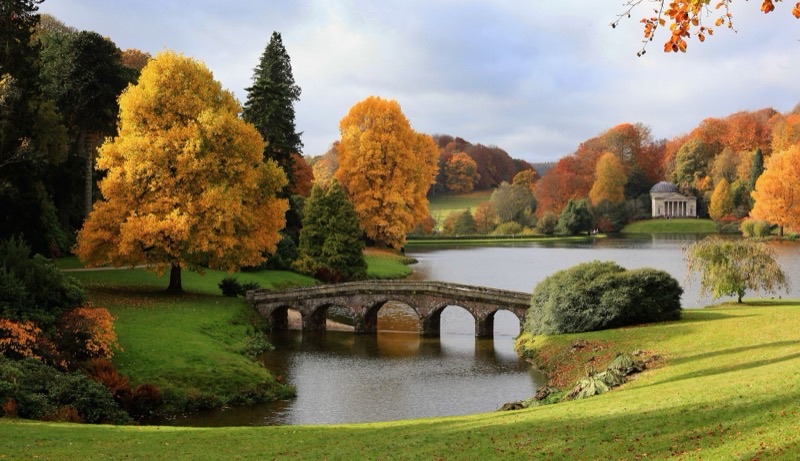
England presents diverse natural spaces, from the gentle, green undulations of the Cotswolds to the craggy fells of the Lake District, where trails range from easy walks around Derwentwater to more challenging ascents of Scafell Pike. The Cornish coast offers dramatic cliffs and sandy coves, popular for surfing and coastal path walking. The Peak District provides a network of hiking and cycling routes. While varied, England's landscapes often feel more manicured and less remote, with settlements frequently visible. Accessibility to many areas is good via public transport or car, though some national parks require a car for extensive exploration.
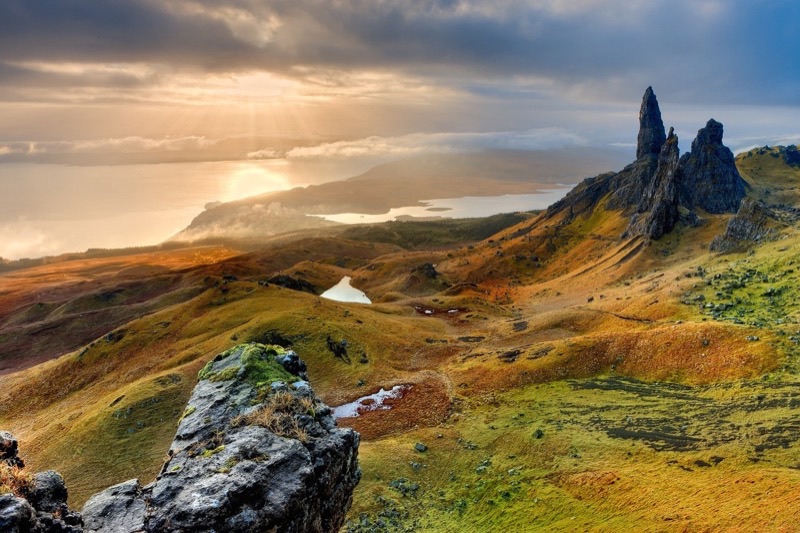
Scotland's natural environment is on a different scale, characterized by the untamed grandeur of the Highlands, the deep, dark waters of Loch Ness, and the stark beauty of Glencoe. The Isle of Skye offers surreal rock formations like the Old Man of Storr and the Quiraing. Hiking opportunities are extensive, from Munros (mountains over 3,000 ft) to coastal paths on the Outer Hebrides. The sense of wilderness is profound, and light pollution is minimal in many areas. However, this beauty often requires dedicated travel, with driving being the most practical way to explore the more remote areas, or joining specific bus tours. Tabiji verdict: Scotland delivers a more profound and expansive natural experience.
- Winner: Scotland
- Why: Scotland's Highlands, lochs, and islands offer a scale of wilderness and dramatic beauty that England, while lovely, cannot match.
- Who this matters for: Hikers, photographers, those seeking solitude, and anyone prioritizing grand, untamed landscapes.
🏛️ Cities & Culture
England's cultural offerings are immense, primarily anchored by London. The city has free museums like the British Museum and National Gallery, world-class theater in the West…
England's cultural offerings are immense, primarily anchored by London. The city has free museums like the British Museum and National Gallery, world-class theater in the West End with tickets from £30 ($38) for matinees, and historical sites such as the Tower of London (£35 / $44). Beyond London, cities like Bath provide Roman history and Georgian architecture (Roman Baths entry £28 / $35), Oxford and Cambridge offer prestigious university atmospheres, and Manchester and Liverpool are renowned for music history and industrial heritage. The sheer density and variety of historical sites, art galleries, and performance venues across England are hard to surpass, offering something for almost any cultural interest.
Scotland's major cities, Edinburgh and Glasgow, offer distinct cultural experiences. Edinburgh's Old Town and Castle (£19.50 / $25) are historical focal points, with a strong festival tradition. The National Museum of Scotland (free entry) provides excellent insights into Scottish history. Glasgow, a UNESCO City of Music, has a thriving live music scene (King Tut's Wah Wah Hut tickets from £15 / $19) and impressive Victorian architecture. While both cities have depth, England's larger population and longer imperial history translate into a broader, more diverse, and globally recognized cultural landscape. Tabiji verdict: England, particularly London, provides a denser and more diverse cultural landscape that appeals to a broader audience.
- Winner: England
- Why: England, led by London, offers a greater concentration and diversity of globally significant museums, historical sites, and cultural events.
- Who this matters for: History buffs, museum enthusiasts, theater-goers, and those who enjoy exploring large, diverse urban environments.
🍽️ Food & Drink
England’s food scene is incredibly diverse, particularly in London, where you can find nearly any cuisine imaginable. Borough Market offers extensive street food and artisan…
England’s food scene is incredibly diverse, particularly in London, where you can find nearly any cuisine imaginable. Borough Market offers extensive street food and artisan products, with meals ranging from £8-£15 ($10-$19). Traditional gastropubs across the country serve elevated British fare, with a classic Sunday roast costing £15-£25 ($19-$32). Indian food is particularly strong, with a quality curry meal for £15-£20 ($19-$25). Beyond London, regional specialties like Cornish pasties (£4-£6 / $5-$8), pork pies, and fish and chips are widely available and well-regarded. The craft beer scene has also exploded, offering numerous local breweries.
Scotland excels in specific areas. Its seafood, especially salmon, scallops, and langoustines, is top-tier. A fresh fish and chips can be found for £10-£15 ($13-$19). Haggis, neeps, and tatties are a classic dish, available in pubs and restaurants for £12-£18 ($15-$23). The whisky industry is central to Scottish identity, with distillery tours typically costing £15-£30 ($19-$38). While cities like Edinburgh and Glasgow have modern dining options, the overall diversity of international cuisine is less pronounced than in England. Tabiji verdict: England offers a more varied and globally influenced culinary landscape, while Scotland provides distinct, high-quality local specialties.
- Winner: England
- Why: England, especially London, offers a far greater diversity of global cuisines and highly developed dining scenes beyond traditional fare.
- Who this matters for: Foodies, those seeking international dining options, and travelers who enjoy exploring varied culinary landscapes.
🚆 Getting Around
England's transport network is robust and extensive. The national rail system connects almost every major town and city, though tickets can be expensive if not booked months in…
England's transport network is robust and extensive. The national rail system connects almost every major town and city, though tickets can be expensive if not booked months in advance (e.g., London to Manchester £25-£80 / $32-$100 return). London's Tube and bus network is efficient, with single contactless fares for the Tube around £2.80 ($3.50) in Zone 1. Regional bus services cover smaller towns. Driving is generally straightforward on well-maintained roads, but traffic in cities can be heavy, and parking expensive (£5-£10 / $6-$13 per hour in central London). For most travelers sticking to cities, public transport is excellent.
Scotland's main cities (Edinburgh, Glasgow, Inverness) are well-connected by ScotRail. However, exploring the Highlands, the Isle of Skye, or other remote areas often necessitates renting a car (from £40 / $50 per day) or joining organized bus tours (£50-£100 / $63-$126 for a day trip). Roads in the Highlands can be narrow and winding. City public transport, like Edinburgh's Lothian Buses, is efficient and covers most areas, with single fares at £1.80 ($2.30). The sparse population density outside central belt means public transport to remote areas is infrequent. Tabiji verdict: England's comprehensive public transport network makes independent city-hopping significantly easier and less reliant on driving.
- Winner: England
- Why: England offers a denser, more comprehensive, and easier-to-navigate public transport network, reducing the need for a rental car.
- Who this matters for: Travelers who prefer public transport, don't want to drive, and plan to visit multiple cities.
🛌 Accommodation
Accommodation in England varies widely by location. London is the most expensive, with budget hotel rooms often £150-£250 ($190-$315) per night, and even hostels in central areas…
Accommodation in England varies widely by location. London is the most expensive, with budget hotel rooms often £150-£250 ($190-$315) per night, and even hostels in central areas can be £50-£80 ($63-$100) for a dorm bed. Outside London, a decent hotel in a city like Manchester or Bristol might be £80-£150 ($100-$190), and hostels £25-£45 ($32-$57). Rural B&Bs and guesthouses are common, typically £70-£120 ($88-$150). Booking well in advance is essential, especially for popular periods, to secure reasonable prices.
Scotland generally offers better accommodation value. In Edinburgh, a mid-range hotel outside festival season is typically £100-£200 ($126-$250), with hostel dorms £30-£55 ($38-$70). Glasgow usually presents even better value. In the Highlands, traditional B&Bs and guesthouses are prevalent, often costing £80-£150 ($100-$190) per night, sometimes including breakfast. Unique options like castle stays or remote cottages are also available. The availability of independent guesthouses in smaller towns means finding comfortable, well-priced lodging is often simpler outside the major cities. Tabiji verdict: Scotland provides more consistent value and character in its accommodation options.
- Winner: Scotland
- Why: Scotland generally offers better value accommodation options and a broader selection of charming independent guesthouses outside its capital.
- Who this matters for: Budget-conscious travelers, those seeking characterful stays, and travelers venturing outside major urban centers.
🍻 Nightlife
England’s nightlife is dominated by London, which offers an unparalleled range of options, from historic pubs in Soho to world-renowned clubs like Fabric or Ministry of Sound…
England’s nightlife is dominated by London, which offers an unparalleled range of options, from historic pubs in Soho to world-renowned clubs like Fabric or Ministry of Sound (entry fees £15-£40 / $19-$50). West End theater offers evening entertainment, and there are numerous cocktail bars, jazz clubs, and live music venues. Manchester has a strong independent music scene and numerous bars in the Northern Quarter. Brighton is known for its energetic seafront clubs. Drink prices can be high, especially in London, with a pint of beer typically £5-£7 ($6-$9).
Scotland's nightlife is excellent but on a smaller scale. Glasgow is recognized as a UNESCO City of Music, with a thriving live music scene (King Tut's Wah Wah Hut, O2 Academy). Edinburgh has a wealth of traditional pubs, many with live folk music, particularly in the Old Town. Pub crawls and popular ghost tours are common evening activities (tours from £15 / $19). Drink prices are generally a bit lower than London, with a pint averaging £4-£6 ($5-$8). While both countries offer plenty of ways to spend an evening, England’s larger cities simply provide a greater variety and scale of nightlife options. Tabiji verdict: England offers a more extensive and diverse nightlife, catering to a wider range of preferences.
- Winner: England
- Why: England, especially London and Manchester, has a larger, more varied, and globally recognized nightlife scene for diverse tastes.
- Who this matters for: Party-goers, club enthusiasts, live music fans, and those seeking extensive late-night entertainment options.
🗺️ Day Trips
England offers a wealth of convenient day trips from its major cities. From London, you can reach historical Windsor Castle (£30 / $38), the ancient stones of Stonehenge (tour…
England offers a wealth of convenient day trips from its major cities. From London, you can reach historical Windsor Castle (£30 / $38), the ancient stones of Stonehenge (tour from £70 / $88), the Roman Baths in Bath (£28 / $35), or the academic cities of Oxford and Cambridge, all within 1-2 hours by train. Coastal Brighton is also an easy train ride away. The density of attractions and the efficiency of the rail network make spontaneous day trips very feasible. Many tours consolidate multiple sites, providing easy logistics for those without a car.
Scotland's day trip options are also appealing but often require more time or reliance on tours. From Edinburgh or Glasgow, popular day trips include Stirling Castle (£17.50 / $22), Loch Lomond & The Trossachs National Park, or whisky distilleries in Speyside. Visiting the Isle of Skye or Loch Ness as a day trip typically means a very long bus tour (e.g., 12+ hours for Skye from Edinburgh, from £70 / $88) or a dedicated multi-day itinerary. While the destinations are spectacular, the travel logistics are more involved. Tabiji verdict: England offers a higher density of easily accessible and diverse day trip options from its major hubs.
- Winner: England
- Why: England provides a greater number of historical, cultural, and scenic day trip destinations that are easily accessible by public transport from major cities.
- Who this matters for: Travelers basing themselves in one city, those without a car, and those who enjoy quick, varied excursions.
☀️ Weather & Seasons
England's weather is famously variable but generally milder than Scotland's. London experiences average summer temperatures of 18-22°C (64-72°F) and winter temperatures of 3-8°C…
England's weather is famously variable but generally milder than Scotland's. London experiences average summer temperatures of 18-22°C (64-72°F) and winter temperatures of 3-8°C (37-46°F). The south of England, particularly areas like Cornwall, enjoys a temperate climate with some of the highest sunshine hours. Rain is distributed throughout the year, so carrying an umbrella is always sensible. Spring (April-May) and Autumn (September-October) offer pleasant temperatures and fewer crowds, making them excellent times to visit. Summers can be warm, but heatwaves are less frequent than in continental Europe.
Scotland's weather is more dramatic and often less predictable. Summers in Edinburgh average 15-19°C (59-66°F), while winters are colder, typically 0-5°C (32-41°F), with snow more common, especially in the Highlands. Rain is a constant companion, and strong winds are frequent. The infamous midges (small biting insects) can be a significant nuisance in the Highlands from late spring to early autumn, requiring repellent. While the moody weather can add to the drama of the landscape, it also means a higher chance of outdoor activities being impacted. Tabiji verdict: England's slightly milder and more predictable climate offers a more comfortable travel experience for most, with fewer specific seasonal inconveniences.
- Winner: England
- Why: England typically experiences milder temperatures and generally less extreme weather, making travel slightly more comfortable and predictable across seasons.
- Who this matters for: Travelers sensitive to cold, those planning extensive outdoor activities, and those who prefer milder conditions.
🚶♀️ Solo Travel
England is a safe and accessible country for solo travelers. London, in particular, has a huge number of hostels (£40-£70 / $50-$90) and is easy to navigate independently using…
England is a safe and accessible country for solo travelers. London, in particular, has a huge number of hostels (£40-£70 / $50-$90) and is easy to navigate independently using the Tube and buses. You can join walking tours, pub crawls, and meet people in hostels or at attractions. Outside London, smaller cities also have hostel options, but the density of social opportunities might be lower. Dining alone is common and accepted. Public transport makes moving between cities simple, and overall safety is high, though standard city precautions apply.
Scotland is exceptionally welcoming for solo travelers. Its smaller scale and the prevalence of organized tours, particularly into the Highlands, create easy opportunities to meet other travelers. Hostels in Edinburgh and Glasgow (from £30 / $38) have active social scenes. Locals are often described as friendly and approachable, making it easier to strike up conversations in pubs. While London offers more sheer numbers of people, Scotland's atmosphere often feels more conducive to genuine connections, especially outside the capital. Safety is very high across the country. Tabiji verdict: Scotland's friendly atmosphere and tour-based exploration often facilitate easier social connections for solo travelers.
- Winner: Scotland
- Why: Scotland's smaller cities, prevalence of social tours, and generally friendly locals often make it easier for solo travelers to connect with others.
- Who this matters for: Solo travelers looking to easily meet people, join group excursions, and experience a welcoming atmosphere.
🎯 The Decision Framework
Choose England If…
- You want unparalleled access to world-class museums and galleries, many with free entry.
- You plan to see multiple West End shows or experience London's diverse theater scene.
- You desire a vast range of international culinary options and high-end dining.
- You prefer to navigate solely by extensive public transport and avoid driving.
- You seek historical sites like Stonehenge, Windsor Castle, and Roman Baths within easy day-trip reach of a major hub.
- You enjoy the energy of large, diverse global cities and extensive nightlife.
- You are traveling during colder months and prefer slightly milder weather conditions.
- You are interested in specific cultural events like Wimbledon or Notting Hill Carnival.
Choose Scotland If…
- You prioritize dramatic, untamed natural landscapes, including lochs, glens, and mountains.
- You are keen on exploring whisky distilleries and understanding Scotch production.
- You want a strong sense of unique national identity and ancient history (castles, clans).
- You are comfortable driving to access more remote, scenic areas.
- You are a hiker or outdoor enthusiast looking for extensive trails and wilderness.
- You prefer a slightly lower overall travel budget, especially for accommodation outside peak times.
- You enjoy traditional pub culture and folk music in a friendly atmosphere.
- You are a solo traveler seeking easy social connections on tours and in welcoming cities.
❓ Frequently Asked Questions
What's the typical flight time between the US and England or Scotland?
Direct flights from major US East Coast cities like New York to London (Heathrow) take approximately 6.5-7 hours. Flights to Edinburgh or Glasgow are often similar, sometimes requiring a layover, but direct options are available, typically 7-7.5 hours from the East Coast. From the West Coast, expect 9-11 hours, usually with a stop.
Is it easy to combine a trip to England and Scotland?
Yes, it's very straightforward. A direct train from London to Edinburgh takes about 4.5-5 hours and costs roughly £40-£100 ($50-$126) if booked in advance. Many travelers combine a few days in London with a week or more in Scotland. Consider flying into one city (e.g., London) and out of another (e.g., Edinburgh) to save time.
When is the best time of year to visit England vs Scotland?
For England, late spring (April-May) and early autumn (September-October) offer pleasant weather, fewer crowds, and good light. For Scotland, late spring to early autumn (May-September) is best for accessing the Highlands and avoiding the worst of the cold, though midges can be present from late May to early September. July and August are peak tourist seasons for both.
How many days should I spend in each country?
For a focused trip, 5-7 days in London allows for major sights. For England overall, 7-10 days is good. For Scotland, 7-10 days allows for Edinburgh, Glasgow, and a taste of the Highlands. If combining both, plan at least 10-14 days to avoid feeling rushed, spending 4-5 days in London and 6-9 days in Scotland.
Are both countries safe for travelers?
Yes, both England and Scotland are very safe for travelers. Standard precautions apply in major cities, like being aware of your surroundings and belongings in crowded areas. Violent crime is rare against tourists. Emergency services are reliable. Solo female travelers generally report feeling secure in both nations.
What's the main difference in local experiences?
England, particularly London, feels more international and fast-paced, with a focus on global culture and diverse urban offerings. Scotland offers a stronger sense of local identity, with more emphasis on its unique history, folklore, and dramatic natural environment. You'll find more traditional pubs and a slower pace outside its major cities.
Do I need to rent a car in England or Scotland?
In England, a car is not necessary if you stick to major cities, as public transport is excellent. It can be useful for exploring rural areas like the Cotswolds or Lake District. In Scotland, a car is highly recommended for exploring the Highlands and remote islands due to limited public transport, though bus tours are an alternative.
What are the common misconceptions about visiting?
A common misconception is that all UK food is bland; both countries have excellent dining, especially in cities. Another is that the weather is always terrible; while rain is frequent, sunny days are common, and the landscape benefits from it. Finally, that 'the UK is just England'; Scotland offers a distinct and different cultural and natural experience.
Ready to plan your UK trip?
Know the tourist scams before you go — documented from real traveler reports.