
How we built this comparison
This page combines traveler discussion patterns, published price ranges, flight schedules, and seasonal data to help you decide between England and Spain.
- Reviewed Reddit threads from r/travel, r/solotravel, r/EnglandTravel, r/SpainTravel, r/London, r/Barcelona, and related subreddits.
- Verified costs and logistics against current booking platforms like Google Flights, Booking.com, Rail Europe, and local attraction websites.
- Cross-referenced seasonal patterns and weather data from meteorological sources for accurate climate comparisons.

⚡ Quick Answers
⚡ The TL;DR Verdict
For most travelers seeking a balance of culture, sun, and reasonable costs, Spain is the stronger choice. Its efficient public transport, diverse regions, and generally lower daily expenses make it more accessible and enjoyable. England offers deep history and iconic cities, but at a higher price point and with less reliable weather.
- Choose England: You want historic cities, literary connections, afternoon tea, and are prepared for higher costs and variable weather. You value museums and traditional pub culture.
- Choose Spain: You prefer sunny beaches, city life, late-night tapas, flamenco, and a more budget-friendly experience. You want diverse landscapes and readily available outdoor activities.
- Choose Both: To experience both cultures, plan at least two weeks (7-10 days per country) allowing for a London-centric England trip and a focus on one or two Spanish regions like Andalusia or Catalonia.
Choose England
Choose England if you're a history enthusiast or a culture vulture drawn to iconic institutions like the British Museum and West End theatre. Best for travelers who appreciate charming historic towns, traditional pub culture, and afternoon tea, and are prepared for a higher budget and often unpredictable weather. Embrace the rich literary heritage and sophisticated urban experiences.
Choose Spain
Spain is ideal for sun-seekers, foodies, and those craving nightlife and a more relaxed pace. Best for travelers keen on late-night tapas in Seville, exploring Barcelona's Gothic Quarter, or enjoying the diverse beaches and mountains without breaking the bank. Expect an energetic atmosphere and excellent value, ideal for a dynamic, budget-friendly escape.
📊 Visual Scorecard
🌤 When to Visit
Average high temperatures (°C). Green = best months, orange = avoid.
Quick Comparison
| Category | England | Spain | Winner |
|---|---|---|---|
| Costs & Budget | Higher daily budget needed, especially in London. Accommodation, food, and transport are generally more expensive. | More budget-friendly across most categories, allowing for longer trips or more activities for the same spend. | Spain |
| Food & Drink | Pub culture, diverse international cuisine in cities, traditional roasts, fish and chips. Drink prices are high. | Tapas culture, regional paellas, fresh seafood, excellent wine, and late-night dining. Very social and affordable. | Spain |
| Culture & History | Deep history from Roman to modern, excellent museums (many free), castles, literary heritage. | Roman, Moorish, and Christian influences, flamenco, bullfighting, Gaudi architecture, and diverse regional traditions. | England |
| Nightlife | Pubs, bars, clubs in major cities, live music venues, theatre. Earlier closing times than Spain. | Late-night dining, tapas bars, discotecas, flamenco shows, beach clubs. Very social and energetic. | Spain |
| Getting There | Major international hubs like London Heathrow (LHR) and Gatwick (LGW). Direct flights from many global cities. | Well-connected with major airports in Madrid (MAD), Barcelona (BCN), and other cities. Good low-cost carrier options. | Tie |
| Getting Around | Extensive, but expensive, rail network. Excellent London Underground. Driving can be challenging. | Efficient and affordable high-speed rail. Good public transport in cities. Driving is generally easier outside cities. | Spain |
| Accommodation | Higher prices, especially in London. Variety from hostels to luxury hotels. Boutique B&Bs are common. | More affordable options across all categories. Paradores (historic hotels) and charming boutique hotels are a highlight. | Spain |
| Weather & Seasons | Cooler temperatures, frequent rain year-round, mild summers. Best in late spring/early autumn. | Hot, dry summers; mild, pleasant winters. Regional variations, with north being wetter, south hotter. | Spain |
| Nature & Outdoors | Rolling green hills, national parks (Lake District, Peak District), dramatic coastlines, hiking opportunities. | Diverse landscapes from Pyrenees mountains to Mediterranean beaches, volcanic islands, deserts, and extensive national parks. | Spain |
| Safety | Generally safe, low violent crime. Pickpocketing in crowded tourist areas of London. Road safety is high. | Generally safe, but petty crime (pickpocketing, bag snatching) is common in tourist areas, especially Barcelona and Madrid. | England |
💰 Costs & Budget
England is notably more expensive for the average traveler. In London, a budget traveler should expect to spend £70-100 ($89-127) per day, covering hostel accommodation (£30-50 /…
England is notably more expensive for the average traveler. In London, a budget traveler should expect to spend £70-100 ($89-127) per day, covering hostel accommodation (£30-50 / $38-63), basic meals (£25-40 / $32-51), and transport (Oyster card £10-15 / $13-19). Outside London, costs decrease slightly, but a modest hotel in a city like Manchester or Edinburgh might still run £80-120 ($102-152) per night. Activities such as West End theatre tickets can easily add £50-100 ($63-127) per person.
Spain offers a more accessible price point. A budget traveler can manage on €50-80 ($54-86) per day in cities like Seville or Valencia, including hostel beds (€20-35 / $22-38), tapas and drinks (€20-30 / $22-32), and local transport (€5-10 / $5.40-11). Even in Barcelona or Madrid, daily budgets can stay within €80-120 ($86-130) with careful planning. Mid-range hotels are often available for €70-100 ($76-108) per night. This difference means more extended travel or a higher standard of living is possible in Spain for less money. Spain is the clear winner for budget-conscious explorers.
- Winner: Spain
- Why: Spain provides a significantly lower cost of living and travel, making it more accessible for a wider range of budgets.
- Who this matters for: Budget travelers, long-term backpackers, and anyone wanting to maximize their travel spend.
🍔 Food & Drink

England excels in its pub culture, offering a social core for communities and a place to enjoy traditional fare like Sunday roast or fish and chips. A typical pub meal costs…
England excels in its pub culture, offering a social core for communities and a place to enjoy traditional fare like Sunday roast or fish and chips. A typical pub meal costs around £15-20 ($19-25) with a pint of beer at £5-7 ($6-9). London especially has a remarkable international food scene, from authentic curry houses in Brick Lane (a main course for £12-18 / $15-23) to Borough Market with its diverse street food options (£8-15 / $10-19). However, outside major cities, culinary innovation can be less common, and dining out can quickly become expensive, especially with drinks.
Spain lives and breathes food as a social activity. The tapas culture is central, allowing for sampling many small dishes (each €3-5 / $3.20-5.40) and sharing. Paella, particularly in Valencia, and fresh seafood along the coasts are highlights, with a generous portion of paella costing €15-25 ($16-27). Spanish wine is affordable and high-quality, often just a few euros for a glass. Markets like La Boqueria in Barcelona or Mercado de San Miguel in Madrid offer a sensory experience with fresh produce, cured meats like Jamón Ibérico, and ready-to-eat snacks. Dinner often starts late, after 9 PM, fostering a prolonged dining experience. Spain offers a more consistently exciting and affordable culinary experience. Spain wins for its everyday dining quality and social food scene.
- Winner: Spain
- Why: Spain offers a more integrated and affordable food culture with tapas, excellent regional dishes, and wine.
- Who this matters for: Foodies, social eaters, and those who appreciate fresh, regional ingredients and late-night dining.
🏛️ Culture & History
England is a treasure chest of history, from the ancient Roman baths in Bath (£25 / $32 entry) to the medieval Tower of London (£35 / $44). Its literary heritage is vast, with…
England is a treasure chest of history, from the ancient Roman baths in Bath (£25 / $32 entry) to the medieval Tower of London (£35 / $44). Its literary heritage is vast, with Stratford-upon-Avon, Shakespeare's birthplace, offering immersive experiences. London alone houses major institutions like the British Museum and National Gallery, both free to enter, showcasing human history and art on a grand scale. The country is dotted with impressive cathedrals, stately homes, and sites like Stonehenge (entry £23 / $29). The cultural narrative often involves monarchy, empire, and industrial innovation, providing a coherent and deeply ingrained sense of national identity.
Spain presents a mosaic of cultures shaped by centuries of Roman, Moorish, and Christian rule, most visible in Andalusia with the Alhambra in Granada (€19 / $21 entry) and the Mezquita in Cordoba (€13 / $14). Gaudi's modernist architecture in Barcelona, especially Sagrada Familia (€33 / $36 entry), stands as a unique artistic expression. Flamenco dance and music, particularly in Seville, offer an emotional and powerful cultural spectacle (show tickets €20-40 / $22-43). Spain also has a strong regional identity, with distinct languages and customs in Catalonia, Basque Country, and Galicia. While Spain offers incredible diversity, England's free major museums, pervasive historical sites, and strong literary tradition edge it out for sheer depth and accessibility of its historical narrative. England takes this category for its accessible historical institutions and continuous historical narrative.
- Winner: England
- Why: England offers a more concentrated and often free access to museums and historical sites, with a deep, continuous historical narrative.
- Who this matters for: History buffs, museum enthusiasts, literary travelers, and those interested in monarchy and empire.
🍻 Nightlife
England's nightlife primarily revolves around its pubs, which serve as community hubs and often close around 11 PM or midnight outside of London. London itself has a more…
England's nightlife primarily revolves around its pubs, which serve as community hubs and often close around 11 PM or midnight outside of London. London itself has a more extensive club scene, particularly in areas like Shoreditch or Soho, with entry fees ranging from £10-25 ($13-32) and drinks being expensive (£8-15 / $10-19 for a cocktail). Live music venues, from intimate gigs to major concerts, are plentiful. Theatre, especially the West End, is a significant part of the evening entertainment, offering high-quality productions. However, compared to Spain, the pace is generally earlier and less focused on extended late-night revelry.
Spain comes alive after dark. Dinner often starts around 9 PM, leading seamlessly into drinks at tapas bars (a glass of wine or beer €2-4 / $2.20-4.30). Cities like Madrid, Barcelona, and Valencia boast discotecas that stay open until 6 or 7 AM, with entry fees typically €10-25 ($11-27), often including a drink. The social aspect is key, with plazas and streets remaining animated late into the night. Flamenco shows offer a cultural and passionate evening experience, while coastal areas and islands like Ibiza are famous for their beach clubs and electronic music scene. The energy and duration of Spanish nightlife are superior. Spain wins for its late-night energy, diverse options, and pervasive social atmosphere.
- Winner: Spain
- Why: Spain offers a later, more energetic, and more diverse nightlife experience that caters to all tastes.
- Who this matters for: Party-goers, social butterflies, and those who enjoy late-night entertainment and dining.
✈️ Getting There
England is exceptionally well-connected internationally, primarily through London's Heathrow (LHR) and Gatwick (LGW) airports, which handle millions of passengers annually. These…
England is exceptionally well-connected internationally, primarily through London's Heathrow (LHR) and Gatwick (LGW) airports, which handle millions of passengers annually. These airports serve as major global hubs, offering direct flights from nearly every continent. For example, a direct flight from New York (JFK) to London (LHR) typically takes around 7 hours, with prices ranging from $600-1000 return. Other regional airports like Manchester (MAN) and Edinburgh (EDI) also have good international links, especially within Europe. Availability of flights and competitive pricing depend heavily on booking in advance and seasonality, but options are plentiful across various carriers, including premium and budget airlines.
Spain also has excellent international connectivity, with major hubs in Madrid (MAD) and Barcelona (BCN) offering extensive direct routes. From New York (JFK) to Madrid (MAD), a direct flight also takes about 7 hours, with similar price ranges of $600-1000 return. Spain is particularly well-served by European low-cost carriers like Ryanair and EasyJet, making internal and intra-European travel very affordable. This connectivity extends to popular destinations like Malaga (AGP) and Seville (SVQ), which also receive direct flights from numerous European cities. Both countries offer robust international access, making the decision here a tie based on individual starting points and specific flight deals. Both destinations are easily accessible from most major international hubs.
- Winner: Tie
- Why: Both countries offer excellent international flight connectivity and multiple major airport hubs, making access straightforward from most global locations.
- Who this matters for: International travelers, those seeking convenient direct flight options.
🚆 Getting Around
England possesses an extensive rail network connecting most major cities and towns. However, train tickets are notoriously expensive, especially when booked last minute. A peak…
England possesses an extensive rail network connecting most major cities and towns. However, train tickets are notoriously expensive, especially when booked last minute. A peak return ticket from London to Manchester can cost £80-150 ($102-190). The London Underground (the Tube) is efficient for city travel but can be crowded, with a single journey costing around £2.80-6.70 ($3.50-8.50) depending on zones. Buses are also widely available. Driving in England can be tricky due to narrow roads, heavy traffic, and the need to drive on the left, plus high fuel costs and parking fees. Within cities, walking and public transport are the best options.
Spain offers an excellent and much more affordable public transport system. The high-speed AVE train network is efficient, connecting major cities like Madrid, Barcelona, and Seville in just a few hours. A ticket from Madrid to Barcelona can be found for €40-80 ($43-86) if booked in advance. City public transport, including metro and bus systems in Madrid and Barcelona, is extensive and reasonably priced, with a single metro ticket around €1.50-2.50 ($1.60-2.70). Driving in Spain is generally easier than in England, with well-maintained motorways and more straightforward navigation, although city parking can be a challenge. Fuel prices are comparable. Spain wins due to its more affordable and efficient intercity rail network and generally less stressful driving conditions. Spain wins for its superior and more affordable public transportation network.
- Winner: Spain
- Why: Spain's high-speed rail network is more affordable and efficient, and driving conditions are generally less stressful.
- Who this matters for: Travelers planning to visit multiple cities, budget-conscious travelers, and those considering renting a car.
🏨 Accommodation
Accommodation in England, particularly London, is a significant part of the travel budget. A decent hostel bed in London can cost £30-60 ($38-76) per night. Mid-range hotels in…
Accommodation in England, particularly London, is a significant part of the travel budget. A decent hostel bed in London can cost £30-60 ($38-76) per night. Mid-range hotels in the capital typically start from £120-200 ($152-254) per night. Outside London, prices drop, but a standard hotel room in a city like Bath or York might still be £80-150 ($102-190). Boutique B&Bs in rural areas or smaller towns offer character but can also be expensive. Options range from historic country estates to modern city apartments, but value for money is often a challenge.
Spain offers significantly better value for accommodation. Hostels in major cities like Seville or Valencia can be found for €18-30 ($19-32) per night. Mid-range hotels often cost €70-120 ($76-130) per night, even in popular areas of Madrid or Barcelona, often including breakfast. A unique feature of Spain is its 'Paradores' – a network of luxury hotels set in historic buildings like castles, monasteries, or palaces, offering a special experience for around €150-300 ($162-324) per night, which is still competitive with standard hotels in England. The variety and affordability across all tiers make Spain a clear winner here. Spain provides more affordable and higher-value accommodation choices across all categories.
- Winner: Spain
- Why: Spain consistently offers more affordable accommodation options, from hostels to mid-range hotels, with better value for money.
- Who this matters for: Budget travelers, those looking for better value for their money, and anyone seeking unique lodging experiences like Paradores.
☀️ Weather & Seasons
England is known for its temperate climate, which often translates to cooler temperatures and frequent rainfall throughout the year. Summers (June-August) are mild, with average…
England is known for its temperate climate, which often translates to cooler temperatures and frequent rainfall throughout the year. Summers (June-August) are mild, with average highs around 18-22°C (64-72°F) in London, but rain is always possible. Winters (December-February) are cold and damp, with averages around 2-7°C (36-45°F), and snow is infrequent in most lowland areas. Spring (April-May) and autumn (September-October) offer the most pleasant conditions for travel, with milder temperatures and slightly less rain. Travelers need to be prepared for all types of weather, often within the same day, regardless of the season.
Spain presents a far more appealing climate for many travelers. Its summers (June-August) are generally hot and dry, especially in the south (Andalusia), where temperatures can reach 35-40°C (95-104°F). This is ideal for beach holidays but can be intense for city sightseeing. Winters are mild and sunny in the south, with averages of 10-15°C (50-59°F), making it a popular winter sun destination. The northern coast has a more temperate, Atlantic climate, similar to parts of England but generally warmer. Spring and autumn are almost universally pleasant across the country, offering warm days ideal for exploration without the intense summer heat. Spain's more reliable sunshine and warmer temperatures make it a more predictable and generally more enjoyable choice for weather. Spain wins for its reliably warmer and sunnier weather, particularly during spring, autumn, and winter.
- Winner: Spain
- Why: Spain offers more reliable sunshine, warmer temperatures, and diverse climate zones catering to different preferences year-round.
- Who this matters for: Sun-seekers, those sensitive to cold or rain, and travelers looking for extended pleasant weather.
🌳 Nature & Outdoors
England offers a classic pastoral landscape of rolling green hills, ancient woodlands, and dramatic coastlines. Its National Parks, like the Lake District, provide stunning…
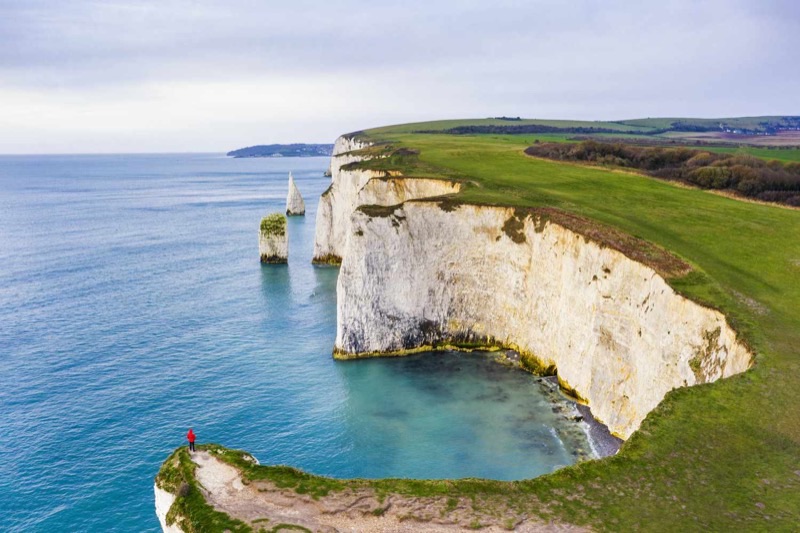
England offers a classic pastoral landscape of rolling green hills, ancient woodlands, and dramatic coastlines. Its National Parks, like the Lake District, provide stunning scenery for hiking, boating, and exploring quaint villages. The Peak District is another popular area for walking and cycling. The Jurassic Coast in the southwest offers geological wonders and fossil hunting opportunities. While beautiful, many of these areas can be quite crowded, especially during peak season, and the weather can quickly change, limiting outdoor activity. Activities like hiking in the Yorkshire Dales offer a serene experience but require appropriate gear.
Spain has an incredible range of natural environments. From the rugged peaks of the Pyrenees and Picos de Europa for serious hiking and skiing, to the extensive golden beaches of the Mediterranean and Atlantic coasts for swimming and sunbathing. Andalusia features semi-arid deserts, while the Canary Islands offer a unique volcanic landscape and year-round outdoor sports like surfing and hiking. National parks like Doñana (a major wetland reserve) and Sierra Nevada offer diverse ecosystems and activities. The sheer variety, scale, and generally more favorable weather for outdoor pursuits give Spain an edge. Spain provides a far greater diversity of landscapes and outdoor activities, from mountains to beaches.
- Winner: Spain
- Why: Spain offers a broader range of natural environments, from high mountains and deserts to extensive coastlines and volcanic islands, with more consistent good weather for outdoor pursuits.
- Who this matters for: Adventure seekers, hikers, beach lovers, and those looking for diverse natural landscapes.
🔒 Safety
England is a generally safe country for travelers, with low rates of violent crime. Major cities like London do experience petty crime, such as pickpocketing and bag snatching,…
England is a generally safe country for travelers, with low rates of violent crime. Major cities like London do experience petty crime, such as pickpocketing and bag snatching, particularly in crowded tourist areas like Oxford Street, Borough Market, or on the Tube. Vigilance in these areas is advised, but serious incidents are rare. Emergency services are reliable and responsive. Road safety standards are high, though driving can be challenging due to narrow roads and dense traffic. Overall, travelers can feel secure exploring England, even when traveling solo, provided they exercise standard precautions, especially with belongings.
Spain is also a safe country overall, but it has a higher prevalence of petty crime affecting tourists. Pickpocketing and bag snatching are unfortunately common in crowded areas of major cities like Barcelona (Las Ramblas, Gothic Quarter) and Madrid (Puerta del Sol, El Rastro market), as well as on public transport. Travelers should be particularly cautious and aware of their surroundings, avoiding keeping valuables in easily accessible pockets. While violent crime is rare, these common petty offenses can significantly impact a trip. Emergency services are effective. Rural areas are generally very safe. England edges out Spain due to a lower reported incidence of these common tourist-targeted petty crimes. England is marginally safer due to lower rates of petty crime targeting tourists in major cities.
- Winner: England
- Why: England generally experiences a lower incidence of petty crime, such as pickpocketing, directly targeting tourists compared to Spain's major tourist hubs.
- Who this matters for: Solo travelers, families with children, and those who prioritize a very low risk of petty theft.
🛡 Dig deeper: Spain health guide
🎯 The Decision Framework
Choose England If…
- You want to explore ancient castles and royal palaces.
- You love visiting free, excellent museums like the British Museum.
- You enjoy the social atmosphere of a traditional pub.
- You are interested in literary history from Shakespeare to modern authors.
- You are comfortable with cooler, more unpredictable weather.
- You want to see iconic landmarks like Big Ben and the Tower of London.
- You prefer to drive on the left side of the road.
- You want afternoon tea and classic British charm.
Choose Spain If…
- You crave reliable sunshine and warmer temperatures.
- You want to spend less money on daily expenses, food, and accommodation.
- You love tapas, late-night dining, and an active social scene.
- You want to experience diverse landscapes from mountains to beaches.
- You plan to use an efficient and affordable high-speed rail network.
- You are interested in Moorish architecture and flamenco culture.
- You enjoy relaxing on Mediterranean beaches or exploring volcanic islands.
- You prefer a more relaxed pace and a focus on outdoor living.
❓ Frequently Asked Questions
Which country is more budget-friendly for a two-week trip?
Spain is significantly more budget-friendly. For a two-week trip, a mid-range budget in Spain might be around €1400-2000 ($1500-2200) per person, excluding flights. In England, a similar trip would likely cost £2000-3000 ($2500-3800), especially with time spent in London.
What is the typical flight time from the East Coast US to each country?
Direct flights from major East Coast US cities like New York to London (LHR) or Madrid (MAD) are typically around 7 hours. Both countries offer similar flight durations and connectivity from this region.
Which has better food for a vegetarian traveler?
Spain offers a good variety of fresh produce, and many tapas dishes are vegetarian (e.g., patatas bravas, pimientos de padrón). However, England, especially London, has a more developed and diverse vegetarian and vegan restaurant scene, making it easier to find dedicated options.
Is public transport easy to use in both England and Spain?
Yes, both countries have excellent public transport. England has its extensive (though pricey) rail network and the efficient London Underground. Spain has an impressive and affordable high-speed AVE train system connecting major cities, along with good metro and bus networks in urban areas.
Which country is better for a beach vacation?
Spain is unequivocally better for a beach vacation. It offers thousands of kilometers of coastline along the Mediterranean and Atlantic, with diverse beaches, warmer waters, and more consistent sunshine, particularly in regions like Andalusia, Valencia, and the Canary Islands.
Can I visit both countries in one trip?
Yes, absolutely. With direct flights between London and major Spanish cities (e.g., London to Madrid in about 2.5 hours), it is feasible to combine both. For a meaningful experience, plan at least 7-10 days for each country to avoid feeling rushed.
What is the best time of year to visit each for pleasant weather?
For England, late spring (May-June) and early autumn (September-October) offer the mildest temperatures and less rain. For Spain, spring (April-May) and autumn (September-October) provide warm, sunny weather ideal for sightseeing without the intense summer heat.
Which country is more suitable for solo female travelers?
Both countries are generally safe for solo female travelers. England might feel slightly more secure due to lower rates of petty theft targeting tourists. However, with standard precautions and awareness of surroundings, solo female travelers can have rewarding experiences in both nations.
Ready to plan your European trip?
Know the tourist scams before you go — documented from real traveler reports.