How we built this comparison
This page combines traveler discussion patterns, published price ranges, flight schedules, and seasonal data to help you decide between England and Sweden.
- Reviewed 100+ Reddit threads from r/travel, r/solotravel, r/EnglandTravel, r/sweden, r/AskUK, r/VisitingSweden.
- Verified costs and logistics against current booking platforms like Google Flights, Booking.com, and local transport sites.
- Cross-referenced seasonal patterns and weather data from meteorological sources for accurate travel timing advice.
⚡ Quick Answers
⚡ The TL;DR Verdict
England is the better choice for most travelers seeking historical depth, diverse city experiences, and a more budget-friendly trip outside London. Daily costs can range from $80-$150. Sweden suits those prioritizing clean, expansive nature, modern design, and are prepared for higher expenses, typically $120-$200 per day. If you have limited time and a moderate budget, pick England.
- Choose England: Go for ancient history, varied city life from London to Manchester, charming rural areas like the Cotswolds, and a more social pub culture. Expect easier movement between places and generally lower costs for food and transport than Sweden.
- Choose Sweden: Choose Sweden for expansive natural landscapes like the Stockholm archipelago, pristine forests, the chance to see the Northern Lights in Lapland, and a focus on design and outdoor activities. It is a good fit for those who appreciate quiet and cleanliness and dont mind paying more.
- Choose Both: If you have at least 3 weeks and a generous budget, consider visiting both to experience Englands historical weight and Swedens modern natural focus. Start in England, then fly to Sweden for a contrast in scenery and pace.
Choose England
Choose England if you're a history enthusiast or city explorer yearning for ancient castles and vibrant urban culture. It's best for those who love diverse experiences, from London's West End shows to the Roman Baths, and enjoy a lively pub scene. Expect a generally more budget-friendly trip outside the capital, making it ideal for a moderate budget.
Choose Sweden
Opt for Sweden if pristine nature, sleek modern design, and a tranquil escape are your top priorities. It's best for adventurers eager to explore the Stockholm archipelago, hike through vast forests, or witness the Northern Lights in Lapland. Be prepared for a higher daily budget, as this destination truly excels in offering quality and serenity.
📊 Visual Scorecard
🌤 When to Visit
Average high temperatures (°C). Green = best months, orange = avoid.
Quick Comparison
| Category | England | Sweden | Winner |
|---|---|---|---|
| Costs & Budget | London is expensive, but outside the capital, England offers reasonable prices for accommodation and food. Public transport can be high. | Sweden consistently has higher prices across the board for dining, accommodation, and alcohol. Stockholm rivals London in cost. | England |
| Food & Drink | Pub culture, diverse London food scene, excellent gastropubs across the country. Traditional dishes are hearty. | Focus on fresh, seasonal Nordic ingredients. Fika (coffee and pastry) is a central social ritual. Seafood is prominent. | England |
| Nature & Scenery | Rolling hills, dramatic coastlines, national parks like the Lake District and Peak District. Less wild than Sweden. | Expansive forests, thousands of lakes, archipelagos, Arctic landscapes with chances for Northern Lights. Wilderness focus. | Sweden |
| Culture & History | Thousands of years of history, from Roman ruins to medieval castles, literary heritage, museums, and theatre. | Viking heritage, modern design, fika culture, folk traditions like Midsummer, innovative contemporary arts. | England |
| Nightlife | London has a vast club and bar scene. Major cities like Manchester and Liverpool also have lively options. Pubs are central. | Stockholm and Gothenburg offer good nightlife with clubs and bars, but options are fewer and costs are higher. Focus on quality over quantity. | England |
| Getting Around | Extensive rail network, good bus services, easily walkable cities. Roads can be busy. | Efficient but less dense public transport network. Vast distances between major points. Good domestic flights. | England |
| Accommodation | Wide range of options from budget hostels to boutique hotels and country estates. Prices vary by location. | Modern and clean options, but generally higher prices for comparable quality. Fewer budget hostels outside major cities. | England |
| Safety | Generally safe, but be aware of pickpocketing in crowded tourist areas of London. Emergency services are reliable. | Extremely safe with low crime rates. Public areas are well-maintained and people are respectful. Emergency services are efficient. | Tie |
| Weather & Seasons | Mild, temperate climate. Summers are warm but can be rainy. Winters are cool and damp. Rain is possible any time. | Distinct seasons. Summers are bright and warm, particularly in the south. Winters are cold, snowy, with chances for Northern Lights in the north. | Sweden |
| Solo Travel | Easy to navigate, many hostels, social pub culture for meeting people. Language is not a barrier for English speakers. | Very safe, efficient transport, but Swedes can be more reserved. Easier to be independent than to strike up conversations. | England |
💰 Costs & Budget
England, outside of London, presents better value for money. A meal at a casual pub outside London might cost 15-20 GBP ($19-$25 USD), while a hostel bed can be found for 25-40…
England
Sweden
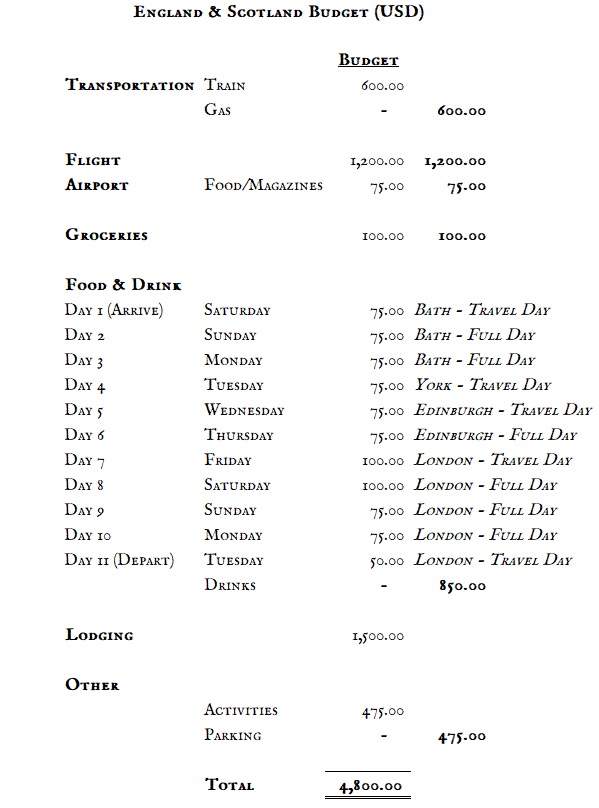
England, outside of London, presents better value for money. A meal at a casual pub outside London might cost 15-20 GBP ($19-$25 USD), while a hostel bed can be found for 25-40 GBP ($32-$50 USD) in cities like Manchester or Liverpool. London itself sees restaurant meals easily hit 25-40 GBP ($32-$50 USD) and basic hotel rooms start from 100 GBP ($125 USD). Transport can be costly; an off-peak return train from London to Brighton is around 25 GBP ($32 USD).
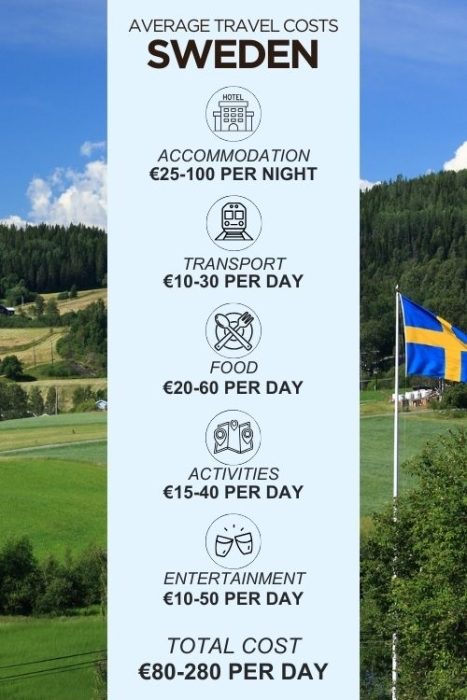
Sweden is generally more expensive. A simple lunch in Stockholm could be 120-180 SEK ($11-$17 USD), and a main course dinner easily 250-400 SEK ($24-$38 USD). Hostel beds in Stockholm typically range from 350-550 SEK ($33-$52 USD), and hotel rooms start from 1000 SEK ($95 USD) even in smaller towns. Alcohol is particularly pricey due to state monopoly (Systembolaget); a beer at a bar can be 70-100 SEK ($7-$10 USD). Train travel, like Stockholm to Gothenburg, costs around 400-700 SEK ($38-$66 USD) if booked in advance. For the traveler watching their wallet, England provides more breathing room. England wins for overall affordability, especially when exploring beyond the capital.
- Winner: England
- Why: England offers significantly better value for daily expenses, especially outside its capital, making budgets stretch further.
- Who this matters for: Budget-conscious travelers and those planning longer trips.
🍽️ Food & Drink
Englands food scene has evolved well beyond stereotypes. London offers a global array of food, from Michelin-starred restaurants to street food markets like Borough Market where a…

England

Sweden
Englands food scene has evolved well beyond stereotypes. London offers a global array of food, from Michelin-starred restaurants to street food markets like Borough Market where a lunch might cost 10-15 GBP ($13-$19 USD). Gastropubs across the country serve high-quality, seasonal dishes for 18-25 GBP ($23-$32 USD). Traditional fare like fish and chips (8-12 GBP, $10-$15 USD) or a Sunday roast remains popular. Pubs are central to social life; a pint of ale typically costs 4-6 GBP ($5-$8 USD) outside London, slightly more in the capital. The variety available, from Indian curry houses to modern European dining, is substantial.
Swedish cuisine emphasizes fresh ingredients, often with a focus on seafood and game. Classic dishes include meatballs (köttbullar) served with lingonberries, often found for 180-250 SEK ($17-$24 USD) in restaurants. Fika, the coffee and pastry break, is a daily institution; a coffee and cinnamon bun (kanelbulle) costs around 60-90 SEK ($6-$9 USD). The food quality is generally high, but options outside of traditional Nordic or European fare can be less diverse than in London. Stockholm and Gothenburg have good restaurant scenes, but the sheer breadth of options and price points in England gives it an edge. England provides more variety at more accessible price points. England wins for its sheer diversity and accessible prices across different dining experiences.
- Winner: England
- Why: England offers a wider variety of cuisines and dining experiences at more accessible price points, from pub fare to international dishes.
- Who this matters for: Food enthusiasts and travelers who appreciate diverse culinary options.
🏞️ Nature & Scenery
England has varied and often manicured natural landscapes. The Lake District offers hills, lakes, and walking trails, while the Jurassic Coast in Dorset presents geological…

England
Sweden
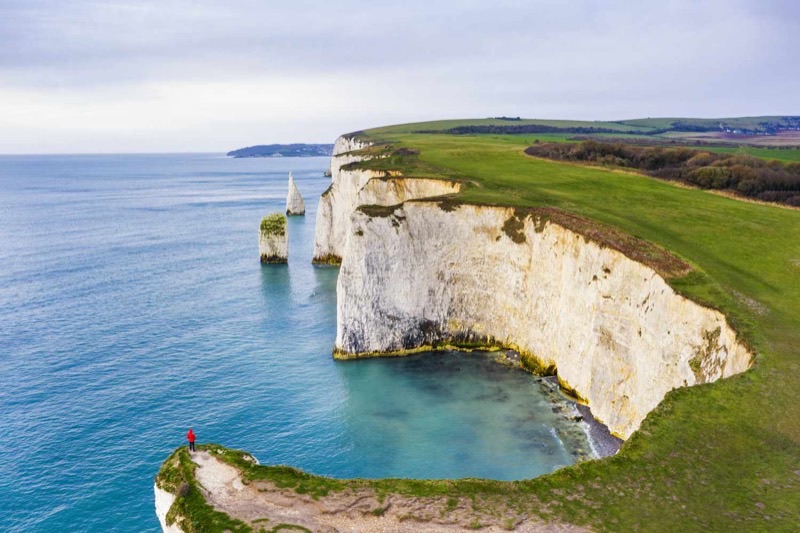
England has varied and often manicured natural landscapes. The Lake District offers hills, lakes, and walking trails, while the Jurassic Coast in Dorset presents geological formations and beaches. The Peak District provides moorlands and gritstone edges. While beautiful, these areas are often well-trafficked and feel less wild compared to parts of Scandinavia. Access is generally straightforward, with many national parks easily reachable by car or public transport from major cities. Coastal paths like the South West Coast Path offer extensive walking routes with sea views.
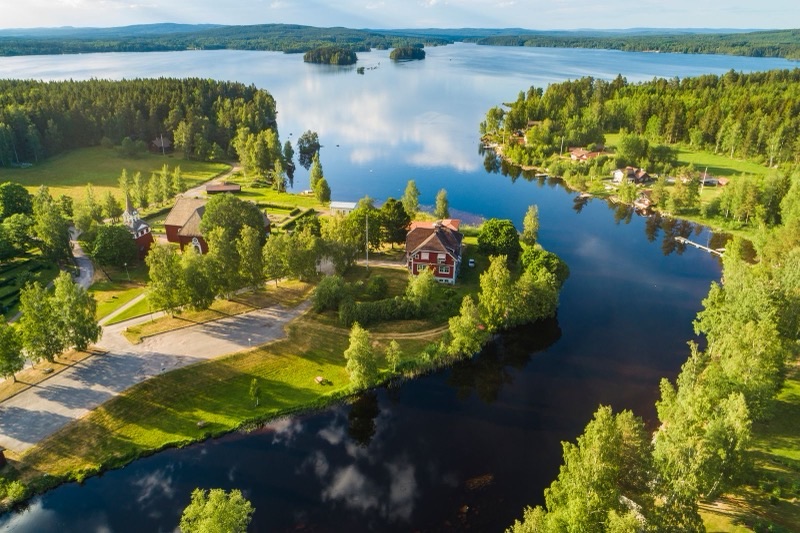
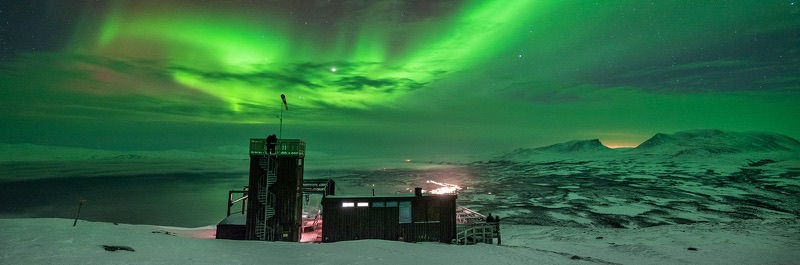
Sweden boasts immense, raw natural environments. The Stockholm Archipelago has over 30,000 islands, offering kayaking, swimming, and quiet retreats. Heading north, Lapland provides Arctic wilderness, home to ice hotels, Sami culture, and the best chance to see the Aurora Borealis from late autumn to early spring. Swedens Allemansrätten (right to roam) allows access to most land, fostering a strong connection to nature. Vast forests cover much of the country, dotted with thousands of clean lakes ideal for fishing and boating. The scale and untamed character of Swedens natural areas are substantial. Sweden wins for its sheer expanse of wild, accessible nature. Sweden wins for its vast, untamed natural spaces and opportunities for Arctic experiences.
- Winner: Sweden
- Why: Sweden offers larger, more expansive, and wilder natural landscapes, including Arctic environments and extensive archipelagos.
- Who this matters for: Outdoor adventurers, wilderness explorers, and those seeking remote natural beauty.
🏛️ Culture & History
Englands historical depth is immense, with evidence of human activity spanning millennia. London alone hosts institutions like the British Museum (free entry), Tower of London…
England
Sweden
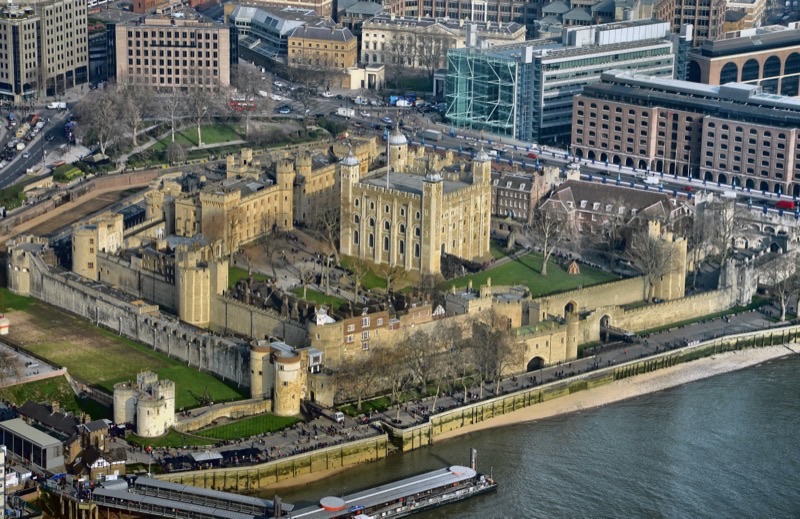
Englands historical depth is immense, with evidence of human activity spanning millennia. London alone hosts institutions like the British Museum (free entry), Tower of London (around 30 GBP / $38 USD), and numerous West End theatres (tickets from 30 GBP / $38 USD). Outside the capital, visitors can explore Roman baths in Bath (around 28 GBP / $35 USD), Warwick Castle (from 25 GBP / $32 USD), or the ancient stone circles of Stonehenge (from 25 GBP / $32 USD). Literary history is prominent, with sites related to Shakespeare, Jane Austen, and the Brontës. The pub is a cornerstone of English social culture, acting as a community hub and historical gathering place.
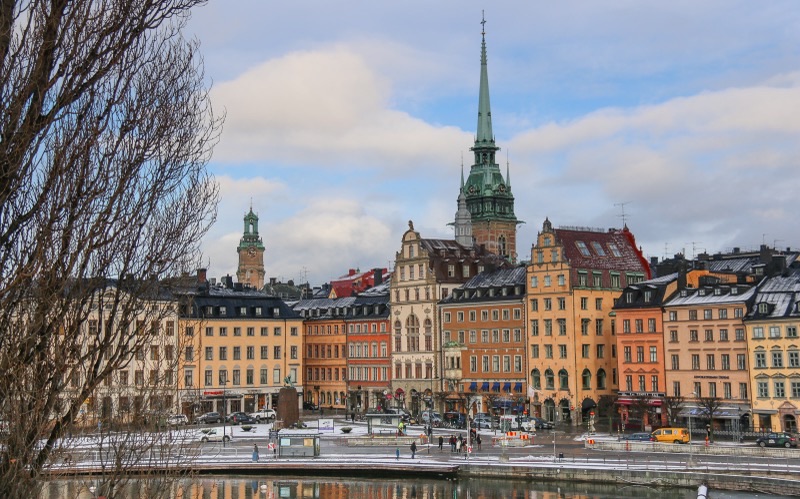
Sweden has a rich history centered on its Viking past, evident in runestones and museums like the Vasa Museum in Stockholm (around 190 SEK / $18 USD). Modern Swedish culture emphasizes design, functionality, and equality, seen in its architecture and public spaces. Fika is a core social custom. Traditional events like Midsummer are important, celebrated with dancing around a maypole. While Swedens historical sites are compelling, such as Gamla Uppsala or Gripsholm Castle, they are fewer in number and less spread out than Englands extensive historical offerings. England provides a greater density and variety of historical and cultural sites. England wins for its profound historical narrative and widespread cultural institutions.
- Winner: England
- Why: England offers a far greater density and diversity of historical sites, ancient ruins, castles, and cultural institutions spread across the country.
- Who this matters for: History buffs, literature lovers, and those interested in ancient to modern European development.
🍻 Nightlife
Englands nightlife, particularly in London, is extensive and diverse. London features superclubs like Printworks (when open), Fabric, and Ministry of Sound, with entry fees…
England

Sweden
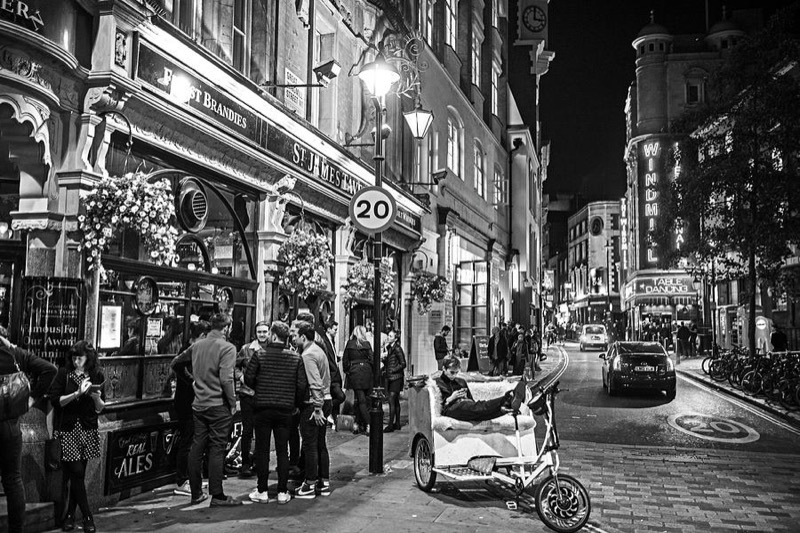
Englands nightlife, particularly in London, is extensive and diverse. London features superclubs like Printworks (when open), Fabric, and Ministry of Sound, with entry fees typically 20-30 GBP ($25-$38 USD). There are also countless bars, cocktail lounges, and traditional pubs, many open late. Major cities like Manchester, Liverpool, and Newcastle also have reputations for their lively club and bar scenes. A typical drink in a London bar might be 8-15 GBP ($10-$19 USD), slightly less outside the capital. The pub culture means socialising over drinks starts earlier and is ingrained in daily life.
Sweden offers a more subdued but still active nightlife. Stockholm and Gothenburg have concentrations of clubs and bars, particularly in areas like Stureplan in Stockholm. Entry fees for clubs might be 150-250 SEK ($14-$24 USD), and a cocktail can easily cost 140-180 SEK ($13-$17 USD). While the quality of establishments is often high, the sheer number of options and the variety of experiences, from underground music venues to historical pubs, is less than in England. The cost of alcohol also means going out can become expensive quickly. England offers a larger, more varied, and generally more accessible nightlife experience. England wins for its extensive and diverse nightlife options across multiple major cities.
- Winner: England
- Why: England, especially London, offers significantly more nightlife options, from huge clubs to historic pubs, with more varied price points.
- Who this matters for: Party-goers, social butterflies, and those who prioritize late-night entertainment.
🚆 Getting Around
England has a comprehensive public transport network. Its rail system connects most major cities and towns, though tickets can be expensive if not booked in advance (e.g., London…
England has a comprehensive public transport network. Its rail system connects most major cities and towns, though tickets can be expensive if not booked in advance (e.g., London to Edinburgh from 50 GBP / $63 USD). Local bus services are widespread, and major cities have good metro or tram systems (e.g., London Underground, a single zone 1 fare is 2.80 GBP / $3.50 USD). Many city centers are very walkable, and driving is an option but parking and congestion are common. Coach services (like National Express) offer a cheaper alternative for longer distances.
Sweden has an efficient public transport system within its cities, like Stockholms Tunnelbana, but distances between major points are vast. Train travel is comfortable but less extensive than Englands network and can be pricey (e.g., Stockholm to Malmo from 600 SEK / $57 USD). Domestic flights are often the practical choice for covering long distances, such as flying to Kiruna in Lapland. Cycling is popular in cities. While the infrastructure is good, the geographical spread makes spontaneous travel across the country more challenging and often more expensive than in England. England wins due to its dense network and easier, quicker connections between diverse regions. England wins for its denser, more interconnected public transport network that makes country-wide exploration easier.
- Winner: England
- Why: England's smaller size and denser population result in a more interconnected and easier-to-navigate public transport network.
- Who this matters for: Travelers planning to visit multiple regions and those relying on public transit.
🏨 Accommodation
England offers a broad spectrum of accommodation. In London, a hostel dorm bed can be 30-60 GBP ($38-$75 USD), while a mid-range hotel is 120-200 GBP ($150-$250 USD). Outside…
England offers a broad spectrum of accommodation. In London, a hostel dorm bed can be 30-60 GBP ($38-$75 USD), while a mid-range hotel is 120-200 GBP ($150-$250 USD). Outside London, prices drop significantly; a quality B&B in a town like Bath might be 80-120 GBP ($100-$150 USD), and hostels in cities like Bristol are 20-40 GBP ($25-$50 USD). Countryside options include charming guesthouses and luxury estates. The competition and variety mean that finding something to suit most budgets and preferences is quite feasible.
Sweden provides good quality, modern accommodation. However, prices are consistently higher. A hostel dorm bed in Stockholm typically costs 400-600 SEK ($38-$57 USD), and a mid-range hotel room starts from 1200 SEK ($115 USD). Even in smaller towns like Visby, hotel rooms can be 900-1500 SEK ($85-$140 USD). While standards are high for cleanliness and design, the budget options are fewer, especially outside Stockholm and Gothenburg. For those seeking variety and better value, England presents a more attractive landscape. England wins for its greater range of accommodation options and better value across different price points.
- Winner: England
- Why: England provides a wider selection of accommodation types and price points, offering better value for similar quality compared to Sweden.
- Who this matters for: All travelers, especially those seeking specific types of lodging or needing to manage a budget.
🛡️ Safety
England is a safe country for travelers. Major cities like London have areas prone to petty crime such as pickpocketing, particularly around popular tourist attractions like the…
England is a safe country for travelers. Major cities like London have areas prone to petty crime such as pickpocketing, particularly around popular tourist attractions like the London Eye or Oxford Street. General awareness of surroundings and securing belongings is advisable. Violent crime against tourists is rare. Emergency services (police, ambulance, fire) are highly responsive; dial 999 for urgent help. Walking alone at night in well-lit, populated areas is generally fine.
Sweden is also a very safe country. Crime rates are low, and serious incidents involving tourists are infrequent. Public spaces, even at night, feel secure. Swedes generally adhere to rules and are respectful, contributing to a calm atmosphere. Like any large city, Stockholm might have isolated incidents, but these are not common. Emergency services are excellent; dial 112 for urgent help. Solo travelers, especially women, generally report feeling very secure throughout the country. Both countries offer a high degree of personal safety, making them good choices for solo adventurers or families. Both countries are highly safe, making this category a tie.
- Winner: Tie
- Why: Both countries offer a high level of safety and low crime rates, ensuring a secure travel experience.
- Who this matters for: Solo travelers, families, and anyone prioritizing personal security.
🌦️ Weather & Seasons
England has a reputation for variable weather, and it is largely accurate. Summers (June-August) are mild to warm, with average temperatures around 18-22°C (64-72°F) in the south,…
England has a reputation for variable weather, and it is largely accurate. Summers (June-August) are mild to warm, with average temperatures around 18-22°C (64-72°F) in the south, but rain showers are common even then. Winters (December-February) are cool and damp, with averages of 2-7°C (36-45°F), occasional frost, and light snow, especially in northern areas. Spring and autumn are pleasant but still unpredictable. Packing layers and a waterproof jacket is always a good idea, regardless of the season.
Sweden experiences more defined seasons. Summers (June-August) are generally warm and sunny, with temperatures around 20-25°C (68-77°F) in the south, and long daylight hours, sometimes 24 hours in the far north. This is the best time for outdoor activities. Winters (December-February) are cold and snowy, especially in the north, where temperatures can drop well below freezing, offering opportunities for winter sports and seeing the Aurora Borealis. Southern Sweden experiences milder winters but still gets snow. The crisp, clear air and distinct seasonal experiences make Sweden more appealing for those who appreciate natural phenomena or specific seasonal activities. Sweden wins for its more distinct seasonal changes and opportunities for specific seasonal experiences like Arctic winters. Sweden wins for its more distinct seasons and opportunities for unique seasonal activities like aurora viewing.
- Winner: Sweden
- Why: Sweden offers clearer seasonal distinctions and unique experiences like the Midnight Sun or Northern Lights, which are absent in England.
- Who this matters for: Travelers with specific seasonal preferences (e.g., winter sports, aurora hunting, long summer days).
🚶♀️ Solo Travel
England is an excellent choice for solo travelers. The common language removes a significant barrier, and public transport makes independent exploration straightforward. Hostels…
England is an excellent choice for solo travelers. The common language removes a significant barrier, and public transport makes independent exploration straightforward. Hostels are plentiful in major cities and offer social opportunities to meet other travelers. The pub culture is particularly conducive to solo exploration; it is easy to grab a pint and observe or even join a conversation at the bar. London, in particular, has many events, tours, and activities suitable for individuals, from walking tours to theatre shows. English people are generally open to conversation once initiated.
Sweden is also a safe and easy country for solo travel, with efficient infrastructure. However, Swedes can be more reserved and less likely to spontaneously engage in conversation with strangers, especially in public spaces. This can make meeting locals a bit more challenging for solo travelers seeking social interaction. Hostels exist, particularly in Stockholm and Gothenburg, and are good places to connect with other tourists. While beautiful and welcoming, Swedens social landscape for solo travelers might feel less immediately engaging than Englands. England wins for its inherent social structures (pubs) and common language, making it easier for solo travelers to connect. England wins for its inherent social opportunities and lack of a language barrier, making connection easier for solo travelers.
- Winner: England
- Why: England's pub culture and common language make it easier for solo travelers to socialize and connect with locals and other tourists.
- Who this matters for: Solo travelers who prioritize meeting people and social interaction during their trip.
🎯 The Decision Framework
Choose England If…
- You want to explore Roman ruins, medieval castles, and ancient cathedrals.
- You crave diverse food experiences, from traditional pub fare to global cuisines, at varied price points.
- You want to spend evenings in lively, traditional pubs and experience robust nightlife.
- You prefer a denser country with easier, quicker travel between different historical cities and rural areas.
- You are a history enthusiast interested in centuries of documented events.
- You want to experience world-renowned theatre and literary sites.
- You seek a travel experience where English is the primary language for all interactions.
- You are looking for more budget-friendly travel options, especially outside the capital.
Choose Sweden If…
- You prioritize expansive natural landscapes, including vast forests, thousands of lakes, and archipelagos.
- You dream of seeing the Northern Lights and experiencing Arctic environments.
- You appreciate modern design, cleanliness, and a generally quiet, respectful atmosphere.
- You are interested in Viking history and modern Swedish culture, including fika.
- You dont mind higher travel costs for a premium, high-quality experience.
- You enjoy outdoor activities like hiking, kayaking, or winter sports in pristine environments.
- You prefer distinct seasonal changes, from long summer days to snowy winters.
- You value personal space and a slightly more reserved social environment.
📅 Sample Itineraries
Weekend in England (3 Days)
💡 Save money on London transport by using a contactless card or Oyster card, capping daily fares at around $10 for zones 1-2.
Weekend in Sweden (3 Days)
💡 Purchase a Stockholm Pass if you plan to visit multiple attractions and use public transport frequently; it can save you money over individual tickets.
One Week in England (7 Days)
💡 Consider buying a BritRail Pass if you plan extensive train travel, as it can be more cost-effective than individual tickets, especially for longer journeys.
One Week in Sweden (7 Days)
💡 To save on food costs, look for 'Dagens Rätt' (dish of the day) specials at lunch, which often include salad, bread, and coffee for around $12-18.
❓ Frequently Asked Questions
Which country is cheaper for a 7-day trip?
For a 7-day trip, England will generally be cheaper, especially if you spend time outside London. Expect to pay around $700-$1050 for a week in England (excluding London flights) compared to $840-$1400 in Sweden, due to lower food and accommodation costs.
What are typical flight times from the US to each country?
Direct flights from major US cities to London (LHR) typically range from 6.5 to 8 hours. Flights to Stockholm (ARN) are similar, usually 7 to 8.5 hours direct from US East Coast cities. West Coast flights will be longer and may involve a layover.
Is public transport better in England or Sweden?
Both countries have efficient public transport. England has a denser and more interconnected rail and bus network, making it easier to travel between cities and regions. Sweden's system is clean and punctual, but distances are vast, often requiring domestic flights for speed.
Which country is better for outdoor activities?
Sweden is generally better for extensive outdoor activities, offering vast, wilder landscapes for hiking, kayaking, fishing, and skiing. Englands national parks are beautiful but can be more crowded. Sweden's 'right to roam' (Allemansrätten) provides greater access to nature.
Can I see the Northern Lights in England or Sweden?
You can occasionally see faint Northern Lights in very northern parts of England, but your chances are significantly higher in northern Sweden, particularly in Lapland (e.g., Kiruna, Abisko) from September to March. Sweden is a premier destination for aurora viewing.
Which has better food for vegetarians?
England, especially London, offers more widespread and diverse vegetarian and vegan options due to its larger population and international food scene. Many gastropubs and cafes across England cater well to dietary needs. Sweden also has good options, but they might be less numerous outside major cities.
What is the best time of year to visit each country?
For England, late spring (April-May) and early autumn (September-October) offer pleasant weather and fewer crowds. For Sweden, summer (June-August) is ideal for long daylight hours and outdoor activities, while winter (December-March) is best for snow activities and the Northern Lights.
Which country is more family-friendly?
Both are family-friendly. England offers a wealth of historical sites, theme parks like Alton Towers, and child-friendly museums (many with free entry in London). Sweden offers clean cities, safe environments, and a focus on outdoor play, though activities can be pricier. England might offer more varied activities at a lower cost.
Ready to plan your Northern Europe trip?
Get a free custom itinerary for England, Sweden, or both — built from real traveler insights.
👥 Travelers Also Compared
🎟️ Book Tours & Experiences
Hand-picked tours and activities for both destinations — book with free cancellation
Experiences via Viator — free cancellation on most tours