How we built this comparison
This page combines traveler discussion patterns, published price ranges, flight schedules, and seasonal data to help you decide between Finland and Netherlands.
- Reviewed 100+ Reddit threads from r/travel, r/solotravel, r/Finland, r/Netherlands, and r/Amsterdam
- Verified costs and logistics against current booking platforms like Booking.com, Skyscanner, and NS.nl
- Cross-referenced seasonal patterns and weather data from meteorological services
⚡ Quick Answers
⚡ The TL;DR Verdict
For most travelers seeking varied experiences with good infrastructure and generally accessible pricing, the Netherlands is the stronger choice. Finland caters to specific tastes for nature and quiet. A daily budget of €70-130 ($77-$143) covers mid-range travel in the Netherlands, while Finland typically requires €80-150 ($90-$165) for similar comfort.
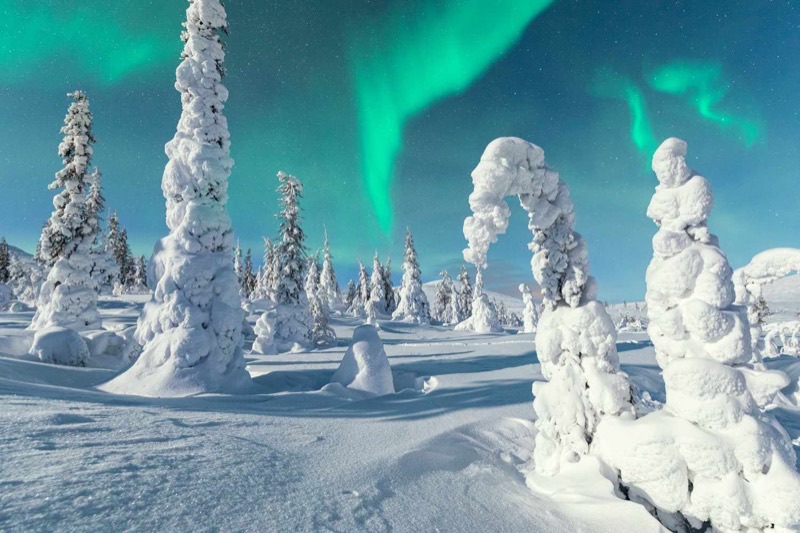
- Choose Finland: You prioritize untouched nature, quiet reflection, sauna culture, and winter activities like aurora viewing or snow sports. You dont mind higher costs or longer travel times between points of interest.
- Choose Netherlands: You prefer easily navigable cities, cycling, art history, lively cafes, and efficient public transport for day trips. You enjoy a more social travel experience and shorter distances between attractions.
- Choose Both: Consider combining if you have at least 3 weeks and want to experience both urban European culture and Nordic wilderness, perhaps flying between Helsinki and Amsterdam.
Choose Finland
Choose Finland if you dream of pristine wilderness and unique Nordic experiences. It's best for adventurers seeking tranquil landscapes, aurora borealis in Lapland, or the profound peace of a traditional lakeside sauna. Be prepared for a higher daily budget, typically €80-150, for these unforgettable, nature-centric journeys away from the crowds.
Choose Netherlands
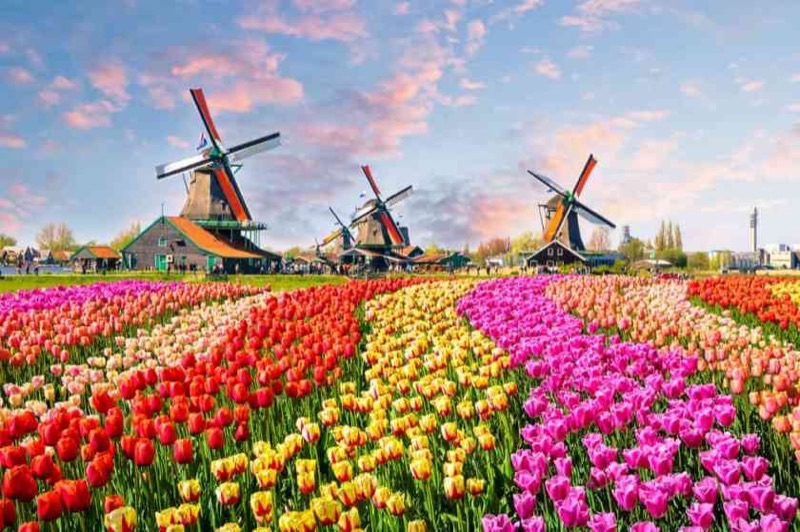
Choose the Netherlands if you crave vibrant city life, rich history, and effortless exploration. It's perfect for culture enthusiasts who love cycling along Amsterdam's canals, exploring world-class museums like the Rijksmuseum, and enjoying lively cafes. With an accessible daily budget of €70-130, you'll easily navigate efficient public transport for diverse day trips.
📊 Visual Scorecard
🌤 When to Visit
Average high temperatures (°C). Green = best months, orange = avoid.
Quick Comparison
| Category | Finland | Netherlands | Winner |
|---|---|---|---|
| Costs & Budget | Generally high; accommodation and dining are main expenses. Transport can be pricey for long distances. | Moderate to high, but good value outside Amsterdam. Groceries and local transport are reasonable. | Netherlands |
| Getting There & Away | Helsinki-Vantaa Airport (HEL) is the main hub. Direct flights from major North American and European cities. | Amsterdam Airport Schiphol (AMS) is a major global hub with frequent connections worldwide. | Netherlands |
| Getting Around | Efficient city public transport. Long distances between cities, requiring trains, buses, or rental cars. | Excellent, extensive train network between cities. Cities are walkable and cycle-friendly with tram/bus systems. | Netherlands |
| Nature & Outdoors | Vast forests, thousands of lakes, Arctic wilderness, Northern Lights. Focus on quiet immersion. | Flat landscapes, canals, coastlines, sand dunes, polders. Manicured parks and windmills. | Finland |
| Culture & History | Sauna culture, design (Alvar Aalto, Marimekko), Sibelius music, stoicism, Santa Claus, Kalevala epic. | Golden Age art (Rijksmuseum, Van Gogh), canal houses, cycling culture, liberal social policies, Anne Frank House. | Netherlands |
| Food & Drink | Rye bread, salmon, reindeer, Karelian pies, berries. Often simple, hearty, and seasonal. Good coffee. | Herring, stroopwafels, bitterballen, cheese, fries. International cuisine in cities. Craft beer scene. | Netherlands |
| Nightlife | Concentrated in Helsinki, includes pubs, clubs, and live music. Can be quiet in smaller towns. | Lively and varied, especially in Amsterdam, Rotterdam, and Utrecht. Many bars, clubs, coffee shops, and music venues. | Netherlands |
| Accommodation | Good quality, but often expensive. Hostels, hotels, summer cottages. Booking ahead is advised. | Wide range, from budget hostels to luxury hotels. Strong B&B and apartment rental market. | Netherlands |
| Safety & Stability | Extremely safe with very low crime rates. Respect for personal space is high. | Generally very safe, but petty crime (pickpocketing) occurs in crowded tourist areas. | Finland |
| Solo Travel Suitability | Excellent for quiet reflection, nature, and self-guided exploration. Less emphasis on social hostels. | Very good for meeting people, easy navigation, and diverse social activities. Many hostels and tours. | Netherlands |
💰 Costs & Budget
Finland is one of Europes more expensive destinations. A budget traveler can expect to spend €80-100 ($90-$110) per day, staying in hostels like Eurohostel in Helsinki…
Finland
Netherlands
Finland is one of Europes more expensive destinations. A budget traveler can expect to spend €80-100 ($90-$110) per day, staying in hostels like Eurohostel in Helsinki (€30-40/night), using public transport, and cooking some meals. Mid-range budgets are closer to €130-150 ($140-$165) per day, allowing for hotel stays around €90-120/night, more restaurant meals, and some paid activities. A beer can cost €7-9, and a simple lunch €12-18. Expect to pay €30+ for a decent dinner. Visiting Lapland significantly increases costs.
The Netherlands offers better value, especially if you venture beyond Amsterdam. Budget travelers can manage on €70-90 ($77-$99) per day, with hostel beds in cities like Rotterdam or Utrecht costing €25-35/night. Mid-range travelers typically spend €100-130 ($110-$143) per day, with hotel rooms averaging €80-110/night and more frequent restaurant meals. A beer costs €5-7, and a lunch €10-15. Dinner can be found for €20-25. Groceries are quite affordable, making self-catering a good option. The extensive train network offers cost-effective travel between cities. Verdict: The Netherlands provides more accessible pricing and better overall value for daily expenses.
- Winner: Netherlands
- Why: The Netherlands offers better daily value, especially outside its capital, with more affordable food and accommodation options.
- Who this matters for: Budget-conscious travelers and those planning longer trips.
✈️ Getting There & Away
Reaching Finland typically means flying into Helsinki-Vantaa Airport (HEL). From New York (JFK), a direct flight takes approximately 8-9 hours and costs range from $600-$900…

Finland
Netherlands
Reaching Finland typically means flying into Helsinki-Vantaa Airport (HEL). From New York (JFK), a direct flight takes approximately 8-9 hours and costs range from $600-$900 roundtrip. From London (LHR), a direct flight is about 2.5-3 hours, costing $100-$250. There are fewer direct flight options compared to the Netherlands, and connections can add significant travel time. For those interested in Lapland, additional domestic flights to Rovaniemi (RVN) or Ivalo (IVL) are required, adding to cost and complexity.
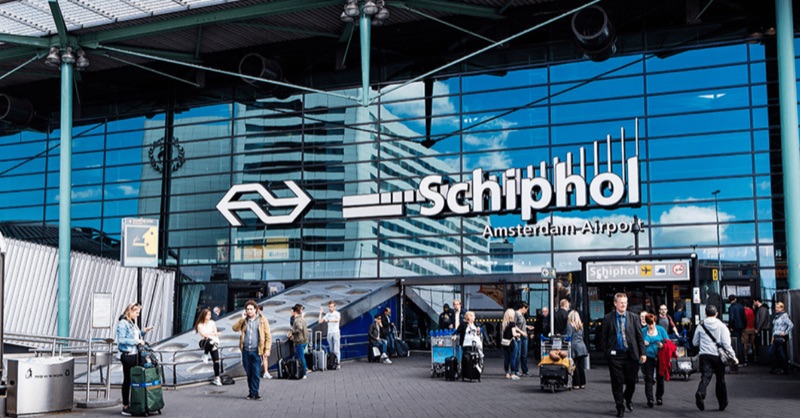
Amsterdam Airport Schiphol (AMS) is one of Europes largest and best-connected airports. Direct flights from New York (JFK) average 7-8 hours and can be found for $500-$800 roundtrip. From London (LHR), a direct flight is barely over an hour, often costing $50-$150. AMS serves countless international destinations, making it an extremely convenient entry and exit point for Europe. The airport itself is well-integrated with direct train access to Amsterdam Centraal Station. Verdict: The Netherlands, via Schiphol, offers superior global connectivity and more frequent, often cheaper, flights.
- Winner: Netherlands
- Why: Amsterdam Schiphol is a major global hub with more frequent and often cheaper flight options from various origins.
- Who this matters for: International travelers and those seeking maximum flexibility in flight times and carriers.
🚆 Getting Around
In Finland, city transport in Helsinki is efficient, utilizing trams, buses, and metro. A single ticket costs €3.10-3.20. Intercity travel, however, covers large distances. VR…
Finland
Netherlands
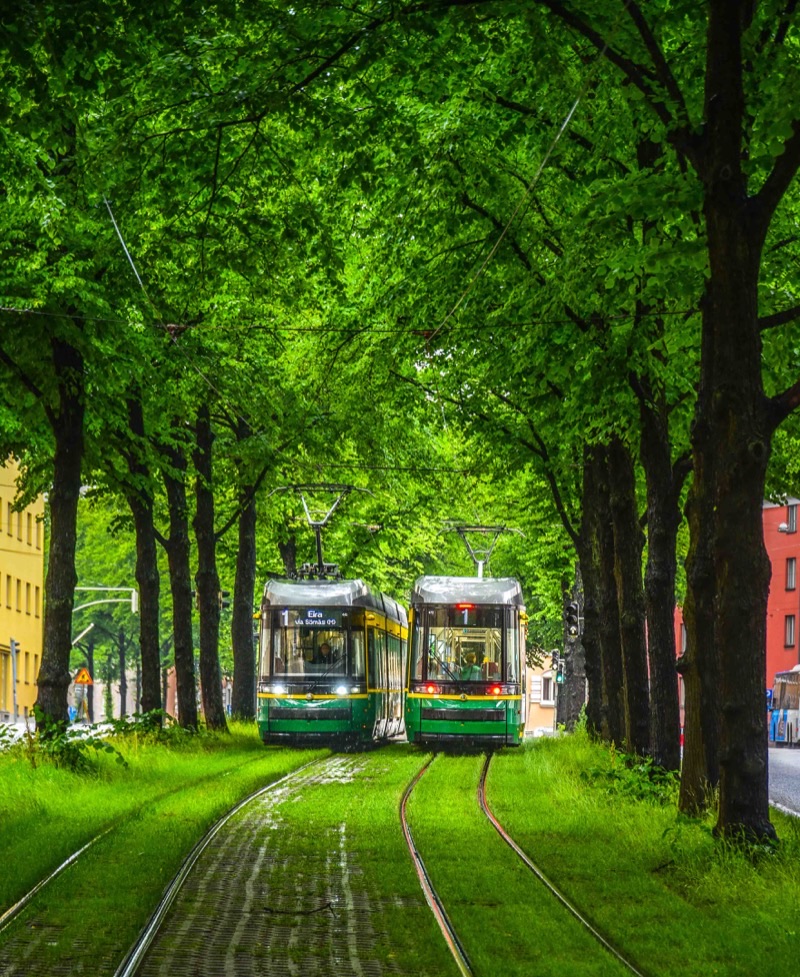
In Finland, city transport in Helsinki is efficient, utilizing trams, buses, and metro. A single ticket costs €3.10-3.20. Intercity travel, however, covers large distances. VR trains connect major cities like Helsinki, Tampere, and Turku, with tickets from Helsinki to Tampere costing around €20-35. Buses are another option, often cheaper for longer hauls. Exploring Lapland or the Lakeland region without a car can be challenging, relying on less frequent bus services or organized tours. Road conditions are generally excellent.
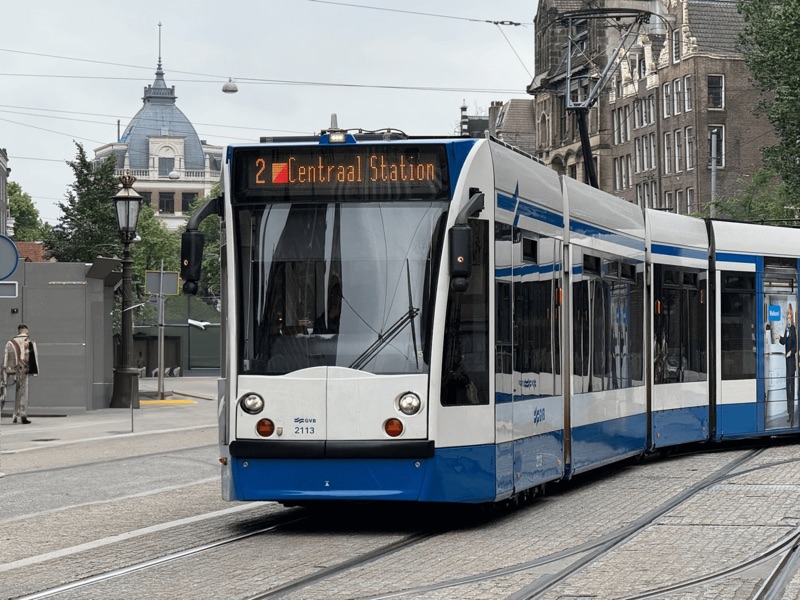
The Netherlands excels in public transportation. The national train network (NS) is comprehensive, connecting virtually every town and city. A train from Amsterdam to Rotterdam takes about 40 minutes and costs €17. Cycling is a primary mode of transport within cities, with extensive bike lanes and rental options (€10-15/day). Amsterdam has trams, buses, and a metro, with an OV-chipkaart simplifying payments. Travel between cities is quick, easy, and frequent, making day trips very practical. Verdict: The Netherlands offers superior, more convenient, and often faster intra-country travel for tourists.
- Winner: Netherlands
- Why: The Netherlands has a denser, highly efficient national train network and excellent city-level cycling infrastructure.
- Who this matters for: Travelers who prioritize easy, quick, and affordable movement between multiple cities or regions.
🌲 Nature & Outdoors
Finland is defined by its natural environment. It boasts over 40 national parks, including Nuuksio near Helsinki, Koli in the Lakeland region, and Urho Kekkonen in Lapland. These…
Finland
Netherlands
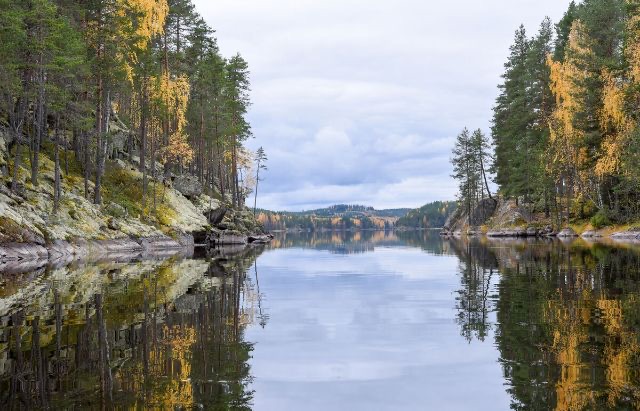
Finland is defined by its natural environment. It boasts over 40 national parks, including Nuuksio near Helsinki, Koli in the Lakeland region, and Urho Kekkonen in Lapland. These offer extensive hiking trails, canoeing, and opportunities for spotting wildlife. In winter, Lapland provides the chance to see the Northern Lights (late August to April), experience dog sledding, or snowshoeing. The concept of 'everymans rights' allows for free access to most natural areas, encouraging exploration. Lakes are prevalent, such as Lake Saimaa, providing summer cottage life and water activities.
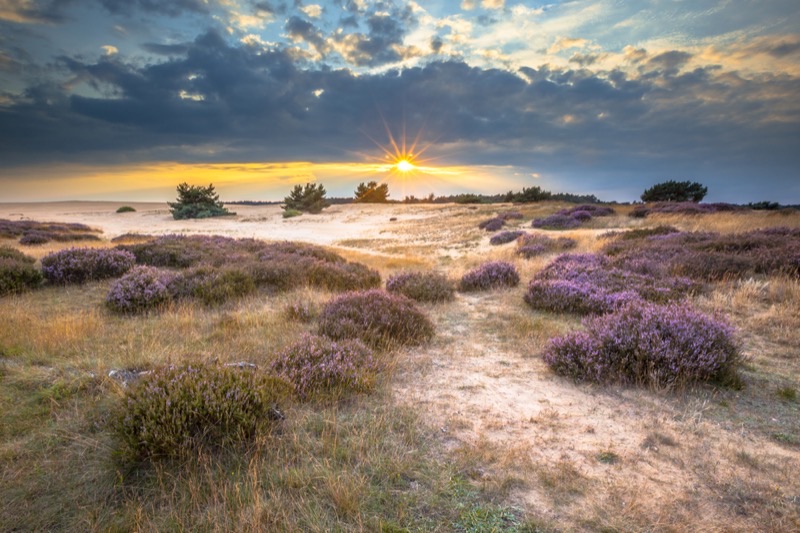
The Netherlands, while not known for wild landscapes, has its own outdoor appeal. National Parks like De Hoge Veluwe offer heathlands and forests, with free-to-use white bikes for visitors. The Kinderdijk windmill network is an iconic polder landscape, good for cycling and walking. Extensive canal systems in cities like Amsterdam and Utrecht offer boat tours. The Dutch coastline features wide sand beaches and dune areas like Zuid-Kennemerland National Park. However, it lacks the dramatic scale and solitude of Finlands wilderness. Verdict: Finland provides a much more expansive and raw natural experience, particularly for those seeking true wilderness and Arctic phenomena.
- Winner: Finland
- Why: Finland offers immense, untouched forests, thousands of lakes, and the unique draw of Arctic wilderness and the Northern Lights.
- Who this matters for: Adventure seekers, nature photographers, and those specifically interested in Arctic experiences or quiet solitude.
🏛️ Culture & History
Finnish culture is characterized by its close connection to nature, its emphasis on functional design, and its renowned sauna tradition. The Ateneum Art Museum and Kiasma in…
Finland
Netherlands
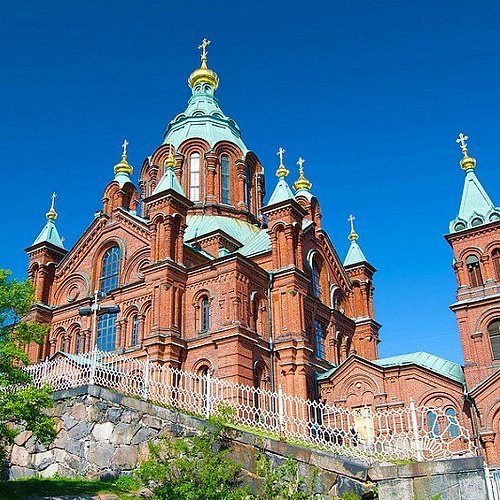
Finnish culture is characterized by its close connection to nature, its emphasis on functional design, and its renowned sauna tradition. The Ateneum Art Museum and Kiasma in Helsinki display Finnish art. Alvar Aaltos architecture is prominent, and Marimekko stores showcase Finnish design. The Sibelius Monument in Helsinki honors the national composer. Santa Claus Village in Rovaniemi is a significant cultural attraction, especially for families. Finns are known for direct communication and a reserved demeanor, which can be perceived as cool or quiet. The Kalevala, their national epic, shapes much of their folklore.
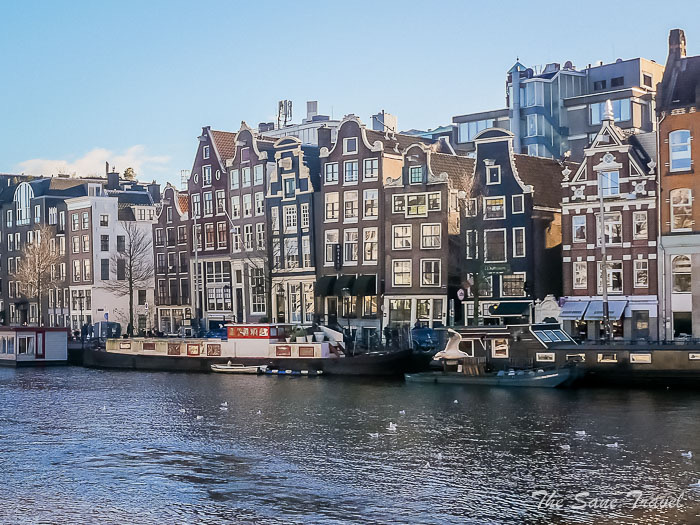
Dutch culture is defined by its rich Golden Age history, liberal attitudes, and a pragmatic approach. Amsterdam alone boasts world-renowned institutions like the Rijksmuseum, home to Rembrandts 'The Night Watch', and the Van Gogh Museum. The Anne Frank House provides a powerful historical experience. Beyond Amsterdam, cities like Delft offer historical porcelain factories, and Utrecht has a medieval core. Cycling is not just transport but a deeply ingrained cultural practice. The Netherlands also has a long history of maritime exploration and trade. Verdict: The Netherlands provides a more diverse, accessible, and globally recognized cultural and historical offering for a broader audience.
- Winner: Netherlands
- Why: The Netherlands has a richer, more accessible history with world-class art museums and iconic historical sites.
- Who this matters for: Art enthusiasts, history buffs, and those interested in European Golden Age and WWII history.
🍽️ Food & Drink
Finnish cuisine is practical and draws heavily from local ingredients. Common dishes include salmon prepared in various ways, rye bread (ruisleipä), Karelian pies…
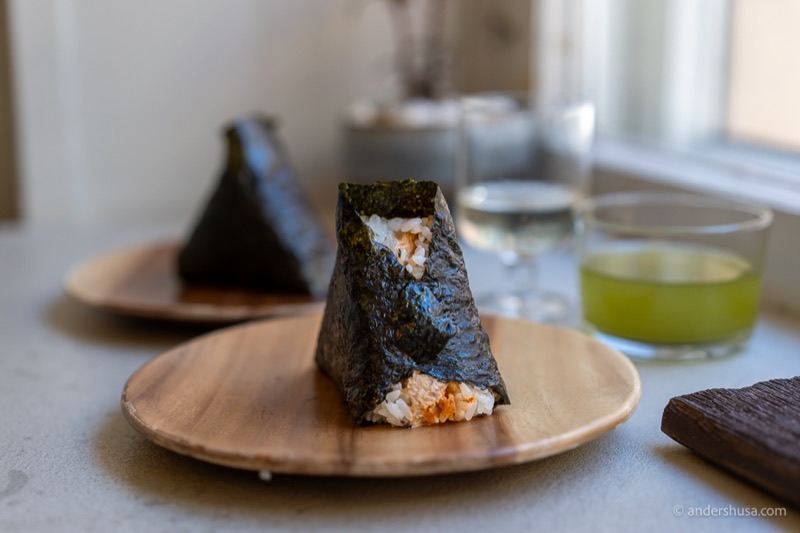
Finnish cuisine is practical and draws heavily from local ingredients. Common dishes include salmon prepared in various ways, rye bread (ruisleipä), Karelian pies (karjalanpiirakka), and reindeer meat. Foraging for berries and mushrooms is popular. Coffee consumption is among the highest globally, with many excellent cafes. Alcohol, especially spirits like Koskenkorva, is expensive due to taxes. Restaurants in Helsinki like Ravintola Savotta or Lappi Ravintola offer traditional Finnish meals. While solid, the food scene is not as celebrated for innovation or variety as other European nations.
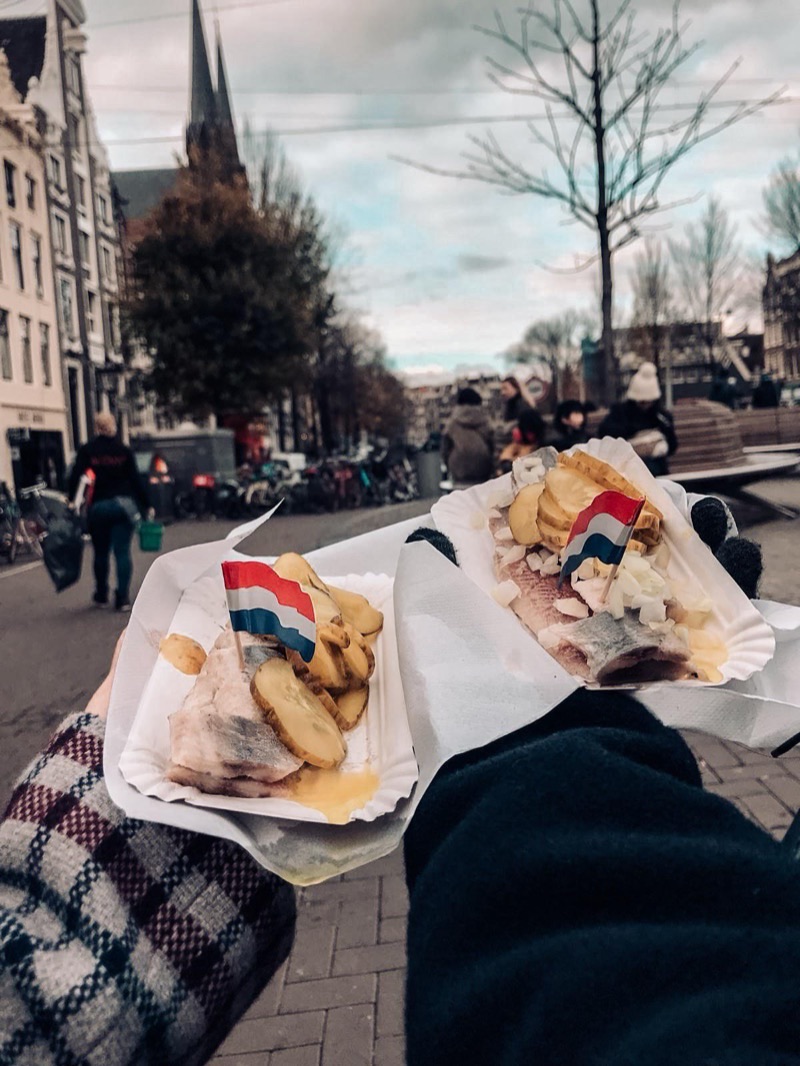
Dutch food, while not always celebrated, has its merits and is evolving. Iconic snacks include herring (haring), stroopwafels, bitterballen, and fries with various sauces. Cheese is a cornerstone, with markets like Alkmaar Cheese Market offering a traditional experience. Amsterdam, Rotterdam, and Utrecht have a wide array of international restaurants, reflecting their diverse populations. The craft beer scene has grown significantly, with many microbreweries. A meal at a traditional 'eetcafé' provides local comfort food. Verdict: The Netherlands offers a more diverse culinary landscape, from iconic snacks to international dining, catering to a wider range of tastes.
- Winner: Netherlands
- Why: The Netherlands offers a more diverse and widely appealing range of local snacks, international dining, and craft beverages.
- Who this matters for: Foodies, those seeking culinary variety, and casual diners looking for tasty snacks and international options.
🍻 Nightlife
Helsinki holds the majority of Finlands nightlife, with bars, pubs, and clubs mostly in the city center. Areas like Kallio offer a more alternative scene. Live music venues like…
Helsinki holds the majority of Finlands nightlife, with bars, pubs, and clubs mostly in the city center. Areas like Kallio offer a more alternative scene. Live music venues like Tavastia Club are well-regarded. Finnish nightlife can be energetic, but also expensive, with a pint of beer often costing €7-9 and cocktails €12-15. Outside of Helsinki, nightlife is much quieter, often limited to local pubs. The summer months bring out more outdoor terraces and longer daylight hours, sometimes impacting the sense of 'night' out.
The Netherlands offers a broader and more diverse nightlife experience. Amsterdam is a well-known destination for its bars, clubs (e.g., De School, Shelter), and infamous coffee shops. The Leidseplein and Rembrandtplein areas are full of options. Rotterdam and Utrecht also have active student populations, contributing to lively bar scenes and music venues. Prices are generally more reasonable than Finland, with a pint of beer around €5-7 and cocktails €10-12. The cities are well-connected by night transport options. Verdict: The Netherlands provides a more accessible, varied, and generally more affordable nightlife scene across multiple cities.
- Winner: Netherlands
- Why: The Netherlands has a more expansive, diverse, and well-known nightlife scene concentrated in multiple accessible cities.
- Who this matters for: Partygoers, those seeking social interaction in the evenings, and fans of varied music venues.
🛌 Accommodation
Accommodation in Finland, particularly in Helsinki, can be expensive. Hostel dorm beds generally cost €30-40, while budget hotels like Omena Hotel start from €90-120/night.…
Accommodation in Finland, particularly in Helsinki, can be expensive. Hostel dorm beds generally cost €30-40, while budget hotels like Omena Hotel start from €90-120/night. Mid-range options often exceed €150. Outside of cities, cabins and summer cottages (mökki) are popular, especially near lakes. In Lapland, prices for unique stays like glass igloos are significantly higher, easily €300-600+ per night. Availability can be tight during peak seasons, making advance booking essential. The quality is consistently high, even at lower price points.
The Netherlands offers a wide and varied selection of accommodation, often with more competitive pricing. Hostel dorm beds can be found for €25-35 in cities like Amsterdam or Rotterdam. Budget hotels in major cities range from €80-110/night, with mid-range options around €120-180. Beyond hotels, there's a strong market for B&Bs and apartment rentals, particularly through platforms like Airbnb, offering local experiences. Options like Hotel Not Hotel in Amsterdam provide unique stays. The abundance of choice and price points makes finding suitable lodging easier. Verdict: The Netherlands provides a more extensive range of accommodation types and price points, offering better value and choice.
- Winner: Netherlands
- Why: The Netherlands offers a broader range of accommodation options across all budgets, with more competitive pricing and diverse styles.
- Who this matters for: Travelers with varying budgets, families, and those seeking unique lodging experiences beyond standard hotels.
🛡️ Safety & Stability
Finland consistently ranks among the safest countries in the world. Violent crime is rare, and even petty theft is uncommon outside of major transport hubs. Walking alone at night…
Finland consistently ranks among the safest countries in the world. Violent crime is rare, and even petty theft is uncommon outside of major transport hubs. Walking alone at night in cities like Helsinki is generally considered very safe. The police are approachable and reliable. The main concern for travelers might be natural hazards in the wilderness if unprepared, but these are easily avoided with proper planning. Respect for personal property and public order is a strong cultural norm. Finns are generally very trusting.
The Netherlands is also a very safe country for travelers. However, like any popular European destination, major tourist areas in Amsterdam (e.g., Dam Square, Red Light District, Centraal Station) see pickpocketing and bag snatching, especially during peak season. Being aware of your surroundings and securing belongings is advisable. Violent crime is low. Cycling theft is a common issue, so always use good locks for rental bikes. Public transport is safe and reliable, even late at night. Verdict: Finland offers a slightly higher degree of personal safety and lower incidence of petty crime, providing a more relaxed experience.
- Winner: Finland
- Why: Finland boasts exceptionally low crime rates across the board, making it one of the safest places to travel.
- Who this matters for: Solo travelers, families with young children, and those who prioritize maximum personal security and peace of mind.
🚶♀️ Solo Travel Suitability
Finland is an excellent destination for solo travelers seeking solitude, nature immersion, and introspection. Its safety is a major plus. The extensive public transport in cities…
Finland is an excellent destination for solo travelers seeking solitude, nature immersion, and introspection. Its safety is a major plus. The extensive public transport in cities and well-marked hiking trails make independent exploration straightforward. Hostels exist, but they are fewer and often less focused on fostering a strong social scene compared to other European countries. Engaging with locals might require a bit more effort due to cultural reservedness. Activities like sauna visits or quiet walks are perfect for solo reflection. Dining alone is common and accepted.
The Netherlands is highly suitable for solo travelers, particularly those looking to meet others. Hostels in cities like Amsterdam, Rotterdam, and Utrecht are numerous and often have active social programs, like the Flying Pig hostels. The compact nature of cities and excellent public transport make solo navigation simple and stress-free. There are many guided tours (walking, cycling, canal cruises) that offer opportunities to socialize. Dining alone is very common, and many cafes and bars are welcoming. The general openness of Dutch society makes it easier to strike up conversations. Verdict: The Netherlands offers a more socially engaging and easily navigable experience for most solo travelers looking to connect.
- Winner: Netherlands
- Why: The Netherlands provides a more social environment, numerous hostels, and easy navigation for solo travelers seeking interaction.
- Who this matters for: Solo travelers looking to meet other people, those on a budget, and travelers new to solo international trips.
🎯 The Decision Framework
Choose Finland If…
- You want to chase the Northern Lights in a quiet Arctic setting.
- You dream of sauna experiences followed by a dip in an icy lake.
- You prioritize vast, silent wilderness over urban energy.
- You enjoy foraging for berries and mushrooms in pristine forests.
- You appreciate minimalist design and functional architecture.
- You seek an escape from crowds and a connection with nature.
- You are comfortable with higher costs for quality experiences.
- You want to visit Santa Claus Village in Rovaniemi.
Choose Netherlands If…
- You want to visit world-class art museums like the Rijksmuseum and Van Gogh Museum.
- You enjoy exploring cities by bicycle on extensive dedicated lanes.
- You prefer easy, fast train travel between multiple cities.
- You like a lively nightlife with many bar and club options.
- You want to experience iconic windmills and polder landscapes.
- You seek a liberal, open-minded culture with diverse international food.
- You prefer a destination with consistently moderate travel costs.
- You want to learn about Golden Age history and WWII sites like the Anne Frank House.
📅 Sample Itineraries
Weekend in Finland (3 Days)
💡 Purchase a Helsinki Card for 24, 48, or 72 hours. It offers free public transport and entry to major museums, potentially saving over $50 on a weekend trip.
Weekend in Netherlands (3 Days)
💡 Book popular attractions like the Anne Frank House and Van Gogh Museum online well in advance to avoid long queues and guarantee entry, especially during peak season.
One Week in Finland (7 Days)
💡 For winter travel to Lapland, book flights and accommodations as early as possible (6+ months) as prices escalate significantly during the peak season around Christmas and New Year.
One Week in Netherlands (7 Days)
💡 Consider buying an 'OV-chipkaart' for public transport if staying longer, or utilize regional day tickets for train travel between cities, which can offer savings over individual tickets.
❓ Frequently Asked Questions
What is the typical flight time from the US to Finland versus the Netherlands?
From major US East Coast cities like New York, a direct flight to Helsinki (HEL) is around 8-9 hours. A direct flight to Amsterdam (AMS) is slightly shorter, typically 7-8 hours. West Coast flights will naturally be longer and often involve layovers.
Which country is better for winter travel, Finland or the Netherlands?
Finland is significantly better for winter travel, especially if you seek snow, Arctic experiences, and the Northern Lights (visible from late August to April). The Netherlands winters are milder, often grey and rainy, with fewer dedicated winter activities beyond Christmas markets.
Can I visit both Finland and the Netherlands on a single trip?
Yes, but it requires at least two weeks, ideally three. Direct flights between Helsinki and Amsterdam are available and take about 2.5 hours. Budget around €150-250 for a one-way flight between the two, depending on booking time.
Which country has better public transportation for tourists?
The Netherlands has a superior public transportation system for tourists, particularly its national train network which connects almost all major cities and towns efficiently. Finland's city transport is good, but intercity travel between its widespread population centers requires longer journeys.
What are the key currency considerations for each country?
Both Finland and the Netherlands use the Euro (€). Credit and debit cards are widely accepted in both countries, though having some cash for smaller purchases or markets is advisable. Be aware of exchange rates if traveling from outside the Eurozone.
Is English widely spoken in Finland and the Netherlands?
Yes, English is very widely spoken in both Finland and the Netherlands, especially in tourist areas, major cities, and among younger generations. You should have no trouble communicating in English in either country.
Which destination is more budget-friendly for food?
The Netherlands is generally more budget-friendly for food. You can find affordable street snacks, diverse international dining options, and reasonable grocery prices. Finland's dining, even for casual meals, tends to be more expensive, though grocery stores offer good value for self-catering.
What's the best time of year to visit each destination?
For Finland, summer (June-August) for lakes and midnight sun, or winter (December-March) for snow and aurora. For the Netherlands, spring (April-May) for tulips and mild weather, or summer (June-August) for festivals and outdoor activities.
Ready to plan your European adventure?
Get a free custom itinerary for Finland, Netherlands, or both — built from real traveler insights.
👥 Travelers Also Compared
🎟️ Book Tours & Experiences
Hand-picked tours and activities for both destinations — book with free cancellation
Experiences via Viator — free cancellation on most tours