
How we built this comparison
This page combines traveler discussion patterns, published price ranges, flight schedules, and seasonal data to help you decide between Denmark and Netherlands.
- Reviewed Reddit threads from r/travel, r/solotravel, r/Denmark, r/Netherlands, r/Copenhagen, r/Amsterdam for traveler perspectives.
- Verified costs and logistics against current booking platforms like Booking.com, Skyscanner, and local transport websites.
- Cross-referenced seasonal patterns and weather data from meteorological services for accurate climate information.
⚡ Quick Answers
⚡ The TL;DR Verdict
For most travelers seeking a balance of culture, ease of travel, and relatively accessible costs, the Netherlands often presents a more compelling choice. Its excellent train network makes covering multiple cities straightforward, and daily expenses are generally lower. Denmark appeals to those who prioritize design, a quieter pace, and are prepared for a higher budget, perhaps $100-180 USD per day versus the Netherlands $80-150 USD per day.
- Choose Denmark: If you prioritize refined design, a focus on thoughtful living (Hygge), coastal scenery, and dont mind a higher budget. Great for slow travel and design enthusiasts.
- Choose Netherlands: If you seek a broader range of artistic experiences, highly efficient train travel between distinct cities, and a generally more budget-friendly approach to northern European travel.
- Choose Both: Combine them if you have 10-14 days and want to experience both the Scandinavian aesthetic and the Benelux charm. A flight or long train journey connects Copenhagen and Amsterdam.
Choose Denmark
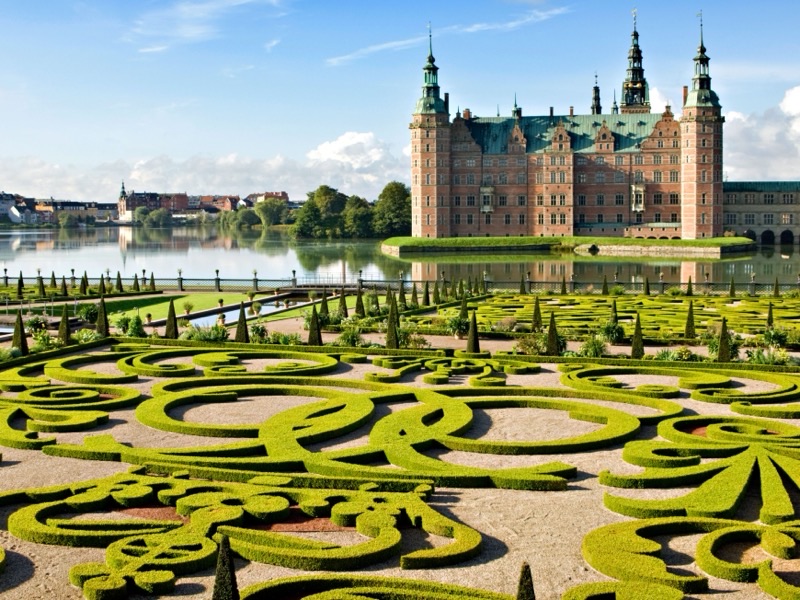
Choose Denmark if you crave a sophisticated, design-centric escape, appreciating the 'Hygge' lifestyle in charming cafes and innovative restaurants. It's perfect for slow travelers and design enthusiasts who don't mind a higher budget to explore Copenhagen's architectural marvels, coastal towns like Skagen, or immerse themselves in Nordic culinary experiences.
Choose Netherlands
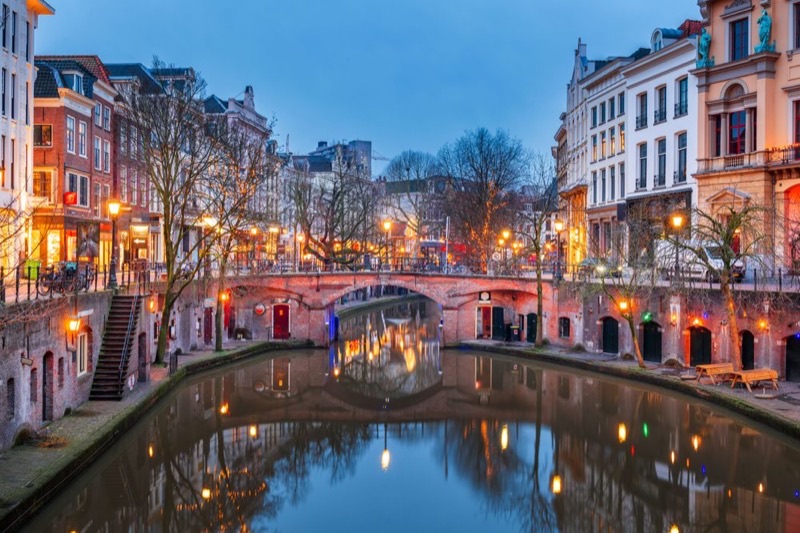
Opt for the Netherlands if you're an art and history enthusiast seeking a vibrant, well-connected European adventure without breaking the bank. Explore world-class museums in Amsterdam's Museum Quarter, cycle through picturesque canals, or easily discover charming cities like Utrecht or Delft by train. This destination is best for efficient explorers and culture seekers.
📊 Visual Scorecard
🌤 When to Visit
Average high temperatures (°C). Green = best months, orange = avoid.
Quick Comparison
| Category | Denmark | Netherlands | Winner |
|---|---|---|---|
| Costs | Significantly higher costs for accommodation, food, and transport. Expect to pay more for almost everything. | More budget-friendly than Denmark, though still a Western European price point. Food and transport are more accessible. | Netherlands |
| Getting There | Copenhagen Airport (CPH) is a major hub with direct flights from many global cities. Flight times are similar to Amsterdam. | Amsterdam Schiphol (AMS) is one of Europes busiest airports, offering extensive global connections. Flight times comparable to Copenhagen. | Tie |
| Getting Around | Excellent public transport within cities; intercity trains are efficient but covering multiple islands requires more planning. | Superb, dense train network for intercity travel; cities are highly walkable and bike-friendly. Public transport is a breeze. | Netherlands |
| Accommodation | Generally high prices across all categories, from hostels to luxury hotels. Boutique design hotels are prominent. | More varied price points, with options ranging from budget hostels to boutique hotels. Amsterdam can be pricey, but smaller cities offer better value. | Netherlands |
| Food & Drink | New Nordic cuisine is prominent but expensive. Traditional dishes like smørrebrød are mainstays. Alcohol is costly. | Diverse food scene influenced by global cuisines, with more affordable options. Famous for Dutch snacks and Indonesian food. Alcohol is moderate. | Netherlands |
| Nightlife | Copenhagen has a developed bar and club scene, often with later closing times. Alcohol is expensive. | Amsterdam offers a range of bars, clubs, and unique experiences; more relaxed regulations contribute to its allure. Alcohol is moderately priced. | Netherlands |
| Culture & History | Viking heritage, royal history, modern design, and the concept of Hygge are central. Castles and museums are plentiful. | Dutch Golden Age art, canal history, liberal social policies, and a strong maritime past. Many world-class museums. | Netherlands |
| Nature & Outdoors | Coastlines, islands, forests, and national parks. Relatively flat terrain, good for cycling and hiking. | Flat polder landscapes, expansive beaches, national parks like Hoge Veluwe, and famous tulip fields. Cycling is paramount. | Tie |
| Day Trips | Easy access to other Danish cities like Roskilde and Odense, and even Malmö, Sweden, via bridge. | Numerous historic and vibrant cities like Utrecht, Delft, The Hague, and iconic Kinderdijk are a short train ride away. | Netherlands |
| Weather & Seasons | Mild summers (18-22°C), cool winters (0-5°C), often windy and grey. Best in late spring to early autumn. | Similar to Denmark, but often slightly milder. Mild summers (18-23°C), cool winters (1-6°C), famous for spring tulips. | Netherlands |
💰 Costs
Denmark is consistently one of Europes most expensive countries for travelers. A modest restaurant meal in Copenhagen can easily cost 150-250 DKK (around 22-37 USD), and a pint of…
Denmark is consistently one of Europes most expensive countries for travelers. A modest restaurant meal in Copenhagen can easily cost 150-250 DKK (around 22-37 USD), and a pint of local beer often starts at 50-70 DKK (around 7-10 USD). Budget accommodation like a hostel bed in a shared dorm might be 300-450 DKK (45-67 USD) per night, while a basic hotel room averages 800-1200 DKK (120-180 USD). Public transport tickets are also priced higher; a single zone ticket in Copenhagen is 24 DKK (3.50 USD).
The Netherlands offers a noticeable reduction in daily expenses. A decent meal in a casual eatery might run 15-25 EUR (around 16-27 USD), and a beer typically costs 5-7 EUR (5.50-7.50 USD). Hostel dorms in Amsterdam or Utrecht can be found for 25-45 EUR (27-49 USD) per night, with basic hotel rooms averaging 70-120 EUR (76-130 USD). Public transport is efficient and relatively affordable, with a single tram ticket in Amsterdam costing around 3.20 EUR (3.50 USD). The cumulative effect of these lower prices makes a Netherlands trip more accessible for many. Tabiji verdict: Netherlands offers a clearer path to a satisfying trip without constantly checking the bank balance.
- Winner: Netherlands
- Why: The Netherlands offers a noticeably more budget-friendly experience across all major categories, allowing traveler funds to stretch further.
- Who this matters for: Budget-conscious travelers, backpackers, and anyone planning a longer trip.
✈️ Getting There
From major North American cities like New York (JFK/EWR), direct flights to Copenhagen (CPH) typically take around 7.5 to 8 hours. Airlines such as SAS and Delta operate these…
From major North American cities like New York (JFK/EWR), direct flights to Copenhagen (CPH) typically take around 7.5 to 8 hours. Airlines such as SAS and Delta operate these routes. From London (LHR), flights are a quick 1.5 hours, and from Berlin (BER), about 1 hour. CPH is a very efficient airport, well-connected to the city center by train in about 15 minutes for 38 DKK (5.60 USD). European low-cost carriers also serve Copenhagen, expanding options.
Amsterdam Schiphol (AMS) is a primary gateway to Europe, with numerous direct flights from North America taking approximately 7 to 7.5 hours from New York (JFK/EWR) on carriers like KLM and Delta. Flights from London (LHR) are around 1 hour, and from Berlin (BER) are also about 1 hour. AMS is highly regarded for its organization and connectivity; a train ride to Amsterdam Centraal takes about 15-20 minutes and costs around 4.70 EUR (5.10 USD). Both airports offer comparable convenience and flight accessibility. Tabiji verdict: Both destinations are equally accessible for most international travelers.
- Winner: Tie
- Why: Both Copenhagen Airport and Amsterdam Schiphol are highly efficient, well-connected international hubs with similar flight durations from major global cities.
- Who this matters for: Anyone flying internationally, particularly from North America, seeking direct and convenient air travel.
🚆 Getting Around
In Denmark, Copenhagen has an excellent metro, S-train, and bus system. A 24-hour city pass costs 80 DKK (12 USD). Cycling is also a primary mode of transport within the city.…
In Denmark, Copenhagen has an excellent metro, S-train, and bus system. A 24-hour city pass costs 80 DKK (12 USD). Cycling is also a primary mode of transport within the city. For intercity travel, DSB trains are reliable but can be costly, for instance, Copenhagen to Aarhus (about 3 hours) costs around 300-450 DKK (45-67 USD) one-way. Traveling between islands or to the Jutland peninsula involves bridges or ferries, adding complexity and time compared to a mainland network. While efficient, the geography makes multi-city trips slightly less fluid.
The Netherlands shines with its compact and dense train network, operated by NS. Traveling between major cities like Amsterdam, Utrecht, Rotterdam, and The Hague is fast and frequent, often taking less than 45 minutes for around 8-15 EUR (9-16 USD) one-way. Within cities, extensive tram, bus, and metro systems complement walking and cycling. Amsterdam is a cycling haven, with dedicated lanes and rental shops everywhere (expect to pay 10-15 EUR/day for a rental). The OV-chipkaart system makes public transport across the country simple. The ease of hopping between distinct urban centers via train is a significant advantage. Tabiji verdict: The Netherlands provides a more fluid and integrated experience for exploring multiple cities.
- Winner: Netherlands
- Why: The Netherlands offers a more compact, dense, and interconnected train network, making multi-city exploration simpler and faster.
- Who this matters for: Travelers who want to visit several cities within their trip without renting a car, and those who enjoy cycling.
🏨 Accommodation
Accommodation in Denmark, particularly Copenhagen, commands a premium. A basic private room in a budget hotel or guesthouse typically starts around 900 DKK (135 USD) per night,…
Accommodation in Denmark, particularly Copenhagen, commands a premium. A basic private room in a budget hotel or guesthouse typically starts around 900 DKK (135 USD) per night, often without breakfast. Mid-range hotels like Wakeup Copenhagen or Cabinn range from 1000-1500 DKK (150-225 USD). Hostels, such as Generator Copenhagen, charge 350-500 DKK (52-75 USD) for a dorm bed. Outside Copenhagen, prices might drop slightly, but not dramatically. Booking well in advance is crucial, especially during peak season, to secure reasonable rates.
In the Netherlands, while Amsterdam can be expensive, it generally offers better value than Copenhagen. A hostel dorm bed in Amsterdam can be found for 30-50 EUR (33-55 USD) at places like Flying Pig Hostels. Basic private hotel rooms start around 80-120 EUR (87-130 USD). Crucially, prices drop significantly outside Amsterdam. In cities like Utrecht, Rotterdam, or The Hague, you can find quality hotels for 60-100 EUR (65-108 USD). This regional variation provides more flexibility for budget-conscious travelers. Tabiji verdict: The Netherlands offers more accessible price points and a wider range of value options for various budgets.
- Winner: Netherlands
- Why: The Netherlands provides better overall value and more diverse pricing for accommodation, especially outside its primary city.
- Who this matters for: Travelers seeking good value accommodation or those on a tighter budget looking to explore beyond the capital.
🍔 Food & Drink
Danish food culture often revolves around its New Nordic movement, found in places like Noma or less formal but still high-end restaurants. Expect to pay 400 DKK (60 USD) or more…
Danish food culture often revolves around its New Nordic movement, found in places like Noma or less formal but still high-end restaurants. Expect to pay 400 DKK (60 USD) or more for a mid-range dinner. Traditional smørrebrød (open-faced sandwiches) are more accessible at 60-120 DKK (9-18 USD) at places like Aamanns Deli & Take Away. Craft beer is big, but a pint at Mikkeller Bar will set you back 60-80 DKK (9-12 USD). Coffee shops are also common, with a latte at 40-50 DKK (6-7.50 USD). Eating out daily can quickly deplete a budget.
The Netherlands offers a more varied and often more affordable food landscape. Traditional Dutch snacks like bitterballen (fried meatballs) cost 6-10 EUR (6.50-11 USD) for a portion, and stroopwafels are a few euros. Due to its colonial history, Indonesian rijsttafel is a popular and delicious dining experience, often costing 25-40 EUR (27-43 USD) per person at places like Restaurant Blauw. Casual meals, including excellent street food like herring or fries with various sauces (e.g., at Vleminckx Frites), are readily available for under 10-15 EUR (11-16 USD). Beer prices are generally 5-7 EUR (5.50-7.50 USD) a pint. This diversity and value make it easier to enjoy local cuisine without breaking the bank. Tabiji verdict: The Netherlands provides a wider array of accessible and interesting food options for the average traveler.
- Winner: Netherlands
- Why: The Netherlands offers a more diverse and generally more affordable food and drink scene, with excellent local and international options.
- Who this matters for: Foodies on a budget, travelers who enjoy culinary exploration beyond fine dining, and those seeking varied dining experiences.
🍻 Nightlife
Copenhagen has a lively nightlife, particularly in areas like Nørrebro and Vesterbro. Bars, cocktail lounges, and clubs are plentiful, with many staying open until 3-5 AM on…
Copenhagen has a lively nightlife, particularly in areas like Nørrebro and Vesterbro. Bars, cocktail lounges, and clubs are plentiful, with many staying open until 3-5 AM on weekends. Places like Jolene Bar or Rust are popular. The main drawback is the cost of drinks; a cocktail can easily be 100-140 DKK (15-21 USD), and even a simple beer is 50-70 DKK (7-10 USD). The atmosphere is generally friendly and relaxed, favoring good conversation and well-crafted drinks over intense clubbing.
Amsterdam is world-renowned for its diverse nightlife. From its famous brown cafes like Cafe Chris (Amsterdams oldest) to upscale cocktail bars and electronic music clubs in areas like Rembrandtplein or Leidseplein, there is a wide array of choices. The city also has unique experiences like the Red Light District (viewing only) and a more relaxed attitude towards certain substances, which contributes to its distinct character. Drink prices are more reasonable than in Copenhagen, with a beer typically costing 5-7 EUR (5.50-7.50 USD) and cocktails 10-14 EUR (11-15 USD). The variety and atmosphere cater to a broader range of preferences. Tabiji verdict: The Netherlands provides a more varied and accessible nightlife with a broader appeal.
- Winner: Netherlands
- Why: Amsterdam offers a more diverse, iconic, and generally more affordable nightlife scene that caters to a broader range of tastes.
- Who this matters for: Partygoers, those seeking diverse bar and club experiences, and travelers interested in unique urban nightlife elements.
🏛️ Culture & History
Danish culture leans into its Viking past, its long-standing monarchy, and modern Scandinavian design. You can explore the National Museum of Denmark (free entry) for Viking…
Danish culture leans into its Viking past, its long-standing monarchy, and modern Scandinavian design. You can explore the National Museum of Denmark (free entry) for Viking artifacts, visit Rosenborg Castle (130 DKK/19 USD) to see crown jewels, or experience the Danish Royal Librarys Black Diamond for architecture. The concept of Hygge (coziness, comfort) permeates daily life. Design shops like Hay House showcase Danish modernism. Roskilde Cathedral, a UNESCO site, holds royal tombs. The cultural experience is refined and focused on a particular aesthetic.
Dutch culture is heavily shaped by its Golden Age, its history as a trading power, and its unique relationship with water. Amsterdam alone offers the Rijksmuseum (22.50 EUR/24 USD) with Rembrandt, the Van Gogh Museum (22 EUR/24 USD), and the Anne Frank House (16 EUR/17 USD) for profound historical insights. Beyond Amsterdam, cities like Delft are famous for blue pottery, and Haarlem has Frans Hals Museum. The network of canals and historic merchant houses across Dutch cities tells a story of ingenuity and prosperity. The breadth and depth of accessible art and history, from iconic masters to the poignant Anne Frank House, give the Netherlands an edge. Tabiji verdict: The Netherlands offers a more extensive and globally impactful range of cultural and historical attractions.
- Winner: Netherlands
- Why: The Netherlands provides a wider array of globally significant cultural and historical sites, particularly in art and its unique urban development.
- Who this matters for: Art enthusiasts, history buffs interested in the Golden Age and WWII, and those who appreciate iconic museums.
🌳 Nature & Outdoors
Denmark offers a subtle and often overlooked natural beauty. Its extensive coastline means easy access to beaches like Amager Strandpark near Copenhagen, or the wilder North Sea…
Denmark offers a subtle and often overlooked natural beauty. Its extensive coastline means easy access to beaches like Amager Strandpark near Copenhagen, or the wilder North Sea coast in Jutland. Mols Bjerge National Park provides rolling hills and varied landscapes, while Bornholm island has dramatic cliffs and forests. Cycling is a common activity, with many well-maintained routes through the countryside. The natural environment is calm and invites exploration, though it lacks dramatic mountain ranges. Deer Park (Jægersborg Dyrehave) north of Copenhagen is a popular spot for walks and seeing deer.
The Netherlands, despite its density, has surprising natural appeal. Its iconic flat polder landscapes are crisscrossed by canals and excellent cycling paths. The Hoge Veluwe National Park offers forests, heathlands, and sand drifts, and includes the Kröller-Müller Museum. Keukenhof Gardens (open spring) showcases spectacular tulip displays for 19 EUR (20.50 USD). Extensive North Sea beaches like Scheveningen (near The Hague) are popular for walks and water sports. The flat terrain makes long-distance cycling routes, such as the LF routes, very accessible. Both countries offer pleasant but not dramatic outdoor experiences. Tabiji verdict: Both countries offer appealing yet understated natural environments, suitable for relaxed outdoor activities.
- Winner: Tie
- Why: Both countries provide accessible and pleasant natural landscapes ideal for cycling, walking, and enjoying coastal areas, without dramatic topographical features.
- Who this matters for: Cyclists, hikers who prefer gentle terrain, and those who appreciate peaceful coastal or forest environments.
🗺️ Day Trips
From Copenhagen, several excellent day trips are possible. Roskilde, a former capital, is just a 30-minute train ride away (110 DKK/16 USD return) and hosts the Viking Ship Museum…
From Copenhagen, several excellent day trips are possible. Roskilde, a former capital, is just a 30-minute train ride away (110 DKK/16 USD return) and hosts the Viking Ship Museum and Roskilde Cathedral. Kronborg Castle, Shakespeares Elsinore, is also an easy train trip (1-hour, 120 DKK/18 USD entry). A popular international day trip is across the Øresund Bridge to Malmö, Sweden, taking around 40 minutes by train (100 DKK/15 USD one way). Odense, Hans Christian Andersens birthplace, is a longer but doable train ride (1.5 hours, 300 DKK/45 USD return). These offer a good mix of history and culture.
The Netherlands excels in day trip options due to its compact size and efficient train system. From Amsterdam, you can reach Utrecht (30 min, 8 EUR/9 USD return), a charming canal city with a prominent Dom Tower. Delft (1 hour, 22 EUR/24 USD return) offers Vermeer history and blue pottery. The Hague (50 min, 22 EUR/24 USD return) is home to the Peace Palace and Mauritshuis. Kinderdijk (1.5 hours by bus/ferry, 10 EUR/11 USD entry) showcases iconic windmills. These destinations are distinct and easily combined, providing a broad spectrum of experiences from art to history to iconic Dutch scenery, all within an hour or so of Amsterdam. Tabiji verdict: The Netherlands provides a greater density of diverse and easily accessible day trips.
- Winner: Netherlands
- Why: The Netherlands offers a higher concentration of distinct and historically significant day trip destinations, all easily reachable by its efficient train system.
- Who this matters for: Travelers who enjoy exploring multiple cities and landscapes from a single base, without extensive travel times.
☀️ Weather & Seasons
Denmark experiences typical Northern European weather. Summers, from June to August, are mild and pleasant, with average temperatures ranging from 18-22°C (64-72°F). However, rain…
Denmark experiences typical Northern European weather. Summers, from June to August, are mild and pleasant, with average temperatures ranging from 18-22°C (64-72°F). However, rain showers are always a possibility, and it can be windy, especially along the coast. Autumn brings crisp air and changing leaves, but also more rain. Winters, from December to February, are cold, with temperatures often around 0-5°C (32-41°F), and occasional snow. Daylight hours are significantly shorter in winter. The best time to visit for outdoor activities and comfortable sightseeing is generally from May to September.
The Netherlands has a similar temperate maritime climate, but often feels slightly milder due to its more southerly latitude and lower elevation. Summers, from June to August, are pleasantly warm, averaging 18-23°C (64-73°F), often with more sunshine than Denmark. Spring (April-May) is particularly notable for the tulip season, offering colorful landscapes, though temperatures are cooler, around 10-15°C (50-59°F). Winters are cool, with averages from 1-6°C (34-43°F), and less likelihood of persistent snow than in more northern regions. Both countries can be grey and wet, but the Netherlands often offers marginally more comfortable conditions or specific seasonal attractions like the tulips. Tabiji verdict: The Netherlands offers a marginally more appealing climate, especially during its famous spring tulip season.
- Winner: Netherlands
- Why: The Netherlands often has slightly milder temperatures and distinct seasonal attractions like the spring tulip bloom that enhance the travel experience.
- Who this matters for: Travelers sensitive to cold, those seeking a slightly warmer climate, or anyone interested in experiencing the famous tulip fields.
🎯 The Decision Framework
Choose Denmark If…
- You appreciate minimalist design and thoughtful aesthetics.
- You seek a calmer, more refined urban experience.
- You are interested in Viking history and royal heritage.
- You want to experience the concept of Hygge firsthand.
- You enjoy exploring islands and a unique coastal geography.
- You are prepared for a higher daily travel budget.
- You prefer fewer crowds and a slightly slower travel pace.
- You enjoy gourmet New Nordic cuisine and craft beer.
Choose Netherlands If…
- You are an art enthusiast, especially for the Dutch Golden Age.
- You want to experience a diverse and accessible nightlife.
- You prefer a more budget-friendly European city trip.
- You plan to explore multiple cities easily by train.
- You love cycling as a primary mode of transport.
- You are interested in canal cities and unique urban planning.
- You enjoy diverse food options, including Indonesian cuisine.
- You want to see iconic windmills and tulip fields (seasonal).
❓ Frequently Asked Questions
Which country is more budget-friendly for a week-long trip?
The Netherlands is generally more budget-friendly. For a comfortable mid-range trip, expect to spend around 80-150 EUR (87-163 USD) per day in the Netherlands, compared to 100-180 DKK (148-267 USD) in Denmark. This difference is noticeable for food, accommodation, and transportation.
Are the flights from the US similar in duration to both countries?
Yes, direct flights from major US East Coast cities like New York to Copenhagen (CPH) or Amsterdam (AMS) are very similar, typically ranging from 7 to 8 hours. Both airports are major international hubs with good connections.
Which country is better for exploring multiple cities via train?
The Netherlands excels in this regard. Its compact size and dense, efficient train network (NS) make it incredibly easy to travel between cities like Amsterdam, Utrecht, Rotterdam, and The Hague, often in under an hour for around 8-20 EUR (9-22 USD) per journey.
What is the best time of year to visit Denmark or the Netherlands?
For pleasant weather and outdoor activities, May to September is ideal for both. However, the Netherlands spring (April-May) is particularly special due to the tulip season, with average temperatures around 10-15°C (50-59°F).
Which country offers better art and history museums?
The Netherlands offers a more extensive collection of globally significant art and history museums, including the Rijksmuseum, Van Gogh Museum, and Anne Frank House in Amsterdam. Denmark has excellent museums too, but the sheer volume and impact in the Netherlands are greater.
Is cycling equally popular in both destinations?
While cycling is common in both, the Netherlands is arguably more dedicated to it. Dutch cities have extensive, purpose-built cycling infrastructure. Amsterdam, in particular, is a cycling paradise, making it an easier and often preferred mode of urban transport for residents and travelers alike.
Which country has more unique food experiences?
The Netherlands offers a broader range of unique and accessible food experiences, from traditional snacks like bitterballen and stroopwafels to its developed Indonesian cuisine due to historical ties. Denmark has New Nordic cuisine, which is celebrated but often very expensive.
How safe are these countries for solo travelers?
Both Denmark and the Netherlands are considered very safe for solo travelers, with low crime rates. Public transport is reliable, and people are generally helpful. Travelers should always exercise standard precautions, especially in crowded tourist areas.
Ready to plan your Northern Europe trip?
Know the tourist scams before you go — documented from real traveler reports.