
📋 Our Methodology
This comparison is built from real sources, not AI guesswork:
- Reddit threads from r/travel, r/solotravel, r/Amsterdam, r/berlin, r/expats synthesized
- Cost data from Numbeo (March 2026), cross-checked with recent Reddit trip reports
- Weather from Open-Meteo historical averages
- Transit times/costs from NS (Dutch Rail) and BVG (Berlin transit) official sources
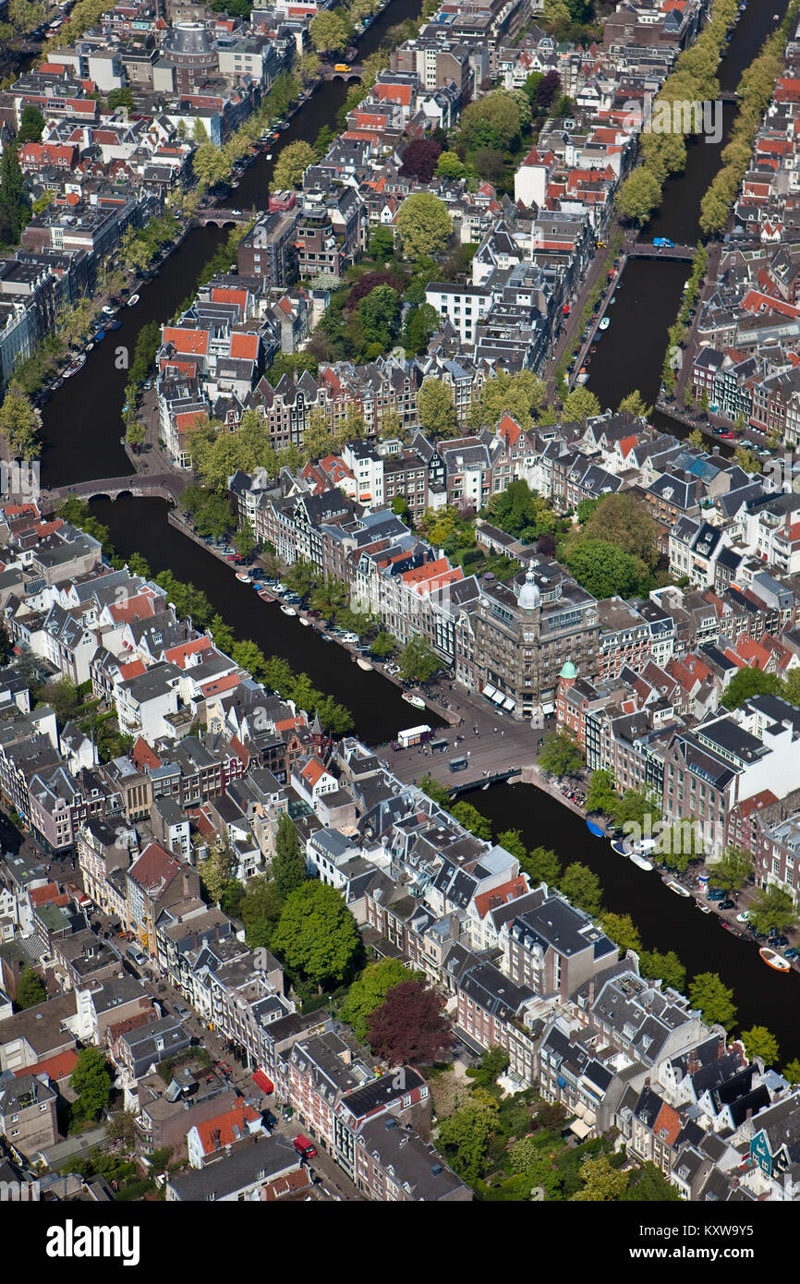
Amsterdam — UNESCO Canal Ring
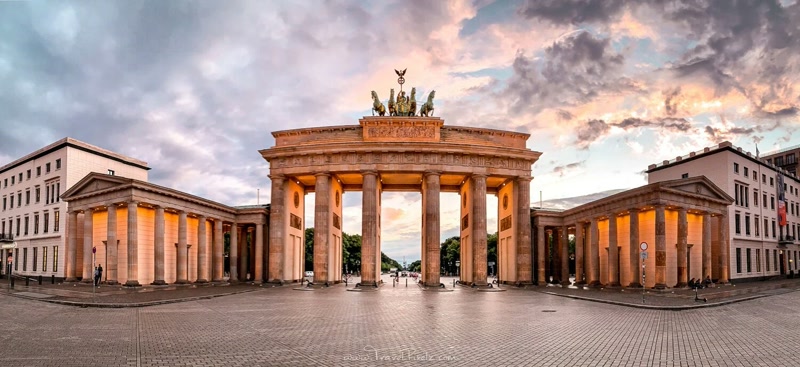
Berlin — Brandenburg Gate
⚡ Quick Answers
📊 Visual Scorecard
⚡ The TL;DR Verdict
Amsterdam wins for beauty, ease, and a perfect 3–4 day city break. Berlin wins for depth, nightlife, history, and travelers who want to stay longer. Budget: Amsterdam €70–100/day, Berlin €50–75/day.
- Go to Amsterdam if you want photogenic canals, internationally recognized Dutch masters, and an effortlessly walkable city you can do justice in 3–4 days.
- Go to Berlin if you want a deeper European experience: WW2 history, the world's best techno scene, Museum Island, and a city that rewards a week or more.
- Go to both — the direct ICE train takes under 6 hours and this is one of Europe's best two-city combinations.
- Reddit is clear: Amsterdam is prettier and easier, Berlin is grittier and more rewarding for those who dig in.
🚲 Choose Amsterdam if...
You want iconic canals, the Rijksmuseum, Anne Frank House, and a walkable city that delivers in 3–4 days.
🎵 Choose Berlin if...
You want WW2 depth, Museum Island, the global techno capital, and a city that keeps revealing itself over a full week.
Quick Comparison
| Category | 🚲 Amsterdam | 🎵 Berlin | Winner |
|---|---|---|---|
| Daily Budget (mid-range) | €70–100 per person | €50–75 per person | Berlin |
| City Aesthetics | Sharp — 17th-century canal ring, gabled houses | Gritty, industrial, post-war modernism | Amsterdam |
| Nightlife | Good — Paradiso, Shelter, Melkweg | Elite-level — Berghain, Tresor, Watergate | Berlin |
| Museums | Rijksmuseum, Van Gogh, Anne Frank House | Museum Island (5 museums), DDR, Jewish Museum | Tie |
| Ideal Stay Length | 3–4 days | 5–7 days | Berlin |
| Getting Around | Cycling paradise — flat, compact, bike-friendly | Excellent U-Bahn/S-Bahn, but spread out | Amsterdam |
| Food Scene | International, Indonesian, herring stands | Döner kebab, currywurst, diverse global | Tie |
| WWII / Cold War History | Anne Frank House, Jewish Historical Museum | Holocaust Memorial, Checkpoint Charlie, Topography of Terror | Berlin |
| Day Trips | Rotterdam, The Hague, Haarlem, Keukenhof tulips | Potsdam, Leipzig, Sachsenhausen | Amsterdam |
| English Spoken | Universally — one of Europe's best | Very good, especially among under-40s | Amsterdam |
| Solo Travel Ease | Excellent — compact, safe, easy to navigate | Good — bigger, more complex, equally safe | Amsterdam |
🏙️ City Character & Vibe
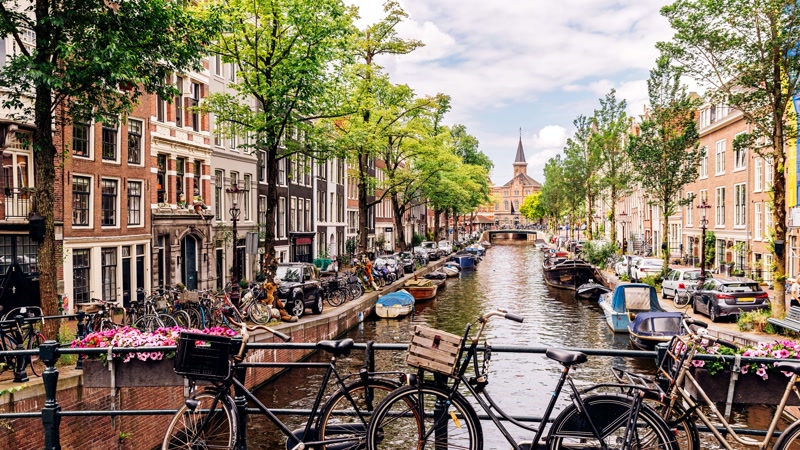
Amsterdam is a city of exquisite, human-scaled beauty. The UNESCO-listed canal ring — 165 waterways lined with 17th-century merchant houses, leaning at gentle angles — creates one of Europe's most consistently photogenic urban landscapes. It's walkable, compact (you can cross the entire center in under 30 minutes on foot), and cyclists outnumber cars by a significant margin. The entire city feels like it was designed for wandering.
Berlin is something else entirely — vast, sprawling, and still visibly pieced together after the 20th century broke it apart. It's not conventionally pretty in the way Amsterdam is. Large swaths of the city are drab postwar concrete. But Berlin has an energy and a freedom that Amsterdam can't match. It's one of the world's great creative capitals: artists, musicians, and writers from across Europe gravitate here because it's cheap (by Western European standards), permissive, and endlessly stimulating. As one Reddit user put it: "Berlin rewards you. You have to work a bit to find the magic, but when you do, no city compares."
"Amsterdam is far more compact. The old town is pretty walk-able. Easy to explore during a short stay. Berlin is very spread out — you could spend years in the city and still come across places you have never been to." — r/travel
"Amsterdam is prettier, but I think Berlin would be more rewarding over a 4–5 day period. It's more spread out and offers more to do than Amsterdam." — r/travel
🏛️ Museums & History
Amsterdam's museum trio is top-tier. The Rijksmuseum (€22.50) houses Rembrandt's Night Watch and Vermeer's Milkmaid — two of the most significant paintings in Western art history — alongside an extraordinary collection of Dutch Golden Age work. The Van Gogh Museum (€22) has the world's largest collection of Van Gogh paintings. The Anne Frank House (€16, pre-booking essential) is one of Europe's most emotionally powerful sites. Add the Stedelijk (modern art), the Jewish Historical Museum, and the Moco (Banksy, Basquiat), and Amsterdam punches well above its size.
Berlin's museum offering is broader and deeper. Museum Island is a UNESCO World Heritage Site with five extraordinary institutions: the Pergamon Museum (ancient Greek, Roman, and Islamic art), the Bode Museum (Byzantine art and coins), the Alte Nationalgalerie (19th-century European art), the Neues Museum (Egyptian and prehistoric collections), and the Altes Museum (Greek and Roman antiquities). A single Berlin Museum Pass covers all five for €29. Away from Museum Island: the Jewish Museum Berlin by Daniel Libeskind is one of the most architecturally significant buildings in the world, the DDR Museum offers an immersive East Germany experience, and the Topography of Terror (free) documents the Nazi SS and Gestapo in chilling detail.
"Amsterdam has some amazing museums — the Rijksmuseum, Van Gogh, Anne Frank House. Berlin has Museum Island where you could genuinely spend 2–3 full days. Both are museum cities, it depends what kind of history you want." — r/travel
🍺 Food & Dining
Amsterdam's food scene has improved dramatically. The city's Indonesian heritage (from colonial history) means Dutch-Indonesian restaurants (rijsttafel — a feast of 15+ small dishes for €25–35) are a genuine Amsterdam specialty you won't find anywhere else at this quality. Dutch street food staples: stroopwafel fresh off the iron (€2–3 from the Stroopwafel Shop), bitterballen (fried beef croquettes, €6–8 for a plate), and raw herring with onions from a market stand (€3–4). Amsterdam cheap eats have gotten better — check the Foodhallen market hall in De Pijp for an excellent cross-section of Dutch and international options.
Berlin's food scene is defined by immigrant communities and low costs. The city's döner kebab culture is legendary — Berlin's döner is genuinely considered some of the best in the world, and at €4–7 per kebab, it's the city's best budget meal. Currywurst (€3–4) is the quintessential Berlin street food. The Markthalle Neun in Kreuzberg (open Thursdays) is one of Europe's best food markets. Berlin's multicultural population (Turkish, Vietnamese, Middle Eastern, Eastern European) makes the city one of Europe's most diverse places to eat well on a budget.
"Better food, better/easier transportation, cheaper... Berlin wins for me. The food variety is incredible and you can eat so well for so little." — r/travel
🎵 Nightlife & Entertainment
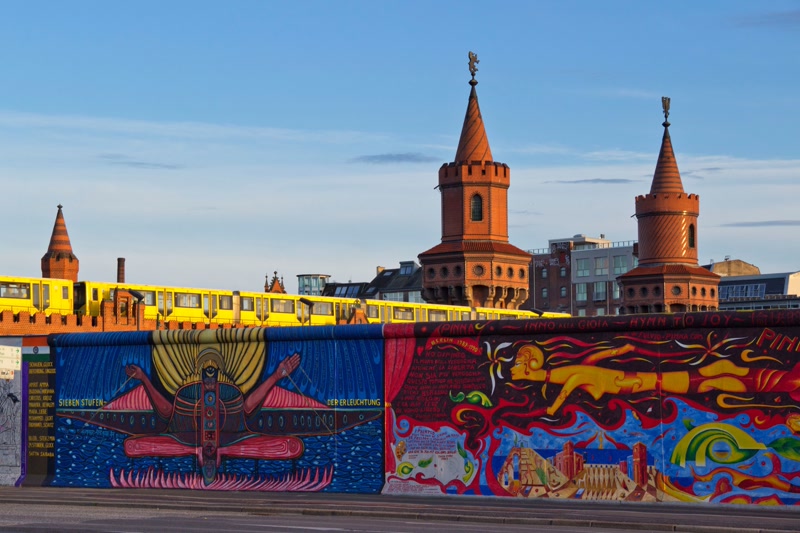
This isn't a fair fight. Berlin is the undisputed global capital of electronic music and club culture. Berghain is arguably the most famous nightclub on Earth — a former power station where sets run from Saturday night to Monday morning, with a door policy that has become a cultural institution in itself. Tresor, Watergate, Sisyphos, Salon zur Wilden Renate — Berlin has dozens of among the best venues across techno, house, drum & bass, and experimental music. The city runs 24/7 on weekends; there is no official closing time.
Amsterdam has a good nightlife scene — Paradiso (a converted church hosting everything from indie to electronic), Shelter (below the A'DAM Tower), Melkweg, and the Tolhuistuin are all legitimate venues. But Reddit users who've visited both cities are consistent: Amsterdam's scene, while fun, feels accessible and tourist-adjacent compared to Berlin's underground culture. Several users note it's genuinely hard to access Amsterdam's real underground scene as a visitor — locals keep it protected from the party-tourist crowds that have saturated the Red Light District.
"As someone living in Amsterdam and who used to DJ, I would say Berlin. Amsterdam has plenty to offer, but there's more options in Berlin — and the techno scene is in a completely different league." — r/travel — Amsterdam resident
"No city on the planet comes close to Berlin for techno. If you love electronic music, it's almost unmatched — from Berghain to small corner pubs hosting sets." — r/travel
💰 Cost Comparison
| Expense | 🚲 Amsterdam | 🎵 Berlin |
|---|---|---|
| Hostel dorm (per night) | €30–50 | €18–35 |
| Budget hotel (per night) | €90–150 | €60–110 |
| Street food lunch | €8–14 | €4–8 |
| Mid-range dinner | €18–30 | €12–22 |
| Beer at a bar | €4.50–6.50 | €3–5 |
| Public transit (single) | €3.40 (GVB) | €3.00 (BVG) |
| Museum entry (major) | €16–22.50 | €10–19 (€29 Museum Pass) |
| 24h transit pass | €8.50 | €9.20 |
| Budget daily total | €70–100 | €50–75 |
Berlin is around 20–30% cheaper than Amsterdam for most categories. The biggest gap is accommodation: Amsterdam's location as a major European hub combined with chronic housing pressure keeps accommodation prices high. A central Airbnb or boutique hotel in Amsterdam costs significantly more than an equivalent in Berlin's Mitte or Prenzlauer Berg neighborhoods.
"Berlin beats Amsterdam across the board on cost — better food, cheaper accommodation, cheaper transport, cheaper bars. If budget is a factor at all, Berlin wins easily." — r/travel
🚲 Getting Around
Amsterdam's transport secret is the bicycle. With over 800,000 bikes in a city of 900,000 people, cycling is the default mode of transport for both residents and savvy visitors. Bike rental runs €10–15/day (OV-fiets from train stations, or private operators). The canal ring is genuinely flat and compact — you can cycle from Centraal Station to the Vondelpark in 15 minutes. Public transit (GVB trams and metro) is excellent and covers the city center well, but cycling is more convenient for most journeys. Note: Amsterdam's cycling infrastructure is real infrastructure, not a tourist activity — bikes have absolute right of way and pedestrians who wander into bike lanes are genuinely at risk.
Berlin's sheer size means the U-Bahn (subway) and S-Bahn (overground rail) are essential. The BVG network is comprehensive, reliable, and runs 24/7 on weekends. A single trip costs €3.00; a day pass (AB zones, covering most of the city) is €9.20. Berlin is also very cycleable once you're oriented — the city has invested heavily in protected bike lanes — but the distances between attractions are significant in a way Amsterdam's aren't. Expect to spend more time on transit.
🌦️ Best Time to Visit
Both cities peak in spring (April–May) and early fall (September–October). Amsterdam's tulip season (mid-April to early May) with Keukenhof in full bloom is genuinely spectacular — but it's also the most expensive and crowded period. Berlin's summers are more reliably warm than Amsterdam's and the city's outdoor culture (Biergarten, open-air clubs, rooftop bars) is a highlight from June to August. Winter in Amsterdam is atmospheric and quiet; winter in Berlin is properly cold (-5°C possible) but the Christmas markets are among Germany's best.
🏘️ Where to Stay — Neighborhoods
Amsterdam
Jordaan — the most picturesque and sought-after neighborhood; narrow canals, indie boutiques, and the best café terraces. Expensive but central. De Pijp — young, packed, the Albert Cuyp Market, and excellent restaurants; slightly more affordable. Oud-West/Vondelpark — residential and leafy; good for longer stays with access to the park. Centrum (the tourist core including the Red Light District) is convenient but noisy and overpriced — most experienced travelers avoid staying here and use it only for sightseeing.
Berlin
Prenzlauer Berg (former East) — the gentrified, leafy, family-friendly neighborhood with great cafés and farmers markets; best for first-timers who want character without chaos. Mitte — central, near Museum Island and Brandenburg Gate; most expensive but convenient. Kreuzberg / Friedrichshain — the creative, counter-cultural core; independent restaurants, street art, and the best access to the club scene. Neukölln — increasingly gentrified, Arabic food scene, young expat community.
"Stay in Jordaan if you can afford it — it's Amsterdam at its most Amsterdam. De Pijp if you want slightly better value and a more local feel." — r/solotravel
🚆 Day Trips
Amsterdam's location in the Netherlands makes it one of Europe's best bases for day trips. The Dutch rail network (NS) is dense and punctual: Haarlem (20 min, €4.50 each way) for canal-house architecture without Amsterdam's crowds; Leiden (35 min) for university city charm and excellent museums; Rotterdam (40 min) for jaw-dropping modern architecture; The Hague (50 min) for the Mauritshuis (Vermeer's Girl with a Pearl Earring) and Dutch political history. In spring, Keukenhof (40 min by bus from Leiden) is one of Europe's greatest seasonal spectacles — 7 million tulips in bloom. You could base yourself in Amsterdam for a week and never see the same thing twice.
Berlin's day trip options are excellent in a different way: Potsdam (30 min by S-Bahn, €3.80 each way) has the Sanssouci Palace complex — Frederick the Great's baroque masterpiece, often called the Versailles of Prussia. Sachsenhausen concentration camp (45 min) is a sobering and important historical visit. Leipzig (1h15 by train) is an underrated German city with its own strong music scene and Bach connections. Dresden (2h) offers one of Germany's most beautiful old-town reconstructions.
🎯 The Decision Framework
Choose Amsterdam If…
- You seek a compact, aesthetically pleasing city for easy exploration.
- You're planning a shorter trip, ideally 3-4 days.
- You prefer cycling or walking as primary transport.
- You prioritize picturesque canal views and gabled houses.
- You want to visit museums within close proximity to each other.
- You are okay with a daily budget of €70-100.
- You enjoy a relaxed, café culture atmosphere.
- You appreciate a city where navigating is straightforward.
Choose Berlin If…
- You want to explore deep layers of 20th-century history.
- You're looking for extensive, late-night clubbing options.
- You have more than 4 days to dedicate to a city break.
- You prefer a more budget-friendly daily cost, around €50-75.
- You appreciate a sprawling city with diverse districts to discover.
- You seek a strong contemporary art and alternative culture scene.
- You want access to numerous large parks and green areas.
- You're interested in a city known for its post-reunification evolution.
Made your choice?
See documented tourist scams for Amsterdam or Berlin — exact scripts, red flags, and the moves that stop them.
Browse travel-safety books →❓ Frequently Asked Questions
Is Amsterdam or Berlin better for first-time visitors to Europe?
Amsterdam is the easier, more photogenic first-timer city — its compact canal ring is instantly walkable, English is universally spoken, and you'll cover the highlights in 3–4 days. Berlin is the better city if you have historical depth in mind: WW2 sites, Cold War checkpoints, and Museum Island can absorb a full week. Reddit consensus is split but leans Amsterdam for first-timers who want picturesque streets and easy navigation, and Berlin for those who want a deeper, grittier European experience. If you have 10 days total, do both — the direct ICE train takes just under 6 hours.
Which is cheaper, Amsterdam or Berlin?
Berlin is meaningfully cheaper than Amsterdam. A mid-range budget in Berlin runs €50–75/day (€18–35 hostel dorms, €4–8 street food, free or low-cost entry to many memorials). Amsterdam runs €70–100/day for the same style of travel — accommodation and restaurants are roughly 20–30% pricier. Berlin's döner kebab and currywurst keep food costs very low; Amsterdam's Dutch food is similarly budget-friendly but the city's tourist premium inflates overall spending. Where Amsterdam gets expensive fast: canal-view restaurants, the premium on central accommodation, and booking major museums (Rijksmuseum €22.50, Van Gogh Museum €22, Anne Frank House €16) without planning ahead.
Which city has better nightlife, Amsterdam or Berlin?
Berlin is the global capital of electronic music and club culture — it's not even a debate. Berghain, Tresor, Watergate, and hundreds of smaller venues set a standard that no other city can match. One redditor put it simply: "No city on the planet comes close to Berlin in that regard." Amsterdam has a solid scene (Shelter, De School, Paradiso) but Reddit users consistently note that the city's tourist-heavy vibe makes it harder to access the real underground scene. If techno and late-night culture are priorities, Berlin is the only answer. If you want a fun but more accessible night out, Amsterdam's Leidseplein and Rembrandtplein squares deliver.
How many days do you need in Amsterdam vs Berlin?
Amsterdam: 3–4 days is the sweet spot — enough to do the Rijksmuseum, Van Gogh Museum, Anne Frank House, a canal boat tour, and wander Jordaan and De Pijp without rushing. Many Reddit users note that 5+ days in Amsterdam alone can feel long, especially for non-partiers. Berlin: 5–7 days minimum to do it justice. Museum Island alone deserves two days. Add the Holocaust Memorial, Checkpoint Charlie, East Side Gallery, Brandenburg Gate, and neighborhood exploration in Prenzlauer Berg, Friedrichshain, and Mitte, and a week still feels short. Berlin consistently rewards longer stays; Amsterdam is better for a tight city break.
Which has better museums, Amsterdam or Berlin?
Both cities are top-tier museum destinations, but for different reasons. Amsterdam's big three — Rijksmuseum (Rembrandt, Vermeer), Van Gogh Museum, and Anne Frank House — are among the most visited museums in Europe. Berlin's Museum Island (Pergamon, Bode, Altes Museum, Neues Museum, Alte Nationalgalerie) is a UNESCO site with five among the best institutions in one cluster. A Berlin Museum Pass (€29) covers them all. For art history and ancient civilizations, Berlin edges ahead. For Dutch Golden Age masterpieces and 20th century personal history, Amsterdam wins.
What is the best time to visit Amsterdam vs Berlin?
Amsterdam: April–May is peak season — tulips bloom at Keukenhof (€22 entry, 40 min from Amsterdam), weather is mild (14–18°C), and the city looks its most beautiful. September is also excellent. Summer (July–August) is crowded and expensive. Winter is damp and cold but Amsterdam Christmas markets and canal skating (when it freezes) are charming. Berlin: May–September is the sweet spot. Berlin's summers are lively with outdoor festivals, open-air clubs, and long days. Winter is genuinely cold (-2 to 4°C in December–February) and grey, though the Christmas markets are outstanding. Spring and fall are ideal for sightseeing without summer crowds.
Is it easy to visit Amsterdam and Berlin together?
Yes — and it's a popular combination. The direct ICE high-speed train runs Amsterdam Centraal to Berlin Hauptbahnhof in approximately 5h45m (from €39 one-way booked in advance). Budget flights on Ryanair, easyJet, or Transavia cost €20–80 depending on timing. A 10–12 day trip works perfectly: 4 days Amsterdam → train → 6 days Berlin. Alternatively, add a stop in Cologne or Hamburg en route. The two cities complement each other well — Amsterdam for scenic canal culture and Dutch masterpieces, Berlin for depth of history and unmatched nightlife. See our Prague vs Budapest comparison if you're building a broader Central European itinerary.
Is Amsterdam or Berlin safer for solo travelers?
Both cities are very safe by European standards. Amsterdam's main concerns are pickpocketing in tourist-heavy zones (Centraal Station, Leidseplein, the Red Light District) and navigating the cycling lanes — visitors frequently get nearly hit by silent bikes. Berlin is safe throughout most neighborhoods; some areas around Kottbusser Tor and Görlitzer Park have rougher reputations, particularly at night, but nothing alarming for experienced urban travelers. Solo female travelers generally feel comfortable in both cities. Reddit users consistently note that both are welcoming to solo travelers, though Berlin's size can feel more overwhelming initially.
How many days do I need in each city?
Amsterdam: 3-4 days minimum (Canal Ring walk, Rijksmuseum, Van Gogh Museum, Anne Frank House, day-trip to Zaanse Schans windmills or Keukenhof tulips in season). Berlin: 4-7 days (Brandenburg Gate, Reichstag, Museum Island day, Berlin Wall + Topography of Terror, Charlottenburg, Hackescher Markt, plus 1-2 nights for Berghain culture). Berlin is the deeper city; Amsterdam is the more compact city break.
Where should I stay in each city?
Amsterdam: Canal Belt (Grachtengordel — boutique €150-300/night, the iconic Amsterdam image), Jordaan (artistic, charming, €130-250/night), De Pijp (hipster, packed cafes, €100-200/night). Berlin: Mitte (central, near Brandenburg Gate + Museum Island, €80-180/night), Kreuzberg (alternative, multicultural, packed nightlife, €70-150/night), Prenzlauer Berg (gentrified bohemian, family-friendly, €80-180/night), Friedrichshain (techno-club proximity, gritty).
When is the best time to visit?
Amsterdam: April-May for tulip season (Keukenhof open mid-March to mid-May), May-September for canal-walking weather, December for Christmas markets + lights. Avoid June-August Sunday crowds. Berlin: May-September for warm weather (15-25°C), October for the iconic Festival of Lights, December for Christmas markets. Berlin is year-round; Amsterdam is rainy October-March (umbrella essential). Booking ahead is critical for Amsterdam April-October.
Is the Eurostar/ICE train worth taking?
Yes for Amsterdam-Berlin. ICE direct train Amsterdam-Berlin is 6h 15min, €50-150 each way (book 6+ weeks ahead for best prices). City-center to city-center, no airport hassle, large bags free, scenic countryside, Wi-Fi onboard. Flying Amsterdam-Berlin (1h 30min) is technically faster but adds 90+ min each way for airports + security. Train wins on door-to-door time and scenery; flying wins if you find €30 budget tickets. Frequent direct connections daily.
How does the techno scene work for first-timers?
Berghain is the iconic challenge. Door policy: random/unpredictable acceptance (~30% rate), favors locals + queer + dressed-down look. Best shot: Saturday late night (1-3am) or Sunday morning. Wear black, look serious, don't speak loudly in line, no big tourist groups. Bouncer Sven Marquardt is legendary. Alternatives if Berghain rejects: Tresor (techno classic), Watergate (house), KitKat (sex-positive), Sisyphos (huge open-air), Wilde Renate (bizarre maze). Most go to multiple over a weekend.
Is Anne Frank House worth seeing?
Yes — but you must book online 6-8 weeks ahead via annefrank.org (€17 + €0.50 booking fee). Tickets are released exactly 6 weeks ahead at 12pm Amsterdam time and sell out within hours. Walk-in tickets are very limited. The house preserves the secret annex where Anne Frank's family hid 1942-1944; the experience is moving and powerful, ~60-90 min visit. One of Amsterdam's most-recommended experiences. Berlin's WW2 sites are excellent but different angle (perpetrator vs victim history).
What about Amsterdam's coffee shops and Red Light District?
Amsterdam's coffee shops sell cannabis legally — locals don't visit them, they're entirely tourist-driven. €5-15 for joints; bring ID. Red Light District (De Wallen) is a tourist attraction — windows are private worker spaces, photography is prohibited and aggressively enforced. Both are concentrated in the Centrum tourist core. Berlin has its own party scene focused on techno + sex-positive clubs (KitKat, Insomnia) but no equivalent legal cannabis or sex-work zones.
What's the food scene like?
Both improving but historically not strong. Amsterdam: Rijsttafel (Indonesian rice table dating from Dutch colonial era), bitterballen (fried meatballs), stroopwafel, bistros + brown cafes (Greetje, Moeders, De Kas), modern dining (Restaurant As, De Plantage). Berlin: Currywurst (the iconic street food at Curry 36 or Konnopke), döner kebab (Berlin invented the standing-grill version), Markthalle Neun (Thursday Street Food market), Mustafas Gemüse Kebab (the iconic vegetable kebab line), Eberswalder Strasse currywurst. Both are excellent for affordable casual food; neither is famous for fine dining.
Ready to plan your European adventure?
Know the tourist scams before you go — documented from real traveler reports, not generic templates.