How we built this comparison
This page combines traveler discussion patterns, published price ranges, flight schedules, and seasonal data to help you decide between France and Poland.
- Reviewed 500+ Reddit threads from r/travel, r/solotravel, etc.
- Verified costs and logistics against current booking platforms (e.g., Booking.com, Skyscanner, local train sites)
- Cross-referenced seasonal patterns and weather data for optimal travel timing
⚡ Quick Answers
⚡ The TL;DR Verdict
For most first-time European travelers prioritizing a blend of iconic sights, sophisticated food, and easy rail travel, France is the stronger pick despite higher costs. If your primary goal is to extend your trip duration, explore a different side of European history, and experience excellent value, Poland is the clear winner, with daily budgets often half of France's. Aim for €120-180/day in France versus €50-80/day in Poland.
- Choose France: You want iconic landmarks, high-end gastronomy, extensive art collections, and a well-established tourism infrastructure. You are prepared for higher costs and larger crowds, especially in major cities.
- Choose Poland: You seek historical depth, a more budget-conscious trip, hearty comfort food, and a chance to experience a less trodden European path. You appreciate good value and a friendly, less tourist-saturated atmosphere.
- Choose Both: If you have 3-4 weeks and a budget allowing for varying experiences, combine them. Start with France for 10-14 days to see Paris, the Loire Valley, or Provence, then fly to Poland for 7-10 days to explore Krakow and Warsaw. The contrast will be rewarding.
Choose France
Choose France if you dream of iconic romance, sophisticated gastronomy, and world-class art. It's best for first-time European travelers and those seeking unparalleled cultural immersion, from strolling Parisian boulevards to savoring Coq au Vin in a charming bistro. Be prepared for a higher budget, but every euro invested promises unforgettable moments.
Choose Poland
Opt for Poland if you're a budget-conscious history enthusiast eager to explore a rich, resilient culture without breaking the bank. It's perfect for travelers seeking deep historical dives into Krakow's Old Town or Warsaw's reconstructed marvels, coupled with delicious, hearty comfort food like pierogi. Your daily budget stretches significantly further, offering excellent value for an extended, authentic adventure.
📊 Visual Scorecard
🌤 When to Visit
Average high temperatures (°C). Green = best months, orange = avoid.
Quick Comparison
| Category | France | Poland | Winner |
|---|---|---|---|
| Costs & Budget | Expect higher prices across the board for accommodation, dining, and transport; average €120-180/day for a mid-range trip. | Significantly more affordable; average €50-80/day for a mid-range trip, making longer stays feasible. | Poland |
| Food & Drink | Sophisticated, diverse cuisine from Michelin-starred to boulangeries; wine culture is central. | Hearty, comforting, meat-and-potato focused; excellent pierogi, bigos, and cheap beer/vodka. | France |
| Culture & History | Iconic art, grand palaces, revolutionary history, and Roman ruins. | Deep, often somber history, medieval towns, strong Catholic traditions, and resilience. | France |
| Getting Around | Extensive, efficient high-speed rail (TGV) connects major cities; good local transport. | Reliable intercity trains and buses, generally slower but very affordable; excellent city public transport. | France |
| Accommodation | Wide range from luxury hotels to budget hostels, but generally higher prices, especially in cities. | Excellent value for money, with comfortable hotels and apartments at significantly lower costs. | Poland |
| Nightlife & Entertainment | Paris offers sophisticated clubs and bars, jazz clubs, and cabaret; regional cities have lively scenes. | Krakow and Warsaw have energetic and affordable bar scenes; ruin bars and themed pubs are popular. | Tie |
| Nature & Outdoors | Diverse landscapes from Alps to Mediterranean coast, national parks, and famous vineyards. | Mountains (Tatra), lakes (Masurian), ancient forests, and Baltic Sea coastline. | France |
| Safety & Solo Travel | Generally safe, but pickpocketing and tourist scams are common in major cities; solo travel is easy. | Very safe, low crime rates, especially outside major cities; solo travel is straightforward and welcoming. | Poland |
| Families & Activities | Disneyland Paris, child-friendly museums, parks, and regional outdoor activities. | Interactive museums, large parks, affordable activities, and a focus on history lessons. | France |
| Shopping & Souvenirs | High fashion, luxury goods, gourmet food, and artisanal crafts. | Amber jewelry, folk art, local crafts, and affordable souvenirs. | France |
💰 Costs & Budget
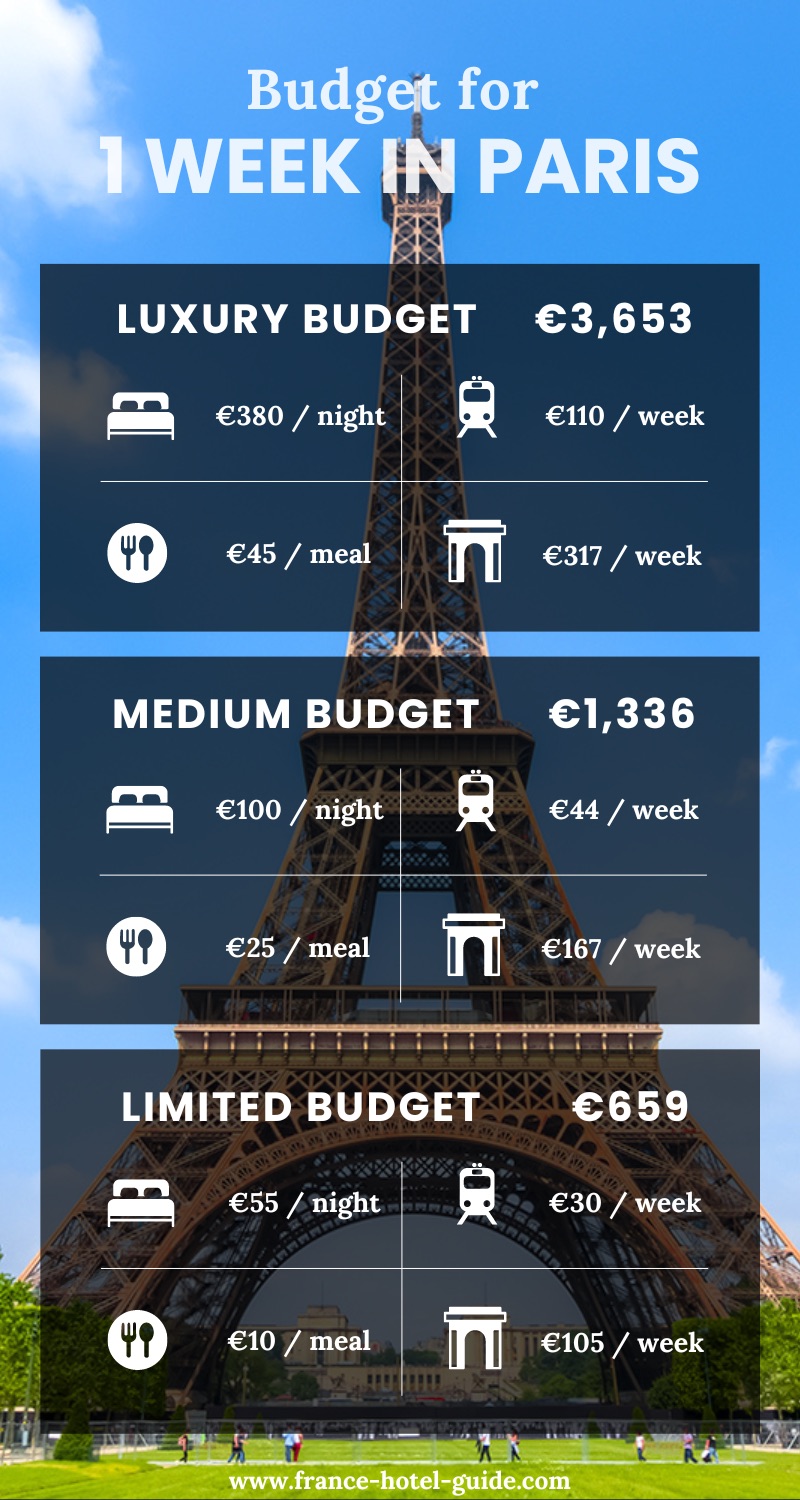
France is consistently more expensive. A modest hotel in Paris can easily run €100-150 (approx. $110-165) per night, while a sit-down dinner with wine might be €30-50 (approx.…
France
Poland
France is consistently more expensive. A modest hotel in Paris can easily run €100-150 (approx. $110-165) per night, while a sit-down dinner with wine might be €30-50 (approx. $33-55) per person. Public transport like the Paris Metro is €2.15 (approx. $2.35) per single ticket. Groceries for self-catering can help, but even a baguette and cheese from a local market will add up faster than in Poland. Entrance fees for places like the Louvre are €17-22 (approx. $18-24).
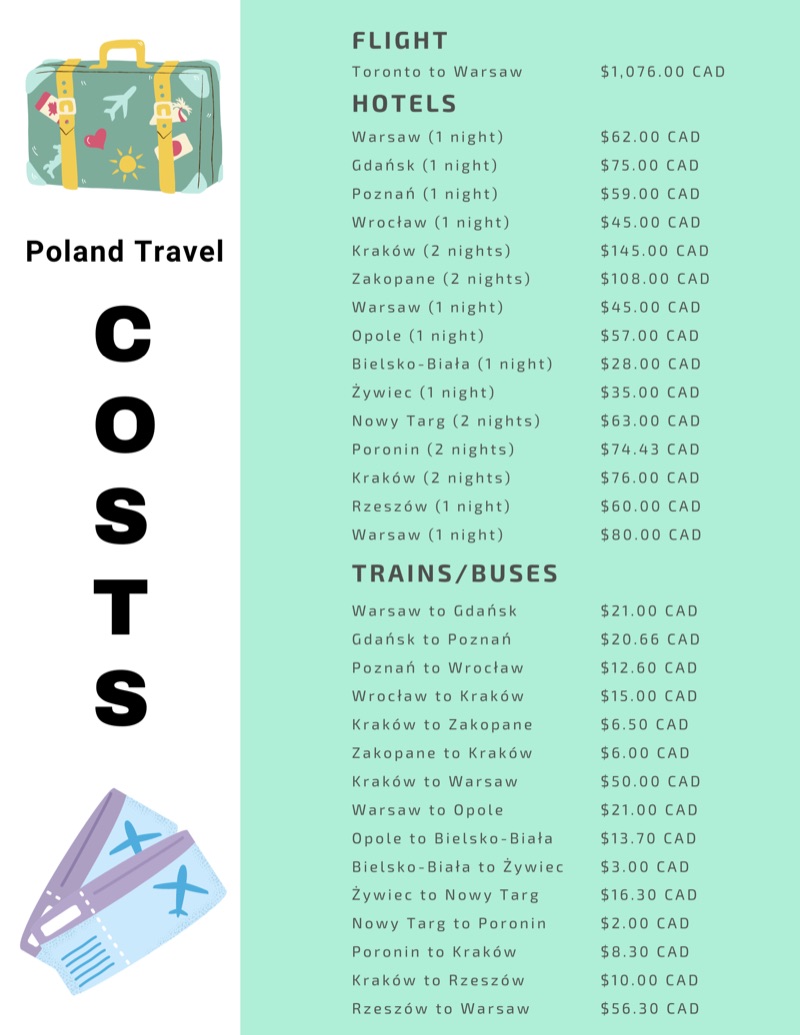
Poland offers exceptional value. A comfortable hotel or apartment in Krakow can be found for €40-70 (approx. $44-77) per night. A hearty meal with a drink in a nice restaurant might cost PLN 40-70 (approx. $10-17). Public transport in Krakow or Warsaw is around PLN 4.40 (approx. $1.10) for a single ride. Museum entry, such as to Wawel Castle in Krakow, is typically PLN 30-50 (approx. $7.50-12.50). Food from a 'bar mleczny' (milk bar) can be as low as PLN 15-25 (approx. $3.75-6.25) for a full meal. For budget travelers, Poland stretches your money much further. Poland wins this category handily; your euros go much further here.
- Winner: Poland
- Why: Poland provides significantly better value across all spending categories, allowing for longer trips or more activities on the same budget.
- Who this matters for: Budget-conscious travelers, backpackers, and those seeking extended trips without breaking the bank.
🍷 Food & Drink
French cuisine is globally celebrated, known for its precision, fresh ingredients, and regional diversity. In Paris, you can find anything from a classic Croque Monsieur at a…
France
Poland
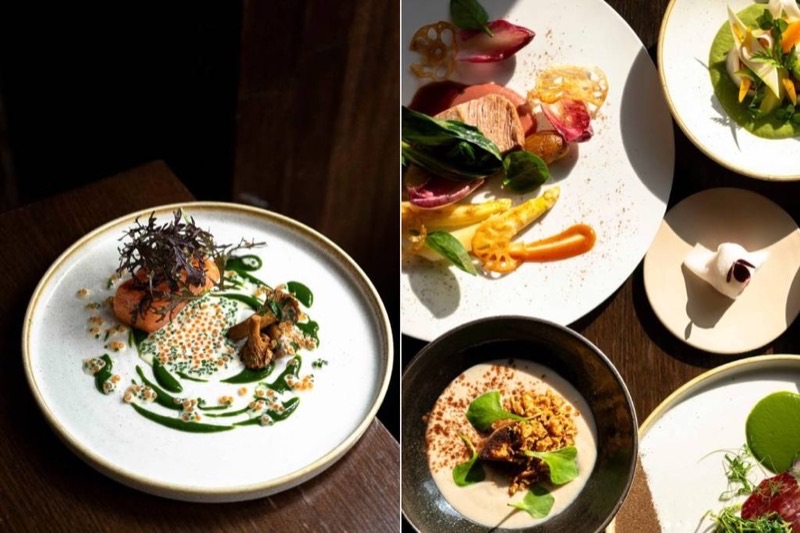
French cuisine is globally celebrated, known for its precision, fresh ingredients, and regional diversity. In Paris, you can find anything from a classic Croque Monsieur at a local cafe for €8-12 (approx. $9-13) to an elaborate multi-course meal at a bistro for €40-80 (approx. $44-88) or more. Bordeaux offers exceptional wines, while Lyon is known as a culinary capital for its traditional bouchons serving dishes like coq au vin or quenelles. Look for a 'formule midi' (lunch special) for good value, often €15-25 (approx. $16-27). The bread, cheese, and pastry scene is unparalleled, with a croissant around €1.50 (approx. $1.65) and a decent baguette for €1.20 (approx. $1.30).
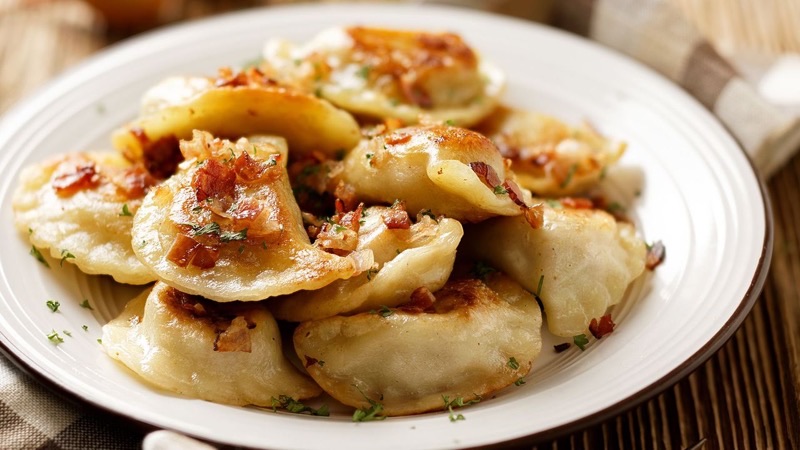
Polish food is less about refinement and more about substance and flavor. Think pierogi (dumplings) with various fillings, bigos (hunter's stew), golabki (cabbage rolls), and zurek (sour rye soup). A plate of pierogi at a casual restaurant in Krakow, like Pierogarnia Krakowiacy, might cost PLN 25-40 (approx. $6-10). Craft beer has a strong presence, with a pint often PLN 12-18 (approx. $3-4.50). Vodka, of course, is a staple, with a shot around PLN 8-15 (approx. $2-3.75). While French cuisine offers broader appeal and a higher level of gastronomic artistry, Polish food is incredibly satisfying and comforting, especially in colder months. France takes this for its sheer culinary prestige and variety.
- Winner: France
- Why: French gastronomy sets a global standard with its diverse regional dishes, sophisticated techniques, and embedded wine culture.
- Who this matters for: Foodies, gourmands, wine enthusiasts, and those who prioritize dining as a central part of their travel experience.
🏛️ Culture & History
France is a historical powerhouse, from Roman Gaul to the French Revolution and the Belle Époque. Paris alone offers the Louvre, Musée d'Orsay, and the Palace of Versailles, each…
France
Poland
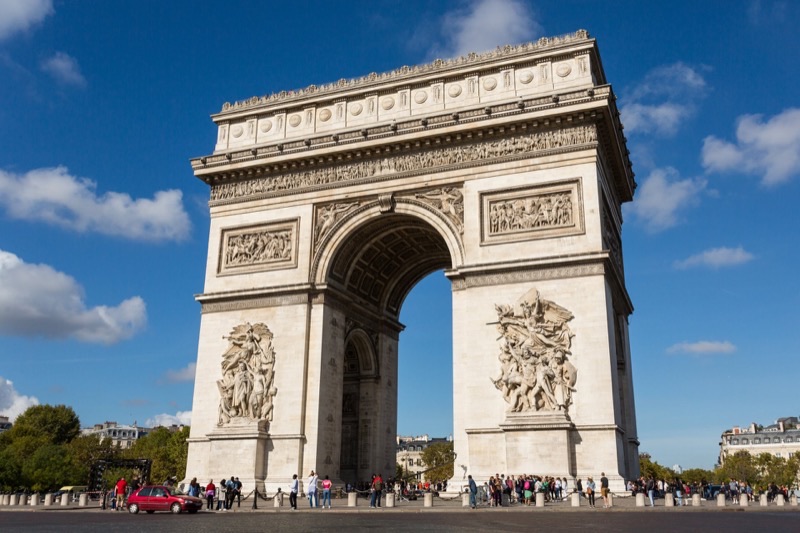
France is a historical powerhouse, from Roman Gaul to the French Revolution and the Belle Époque. Paris alone offers the Louvre, Musée d'Orsay, and the Palace of Versailles, each holding immense cultural weight. Beyond Paris, you can explore the D-Day landing beaches in Normandy, the Roman amphitheater in Arles, or the medieval ramparts of Carcassonne. The sheer volume of historically significant sites and art collections is immense, with centuries of influence on Western civilization. The cultural impact of French thinkers, artists, and architects is evident everywhere, from gothic cathedrals like Notre Dame to the modern Pompidou Center. The history is often presented with grandiosity and wide appeal.
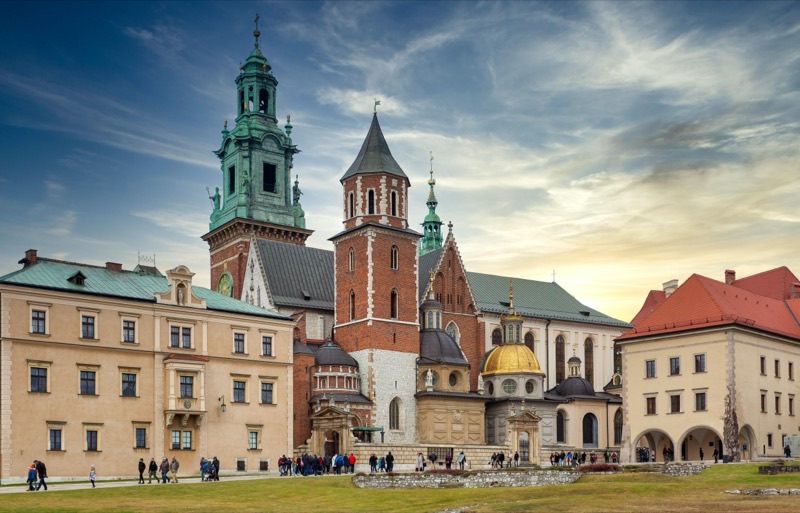
Poland's history is equally deep but often carries a heavier, more somber tone due to its complex past, including the devastation of World War II and decades of communist rule. Krakow's Old Town and Wawel Castle showcase medieval and Renaissance periods, while Warsaw, largely rebuilt after the war, tells a powerful story of resilience. Sites like Auschwitz-Birkenau are profoundly moving and offer critical historical insight, though they are not for everyone. The Jewish Quarter (Kazimierz) in Krakow offers a glimpse into a once-thriving culture. Poland's cultural fabric is also tied to its strong Catholic traditions, visible in its churches and festivals. While Poland offers profound, essential historical experiences, France wins for its breadth of cultural influence and the sheer number of widely recognized historical monuments and artistic treasures.
- Winner: France
- Why: France holds an unparalleled collection of globally recognized historical sites, art museums, and cultural contributions that have shaped Western civilization.
- Who this matters for: Art historians, those interested in Western European history, and travelers who prioritize visiting globally famous landmarks and masterpieces.
🚆 Getting Around
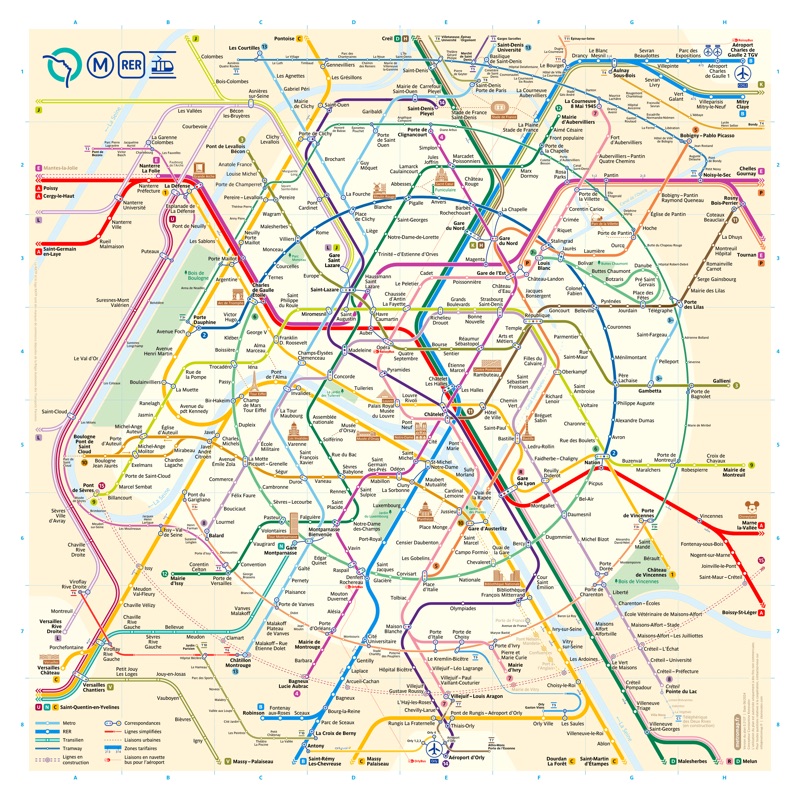
France boasts one of Europe's best high-speed rail networks, the TGV. You can travel from Paris to Lyon in under two hours, or Paris to Marseille in about three. These trains are…
France
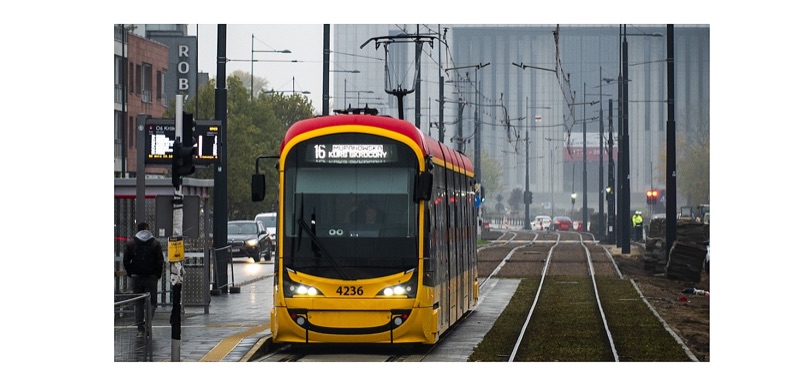
Poland
France boasts one of Europe's best high-speed rail networks, the TGV. You can travel from Paris to Lyon in under two hours, or Paris to Marseille in about three. These trains are efficient, comfortable, and generally run on time, though tickets can be pricey if not booked in advance (e.g., Paris-Marseille could be €60-150, approx. $65-165). Regional trains (TER) connect smaller towns. Major cities have excellent metro and bus systems; Paris's Metro is world-famous for its coverage and frequency, with a Navigo Découverte pass offering good value for longer stays. Driving is an option but tolls and fuel costs are high. The overall ease and speed of intercity travel via rail make France very accessible for tourists.
Poland's public transport is highly functional and very economical. PKP Intercity offers express trains between major cities like Warsaw, Krakow, Gdansk, and Wroclaw. A train from Warsaw to Krakow takes around 2.5-3 hours and costs PLN 50-90 (approx. $12.50-22.50) for a standard fare. Buses, particularly FlixBus, are also a cheap and reliable option for intercity travel. Within cities, tram and bus networks are comprehensive and easy to use, with tickets often purchased from machines at stops or on board. Uber and local ride-sharing apps are widely available and much cheaper than in France. While Poland is cheaper, France's TGV network provides a speed and efficiency that allows you to cover more ground quickly, which is a major advantage for travelers on a tighter schedule. France wins for its superior speed and integration of its rail network.
- Winner: France
- Why: France's high-speed TGV rail network offers superior speed and efficiency for intercity travel, allowing visitors to cover more ground quickly.
- Who this matters for: Travelers prioritizing speed and comfort for intercity travel, those with limited time, and rail enthusiasts.
🏨 Accommodation
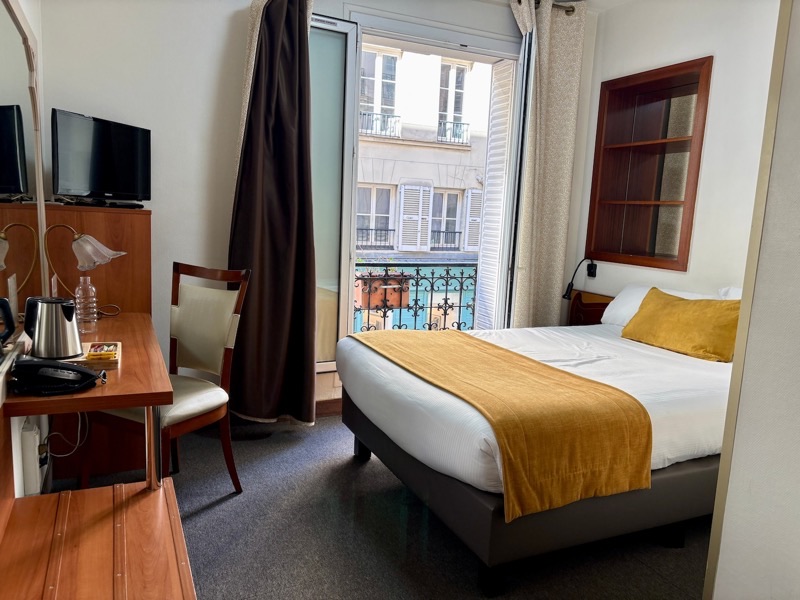
Accommodation in France, particularly in Paris and popular regions like the French Riviera, can be expensive. A decent 3-star hotel in Paris might cost €100-180 (approx. $110-198)…
France
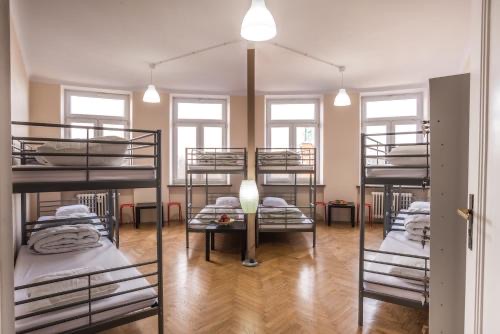
Poland
Accommodation in France, particularly in Paris and popular regions like the French Riviera, can be expensive. A decent 3-star hotel in Paris might cost €100-180 (approx. $110-198) per night, often for smaller rooms. Hostels are available but still pricier than their Polish counterparts, with a dorm bed often €35-50 (approx. $38-55) in Paris. Rural gites or B&Bs can offer better value, but you need a car. Booking in advance is crucial, especially during peak season, to secure reasonable prices for quality stays.
Poland provides exceptional accommodation value. In Krakow or Warsaw, you can find a comfortable, modern 3-star hotel for €50-80 (approx. $55-88) per night. Boutique hotels and stylish apartments on platforms like Airbnb are also very affordable, often costing less than a basic hotel room in France. Hostels offer dorm beds for PLN 50-80 (approx. $12.50-20), providing good quality and social atmospheres. Even luxury stays are much more accessible. This means travelers can often upgrade their accommodation type in Poland without exceeding a mid-range budget. Poland wins for delivering significantly more comfort and amenities for your money. You can stay in a much nicer place for less in Poland.
- Winner: Poland
- Why: Poland offers significantly better value for accommodation, providing higher quality hotels, apartments, and hostels at much lower prices.
- Who this matters for: Budget-conscious travelers, those who prioritize comfortable stays without high costs, and anyone looking to stretch their accommodation budget.
🎉 Nightlife & Entertainment
French nightlife, particularly in Paris, ranges from chic cocktail bars in Le Marais to grand cabaret shows like the Moulin Rouge, though tickets for the latter can be €80-150…
French nightlife, particularly in Paris, ranges from chic cocktail bars in Le Marais to grand cabaret shows like the Moulin Rouge, though tickets for the latter can be €80-150 (approx. $88-165). There are also numerous jazz clubs in the Latin Quarter, and larger nightclubs in areas like Bastille. A cocktail typically costs €12-18 (approx. $13-20), and a glass of wine €6-10 (approx. $6.50-11). Outside Paris, cities like Lyon, Bordeaux, and Nice have their own active bar and club scenes, often centered around student populations or waterfront areas. The atmosphere tends to be more refined, with an emphasis on good drinks and conversation.
Poland offers a more uninhibited and budget-friendly nightlife experience. Krakow, in particular, is known for its dense concentration of bars in the Old Town and Kazimierz district, many located in cellars or courtyards. A pint of local beer is often PLN 10-15 (approx. $2.50-3.75), and a shot of vodka can be as low as PLN 8 (approx. $2). Warsaw also has a robust club scene, especially around the Vistula River during summer, and a growing craft beer movement. Ruin bars, similar to those in Budapest, offer unique settings. Both countries offer distinct, quality nightlife. France offers sophistication and iconic shows, while Poland offers an energetic, highly social, and very affordable scene. It is a tie, as the appeal depends on what kind of night you seek.
- Winner: Tie
- Why: Both countries offer compelling and distinct nightlife experiences, catering to different preferences for atmosphere and budget.
- Who this matters for: Social travelers, those who enjoy late nights, and people interested in experiencing local bar and club culture.
🏞️ Nature & Outdoors
France presents a diverse array of natural landscapes. You have the towering French Alps for skiing and hiking, the dramatic coastline of Brittany and Normandy, the rolling…
France presents a diverse array of natural landscapes. You have the towering French Alps for skiing and hiking, the dramatic coastline of Brittany and Normandy, the rolling vineyards of Bordeaux and Burgundy, and the lavender fields of Provence. The Calanques National Park near Marseille offers dramatic limestone cliffs and turquoise waters for kayaking and hiking. The Cévennes National Park is a UNESCO site known for its rugged terrain and biodiversity. From the sandy beaches of the Côte d'Azur to the volcanic landscapes of the Auvergne, there is a natural environment for every preference. Access is generally well-developed with marked trails and facilities.
Poland also has significant natural assets, notably the Tatra Mountains (part of the Carpathians) in the south, offering serious hiking and winter sports, centered around Zakopane. The Masurian Lake District in the northeast is popular for sailing and kayaking. Bialowieza Forest, a UNESCO site, is one of Europe's last remaining primeval forests, home to European bison. The Baltic Sea coast, particularly around Gdansk and Sopot, has wide sandy beaches, though the water is colder than the Mediterranean. While Poland offers genuine natural beauty and wilderness, France's sheer variety, scale, and tourist-friendly infrastructure around its natural spaces give it an edge. France offers more iconic and accessible natural diversity.
- Winner: France
- Why: France boasts a wider and more iconic range of natural landscapes, from high mountains and extensive coastlines to vineyards and volcanic regions, all with well-developed access.
- Who this matters for: Outdoor enthusiasts, hikers, skiers, beach-goers, and those who appreciate diverse and celebrated natural environments.
🚶♀️ Safety & Solo Travel
France is generally safe, especially outside major tourist zones. However, Paris, Marseille, and other large cities have issues with pickpocketing, especially around major…
France is generally safe, especially outside major tourist zones. However, Paris, Marseille, and other large cities have issues with pickpocketing, especially around major attractions like the Eiffel Tower, the Louvre, and on crowded public transport. Be mindful of your belongings, especially phones and wallets. Solo female travelers report feeling safe but advise caution at night in certain areas. Violent crime is low, but petty theft is a concern. The language barrier can be a minor issue in rural areas if you do not speak French, but English is widely understood in tourist centers. Emergency services are reliable. Overall, solo travel is very manageable, but requires vigilance against petty crime.
Poland consistently ranks as one of Europe's safest countries. Crime rates are low, and travelers generally report feeling very secure, even at night in major cities like Krakow and Warsaw. Pickpocketing exists, as in any tourist destination, but it is less prevalent than in France. Solo travelers, including solo females, often praise Poland for its welcoming atmosphere and ease of navigation. English is commonly spoken by younger generations and in tourist-oriented businesses, making communication straightforward. Public transport is safe and reliable. The overall sense of security is noticeably higher, allowing travelers to relax more. Poland offers a greater sense of peace for travelers.
- Winner: Poland
- Why: Poland offers a higher overall sense of safety and significantly lower rates of petty crime, making it a more relaxing and straightforward destination for solo travelers.
- Who this matters for: Solo travelers, first-time international travelers, and anyone prioritizing a low-stress, secure environment.
👨👩👧👦 Families & Activities
France caters well to families. Disneyland Paris is a major draw, offering days of entertainment for all ages. Beyond the theme park, Paris has numerous parks like Jardin du…
France caters well to families. Disneyland Paris is a major draw, offering days of entertainment for all ages. Beyond the theme park, Paris has numerous parks like Jardin du Luxembourg with playgrounds and pony rides. Many museums, like the Cité des Sciences et de l'Industrie, have dedicated children's sections. Regional attractions include exploring castles in the Loire Valley, building sandcastles on the Atlantic coast, or learning about Roman history in Nimes. The infrastructure for families, including baby change facilities and child seats on trains, is generally good, though dining out with small children might be less common than in some other cultures. Meals can be adapted for kids with simpler fare.
Poland also offers good family options, often at a lower cost. Science centers like Copernicus Science Centre in Warsaw are excellent and highly interactive. Large city parks like Lazienki Park in Warsaw provide ample space for kids to run around. Krakow's Wawel Castle has dragon legends that kids enjoy, and the Wieliczka Salt Mine offers a subterranean adventure. Many cities have playgrounds, and the focus on hearty, simple food makes dining easier with picky eaters. While Poland provides solid family fun, Disneyland Paris alone is a significant draw that many families prioritize, and the overall global recognition of French landmarks makes them more appealing for a 'bucket list' family trip. France edges out Poland mainly due to Disneyland's draw and the broader appeal of its famous sites. France wins for its iconic family attractions.
- Winner: France
- Why: France offers iconic family attractions like Disneyland Paris and a wide array of universally recognized cultural sites that appeal to a broader family audience.
- Who this matters for: Families with younger children, those seeking universally appealing attractions, and travelers looking for a mix of entertainment and culture.
🛍️ Shopping & Souvenirs
Shopping in France, especially Paris, is synonymous with luxury and fashion. Department stores like Galeries Lafayette and Printemps offer high-end brands, while Avenue Montaigne…
Shopping in France, especially Paris, is synonymous with luxury and fashion. Department stores like Galeries Lafayette and Printemps offer high-end brands, while Avenue Montaigne is home to haute couture. Beyond fashion, France is excellent for gourmet food items like fine cheeses, wines, macarons from Ladurée or Pierre Hermé, and artisanal chocolates. Regional markets offer local produce, crafts, and antiques. Souvenirs range from mini Eiffel Towers to sophisticated art prints and perfumes. While prices for luxury items are high, quality is generally excellent. Even smaller towns will have charming boutiques and local specialty shops offering unique items. This is a country where shopping can be an experience in itself, with beautiful displays and expert service.
Poland offers a different kind of shopping experience, focused more on local crafts, folk art, and amber. The Main Market Square in Krakow is filled with stalls selling amber jewelry, carved wooden items, hand-painted ceramics, and traditional Polish Highlander products. Prices are very reasonable. Local food items like kielbasa (sausage), oscypek (smoked sheep cheese from the mountains), and various vodkas make good gifts. Shopping malls in major cities offer international and local brands at generally lower prices than in Western Europe. While Poland offers charm and affordability, France's reputation for fashion, luxury, and gourmet specialties gives it a distinct advantage for those who prioritize shopping for these categories. France wins for its diverse and prestigious shopping scene.
- Winner: France
- Why: France is a global leader in high fashion, luxury goods, gourmet foods, and sophisticated artisanal products, offering a premier shopping experience.
- Who this matters for: Fashion enthusiasts, luxury shoppers, gourmands, and those seeking high-quality, iconic European goods.
🎯 The Decision Framework
Choose France If…
- You want to see iconic landmarks like the Eiffel Tower and Louvre.
- You prioritize sophisticated cuisine and fine wines.
- You enjoy efficient high-speed rail travel across regions.
- You appreciate centuries of art and grand historical palaces.
- You are traveling with family and Disneyland Paris is a key attraction.
- You seek luxury shopping or unique artisanal goods.
- You want diverse natural landscapes, from Alps to Mediterranean.
- You are comfortable with a higher daily travel budget.
Choose Poland If…
- You need a budget-friendly European trip, possibly for an extended stay.
- You are fascinated by deeply historical places, including WWII sites.
- You enjoy hearty, comforting food like pierogi and bigos.
- You appreciate a generally safer and more relaxed travel environment.
- You seek an energetic, affordable nightlife scene.
- You prefer less crowded tourist destinations.
- You want excellent value for comfortable accommodation.
- You enjoy exploring medieval towns and unique cultural experiences.
📅 Sample Itineraries
Weekend in Paris, France (3 Days)
💡 Purchase a Paris Museum Pass to gain entry to multiple attractions for a set price, potentially saving you over €30 if you visit many sites.
Weekend in Krakow, Poland (3 Days)
💡 For budget-friendly meals, seek out 'milk bars' (bar mleczny) in Krakow for traditional Polish food at very low prices, often less than $7 per meal.
One Week in France (7 Days)
💡 To make the most of your Loire Valley visit, rent a car. This allows flexible access to multiple châteaux and wineries that are less accessible by public transport, costing around $50-70 per day.
One Week in Poland (7 Days)
💡 For inter-city travel, utilize Poland's train network. Booking tickets in advance can secure fares between major cities like Krakow, Warsaw, and Gdansk for $20-40.
❓ Frequently Asked Questions
What is a realistic daily budget for France versus Poland?
For mid-range travelers, expect to spend €120-180 (approx. $130-195) per day in France, covering decent accommodation, meals, and some attractions. In Poland, the same quality of experience will typically cost €50-80 (approx. $55-88) per day, making it significantly more affordable for longer trips.
How long should I plan for a trip to each country?
For a good introduction to France, aim for 7-10 days to cover Paris and one other region like the Loire Valley or Provence. For Poland, 5-7 days allows you to explore Krakow and Warsaw, with a day trip to Auschwitz-Birkenau or Wieliczka Salt Mine. Longer stays in either country will allow for deeper exploration.
Is English widely spoken in France and Poland?
In France, English is commonly understood in major tourist areas of cities like Paris, Nice, and Lyon, but less so in rural regions. In Poland, younger generations and those in tourist services generally speak good English, especially in Krakow, Warsaw, and Gdansk, making communication quite easy.
What are the flight times and costs between the two countries?
A direct flight from Paris (CDG) to Warsaw (WAW) typically takes around 2 hours 20 minutes. Prices vary greatly but often range from €50-200 (approx. $55-220) one-way on budget airlines like Wizz Air or Ryanair, or legacy carriers, depending on how far in advance you book.
Which country is better for outdoor activities?
France offers a wider range of diverse outdoor activities, from skiing and hiking in the Alps, coastal walks in Brittany, to water sports on the Mediterranean. Poland has excellent hiking in the Tatra Mountains and water activities in the Masurian Lake District, but France's variety and scale are broader.
What are the main differences in local transport?
France has a highly efficient and fast high-speed rail network (TGV) connecting its major cities, though it can be expensive. Poland's intercity trains and buses are slower but significantly more affordable. Both countries have excellent, cheap public transport within their cities.
Can I visit both countries on a single trip?
Yes, if you have at least 2-3 weeks. You could spend 10 days in France (e.g., Paris and Provence) and then fly to Poland for 7-10 days (e.g., Krakow and Warsaw). Direct flights are available and relatively short, making a combined trip manageable.
What is the best time of year to visit each?
For France, spring (April-May) and early autumn (September-October) offer pleasant weather and fewer crowds than summer. Poland is also good in late spring/early summer (May-June) and early autumn (September), avoiding the summer heat and winter cold, especially for outdoor activities.
Ready to plan your European trip?
Get a free custom itinerary for France, Poland, or both — built from real traveler insights.
👥 Travelers Also Compared
🎟️ Book Tours & Experiences
Hand-picked tours and activities for both destinations — book with free cancellation
Experiences via Viator — free cancellation on most tours