
How we built this comparison
This page combines traveler discussion patterns, published price ranges, flight schedules, and seasonal data to help you decide between Germany and Poland.
- Reviewed Reddit threads from r/travel, r/solotravel, r/Germany, r/Poland, r/EuropeTravel
- Verified costs and logistics against current booking platforms (e.g., Booking.com, Deutsche Bahn, FlixBus)
- Cross-referenced seasonal patterns and weather data from meteorological sources
⚡ Quick Answers
⚡ The TL;DR Verdict
For most travelers prioritizing budget, local hospitality, and a more relaxed pace, Poland offers better value and a deeper sense of discovery. Germany suits those who prefer efficiency, modern infrastructure, and a wider range of established experiences, with a daily budget typically ranging from $80-$150. Poland often comes in at $40-$80.
- Choose Germany: You prioritize efficient transport, varied museum scenes, and established tourist infrastructure, even if it means higher costs. You enjoy clean cities and a strong cultural calendar.
- Choose Poland: You seek significant savings, a welcoming atmosphere, historical insights that resonate deeply, and hearty food without breaking the bank. You are open to a more relaxed pace.
- Choose Both: Consider a multi-country trip if you have 2-3 weeks, perhaps flying into Krakow, exploring Poland, then taking a train to Berlin to experience Germany's capital. This combines distinct experiences.
Choose Germany
Choose Germany for an impeccably organized trip, offering seamless high-speed trains and world-class cultural institutions like Berlin's Museum Island. It's best for travelers who prioritize efficiency, diverse historical narratives, and modern comforts, enjoying pristine cities and a vibrant arts scene, with a comfortable daily budget around $80-$150.
Choose Poland
Opt for Poland to discover rich history and incredible value, immersing yourself in the charming streets of Krakow's Old Town or the poignant history of Auschwitz. This destination is ideal for budget-conscious travelers seeking warm hospitality, hearty regional cuisine like pierogi, and a deeply authentic experience, often for just $40-$80 per day.
📊 Visual Scorecard
🌤 When to Visit
Average high temperatures (°C). Green = best months, orange = avoid.
Quick Comparison
| Category | Germany | Poland | Winner |
|---|---|---|---|
| Costs | Higher baseline expenses for food, transport, and lodging. Expect $80-150/day. | Significantly more budget-friendly. Daily expenses often $40-80. | Poland |
| Getting There | More direct flights from North America, generally shorter overall travel times. | Fewer direct flights from North America, often requiring a connection, slightly longer travel times. | Germany |
| Getting Around | Highly efficient, extensive, and punctual public transport network (trains, trams, buses). | Reliable and affordable public transport, but may lack the same level of modern infrastructure or punctuality as Germany. | Germany |
| Food & Drink | Diverse culinary scene with traditional German dishes, international options, and excellent beer. | Hearty, comforting traditional Polish cuisine, very affordable, with growing modern culinary presence. | Germany |
| Culture & History | Rich history from Roman times to the Cold War, modern art, and diverse regional traditions. | Deeply impactful history, particularly WWII and Communism, strong Catholic influence, and medieval heritage. | Tie |
| Nightlife | World-renowned club scene in Berlin, diverse bars, and traditional pubs across cities. | Lively and very affordable pub and bar scenes in major cities, especially Krakow and Warsaw. | Germany |
| Nature & Outdoors | Diverse landscapes from alpine regions to coastal areas, national parks, and forests. | Tatras Mountains for hiking, Baltic Sea coast, and extensive forests, often less crowded. | Germany |
| Accommodation | Wide range of options from budget hostels to luxury hotels, generally higher prices. | Affordable hostels, guesthouses, and apartments, providing great value for money. | Poland |
| Safety | Generally very safe with low crime rates, common sense precautions apply in crowded areas. | High level of personal safety, with minor issues like pickpocketing in tourist hotspots. | Tie |
| Solo Travel | Easy to navigate, extensive hostel networks, and social opportunities in major cities. | Very welcoming, affordable, good hostel scene, and easier to connect with locals. | Poland |
💰 Costs
Germany operates on a higher cost structure. A basic meal in Berlin can run €12-18 ($13-20) at a casual spot, while a beer is typically €4-6 ($4.50-6.50). Public transport day…
Germany operates on a higher cost structure. A basic meal in Berlin can run €12-18 ($13-20) at a casual spot, while a beer is typically €4-6 ($4.50-6.50). Public transport day passes in major cities like Munich or Hamburg are around €8-10 ($8.50-11). Entry to museums like the Pergamon Museum in Berlin is €12 ($13). For a mid-range traveler, a daily budget excluding major splurges sits around $80-150. Even groceries are noticeably more expensive compared to its eastern neighbor. Staying in hostels averages €25-40 ($27-43) for a dorm bed, while budget hotels start from €70-90 ($75-97) outside of peak season in major centers.
Poland offers substantial savings. A pierogi plate in Krakow is often 25-40 PLN ($6-10), and a local beer costs 10-15 PLN ($2.50-3.80). Public transport in Warsaw or Krakow is extremely affordable; a 24-hour pass is about 15-20 PLN ($3.80-5). Museum entries, for example, the Schindler's Factory Museum in Krakow, are around 30-35 PLN ($7.50-9). A budget-conscious traveler can manage on $40-80 a day, easily. Hostels typically cost 40-70 PLN ($10-18) for a dorm, and simple guesthouses or budget hotels start from 100-180 PLN ($25-45). This difference means your money stretches much further here. Poland is the clear choice for financial efficiency.
- Winner: Poland
- Why: Poland offers significantly lower prices across all categories, allowing for longer trips or more experiences on a fixed budget.
- Who this matters for: Travelers prioritizing budget above all else.
✈️ Getting There
Germany benefits from its central location and robust air travel infrastructure. Major hubs like Frankfurt FRA and Munich MUC have numerous direct flights from major US cities,…
Germany benefits from its central location and robust air travel infrastructure. Major hubs like Frankfurt FRA and Munich MUC have numerous direct flights from major US cities, including New York JFK, Chicago ORD, and Los Angeles LAX. A direct flight from the US East Coast typically takes 7.5-8.5 hours, and from the West Coast, 10-11 hours. Lufthansa is a primary carrier, but many others offer competitive routes. This means more options for departure times and potentially better deals on airfare due to competition.
Poland has fewer direct flight connections from North America. While Warsaw WAW and Krakow KRK receive international flights, many routes from the US will involve a layover in a larger European hub like Frankfurt, Amsterdam, or London. Total travel time from the US East Coast often extends to 9-12 hours including layovers, and from the West Coast, 12-15 hours. LOT Polish Airlines offers some direct routes, but they are less frequent. This adds complexity and can slightly increase overall travel time and cost compared to Germany. Germany is easier to reach directly from North America.
- Winner: Germany
- Why: Germany has more direct flight options from North America, leading to shorter overall travel times and greater convenience.
- Who this matters for: Travelers seeking the most direct and fastest air travel from outside Europe.
🚆 Getting Around
Germany is known for its Deutsche Bahn train network, which connects nearly every city and town with high-speed (ICE) and regional trains. Punctuality is generally high, though…
Germany is known for its Deutsche Bahn train network, which connects nearly every city and town with high-speed (ICE) and regional trains. Punctuality is generally high, though occasional delays occur. A train ticket from Berlin to Munich can cost €50-100 ($54-108) depending on booking time. City public transport systems in places like Berlin (BVG) and Munich (MVV) are comprehensive, covering U-Bahn, S-Bahn, trams, and buses, with day passes around €8-10 ($8.50-11). Roads are excellent for driving, but fuel and rental costs are higher. Germany offers a polished transport experience.
Poland has a well-developed intercity train network, PKP Intercity, connecting major cities like Warsaw, Krakow, and Gdansk. Tickets are very affordable; a high-speed train from Warsaw to Krakow might cost 60-100 PLN ($15-25). Local city transport in places like Krakow (MPK) or Warsaw (ZTM) uses trams and buses, which are cheap and frequent, with a 24-hour pass costing around 15-20 PLN ($3.80-5). While effective, it might not always match Germany's precision or modernity. Roads are improving, but some regional routes can be less maintained. For travelers prioritizing seamless, high-speed connections, Germany is the stronger option.
- Winner: Germany
- Why: Germany's public transport network is exceptionally efficient, punctual, and covers a wider area with advanced infrastructure.
- Who this matters for: Travelers who value punctuality, speed, and extensive connectivity across a country.
🍽️ Food & Drink
German food extends beyond just sausages and sauerkraut, though these are certainly popular. Cities like Berlin and Hamburg offer international cuisine, from Turkish döner kebabs…
German food extends beyond just sausages and sauerkraut, though these are certainly popular. Cities like Berlin and Hamburg offer international cuisine, from Turkish döner kebabs for €5 ($5.50) to Vietnamese fusion. Traditional meals like Schnitzel or Spätzle can be found in Gaststätten for €15-25 ($16-27). German beer culture is strong, with a liter often costing €4-6 ($4.50-6.50) at a beer garden, and regional variations in places like Bavaria are distinct. Michelin-starred restaurants are present, and vegetarian/vegan options are readily available in larger cities. The range of choices is substantial.
Polish cuisine is focused on comforting, often potato and meat-heavy dishes. Pierogi (dumplings) are a staple, available for 25-40 PLN ($6-10) in milk bars or restaurants. Kielbasa (sausage), Bigos (hunter's stew), and Zurek (sour rye soup) are other common dishes, typically costing 30-60 PLN ($7.50-15). Vodka is historically significant, and local beers are widely available for 10-15 PLN ($2.50-3.80). While hearty and affordable, the overall diversity of culinary styles, particularly international and fine dining, is less established than in Germany. For sheer variety and quality of both traditional and international options, Germany holds an advantage.
- Winner: Germany
- Why: Germany offers a broader and more diverse culinary landscape, from traditional regional dishes to high-quality international cuisine and an expansive beer culture.
- Who this matters for: Food enthusiasts seeking variety, international flavors, and diverse dining experiences.
🏛️ Culture & History
Germany offers historical sites spanning millennia. Berlin alone has the Brandenburg Gate, the Reichstag Building, the remnants of the Berlin Wall and Checkpoint Charlie, and…
Germany offers historical sites spanning millennia. Berlin alone has the Brandenburg Gate, the Reichstag Building, the remnants of the Berlin Wall and Checkpoint Charlie, and numerous museums on Museum Island like the Neues Museum (entry €12/$13). Bavaria has fairytale castles like Neuschwanstein (entry €17.50/$19). Cities like Cologne hold Roman heritage with its famous Cathedral. The history of the Holy Roman Empire, the Prussian Kingdom, and the divided Cold War era are all present and well-documented. Germany presents a detailed narrative of European development.
Poland's history is equally compelling, though often more somber. Krakow's Old Town, a UNESCO site, has Wawel Castle (entry 25-30 PLN/$6.50-7.50 for royal apartments) and the Jewish Quarter Kazimierz. Warsaw, largely rebuilt after WWII, houses the Warsaw Uprising Museum (entry 30 PLN/$7.50). Auschwitz-Birkenau (free entry, guide optional 90 PLN/$23) near Krakow is a profoundly impactful site. Gdansk showcases its Hanseatic League past and the birthplace of the Solidarity movement. The narratives of resilience and remembrance are central to the Polish experience. Both countries offer significant historical depth, making a definitive winner difficult.
- Winner: Tie
- Why: Both nations present distinct, profound historical narratives and cultural experiences that cater to different interests without one being objectively superior.
- Who this matters for: Historians and culture seekers who appreciate different facets of European development.
🌃 Nightlife
Germany's nightlife is particularly famous for Berlin's electronic music scene, with clubs like Berghain and Sisyphos drawing international crowds (entry €15-30/$16-33, though…
Germany's nightlife is particularly famous for Berlin's electronic music scene, with clubs like Berghain and Sisyphos drawing international crowds (entry €15-30/$16-33, though entry is notoriously difficult). Beyond techno, Berlin and other cities like Hamburg and Munich offer a wide array of bars, pubs, and live music venues. Craft beer scenes are growing, and cocktail bars are prevalent. A typical cocktail in a German city might cost €10-15 ($11-16). The legal drinking age is 16 for beer/wine and 18 for spirits, allowing for broader participation. Options range from underground raves to sophisticated lounges.
Poland has a dynamic and significantly more affordable nightlife. Krakow's Old Town and Kazimierz district are packed with cellar bars and clubs where a beer can cost 10-15 PLN ($2.50-3.80) and cocktails 25-40 PLN ($6-10). Warsaw offers a more modern, sprawling club scene along the Vistula River and in areas like Praga. Gdansk also has a lively pub atmosphere. While not having the same global reputation as Berlin's club scene, Polish cities provide a very social, energetic, and budget-friendly environment for going out. For sheer variety and global reputation in specific nightlife niches, Germany edges out Poland.
- Winner: Germany
- Why: Germany, particularly Berlin, has a globally recognized club scene and a wider range of high-end nightlife experiences.
- Who this matters for: Travelers prioritizing electronic music, exclusive clubs, and a diverse range of sophisticated evening entertainment.
🌲 Nature & Outdoors
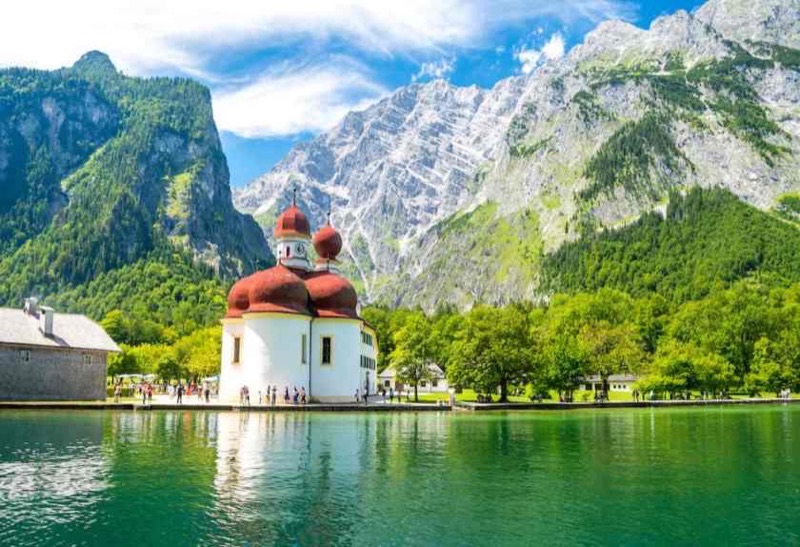
Germany offers varied natural landscapes. In the south, the Bavarian Alps provide hiking, skiing, and scenic drives, with Zugspitze being the highest peak. The Black Forest in the…
Germany offers varied natural landscapes. In the south, the Bavarian Alps provide hiking, skiing, and scenic drives, with Zugspitze being the highest peak. The Black Forest in the southwest is known for its dense woods and trails. Along the North Sea and Baltic Sea coasts, you find islands like Sylt and Rugen with beaches and national parks. Saxon Switzerland National Park features unique sandstone formations. The infrastructure for outdoor activities, including well-maintained trails and organized tours, is extensive. Access to these areas is generally easy via public transport or car. Activities like cycling along rivers are very popular.
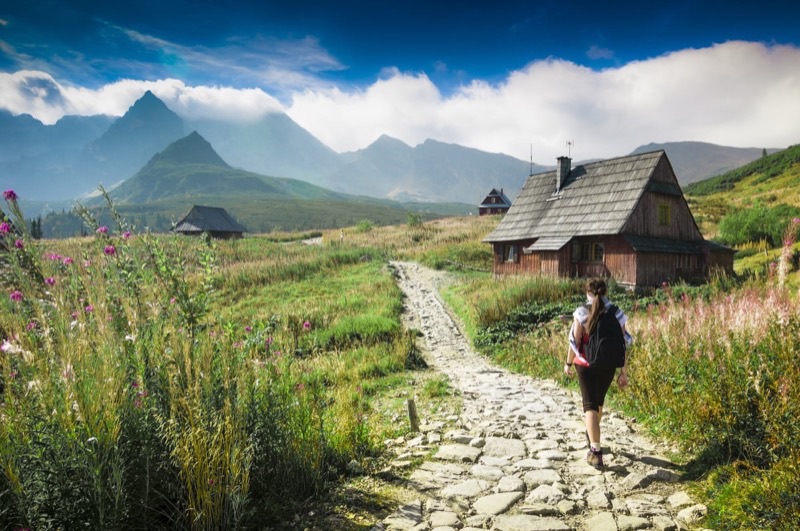
Poland's natural offerings center around the Tatras Mountains in the south, near Zakopane, which are popular for hiking and winter sports. The Bialowieza Forest, a UNESCO site, is home to European bison. The Baltic Sea coast, especially around Sopot and the Hel Peninsula, has long sandy beaches. Mazury Lake District in the northeast offers numerous lakes for water sports. While very attractive and often less developed than German natural areas, offering a more raw experience, the sheer diversity of well-maintained and easily accessible options gives Germany a slight lead. Germany provides a greater range of organized outdoor experiences.
- Winner: Germany
- Why: Germany presents a greater diversity of landscapes from high mountains to coasts, with highly developed infrastructure for outdoor activities.
- Who this matters for: Outdoor enthusiasts seeking varied terrains and well-organized recreational opportunities.
🛌 Accommodation
Accommodation in Germany is predictably more expensive across all categories. A dorm bed in a central Berlin hostel like Circus Hostel might cost €30-50 ($32-54) per night. Budget…
Accommodation in Germany is predictably more expensive across all categories. A dorm bed in a central Berlin hostel like Circus Hostel might cost €30-50 ($32-54) per night. Budget hotels in major cities start from €80-120 ($86-130) for a double room, while mid-range hotels are often €120-200 ($130-215). There is an abundance of high-quality hotels and vacation rentals, particularly in business-oriented cities. Booking in advance, especially during peak season or trade fairs, is crucial to secure reasonable rates. The standards of cleanliness and service are consistently high.
Poland offers significantly better value for accommodation. Hostels in Krakow or Warsaw, such as Greg & Tom Hostel, typically charge 50-90 PLN ($13-23) for a dorm bed. Budget guesthouses or apartments can be found for 150-250 PLN ($38-63) per night for a private room, while mid-range hotels average 250-400 PLN ($63-100). The availability of stylish boutique hotels and well-appointed apartments at these prices is a major draw. For the same budget, you can often secure a much higher standard of lodging in Poland compared to Germany. Poland is the stronger contender for value-conscious lodging.
- Winner: Poland
- Why: Poland provides significantly more affordable accommodation options across all tiers, offering better value for money.
- Who this matters for: Travelers seeking comfortable and well-located lodging without overspending.
🔒 Safety
Germany is considered a very safe country for travelers. Violent crime is rare, and tourists are unlikely to encounter serious issues. The main concerns are petty theft and…
Germany is considered a very safe country for travelers. Violent crime is rare, and tourists are unlikely to encounter serious issues. The main concerns are petty theft and pickpocketing in crowded tourist areas like the Brandenburg Gate or on public transport, especially around major train stations. Women traveling alone generally report feeling secure, even at night in most urban areas. Police presence is noticeable and responsive. Standard travel precautions like keeping valuables secure and being aware of surroundings are sufficient for a problem-free trip.
Poland also ranks very high in terms of safety for travelers. Cities like Krakow, Warsaw, and Gdansk are welcoming, and violent crime against tourists is uncommon. Similar to Germany, the primary issue might be opportunistic pickpocketing in busy squares like Krakow's Main Market Square or on crowded trams. Solo female travelers often report feeling safe and comfortable exploring cities and using public transport. Both countries maintain strong law enforcement and public order. For general personal safety and low crime, both countries perform very well, making them equally good choices.
- Winner: Tie
- Why: Both Germany and Poland offer high levels of personal safety for travelers, with similar low risks of serious crime.
- Who this matters for: All travelers for whom personal safety and peace of mind are top priorities.
🛡 Dig deeper: Germany health guide · Poland health guide
🚶♀️ Solo Travel
Germany is an excellent country for solo travelers due to its efficient transport, clear signage (often in English), and widespread English proficiency in tourist areas. Cities…
Germany is an excellent country for solo travelers due to its efficient transport, clear signage (often in English), and widespread English proficiency in tourist areas. Cities like Berlin and Munich have numerous hostels with social events, making it easy to meet other travelers. Dining alone is common and accepted, and there are many opportunities for self-guided exploration of museums and historical sites. Costs can add up quickly for solo travelers, as single room supplements apply, and dining out frequently can strain a budget. However, its infrastructure makes independent travel very straightforward.
Poland is particularly well-suited for solo travelers due to its affordability and welcoming atmosphere. The cost savings mean solo travelers can extend their trip or enjoy more private accommodation. Polish cities have a thriving hostel scene, like Mosquito Hostel in Krakow, known for its social vibe and organized activities, which facilitate meeting people. Locals are generally approachable, and it is relatively easy to strike up conversations, especially in bars or cafes. Navigating cities is simple, and the lower cost of activities and food makes spontaneous choices more viable. For a more financially relaxed and socially open solo experience, Poland has an edge.
- Winner: Poland
- Why: Poland offers a more budget-friendly and socially welcoming environment for solo travelers, making it easier to extend trips and connect with people.
- Who this matters for: Solo travelers prioritizing budget, social interaction, and ease of connection with locals.
🎯 The Decision Framework
Choose Germany If…
- You value efficient public transport systems.
- You want access to established art museums and historical sites like the Berlin Wall Memorial.
- You appreciate a high standard of cleanliness and order.
- You plan to visit during specific cultural festivals like Oktoberfest.
- You prefer a wider selection of international cuisine.
- You enjoy exploring diverse landscapes from the Alps to the North Sea.
- You seek a more established and predictable travel experience.
- You are interested in modern architecture and design.
Choose Poland If…
- You want significant budget savings on accommodation, food, and activities.
- You are interested in deeply moving WWII history and Jewish heritage sites.
- You enjoy hearty, traditional European food like pierogi and kielbasa.
- You appreciate a friendly, open local population and fewer tourist crowds outside main areas.
- You seek a slower travel pace and a sense of discovery.
- You plan to explore medieval cities like Krakow and Gdansk.
- You are comfortable using more basic but effective local transport.
- You enjoy a lively, affordable nightlife scene.
❓ Frequently Asked Questions
What is the average flight time from the US to Germany vs Poland?
Direct flights from the US East Coast to Germany typically take 7.5-8.5 hours. From the West Coast, expect 10-11 hours. Flights to Poland from the US often require a layover in a major European hub, extending total travel time to 9-12 hours from the East Coast and 12-15 hours from the West Coast.
Is it easy to travel between Germany and Poland?
Yes, travel between Germany and Poland is straightforward. Direct trains connect major cities like Berlin and Warsaw, with journey times around 5-6 hours. Bus services like FlixBus also operate frequently and are very affordable, costing as little as €25-40 ($27-43) for inter-country routes.
Which country has better internet for digital nomads?
Both countries offer reliable internet. Germany has generally fast and stable broadband, with average speeds of 100-200 Mbps in cities. Poland also has excellent internet infrastructure in urban areas, often with similar speeds, and importantly, it is often more affordable. For cost-effective connectivity, Poland might have a slight edge.
What are the safety differences for solo female travelers?
Both Germany and Poland are considered very safe for solo female travelers. Crime rates are low, and most reports suggest a comfortable experience. Standard precautions against pickpocketing in crowded tourist areas apply in both. Generally, walking alone at night in city centers is not a major concern in either country.
Which country offers better outdoor activities?
Germany offers a wider diversity of well-developed outdoor options, from hiking in the Bavarian Alps to coastal activities along the North Sea. Poland has the impressive Tatras Mountains for serious hiking and skiing, plus extensive forests and lakes. Germany provides more established infrastructure and variety for outdoor pursuits.
Can I manage with English in both countries?
Yes, English is widely spoken in tourist areas, hotels, restaurants, and by younger generations in both Germany and Poland. In Germany, English proficiency is generally higher. In Poland, while many speak English, knowing a few basic Polish phrases will be appreciated, especially outside major cities.
What is the best time of year to visit each?
For both Germany and Poland, the shoulder seasons (April-May and September-October) are often ideal. The weather is pleasant, and tourist crowds are less dense than in peak summer. Summers (June-August) are warm but can be crowded, especially in popular spots. Winters (November-March) are cold but offer festive markets.
Which country has more varied food options?
Germany offers a more varied culinary landscape, with a broader range of international cuisines available in its major cities, alongside diverse regional German dishes. Poland focuses on hearty, traditional Central European fare, which is delicious and very affordable, but less diverse in international options compared to Germany.
Ready to plan your Central Europe trip?
Know the tourist scams before you go — documented from real traveler reports.