
How we built this comparison
This page combines traveler discussion patterns, published price ranges, flight schedules, and seasonal data to help you decide between Greece and Israel.
- Reviewed Reddit threads from r/travel, r/solotravel, r/Greece, r/Israel, and relevant regional subreddits for firsthand accounts.
- Verified costs and logistics against current booking platforms (e.g., Skyscanner, Booking.com, local bus/ferry sites) for 2026 travel.
- Cross-referenced seasonal patterns, weather data, and major holidays to advise on optimal travel times and potential impacts.
⚡ Quick Answers
⚡ The TL;DR Verdict
For most first-time travelers prioritizing relaxed island hopping, ancient sites, and a generally lower daily spend, Greece is the clearer choice. If a trip centered on religious history, modern cosmopolitan cities, and stark desert landscapes is the priority, with a higher budget allowance, Israel delivers. Greece offers a wider appeal for budget-conscious explorers.
- Choose Greece: You want a classic Mediterranean escape, prioritizing ancient ruins, island relaxation, and food, generally spending less per day.
- Choose Israel: You are deeply interested in religious history, modern Middle Eastern culture, desert exploration, and dont mind higher costs.
- Choose Both: If you have at least 3 weeks and a flexible budget, combine a week in Athens/Santorini with a week each in Jerusalem and Tel Aviv for a comprehensive regional experience.
Choose Greece
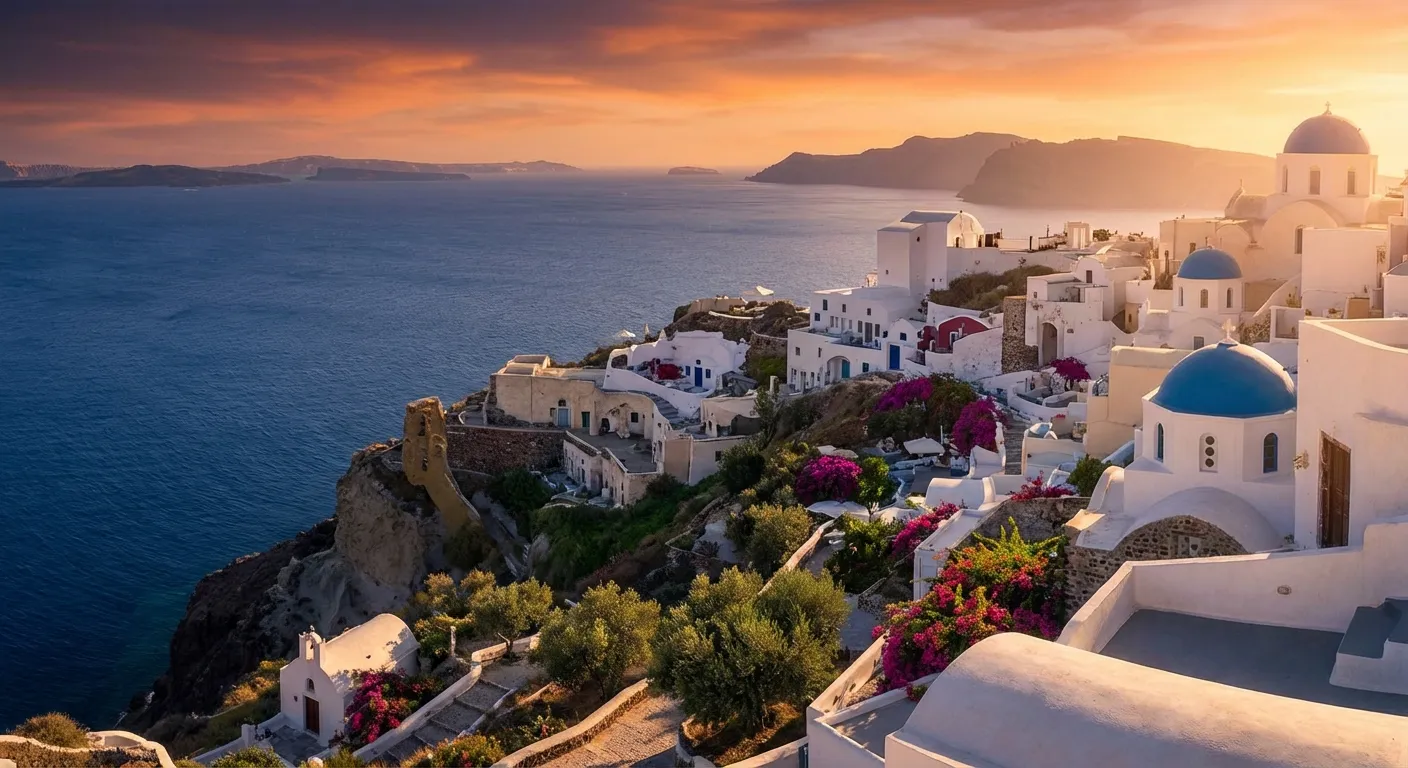
Choose Greece if you dream of postcard-perfect island escapes, exploring ancient wonders like the Parthenon in Athens, and savoring delicious Mediterranean cuisine at a relaxed pace. It's ideal for first-time international travelers and budget-conscious explorers seeking a blend of history, stunning beaches, and vibrant culture without breaking the bank.
Choose Israel
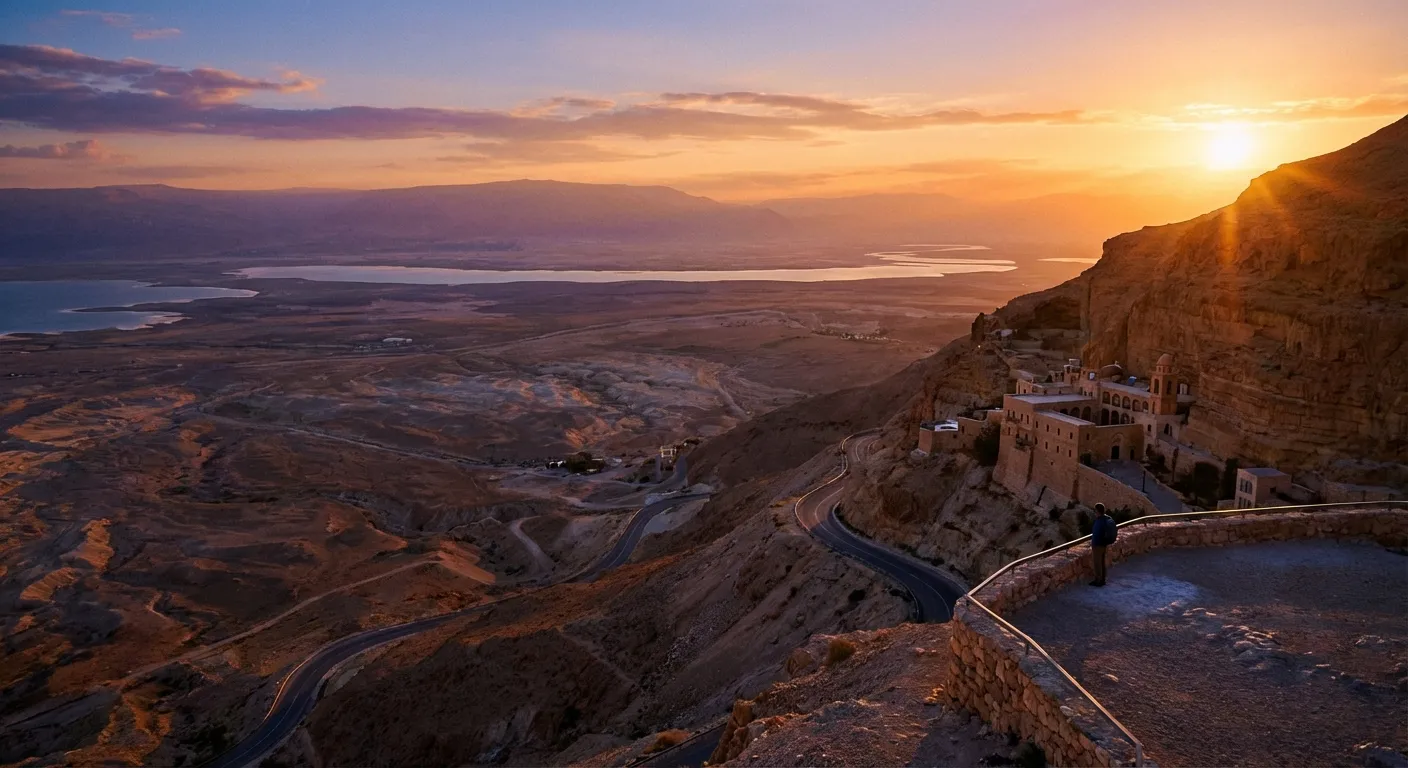
Opt for Israel if your passion lies in deep dives into millennia of religious history within Jerusalem's Old City, coupled with the vibrant, modern energy of Tel Aviv's beaches and dynamic food scene. This destination is best for adventurous culture seekers and history enthusiasts with a flexible budget, eager to explore stark desert landscapes and unique spiritual sites like the Dead Sea or Masada.
📊 Visual Scorecard
🌤 When to Visit
Average high temperatures (°C). Green = best months, orange = avoid.
Quick Comparison
| Category | Greece | Israel | Winner |
|---|---|---|---|
| Costs & Budget | Generally more budget-friendly for accommodation, food, and transport, especially outside peak season. | Higher daily costs comparable to Western Europe or the US for most categories. | Greece |
| Culture & History | Ancient Greek and Roman ruins, Byzantine churches, and mythological sites. | Profound religious history for Judaism, Christianity, and Islam, alongside modern Middle Eastern culture. | Israel |
| Beaches & Coastlines | Thousands of islands with diverse beaches, from black volcanic sand to white pebbles and turquoise waters. | Mediterranean beaches in Tel Aviv, Dead Sea salt formations, and Red Sea coral reefs in Eilat. | Greece |
| Food & Drink | Mediterranean diet focused on fresh seafood, olive oil, vegetables, and grilled meats, plus local wines. | Diverse Middle Eastern cuisine with influences from various cultures, focusing on fresh ingredients and street food. | Greece |
| Nightlife & Entertainment | Lively clubs on islands like Mykonos, relaxed bars in Athens, and late-night tavernas everywhere. | Tel Aviv is a major party city with diverse bars and clubs; Jerusalem is much more subdued. | Israel |
| Getting Around | Extensive ferry networks for islands, decent intercity buses on mainland, car rental common. | Reliable bus network, sheruts (shared taxis), efficient train between major cities, rental cars for specific areas. | Tie |
| Accommodation | Wide range from hostels to luxury resorts, with many family-run guesthouses. | Good selection in major cities, but generally more expensive, with hostels offering good value. | Greece |
| Safety & Local Interaction | Generally safe, friendly locals, some petty crime in tourist areas. | Generally safe for tourists, but geopolitical situation requires awareness; direct communication style. | Greece |
| Nature & Landscapes | Diverse island formations, dramatic coastlines, mountains, and unique geological features like Meteora. | Deserts (Negev), the Dead Sea, Red Sea coral reefs, Galilee hills, and Mediterranean coastlines. | Tie |
| Flights & Accessibility | Many direct flights to Athens from major hubs, good connections to islands. | Direct flights to Tel Aviv from major hubs, but entry procedures can be more scrutinized. | Greece |
💰 Costs & Budget
Greece typically offers a more accessible price point for travelers. A budget traveler can manage on €60-80 ($65-85) per day, staying in hostels or budget guesthouses like Athens…
Greece typically offers a more accessible price point for travelers. A budget traveler can manage on €60-80 ($65-85) per day, staying in hostels or budget guesthouses like Athens Backpackers, eating street food like souvlaki (around €3-4 / $3.25-4.30), and using public transport. Mid-range budgets around €100-150 ($108-162) allow for decent hotels, sit-down meals, and some paid activities. For example, a main dish in a taverna might cost €12-18 ($13-19.50).
Israel is notably more expensive. A budget traveler can expect to spend ILS 350-450 ($95-125) per day for hostel dorms, cheap falafel (ILS 18-25 / $5-7), and local buses. Mid-range travel often sits at ILS 500-750 ($135-205) daily, covering hotel rooms in Tel Aviv (e.g., Abraham Hostel private room) and meals in cafes. A full meal in a casual Tel Aviv restaurant can easily reach ILS 70-120 ($19-33). Transportation, especially intercity buses like Egged, adds up, and taxis are pricey. Greece wins on affordability, offering more value for every Euro spent.
- Winner: Greece
- Why: Greece consistently offers lower prices for accommodation, food, and transportation, making it easier for budget travelers.
- Who this matters for: Budget travelers, long-term travelers, and families looking to stretch their money further.
🏛️ Culture & History
Greece provides access to ancient civilizations with sites like the Acropolis in Athens (entry €20 / $21.50), Delphi, and Knossos in Crete. The Parthenon, the ancient Agora, and…
Greece provides access to ancient civilizations with sites like the Acropolis in Athens (entry €20 / $21.50), Delphi, and Knossos in Crete. The Parthenon, the ancient Agora, and the Temple of Olympian Zeus are major drawcards. The country also has a significant Byzantine legacy seen in churches across the mainland and islands, and the monasteries of Meteora are an engineering marvel. Greek mythology permeates the landscape, offering a narrative layer to every ruin.
Israel’s historical depth is centered on its Abrahamic religions. Jerusalem’s Old City alone contains the Western Wall, the Church of the Holy Sepulchre, and the Dome of the Rock, each with immense religious and historical significance. Nazareth holds sites related to Jesus, and Masada (entry ILS 31 / $8.50) offers a dramatic Roman siege history. Tel Aviv showcases modern Israeli culture, art, and a contrast to the ancient. While Greece offers classical antiquity, Israel’s layered religious history provides a more profound, personal experience for many.
- Winner: Israel
- Why: Israel's deep religious history and significance for three major faiths offer a more impactful and globally relevant historical journey.
- Who this matters for: Travelers with a strong interest in religious history, archaeology, and the origins of major world faiths.
🏖️ Beaches & Coastlines
Greece is defined by its coastline and islands. Santorini offers black volcanic sand beaches like Perissa and Kamari. Mykonos is known for its party beaches such as Paradise Beach…
Greece is defined by its coastline and islands. Santorini offers black volcanic sand beaches like Perissa and Kamari. Mykonos is known for its party beaches such as Paradise Beach and Super Paradise. Crete has pink sands at Elafonisi and the famous Balos Lagoon. The Ionian Islands like Zakynthos (Shipwreck Beach) provide dramatic cliffs and clear waters. The sheer variety and accessibility of beaches, from secluded coves to organized resorts, are unparalleled.
Israel has its Mediterranean coast, with Tel Aviv beaches (Gordon Beach, Frishman Beach) being popular for sunbathing and swimming, though they are city beaches. The Dead Sea offers a unique floating experience, with mineral-rich mud (e.g., Ein Bokek beach access). Further south, Eilat on the Red Sea has coral reefs suitable for snorkeling and diving. While unique, Israels beach offerings are fewer and lack the diverse island appeal of Greece. Greece wins by a wide margin for beach quality, quantity, and overall experience.
- Winner: Greece
- Why: Greece offers an unmatched variety and quantity of beaches across thousands of islands, catering to every preference.
- Who this matters for: Beach lovers, island hoppers, families seeking calm waters, and anyone wanting diverse coastal experiences.
🍽️ Food & Drink
Greek cuisine emphasizes fresh, local ingredients. Staples include souvlaki, moussaka, tzatziki, Greek salad, and fresh fish. You can find excellent value at local tavernas; a…
Greek cuisine emphasizes fresh, local ingredients. Staples include souvlaki, moussaka, tzatziki, Greek salad, and fresh fish. You can find excellent value at local tavernas; a hearty meal in Athens or on an island like Naxos might cost €15-25 ($16-27). Ouzo and local wines are common drinks. From a simple gyros pita for €3.50 ($3.80) to a seafood platter, the food is generally comforting and approachable. Crete in particular has a strong culinary identity focused on health and fresh produce.
Israeli cuisine is a fusion of Middle Eastern, Mediterranean, and Eastern European influences. Street food like falafel, sabich, and shakshuka are popular and delicious. Carmel Market in Tel Aviv is a food haven. Hummus is a national dish and variations are everywhere. While the food is incredibly flavorful and inventive, dining out at a restaurant tends to be pricier, with main dishes often starting at ILS 70 ($19). Alcohol is also expensive. While both have excellent food, Greece generally offers a more consistently good and affordable dining experience for the average traveler.
- Winner: Greece
- Why: Greek food is consistently delicious, more budget-friendly, and offers a more accessible and universally loved Mediterranean flavor profile.
- Who this matters for: Foodies on a budget, travelers who appreciate fresh, simple, and traditional Mediterranean flavors, and those who enjoy casual taverna dining.
🎉 Nightlife & Entertainment
Greece offers varied nightlife. Mykonos is internationally known for its intense club scene, with venues like Cavo Paradiso hosting world-famous DJs. Athens has a growing bar…
Greece offers varied nightlife. Mykonos is internationally known for its intense club scene, with venues like Cavo Paradiso hosting world-famous DJs. Athens has a growing bar scene in areas like Psyrri and Gazi, with rooftop bars near the Acropolis. On other islands, nightlife often involves relaxed drinks at waterfront bars or late dinners at tavernas. A cocktail in Mykonos can cost €15-20 ($16-21.50), while in Athens it's closer to €10-14 ($11-15).
Tel Aviv is recognized as a significant nightlife hub, particularly for its progressive electronic music scene and diverse bars. Areas like Rothschild Boulevard and Florentin are packed with options, from sophisticated cocktail lounges to underground clubs. A beer might cost ILS 30-40 ($8-11), and cocktails ILS 50-70 ($14-19). Jerusalem’s nightlife is minimal, focused on quiet bars and evening strolls. The energy and variety of Tel Aviv's party scene give Israel the edge in this category, attracting a younger, more cosmopolitan crowd looking for late-night options.
- Winner: Israel
- Why: Tel Aviv offers a more dynamic, internationally recognized, and diverse nightlife scene compared to most of Greece, including its electronic music clubs.
- Who this matters for: Party-goers, young travelers, and anyone seeking a high-energy, late-night urban entertainment experience.
🚗 Getting Around
Greece relies heavily on its ferry system to connect its thousands of islands. Routes range from short hops to overnight journeys (e.g., Athens to Santorini can be €40-80 /…
Greece relies heavily on its ferry system to connect its thousands of islands. Routes range from short hops to overnight journeys (e.g., Athens to Santorini can be €40-80 / $43-86). On the mainland, KTEL buses are efficient and cover most routes, costing roughly €10-20 ($11-21.50) for a 2-hour journey. Car rental is popular on larger islands and the mainland for flexibility, typically €30-50 ($32-54) per day. Athens has a metro, tram, and bus system. Getting around the islands without a car means relying on local buses or taxis, which can be less frequent.
Israel has a robust and efficient public transportation system. The Egged bus company connects nearly all cities and towns (e.g., Tel Aviv to Jerusalem is ILS 16 / $4.40). Sheruts are a convenient shared taxi option, especially for Shabbat when buses dont run. Israel Railways connects major cities like Tel Aviv, Haifa, and Jerusalem efficiently. Renting a car is recommended for exploring the Galilee or the Negev Desert. Public transport generally does not operate on Shabbat (Friday sundown to Saturday sundown), which can complicate weekend travel. Both countries offer functional but distinct transportation challenges and advantages.
- Winner: Tie
- Why: Both countries offer effective but different transportation solutions; Greece for island hopping, Israel for efficient mainland travel.
- Who this matters for: Travelers who prefer distinct modes of transport for different landscapes – ferries for islands, buses/trains for mainland efficiency.
🛌 Accommodation
Greece offers a broad spectrum of accommodation. Hostels in Athens or on popular islands can be found for €20-35 ($21.50-38) per night for a dorm bed. Mid-range hotels are…
Greece offers a broad spectrum of accommodation. Hostels in Athens or on popular islands can be found for €20-35 ($21.50-38) per night for a dorm bed. Mid-range hotels are plentiful, with rooms often costing €60-120 ($65-130) outside of peak season. On islands like Santorini, prices can skyrocket, but even there, simpler guesthouses exist. Airbnbs are widely available. Many accommodations are family-run, offering a personal touch. For example, a comfortable double room in a mid-tier hotel in Naxos might cost €70 ($76) in June.
Israel's accommodation generally comes at a higher price point. Hostel dorms in Tel Aviv or Jerusalem typically start from ILS 120-180 ($33-49) per night. Mid-range hotels in Tel Aviv often cost ILS 500-800 ($135-220) per night. Boutique hotels are common, and there are many Abraham Hostels offering good value and social atmospheres in major cities. Accommodation can be particularly expensive during peak seasons or holidays. While quality is high, the value for money is better in Greece. Greece wins on affordability and charm for most accommodation types.
- Winner: Greece
- Why: Greece provides more affordable and charming accommodation options across all budget ranges, from hostels to mid-range hotels.
- Who this matters for: Budget-conscious travelers, families, and those seeking authentic, locally-run guesthouses.
🤝 Safety & Local Interaction
Greece is largely safe for tourists. Petty crime like pickpocketing can occur in busy areas of Athens (e.g., around Syntagma Square or Monastiraki). Locals are generally welcoming…
Greece is largely safe for tourists. Petty crime like pickpocketing can occur in busy areas of Athens (e.g., around Syntagma Square or Monastiraki). Locals are generally welcoming and friendly, especially outside the most heavily touristed spots. Learning a few Greek phrases is appreciated. Solo female travelers report feeling safe. The main risks are related to overtourism on popular islands and the occasional political protest in Athens, which are typically confined to specific areas and announced. Tourists rarely face serious threats.
Israel is generally safe for tourists, with a strong security presence. However, the ongoing geopolitical situation and proximity to conflict zones mean travelers should stay informed via government advisories and local news. Security checks are common at airports and some public places. Israelis are known for their direct communication style, which can sometimes be perceived as abrupt but is not typically meant negatively. Outside of the major conflict areas, tourist zones are well-patrolled. While typically safe, the background geopolitical risks make Greece feel less complex for a first-time visitor. Greece feels more straightforward and universally relaxed for traveler safety.
- Winner: Greece
- Why: Greece offers a more consistently relaxed and uncomplicated safety environment for travelers, with fewer geopolitical considerations.
- Who this matters for: First-time international travelers, solo travelers, and those prioritizing a worry-free, straightforward trip.
🛡 Dig deeper: Greece health guide · Israel health guide
🏞️ Nature & Landscapes
Greece offers incredible natural diversity. The Cycladic islands feature volcanic landscapes (Santorini) and stark, arid beauty. The Ionian Islands have lush greenery and dramatic…
Greece offers incredible natural diversity. The Cycladic islands feature volcanic landscapes (Santorini) and stark, arid beauty. The Ionian Islands have lush greenery and dramatic cliffs. The mainland has significant mountain ranges like the Pindus, ideal for hiking, and the unique rock formations of Meteora, where monasteries perch atop sandstone pillars. The Samaria Gorge in Crete is one of Europes longest canyons. Its a mix of sea, mountains, and unique geology.
Israel’s landscapes are equally striking but different. The Negev Desert covers half the country, offering wadis, craters (Ramon Crater), and stark beauty. The Dead Sea, the lowest point on Earth, is a unique geological wonder. Eilat provides access to the vibrant coral reefs of the Red Sea for snorkeling and diving. The Sea of Galilee region is green and agricultural, contrasting sharply with the desert. Masada stands dramatically above the Dead Sea. Both countries offer compelling natural beauty, appealing to different preferences. Greece offers classic Mediterranean beauty, while Israel provides more extreme and diverse geographical contrasts.
- Winner: Tie
- Why: Both countries offer distinct and compelling natural landscapes; Greece for its islands and mountains, Israel for its deserts and unique geological sites.
- Who this matters for: Travelers seeking specific types of natural beauty – Greece for islands and lush mountains, Israel for deserts and stark, unique geology.
✈️ Flights & Accessibility
Greece is highly accessible, especially Athens (ATH), which has direct flights from many major European and North American cities. A direct flight from New York (JFK) to Athens…
Greece is highly accessible, especially Athens (ATH), which has direct flights from many major European and North American cities. A direct flight from New York (JFK) to Athens typically takes around 9-10 hours, with prices ranging from $600-900 round trip outside of peak summer. From European hubs like London or Frankfurt, flights are 3-4 hours and can cost €100-300 ($108-325) round trip. Once in Athens, domestic flights and extensive ferry networks connect to virtually all habitable islands, making inter-country travel straightforward.
Israel’s Ben Gurion Airport (TLV) near Tel Aviv is also well-connected, with direct flights from North America taking approximately 10-11 hours (e.g., from New York for $700-1100 round trip). Flights from Europe are 4-5 hours and can range from €150-400 ($162-430) round trip. However, entry and exit procedures at TLV can be more rigorous, involving extensive questioning and security checks, which some travelers find intimidating or time-consuming. While both are accessible, Greece generally offers a smoother, less scrutinized arrival experience for a wider range of travelers.
- Winner: Greece
- Why: Greece offers simpler and generally less scrutinized entry procedures, along with excellent internal connections to its many islands, making it slightly more accessible for most travelers.
- Who this matters for: First-time international travelers, those concerned about extensive security checks, and travelers prioritizing straightforward internal country travel.
🎯 The Decision Framework
Choose Greece If…
- You want to spend less overall, with daily budgets under $100.
- You dream of island hopping, from party islands to quiet coves.
- Ancient Greek history and mythology are your primary interest.
- You want delicious, fresh Mediterranean food that is also budget-friendly.
- A relaxed pace, long lunches, and evening strolls appeal more than late-night clubbing.
- You appreciate friendly, open locals and a generally relaxed atmosphere.
- You seek diverse beaches – black sand, pink sand, white pebbles.
- You prefer less intense security and a more straightforward travel experience.
- You want easy access to diverse natural landscapes, from coastlines to mountains.
Choose Israel If…
- Religious history (Jewish, Christian, Islamic) is the main focus of your trip.
- You are prepared for a higher daily travel budget, comparable to Western Europe.
- You want to experience a modern, forward-thinking city like Tel Aviv, with its nightlife.
- Stark desert landscapes, unique geological sites like the Dead Sea, and ancient fortresses intrigue you.
- You appreciate diverse, innovative Middle Eastern cuisine with many cultural influences.
- You are comfortable with a direct communication style and potentially more rigorous security checks.
- You want to explore regions with significant geopolitical context.
- You are keen on exploring the Red Sea for snorkeling or diving.
- You prioritize a trip that offers deep cultural and historical learning.
❓ Frequently Asked Questions
Which country is better for a solo female traveler?
Greece is generally considered more straightforward and relaxed for solo female travelers, especially on the islands. Petty crime is minimal, and locals are welcoming. Israel is also safe for solo females, but the direct communication style and security presence can feel different. Both are good, but Greece feels less complex for a first solo international trip.
What is the best time of year to visit each country?
For Greece, late spring (April-May) or early fall (September-October) offers pleasant weather (€80-120/night hotels), fewer crowds, and lower prices than peak summer (June-August). For Israel, spring (March-May) and fall (September-November) avoid the intense summer heat and winter rains, with hotel prices ranging from ILS 400-600 ($110-165) per night.
Is it easy to combine Greece and Israel in one trip?
Combining them is feasible, though not common. There are direct flights between Athens (ATH) and Tel Aviv (TLV), taking about 2 hours and costing around €150-250 ($162-270) one-way. You would need at least two weeks total, ideally three, to do justice to both, spending a minimum of 5-7 days in each country.
Which country offers better value for luxury travel?
Greece generally offers better value for luxury. You can find stunning boutique hotels and villas on islands like Santorini or Mykonos for €400-800 ($430-860) per night with incredible views. In Israel, luxury hotels in Tel Aviv or Jerusalem can start at ILS 1500-2500 ($410-685) per night, but you might get less space or fewer amenities for the equivalent price.
What are the visa requirements for US citizens for both countries?
US citizens do not require a visa for tourist stays up to 90 days in Greece (part of the Schengen Area). For Israel, US citizens also do not need a visa for tourist stays up to 90 days. Both countries are straightforward for American passport holders in terms of entry paperwork.
Are there good hiking opportunities in both destinations?
Yes, both offer good hiking. Greece has mountain trails in areas like the Pindus range, the Samaria Gorge in Crete (entry €5/$5.40), and paths on many islands. Israel has extensive hiking trails in the Negev Desert, around the Dead Sea (e.g., Masada snake path), and in the Galilee region, with the Israel National Trail crossing the country.
Which destination is more family-friendly?
Greece is often considered more family-friendly due to its relaxed pace, numerous beaches, and generally lower costs. Kids enjoy the mythology and easy-going island life. Israel is also family-friendly, especially with older children who can appreciate the historical sites, but the higher costs and more intense focus on history might appeal to a slightly different family dynamic. Greece wins for ease and budget for most families.
What about coffee culture in Greece vs. Israel?
Greece has a strong coffee culture, with frappe and freddo espresso being popular iced coffee drinks, especially during summer. Cafes are social hubs. Israel, particularly Tel Aviv, has a thriving and sophisticated coffee scene with many independent roasters and cafes, comparable to major European cities. A coffee in Greece costs around €3-5 ($3.25-5.40), while in Israel it's ILS 12-20 ($3.30-5.50).
Ready to plan your Eastern Mediterranean trip?
Know the tourist scams before you go — documented from real traveler reports.