How we built this comparison
This page combines traveler discussion patterns, published price ranges, flight schedules, and seasonal data to help you decide between Hawaii and Samoa.
- Reviewed 100+ Reddit threads from r/travel, r/solotravel, r/Hawaii, and r/TravelSamoa.
- Verified costs and logistics against current booking platforms (e.g., Google Flights, Booking.com, rental car sites).
- Cross-referenced seasonal patterns and weather data for optimal travel timing.
⚡ Quick Answers
⚡ The TL;DR Verdict
For most travelers seeking convenience, established infrastructure, and a range of activities, Hawaii is the simpler choice, budgeting $180-350 USD daily. Those craving a more raw, less commercialized Polynesian experience, where simplicity reigns and daily spending can be closer to $60-120 USD, should commit to Samoa.
- Choose Hawaii: If you prioritize easy access, familiar amenities, diverse dining, active adventures on paved trails, and a mix of relaxation and structured activity, Hawaii is your pick.
- Choose Samoa: If you seek genuine immersion in Polynesian village life, remote beaches, undeveloped natural sites, and are content with simpler accommodation and slower travel, Samoa offers a profound experience.
- Choose Both: Visiting both requires significant time and budget. Consider 7-10 days in Hawaii for its offerings, then another 7-10 days in Samoa for a different island pace, understanding this involves separate, long flights.
Choose Hawaii
Choose Hawaii if you're a family or first-time international traveler seeking a polished, hassle-free Polynesian escape. Enjoy readily available amenities, diverse dining in Honolulu, and activities like surfing lessons at Waikiki or scenic drives on Maui's Road to Hana. It's best for those who appreciate convenience and a blend of adventure and resort-style relaxation, budgeting $180-350 daily.
Choose Samoa
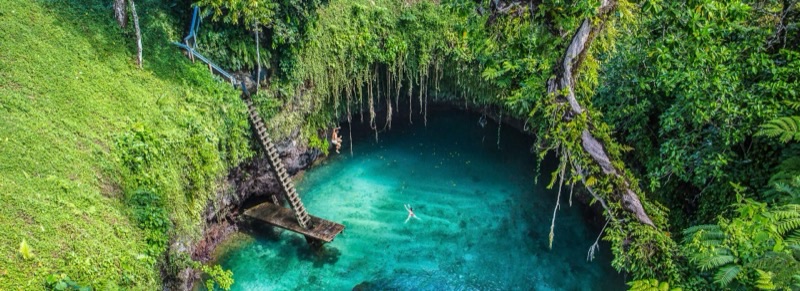
Opt for Samoa if you're an adventurous, budget-conscious traveler craving authentic Polynesian culture and untamed natural beauty. Embrace the simplicity of beach fales, swim in the stunning To Sua Ocean Trench, and immerse yourself in local village life without tourist crowds. It's ideal for those seeking a profound, less commercialized experience and comfortable with a daily budget closer to $60-120.
📊 Visual Scorecard
🌤 When to Visit
Average high temperatures (°C). Green = best months, orange = avoid.
Quick Comparison
| Category | Hawaii | Samoa | Winner |
|---|---|---|---|
| Costs & Budget | Significantly higher daily expenses for accommodation, food, and activities. Expect $180-350 USD per person per day. | Much more affordable; daily budgets around $60-120 USD, especially when embracing local fales and markets. | Samoa |
| Beaches & Water | Iconic, often crowded beaches with good infrastructure for surfing, snorkeling, and resort amenities. | Secluded, pristine beaches with fewer crowds and simpler facilities, ideal for quiet swimming and exploring. | Hawaii |
| Culture & Local Life | Polynesian culture blended with American influences; readily available cultural shows and historical sites. | Strong, living 'Fa'a Samoa' (The Samoan Way); village life and traditional customs are central and visible. | Samoa |
| Food & Drink | Diverse culinary scene from food trucks to fine dining, heavily influenced by Asian and American tastes. | Simple, fresh, and traditional Polynesian cuisine; reliance on local produce and seafood with fewer international options. | Hawaii |
| Getting There | Easy access from the US mainland with numerous direct flights and competitive pricing. | Requires longer, more complex travel with layovers, typically through Fiji or Australia, making it more costly and time-consuming. | Hawaii |
| Accommodation | Wide range of resorts, hotels, condos, and vacation rentals, often with extensive amenities and high price points. | Dominated by simple beach fales and guesthouses, with a limited selection of larger resorts, offering a more rustic experience. | Hawaii |
| Nature & Scenery | Volcanic landscapes, lush rainforests, dramatic cliffs, and accessible national parks with well-maintained trails. | Pristine waterfalls, untouched rainforests, lava fields, and unique geological formations, often requiring more adventurous access. | Tie |
| Nightlife & Entertainment | Developed nightlife, from resort bars and clubs to live music venues, especially in Honolulu and Maui. | Very limited nightlife, focused on quiet evenings at fales or a few local bars in Apia; early to bed is common. | Hawaii |
| Safety & Practicalities | Generally safe with well-established infrastructure; higher prevalence of petty crime in tourist areas. | Very safe with low crime rates, but less developed infrastructure and medical facilities; community-centric safety. | Samoa |
| Getting Around | Car rental is essential for exploration, with good road networks and clear signage; public transport limited outside main cities. | Car rental is the most practical, but local 'fale buses' offer an authentic, albeit slower, experience; roads vary in quality. | Hawaii |
💰 Costs & Budget
Hawaii presents a considerable financial commitment. A mid-range hotel in Waikiki, like the Outrigger Reef Waikiki Beach Resort, starts around $250-400 USD per night. Car rentals…
Hawaii
Samoa
Hawaii presents a considerable financial commitment. A mid-range hotel in Waikiki, like the Outrigger Reef Waikiki Beach Resort, starts around $250-400 USD per night. Car rentals typically run $60-100 USD daily. Meals at casual restaurants often cost $15-30 USD per person, while a luau experience can be $150+ USD. Even basic groceries are priced higher than mainland US averages. Activities like surf lessons are $80-120 USD, and a catamaran tour around Maui's coastline can be $100-200 USD per person. This trip demands a larger travel fund.
Samoa offers a stark contrast in pricing. Beach fales, like those at Lalomanu Beach (Taufua Beach Fales), cost about 70-120 WST ($25-45 USD) per person per night, including breakfast and dinner. A basic guesthouse in Apia, like Lynn's Getaway Hotel, might be 150-250 WST ($55-90 USD) per night. Car rentals are 80-120 WST ($30-45 USD) daily. Local meals are 15-30 WST ($5-11 USD), and even a sit-down restaurant rarely exceeds 60 WST ($22 USD). Entrance fees to natural attractions like To Sua Ocean Trench are 20 WST ($7.50 USD). For budget-conscious travelers, Samoa is a clear win. Samoa delivers a compelling value proposition for genuine Pacific exploration.
- Winner: Samoa
- Why: Samoa provides a far more accessible travel experience for those watching their wallet, allowing for longer stays and deeper cultural engagement for less money.
- Who this matters for: Budget travelers, long-term adventurers, and those who prioritize experiencing local life over luxury.
🏖️ Beaches & Water
Hawaii's beaches are famous for a reason, offering a range of experiences from the surf mecca of Oahu's North Shore (Waimea Bay, Sunset Beach) to the calm snorkeling waters of…
Hawaii
Samoa
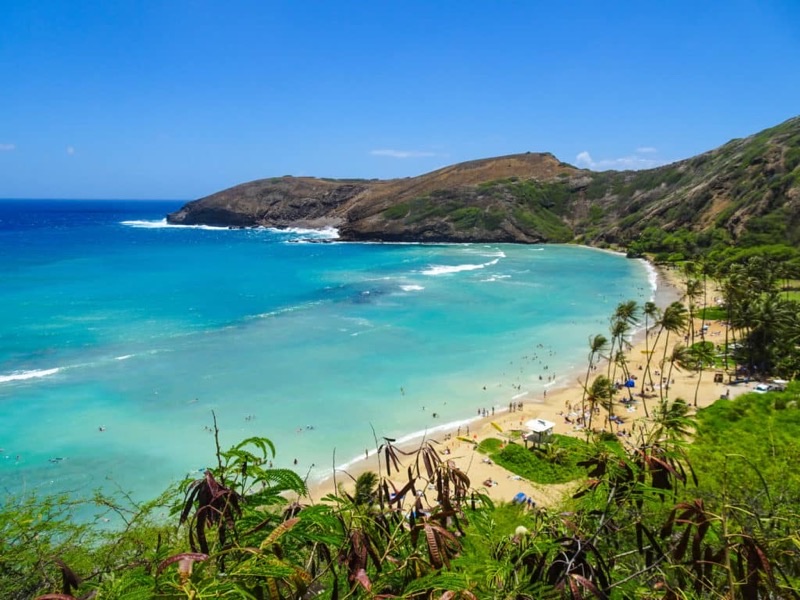
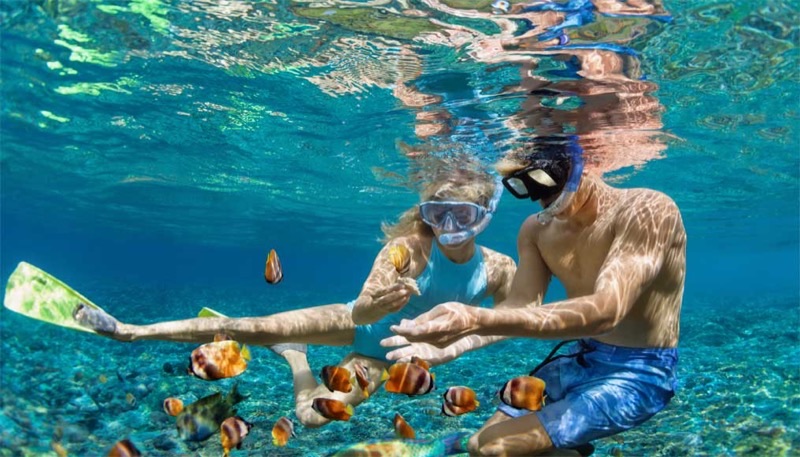
Hawaii's beaches are famous for a reason, offering a range of experiences from the surf mecca of Oahu's North Shore (Waimea Bay, Sunset Beach) to the calm snorkeling waters of Hanauma Bay (reservations required, $25 USD entry). Maui has Ka'anapali Beach with resorts directly on the sand and Big Beach (Makena) offering expansive, less developed stretches. Water activities are abundant: catamaran cruises, submarine tours, parasailing, and surf schools are everywhere. Rental shops for boards and snorkel gear are easy to find, often costing $20-40 USD for a day. The infrastructure supports mass tourism, making access and variety straightforward.
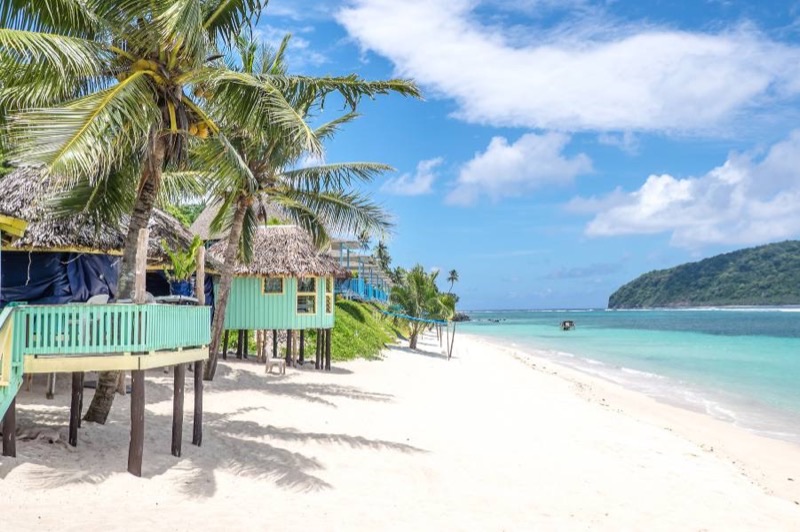
Samoa's coastline holds a different kind of appeal, characterized by palm-fringed, often deserted stretches of sand. Lalomanu Beach on Upolu is often cited as Samoa's finest, with its shallow, clear waters and beach fales dotting the shore. Piula Cave Pool (5 WST entry) offers a unique freshwater swimming experience. Savaii island has more rugged, isolated spots like Falealupo Beach, perfect for solitude. Snorkeling equipment is less readily available for rent outside of larger resorts, so bringing your own is advisable. The water is consistently warm, around 28-30°C (82-86°F), making it pleasant for swimming year-round. While less developed, Samoa's beaches are profoundly peaceful. Hawaii ultimately offers more diverse, easily accessible, and activity-rich beach experiences for most travelers.
- Winner: Hawaii
- Why: Hawaii offers a greater variety of easily accessible, serviced beaches with extensive water activity options and better infrastructure for visitors.
- Who this matters for: Families with children, active water sports enthusiasts, and those who prefer convenience and amenities near the shore.
🗿 Culture & Local Life
Hawaii's culture is a fascinating blend, but its Polynesian roots are often presented in a commercialized context. Luaus, like the Old Lahaina Luau on Maui ($150-200 USD), provide…
Hawaii
Samoa
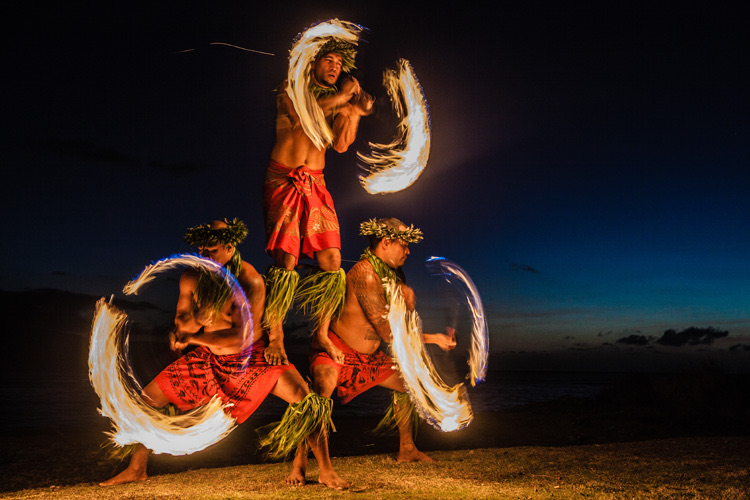
Hawaii's culture is a fascinating blend, but its Polynesian roots are often presented in a commercialized context. Luaus, like the Old Lahaina Luau on Maui ($150-200 USD), provide an introduction to hula and traditional food. Historical sites like Pearl Harbor (free entry, reservations recommended for USS Arizona Memorial) or Iolani Palace (entry $25 USD) offer historical insights. The Bishop Museum in Honolulu ($29 USD) is a good place to learn about Hawaiian and Pacific island history. While elements of Hawaiian language and traditions persist, the overall environment is heavily influenced by American consumer culture and tourism.
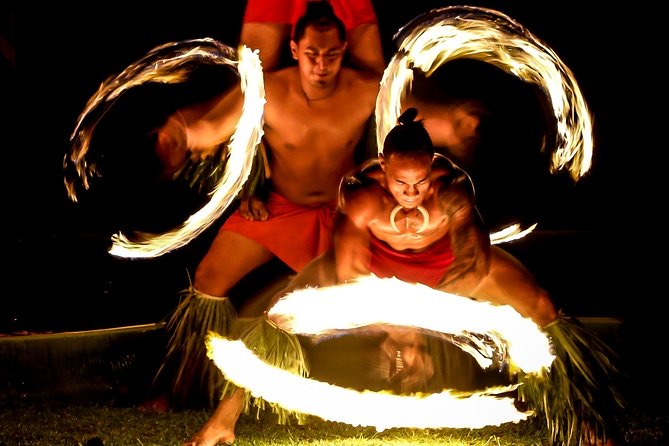
Samoa embodies 'Fa'a Samoa', a way of life deeply rooted in family, community, and respect. Village life is central, and visitors are expected to observe customs like covering knees and shoulders, especially when walking through villages or attending church. Sunday is a day of rest, with many businesses closed and families attending church. The Samoan Cultural Village in Apia (free entry, donations accepted) provides a hands-on introduction to traditional crafts, food preparation, and tattooing. Attending a local church service offers a powerful experience of community singing. Engaging with locals at markets, like Apia Flea Market, offers genuine interaction. The culture here is not an attraction; it is the fabric of daily life. Samoa offers a far more authentic and pervasive cultural immersion for a curious traveler.
- Winner: Samoa
- Why: Samoa offers a deep, living cultural experience with 'Fa'a Samoa' visibly integrated into daily life, providing genuine interactions and traditions.
- Who this matters for: Travelers seeking authentic cultural immersion, anthropology enthusiasts, and those interested in Polynesian traditions beyond tourist shows.
🍽️ Food & Drink
Hawaii's food scene is varied and sophisticated. You can find everything from cheap, delicious food trucks (like Giovanni's Shrimp Truck on Oahu's North Shore for $15-20 USD)…
Hawaii

Samoa
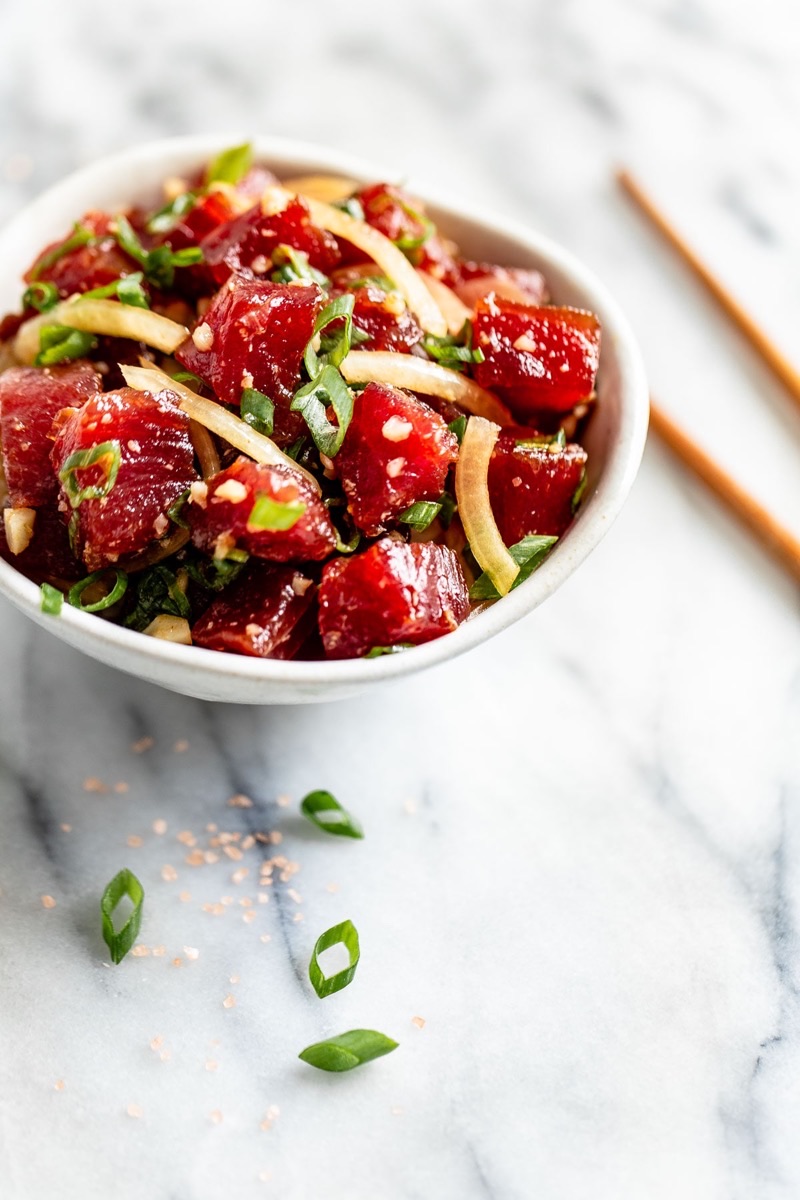
Hawaii's food scene is varied and sophisticated. You can find everything from cheap, delicious food trucks (like Giovanni's Shrimp Truck on Oahu's North Shore for $15-20 USD) serving garlic shrimp, to upscale farm-to-table restaurants (e.g., Merriman's Kapalua on Maui, entrees $40-60 USD). Plate lunches (starting at $10-15 USD), poke bowls, and shave ice are ubiquitous. Asian influences are strong, with excellent Japanese, Korean, and Filipino options alongside standard American fare. Alcohol is readily available in stores, bars, and restaurants, though prices for drinks can be high (cocktails $12-18 USD).
Samoa's cuisine is built on fresh, local ingredients: taro, breadfruit, coconuts, and abundant seafood. 'Oka' (raw fish in coconut cream) is a staple and a must-try. 'Palusami' (taro leaves baked with coconut cream) is another traditional dish. Meals are often cooked in an 'umu' (earth oven). While resorts offer some international dishes, outside of Apia, options are limited to local eateries and your fale's provided meals. Prices are generally low; a meal at a local 'kai' (eatery) might be 15-30 WST ($5-11 USD). Alcohol, while available, is less central to social life, and choices are limited to local beers (like Vailima) and standard spirits. Samoa's food is about savoring local flavors. For sheer variety, quality, and accessibility of diverse cuisines, Hawaii is the clear frontrunner.
- Winner: Hawaii
- Why: Hawaii offers a significantly broader and more developed culinary landscape, catering to diverse palates with both local specialties and international options.
- Who this matters for: Foodies, those with specific dietary needs, and travelers who enjoy a wide array of dining experiences from casual to fine dining.
✈️ Getting There
Getting to Hawaii from the US mainland is straightforward. Direct flights from major West Coast cities like Los Angeles (LAX) or San Francisco (SFO) to Honolulu (HNL) or Kahului…
Hawaii
Samoa
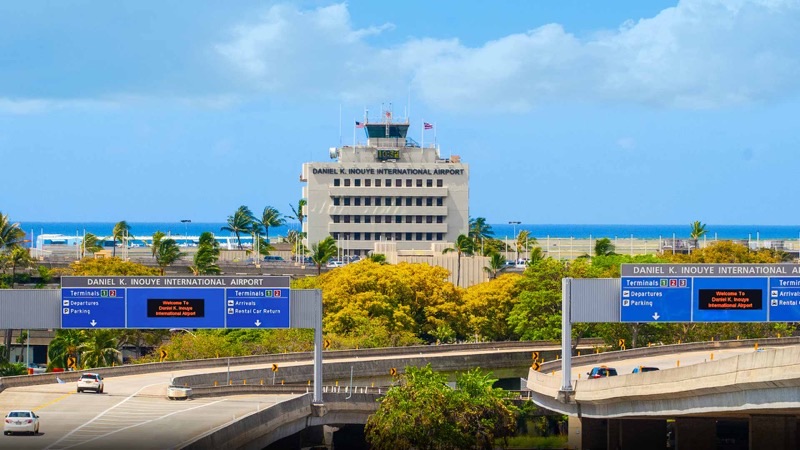
Getting to Hawaii from the US mainland is straightforward. Direct flights from major West Coast cities like Los Angeles (LAX) or San Francisco (SFO) to Honolulu (HNL) or Kahului (OGG, Maui) are typically 5-6 hours. Prices for a round trip can range from $400-800 USD, especially if booked in advance or during shoulder seasons. Airlines like Hawaiian Airlines, Southwest, United, and Alaska Airlines offer frequent service. The accessibility means a shorter overall travel day and less jet lag for North American travelers, allowing for immediate enjoyment of the islands.
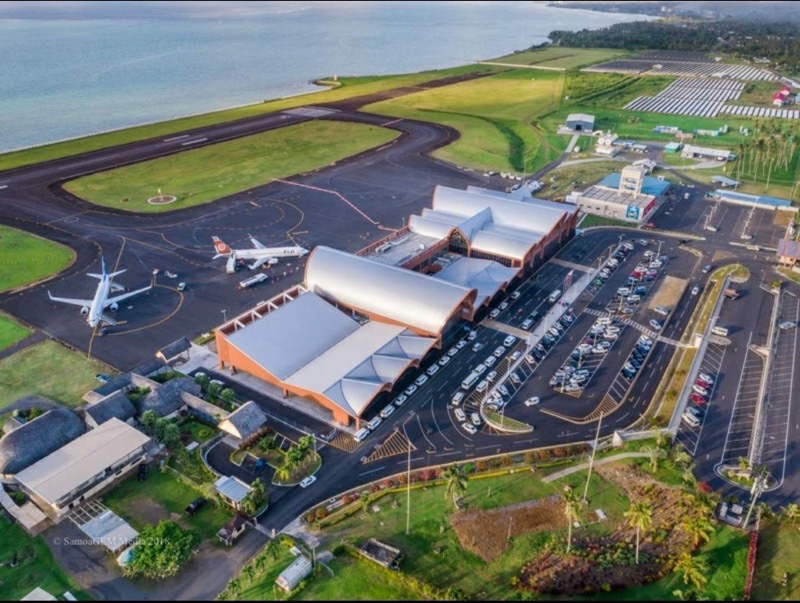
Traveling to Samoa is a longer, more involved journey for most international visitors, especially from North America. There are no direct flights from the US mainland. Travelers typically fly to Fiji (NAN), New Zealand (AKL), or Australia (SYD), then connect to Faleolo International Airport (APW) in Samoa. For example, a flight from Los Angeles to Apia usually involves a 10-12 hour flight to Fiji/NZ/Australia, followed by a 3-5 hour connecting flight. Total travel time can easily exceed 15-20 hours one way, including layovers. Round-trip airfares typically range from $1000-1800 USD. The extended travel time and multiple connections can be taxing. Hawaii wins decisively on ease and speed of access for most Western travelers.
- Winner: Hawaii
- Why: Hawaii offers significantly shorter, more direct, and generally more affordable flights from major Western hubs, simplifying travel logistics.
- Who this matters for: Time-constrained travelers, those who prefer direct flights, and visitors from North America.
🏨 Accommodation
Hawaii's accommodation landscape is extensive and highly developed. You can choose from luxury resorts like the Grand Wailea on Maui ($800+ USD/night), mid-range hotels like the…
Hawaii's accommodation landscape is extensive and highly developed. You can choose from luxury resorts like the Grand Wailea on Maui ($800+ USD/night), mid-range hotels like the Courtyard by Marriott Waikiki Beach ($250-400 USD/night), or a plethora of vacation rentals and condos through platforms like Airbnb and VRBO (often $150-350 USD/night). Many options come with pools, restaurants, and activity desks. While expensive, the variety ensures travelers can find something to match their preferences, from family-friendly resorts to secluded boutique hotels. Booking well in advance is essential, especially during peak seasons.
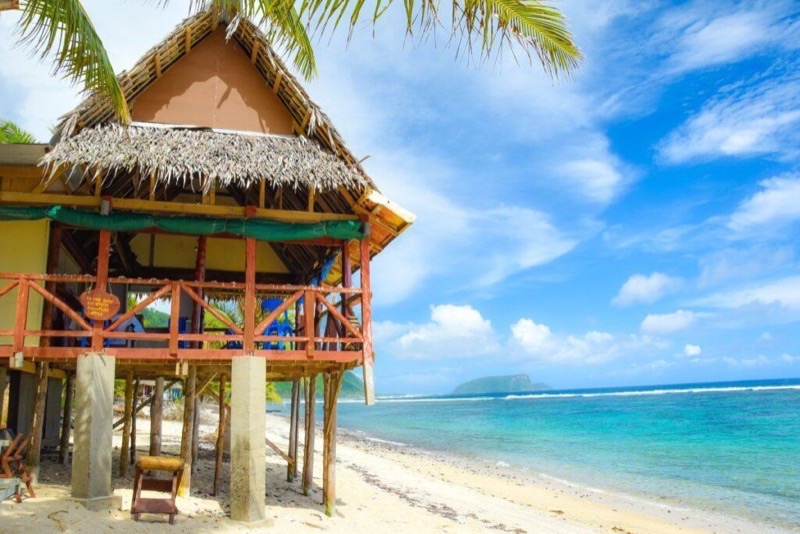
Samoa's accommodation is generally simpler and more focused on local experiences. The iconic beach fales, like those at Taufua Beach Fales in Lalomanu, provide open-air, thatched huts directly on the beach, often including breakfast and dinner for around 70-120 WST ($25-45 USD) per person. These are basic, usually without private bathrooms or air conditioning, offering a communal and rustic stay. In Apia, you'll find more conventional guesthouses and a few larger hotels like the Sheraton Samoa Beach Resort ($150-300 USD/night), but these are exceptions rather than the norm. The overall choice is narrower, with a stronger emphasis on authentic, less amenity-rich stays. Hawaii wins for its sheer breadth of options and expected comforts.
- Winner: Hawaii
- Why: Hawaii offers a far greater selection of accommodation types, from budget to luxury, with diverse amenities and predictable comfort levels.
- Who this matters for: Travelers seeking diverse lodging options, those prioritizing amenities, and families who need specific facilities.
⛰️ Nature & Scenery
Hawaii delivers dramatic and varied natural settings. The Big Island boasts active volcanoes at Hawaii Volcanoes National Park (entry $30 USD per vehicle), offering views of lava…
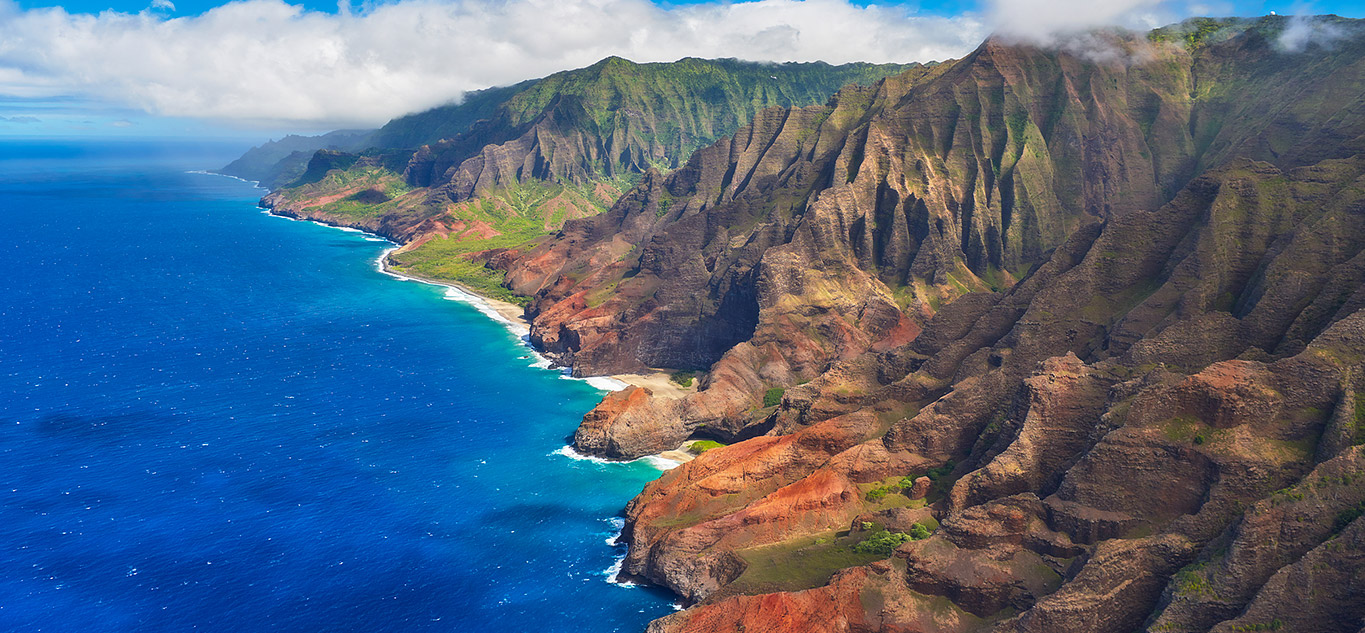
Hawaii delivers dramatic and varied natural settings. The Big Island boasts active volcanoes at Hawaii Volcanoes National Park (entry $30 USD per vehicle), offering views of lava flows and steam vents. Kauai's Na Pali Coast is known for its towering sea cliffs (accessible by boat tour, $150-250 USD, or challenging hike). Maui's Road to Hana is a journey through dense rainforest to waterfalls and black sand beaches. Diamond Head on Oahu ($5 USD, reservations required) provides panoramic city and ocean views. The parks are well-managed, with clear signage and paved access points, making natural wonders highly accessible.
Samoa's natural appeal lies in its raw, less developed state. The To Sua Ocean Trench (20 WST entry) is a spectacular swimming hole in a volcanic crater, accessed by a steep ladder. Afu Aau Waterfalls on Savaii (10 WST entry) and Papaseea Sliding Rocks on Upolu (5 WST entry) offer refreshing swims in freshwater pools. The Falealupo Canopy Walk ($10 WST entry) provides views of the rainforest. Lava fields, like Saleaula Lava Field, showcase the island's volcanic past. Many sites require a short drive on unpaved roads and can involve navigating local trails. While less developed, Samoa's natural areas possess an untouched, serene quality that many seek. Both destinations offer distinct, compelling natural experiences.
- Winner: Tie
- Why: Both destinations offer exceptional, distinct natural environments, from Hawaii's dramatic volcanic features and accessible parks to Samoa's untouched waterfalls and secluded geological formations.
- Who this matters for: Nature lovers and outdoor enthusiasts; the choice depends on whether one prefers developed access or a more rugged exploration.
🥳 Nightlife & Entertainment
Hawaii offers a robust nightlife, particularly on Oahu in Honolulu's Waikiki and Chinatown districts. Waikiki has numerous resort bars, beachfront lounges, and clubs like RumFire…
Hawaii offers a robust nightlife, particularly on Oahu in Honolulu's Waikiki and Chinatown districts. Waikiki has numerous resort bars, beachfront lounges, and clubs like RumFire at the Sheraton Waikiki, often with live music or DJs. Chinatown offers a more local bar scene with places like Manifest or Bar 35. Maui also has a few spots in Lahaina and Kihei. Luaus provide evening entertainment with dinner and cultural performances. Drink prices are high, often $12-18 USD for a cocktail. Live music, from ukulele to rock bands, is a common feature in many establishments. It's easy to find something to do after dark.
Samoa's nightlife is minimal and understated. Outside of a handful of bars and pubs in Apia, like Amanaki Hotel bar or Home Cafe, the evenings are quiet. Most activity revolves around family time, early dinners at fales, and relaxing on the beach. Resorts may have a small bar, but these are generally subdued. Alcohol consumption is less prevalent in public spaces, reflecting the conservative 'Fa'a Samoa'. For travelers seeking late-night parties, live music venues, or extensive bar hopping, Samoa will be a disappointment. The pace of life here winds down with the sunset. Hawaii is the undisputed champion for evening entertainment.
- Winner: Hawaii
- Why: Hawaii provides a well-developed and diverse nightlife scene with numerous bars, clubs, live music venues, and resort entertainment options.
- Who this matters for: Younger travelers, party-goers, and anyone who enjoys lively evenings out with diverse entertainment options.
⛑️ Safety & Practicalities
Hawaii is generally safe for tourists, but petty crime like car break-ins (especially at trailheads) and theft of unattended belongings on beaches is a concern. It's advisable not…
Hawaii is generally safe for tourists, but petty crime like car break-ins (especially at trailheads) and theft of unattended belongings on beaches is a concern. It's advisable not to leave valuables visible in cars. Healthcare facilities are modern and comprehensive, comparable to the US mainland. Roads are well-maintained, and English is universally spoken. Emergency services are reliable. The main practical issues involve traffic congestion, particularly in Honolulu, and high costs for everything. General travel practicalities are very similar to mainland US, providing a sense of familiarity for American travelers.
Samoa boasts very low crime rates, especially outside of Apia. The community-centric 'Fa'a Samoa' means locals often look out for each other and visitors. However, medical facilities are basic; for serious issues, evacuation to New Zealand or Australia may be necessary. Infrastructure is less developed; roads can be rough, and power outages occasionally occur. English is widely understood, especially in tourist areas, but Samoan is the primary language. Respecting local customs, such as appropriate dress and asking permission before entering private land or taking photos of people, is crucial. For genuine personal safety and a feeling of community oversight, Samoa is a better bet. Samoa's inherent safety and community spirit make it a very secure travel destination.
- Winner: Samoa
- Why: Samoa's low crime rates and strong community values create an exceptionally safe and welcoming environment for visitors.
- Who this matters for: Solo travelers, families, and those who prioritize a very secure and peaceful travel experience above all else.
🚗 Getting Around
In Hawaii, renting a car is almost a necessity for exploring beyond major tourist hubs. All major rental companies operate at the airports, with daily rates typically ranging from…
In Hawaii, renting a car is almost a necessity for exploring beyond major tourist hubs. All major rental companies operate at the airports, with daily rates typically ranging from $60-100 USD (higher for SUVs or during peak times). Roads are generally well-paved and clearly marked, making navigation straightforward. Traffic can be heavy, especially around Honolulu and Kahului. Public transport, like TheBus on Oahu, is affordable ($3 USD per ride) but can be slow and doesn't reach many natural attractions. Ride-sharing services like Uber and Lyft are available in urban areas. The convenience and quality of the road network make self-driving easy.
Samoa's road network is less developed, with paved roads linking main towns and attractions, but many smaller roads are unpaved. Car rental is the most flexible option, costing around 80-120 WST ($30-45 USD) per day. A temporary Samoan driver's license (20 WST, obtained from the Post Office with your home license) is required. The local 'fale buses' are a unique experience: brightly painted, often playing loud music, and stopping anywhere along their route. Fares are cheap (1-5 WST), but routes and schedules can be erratic, and they often get crowded. Taxis are available in Apia. For ease of navigation and reliable transport options, Hawaii is clearly superior. For ease, reliability, and network quality, Hawaii's transportation infrastructure is more user-friendly.
- Winner: Hawaii
- Why: Hawaii offers a more developed road network, readily available car rentals without extra permits, and more predictable public transport and ride-sharing options.
- Who this matters for: Independent travelers who value convenience, those with limited time, and anyone preferring self-guided exploration with ease.
🎯 The Decision Framework
Choose Hawaii If…
- You want direct flights from the US mainland (5-6 hours from West Coast).
- You value diverse dining, from fine restaurants to accessible food trucks.
- You prefer resort amenities, established infrastructure, and predictable comforts.
- You want a wide range of activities like surf lessons, helicopter tours, and organized luaus.
- You enjoy well-maintained hiking trails and accessible national parks.
- You need reliable modern medical facilities readily available.
- You appreciate a developed nightlife with bars, clubs, and live music.
- You're okay with a higher daily budget of $180-350 USD.
Choose Samoa If…
- You seek a raw, untouched Polynesian experience, embracing 'Fa'a Samoa'.
- You are comfortable with a slower pace of travel and simpler amenities (fales).
- You prioritize a budget-friendly trip, with daily costs around $60-120 USD.
- You want pristine, often secluded beaches with few crowds.
- You are interested in genuine cultural immersion through village life and local customs.
- You are content with basic local food, fresh seafood, and traditional dishes.
- You value an exceptionally safe and welcoming environment with low crime rates.
- You don't mind longer travel times and connecting flights through other Pacific hubs.
📅 Sample Itineraries
Weekend in Hawaii (3 Days)
💡 Utilize Oahu's public transport, TheBus, for a day pass costing $5.50 to save significantly on taxi or ride-share fares.
Weekend in Samoa (3 Days)
💡 Renting a car (approx. $60-80/day) is highly recommended for exploring Upolu's attractions, as public transport can be infrequent and limited.
One Week in Hawaii (7 Days)
💡 Book inter-island flights with Hawaiian Airlines or Southwest well in advance (around $70-100 one-way) for the best prices and availability.
One Week in Samoa (7 Days)
💡 Embrace staying in traditional beach fales (starting around $30-70 per night) for an authentic cultural experience and significant cost savings over resorts.
❓ Frequently Asked Questions
What's the typical flight time and cost from the US to Hawaii versus Samoa?
Flights to Hawaii from the US West Coast are typically 5-6 hours direct, costing $400-800 USD round trip. To Samoa, there are no direct flights from the US; expect 15-20+ hours with layovers (e.g., via Fiji), with costs ranging from $1000-1800 USD round trip.
How do daily budgets compare for a traveler in Hawaii and Samoa?
Hawaii is significantly more expensive; plan for $180-350 USD per person per day for mid-range travel. Samoa is much more budget-friendly, often $60-120 USD daily, especially if you stay in fales and eat local food.
What are the main differences in accommodation options?
Hawaii offers a vast array of options from luxury resorts ($300-800+ USD) to vacation rentals ($150-350 USD). Samoa primarily has simple beach fales ($25-45 USD/person including meals) and guesthouses, with a few larger hotels in Apia ($150-300 USD).
Is one destination better for families with young children?
Hawaii is generally easier for families due to its developed infrastructure, kid-friendly resorts, readily available amenities, and diverse activity options. Samoa's charm is in its simplicity, which might be less suited for very young children needing specific facilities.
What's the best way to get around on each island?
In Hawaii, renting a car is essential for exploring beyond urban centers, costing $60-100 USD daily. In Samoa, a rental car is also most practical ($30-45 USD daily, plus a temporary local license), but local 'fale buses' offer a cheap, authentic experience if you have time.
Which destination offers a more authentic cultural experience?
Samoa offers a more authentic, pervasive cultural immersion with 'Fa'a Samoa' deeply woven into daily life. Hawaii's Polynesian culture, while present, is often presented within a more commercialized, tourist-oriented framework.
What are the typical food costs per meal in both places?
In Hawaii, casual meals often cost $15-30 USD per person, with fine dining much higher. In Samoa, local meals are much cheaper, typically 15-30 WST ($5-11 USD), even at a sit-down restaurant.
Is it safe to travel solo to either Hawaii or Samoa?
Both are generally safe for solo travelers. Hawaii has more infrastructure and diverse activities, but also more petty crime. Samoa has exceptionally low crime rates and a strong community watch, making it feel very secure, though the infrastructure is less developed.
Ready to plan your Pacific trip?
Get a free custom itinerary for Hawaii, Samoa, or both — built from real traveler insights.
👥 Travelers Also Compared
🎟️ Book Tours & Experiences
Hand-picked tours and activities for both destinations — book with free cancellation
Experiences via Viator — free cancellation on most tours