How we built this comparison
This page combines traveler discussion patterns, published price ranges, flight schedules, and seasonal data to help you decide between Indonesia and Myanmar.
- Reviewed 100+ Reddit threads from r/travel, r/solotravel, r/indonesia, r/myanmar for diverse perspectives.
- Verified costs and logistics against current booking platforms (for Indonesia) and pre-2021 data (for Myanmar).
- Cross-referenced seasonal patterns, weather data, and current international travel advisories.
⚡ Quick Answers
⚡ The TL;DR Verdict
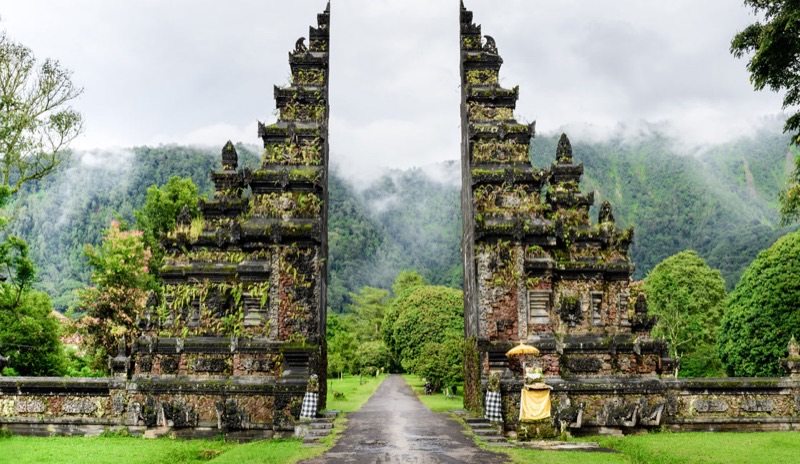
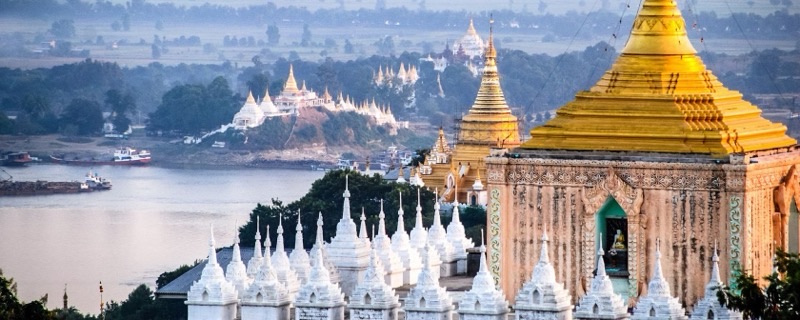
For most travelers right now, Indonesia is the clear choice due to its accessibility, safety, and diverse offerings. Myanmar, while historically unique, faces severe travel restrictions and safety concerns. Pick Indonesia for reliable, diverse island adventures; consider Myanmar only if political conditions stabilize and advisories change significantly.
- Choose Indonesia: Travelers seeking diverse activities from surfing to volcano trekking, reliable infrastructure, and a range of budget to luxury options. Ideal for first-time Southeast Asia visitors and those prioritizing safety and ease of travel.
- Choose Myanmar: Highly experienced, adaptable travelers with a strong understanding of current political situations and FCDO advisories, who are specifically seeking a culturally focused, less-traveled path *when conditions permit*. This is not a recommendation for current travel.
- Choose Both: To experience both, allocate at least 2-3 weeks for Indonesia (e.g., Bali, Java, Gili Islands) and another 10-14 days for Myanmar (e.g., Bagan, Inle Lake, Yangon) *if* and *when* Myanmar becomes a safe and viable destination again. They offer truly different experiences.
Choose Indonesia
Choose Indonesia for an unparalleled blend of adventure and relaxation, perfect for first-time Southeast Asia visitors or anyone prioritizing ease and safety. Explore Bali's iconic surf breaks, trek active volcanoes like Mount Bromo in Java, or unwind on the idyllic Gili Islands, all supported by reliable infrastructure and diverse accommodation options, from luxury resorts to budget-friendly guesthouses.
Choose Myanmar
Opt for Myanmar only when political conditions stabilize and travel advisories change significantly, offering a profoundly unique cultural journey for highly experienced, adaptable travelers. Explore Bagan's ancient temple plains at sunrise, discover the floating gardens of Inle Lake, and witness Yangon's colonial charm, providing an authentic, less-traveled Southeast Asian experience distinct from its neighbors.
📊 Visual Scorecard
🌤 When to Visit
Average high temperatures (°C). Green = best months, orange = avoid.
Quick Comparison
| Category | Indonesia | Myanmar | Winner |
|---|---|---|---|
| Beaches & Islands | Thousands of islands, from popular Bali to remote Raja Ampat. Diverse marine life, surf breaks, white sand, black sand. | Limited coastal access and less developed beach tourism. Ngapali and Ngwe Saung offer quieter, less explored stretches of sand. | Indonesia |
| Food Scene | Varied regional cuisines, from Balinese babi guling to Javanese gudeg. Street food is abundant and affordable. Vegan and Western options common in tourist hubs. | Rice and noodle-based dishes with Indian and Chinese influences. Mohinga (fish noodle soup) is a staple. Street food is local and inexpensive. | Indonesia |
| Culture & History | Hindu temples, ancient Buddhist stupas, Islamic mosques, traditional dances, diverse tribal customs, colonial architecture. | Ancient Buddhist sites like Bagan, colonial-era architecture in Yangon, traditional village life around Inle Lake, significant spiritual heritage. | Tie |
| Costs & Budget | Generally affordable, especially outside of prime Bali tourist areas. Daily budget for backpackers $30-70 USD, mid-range $70-150 USD. | Historically comparable to Indonesia, but costs could fluctuate post-crisis. Pre-2021 daily budget for backpackers $40-80 USD, mid-range $80-150 USD. | Indonesia |
| Getting There & Flights | Excellent air connectivity to major hubs. Denpasar (Bali) and Jakarta are major international airports. Many budget airlines. | Fewer international connections, primarily to Yangon. Limited budget airline options. Travel advisories currently restrict access. | Indonesia |
| Getting Around | Mix of domestic flights, ferries, buses, trains, and ride-hailing apps. Scooter rentals are popular in tourist areas. | Domestic flights, long-distance buses, trains (slower), and taxis/tuk-tuks. Limited options in rural areas. Infrastructure less developed. | Indonesia |
| Safety & Health | Generally safe for tourists, but petty crime occurs. Road safety is a concern, especially with scooters. Standard tropical disease precautions needed. | Currently extremely unsafe due to political instability and ongoing conflict. International advisories recommend against travel. Health infrastructure is limited. | Indonesia |
| Solo Travel | Very popular for solo travelers, particularly in Bali and the Gili Islands. Easy to meet others, safe, and good infrastructure for independent exploration. | Historically good for solo travelers seeking quiet introspection and cultural immersion. Safety concerns now make it unsuitable for solo tourists. | Indonesia |
| Nature & Adventure | Volcanoes, jungles, waterfalls, extensive marine parks, surfing, diving, trekking, wildlife spotting (orangutans, Komodo dragons). | Unique landscapes around Inle Lake, scenic hikes in hill country, limited wildlife viewing (e.g., elephants), but lacks marine diversity or large adventure sports. | Indonesia |
| Nightlife & Entertainment | Thriving nightlife in Bali (Kuta, Seminyak, Canggu) with clubs, beach bars, live music. Quieter options on other islands. Diverse entertainment. | Limited nightlife, mainly in Yangon with a few bars and karaoke spots. Traditional performances are more common than Western-style entertainment. | Indonesia |
🏖️ Beaches & Islands
Indonesia is a giant in island experiences, offering everything from the surf breaks of Uluwatu in Bali to the pristine coral reefs of the Gili Islands. You can find luxury…
Indonesia
Myanmar
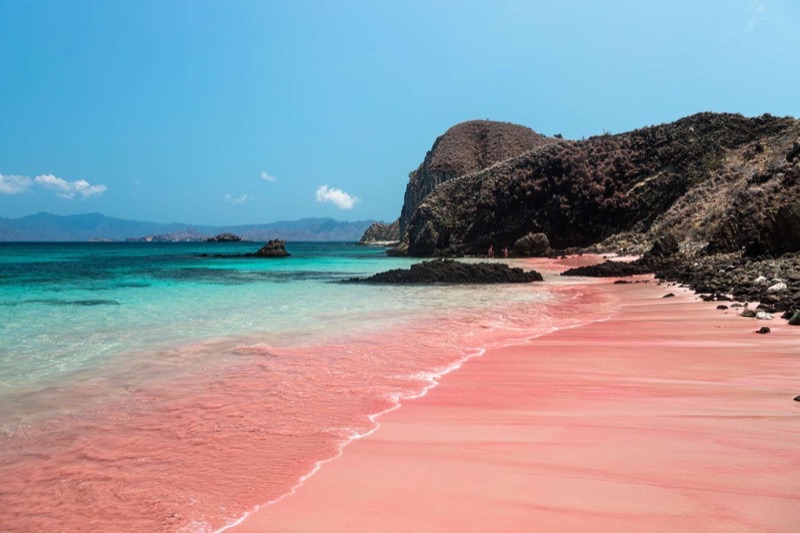
Indonesia is a giant in island experiences, offering everything from the surf breaks of Uluwatu in Bali to the pristine coral reefs of the Gili Islands. You can find luxury resorts, budget bungalows, and everything in between. Komodo National Park, for example, features Pink Beach and incredible diving with manta rays. Expect to pay around 100,000-200,000 IDR ($7-14 USD) for a boat trip or 500,000-800,000 IDR ($35-55 USD) for a full day of island hopping. The sheer scale and variety mean you can find any beach experience desired, from party scenes to isolated tranquility. Infrastructure is robust, especially in key tourist areas, making access and exploration straightforward.
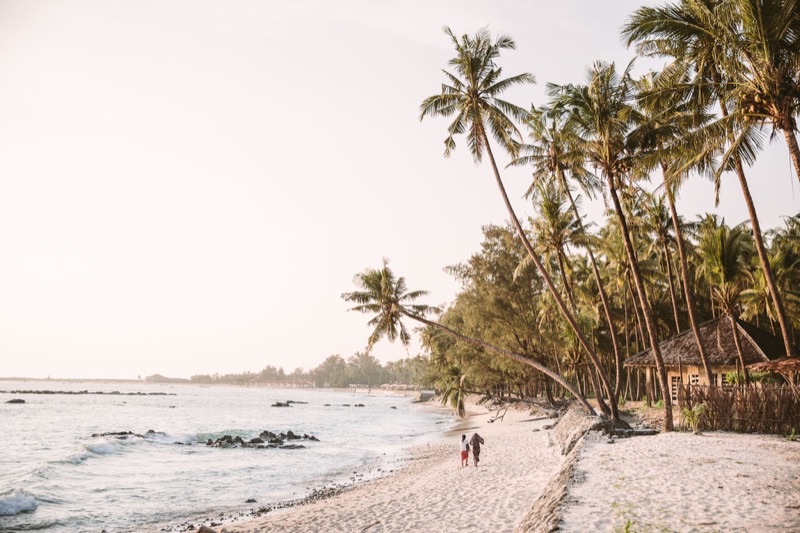
Myanmar's beach scene is significantly smaller and less developed. Ngapali Beach, west of Yangon, is the most recognized, offering quiet resorts and local fishing villages. Ngwe Saung and Chaungtha are other options, but the tourism infrastructure is minimal compared to Indonesia. Access typically requires domestic flights from Yangon (e.g., to Thandwe for Ngapali), costing around 100,000-150,000 MMK ($50-75 USD) pre-2021. Activities are limited to relaxation, local interactions, and basic water sports. The appeal is in the solitude and lack of crowds, but it does not compete with Indonesia's diversity or accessibility.
Indonesia wins by a landslide; its sheer volume and quality of islands and beaches are unmatched.
- Winner: Indonesia
- Why: Indonesia offers an unparalleled range of beach and island experiences with superior infrastructure and variety.
- Who this matters for: Anyone prioritizing beach time, diving, surfing, or island hopping.
🍜 Food Scene
Indonesia's food scene is incredibly diverse, reflecting its vast geography and cultural influences. In Bali, expect dishes like Babi Guling (roast suckling pig) for around 50,000…
Indonesia
Myanmar
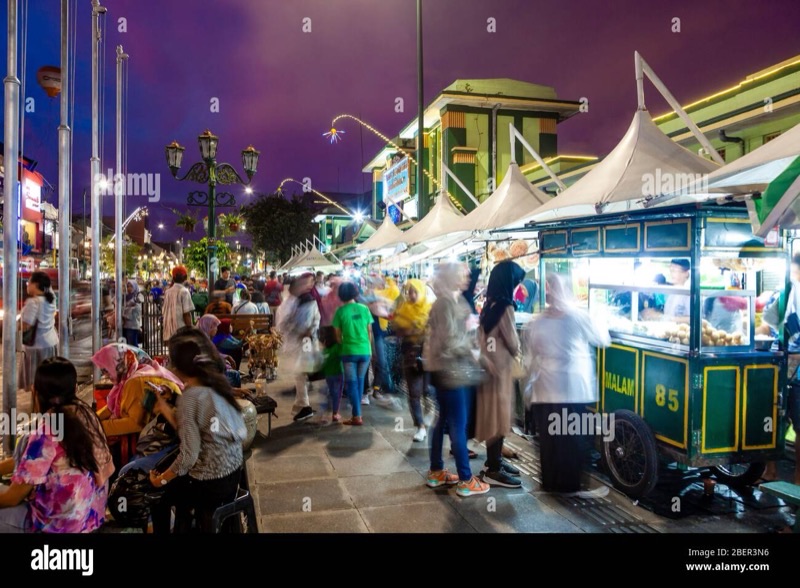
Indonesia's food scene is incredibly diverse, reflecting its vast geography and cultural influences. In Bali, expect dishes like Babi Guling (roast suckling pig) for around 50,000 IDR ($3.50 USD) at local warungs, or Nasi Campur for 25,000 IDR ($1.70 USD). Java offers Gudeg (jackfruit stew) and Bakso (meatball soup). Street food is everywhere, providing delicious and cheap meals often under 20,000 IDR ($1.40 USD). In tourist areas, there is a large selection of international cuisine, vegan cafes, and upscale restaurants. Cooking classes are popular, costing around 400,000-700,000 IDR ($27-48 USD). The accessibility of different flavors and dining experiences caters to all tastes and budgets.
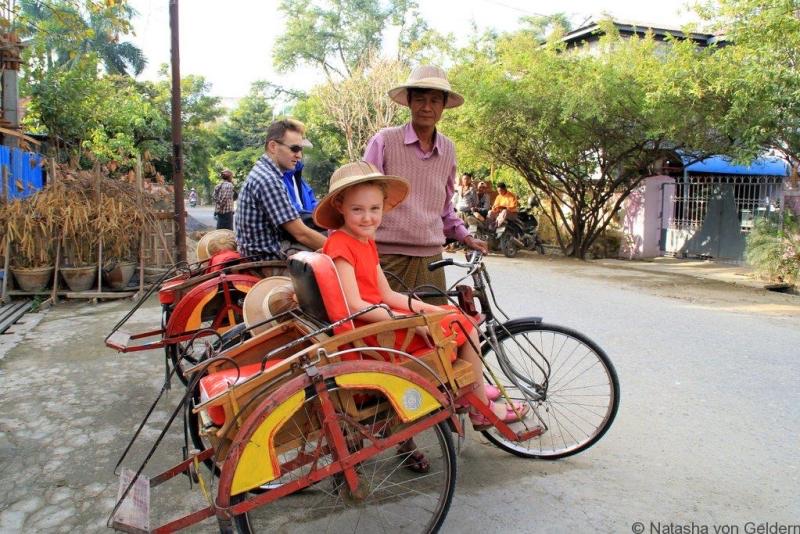
Myanmar's cuisine, while distinct, is less varied than Indonesia's and often heavier, with oil used liberally in many dishes. Mohinga, a fish noodle soup, is a breakfast staple, costing around 1,000-2,000 MMK ($0.50-1 USD) from street vendors. Tea leaf salad (Lahpet Thoke) is a unique and popular dish. Pre-2021, a decent meal at a local restaurant might cost 3,000-7,000 MMK ($1.50-3.50 USD). Western options were limited outside of major cities like Yangon and Mandalay. The focus is on local, traditional flavors, often eaten at communal tea shops or simple eateries. While authentic, it might be less appealing to a wider range of palates compared to Indonesia.
Indonesia offers a more globally appealing and diverse culinary journey for most travelers.
- Winner: Indonesia
- Why: Indonesia's food is more diverse, globally recognized, and caters to a wider range of dietary needs and preferences.
- Who this matters for: Foodies, budget travelers seeking cheap eats, and those with specific dietary requirements.
🗿 Culture & History
Indonesia's cultural landscape is incredibly rich. Java boasts the colossal Buddhist temple Borobudur and the Hindu Prambanan complex, both UNESCO sites, with entrance fees around…
Indonesia
Myanmar
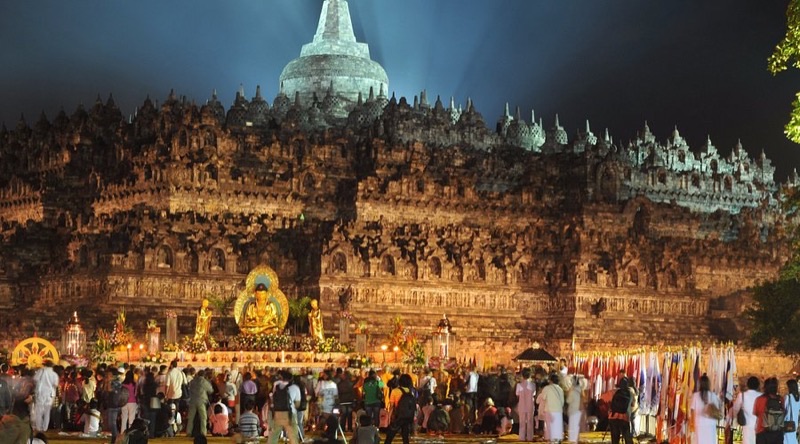
Indonesia's cultural landscape is incredibly rich. Java boasts the colossal Buddhist temple Borobudur and the Hindu Prambanan complex, both UNESCO sites, with entrance fees around 375,000 IDR ($25 USD) for foreigners. Bali's Hindu traditions are evident in daily offerings, temple ceremonies, and dances like the Barong or Kecak, often performed for around 150,000 IDR ($10 USD). Sumatra has unique tribal cultures, and across the archipelago, you find colonial architecture, diverse languages, and traditional arts like batik and wayang kulit (shadow puppetry). The sheer scale and variety of living cultures and ancient sites are immense.
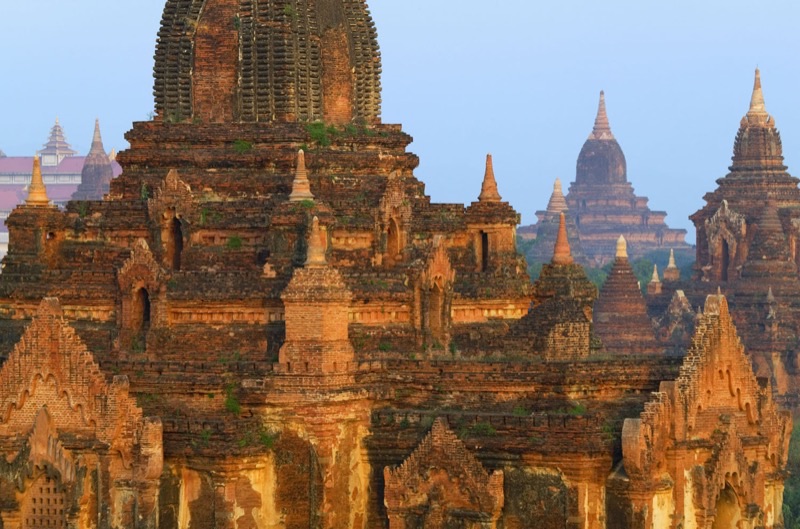
Myanmar offers a profound immersion in Buddhist culture, with Bagan's plains dotted with over 2,000 ancient pagodas and temples being the undisputed highlight. A Bagan archaeological zone pass cost 25,000 MMK ($12-15 USD) pre-2021. Yangon's Shwedagon Pagoda, gilded in gold, is a pilgrimage site and architectural marvel (entrance around 10,000 MMK or $5 USD). Inle Lake provides insights into traditional Intha leg-rowing fishermen and floating gardens. The colonial architecture in Yangon and Mandalay speaks to a different historical period. While less diverse ethnically than Indonesia, Myanmar's Buddhist heritage is deep and visually striking, offering a more focused and historically significant cultural experience centered around a single dominant faith.
Both offer deep, distinct cultural experiences, making this category a tie based on historical offerings.
- Winner: Tie
- Why: Both countries offer deep, historically significant cultural experiences, though with different focuses.
- Who this matters for: History enthusiasts, spiritual seekers, and travelers interested in ancient civilizations and traditional practices.
💰 Costs & Budget
Indonesia is broadly affordable. A budget traveler can easily get by on $30-70 USD per day, staying in guesthouses (150,000-300,000 IDR / $10-20 USD), eating at local warungs…
Indonesia
Myanmar
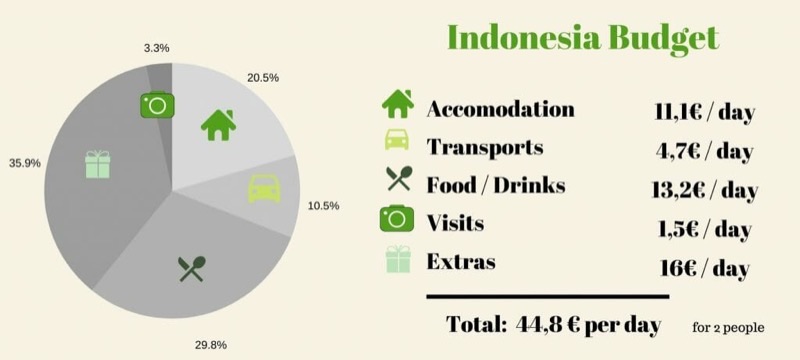
Indonesia is broadly affordable. A budget traveler can easily get by on $30-70 USD per day, staying in guesthouses (150,000-300,000 IDR / $10-20 USD), eating at local warungs (20,000-50,000 IDR / $1.40-3.50 USD per meal), and using scooters for transport (60,000-80,000 IDR / $4-5.50 USD per day rental). Even mid-range travel, including nicer hotels (500,000-1,000,000 IDR / $35-70 USD), more organized tours, and varied dining, remains reasonable at $70-150 USD per day. Domestic flights can be cheap if booked in advance (e.g., Bali to Java for $30-50 USD). Bargaining is common in markets.
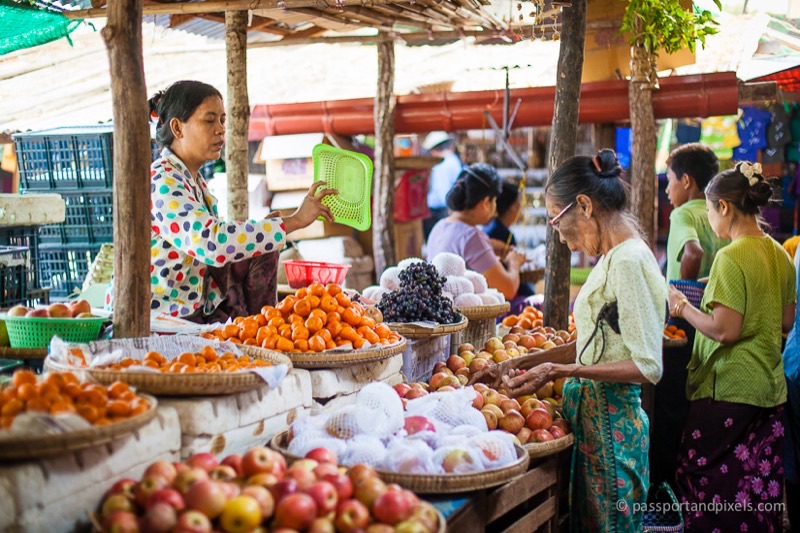
Pre-2021, Myanmar's costs were relatively similar to Indonesia, though potentially slightly higher for accommodation due to less supply. A budget traveler could spend $40-80 USD per day. Guesthouses were typically 30,000-60,000 MMK ($15-30 USD). Local meals were inexpensive (1,000-5,000 MMK / $0.50-2.50 USD). However, internal transport (buses, domestic flights) could add up. Domestic flights, for example, between Yangon, Bagan, and Inle Lake, were a significant cost, often $60-100 USD per leg. While basic goods were cheap, the lack of extensive budget infrastructure meant some costs, especially for tours or specific transport, could be less flexible than in Indonesia.
Indonesia wins as it offers greater flexibility in budgeting and wider availability of budget-friendly options, especially now with Myanmar's limited tourism.
- Winner: Indonesia
- Why: Indonesia offers more consistent budget options and better value across its diverse offerings, especially now given Myanmar's current situation.
- Who this matters for: Budget travelers, backpackers, and those looking to maximize their rupiah for longer trips.
✈️ Getting There & Flights
Indonesia is incredibly well-connected internationally. Major gateways like Jakarta (CGK) and Denpasar (DPS) on Bali receive direct flights from numerous global hubs. Airlines…
Indonesia
Myanmar
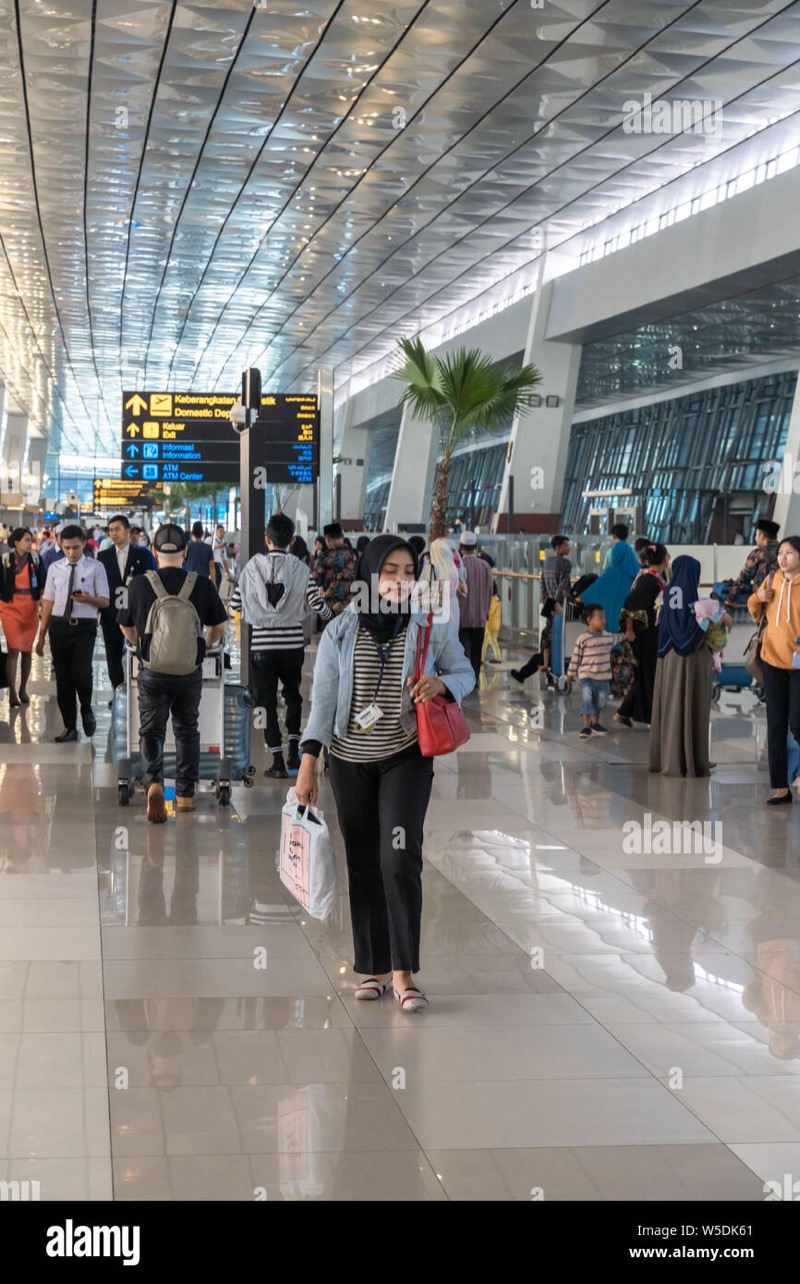
Indonesia is incredibly well-connected internationally. Major gateways like Jakarta (CGK) and Denpasar (DPS) on Bali receive direct flights from numerous global hubs. Airlines like Garuda Indonesia, Singapore Airlines, Qatar Airways, Emirates, and a host of budget carriers such as AirAsia and Lion Air operate frequently. A flight from Kuala Lumpur to Denpasar might take 3 hours and cost $50-100 USD. From Singapore, it's about 2.5 hours. Visa on arrival is generally straightforward for many nationalities. The sheer volume of flights and competitive pricing makes Indonesia highly accessible.
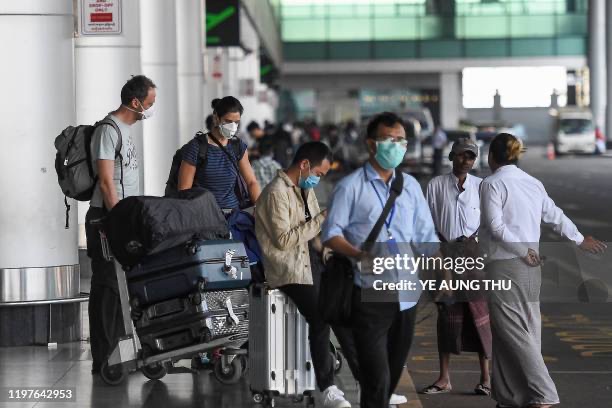
Myanmar's international access, pre-2021, was primarily via Yangon International Airport (RGN), with fewer direct connections compared to Indonesia. Flights were mostly from Bangkok, Singapore, Kuala Lumpur, and some cities in China. A flight from Bangkok to Yangon took about 1.5 hours and typically cost $80-150 USD. Visa applications were required in advance, often online (e-Visa). Currently, international flights are very limited, and most governments advise against all but essential travel to Myanmar due to the political and security situation. This makes entry extremely difficult and risky for tourists.
Indonesia is vastly superior in terms of flight availability, connectivity, and current travel feasibility.
- Winner: Indonesia
- Why: Indonesia offers far superior international connectivity, more budget airline options, and is currently accessible for tourism.
- Who this matters for: All travelers, especially those planning multi-country trips or seeking easy, affordable access.
🚌 Getting Around
Navigating Indonesia is relatively easy, especially in popular tourist areas. Domestic flights connect major islands and are frequently used for longer distances (e.g., Jakarta to…
Navigating Indonesia is relatively easy, especially in popular tourist areas. Domestic flights connect major islands and are frequently used for longer distances (e.g., Jakarta to Bali for $50-100 USD). Inter-island ferries are essential for places like the Gili Islands (fast boats from Bali cost around 400,000-600,000 IDR / $27-40 USD return). Land transport includes comfortable long-distance buses and a decent train network on Java. Ride-hailing apps like Gojek and Grab are widespread and incredibly convenient for short distances, offering car and scooter rides for very low prices (e.g., 20,000 IDR / $1.40 USD for a 15-minute scooter ride). Scooter rentals are common and affordable, but require caution.
Myanmar's internal transport system, pre-2021, relied heavily on domestic flights for speed between major sites like Yangon, Bagan, Mandalay, and Inle Lake (each leg costing $60-100 USD). Long-distance buses were a more budget-friendly option, though often slower and less comfortable than Indonesian counterparts (e.g., Yangon to Bagan overnight bus for 18,000-25,000 MMK / $9-12 USD). The train network was extensive but very slow and often uncomfortable. Taxis and tuk-tuks were available in cities, but ride-hailing apps were less ubiquitous and reliable than in Indonesia. Roads in rural areas could be poor, making travel more challenging.
Indonesia's modern transport infrastructure, particularly ride-hailing and extensive domestic flights, makes getting around significantly easier.
- Winner: Indonesia
- Why: Indonesia boasts more modern, reliable, and diverse transport options, including excellent ride-hailing services.
- Who this matters for: Travelers seeking convenience, efficiency, and a range of budget-friendly transport choices.
🚨 Safety & Health
Indonesia is generally considered safe for tourists. Petty crime, such as bag snatching, can occur, particularly in busy tourist areas like parts of Bali. Road accidents, often…
Indonesia is generally considered safe for tourists. Petty crime, such as bag snatching, can occur, particularly in busy tourist areas like parts of Bali. Road accidents, often involving scooters, are a significant risk, so extreme caution is advised for rentals. Natural disasters like earthquakes and volcanic eruptions are possibilities, requiring awareness of local alerts. Health-wise, basic medical facilities are available in tourist centers, but serious conditions often require evacuation. Dengue fever is present, so mosquito protection is crucial. Standard travel insurance is highly recommended. Overall, with common sense precautions, travelers face minimal risk.
Myanmar, however, presents a grave safety concern. Since the 2021 military coup, the country has been in a state of civil unrest, with armed conflict, arbitrary detentions, and increased crime reported across many regions. Most international governments, including the US, UK, Canada, and Australia, advise against all travel due to widespread violence, political instability, and the risk of kidnapping or detention. Access to certain regions is restricted, and communication infrastructure can be unreliable. Health facilities are severely limited, especially outside of Yangon, and would be overwhelmed in a crisis. This makes travel to Myanmar currently highly dangerous and ill-advised for tourists.
Indonesia is the unequivocal winner for traveler safety and health, as Myanmar is currently too dangerous for tourism.
- Winner: Indonesia
- Why: Indonesia offers a relatively safe and stable environment for tourists, while Myanmar is currently highly unstable and dangerous.
- Who this matters for: All travelers, especially those prioritizing personal security and health while abroad.
🚶♀️ Solo Travel
Indonesia is a solo traveler's paradise, particularly for those on a budget or looking to connect with others. Hostels are plentiful and vibrant, especially in Bali, Lombok, and…
Indonesia is a solo traveler's paradise, particularly for those on a budget or looking to connect with others. Hostels are plentiful and vibrant, especially in Bali, Lombok, and the Gili Islands, where dorm beds cost around 100,000-200,000 IDR ($7-14 USD). It's easy to join group tours for activities like volcano treks (e.g., Mount Batur sunrise trek for 500,000-800,000 IDR / $35-55 USD) or diving trips. The ride-hailing apps provide a sense of security and ease of movement. English is widely spoken in tourist areas, and the local population is generally welcoming. Many solo female travelers report feeling safe and comfortable exploring independently.
Before 2021, Myanmar was increasingly gaining recognition as a rewarding destination for solo travelers seeking a more introspective and culturally focused journey. It was considered relatively safe, with friendly locals and a clear tourist trail connecting Yangon, Bagan, Inle Lake, and Mandalay. Hostels were emerging, with dorm beds costing around 20,000-40,000 MMK ($10-20 USD). However, the current political and security situation means that solo travel, or any tourist travel, is highly dangerous and not recommended. The risks of being caught in conflict, facing arbitrary detention, or having limited access to assistance are too high.
Indonesia is the only viable and safe option for solo travelers at this time.
- Winner: Indonesia
- Why: Indonesia provides a safe, accessible, and social environment for solo travelers, whereas Myanmar is currently too dangerous.
- Who this matters for: Solo adventurers, digital nomads, and those looking to meet other travelers easily.
🌳 Nature & Adventure
Indonesia is an adventure playground. It boasts active volcanoes like Mount Bromo and Mount Rinjani, offering challenging treks and sunrise views (Rinjani trek can be 2-3 days,…
Indonesia is an adventure playground. It boasts active volcanoes like Mount Bromo and Mount Rinjani, offering challenging treks and sunrise views (Rinjani trek can be 2-3 days, costing 2,000,000-4,000,000 IDR / $140-270 USD). The jungles of Borneo and Sumatra are prime spots for orangutan encounters. Komodo National Park is home to the Komodo dragon. Diving and snorkeling in Raja Ampat, Flores, or the Gili Islands are world-renowned, with vibrant coral reefs and abundant marine life. Surfing is a major draw in Bali and Lombok. Waterfall chasing, canyoning, and white-water rafting are also readily available. The sheer variety of natural landscapes and adventure activities is unparalleled.
Myanmar's natural appeal is more subtle and less geared towards high-octane adventure. Inle Lake's unique floating villages and leg-rowing fishermen offer a serene, culturally infused natural experience (boat trips around 15,000-25,000 MMK / $7-12 USD pre-2021). The Shan Hills provide opportunities for multi-day treks between villages, offering insights into local life rather than dramatic landscapes or wildlife (e.g., Kalaw to Inle Lake trek, 2-3 days, 60,000-100,000 MMK / $30-50 USD). While there are some national parks, they are less developed for tourism and lack the megafauna or marine biodiversity of Indonesia. The focus is more on pastoral scenes and cultural interaction within nature.
Indonesia offers a far more extensive and diverse range of nature and adventure activities.
- Winner: Indonesia
- Why: Indonesia's diverse geography provides an unmatched range of adventure sports, unique wildlife, and spectacular natural landscapes.
- Who this matters for: Adventure seekers, divers, trekkers, and nature photographers.
🍻 Nightlife & Entertainment
Indonesia, particularly Bali, has a robust and varied nightlife scene. Kuta, Seminyak, and Canggu are hubs for clubs, beach clubs like Potato Head and Finns, live music venues,…
Indonesia, particularly Bali, has a robust and varied nightlife scene. Kuta, Seminyak, and Canggu are hubs for clubs, beach clubs like Potato Head and Finns, live music venues, and rooftop bars. You can find everything from electronic dance music to reggae nights, often with international DJs. Drinks can be reasonably priced, with local beers (Bintang) around 30,000-50,000 IDR ($2-3.50 USD) and cocktails from 80,000-150,000 IDR ($5.50-10 USD). On islands like the Gilis, beach bars offer more relaxed vibes with bonfires and acoustic music. Beyond partying, there are cultural shows, cinema, and numerous dining experiences.
Myanmar's nightlife is much more subdued. Yangon has the most options, with a handful of bars, pubs, and karaoke spots, but it is not a party destination. Local beer (Myanmar Beer) costs around 2,000-4,000 MMK ($1-2 USD) pre-2021. Entertainment often revolves around tea shops, family gatherings, or traditional puppet shows and performances, which are more cultural experiences than 'nightlife.' Outside of Yangon, options are extremely limited, with most places closing early. The focus is on early mornings and quiet evenings.
Indonesia is the clear winner for anyone seeking vibrant nightlife and diverse entertainment options.
- Winner: Indonesia
- Why: Indonesia, especially Bali, offers a far more developed and diverse nightlife and entertainment scene.
- Who this matters for: Party-goers, social travelers, and those seeking evening entertainment beyond quiet dinners.
🎯 The Decision Framework
Choose Indonesia If…
- You want accessible beaches and world-class surfing.
- You seek diverse cultural experiences from Hindu to Muslim traditions.
- You prioritize consistent safety and stable travel conditions.
- You plan to use ride-hailing apps like Gojek for easy transport.
- You love varied food, from street eats to vegan cafes.
- You want active nightlife and beach clubs.
- You're looking for abundant budget accommodation options.
- You want to trek active volcanoes and see unique wildlife like Komodo dragons.
Choose Myanmar If…
- You desire deep immersion in ancient Buddhist heritage (Bagan).
- You prefer less-traveled paths and unique cultural encounters (pre-2021).
- You are comfortable with more basic infrastructure and slower travel (pre-2021).
- You want to see the Shwedagon Pagoda and Inle Lake's leg-rowers (pre-2021).
- You seek quiet reflection over party scenes (pre-2021).
- You value direct, unfiltered cultural interactions (pre-2021).
- You understand and accept high travel risks and advisories (if considering now).
📅 Sample Itineraries
Weekend in Indonesia (3 Days)
💡 To save money on temple entries, consider purchasing a combined Borobudur and Prambanan ticket, which can reduce the total cost by about $10.
Weekend in Myanmar (3 Days)
💡 For local transport in Yangon, use the Grab app for fixed and fair taxi fares, avoiding negotiation and saving about 20-30% compared to hailing on the street.
One Week in Indonesia (7 Days)
💡 When traveling between Bali and the Gili Islands, book your fast boat tickets in advance online or through a reputable agent to secure better prices, often saving $5-10 per ticket.
One Week in Myanmar (7 Days)
💡 For inter-city travel, booking overnight buses in Myanmar is generally more cost-effective than flights, saving you $30-50 per journey, and often includes comfortable sleeper options.
❓ Frequently Asked Questions
Which destination is safer for solo female travelers?
Indonesia is significantly safer for solo female travelers. While petty crime can occur, it's generally a welcoming and well-trodden path. Myanmar, in its current state, is not recommended for any traveler, especially solo females, due to political instability and safety concerns.
What's the typical daily budget difference for backpackers?
For backpackers, Indonesia typically runs $30-70 USD per day, including accommodation in hostels (around $10-20), local food, and scooter rentals. Pre-2021, Myanmar was slightly higher at $40-80 USD per day, mainly due to fewer budget accommodation options and higher internal flight costs.
Are there direct flights between Indonesia and Myanmar?
Historically, there were no direct flights between major Indonesian and Myanmar cities. Travelers typically connected via regional hubs like Bangkok (BKK) or Kuala Lumpur (KUL). Currently, international flights to Myanmar are severely limited, making such connections even more challenging.
Which country offers better vegetarian/vegan food options?
Indonesia, especially in popular tourist areas like Bali, offers vastly superior vegetarian and vegan food options. There's a wide array of dedicated cafes and restaurants. Myanmar's cuisine is more meat-centric, and while vegetarian options exist, they are less diverse and harder to find.
What are the visa requirements for each country?
For many nationalities, Indonesia offers visa-free entry for up to 30 days or a Visa on Arrival (VoA) for a small fee (around $35 USD) for longer stays. Pre-2021, Myanmar required an e-Visa or embassy visa in advance for most foreign visitors, typically costing $50 USD. Always check current regulations.
Which has better internet connectivity for digital nomads?
Indonesia has significantly better internet connectivity, especially in popular hubs like Bali (Ubud, Canggu) where co-working spaces and fast Wi-Fi are common. Myanmar's internet, pre-2021, was less reliable and slower, and currently faces frequent outages and restrictions.
What's the best time to visit each destination?
Indonesia's dry season (April to October) is ideal, particularly July-August. Myanmar's dry season (November to February) was best for comfortable temperatures and clear skies pre-2021, avoiding the intense heat of March-May and the monsoon of June-October.
Which country is better for adventure sports like diving and trekking?
Indonesia is superior for adventure sports. It offers world-renowned diving in places like Raja Ampat, strong surf breaks, and challenging volcano treks (Mount Rinjani). Myanmar's adventure options are limited, focusing more on gentle treks and scenic boat trips rather than high-octane activities.
Ready to plan your Southeast Asia trip?
Get a free custom itinerary for Indonesia, Myanmar (when safe), or both — built from real traveler insights.
👥 Travelers Also Compared
🎟️ Book Tours & Experiences
Hand-picked tours and activities for both destinations — book with free cancellation
Experiences via Viator — free cancellation on most tours