How we built this comparison
This page combines traveler discussion patterns, published price ranges, flight schedules, and seasonal data to help you decide between Israel and Slovenia.
- Reviewed 50+ Reddit threads from r/travel, r/solotravel, r/Israel, r/Slovenia, etc.
- Verified costs and logistics against current booking platforms (e.g., Google Flights, Booking.com, local transport sites)
- Cross-referenced seasonal patterns and weather data from meteorological sources
⚡ Quick Answers
⚡ The TL;DR Verdict
For most travelers seeking adventure, history, and a culinary exploration, Israel offers a more intense and varied experience, though at a higher price point, roughly $120-250 per day. Slovenia is the pick for those prioritizing outdoor pursuits, natural spaces, and a more relaxed pace on a budget of $70-150 daily.
- Choose Israel: You want deep history, religious sites, desert landscapes, vibrant city life in Tel Aviv, and a food scene that truly stands out, even if it means a higher budget.
- Choose Slovenia: You prioritize pristine nature, active outdoor vacations like hiking and caving, charming European towns, and a calmer, more affordable trip.
- Choose Both: If you have 3-4 weeks and a substantial budget, both offer entirely different travel experiences. Combine them for a comprehensive Middle Eastern and Central European trip, starting with Israel for its intensity, then unwinding in Slovenia.
Choose Israel
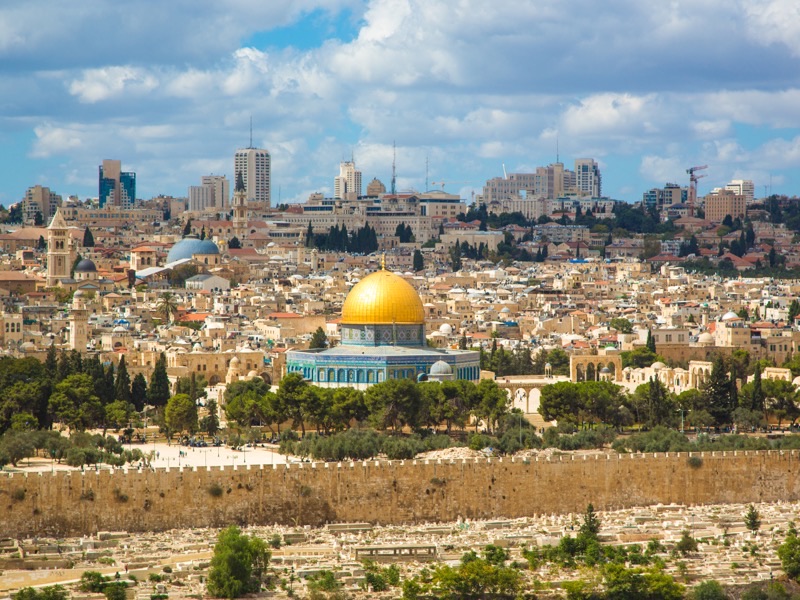
Choose Israel if you're a history enthusiast or a foodie craving intense experiences and diverse landscapes. Explore ancient Jerusalem, revel in Tel Aviv's buzzing beaches and nightlife, and embark on desert adventures in the Negev. It's best for those prioritizing deep cultural immersion and unique flavors, even with a higher daily budget.
Choose Slovenia
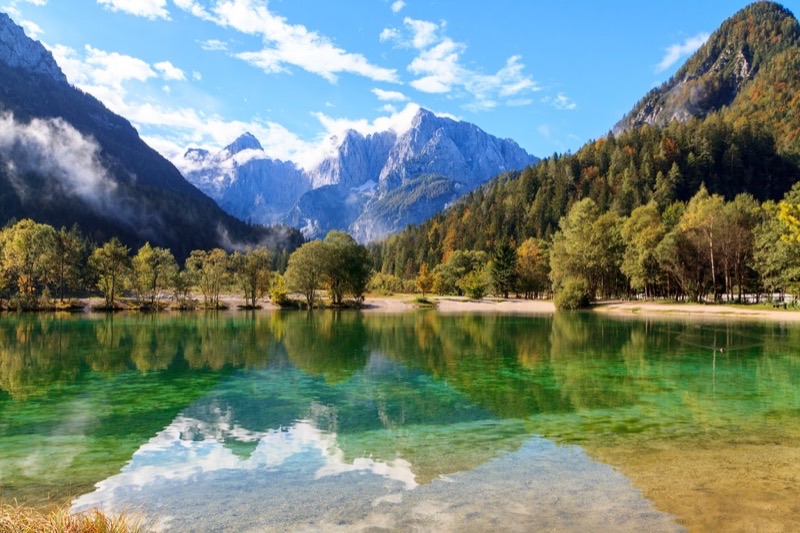
Opt for Slovenia if pristine nature and active outdoor pursuits are your priority for a relaxed, affordable trip. Hike the Julian Alps in Triglav National Park, explore the fairytale Lake Bled, or cycle through charming Ljubljana. It's ideal for adventurers and families seeking an eco-conscious escape without breaking the bank.
📊 Visual Scorecard
🌤 When to Visit
Average high temperatures (°C). Green = best months, orange = avoid.
Quick Comparison
| Category | Israel | Slovenia | Winner |
|---|---|---|---|
| Costs & Budget | Significantly more expensive, particularly Tel Aviv. Expect $120-250+ per day. | More budget-friendly, good value for Europe. Expect $70-150 per day. | Slovenia |
| Nature & Scenery | Desert landscapes, Dead Sea, Mediterranean coastline, Golan Heights. | Julian Alps, Lake Bled, Triglav National Park, caves, Adriatic coast. | Slovenia |
| Culture & History | Thousands of years of religious and geopolitical history. Jerusalem, Masada, ancient Roman sites. | Central European castles, Hapsburg influence, Roman heritage, local folklore. | Israel |
| Food & Drink | Middle Eastern cuisine with Mediterranean influences. Tel Aviv food scene is world-renowned. | Central European comfort food, fresh ingredients, wine regions. | Israel |
| Getting Around | Good public transport between cities. Renting a car for desert areas. Security checks. | Excellent bus network, train travel between major cities, easy to rent a car. | Slovenia |
| Safety & Practicalities | Generally safe for tourists, but geopolitical situation requires awareness. Visible security. | One of the safest countries in Europe, low crime rates. | Slovenia |
| Beaches & Water Activities | Mediterranean beaches, Dead Sea floating, Red Sea snorkeling/diving. | Short Adriatic coast, lake swimming, river rafting. | Israel |
| Nightlife & Entertainment | Tel Aviv has a reputation for its party scene and cultural events. Other cities are calmer. | Ljubljana has a student-focused nightlife. Other towns are quiet. | Israel |
| Accommodation | Expensive, especially in cities. Hostels, boutique hotels, some unique desert stays. | Good value, variety from hostels to boutique hotels, farm stays, glamping. | Slovenia |
| Solo Travel Suitability | Safe, but can be intense. Easy to meet people in hostels/Tel Aviv. Higher costs. | Extremely safe, easy to navigate, many outdoor activities, friendly locals. Lower costs. | Slovenia |
💸 Costs & Budget
Israel is generally an expensive country, especially in cities like Tel Aviv. Accommodation can easily cost $100-200 USD for a decent hotel room outside of hostels. Meals at a…
Israel
Slovenia
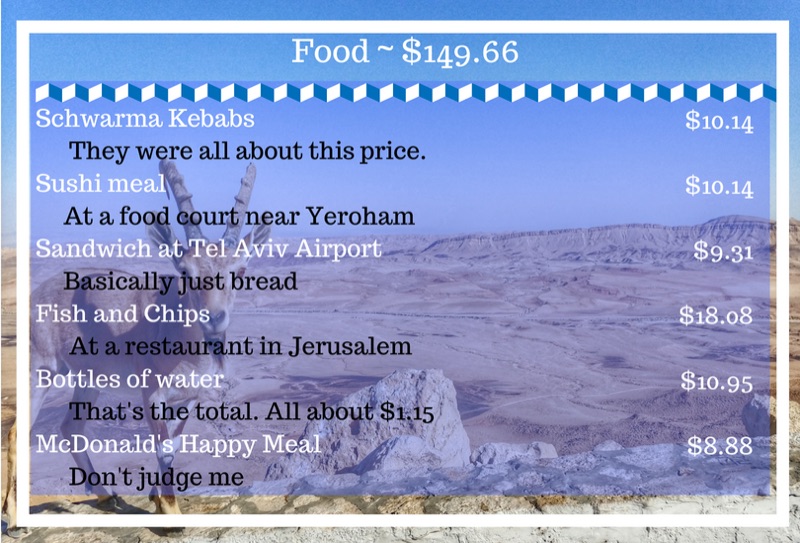
Israel is generally an expensive country, especially in cities like Tel Aviv. Accommodation can easily cost $100-200 USD for a decent hotel room outside of hostels. Meals at a casual restaurant average 70-120 ILS ($20-35 USD), while a falafel can be 20-30 ILS ($6-9 USD). Transportation adds up; a train from Tel Aviv to Jerusalem is around 25 ILS ($7 USD). Entry fees for sites like Masada or the Dead Sea beaches are typically 30-70 ILS ($9-20 USD). A beer in Tel Aviv might be 30-40 ILS ($9-12 USD). Budget travelers staying in hostels, cooking some meals, and using public transport can aim for $80-120 USD per day, but it requires diligent planning.
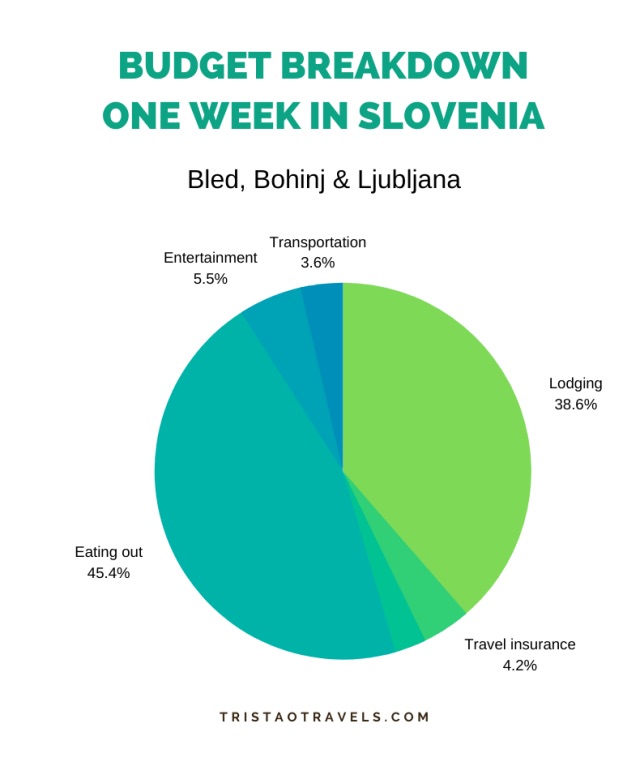
Slovenia offers a better value for money, comparable to other parts of Eastern Europe but with Western European standards. A hostel bed in Ljubljana costs 20-35 EUR ($22-38 USD), while a mid-range hotel room is 80-150 EUR ($88-165 USD). Casual meals are typically 10-20 EUR ($11-22 USD), with a local burek costing 3-5 EUR ($3-5 USD). Train or bus tickets, for example, Ljubljana to Lake Bled, are around 7-10 EUR ($8-11 USD). Entry to sights like Predjama Castle is 18 EUR ($20 USD) or Postojna Cave at 28 EUR ($31 USD). A local beer runs about 3-5 EUR ($3-5 USD). Budget travelers can manage on 50-70 EUR ($55-77 USD) per day. tabiji verdict: Slovenia provides a significantly more accessible travel experience for those managing their spending.
- Winner: Slovenia
- Why: Slovenia offers a consistently lower cost of living and travel expenses across all categories, making it a better option for budget-conscious travelers.
- Who this matters for: Travelers with a strict budget, backpackers, and those preferring to stretch their travel funds further.
🏞️ Nature & Scenery
Israel has a landscape of remarkable contrasts. The Negev Desert covers much of the south, offering craters like Ramon Crater, ancient Nabataean cities, and stark, beautiful rock…

Israel
Slovenia
Israel has a landscape of remarkable contrasts. The Negev Desert covers much of the south, offering craters like Ramon Crater, ancient Nabataean cities, and stark, beautiful rock formations. The Dead Sea, a salt lake at the lowest point on Earth, offers a unique floating experience near Ein Gedi and Masada. The Mediterranean coast provides sandy beaches from Tel Aviv to Haifa, while the north has the Sea of Galilee and the elevated terrain of the Golan Heights, with its volcanic soil and agricultural areas. Each region offers different views and activities, from desert hikes to beach relaxation.
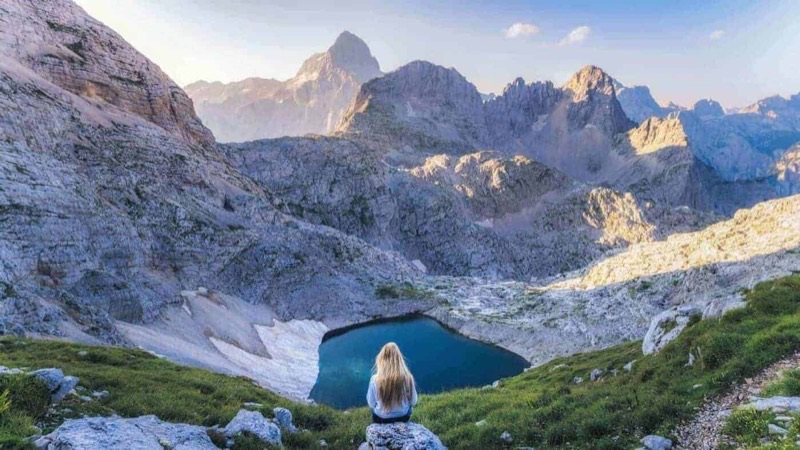
Slovenia is a country of alpine vistas, emerald rivers, and subterranean wonders. The Julian Alps dominate the northwest, with Lake Bled and Lake Bohinj nestled among mountains, ideal for hiking, kayaking, and canyoning in Triglav National Park. The Karst region boasts some of Europes largest cave systems, like Postojna Cave and Škocjan Caves, which are UNESCO sites. The Soca River, with its distinct color, is a hub for rafting and adventure sports. Slovenias short Adriatic coastline, particularly around Piran, offers charming coastal towns. tabiji verdict: Slovenia offers a greater concentration of accessible, varied, and postcard-ready natural environments for active exploration.
- Winner: Slovenia
- Why: Slovenia presents a higher density of varied natural landscapes—alpine lakes, mountains, caves, and rivers—all within a compact area, making it easier to experience diverse outdoor activities.
- Who this matters for: Hikers, outdoor enthusiasts, adventure seekers, and those who prioritize mountain and water scenery.
🏛️ Culture & History
Israels history dates back millennia, a crossroads for civilizations and religions. Jerusalem is its heart, home to the Western Wall, Church of the Holy Sepulchre, and Dome of the…
Israel
Slovenia
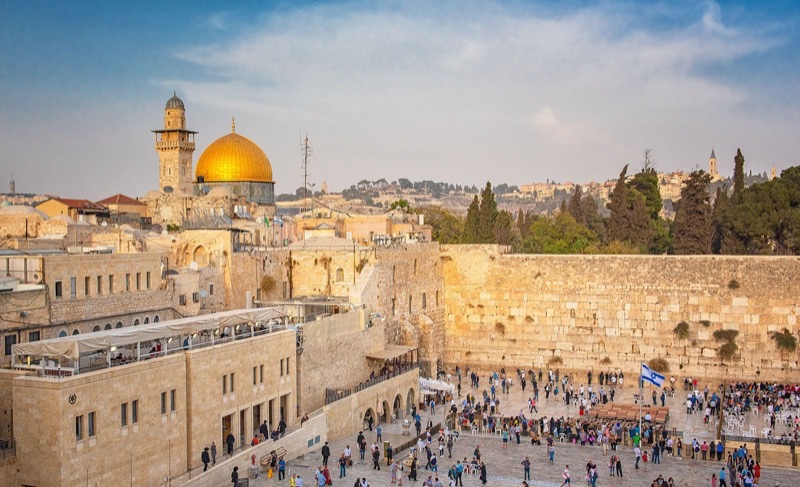
Israels history dates back millennia, a crossroads for civilizations and religions. Jerusalem is its heart, home to the Western Wall, Church of the Holy Sepulchre, and Dome of the Rock, sites sacred to Judaism, Christianity, and Islam. The Old City itself is a historical maze. Masada, an ancient fortress on a desert plateau, tells a dramatic story of Jewish resistance. Caesarea Maritima offers well-preserved Roman ruins on the Mediterranean coast. Acre (Akko) has a preserved Crusader city, a UNESCO site. The Yad Vashem Holocaust memorial in Jerusalem is a somber but important visit. The narrative here is deep, often heavy, and foundational to large parts of world history.
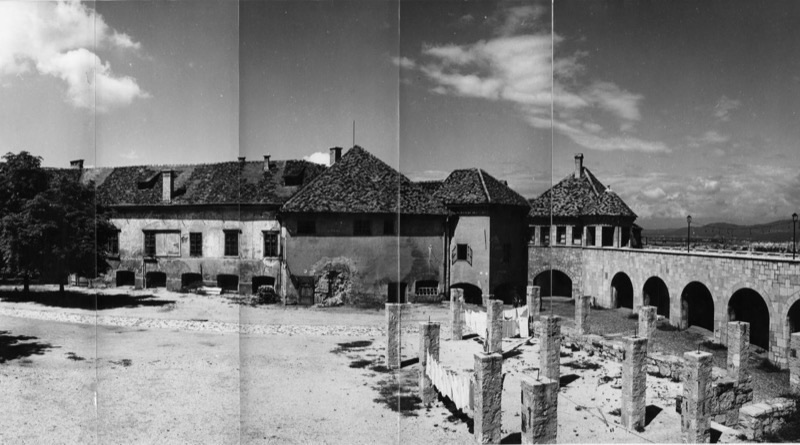
Slovenias history is shaped by its position between Central Europe, the Balkans, and the Mediterranean. Its culture reflects Slavic, Germanic, and Roman influences. Ljubljana Castle stands above the capital, offering views and insight into medieval times. Predjama Castle, built into a cave mouth, is a unique architectural marvel. Piran showcases Venetian Republic influence with its architecture. Roman settlements like Emona (Ljubljana) left remnants. There are numerous churches, folk traditions, and local museums that document Slovenias past from early Slavic settlements to its independence. tabiji verdict: Israels historical and cultural sites carry a weight and universal significance that few other places can match.
- Winner: Israel
- Why: Israel offers an unparalleled depth of history and cultural significance, particularly for major world religions, with ancient sites that are central to global narratives.
- Who this matters for: History buffs, religious pilgrims, anyone seeking to understand the origins of major world faiths, and those interested in ancient civilizations.
🍽️ Food & Drink
Israels food scene is a major draw, especially in Tel Aviv. It is a fusion of Middle Eastern, Mediterranean, and Eastern European flavors, with a strong emphasis on fresh,…
Israel
Slovenia
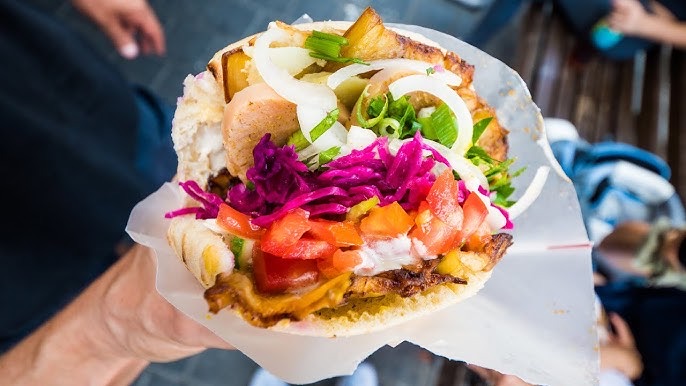
Israels food scene is a major draw, especially in Tel Aviv. It is a fusion of Middle Eastern, Mediterranean, and Eastern European flavors, with a strong emphasis on fresh, seasonal ingredients. Think sabich (pita stuffed with fried eggplant, egg, and salad), shakshuka (eggs poached in tomato sauce), hummus so creamy it feels like a dream, and falafel that is crispy outside, soft inside. Carmel Market (Shuk HaCarmel) in Tel Aviv and Mahane Yehuda Market in Jerusalem are food paradises, offering everything from street food like bourekas (savory pastries) to high-end dining. Israeli breakfasts are legendary. Wine regions like the Golan Heights produce reputable wines. Non-kosher options are more available in Tel Aviv than Jerusalem.
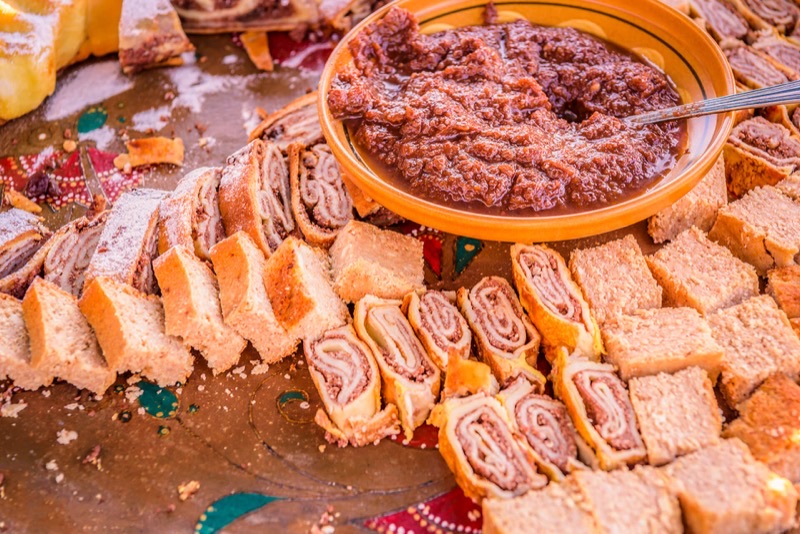
Slovenian food is hearty, comforting, and often uses local ingredients. Influences come from Austrian, Italian, and Balkan cuisines. Popular dishes include kranjska klobasa (Carniolan sausage), potica (rolled pastry), štrukli (dumplings), and jota (bean and sauerkraut stew). Soups and stews are common, especially in colder months. The Vipava Valley and Goriška Brda are known for their wine production, offering good whites and reds. Ljubljana has a growing food scene with farm-to-table restaurants and the Open Kitchen market (Odprta Kuhna) in warmer months. While good, it does not have the same global recognition or depth of innovation as Israels culinary landscape. tabiji verdict: Israels food scene is a gastronomic adventure, offering a wider array of flavors, innovation, and street food experiences that are hard to beat.
- Winner: Israel
- Why: Israel, particularly Tel Aviv, boasts a more dynamic, diverse, and internationally recognized food scene with exceptional Middle Eastern and fusion cuisine.
- Who this matters for: Foodies, culinary adventurers, and travelers who prioritize tasting new and exciting dishes.
🚗 Getting Around
Getting around Israel is relatively straightforward. There is a decent train network connecting major cities like Tel Aviv, Jerusalem, and Haifa. Buses, primarily Egged, serve…

Israel
Slovenia
Getting around Israel is relatively straightforward. There is a decent train network connecting major cities like Tel Aviv, Jerusalem, and Haifa. Buses, primarily Egged, serve nearly everywhere else, including the Dead Sea region and Eilat. Sheruts (shared taxis) are common for shorter distances or on Shabbat when public transport is limited. Renting a car is feasible and recommended for exploring the Negev Desert or the Golan Heights at your own pace, but be aware of security checkpoints, especially in certain areas. Traffic in Tel Aviv can be heavy. Apps like Moovit are essential for public transport navigation. Driving requires patience and awareness.
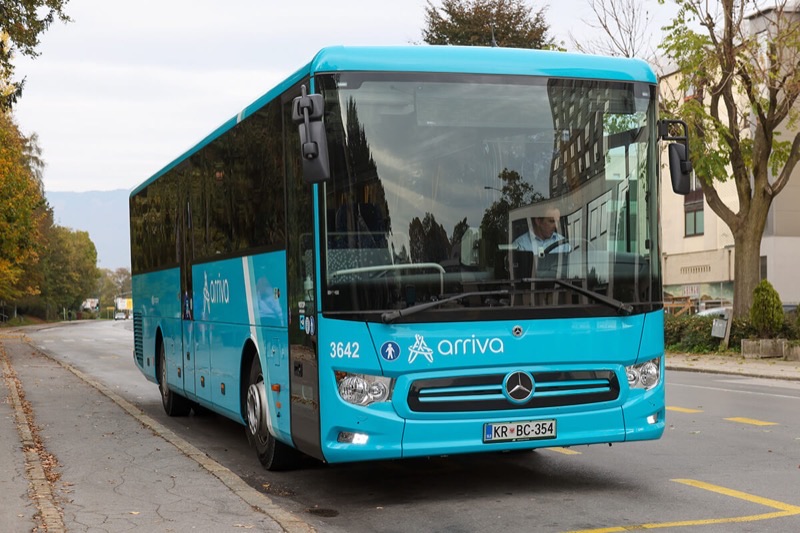
Slovenia has an excellent and efficient public transport system. Buses are the primary mode of intercity travel, connecting even smaller towns and natural parks effectively. The train network is also good, linking major cities like Ljubljana, Maribor, and Lake Bled (via Lesce-Bled station). Renting a car is very popular and highly recommended for exploring the Julian Alps, caves, and remote areas like the Soca Valley, as roads are well-maintained and traffic is generally light outside of Ljubljana. Parking is generally easier to find and more affordable than in Israel. Cycling is also a viable option in many areas, with good infrastructure in place. tabiji verdict: Slovenia offers a more relaxed and straightforward experience for independent travel, whether by public transport or rental car.
- Winner: Slovenia
- Why: Slovenia offers a more efficient and generally less stressful experience for independent travel, with good public transport and easy car rentals on well-maintained roads.
- Who this matters for: Independent travelers, those planning road trips, and anyone who prefers hassle-free navigation.
🛡️ Safety & Practicalities
Israel has a complex geopolitical situation, which means visible security measures are common, including bag checks at malls and train stations. While tourists are generally safe…
Israel has a complex geopolitical situation, which means visible security measures are common, including bag checks at malls and train stations. While tourists are generally safe from everyday crime, it is essential to stay informed about regional developments, especially concerning areas near the borders or the Palestinian Territories. Respect local customs and observe Shabbat rules. Tap water is safe to drink. The healthcare system is good, but travel insurance is advisable. ATMs are widely available. English is spoken in tourist areas, but some Hebrew phrases are helpful. Be prepared for direct and sometimes brusque communication styles.
Slovenia consistently ranks as one of the safest countries in Europe. Petty crime like pickpocketing is rare, even in major cities like Ljubljana, and violent crime is almost nonexistent. Tourists can feel comfortable exploring independently, even at night. Tap water is safe and delicious. The healthcare system is modern and accessible, though travel insurance is always a good idea. ATMs are common, and credit cards are widely accepted. English is spoken by most people in tourist-facing roles and by younger generations. Slovenians are generally reserved but helpful. tabiji verdict: Slovenia offers a significantly more relaxed and worry-free travel environment for all types of visitors.
- Winner: Slovenia
- Why: Slovenia offers a demonstrably safer and more consistently relaxed travel environment with virtually no geopolitical concerns for tourists.
- Who this matters for: Solo female travelers, families, and anyone prioritizing a sense of security and peace of mind.
🌊 Beaches & Water Activities
Israel offers a diverse range of water experiences. The Mediterranean coast stretches for miles, with Tel Avivs beaches (Gordon Beach, Frishman Beach) being central for…
Israel offers a diverse range of water experiences. The Mediterranean coast stretches for miles, with Tel Avivs beaches (Gordon Beach, Frishman Beach) being central for sunbathing, swimming, and paddleboarding. Further north, Caesarea and Acre have historical backdrops to their coastal areas. The Dead Sea provides the unique experience of floating effortlessly due to its high salt content, often combined with mud treatments, around areas like Ein Bokek. For snorkeling and diving, Eilat on the Red Sea is a world-class destination, with vibrant coral reefs and abundant marine life. The Sea of Galilee also offers freshwater swimming and boating in the north.
Slovenia has a very short coastline along the Adriatic Sea, with charming towns like Piran and Portorož offering pebble beaches and calm waters for swimming and sunbathing. These beaches are pleasant but do not compare in scale or variety to Israels Mediterranean offerings. Where Slovenia excels is in its freshwater activities. Lake Bled and Lake Bohinj are popular for swimming, paddleboarding, and rowing in alpine settings. The Soca River is a major hub for white-water rafting, kayaking, and canyoning, drawing adventure seekers. While the inland water activities are compelling, the overall beach experience is limited. tabiji verdict: Israel provides a broader and more varied selection of beach and sea-based activities, including two truly unique water bodies.
- Winner: Israel
- Why: Israel offers a greater diversity of water experiences, including extensive Mediterranean beaches, the unique Dead Sea, and the world-renowned Red Sea for diving.
- Who this matters for: Beach lovers, snorkelers, divers, and those seeking unique water-based relaxation.
🌃 Nightlife & Entertainment
Tel Aviv is widely known for its round-the-clock energy and dynamic nightlife. The city has an incredible array of bars, clubs, and live music venues, from underground techno…
Tel Aviv is widely known for its round-the-clock energy and dynamic nightlife. The city has an incredible array of bars, clubs, and live music venues, from underground techno spaces to beachfront cocktail bars. Rothschild Boulevard and Florentin are key areas. Parties often run until dawn, especially on weekends. Beyond clubs, Tel Aviv offers a bustling cultural scene with theaters, art galleries open late, and numerous culinary events. Jerusalem has a more subdued but still active scene, with some excellent bars in the German Colony and Mamilla areas. Smaller towns are generally quiet in the evenings, focusing more on restaurants. The atmosphere in Tel Aviv is truly distinct and energetic.
Slovenia, in contrast, offers a much calmer evening experience. Ljubljana, as the capital and a university city, has the most options. There are many cozy bars, pubs, and a few clubs in the city center, particularly along the Ljubljanica River and in Metelkova Mesto, an autonomous cultural center with alternative venues. Nightlife in other Slovenian towns like Maribor or Koper is far more limited, typically consisting of a few local pubs or cafes. Lake Bled or the Julian Alps are focused on early mornings for hiking or quiet evenings by the lake. While pleasant for a relaxed drink or a casual evening, Slovenia does not compete with Tel Avivs intensity or variety for nightlife. tabiji verdict: For travelers prioritizing a lively and varied nightlife scene, Tel Aviv in Israel is the clear winner.
- Winner: Israel
- Why: Israel, specifically Tel Aviv, offers a significantly more extensive, diverse, and internationally recognized nightlife and entertainment scene.
- Who this matters for: Party-goers, night owls, and travelers looking for late-night cultural and social experiences.
🛌 Accommodation
Accommodation in Israel can be a substantial part of the budget. In Tel Aviv, a decent hotel room often starts at $150-200 USD per night, with hostels offering beds for $30-60…
Accommodation in Israel can be a substantial part of the budget. In Tel Aviv, a decent hotel room often starts at $150-200 USD per night, with hostels offering beds for $30-60 USD. Jerusalem has similar pricing, though some religious institutions offer simpler, more affordable guesthouses. For unique experiences, there are desert lodges or glamping options in the Negev, like Khan Hashayarot (starting at $100-200 USD per night for a tent or cabin). Boutique hotels are common in cities. Airbnb is available but can be pricey. Booking well in advance is recommended, particularly for peak seasons or during holidays.
Slovenia offers a wider range of accommodation types at more attractive price points. Hostels in Ljubljana or Lake Bled are typically 20-40 EUR ($22-44 USD) per night. Mid-range hotels are often 80-150 EUR ($88-165 USD). Slovenia is known for its excellent agritourism (farm stays), offering charming and authentic experiences, often including meals, for around 50-100 EUR ($55-110 USD) per night. Glamping sites, particularly around Lake Bled and Bohinj, are also popular. Airbnb options are plentiful and generally good value. It is easier to find unique and affordable lodging across the country. tabiji verdict: Slovenia provides more diverse, appealing, and budget-friendly accommodation options for various traveler types.
- Winner: Slovenia
- Why: Slovenia offers a better range of accommodation options across all price points, including unique farm stays and glamping, providing superior value.
- Who this matters for: All travelers, especially those seeking good value, unique stays, or specific budget ranges for lodging.
🧍♀️ Solo Travel Suitability
Solo travel in Israel is generally safe, but it can be an intense experience given the historical context and the energy of cities like Tel Aviv. Hostels are numerous in Tel Aviv…
Solo travel in Israel is generally safe, but it can be an intense experience given the historical context and the energy of cities like Tel Aviv. Hostels are numerous in Tel Aviv and Jerusalem, making it easy to meet other travelers. Public transport connects major sites well. However, the higher costs can be a factor for solo travelers as there is no one to split expenses with. Eating out alone is common. Being aware of the geopolitical situation and having a sense of direction are important. It is an engaging place for independent exploration, but the atmosphere requires a certain level of comfort with direct interactions and a fast pace.
Slovenia is an excellent destination for solo travelers. Its reputation for safety means less worry about personal security. The compact size and efficient public transport make navigation simple, even alone. There are plenty of outdoor activities like hiking, cycling, and caving, which can be enjoyed independently or as part of organized small groups. Hostels are welcoming and provide good opportunities to meet people. The overall calmer pace and friendly locals contribute to a stress-free solo journey. The lower costs compared to Israel also mean a solo traveler can enjoy more without breaking the bank. tabiji verdict: Slovenia is a significantly more approachable and comfortable choice for solo adventurers looking for ease and safety.
- Winner: Slovenia
- Why: Slovenia offers a more relaxed, safer, and budget-friendly environment for solo travelers, with easy navigation and abundant outdoor activities.
- Who this matters for: First-time solo travelers, those prioritizing safety and ease of navigation, and budget-conscious adventurers.
🎯 The Decision Framework
Choose Israel If…
- You want to walk through 4,000 years of history in Jerusalem.
- You want to float in the Dead Sea, the lowest point on Earth.
- You crave Tel Avivs 24/7 energy and incredible street food.
- You desire a culinary adventure with some of the best hummus and falafel.
- You are interested in diving or snorkeling in the Red Sea at Eilat.
- You wish to explore ancient Roman ruins at Caesarea.
- You are comfortable with higher travel costs for a profound cultural experience.
- You seek a destination that combines religion, history, and modern beach life.
Choose Slovenia If…
- You dream of hiking in the Julian Alps and seeing Lake Bled.
- You want to explore massive underground cave systems like Postojna or Škocjan.
- You prefer a quieter, more relaxed pace of travel.
- You are on a tighter budget and want good value for money.
- You enjoy outdoor adventure sports like rafting on the Soca River.
- You prioritize safety and a low-stress travel environment.
- You appreciate charming European towns and architecture.
- You want to experience a combination of alpine, Mediterranean, and Karst landscapes.
📅 Sample Itineraries
Weekend in Israel (3 Days)
💡 Purchase a Rav-Kav public transport card in Israel for about $5; it saves time and money on bus and train fares in major cities.
Weekend in Slovenia (3 Days)
💡 Consider buying a Ljubljana Card for 24, 48, or 72 hours, which provides free public transport and entry to many attractions, potentially saving $20-30 on a short trip.
One Week in Israel (7 Days)
💡 For longer trips, consider renting a car for trips to the Dead Sea, Masada, and Galilee, as public transport can be less direct for certain routes, potentially saving 2-3 hours travel time.
One Week in Slovenia (7 Days)
💡 If planning to visit multiple attractions and use public transport, consider purchasing the Slovenia Pass for discounts on entry fees and transport, which can save over $50 on a week-long trip.
❓ Frequently Asked Questions
What is the typical flight time from the US to Israel or Slovenia?
A direct flight from New York (JFK) to Tel Aviv (TLV) averages around 10-11 hours. Flights to Ljubljana (LJU) from the US are not direct and typically involve one layover, making the total travel time around 11-14 hours from the East Coast, depending on the connection.
What are the best times of year to visit each country?
Israel is best visited in spring (April-May) or autumn (September-November) for pleasant weather, avoiding the summer heat and winter rains. Slovenia is ideal from late spring to early autumn (May-September) for outdoor activities, with warm summers for lake swimming and mild shoulders seasons for hiking.
Are Israel and Slovenia good for families with young children?
Slovenia is highly family-friendly, with low crime, easy navigation, and many outdoor activities like lakes, castles, and caves. Israel can be family-friendly, but the higher costs and intensity of some cities might be challenging for very young children. Both offer engaging experiences for older children.
What are the visa requirements for US citizens for these countries?
US citizens do not need a visa for tourist stays up to 90 days in Israel. For Slovenia, as part of the Schengen Area, US citizens can stay up to 90 days within a 180-day period without a visa. Starting in 2025, an ETIAS authorization will be required for Schengen travel.
Can I combine a trip to Israel and Jordan, or Slovenia and a neighboring country?
Yes, many travelers combine Israel with Jordan, crossing at border points like Allenby/King Hussein Bridge or Yitzhak Rabin/Aqaba. For Slovenia, combining it with Croatia (especially Plitvice Lakes or the coast), Italy (Trieste or Venice), or Austria (Carinthia) is easy due to proximity and efficient transport.
What is the average daily food cost in each country?
In Israel, a budget for food can range from $30-70 USD per day for casual meals and street food. For mid-range dining, expect $70-120 USD per day. In Slovenia, expect $20-40 USD per day for casual dining, and $40-70 USD for mid-range restaurant meals, offering good value.
How accessible are these countries for travelers with mobility issues?
Slovenia generally has good accessibility in newer infrastructure and major attractions, especially in Ljubljana, with accessible buses and trains. However, older towns or natural trails might pose challenges. Israel has varying accessibility; newer buildings and public transport in Tel Aviv are better, but ancient sites often have limited access due to their historical nature.
What are some unique cultural experiences in each country?
In Israel, experience Shabbat in Jerusalem, visit a Kibbutz, or explore the Bedouin culture in the Negev Desert. In Slovenia, attend a traditional folk festival, visit a local wine cellar in the Vipava Valley, or participate in a village culinary workshop to learn about local dishes.
Ready to plan your next adventure?
Get a free custom itinerary for Israel, Slovenia, or both — built from real traveler insights.
👥 Travelers Also Compared
🎟️ Book Tours & Experiences
Hand-picked tours and activities for both destinations — book with free cancellation
Experiences via Viator — free cancellation on most tours