How we built this comparison
This page combines traveler discussion patterns, published price ranges, flight schedules, and seasonal data to help you decide between Italy and Norway.
- Reviewed 100+ Reddit threads from r/travel, r/solotravel, r/ItalyTravel, r/Norway, and r/visitingnorway.
- Verified costs and logistics against current booking platforms like Booking.com, Airbnb, Google Flights, and local public transport sites.
- Cross-referenced seasonal patterns, weather data, and typical tourist activity for different times of the year.
⚡ Quick Answers
⚡ The TL;DR Verdict
For most travelers seeking cultural depth, culinary experiences, and affordability, Italy is the straightforward choice, with daily budgets often around $100-150. Norway caters to those prioritizing grand natural scenery, outdoor activities, and are prepared for a higher spend, typically $150-250 per day.
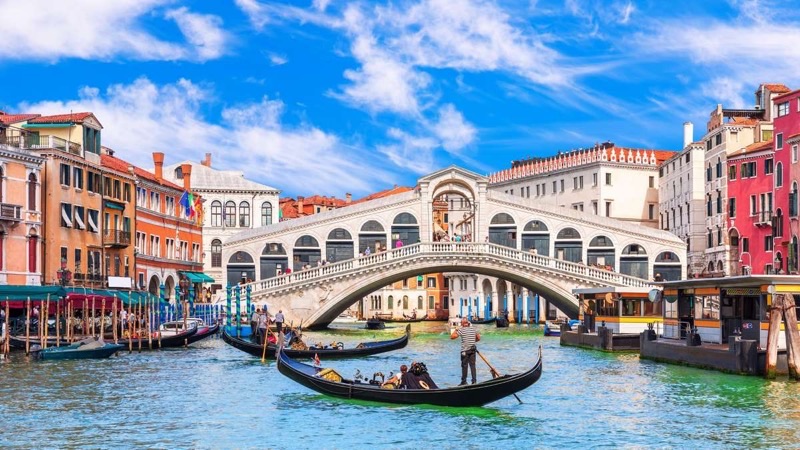
- Choose Italy: Pick Italy if you prioritize ancient history, Renaissance art, diverse regional food, sunshine, and a more accessible travel budget. It suits families, art lovers, and food enthusiasts.
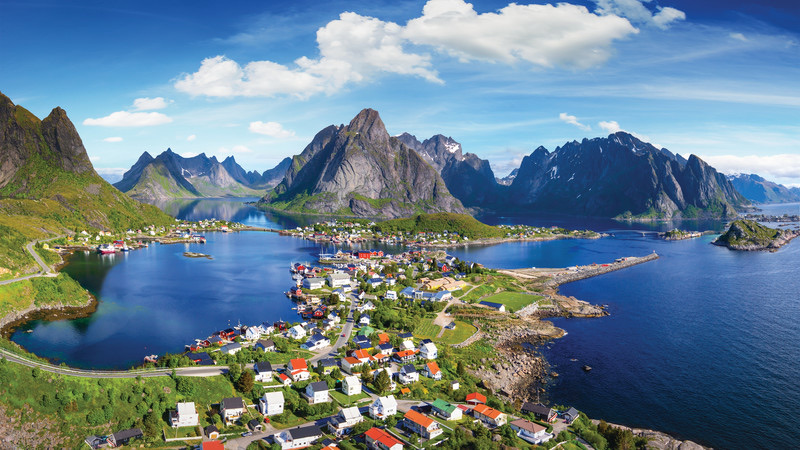
- Choose Norway: Choose Norway for imposing natural landscapes, hiking, fjords, quiet towns, and a colder climate. It is for travelers who prioritize outdoor adventure, pristine environments, and have a higher travel budget.
- Choose Both: To experience both, allocate at least 2-3 weeks, flying between major hubs like Rome and Oslo. Be ready for a stark shift in climate, culture, and cost.
Choose Italy
Opt for Italy to dive deep into ancient history and vibrant culinary traditions, whether exploring the Colosseum in Rome or indulging in a wine tasting tour through Tuscan vineyards. It's best for families, foodies, and art lovers seeking rich cultural immersion and an accessible travel budget around $100-150 daily.
Choose Norway
Pick Norway for an extraordinary adventure through dramatic fjords and pristine wilderness, from a scenic cruise through Geirangerfjord to hiking challenging trails in Jotunheimen National Park. This destination is ideal for outdoor enthusiasts, nature photographers, and those prepared for a higher budget to witness the Northern Lights near Tromsø.
📊 Visual Scorecard
🌤 When to Visit
Average high temperatures (°C). Green = best months, orange = avoid.
Quick Comparison
| Category | Italy | Norway | Winner |
|---|---|---|---|
| Food & Drink | Unmatched regional diversity, fresh ingredients, affordable dining. Pasta, pizza, seafood, espresso. | Focus on fresh seafood, traditional hearty meals. Dining out is expensive; grocery shopping is common. | Italy |
| Costs & Budget | Generally affordable. Daily budget $80-150 for mid-range travel. Accommodation, food, transport are reasonable. | One of the most expensive countries globally. Daily budget $150-250 for mid-range travel. Accommodation and food are high. | Italy |
| Nature & Scenery | Diverse landscapes: Dolomites, Tuscan hills, Amalfi Coast, lakes. Varied but not as dramatic as Norway. | Iconic fjords, Lofoten Islands, Arctic wilderness, Northern Lights. Imposing, grand, and well-preserved. | Norway |
| Culture & History | Thousands of years of history from Roman Empire, Renaissance, diverse regional traditions. Art, architecture, religion. | Viking heritage, Sami culture, modern Nordic design, focus on equality and nature. Distinct but less ancient. | Italy |
| Getting Around | Extensive, affordable train network (Trenitalia), local buses, metros. Driving is challenging in cities. | Efficient but expensive public transport (trains, buses, ferries). Driving is popular for scenic routes. | Italy |
| Accommodation | Wide range from budget hostels to luxury hotels. Boutique options, agriturismos, historical properties. | Hostels, hotels, cabins. Generally higher prices, especially outside major cities. Booking in advance is key. | Italy |
| Safety | Generally safe, but petty crime (pickpocketing) is common in tourist areas. Be vigilant in crowded places. | One of the safest countries globally. Low crime rates. Solo travel is very secure. | Norway |
| Weather & Seasons | Hot, dry summers; mild winters. Distinct shoulder seasons. Mediterranean climate. | Cool summers; long, cold, snowy winters. Arctic climate in the north. Variable weather. | Italy |
| Nightlife | Late dinners, aperitivo culture, lively bars, clubs. Especially active in major cities. | More subdued, focus on pubs and bars. Expensive alcohol. Nightlife is not a primary draw. | Italy |
| Solo Travel | Popular for solo travelers. Easy to meet people, safe with awareness of petty crime. Abundant hostels. | Very safe, easy to navigate. Can be challenging to meet people due to reserved culture and high costs. | Tie |
🍝 Food & Drink
Italy is a food paradise, offering a huge range of regional specialties from Sicily to Lombardy. Expect a classic Roman pasta dish like Cacio e Pepe at Trattoria da Enzo al 29 for…
Italy

Norway
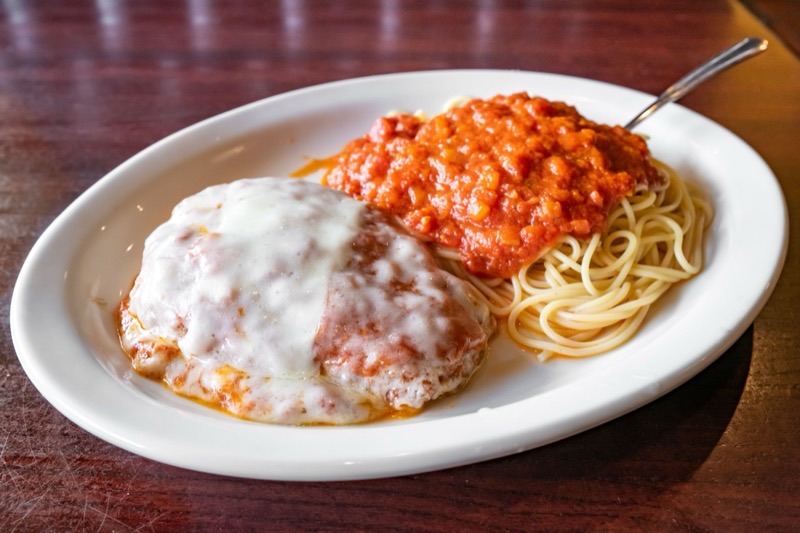
Italy is a food paradise, offering a huge range of regional specialties from Sicily to Lombardy. Expect a classic Roman pasta dish like Cacio e Pepe at Trattoria da Enzo al 29 for €12-16 ($13-17). A Neapolitan pizza from Pizzeria Sorbillo costs €8-12 ($9-13). Coffee culture is central; a standing espresso is typically €1-1.50 ($1.10-1.60). Wine is inexpensive and high-quality, often €4-6 ($4.50-6.50) for a decent house carafe. Groceries are cheap, allowing budget travelers to eat well from local markets.
Norways food scene centers on fresh fish and traditional Nordic fare. Expect a salmon dish in Bergen for 300-400 NOK ($29-39). A basic burger can be 180-250 NOK ($17-24). Alcohol is heavily taxed; a pint of local beer is typically 90-120 NOK ($9-12). Many travelers rely on grocery stores like Rema 1000 or Kiwi for cheaper meals, with a full grocery shop for a few days costing 500-800 NOK ($48-77). Dining out is a significant expense. Verdict: Italy provides a far superior and more accessible food experience.
- Winner: Italy
- Why: Italy provides a more diverse, higher-quality, and significantly more affordable food and drink experience.
- Who this matters for: Foodies, budget travelers, and anyone who enjoys eating out.
💰 Costs & Budget
Italy is a solid choice for travelers watching their spending. A budget traveler can manage on €60-100 ($65-110) per day, staying in hostels (€25-40 / $27-44), eating street food…
Italy
Norway
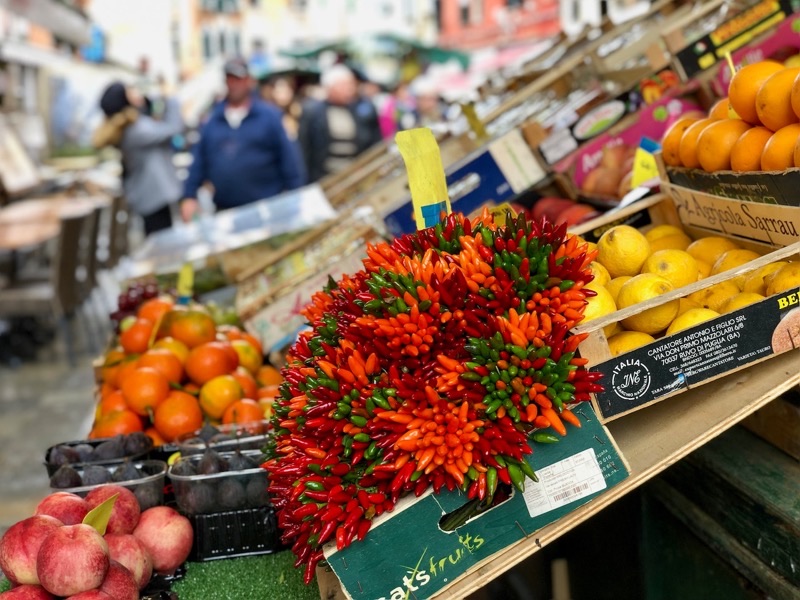
Italy is a solid choice for travelers watching their spending. A budget traveler can manage on €60-100 ($65-110) per day, staying in hostels (€25-40 / $27-44), eating street food or simple trattoria meals (€15-25 / $16-27), and using public transport. A mid-range trip costs €100-200 ($110-220) per day, allowing for nicer hotels (€80-150 / $88-165) and regular restaurant dining. Entrance fees to major attractions like the Colosseum are around €18 ($20).
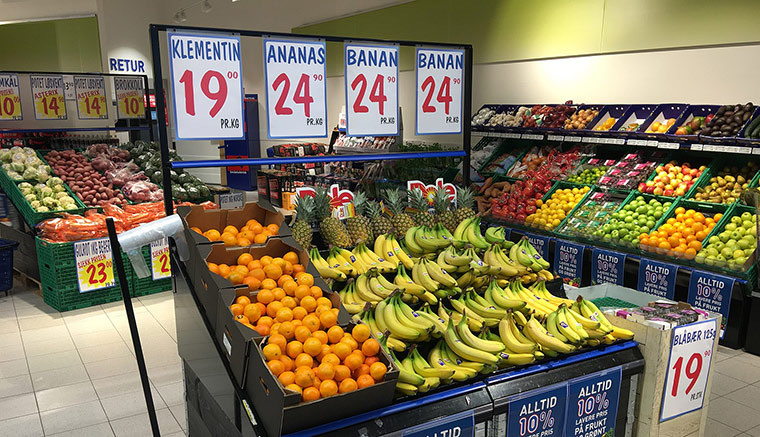
Norway is consistently one of the most expensive destinations. A budget traveler can expect to spend 800-1200 NOK ($77-115) per day by staying in hostels (€300-500 NOK / $29-48), cooking all meals, and hiking free trails. A mid-range trip easily costs 1500-2500 NOK ($145-240) daily, covering a hotel room (€1000-2000 NOK / $96-192) and some restaurant meals. Car rentals are expensive, and fuel costs are high. Expect to pay 120-150 NOK ($11-14) for a simple coffee and pastry in a cafe. Verdict: Italy offers significantly more value for money across all travel categories.
- Winner: Italy
- Why: Italy allows travelers to experience more for less money, making a longer or more luxurious trip possible on a smaller budget.
- Who this matters for: Budget-conscious travelers, families, and those planning extended trips.
🏞️ Nature & Scenery
Italy offers a diverse range of natural settings. The Dolomites in the north provide alpine hiking and skiing with jagged peaks. Tuscany is known for rolling hills, vineyards, and…
Italy
Norway
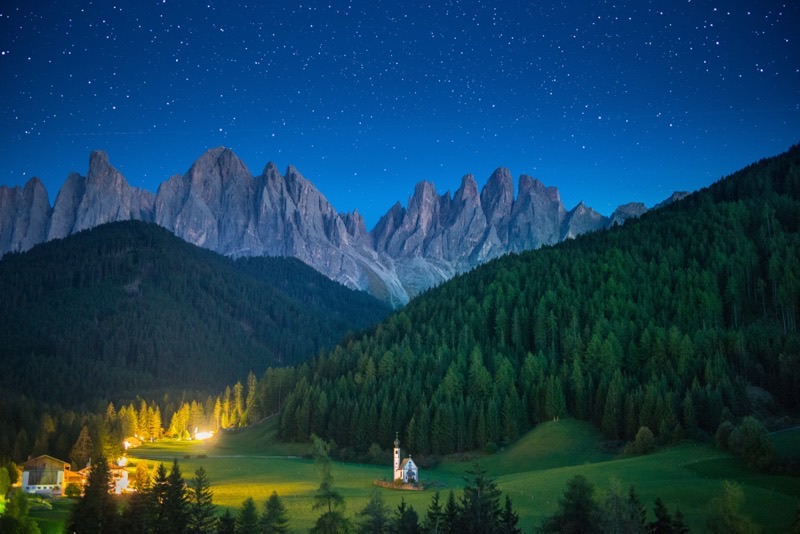
Italy offers a diverse range of natural settings. The Dolomites in the north provide alpine hiking and skiing with jagged peaks. Tuscany is known for rolling hills, vineyards, and cypress-lined roads. The Amalfi Coast presents dramatic coastal cliffs and seaside towns. Lakes like Como and Garda are popular for leisure. While all are beautiful, they often feature a human element, with towns and agriculture integrated into the landscape. The natural areas are accessible and well-developed for tourism.
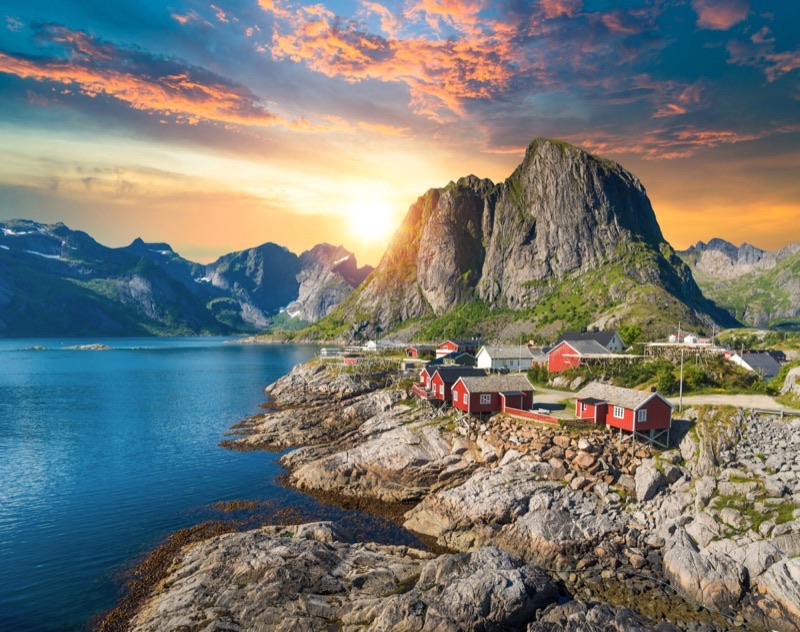
Norway is defined by its dramatic and imposing natural features. The fjords, like Geirangerfjord and Nærøyfjord, are deep inlets surrounded by steep cliffs and waterfalls, providing opportunities for boat tours and kayaking. The Lofoten Islands offer a combination of beaches, fishing villages, and rugged mountains. The Arctic north provides chances to see the Northern Lights, reindeer, and pristine wilderness. National Parks are extensive and emphasize preservation. The scale of nature feels larger and less touched by human development. Verdict: Norway consistently delivers more spectacular and raw natural experiences.
- Winner: Norway
- Why: Norway's fjords, Arctic landscapes, and coastal scenery are among the most famous and striking natural areas globally.
- Who this matters for: Hikers, photographers, outdoor adventurers, and those seeking remote landscapes.
🏛️ Culture & History
Italy is a living museum, with layers of history visible everywhere. Rome alone has the Colosseum, Roman Forum, and Vatican City, representing millennia of human activity.…
Italy
Norway
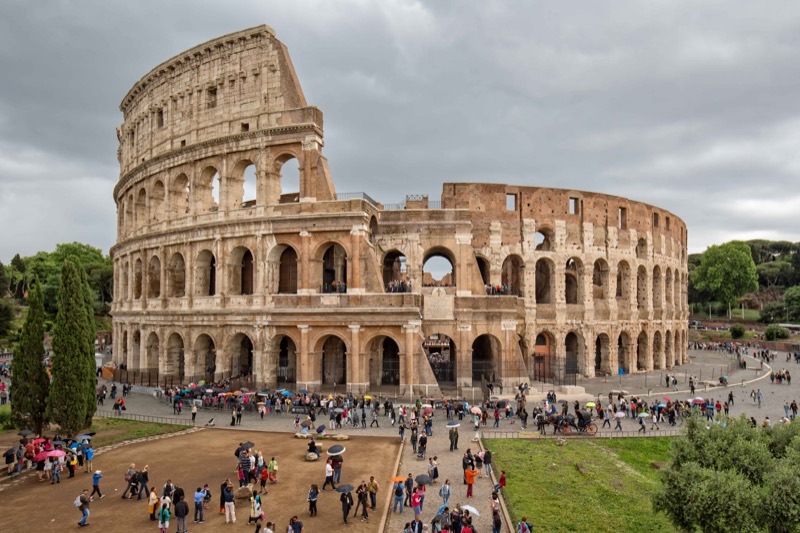
Italy is a living museum, with layers of history visible everywhere. Rome alone has the Colosseum, Roman Forum, and Vatican City, representing millennia of human activity. Florence is the cradle of the Renaissance, with masterpieces like Michelangelos David and Brunelleschis Dome. Venice is a testament to maritime power and unique urban development. Every region has its own dialect, culinary traditions, and festivals. The country has 58 UNESCO World Heritage Sites, more than any other nation. Exploring these sites provides a deep dive into Western civilization.
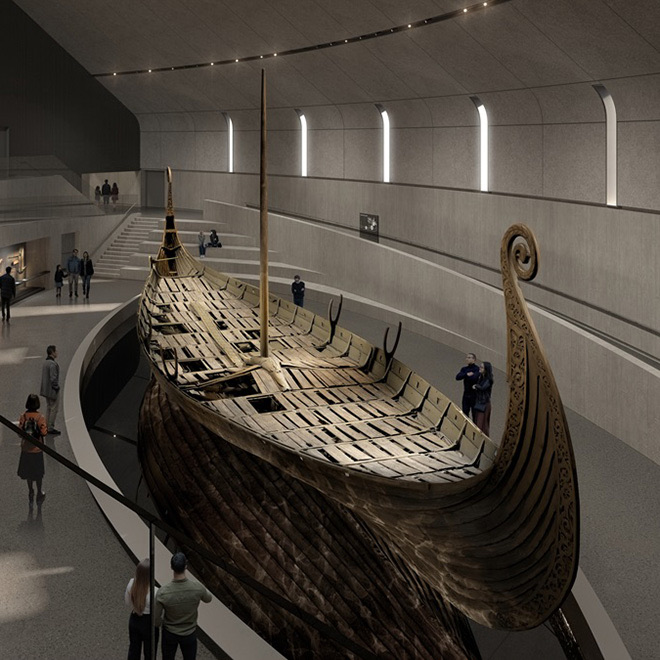
Norways cultural narrative spans Viking sagas, Sami indigenous traditions, and modern democratic principles. Major attractions include the Viking Ship Museum in Oslo, showcasing remarkably preserved longships, and the Nidaros Cathedral in Trondheim. Cultural experiences often involve folk music, storytelling, and an appreciation for design and functional architecture. Sami culture is present in the north, offering insights into reindeer herding and indigenous ways of life. While historically rich, it does not compare to the sheer volume and age of artifacts and monuments found in Italy. Verdict: Italy provides a far broader and deeper historical and cultural exploration.
- Winner: Italy
- Why: Italy offers an unparalleled density of historical sites, art, and cultural traditions spanning thousands of years.
- Who this matters for: History buffs, art lovers, urban explorers, and those interested in ancient civilizations.
🚆 Getting Around
Getting around Italy is generally straightforward and economical. Trenitalia operates a comprehensive national rail network connecting major cities like Rome, Florence, and…
Italy
Norway
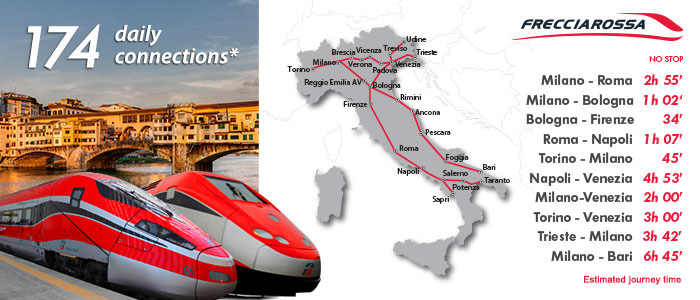
Getting around Italy is generally straightforward and economical. Trenitalia operates a comprehensive national rail network connecting major cities like Rome, Florence, and Venice. High-speed trains are efficient, and regional trains are cheaper. A Milan-Rome high-speed ticket can be €40-70 ($44-77). Local buses and metros are effective in cities; a Rome metro ticket is €1.50 ($1.65). Driving can be stressful in historic city centers due to ZTLs (limited traffic zones) and narrow streets, but a car is useful for exploring rural areas like Tuscany.
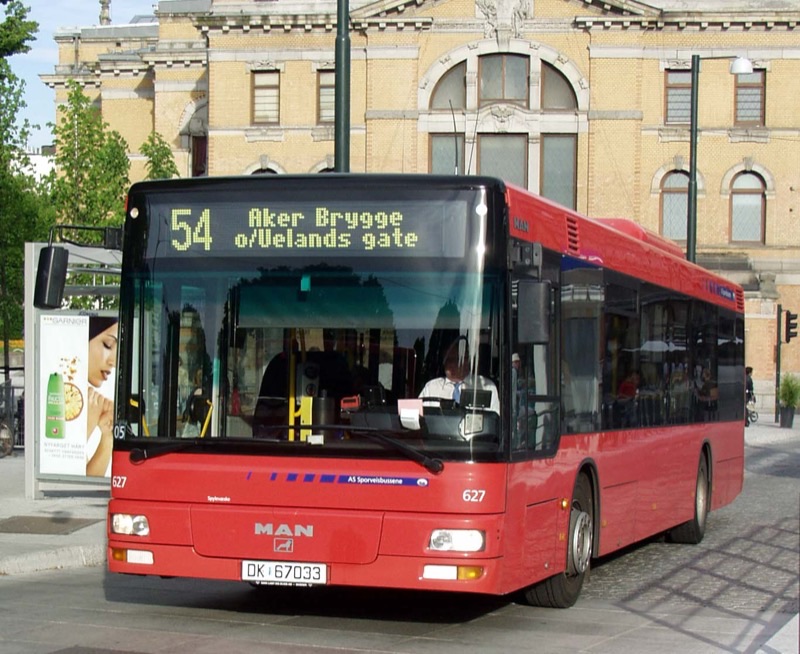
Norways transport infrastructure is modern and efficient, but costs are high. The train network (operated by Vy) connects major cities, but routes are less extensive than in Italy due to the geography. An Oslo-Bergen train ticket can be 700-1200 NOK ($67-115). Buses connect smaller towns and provide access to hiking trails. Ferries are crucial for navigating the fjords. Car rental is a popular option for flexibility, but fuel prices are high (around 20-25 NOK / $1.90-2.40 per liter). Public transport is reliable but expensive; a single zone Oslo bus ticket is 42 NOK ($4). Verdict: Italy wins for affordability and ease of city-to-city travel for most tourists.
- Winner: Italy
- Why: Italy's affordable and extensive train network makes intercity travel simple and budget-friendly.
- Who this matters for: Travelers without a car, budget travelers, and those prioritizing convenience.
🏨 Accommodation
Accommodation in Italy is diverse and generally good value. Hostel dorm beds can be found for €25-40 ($27-44) in major cities. A comfortable mid-range hotel often costs €80-150…
Accommodation in Italy is diverse and generally good value. Hostel dorm beds can be found for €25-40 ($27-44) in major cities. A comfortable mid-range hotel often costs €80-150 ($88-165) per night. Unique options include agriturismos (farm stays) in rural areas for €70-120 ($77-132) and boutique hotels in historic buildings. Booking platforms offer a huge selection, and competition keeps prices reasonable. During peak season, prices rise, but options remain plentiful across all budget levels.
Norway's accommodation market is smaller and significantly more expensive. Hostel dorm beds typically range from 300-500 NOK ($29-48). A mid-range hotel room in Oslo or Bergen can easily cost 1000-2000 NOK ($96-192) per night. Cabins (hytter) are popular in natural areas but can also be costly. Wild camping is permitted in many areas, providing a free alternative for those prepared. Due to the high demand and limited supply in popular spots like the Lofoten Islands, booking well in advance, especially for summer travel, is important. Verdict: Italy provides better value and more varied accommodation options for the price.
- Winner: Italy
- Why: Italy offers a broader selection of accommodation types at more accessible price points, ensuring comfort without breaking the bank.
- Who this matters for: Travelers with varied budgets, those seeking unique stays, and families.
🚨 Safety
Italy is a safe destination for most travelers, but petty crime is a reality, especially in high-traffic tourist zones like Rome's Colosseum area, Florence's Duomo, or Milan's…
Italy is a safe destination for most travelers, but petty crime is a reality, especially in high-traffic tourist zones like Rome's Colosseum area, Florence's Duomo, or Milan's Central Station. Pickpocketing is the primary concern, so travelers should secure valuables and be aware of their surroundings. Violent crime is uncommon against tourists. Scams, such as inflated taxi fares or fake ticket sellers, are also issues to watch for. Overall, exercising common sense and caution makes Italy a safe travel experience.
Norway consistently ranks among the safest countries in the world. Crime rates are very low, and violent crime is rare. Travelers can generally feel secure walking alone at night in cities or leaving belongings unattended for short periods (though this is never fully advised anywhere). The main risks are related to outdoor activities, such as hiking accidents, rather than crime. Solo female travelers often report feeling exceptionally safe and comfortable. The high level of social trust and effective law enforcement contribute to this environment. Verdict: Norway offers a significantly higher level of perceived and actual safety for travelers.
- Winner: Norway
- Why: Norway is renowned for its low crime rates and high personal safety, offering peace of mind to all travelers.
- Who this matters for: Solo travelers, families with children, and those prioritizing personal security.
☀️ Weather & Seasons
Italy enjoys a Mediterranean climate for much of its length. Summers (June-August) are hot and dry, with temperatures often reaching 30-35°C (86-95°F) in Rome and Florence. Spring…
Italy enjoys a Mediterranean climate for much of its length. Summers (June-August) are hot and dry, with temperatures often reaching 30-35°C (86-95°F) in Rome and Florence. Spring (April-May) and autumn (September-October) offer pleasant temperatures, fewer crowds, and are ideal for sightseeing, around 18-25°C (64-77°F). Winters (November-March) are mild in the south, but cooler and wetter in the north, with snow in the mountains. Venice can experience acqua alta (high water) in autumn/winter.
Norway has a climate that varies greatly by region and season. Summers (June-August) are cool, with average temperatures in Oslo around 15-20°C (59-68°F). The northern parts of the country experience the Midnight Sun. Winters (November-March) are long, cold, and dark, especially in the north, with heavy snowfall and temperatures often below 0°C (32°F). This is prime time for Northern Lights viewing. Shoulder seasons can be rainy and unpredictable. Travelers need to pack layers for any time of year, as weather can change quickly, particularly in the mountains and along the coast. Verdict: Italy offers a more consistently pleasant climate for general tourism, especially outside of peak summer.
- Winner: Italy
- Why: Italy provides a more consistently warm and predictable climate, allowing for comfortable outdoor activities for longer periods.
- Who this matters for: Sun-seekers, those sensitive to cold, and travelers who prefer specific weather conditions for activities.
🍻 Nightlife
Italy's nightlife is an integral part of its social fabric, starting with the aperitivo ritual. Cities like Milan, Rome, and Bologna come alive in the evenings. Aperitivo…
Italy's nightlife is an integral part of its social fabric, starting with the aperitivo ritual. Cities like Milan, Rome, and Bologna come alive in the evenings. Aperitivo typically runs from 6-9 PM, offering a drink and complimentary snacks for €8-15 ($9-17). After dinner, bars fill up, and clubs open late, often past midnight. Rome's Trastevere district and Milan's Navigli canals are known for their dense concentration of lively bars and late-night spots. There is a strong emphasis on socializing and enjoying the evening atmosphere outdoors.
Norway's nightlife is more focused on pubs and bars, especially in cities like Oslo and Bergen. The high cost of alcohol (a craft beer can be 100-150 NOK / $9.50-14.50) means many people pre-drink at home. Bars typically close earlier than in Italy, often around 1-3 AM. While there are clubs in major cities, the scene is generally less energetic and extensive. Social gatherings often revolve around smaller, more intimate settings rather than large public celebrations. Opportunities for late-night dining are also more limited compared to Italy. Verdict: Italy offers a more vibrant, diverse, and accessible nightlife experience.
- Winner: Italy
- Why: Italy's established aperitivo culture, late dinners, and numerous lively bars create a more social and accessible evening experience.
- Who this matters for: Social travelers, those who enjoy late nights, and people who value a lively atmosphere.
🚶♀️ Solo Travel
Italy is a popular choice for solo travelers due to its robust tourist infrastructure, easy public transport, and social culture. It is generally safe, though solo travelers need…
Italy is a popular choice for solo travelers due to its robust tourist infrastructure, easy public transport, and social culture. It is generally safe, though solo travelers need to be mindful of pickpocketing, especially in crowded tourist areas. Hostels are plentiful and provide opportunities to meet others. Dining alone is common and accepted, and there are many small cafes and bars where one can observe local life. Locals are usually friendly and helpful, particularly outside of the largest cities. Navigating language can be a minor barrier, but English is widely understood in tourist areas.
Norway is exceptionally safe for solo travelers, which is a major draw. The public transport is efficient, and signage is clear, making navigation simple. English is almost universally spoken, eliminating language barriers. However, Norwegian culture is more reserved, and spontaneous interactions with locals can be less frequent than in Italy. High costs mean fewer budget-friendly hostels where backpackers often connect, and eating out alone can be expensive. For hikers and nature lovers, solo exploration of the outdoors is very feasible and safe, but finding social connection might require more effort. Verdict: Both offer strong points, with Italy winning for social ease and Norway for pure safety and ease of navigation.
- Winner: Tie
- Why: Both countries offer distinct advantages for solo travelers, balancing social opportunities with high safety and ease of navigation.
- Who this matters for: Both categories of solo travelers – those seeking social interaction (Italy) and those prioritizing safety and independent exploration (Norway).
🎯 The Decision Framework
Choose Italy If…
- You want to eat pasta, pizza, and gelato daily for reasonable prices.
- You want to explore ancient Roman ruins and Renaissance art.
- You prefer warm, sunny weather for most of the year.
- Your daily budget is under $150 and you want good value.
- You enjoy lively city atmospheres and a strong coffee culture.
- You plan to travel extensively by train between cities.
- You want to spend evenings with aperitivo and social dining.
- You want a deep dive into historical Western culture.
Choose Norway If…
- You want to hike through dramatic fjords and mountains.
- You are prepared for a higher travel budget, typically over $150 per day.
- You prioritize personal safety and very low crime rates.
- You want to experience the Midnight Sun or the Northern Lights.
- You enjoy outdoor activities like kayaking, cycling, and wilderness exploration.
- You are comfortable with cooler temperatures and variable weather.
- You speak English and prefer not to deal with language barriers.
- You seek pristine, preserved natural environments above all else.
📅 Sample Itineraries
Weekend in Italy (3 Days)
💡 Book popular attractions like the Colosseum and Uffizi Gallery online in advance to save 1-2 hours of waiting time.
Weekend in Norway (3 Days)
💡 Purchase an Oslo Pass for 24, 48, or 72 hours (~$50-85) to get free public transport and museum entries, potentially saving around $30-50 on a packed day.
One Week in Italy (7 Days)
💡 Validate your train and bus tickets before boarding to avoid fines, especially on regional routes where inspectors are common.
One Week in Norway (7 Days)
💡 Pack layers, even in summer, as weather conditions can change quickly in the fjords. Bring a reusable water bottle; tap water is safe and delicious, saving $5-8 per bottle.
❓ Frequently Asked Questions
Which country is more budget-friendly for a 10-day trip?
Italy is significantly more budget-friendly. A 10-day trip to Italy could cost around $1000-1500 for a mid-range traveler, including food, accommodation, and transport. The same trip in Norway would likely cost $1500-2500, primarily due to higher costs for food, alcohol, and lodging.
What is the average flight time from New York to Italy or Norway?
A direct flight from New York (JFK) to Rome (FCO) or Milan (MXP) takes approximately 8-9 hours. A direct flight from New York (JFK) to Oslo (OSL) takes about 7.5-8.5 hours. Both are manageable overnight flights.
Which destination is better for hiking and outdoor activities?
Norway is generally superior for hiking and dramatic outdoor activities. Its fjords, mountains, and extensive national parks offer iconic trails like Pulpit Rock and Trolltunga. Italy has excellent hiking in the Dolomites and Cinque Terre, but Norway's landscapes are on a grander, more imposing scale.
Is it easy to get around without a car in both countries?
Yes, both countries have good public transport. Italy boasts an extensive and affordable train network connecting major cities. Norway's trains and buses are efficient but more expensive, and a car can be useful for accessing remote fjord areas. For city-to-city travel, Italy's trains are easier and cheaper.
Which country has better food for vegetarians?
Italy generally offers more natural vegetarian options as part of its traditional cuisine, with numerous pasta dishes, pizzas, and vegetable-based appetizers. Many restaurants can easily adapt dishes. Norway has fewer traditional vegetarian staples, but modern city restaurants are increasingly accommodating with dedicated vegetarian menus.
When is the best time to visit Italy vs Norway?
For Italy, spring (April-May) and autumn (September-October) offer pleasant weather and fewer crowds. For Norway, summer (June-August) is best for hiking and experiencing the Midnight Sun. Winter (November-March) is ideal for Northern Lights in the Arctic north, but it is cold and dark.
Which destination is more suitable for families with young children?
Italy is often more suitable for families. Its warmer climate, more affordable dining, and abundance of historical sites and beaches provide varied entertainment. Norway's higher costs and focus on strenuous outdoor activities might be less appealing for families with very young children, though older kids might enjoy the nature.
What are the common local currencies and exchange rates?
Italy uses the Euro (€), with roughly €1 to $1.08 USD (as of late 2023/early 2024). Norway uses the Norwegian Krone (NOK), with approximately 10.5-11 NOK to $1 USD. Be sure to check current exchange rates before your trip.
Ready to plan your European trip?
Get a free custom itinerary for Italy, Norway, or both — built from real traveler insights.
👥 Travelers Also Compared
🎟️ Book Tours & Experiences
Hand-picked tours and activities for both destinations — book with free cancellation
Experiences via Viator — free cancellation on most tours