How we built this comparison
This page combines traveler discussion patterns, published price ranges, flight schedules, and seasonal data to help you decide between Italy and Usa.
- Reviewed 500+ Reddit threads from r/travel, r/solotravel, r/ItalyTravel, r/USAtravel, etc.
- Verified costs and logistics against current booking platforms like Booking.com, Trenitalia, AAA, and airline sites.
- Cross-referenced seasonal patterns and weather data from NOAA and local Italian tourism boards.

⚡ Quick Answers
⚡ The TL;DR Verdict
For most first-time international travelers prioritizing history, food, and walkability on a moderate budget, Italy is the clear choice, budgeting around €80-140 ($86-150) per day. The USA suits those with a higher budget, a desire for vast natural areas, road trips, or specific niche experiences, typically requiring $150-250+ daily.
- Choose Italy: Travelers seeking ancient history, Renaissance art, regional culinary traditions, and efficient public transport between cities should pick Italy. It rewards slow travel and exploration by foot.
- Choose Usa: Travelers prioritizing expansive natural parks, diverse regional cultures (e.g., New Orleans jazz, California surf), or a road-trip focused vacation should pick the USA. It suits those with more time and a larger budget for domestic flights or car rentals.
- Choose Both: If you have 4+ weeks and a substantial budget ($6000+ per person), you could experience a concentrated region of Italy and then fly to a specific US area, like the West Coast or Northeast, for a contrasting trip.
Choose Italy
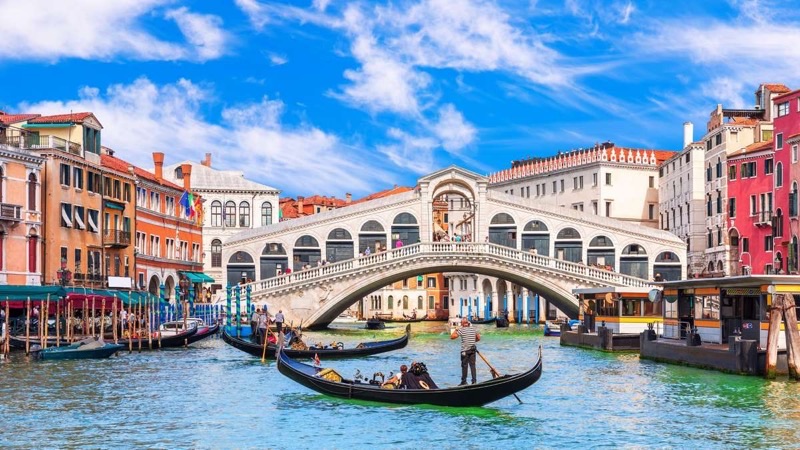
Italy is the quintessential choice for travelers craving deep historical immersion, world-class art, and unparalleled regional cuisine on a moderate budget. Wander through ancient Roman ruins, marvel at Florentine Renaissance masterpieces, or learn to make pasta in Bologna. This destination is best for first-time international explorers and culture enthusiasts seeking walkable cities and authentic culinary experiences.
Choose Usa
Opt for the USA if your ideal trip involves breathtaking natural wonders, epic road trips, and diverse cultural landscapes, accommodating a higher budget. Hike through the Grand Canyon, explore the vibrant streets of New Orleans, or surf the California coast. It's best for adventure seekers, nature lovers, and those prioritizing expansive landscapes and varied experiences across vast distances.
📊 Visual Scorecard
🌤 When to Visit
Average high temperatures (°C). Green = best months, orange = avoid.
Quick Comparison
| Category | Italy | Usa | Winner |
|---|---|---|---|
| Food & Drink | Regional pasta dishes, pizza, gelato, espresso. Meals are a social event. Focus on local ingredients. | Burgers, BBQ, tacos, diverse international cuisines, craft beer scene. Portions are often larger. | Italy |
| Costs & Budget | Generally more affordable for accommodation, food, and public transport. Daily budget €80-140 ($86-150). | Significantly higher costs for accommodation, transport, and dining. Daily budget $150-250+ (approx. €138-230+). | Italy |
| Getting Around | Excellent train network connecting cities, walkable city centers, efficient local public transport. | Car-dependent outside major cities, limited intercity public transport, domestic flights common for long distances. | Italy |
| Culture & History | Ancient Roman ruins, Renaissance art, Baroque architecture, historical cities, deep regional traditions. | Modern history (founding to civil rights), diverse contemporary subcultures, pop culture, indigenous histories. | Italy |
| Nature & Outdoors | Dolomite mountains, Amalfi Coast, Tuscan hills, volcanic landscapes, Mediterranean beaches. | Expansive national parks (Grand Canyon, Yellowstone), diverse ecosystems (deserts, forests, coasts), large wilderness areas. | Usa |
| Nightlife | Aperitivo culture, late dinners, local bars (enoteche), discotecas in larger cities. | Diverse bar scenes, nightclubs, live music venues, specific party districts (e.g., Las Vegas, Miami). | Usa |
| Accommodation | Boutique hotels, B&Bs, agriturismos (farm stays), hostels. Often smaller rooms. | Chain hotels, motels, Airbnbs, luxury resorts. Generally larger rooms and amenities. | Tie |
| Safety | Generally safe, but be aware of pickpocketing in crowded tourist areas. Low violent crime. | Overall safe for tourists, but higher gun violence rates; some urban areas have higher crime. Road safety concerns. | Italy |
| Beaches | Mediterranean coasts, often rocky or pebbly, clear waters, organized lidos with services. | Vast sandy beaches, diverse coastlines (Atlantic, Pacific, Gulf), surfing, casual beach culture. | Usa |
| Day Trips | Well-connected by train; easily reach ancient sites, smaller towns, or natural areas from major cities. | Often require a car; day trips involve longer drives to national parks or specific attractions. | Italy |
🍝 Food & Drink
Italy is a food destination, full stop. Every region has its specialties: Napoli for pizza (a whole Margherita pizza for €5-8, about $5.40-8.60), Bologna for tagliatelle al ragu,…
Italy
Usa
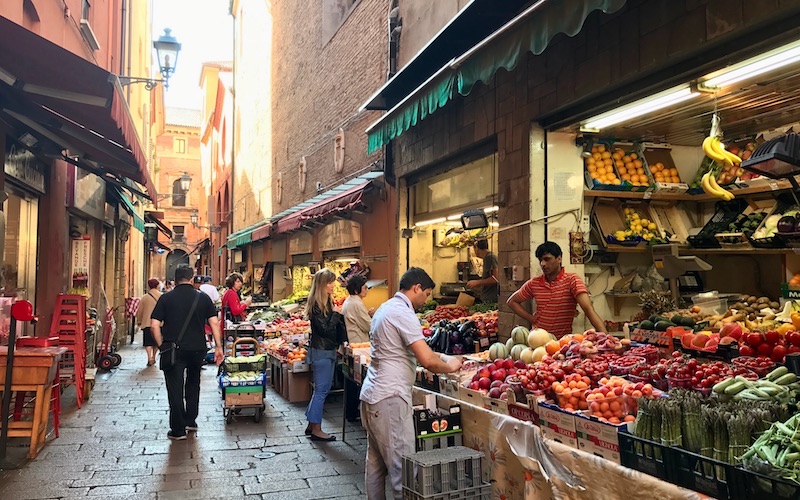
Italy is a food destination, full stop. Every region has its specialties: Napoli for pizza (a whole Margherita pizza for €5-8, about $5.40-8.60), Bologna for tagliatelle al ragu, Sicily for arancini and cannoli. Dining out ranges from casual trattorias where a pasta dish is €12-18 ($13-19.50) to fine dining. Aperitivo hour, typically 6-8 PM, offers drinks with complimentary snacks for €8-15 ($8.60-16). Grocery stores like Conad or Esselunga provide high-quality ingredients for self-catering at low prices, with fresh produce costing significantly less than in the USA.
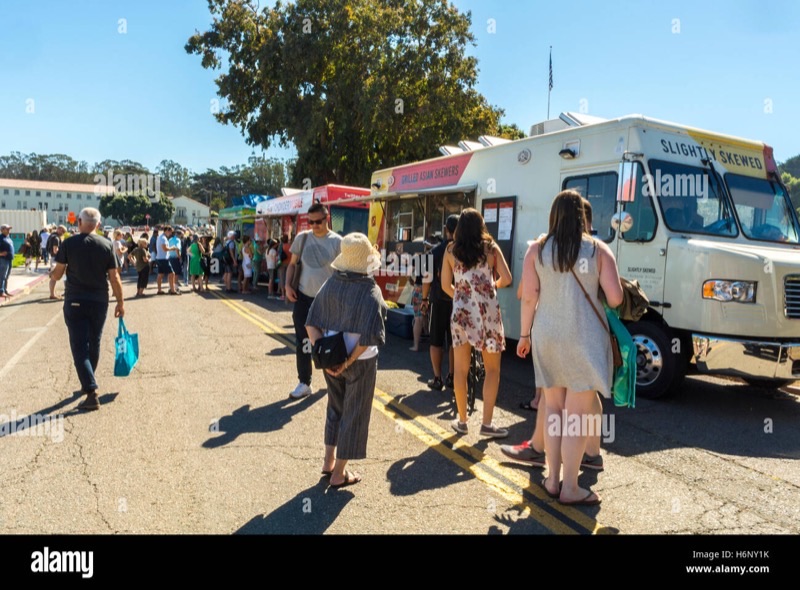
The USA food landscape is vast and diverse but often more expensive for equivalent quality. A casual meal like a burger and fries can be $15-25 (€14-23) in major cities, excluding tip. Regional specialties like Texas BBQ or New Orleans gumbo are excellent, but require travel to those specific areas. High-quality international cuisine is widely available, particularly in cities like New York or Los Angeles, but dining out adds up quickly due to higher menu prices and expected 15-20% tips. Supermarkets like Kroger or Safeway offer extensive choices, though imported goods can be expensive. Italy wins for consistent quality, regional specificity, and affordability of everyday food.
- Winner: Italy
- Why: Italy consistently delivers high-quality, regionally specific food experiences at a better price point than the USA.
- Who this matters for: Anyone whose travel revolves around eating well and trying local specialties.
💰 Costs & Budget
Italy offers a more budget-friendly travel experience for most. A decent B&B in a city like Rome can be €70-120 ($75-130) per night, while hostels are €30-50 ($32-54). A full meal…
Italy
Usa
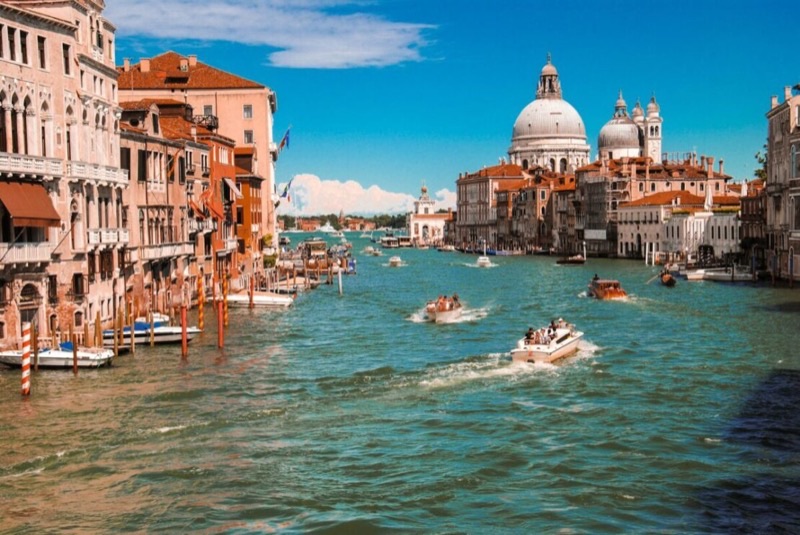
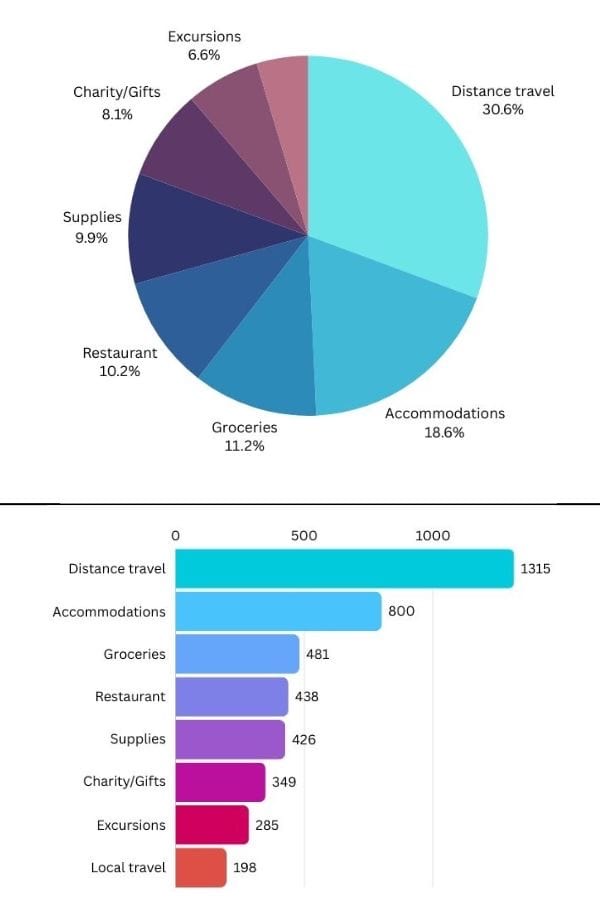
Italy offers a more budget-friendly travel experience for most. A decent B&B in a city like Rome can be €70-120 ($75-130) per night, while hostels are €30-50 ($32-54). A full meal at a trattoria is often €20-35 ($21.50-38), and public transport within cities is €1.50-2 ($1.60-2.15) per ride. High-speed train tickets between major cities like Rome and Florence start from €20-30 ($21.50-32) if booked in advance. Activities like museum entries are typically €15-25 ($16-27). Daily expenses for a moderate traveler usually stay within the €80-140 range.
The USA presents a higher cost barrier. Hotel rooms in major cities like New York or San Francisco rarely drop below $150-250 (approx. €138-230) per night, even for basic options, with hostels being $50-80 (approx. €46-73). Dining out is expensive, with a casual lunch often $15-25 (approx. €14-23) and dinner $30-60 (approx. €28-55) before tip. Public transport exists in some cities but is often less comprehensive, meaning car rental (starting $40-70/day, approx. €37-64, plus gas and parking) is frequently necessary. National Park entries are $20-35 (approx. €18-32) per vehicle. The base daily cost for a comfortable trip easily exceeds $150-250. Italy is clearly more accessible for budget-conscious travelers.
- Winner: Italy
- Why: Italy offers a lower overall cost of travel, particularly for accommodation, food, and intercity transport.
- Who this matters for: Travelers with a defined budget who want to maximize their trip duration and experiences.
🚂 Getting Around
Italy excels in public transportation. Its high-speed train network (Frecciarossa, Italo) connects major cities like Milan, Florence, Rome, and Naples efficiently, with travel…
Italy
Usa
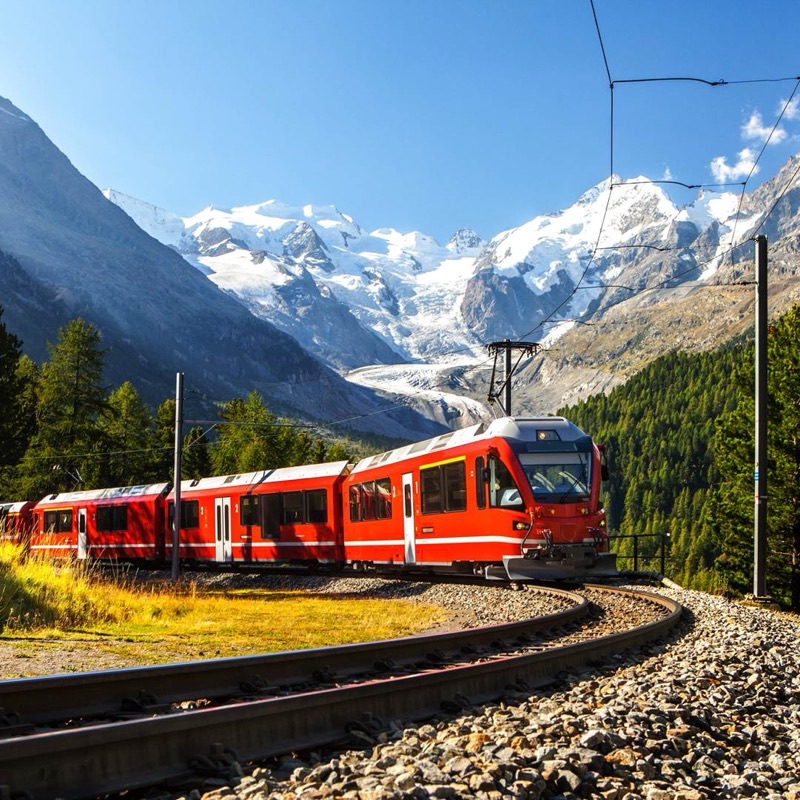
Italy excels in public transportation. Its high-speed train network (Frecciarossa, Italo) connects major cities like Milan, Florence, Rome, and Naples efficiently, with travel times often under 3 hours for reasonable fares if booked ahead (e.g., Rome-Florence from €20-30, about $21.50-32). Regional trains and extensive bus networks cover smaller towns. Most Italian city centers are pedestrian-friendly, making walking the primary mode of exploration, complemented by local buses and trams (single tickets €1.50-2, about $1.60-2.15). Renting a car is generally unnecessary unless exploring specific rural areas like Tuscany or the Dolomites. Taxis are available but costly.
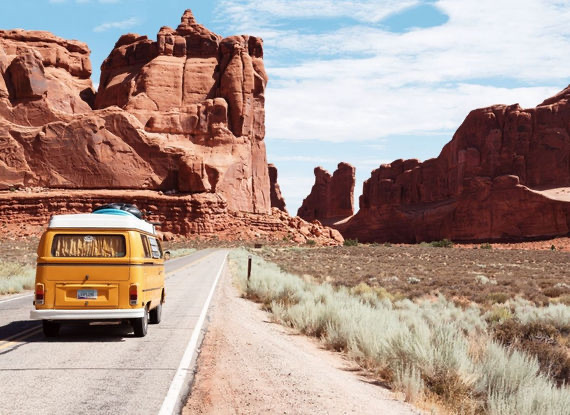
The USA is largely built for cars. Outside of a few major cities like New York City, Boston, Chicago, or San Francisco, public transport for intercity travel is either non-existent or inconvenient (e.g., Amtrak trains are expensive and slow compared to European counterparts). Domestic flights are a common necessity for covering long distances, with prices varying widely. Within cities, ride-sharing services (Uber, Lyft) and taxis are prevalent, but costly. Renting a car is almost mandatory for exploring national parks or rural areas, adding significant expense for rental fees ($40-70/day, approx. €37-64), gas, and parking. Italy offers a more relaxed, integrated, and cost-effective approach to travel without a personal vehicle.
- Winner: Italy
- Why: Italy provides superior, more integrated public transportation, making car-free travel efficient and enjoyable.
- Who this matters for: Travelers who prefer not to drive, enjoy walking, or rely on trains and buses to move between locations.
🏛️ Culture & History
Italy is a living museum. From the Colosseum and Roman Forum in Rome, dating back millennia, to the Uffizi Gallery in Florence with Renaissance masterpieces, its historical layers…
Italy

Usa
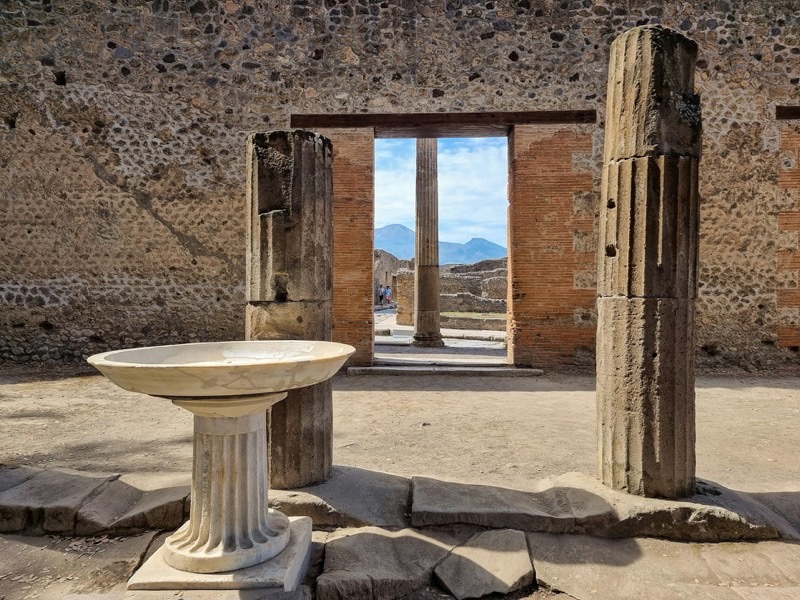
Italy is a living museum. From the Colosseum and Roman Forum in Rome, dating back millennia, to the Uffizi Gallery in Florence with Renaissance masterpieces, its historical layers are evident everywhere. Every town, even small ones, has ancient churches, medieval castles, or Roman remnants. The culture emphasizes family, food, art, and a slower pace of life, particularly in the south. The impact of the Roman Empire and the Renaissance period is palpable in the architecture, art, and city planning. Local festivals (sagre) celebrate specific foods or saints, offering insights into regional traditions. Expect to see historical markers on nearly every street.
The USA has a shorter, but significant, recorded history focused on its founding, westward expansion, civil rights movements, and industrial development. Major historical sites include colonial Williamsburg, the National Mall in Washington D.C., and battlefields like Gettysburg. Beyond this, American culture is characterized by its diversity, pop culture influence, and regional subcultures (e.g., music in Nashville, film in Hollywood, innovation in Silicon Valley). Indigenous histories are present but often require specific efforts to seek out. While the USA has its historical narratives, Italy offers a density and continuous thread of ancient history that is difficult to match. For sheer historical depth and accessibility, Italy is unmatched.
- Winner: Italy
- Why: Italy offers unparalleled access to millennia of history, art, and architectural heritage in a geographically concentrated area.
- Who this matters for: Travelers seeking immersion in ancient civilizations, classical art, and historical narratives.
🏞️ Nature & Outdoors
Italy offers diverse natural beauty, from the jagged peaks of the Dolomites in the north (hiking routes for all levels, lifts operational in summer and winter) to the dramatic…
Italy

Usa
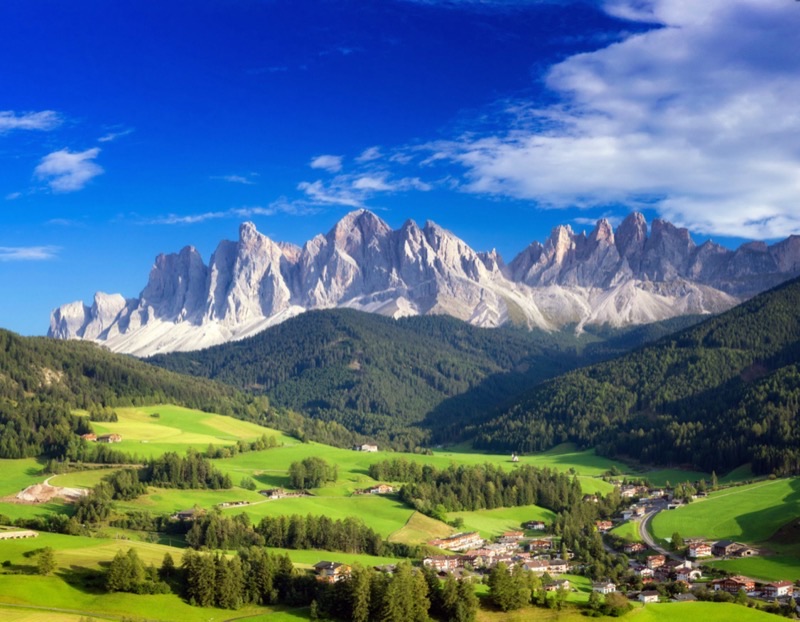
Italy offers diverse natural beauty, from the jagged peaks of the Dolomites in the north (hiking routes for all levels, lifts operational in summer and winter) to the dramatic cliffs of the Amalfi Coast (Sentiero degli Dei for coastal views). Tuscany provides rolling hills covered in vineyards and cypress trees, ideal for scenic drives or cycling. Sicily has Mount Etna, an active volcano with organized tours. The Mediterranean coastline offers numerous beaches, both sandy and rocky, particularly in Puglia and Sardinia. These areas are generally accessible by public transport or short drives from major towns, but are not as vast or untouched as some US counterparts.
The USA excels in its sheer scale and variety of natural landscapes, primarily found within its extensive national park system. Parks like the Grand Canyon, Yellowstone, Yosemite, and Zion offer immense, relatively undeveloped areas for hiking, camping, and wildlife viewing. The west alone features deserts, redwood forests, and Rocky Mountains. Florida has Everglades swamps, Alaska has immense glaciers. These parks are typically explored by car, often requiring advance bookings for popular trails or campsites. The distances between these natural landmarks are considerable, necessitating long drives or internal flights. For raw, expansive, and varied wilderness, the USA provides experiences on a grander scale. Entrance fees range from $20-35 per vehicle for 7-day access.
- Winner: Usa
- Why: The USA offers immense, diverse, and well-preserved natural landscapes, particularly its national parks, on a scale Italy cannot match.
- Who this matters for: Outdoor enthusiasts, hikers, campers, and those seeking vast wilderness experiences.
🥂 Nightlife
Italian nightlife often begins with aperitivo, a pre-dinner drink with complimentary snacks, typically from 6-8 PM. Dinner itself is a leisurely affair, often starting around 8 PM…
Italian nightlife often begins with aperitivo, a pre-dinner drink with complimentary snacks, typically from 6-8 PM. Dinner itself is a leisurely affair, often starting around 8 PM and extending late. Post-dinner, Italians might frequent a local bar (enoteca) for a digestivo or stroll. Larger cities like Milan, Rome, and Florence have discotecas and clubs, especially popular with younger crowds, with cover charges around €15-25 ($16-27) including one drink. The vibe is generally more social and less frenetic than in the USA, focused on conversation and enjoying company. Small towns have limited options, often just a local piazza or bar. Drink prices average €7-12 ($7.50-13) for a cocktail.
The USA offers a broader and more concentrated nightlife experience, particularly in major cities. New York, Las Vegas, Miami, and New Orleans are known for specific, intense nightlife scenes. Bars, nightclubs, and live music venues are plentiful, with diverse themes and music genres. Cover charges for clubs can range from $20-50 (approx. €18-46), and drinks are generally more expensive, typically $12-20 (approx. €11-18) for a cocktail, plus tip. Las Vegas has large-scale casinos and mega-clubs, while New Orleans offers street parties and jazz clubs on Bourbon Street. For variety, intensity, and dedicated entertainment districts, the USA is a stronger contender for traditional 'nightlife' activities.
- Winner: Usa
- Why: The USA provides a wider range of dedicated nightlife venues, from major clubs to specific party destinations, with more options for late-night entertainment.
- Who this matters for: Travelers prioritizing loud music, dancing, dedicated party zones, or specific live music genres.
🛌 Accommodation
Italy provides a range of accommodation, from cozy B&Bs in historic centers (around €70-120/$75-130 per night) to agriturismos in rural areas (farm stays, often with meals,…
Italy provides a range of accommodation, from cozy B&Bs in historic centers (around €70-120/$75-130 per night) to agriturismos in rural areas (farm stays, often with meals, €80-150/$86-162 per night). Hostels are common in cities (€30-50/$32-54 for a dorm bed). Boutique hotels in cities offer character but rooms can be smaller than US equivalents. Airbnbs are prevalent, particularly outside historic centers. Booking in advance, especially during peak season (June-August), is important for better prices and availability. Family-run establishments are common and offer local insights. Expect charming but sometimes older facilities.
USA accommodation is dominated by large chain hotels (Marriott, Hilton, etc.) and motels, offering consistent standards but less local character. Prices range widely, from $80-150 ($86-162) for a basic motel outside a city to $200-400+ ($216-432+) for urban hotels. Airbnb is a strong option, particularly for groups or longer stays. Resorts are common in leisure destinations (Florida, California, Las Vegas), offering extensive amenities. Rooms are generally larger than in Italy. While Italy wins on charm and unique local stays, the USA wins on consistent standards, widespread availability of budget motels, and amenities like pools or gyms. It's a tie because each offers specific advantages depending on traveler priorities.
- Winner: Tie
- Why: Both destinations offer extensive accommodation options, with Italy providing unique character and the USA offering consistent standards and broad availability.
- Who this matters for: Travelers prioritizing either unique local stays (Italy) or predictable comforts and amenities (USA).
🚨 Safety
Italy is a safe country for tourists, with violent crime rates being low. The main concern for travelers is petty theft, particularly pickpocketing in crowded areas like train…
Italy is a safe country for tourists, with violent crime rates being low. The main concern for travelers is petty theft, particularly pickpocketing in crowded areas like train stations, popular attractions (e.g., Colosseum), and public transport. Rome Termini station is a common area for this. Scams, like overpriced taxi rides or 'friendly' strangers offering help with luggage then demanding payment, also occur. Being aware of surroundings, keeping valuables secure, and ignoring persistent street vendors are good practices. Women traveling solo generally report feeling secure, even at night in well-lit areas. Emergency services are responsive, and local police (Carabinieri, Polizia di Stato) are visible.
The USA is generally safe for tourists, especially in designated tourist zones and during daylight hours. However, gun violence is a significant concern that does not exist to the same extent in Italy. Certain urban areas, particularly at night, can have higher crime rates, and it's important to research specific neighborhoods. Road safety is also a concern; the USA has higher rates of traffic fatalities compared to many European countries. Solo women travelers may find some areas less comfortable at night, especially in less populated zones. While overall tourist safety is high, the underlying risks present in the USA elevate Italy's safety profile. Always lock car doors and do not leave valuables visible in parked vehicles. For overall low risk, Italy comes out ahead.
- Winner: Italy
- Why: Italy has significantly lower rates of violent crime and gun violence, making it feel generally safer for daily travel.
- Who this matters for: Solo travelers, families with young children, or anyone prioritizing a low-stress, low-risk environment.
🏖️ Beaches
Italy's beaches, particularly along the Amalfi Coast, Puglia, and Sardinia, offer clear, warm Mediterranean waters and beautiful scenery. Many are rocky or pebbly, though sandy…
Italy's beaches, particularly along the Amalfi Coast, Puglia, and Sardinia, offer clear, warm Mediterranean waters and beautiful scenery. Many are rocky or pebbly, though sandy stretches exist. Expect organized lidos (beach clubs) where you pay €15-30 ($16-32) for sun loungers and umbrellas. Public beach access is available but often less serviced. Popular spots like Spiaggia Grande in Positano or Cala Gonone in Sardinia are stunning but can be crowded in summer. The focus is often on swimming, sunbathing, and enjoying the coastal atmosphere. Water sports are available but not as central as in parts of the USA.
The USA offers vast, diverse coastlines with extensive sandy beaches. Florida's Gulf Coast (e.g., Siesta Key, Clearwater Beach) provides soft white sand and calm waters. California's Pacific coast features rugged cliffs, surfing beaches (e.g., Malibu, Huntington Beach), and cooler waters. The East Coast has long stretches of sandy beaches in places like the Outer Banks or Cape Cod. Beach access is often free, with many public parks and facilities. The sheer size of the USA means more variety, from remote, undeveloped stretches to energetic boardwalks and surfing hubs. For expansive sandy beaches, diverse water activities, and a casual, free-access beach culture, the USA provides more options. Florida's average water temperature in summer is 85°F (29°C), while Italy's Mediterranean is around 78°F (25°C).
- Winner: Usa
- Why: The USA offers more expansive sandy beaches, greater diversity of coastal environments, and a more accessible, casual beach culture.
- Who this matters for: Beach lovers seeking vast sandy shores, surfing opportunities, or specific coastal ecosystems.
🗺️ Day Trips
Italy is structured for efficient day trips due to its excellent train system. From Rome, you can reach Pompeii and Naples in about an hour by high-speed train, or explore the…
Italy is structured for efficient day trips due to its excellent train system. From Rome, you can reach Pompeii and Naples in about an hour by high-speed train, or explore the hill towns of Tuscany (e.g., Orvieto, Siena) via regional trains or organized bus tours. Florence serves as a base for trips to Pisa, Siena, or the Cinque Terre. Venice allows easy access to islands like Murano and Burano. These trips are typically well under 2 hours one way by train, making them practical and relaxing. Train tickets are affordable, particularly if booked in advance, e.g., Rome-Naples high-speed from €15-25 ($16-27). This allows travelers to base themselves in one city and explore a region without constant packing and unpacking.
Day trips in the USA often involve longer distances and usually necessitate a car. From Las Vegas, a day trip to the Grand Canyon West Rim is a 2.5-hour drive one way, or longer to the South Rim (4.5 hours). From San Francisco, Napa Valley is about an hour's drive, while Yosemite National Park is a 3-4 hour drive. Public transport options for these are limited or non-existent, meaning car rental expenses (around $50-80/day, approx. €46-73) and significant driving time. While impressive, these day trips require more planning and financial commitment. The density of historical and cultural sites in Italy makes for more varied and easily accessible day trip options. For convenience and variety, Italy is superior.
- Winner: Italy
- Why: Italy offers a greater number of diverse, easily accessible day trips by efficient public transport from major hubs.
- Who this matters for: Travelers who want to explore multiple locations without constantly changing accommodation or renting a car.
🎯 The Decision Framework
Choose Italy If…
- You want to explore ancient history and Renaissance art.
- You prioritize delicious, regionally specific food at reasonable prices.
- You prefer to get around by train and walking, avoiding car rentals.
- You appreciate a slower pace of life and social dining culture.
- Your budget for daily expenses is under $150 (approx. €140).
- You want to easily visit multiple cities and towns within a short travel time.
- You are a solo female traveler seeking a low-stress environment.
- You enjoy charming, character-filled boutique hotels or farm stays.
Choose Usa If…
- You want to explore vast national parks and diverse wilderness areas.
- You are planning a multi-state road trip across expansive landscapes.
- You prioritize a high-energy nightlife and entertainment scene.
- You want to experience a wide array of international cuisines and regional American food.
- You are comfortable with a daily budget exceeding $150 (approx. €140).
- You enjoy driving and the freedom of having your own vehicle.
- You seek extensive sandy beaches and diverse water sports.
- You want consistent hotel standards with amenities like pools and gyms.
📅 Sample Itineraries
Weekend in Rome (3 Days)
💡 Purchase the Roma Pass for €32 (48 hours) or €52 (72 hours) to get free public transport and entry to 1-2 attractions, saving time and money.
Weekend in New York City (3 Days)
💡 Utilize the NYC Ferry for scenic and affordable transport between boroughs, with tickets costing $4 per ride.
One Week in Italy (7 Days)
💡 Book high-speed train tickets between cities in Italy several weeks in advance on Trenitalia or Italo for better prices, often saving 20-40%.
One Week in Usa (7 Days)
💡 For D.C., utilize the Capital Bikeshare program for convenient and low-cost exploration of the National Mall and surrounding areas, with daily passes starting at $8.
❓ Frequently Asked Questions
Which destination is better for a family trip with young children?
Italy can be more family-friendly, especially for younger children. The walkability of cities means less reliance on strollers, and dedicated play areas are common. Food is generally simpler and universally loved (pizza, pasta, gelato). Public transport is easy. The USA might require more driving and long periods in car seats to see its major attractions.
How do flight times and costs compare from the East Coast USA?
Direct flights from major East Coast USA cities (e.g., New York, Boston) to Rome or Milan typically take 8-9 hours and can cost $600-900 (approx. €550-830) round trip during shoulder seasons. Domestic flights within the USA for comparable distances (e.g., NYC to LA) are 5-6 hours and can cost $300-600 (approx. €275-550) but might be cheaper if booked in advance.
Is English widely spoken in Italy?
In major tourist areas and cities like Rome, Florence, and Venice, English is commonly spoken in hotels, restaurants, and shops. In smaller towns or rural areas, English proficiency drops significantly, making a translation app or basic Italian phrases helpful. The USA is primarily English-speaking, though Spanish is also widely spoken in many regions.
What is the best time of year to visit each?
For Italy, shoulder seasons (April-May or September-October) offer pleasant weather, fewer crowds, and better prices. Summers (June-August) are hot and crowded. For the USA, the 'best' time depends on the region: Southwest in spring/fall, Northeast in fall for foliage, Florida in winter. Summer is peak season for national parks, with warm weather everywhere.
Which destination is better for shopping?
Italy is known for fashion (Milan, Florence), leather goods, ceramics, and local food products. Shopping can range from high-end boutiques to artisan workshops. The USA offers extensive shopping malls, outlet stores, and major retail brands. For unique artisan goods and fashion, Italy excels. For sheer volume and discount brands, the USA is stronger.
Are visas required for US citizens traveling to Italy, or vice versa?
US citizens do not need a visa for tourist stays in Italy (Schengen Area) for up to 90 days within a 180-day period. Starting in mid-2025, an ETIAS authorization (similar to an ESTA) will be required for €7 ($7.50). Italian citizens need an ESTA for visa-free travel to the USA for up to 90 days, costing $21 (approx. €19).
How does cell phone service compare?
In Italy, purchasing a local SIM card (e.g., TIM, Vodafone, WindTre) upon arrival is straightforward and affordable, offering data plans for around €20-30 ($21.50-32) per month. Coverage is generally good. In the USA, purchasing a prepaid SIM can be more complicated and expensive for visitors. Roaming with an international plan from your home carrier is often a simpler, though pricier, option.
Which destination offers more opportunities for spontaneity?
Italy allows for more spontaneity, especially when traveling by train. You can often decide on a whim to visit a nearby town without needing to pre-book extensive transport or accommodation months in advance (outside of peak summer). The USA, due to its vast distances and car-dependent nature for many attractions, often requires more pre-planning, especially for national park visits or popular routes.
Ready to plan your next trip?
Get a free custom itinerary for Italy, Usa, or both — built from real traveler insights.
👥 Travelers Also Compared
🎟️ Book Tours & Experiences
Hand-picked tours and activities for both destinations — book with free cancellation
Experiences via Viator — free cancellation on most tours