
How we built this comparison
This page combines traveler discussion patterns, published price ranges, flight schedules, and seasonal data to help you decide between Jeonju and Busan.
- Reviewed Reddit threads from r/travel, r/solotravel, r/koreatravel, r/southkorea.
- Verified costs and logistics against current booking platforms for flights, trains, and accommodation.
- Cross-referenced seasonal patterns and weather data for optimal travel timing.

⚡ Quick Answers
⚡ The TL;DR Verdict
For most first-time travelers to South Korea seeking a balance of culture and city life, Busan offers a broader experience. However, if your trip prioritizes deep cultural immersion, slow travel, and food, Jeonju is the clear pick. Expect to spend $40-80 daily in Jeonju and $70-120 in Busan, excluding transport between cities.
- Choose Jeonju: Pick Jeonju if you seek a relaxed pace, deep dive into Joseon dynasty culture, savor regional cuisine like bibimbap, and appreciate hanok architecture without modern city distractions. This suits solo travelers or couples focused on cultural exploration.
- Choose Busan: Choose Busan for a dynamic coastal city experience, with beaches, mountains, fresh seafood, and lively markets. It offers more diverse activities including hiking, nightlife, and modern urban attractions. Ideal for groups, families, or those wanting a city break after Seoul.
- Choose Both: Combine Jeonju and Busan for a comprehensive South Korean itinerary. Dedicate 2-3 days to Jeonju for culture and food, then 3-4 days to Busan for its coastal sights and urban energy. Travel between them is efficient via train or bus.
📊 Visual Scorecard
🌤 When to Visit
Average high temperatures (°C). Green = best months, orange = avoid.
Quick Comparison
| Category | Jeonju | Busan | Winner |
|---|---|---|---|
| Food & Drink | Korea's culinary capital, specializing in bibimbap, kongnamul gukbap, and traditional alcohol. Focused, high-quality traditional dishes. | Seafood powerhouse with fresh catches at Jagalchi Market, famous for Dwaeji Gukbap, eomuk, and street food. Diverse dining options from casual to upscale. | Jeonju |
| Culture & History | Jeonju Hanok Village with hundreds of traditional houses, Joseon dynasty history, traditional crafts, and arts. | Diverse cultural sites from ancient temples to modern art villages, reflecting coastal history and contemporary Korean trends. | Jeonju |
| Beaches & Outdoors | No beaches. Focus on gentle river walks, nearby mountains for light hiking, and city parks. | Numerous city beaches like Haeundae and Gwangalli, coastal walks, hiking in national parks, and island excursions. | Busan |
| Nightlife | Quiet, focused on traditional makgeolli houses, small bars, and evening strolls. Not a party destination. | Lively and diverse, with bustling bar streets, clubs, craft beer pubs, and beachfront lounges. | Busan |
| Costs & Budget | Generally more affordable for accommodation, food, and activities. Daily budget around $40-80 USD. | Moderately more expensive, especially for accommodation near popular beaches. Daily budget around $70-120 USD. | Jeonju |
| Getting There & Around | Mainly accessed by bus from Seoul, or KTX to Jeonju Station then a local bus. Small, walkable city center. | Direct KTX from Seoul, multiple airports. Large city with extensive subway and bus network. | Busan |
| Accommodation | Primarily traditional hanok guesthouses, offering a unique cultural stay experience. Fewer large hotels. | Wide range of options from budget hostels to luxury hotels, including beachfront resorts and business hotels. | Busan |
| Shopping | Focus on traditional crafts, local food products, and souvenirs within the Hanok Village and Nambu Market. | Extensive shopping districts with department stores, duty-free shops, fashion boutiques, and large traditional markets. | Busan |
| Solo Travel | Relaxed and easy for solo exploration, with a focus on quiet cultural immersion and personal reflection. | Good for solo travelers seeking diverse activities, social opportunities, and easy navigation in a large city. | Tie |
| Day Trips | Limited major day trip options directly from Jeonju, mostly local nature spots or smaller towns. | Numerous attractive day trip destinations including Gyeongju, Tongyeong, and coastal national parks. | Busan |
🍜 Food & Drink
Jeonju is widely recognized as the food capital of Korea, and it delivers on this reputation with authenticity. The city is the birthplace of bibimbap, offering numerous…
Jeonju is widely recognized as the food capital of Korea, and it delivers on this reputation with authenticity. The city is the birthplace of bibimbap, offering numerous establishments like Gajok Hoegwan where a bowl costs around 12,000-15,000 KRW (10-12 USD). Other specialties include Kongnamul Gukbap (bean sprout soup with rice) which is a local breakfast staple at places like Samobaekjib for about 8,000 KRW (6.50 USD). Traditional Korean alcohol, particularly makgeolli, is also central to the culinary scene; visit a makgeolli house where a set of dishes and drinks can be shared for about 30,000-50,000 KRW (25-40 USD). Food experiences here are about savoring classic dishes in a historical setting.
Busan offers a broader range of food experiences, heavily leaning into its coastal location. Jagalchi Fish Market is a must-visit for fresh seafood, where you can pick your fish and have it prepared on site, with costs varying widely based on selection, but expect 30,000-100,000 KRW (25-80 USD) for a shared meal. The city is also famous for Dwaeji Gukbap (pork and rice soup), a comforting dish found across the city for around 8,000-10,000 KRW (6.50-8 USD). Street food thrives in areas like BIFF Square and Gukje Market, offering affordable snacks like ssiat hotteok (sweet pancake with seeds) for 2,000 KRW (1.60 USD). While Busan is diverse, Jeonju offers a more singular, deep culinary focus on traditional flavors.
- Winner: Jeonju
- Why: Jeonju excels in offering an authentic, focused deep dive into traditional Korean cuisine, particularly its famous bibimbap and local specialties.
- Who this matters for: This matters most for food enthusiasts prioritizing culinary heritage and specific regional dishes.
🏯 Culture & History
Jeonju is a living museum of Korean tradition, centered around its Hanok Village, which contains over 800 traditional houses. Here, you can experience a hanok stay, participate in…
Jeonju is a living museum of Korean tradition, centered around its Hanok Village, which contains over 800 traditional houses. Here, you can experience a hanok stay, participate in traditional craft workshops like hanji (paper making) or fan making for 15,000-30,000 KRW (12-25 USD), or simply wander the alleys. Important historical sites include Gyeonggijeon Shrine, housing a portrait of King Taejo (founder of the Joseon dynasty), entrance 3,000 KRW (2.50 USD), and Jeondong Catholic Cathedral, an architectural landmark. The culture here is about immersion in the past, a slower pace, and appreciating traditional aesthetics and practices.
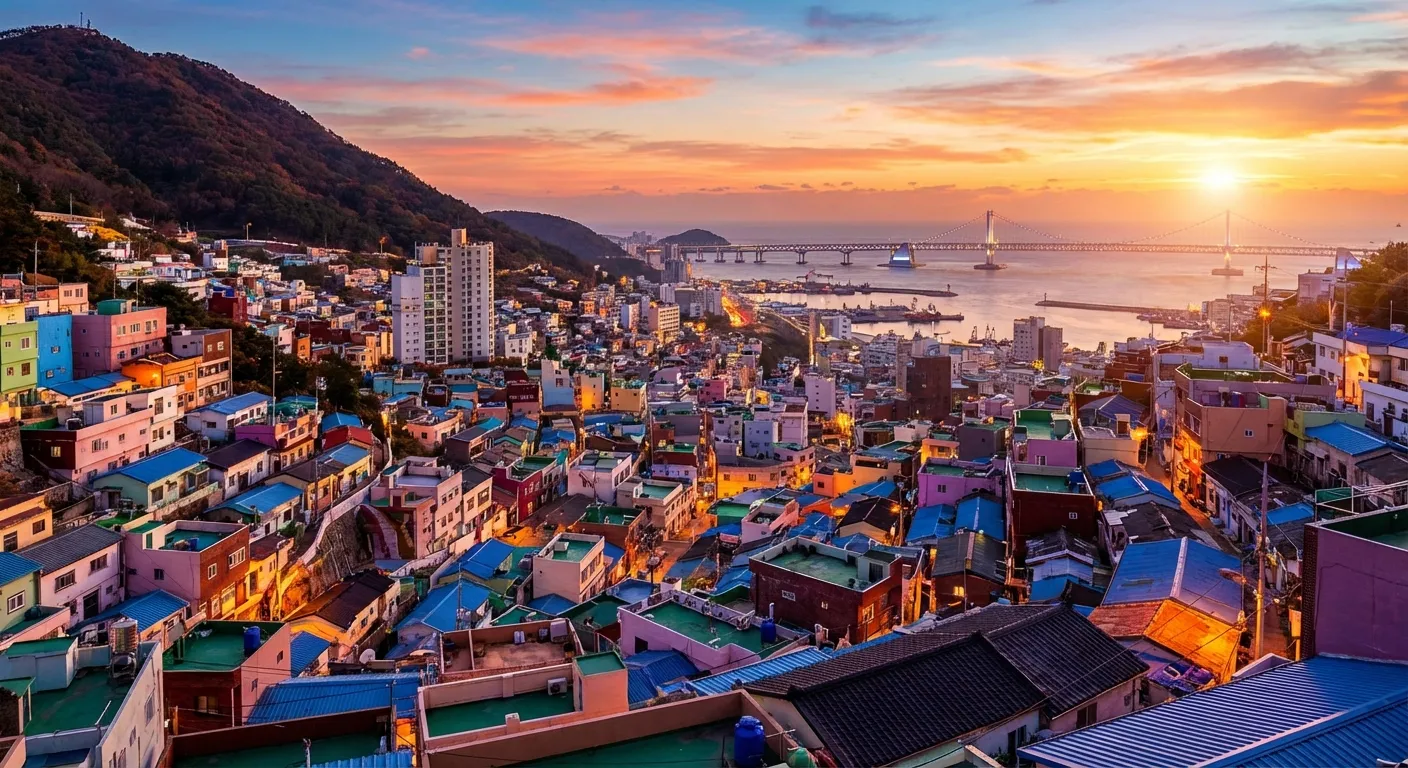
Busan presents a broader cultural spectrum, blending traditional sites with contemporary artistic expressions. Beomeosa Temple, a large and significant Buddhist temple dating back to 678 AD, offers a glimpse into spiritual Korea. Gamcheon Culture Village, often called the Santorini of Korea, is a former slum transformed into a colorful art village, with street art and quirky shops, offering a modern, visually driven cultural experience. The city also has museums like the Busan Museum and Busan Modern History Museum. While Busan offers quantity and variety, Jeonju provides a more concentrated and profound traditional Korean cultural experience.
- Winner: Jeonju
- Why: Jeonju provides a concentrated, immersive experience in traditional Korean culture and Joseon dynasty history through its Hanok Village.
- Who this matters for: This matters for travelers seeking deep cultural immersion, historical exploration, and traditional architectural appreciation.
🏖️ Beaches & Outdoors
Jeonju is landlocked, so beaches are not an option. Its outdoor activities revolve around its position amidst rolling hills and the Jeonjucheon River. You can enjoy strolls along…
Jeonju is landlocked, so beaches are not an option. Its outdoor activities revolve around its position amidst rolling hills and the Jeonjucheon River. You can enjoy strolls along the riverbanks or light hikes up the nearby hills for views of the Hanok Village. Moak Mountain, a short bus ride away, offers more substantial hiking trails, but it is not a primary draw for outdoor enthusiasts. The focus here is on relaxation within the city and appreciation of the natural setting rather than active outdoor pursuits. There are no major national parks directly adjacent to Jeonju, keeping outdoor options low-key.
Busan is a coastal city with several well-known beaches. Haeundae Beach is the most famous, offering a wide sandy stretch, promenade, and views of skyscrapers. Gwangalli Beach is another popular spot, known for its views of the Gwangan Bridge, especially at night. Both offer opportunities for swimming, sunbathing, and watersports during summer. Beyond beaches, Busan is excellent for hiking, with Geumjeongsan Mountain offering trails and access to Beomeosa Temple. Taejongdae Park provides dramatic cliffside walks and ocean views. Excursions to nearby islands like Oryukdo offer further coastal exploration. Busan is the clear choice for anyone prioritizing ocean access and varied outdoor activities.
- Winner: Busan
- Why: Busan is a major coastal city with multiple popular beaches, extensive hiking opportunities, and coastal parks.
- Who this matters for: This matters for travelers seeking beach relaxation, ocean activities, and diverse outdoor adventures.
🍻 Nightlife
Jeonju offers a relaxed evening atmosphere, largely centered around its Hanok Village and traditional alcohol. The nightlife is quiet, consisting primarily of makgeolli houses…
Jeonju offers a relaxed evening atmosphere, largely centered around its Hanok Village and traditional alcohol. The nightlife is quiet, consisting primarily of makgeolli houses where locals gather to share fermented rice wine with various side dishes. Expect a cozy, conversational setting rather than loud music or dancing. Small, independent cafes and bars also exist, providing a subdued environment for a drink. The focus is on authentic cultural experiences and leisurely strolls through the illuminated Hanok Village. Do not expect late-night clubs or a party scene; most places close by midnight or earlier.
Busan provides a much more energetic and varied nightlife. Popular areas include Seomyeon, known for its numerous bars, clubs, and karaoke rooms, attracting both locals and younger crowds. Haeundae Beach area offers upscale bars, beachfront lounges, and craft beer pubs, particularly active during warmer months. Gwangalli Beach is another spot for drinks with a view of the illuminated Gwangan Bridge. From casual soju tents to high-energy dance clubs, Busan caters to diverse preferences for evening entertainment. A typical cocktail might cost 10,000-15,000 KRW (8-12 USD) at a bar, while a bottle of soju is around 5,000 KRW (4 USD). Busan is the undisputed destination for those wanting lively evening entertainment.
- Winner: Busan
- Why: Busan offers a broad and lively nightlife, with options from beachfront bars to bustling club districts.
- Who this matters for: This matters for travelers who enjoy going out, dancing, and experiencing a citys energetic evenings.
💰 Costs & Budget
Jeonju is a budget-friendly destination within South Korea. Accommodation in a traditional hanok guesthouse can range from 50,000-100,000 KRW (40-80 USD) per night for a…
Jeonju is a budget-friendly destination within South Korea. Accommodation in a traditional hanok guesthouse can range from 50,000-100,000 KRW (40-80 USD) per night for a comfortable private room, with hostels offering dorm beds for 20,000-30,000 KRW (16-24 USD). Food, as discussed, is also affordable, with substantial meals for 8,000-15,000 KRW (6.50-12 USD). Most cultural attractions in the Hanok Village are free to explore, with specific entries like Gyeonggijeon Shrine costing just 3,000 KRW (2.50 USD). Local transportation is inexpensive, typically 1,500 KRW (1.20 USD) per bus ride. A comfortable daily budget, including food, basic accommodation, and activities, is around 40-80 USD.
Busan is moderately more expensive than Jeonju but still offers good value compared to Seoul. Hostel dorm beds start from 20,000-40,000 KRW (16-32 USD), while mid-range hotels near Haeundae or Gwangalli can be 70,000-150,000 KRW (55-120 USD) per night. Food prices are comparable to Jeonju for street food and casual dining, but seafood and more upscale restaurants will be higher. Public transport is similar at 1,500 KRW (1.20 USD) per ride, but you might use it more to cover larger distances. Entrance fees for attractions are generally low, for instance, Busan Tower is 12,000 KRW (9.50 USD). A reasonable daily budget for Busan is 70-120 USD, with flexibility for more expensive dining or activities.
- Winner: Jeonju
- Why: Jeonju offers lower costs for accommodation, food, and activities, making it a more budget-friendly destination.
- Who this matters for: This matters significantly for budget-conscious travelers and backpackers.
🚆 Getting There & Around
Getting to Jeonju typically involves a direct intercity bus from Seoul Express Bus Terminal, taking about 2 hours 45 minutes and costing around 20,000-25,000 KRW (16-20 USD).…
Getting to Jeonju typically involves a direct intercity bus from Seoul Express Bus Terminal, taking about 2 hours 45 minutes and costing around 20,000-25,000 KRW (16-20 USD). Alternatively, take the KTX train to Jeonju Station (a transfer might be needed from Seoul, or direct from some cities), then a 20-30 minute local bus ride to the Hanok Village. Once in Jeonju, the Hanok Village and its surrounding attractions are highly walkable. For destinations slightly further afield, the city has an efficient bus system, with rides costing 1,500 KRW (1.20 USD). Taxis are also readily available and affordable for short distances. The city is compact and easy to navigate without a private vehicle.
Busan is easily accessible via direct KTX train from Seoul Station, taking approximately 2 hours 30 minutes to 3 hours and costing 59,800 KRW (48 USD). Busan also has its own international airport (Gimhae International Airport - PUS) with direct flights from several Asian cities. The city has a comprehensive public transportation system, including a subway with multiple lines that connect major attractions, costing 1,400-1,600 KRW (1.10-1.30 USD) per ride depending on distance. An extensive bus network complements the subway. Due to its size, navigating Busan can take more time, but the public transport is effective. For sheer ease of access and intra-city travel options, Busan is more convenient.
- Winner: Busan
- Why: Busan offers direct KTX access from Seoul, an international airport, and a more extensive and efficient subway system for city navigation.
- Who this matters for: This matters for travelers prioritizing fast, direct travel and easy navigation within a larger city.
🏨 Accommodation
Jeonju excels in offering a particular style of accommodation: the hanok guesthouse. Staying in a traditional hanok within the Hanok Village allows for an immersive cultural…
Jeonju excels in offering a particular style of accommodation: the hanok guesthouse. Staying in a traditional hanok within the Hanok Village allows for an immersive cultural experience, often with ondol (heated floor) sleeping arrangements. Prices for a private hanok room typically range from 50,000-150,000 KRW (40-120 USD) per night, depending on size and amenities. There are also a few modern hotels outside the main village, but the hanok stay is the defining experience. Options are somewhat limited if you are not interested in a hanok, and luxury options are rare. Booking in advance, especially during peak season, is advisable due to finite hanok rooms.
Busan provides a vast selection of accommodation to suit every budget and preference. You can find budget hostels with dorm beds from 20,000 KRW (16 USD) in areas like Seomyeon, mid-range business hotels in city centers from 70,000 KRW (55 USD), and luxury beachfront resorts along Haeundae and Gwangalli for 150,000-400,000 KRW (120-320 USD) or more. Boutique hotels and serviced apartments are also available. This breadth of choice means finding suitable lodging, whether you are a solo backpacker, a family, or a luxury traveler, is much simpler in Busan. The sheer variety and quantity of hotels give Busan the edge in this category.
- Winner: Busan
- Why: Busan offers a much wider range of accommodation types and price points, from budget hostels to luxury beachfront resorts.
- Who this matters for: This matters for travelers with specific budget or luxury preferences, or those needing diverse options like family suites.
🛍️ Shopping
Shopping in Jeonju is largely focused on cultural artifacts, local specialties, and traditional crafts. Within the Hanok Village, you will find shops selling hanji (traditional…
Shopping in Jeonju is largely focused on cultural artifacts, local specialties, and traditional crafts. Within the Hanok Village, you will find shops selling hanji (traditional Korean paper) products, handmade fans, traditional pottery, and local food items like traditional sweets or Jeonju bibimbap kits. Jeonju Nambu Market offers a more local market experience, with fresh produce, clothing, and various goods, including a lively night market on weekends for street food and small crafts. This type of shopping is about unique, artisan goods and local flavors, rather than broad consumer choices. Expect to pay 5,000-30,000 KRW (4-25 USD) for most souvenirs.
Busan is a major city with extensive shopping opportunities. Shinsegae Centum City, the world's largest department store, offers luxury brands, fashion, and duty-free shopping. Areas like Seomyeon and Nampo-dong are bustling commercial districts with a mix of department stores, fashion boutiques, cosmetic shops, and street vendors. Gukje Market is a large traditional market known for electronics, clothing, and various imported goods. For fresh produce and seafood, Jagalchi Fish Market is the place. Whether you are looking for high fashion, K-beauty products, electronics, or everyday items, Busan provides a comprehensive retail experience that far surpasses Jeonju.
- Winner: Busan
- Why: Busan provides a vast array of shopping experiences, from massive department stores to extensive traditional markets and modern fashion districts.
- Who this matters for: This matters for travelers who enjoy retail therapy, seeking fashion, electronics, cosmetics, or diverse consumer goods.
🚶♀️ Solo Travel
Jeonju is an excellent destination for solo travelers seeking quiet reflection and cultural immersion. Its compact Hanok Village is easy to navigate alone, offering many…
Jeonju is an excellent destination for solo travelers seeking quiet reflection and cultural immersion. Its compact Hanok Village is easy to navigate alone, offering many opportunities for peaceful walks, solo dining at traditional restaurants, and participating in workshops without pressure. Many hanok guesthouses are welcoming to solo guests, providing a personal touch. The relaxed pace and focus on individual experiences like tasting different bibimbap variations or exploring a museum at your own speed make it appealing. It is safe and the locals are generally helpful. You can easily spend a day or two exploring without feeling overwhelmed or lonely, making it ideal for self-directed cultural exploration.
Busan is also highly suitable for solo travelers, particularly those who enjoy a larger city environment with diverse activities and social opportunities. Hostels are plentiful, making it easy to meet other travelers. The efficient public transport system allows for independent exploration of beaches, temples, and markets. Activities like hiking on Geumjeongsan or visiting Gamcheon Culture Village are easily done alone. For evening, there are many bars and restaurants where a solo diner or drinker will feel comfortable. While Jeonju offers tranquility, Busan offers more options for social interaction and a broader range of activities. Both cities are very safe for solo travelers. The choice depends on whether a solo traveler prefers a serene cultural journey or a dynamic city adventure.
- Winner: Tie
- Why: Both cities offer unique benefits for solo travelers: Jeonju for peaceful cultural immersion and Busan for diverse activities and social opportunities.
- Who this matters for: This matters for individuals traveling alone, seeking either quiet reflection or social interaction and diverse activities.
🗺️ Day Trips
Jeonju is a destination in itself, and while you could explore nearby areas, it is not a hub for extensive day trips to major tourist sites. Options typically include local…
Jeonju is a destination in itself, and while you could explore nearby areas, it is not a hub for extensive day trips to major tourist sites. Options typically include local mountains like Moak Mountain for hiking or visits to smaller, lesser-known towns or cultural sites within Jeollabuk-do Province. These are generally less developed for tourism and require more planning with local buses or taxis. While there are some regional parks and agricultural experiences, they do not hold the same appeal as the significant historical or natural sites accessible from Busan. Jeonju is best experienced by focusing on the city itself for its duration.
Busan serves as an excellent base for several notable day trips. Gyeongju, the ancient capital of the Silla Kingdom and a UNESCO World Heritage site, is easily reachable by bus or train in about 1.5-2 hours, offering temples, royal tombs, and historical parks. Tongyeong, a coastal city known for its seafood, cable car, and nearby islands, is another popular option, accessible by bus in around 2 hours. Haeinsa Temple, home to the Tripitaka Koreana, is also a feasible day trip. These destinations offer significant cultural, historical, or natural appeal, providing a strong variety of experiences outside the main city. This makes Busan a clear winner for travelers who enjoy exploring surrounding regions.
- Winner: Busan
- Why: Busan provides convenient access to several historically and naturally significant day trip destinations like Gyeongju and Tongyeong.
- Who this matters for: This matters for travelers who enjoy exploring beyond the main city and want to visit multiple regional attractions.
🎯 The Decision Framework
Choose Jeonju If…
- You prioritize deeply authentic Korean traditional culture.
- You want to stay in a beautiful hanok guesthouse.
- You are a serious food lover, especially for classic Korean dishes.
- You prefer a slower, more relaxed travel pace.
- You are on a tighter budget for accommodation and food.
- You enjoy walkable cities and exploring on foot.
- You are interested in traditional crafts and cultural workshops.
- You want to escape the crowds and frenetic energy of larger cities.
Choose Busan If…
- You want a mix of city life, beaches, and mountains.
- You enjoy fresh seafood and diverse culinary options.
- You are looking for a lively nightlife and social scene.
- You prefer a city with extensive public transportation, including a subway.
- You want access to major shopping districts and modern amenities.
- You plan to take day trips to other significant historical or natural sites.
- You need a wider range of accommodation choices, from budget to luxury.
- You are flying into South Korea directly from another Asian country.
❓ Frequently Asked Questions
Which city is better for a first-time visitor to South Korea?
Busan generally offers a broader introduction to South Korea for a first-timer, balancing traditional culture with modern city amenities, beaches, and diverse food. Jeonju is excellent for a deep cultural dive, but may feel less comprehensive as an initial impression of Korea. Consider combining both for a full picture.
How many days should I spend in each city?
For Jeonju, 2 full days are usually sufficient to explore the Hanok Village, sample the food, and enjoy the atmosphere. For Busan, 3-4 full days allow you to see the main beaches, Gamcheon Culture Village, markets, and perhaps take a day trip. Adjust based on your pace and interests.
What is the best way to travel between Jeonju and Busan?
The most efficient way is often by bus. Direct intercity buses run regularly, taking approximately 2.5-3 hours and costing around 20,000-25,000 KRW (16-20 USD). You can also take KTX trains, often requiring a transfer in a larger hub like Daejeon or Seoul, which can be faster but more expensive.
Is Busan more expensive than Jeonju?
Yes, generally Busan is moderately more expensive than Jeonju. Accommodation, especially near popular beaches, can be higher. While food costs can be similar for casual dining, higher-end experiences and shopping are more prevalent in Busan. Expect daily expenses around $70-120 USD in Busan versus $40-80 USD in Jeonju.
Which city is better for families with young children?
Busan often suits families better due to its diverse attractions like beaches, Busan Aquarium (30,000 KRW entry), and larger parks. Jeonju is calmer, but might have fewer activities to keep younger children engaged for extended periods, though the Hanok Village is pleasant for gentle exploration.
Are English speakers common in Jeonju or Busan?
In Busan, especially in tourist areas like Haeundae and at major hotels, you will find more English speakers and English signage. Jeonju has less widespread English proficiency, particularly outside the Hanok Village, but major tourist spots often have some English information or staff. Translation apps are useful in both.
What is the primary difference in atmosphere between the two cities?
Jeonju offers a tranquil, historical atmosphere focused on tradition, slow living, and specific regional culture. Busan is a dynamic, sprawling coastal metropolis with a modern energy, diverse urban landscapes, and a lively, active feel. They represent very different aspects of South Korean life.
Can I visit both Jeonju and Busan on a 5-7 day trip to South Korea?
Yes, you can comfortably visit both. A common itinerary might involve 2 days in Jeonju followed by 3-4 days in Busan. Start from Seoul, take a bus to Jeonju, then a bus to Busan, and finally KTX back to Seoul, optimizing travel time.
Ready to plan your South Korea trip?
Know the tourist scams before you go — documented from real traveler reports.