
How we built this comparison
This page combines traveler discussion patterns, published price ranges, flight schedules, and seasonal data to help you decide between Madrid and Marseille.
- Reviewed Reddit threads from r/travel, r/solotravel, r/Madrid, r/Marseille, and r/EuropeTravel for direct traveler experiences and advice.
- Verified costs and logistics against current booking platforms (e.g., Google Flights, Booking.com, local transport sites) for 2026 pricing estimates.
- Cross-referenced seasonal patterns, weather data, and major event calendars to inform 'best time to visit' and activity recommendations.
⚡ Quick Answers
⚡ The TL;DR Verdict
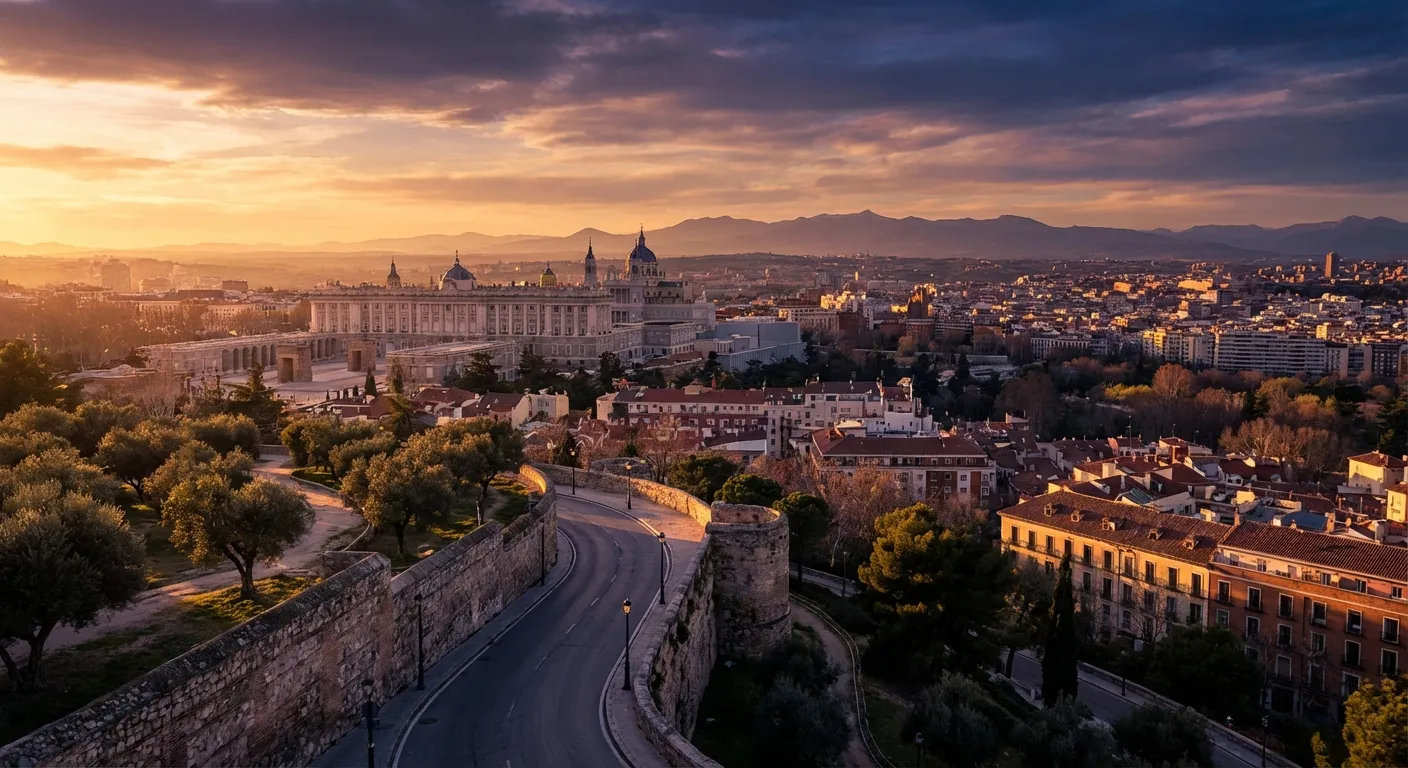
Madrid is the pick for travelers who want late nights, grand museums, and a city energy that keeps going. Expect daily budgets around $80-130 (€75-120). Marseille suits those seeking coastal views, seafood, and a more relaxed pace, often for $70-120 (€65-110) a day.
- Choose Madrid: You want museums like the Prado, evenings that start after 9 PM, and a walkable city center with plazas.
- Choose Marseille: You prefer proximity to the sea, hiking in natural parks, fresh seafood, and a slower, more casual urban feel.
- Choose Both: If you have 10-14 days and appreciate both city culture and coastal activities, combine them with a budget airline flight, taking about 2-3 hours for around $50-150 (€45-135).
Choose Madrid
Choose Madrid if you're a night owl or an art aficionado seeking a European capital. It's best for immersing yourself in excellent museums like the Prado, enjoying tapas well past midnight in La Latina, and experiencing a non-stop urban energy that offers grand cultural experiences, often requiring a slightly higher daily budget.
Choose Marseille
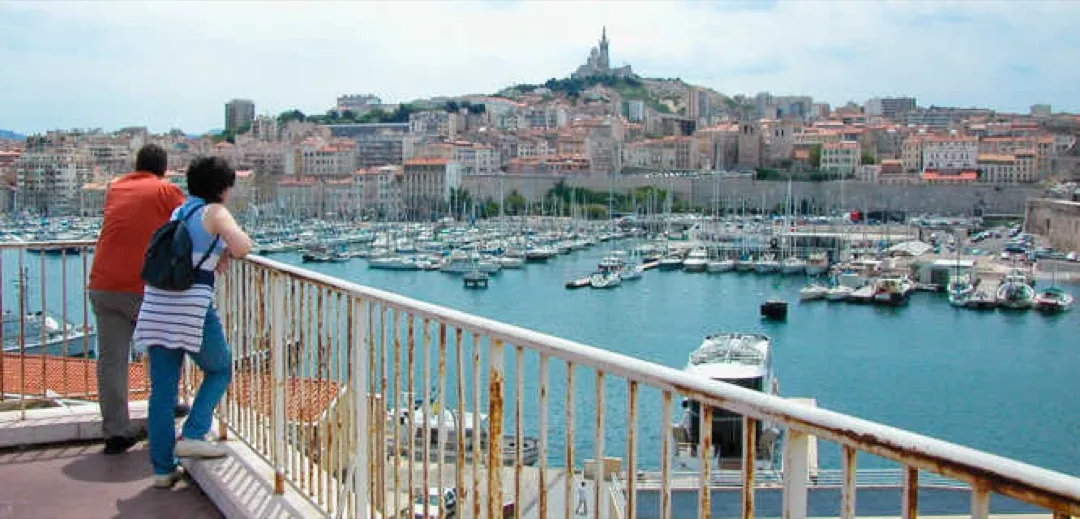
Choose Marseille for a sun-drenched coastal escape, ideal for those who crave fresh seafood and natural beauty. It’s best for outdoor adventurers and foodies, offering stunning hikes in the Calanques National Park, exploring the historic Vieux-Port, and savoring authentic bouillabaisse, all with a more relaxed pace and generally lower daily costs.
📊 Visual Scorecard
🌤 When to Visit
Average high temperatures (°C). Green = best months, orange = avoid.
Quick Comparison
| Category | Madrid | Marseille | Winner |
|---|---|---|---|
| Food & Drink | Tapas culture, late dinners, diverse Spanish cuisine, quality wine bars. | Seafood focus, Bouillabaisse, Provencal dishes, pastis, fresh markets. | Madrid |
| Nightlife | Extremely late nights, diverse clubs and bars, relaxed atmosphere, Puerta del Sol district. | More laid-back, fewer late-night clubs, focus on bars and pubs around the Old Port. | Madrid |
| Culture & History | Royal history, excellent art museums, grand architecture, flamenco. | Ancient port history, diverse cultural influences, MUCEM, religious sites. | Madrid |
| Costs | Generally mid-range for a capital, good value for food and drink, accommodation varies. | Slightly less expensive than major French cities, good value for fresh produce, accommodation can be cheaper. | Tie |
| Getting There | Major international hub (MAD), many direct flights from global cities. | Smaller international airport (MRS), often requires connections, fewer direct long-haul options. | Madrid |
| Getting Around | Excellent metro, walkable city center, reliable bus system. | Walkable city center, metro and tram system, some hilly areas. | Madrid |
| Accommodation | Wide range from hostels to luxury, good value in mid-range, central options. | Fewer high-end options, good value for budget, more boutique stays. | Madrid |
| Day Trips | Historic cities (Toledo, Segovia), royal sites (El Escorial), mountains. | Calanques National Park, Aix-en-Provence, coastal towns (Cassis). | Tie |
| Atmosphere & People | Energetic, social, late-night culture, friendly, formal Spanish. | Relaxed, Mediterranean pace, diverse, sometimes gritty, informal French. | Madrid |
| Nature & Outdoors | Large parks, Retiro, Casa de Campo, accessible mountains nearby. | Coastal access, Calanques National Park, urban beaches, boat trips. | Marseille |
🍽️ Food & Drink
Madrid excels in its food culture, particularly the tapas experience. Travelers can easily find small plates of patatas bravas for €3-5 ($3.30-5.50) at bars like Taberna El Tigre.…
Madrid excels in its food culture, particularly the tapas experience. Travelers can easily find small plates of patatas bravas for €3-5 ($3.30-5.50) at bars like Taberna El Tigre. Dinner often starts at 9 PM or later, with many restaurants offering a 'Menu del Día' for €12-18 ($13-20) at lunch. Iconic dishes include Cochinillo (roast suckling pig) and Bocadillo de Calamares (calamari sandwich) for €4-6 ($4.40-6.60) near Plaza Mayor. The city has a high density of bars and restaurants, catering to various tastes and budgets, making it easy to eat well without much planning.
Marseille's food scene centers on its Mediterranean location. Fresh seafood is a staple, with Bouillabaisse, a fish stew, costing €40-60 ($44-66) at establishments like Chez Fonfon. Smaller seafood platters or individual dishes are available for €15-25 ($16.50-27.50) at restaurants along the Vieux-Port. Provencal dishes, like Aïoli and Ratatouille, are also common. The Noailles market provides access to fresh produce and street food for budget-conscious travelers, with falafel or panisse (chickpea fries) around €5-8 ($5.50-8.80). However, outside of seafood, the dining options are less varied compared to Madrid. For pure culinary exploration and late-night snacking, Madrid wins.
- Winner: Madrid
- Why: Madrid's tapas culture, late dining hours, and diverse culinary options provide a more engaging and accessible food experience.
- Who this matters for: Travelers prioritizing meal variety, social eating, and experiencing local food late into the evening.
🎉 Nightlife
Madrid is a city that comes alive after dark, known for its extended nightlife hours. Bars often stay open until 3 AM, and clubs, especially in areas like Malasaña, La…
Madrid is a city that comes alive after dark, known for its extended nightlife hours. Bars often stay open until 3 AM, and clubs, especially in areas like Malasaña, La Latina, and Chueca, continue until 6 AM or even later. Popular venues include Kapital, a multi-floor club, or smaller, more intimate bars in Malasaña like La Vía Láctea. A beer can cost €3-5 ($3.30-5.50) and cocktails €8-12 ($8.80-13.20). The atmosphere is generally relaxed, with people socializing in plazas and streets until the early morning. It offers everything from flamenco shows to electronic music venues.
Marseille's nightlife is more subdued and earlier compared to Madrid. While there are bars and pubs, particularly around the Vieux-Port and Cours Julien, most close by 1 AM or 2 AM. Drinks are similarly priced, with a beer costing €4-6 ($4.40-6.60) and cocktails €10-15 ($11-16.50). Nightclubs are fewer and less centralized, often requiring a taxi ride outside the main tourist areas. The focus is more on enjoying a drink by the harbor or a casual evening with friends rather than extended partying. For travelers seeking a city that genuinely embraces late-night entertainment, Madrid is the clear choice.
- Winner: Madrid
- Why: Madrid's nightlife extends much later, offering a wider range of venues and a stronger culture of evening entertainment.
- Who this matters for: Travelers who prioritize staying out late, experiencing diverse music scenes, and social interaction well past midnight.
🏛️ Culture & History
Madrid stands out for its extensive collection of European art and its royal past. The 'Golden Triangle of Art' includes the Prado Museum (entry €15-20 / $16.50-22), the Reina…
Madrid stands out for its extensive collection of European art and its royal past. The 'Golden Triangle of Art' includes the Prado Museum (entry €15-20 / $16.50-22), the Reina Sofía Museum (home to Picasso's Guernica, €12 / $13), and the Thyssen-Bornemisza Museum. The Royal Palace, costing €12-15 ($13-16.50) to enter, is the largest functioning royal palace in Europe by floor area. Madrid's history is displayed in its grand plazas like Plaza Mayor and Plaza de España, and through flamenco performances, which can cost €25-40 ($27.50-44) for a show. The city's cultural offerings are curated and accessible, providing a deep dive into Spanish and European heritage.
Marseille, as one of Europe's oldest cities, has a history tied to its port and diverse influences. The Museum of Civilizations of Europe and the Mediterranean (MUCEM), with an entry fee of €11 ($12), provides insight into Mediterranean cultures. Notre-Dame de la Garde, a basilica offering panoramic city views, is free to enter, though a bus ride costs €1.70 ($1.85). Le Panier, the oldest district, shows layers of history in its narrow streets. However, its historical sites are less concentrated and less globally renowned than Madrid's major institutions. While Marseille offers a historical context of trade and multi-culturalism, Madrid's museums and royal sites provide a more robust and traditionally significant cultural experience.
- Winner: Madrid
- Why: Madrid possesses globally significant art museums and grand royal history, offering a more extensive traditional cultural experience.
- Who this matters for: Art enthusiasts, history buffs interested in monarchical history, and those seeking renowned cultural institutions.
💰 Costs
Madrid offers decent value for a European capital. A budget traveler can expect to spend €75-120 ($80-130) per day, covering a hostel bed for €25-40 ($27.50-44), budget meals for…
Madrid offers decent value for a European capital. A budget traveler can expect to spend €75-120 ($80-130) per day, covering a hostel bed for €25-40 ($27.50-44), budget meals for €20-30 ($22-33), and public transport for €5 ($5.50). Mid-range hotels typically cost €80-150 ($88-165). Public transport is efficient, with a 10-trip metro pass at €12.20 ($13.50). Tapas and 'Menu del Día' options keep food costs manageable, and many museums offer free entry times.
Marseille can be slightly more economical than Madrid, especially if focusing on self-catering and local markets. A budget traveler might spend €65-110 ($70-120) daily, with hostel beds from €20-35 ($22-38.50), market food or casual meals for €15-25 ($16.50-27.50), and transport at €5 ($5.50). Mid-range hotels range from €70-130 ($77-143). A single metro ticket costs €1.70 ($1.85). While accommodation might be marginally cheaper, the higher cost of alcohol and some restaurant meals (especially Bouillabaisse) can balance the budget. Overall, both cities provide reasonable value for Western Europe, with Marseille perhaps offering a slight edge for strict budgeters on certain items.
- Winner: Tie
- Why: Both cities offer competitive pricing for a European trip, with costs largely dependent on travel style and choices.
- Who this matters for: Travelers with flexible budgets who can adjust spending based on local prices.
✈️ Getting There
Madrid-Barajas Airport (MAD) is a major international gateway, offering numerous direct flights from North America, South America, and across Europe. For example, a direct flight…
Madrid-Barajas Airport (MAD) is a major international gateway, offering numerous direct flights from North America, South America, and across Europe. For example, a direct flight from New York (JFK) to Madrid takes approximately 7 hours and can cost $500-800+ (€450-720+) depending on the season and booking time. Flights from London are around 2 hours and can be found for $50-150 (€45-135). The airport is well-connected to the city center by metro (around €5 / $5.50), regional trains, and express buses, making arrival and departure straightforward.
Marseille Provence Airport (MRS) is a smaller international airport, primarily serving European destinations and some North African routes. Travelers from North America typically require at least one connection, often in Paris, Amsterdam, or another major European hub. A flight from New York to Marseille usually takes 9-12 hours with a stop and can cost $600-900+ (€540-810+). Flights from London are around 2 hours and similarly priced to Madrid. The airport is connected to the city center via a shuttle bus to Saint-Charles train station for €10 ($11). The availability of direct long-haul flights makes Madrid a more convenient entry point for many international travelers.
- Winner: Madrid
- Why: Madrid's airport is a larger international hub with more direct flight options and better global connectivity.
- Who this matters for: International travelers, especially those from outside Europe, who prefer direct flights and easier access.
🚶 Getting Around
Madrid's public transport system is one of Europe's best. The Metro is extensive, clean, and efficient, connecting all major attractions and neighborhoods. A single Metro ticket…
Madrid's public transport system is one of Europe's best. The Metro is extensive, clean, and efficient, connecting all major attractions and neighborhoods. A single Metro ticket costs €1.50-2 ($1.65-2.20), and a 10-trip 'Metrobús' pass is €12.20 ($13.50). The city center is highly walkable, with major sights like the Royal Palace, Plaza Mayor, and Prado Museum all within reasonable walking distance of each other. Buses are also reliable, and ride-sharing services are available. The city's flat topography in the central areas further aids easy navigation on foot or by bicycle.
Marseille also has a functional public transport system, including two metro lines and several tram lines that cover key areas. A single ticket costs €1.70 ($1.85), and a 10-trip pass is €14 ($15.30). The Vieux-Port and Le Panier districts are pedestrian-friendly. However, Marseille has more significant elevation changes, particularly around Notre-Dame de la Garde, which requires a bus, a substantial uphill walk, or a taxi. While the core is manageable, exploring beyond often means navigating hills or relying more on public transport for longer distances. Madrid's larger, flatter, and more comprehensive transport network gives it an edge for general ease of movement.
- Winner: Madrid
- Why: Madrid's public transport network is more extensive and user-friendly, and its central areas are flatter and more walkable.
- Who this matters for: Travelers who prefer to rely on public transport, walk extensively, and avoid significant hills.
🏨 Accommodation
Madrid offers a substantial selection of accommodation across all price points, often providing good value, especially in the mid-range. Hostels like The Hat Madrid or Generator…
Madrid offers a substantial selection of accommodation across all price points, often providing good value, especially in the mid-range. Hostels like The Hat Madrid or Generator Madrid offer beds for €25-40 ($27.50-44) per night. Mid-range hotels, such as Hotel Regina or Room Mate Oscar, are plentiful in central areas like Puerta del Sol or Gran Vía, with prices typically ranging from €80-150 ($88-165) per night for a double room. Luxury hotels like The Ritz or Mandarin Oriental can be found for €300+ ($330+). The competitive market ensures quality and convenience, with many establishments within walking distance of attractions and transport hubs.
Marseille's accommodation scene leans more towards budget-friendly and boutique options, with fewer grand luxury hotels compared to Madrid. Hostel beds can be found for €20-35 ($22-38.50) in areas near the Vieux-Port. Mid-range hotels, such as the Grand Hotel Beauvau Marseille Vieux-Port or Hôtel Carré Vieux Port, typically cost €70-130 ($77-143) for a double room. High-end options are available, but not as numerous or as centrally concentrated as in Madrid, often costing €180+ ($198+). While Marseille provides satisfactory lodging, Madrid's broader array of well-established, centrally located, and competitively priced hotels gives travelers more choice and generally better value for their money.
- Winner: Madrid
- Why: Madrid provides a more extensive selection of accommodation, particularly in the mid-range and luxury sectors, with strong central location options.
- Who this matters for: Travelers seeking diverse hotel choices, good value at various price points, and central, well-connected lodging.
🏞️ Day Trips
From Madrid, several historical and natural destinations are easily accessible. Toledo, a UNESCO World Heritage site known for its medieval architecture and 'City of Three…
From Madrid, several historical and natural destinations are easily accessible. Toledo, a UNESCO World Heritage site known for its medieval architecture and 'City of Three Cultures' history, is a 30-minute high-speed train ride (€10-15 / $11-16.50 each way). Segovia, famous for its Roman aqueduct and Alcázar castle, is also reachable by high-speed train in about 30 minutes (€10-15 / $11-16.50). El Escorial, a royal monastery and palace, is a short train or bus ride. The Sierra de Guadarrama mountains offer hiking opportunities within an hour's drive.
Marseille offers day trips focused on natural beauty and smaller Provencal towns. The Calanques National Park, with its limestone cliffs and turquoise coves, is a primary attraction. Accessible by local bus to Cassis (around €2.50 / $2.75 each way) or a boat tour from the Vieux-Port (€25-40 / $27.50-44), it offers hiking and swimming. Aix-en-Provence, a charming city known for its markets and Cézanne connections, is a 30-minute bus ride (€6 / $6.60 each way). Cassis, a fishing village, is also a popular coastal escape. Both cities provide distinct and compelling options for exploring beyond the urban core, catering to different interests. For history, Madrid wins; for nature, Marseille wins. It's a tie for overall appeal.
- Winner: Tie
- Why: Both cities offer distinct and compelling day trip options, catering to different preferences for history vs. nature.
- Who this matters for: Travelers seeking either historical city exploration (Madrid) or coastal and natural park adventures (Marseille).
☀️ Atmosphere & People
Madrid projects an energetic and social atmosphere. Locals are generally welcoming, and the culture encourages interaction, particularly in tapas bars and plazas. The city…
Madrid projects an energetic and social atmosphere. Locals are generally welcoming, and the culture encourages interaction, particularly in tapas bars and plazas. The city maintains a schedule that runs later than many other European capitals, with shops closing for siesta and dinners starting late, contributing to a constant hum of activity. Spanish people in Madrid often present a polite formality, but are open to conversation. There is a sense of collective enjoyment, especially during evenings when plazas fill with people. It feels like a capital city that embraces both tradition and modern life with consistent enthusiasm.
Marseille has a more relaxed, distinctly Mediterranean pace, often described as having a rougher edge compared to other French cities. Its multi-cultural heritage from its port history means a diverse population. While friendly, the local approach can sometimes feel more direct. The city's energy is less about late-night revelry and more about enjoying the sea, markets, and local neighborhoods. It feels less polished than Madrid, with a more grounded, working-class character. While some travelers appreciate this authenticity, others find it less immediately approachable. For a consistently open, social, and lively urban atmosphere, Madrid has an edge.
- Winner: Madrid
- Why: Madrid offers a more consistently social, energetic, and generally perceived as more openly friendly atmosphere for visitors.
- Who this matters for: Travelers seeking a continuously lively urban environment and ease of social interaction.
🌳 Nature & Outdoors
Madrid, while inland, has significant green spaces within the city. El Retiro Park is a sprawling green area offering rowboats on its lake, walking paths, and statues. Casa de…
Madrid, while inland, has significant green spaces within the city. El Retiro Park is a sprawling green area offering rowboats on its lake, walking paths, and statues. Casa de Campo, a former royal hunting ground, is even larger, providing opportunities for cycling and walking trails. For more extensive nature, the Sierra de Guadarrama National Park is accessible within an hour by public transport or car, offering mountain hikes and cooler temperatures. However, these are largely curated parks or mountain areas requiring a trip outside the immediate city center to access true wilderness.
Marseille is a city with immediate access to significant natural beauty. The Calanques National Park, a series of fjord-like inlets with limestone cliffs, begins just outside the city limits. This provides opportunities for hiking, swimming in secluded coves, and kayaking. Urban beaches like Plage des Catalans or Plage du Prado offer convenient spots for sunbathing and swimming. Boat trips from the Vieux-Port explore the coastline and nearby islands. The city's proximity to the Mediterranean Sea and its dramatic coastline means natural landscapes are a fundamental part of the city's appeal, integrated into the experience. For direct access to outdoor coastal activities and natural landscapes, Marseille stands out.
- Winner: Marseille
- Why: Marseille offers direct and extensive access to coastal natural parks, beaches, and water activities, making nature a central part of the city experience.
- Who this matters for: Outdoor enthusiasts, hikers, swimmers, and anyone who wants immediate access to coastal landscapes.
🎯 The Decision Framework
Choose Madrid If…
- You want to eat dinner at 10 PM and party until 6 AM.
- You appreciate excellent art museums like the Prado and Reina Sofía.
- You seek grand royal architecture and historic plazas.
- You prefer a highly efficient and extensive metro system.
- You enjoy the social experience of tapas bar hopping.
- You are flying long-haul and prefer a direct, major international airport.
- You want a generally flat, highly walkable city center.
- You are interested in day trips to iconic historical cities like Toledo and Segovia.
Choose Marseille If…
- You want direct access to Mediterranean beaches and coves.
- You plan to hike and explore the Calanques National Park.
- You prefer fresh seafood and French Provencal cuisine.
- You appreciate a more relaxed, less overtly touristy urban atmosphere.
- You are interested in ancient port history and diverse cultural influences.
- You want to enjoy a Pastis by the Old Port.
- You are looking for a slightly more budget-friendly European city experience.
- You prefer day trips to charming coastal towns like Cassis and cultural cities like Aix-en-Provence.
❓ Frequently Asked Questions
What is the average daily budget for Madrid vs Marseille?
For budget travelers, Madrid generally costs €75-120 ($80-130) per day, while Marseille is slightly less at €65-110 ($70-120) per day. This includes hostel accommodation, budget meals, and public transport. Mid-range travelers can expect €150-250 ($165-275) in Madrid and €130-220 ($143-242) in Marseille.
Which city is better for art and museums?
Madrid is the clear winner for art and museums. It hosts the 'Golden Triangle of Art' with the Prado, Reina Sofía, and Thyssen-Bornemisza museums. Entry to the Prado is around €15-20 ($16.50-22). While Marseille has MUCEM (€11 / $12), its offerings are less extensive and globally renowned.
Is it easy to travel between Madrid and Marseille?
Yes, it is fairly easy. Direct flights take approximately 1.5-2 hours and can cost $50-150 (€45-135) with budget airlines. High-speed trains are also an option, taking around 7-8 hours with a transfer, for a similar price.
Which city has better nightlife?
Madrid has a more extensive and later nightlife. Bars often close at 3 AM and clubs at 6 AM. Marseille's nightlife is more casual, with most bars closing by 1 AM or 2 AM, and fewer dedicated late-night clubs.
What are the flight times from major US cities to each destination?
Direct flights from New York to Madrid take about 7 hours. Flights to Marseille from the US usually require at least one stop and take 9-12 hours in total. Costs typically range from $500-800+ (€450-720+) to Madrid and $600-900+ (€540-810+) to Marseille.
Which city is better for outdoor activities and nature?
Marseille is superior for outdoor activities, offering direct access to the Calanques National Park for hiking, swimming, and kayaking. Madrid has large urban parks and nearby mountains, but the coastal proximity of Marseille provides a more integrated natural experience.
How safe are Madrid and Marseille for travelers?
Both cities are generally safe for tourists. Madrid has a lower petty crime rate than many large capitals, but pickpocketing can occur in busy areas. Marseille has a reputation for being rougher around the edges in some neighborhoods, but tourist areas are usually fine. Standard precautions apply in both cities.
What is the best time of year to visit each city?
For Madrid, spring (April-May) and fall (September-October) offer pleasant temperatures, usually 20-25°C (68-77°F). Summer can be very hot, reaching 35°C (95°F)+. Marseille is best in late spring (May-June) or early fall (September-October) for beach and hiking weather, typically 22-28°C (72-82°F), avoiding the peak summer crowds and heat.
Ready to plan your Spain or France trip?
Know the tourist scams before you go — documented from real traveler reports.