How we built this comparison
This page combines traveler discussion patterns, published price ranges, transit details, and seasonal data to make the Nagano vs Hakone decision easier to resolve.
- Reviewed Reddit discussions across r/JapanTravel and r/JapanTravelTips — thousands of comments about choosing between Nagano and Hakone.
- Cross-referenced ryokan pricing from Jalan, Rakuten Travel, and Booking.com for both destinations (March 2026 rates).
- Transit times and fares verified against Odakyu Railway, JR East, and Nagano Dentetsu timetables.
- Snow monkey activity patterns from Jigokudani Monkey Park official webcam and seasonal reports.
⚡ The TL;DR Verdict
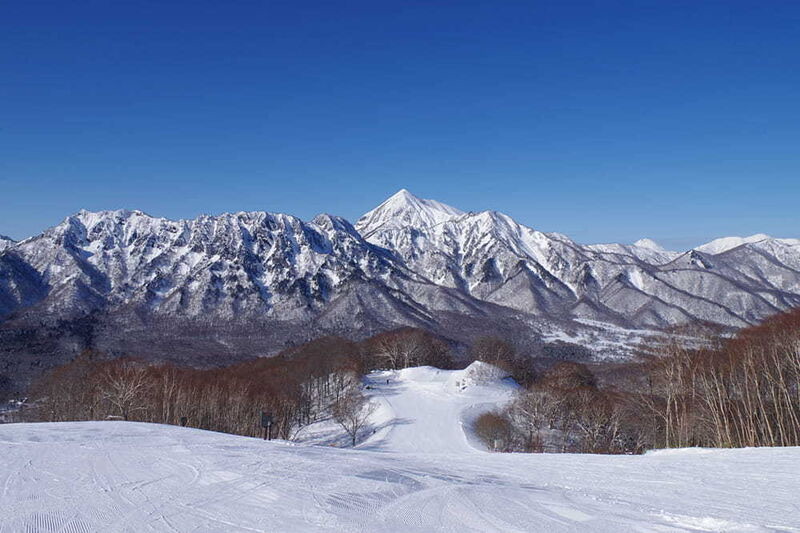
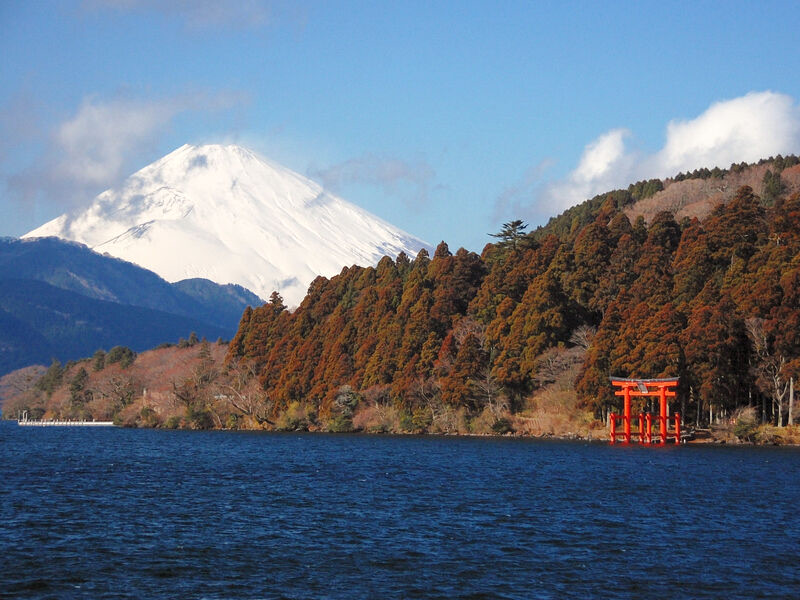
Nagano wins for depth, authenticity, and value — go for snow monkeys, Zenkoji Temple, Shibu Onsen, and skiing. Hakone wins for convenience and volcanic drama — go for a quick ryokan escape from Tokyo, Lake Ashi, and Mt. Fuji views. Budget snapshot: Nagano ¥8,000–14,000/day ($55–95); Hakone ¥12,000–20,000/day ($80–135) plus expensive ryokans.
- Choose Nagano: Authenticity seekers, onsen town fans, skiers, multi-day explorers, budget-conscious travelers.
- Choose Hakone: Short Tokyo escapes, Mt. Fuji view hunters, luxury ryokan seekers, first-time Japan visitors with limited time.
- Budget snapshot: Nagano: ¥8,000–14,000/day ($55–95) + ryokan ¥12,000–25,000/night; Hakone: ¥12,000–20,000/day ($80–135) + ryokan ¥20,000–50,000+/night.
Choose Nagano
Authenticity seekers, onsen town fans, skiers, multi-day explorers.
Choose Hakone
Short Tokyo escapes, Mt. Fuji view hunters, luxury ryokan seekers.
Quick Comparison
| Category | 🏔️ Nagano | 🌋 Hakone | Winner |
|---|---|---|---|
| Daily Budget (mid-range) | ¥8,000–14,000 ($55–95) | ¥12,000–20,000 ($80–135) | Nagano |
| Ryokan Cost | ¥12,000–25,000/person/night | ¥20,000–50,000+/person/night | Nagano |
| Distance from Tokyo | ~90 min (Shinkansen) | ~80–90 min (Romance Car or Shinkansen+local) | Tie |
| Transit to Main Attractions | Complex (extra train + infrequent bus to Jigokudani) | Simple (Hakone Free Pass covers everything) | Hakone |
| Onsen Culture | Shibu Onsen: 9 public baths, retro ryokan town | Private in-room onsens, volcanic setting | Nagano |
| Wildlife / Unique Experience | Snow monkeys at Jigokudani (world-unique) | Owakudani volcanic valley (black eggs) | Nagano |
| Scenery | Japanese Alps, cedar forests, mountain temples | Mt. Fuji views, Lake Ashi, volcanic Owakudani | Tie |
| Crowds | Manageable (except Jigokudani peak winter) | Heavy — especially weekends & holidays | Nagano |
| Skiing | World-class (Hakuba, Shiga Kogen, Nozawa Onsen) | None | Nagano |
| Historical/Cultural Depth | Zenkoji Temple (1,400 years), Matsumoto Castle, Togakushi | Hakone Open Air Museum, historic post town Hakone-juku | Nagano |
| Best For | Authenticity seekers, multi-day stays, skiers, budget travelers | Quick escapes, luxury ryokan, Mt. Fuji views | — |
♨️ Onsen & Hot Springs
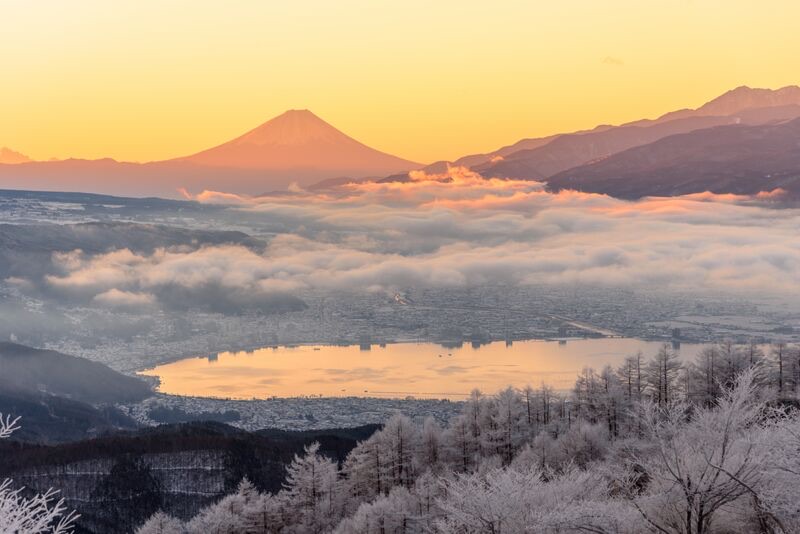
This is the comparison's most contested category — and where the destinations diverge most sharply in character. Shibu Onsen in the Nagano area (specifically Yamanouchi) is one of Japan's best-preserved onsen towns: a compact, lantern-lit village with 9 rustic public baths (the yu-meguri circuit) that guests of participating ryokan can use for free. The baths are centuries old and feel like they haven't changed much since the Edo period. No crowds, no tourist buses — just locals and savvy travelers who did their research.
Hakone has the infrastructure advantage: nearly every decent ryokan comes with private open-air onsens (rotenburo), some with views of Mt. Fuji or surrounding forest. The water is good — sulfurous, volcanic, genuinely therapeutic — but the experience is more commoditized. Expect ¥20,000–50,000+/person/night for a quality private-bath ryokan. The Hakone-Yumoto area at the base is more affordable (¥7,000–12,000/night), but lacks the atmosphere of the upper areas.
Winner takeaway
- Winner: Nagano (Shibu Onsen)
- Why: For the authentic Japanese onsen town experience — walkable, historic, multiple public baths, genuine local atmosphere — Shibu Onsen beats Hakone decisively. Hakone wins if your priority is a private rotenburo in a luxury ryokan room.
- Who this matters for: Anyone who wants to experience onsen culture as a local ritual rather than a hotel amenity should choose Nagano.
⛩️ Temples & Culture
Zenkoji Temple in Nagano City is one of Japan's most important Buddhist temples — built in the 7th century, housing what's said to be Japan's oldest statue of the Buddha (hidden from public view, revealed only every 7 years during the Gokaicho festival). Over 6 million pilgrims and visitors arrive annually. The predawn morning prayer ceremony, where monks process through the smoke-filled hall while pilgrims reach out to touch a wooden statue in pitch darkness, is genuinely moving — not a tourist performance.
Beyond Zenkoji, the Nagano area has remarkable cultural depth: Togakushi Shrine sits at the end of a cedar-lined avenue leading through three shrines deep in the mountains (45 min from Nagano by bus). Matsumoto Castle — a 45-minute train ride from Nagano — is one of Japan's few original 16th-century castles, a National Treasure with authentic black-and-white architecture reflected in its moat.
Hakone's cultural highlight is the Hakone Open Air Museum (¥1,600 entry), an excellent outdoor sculpture park combining contemporary art with mountain scenery, including a Picasso pavilion. The historic Hakone-juku post town (on the old Tokaido Road) and the Hakone Museum of Art round out the options. Solid, but not the cultural heavyweight Nagano is.
Winner takeaway
- Winner: Nagano
- Why: Zenkoji alone puts Nagano in a different league for cultural depth. Add Matsumoto Castle and Togakushi Shrine and there's simply no comparison — Nagano offers a richer historical and spiritual experience.
- Who this matters for: Travelers who prioritize temples, history, and authentic Japanese culture over resort amenities.
🏔️ Nature & Scenery
Both destinations deliver spectacular scenery — just very different kinds. Nagano's draw is the Japanese Alps: snow-covered peaks, cedar forests, and mountain valleys that feel remote even when they're not. The Jigokudani Snow Monkey Park (Yamanouchi, ~2.5 hrs from Tokyo) is genuinely unique — the only place on Earth where wild Japanese macaques relax in thermal hot springs surrounded by snow. The 2km forest walk to reach them is part of the experience.
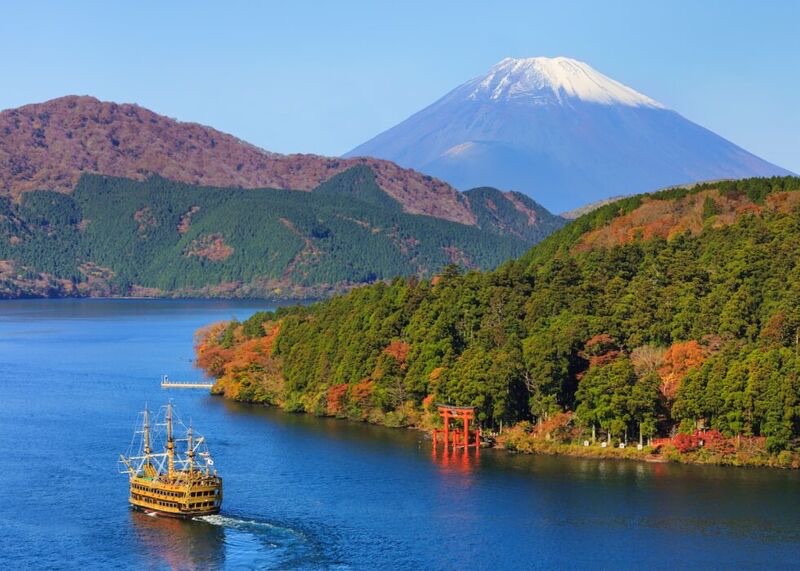
Hakone counters with volcanic drama. Lake Ashi (Ashinoko) offers what might be Japan's most photographed view on a clear day: Mt. Fuji reflected in the lake, framed by pine trees. The Hakone Ropeway lifts you over the steaming Owakudani crater — sulfurous vents, bubbling mud, and a volcanic landscape that feels genuinely otherworldly. The pirate ship cruise across Lake Ashi costs ¥1,200 and takes 30 minutes.
Important caveat: Mt. Fuji views from Hakone are weather-dependent. On roughly 50% of visits, clouds obscure the summit. Don't plan your trip around a guaranteed Fuji view — check forecasts and have a backup plan.
Winner takeaway
- Winner: Tie — different flavors
- Why: Hakone wins for dramatic, compact scenery (volcano + lake + Fuji view in a day). Nagano wins for authentic nature immersion and the snow monkey experience. Your preference for alpine wilderness vs volcanic resort scenery determines the winner.
- Who this matters for: Snow monkey seekers go Nagano; Mt. Fuji view hunters go Hakone (weather permitting).
💰 Cost Comparison
Hakone is noticeably more expensive — particularly accommodation. Quality ryokans with private onsens and kaiseki meals run ¥20,000–50,000+ per person per night. Even mid-range options in the main resort area (Miyanoshita, Gora) start around ¥15,000/person. Budget travelers can opt for Hakone-Yumoto guesthouses (¥6,000–10,000/night) but sacrifice the atmosphere.
In Nagano, a night at a Shibu Onsen ryokan with access to the 9 public baths runs ¥12,000–25,000/person — still not cheap by guesthouse standards, but 30–50% less than equivalent Hakone properties. The Nagano city area has budget business hotels from ¥4,000–7,000/night. Day-to-day costs are lower too: restaurant meals in Nagano average ¥800–1,500 vs ¥1,200–2,000 in the Hakone resort area.
Transit costs: The Hakone Free Pass (2-day, ¥6,000 from Shinjuku) covers the Romance Car train, ropeway, pirate ship, buses, and cable car — excellent value. Getting to Nagano from Tokyo costs ¥8,340 one-way by Shinkansen, then additional ¥1,200+ to reach Yudanaka for the snow monkeys. Budget ¥10,000–12,000 round-trip just in transit to do the snow monkey day trip.
Winner takeaway
- Winner: Nagano
- Why: Nagano is meaningfully cheaper for accommodation and daily expenses. The higher one-time transit cost (Shinkansen) is offset by lower lodging prices — especially if staying 2+ nights.
- Who this matters for: Budget-conscious travelers and those planning multi-night stays should strongly favor Nagano.
🚄 Getting There from Tokyo
Hakone wins on ease of access — it's the simplest mountain escape from Tokyo. The Odakyu Romance Car departs Shinjuku every 30–60 minutes, takes ~85 minutes to Hakone-Yumoto, and costs ¥2,200–2,470 (reserved seat). With the Hakone Free Pass (¥6,000 for 2 days, ¥7,000 for 3 days from Shinjuku), you get the Romance Car plus unlimited use of the ropeway, buses, pirate ship, cable car, and Hakone Tozan Railway. It's a single, well-organized pass that covers everything. Alternatively: Shinkansen to Odawara (35 min, ¥4,300) then Hakone Tozan Railway (15 min, ¥310).
Nagano is more complex, especially for the snow monkeys. The Hokuriku Shinkansen runs Tokyo to Nagano in ~90 minutes (¥8,340 one-way). From Nagano station, you then need the Nagano Dentetsu private railway to Yudanaka Station (40 min, ¥1,250). From Yudanaka, an infrequent shuttle bus or taxi runs to Kanbayashi Onsen, the trailhead for the 2km walk to Jigokudani. The bus runs only a few times per hour — plan carefully. Round-trip transport costs ¥18,000–20,000 from Tokyo if doing the snow monkeys as a day trip.
The Japan Rail Pass covers the Hokuriku Shinkansen (Hakutaka/Asama) to Nagano but NOT the Nagano Dentetsu private line. JR Pass holders still need to pay ¥1,250 each way for the last leg. The Hakone leg of the Romance Car is NOT covered by JR Pass either — buy the Hakone Free Pass separately.
Winner takeaway
- Winner: Hakone
- Why: The Hakone Free Pass is one of Japan's best-value transit passes, and the logic of getting to Hakone is simple. Getting to Nagano's Snow Monkey Park involves 3 separate transit legs and an infrequent bus — plan ahead or you'll waste hours waiting.
- Who this matters for: Day-trippers and those with limited Japan experience strongly favor Hakone for ease. Nagano rewards those who stay overnight and don't mind logistics.
🌸 Best Time to Visit
Nagano has a clear peak season: November through March for snow monkeys. The Japanese macaques at Jigokudani typically enter the hot springs when temperatures drop below freezing — the snowy, steamy scenes that made the park famous happen reliably from December to March. Winter in Nagano also means excellent skiing at Hakuba and Shiga Kogen (typically skiable December through April). Spring brings spectacular cherry blossoms around Matsumoto Castle (late April). Fall foliage in the Alps (October) is underrated and less crowded than Kyoto.
Hakone is a year-round destination — the ropeway and Lake Ashi cruise operate in all seasons, and the ryokans are welcoming in any weather. That said, the best odds for Mt. Fuji views are in winter (December–February) when cold, dry air brings the clearest skies. Spring (March–May) is busy but beautiful. Avoid major Japanese holidays (Golden Week in late April/early May, Obon in mid-August, New Year's) when Hakone crowds reach their worst. Summer is hot and rainy — typhoon season (July–September) frequently brings gray, rainy days that obscure Fuji entirely.
Winner takeaway
- Winner: Depends on timing
- Why: Winter (December–March): Nagano wins — snow monkeys at peak, excellent skiing, cozy onsen culture. Rest of year: Hakone is more reliably rewarding with its open-air attractions and year-round scenic appeal.
- Who this matters for: Plan your Nagano trip for winter if snow monkeys are the goal. Book Hakone in winter for the best chance of clear Fuji views.
🏨 Where to Stay
Nagano accommodation zones
Shibu Onsen / Yamanouchi — The top choice for first-time visitors to the Nagano area. A traditional onsen village with member ryokan giving access to the 9 public baths. Rates: ¥12,000–25,000/person/night with dinner & breakfast. 40 min from Nagano by Nagano Dentetsu, then short taxi. Walking distance to Jigokudani Snow Monkey Park (downhill walk ~2km).
Nagano City — Practical base with more accommodation options and price points. Business hotels from ¥5,000–8,000/night. 5-minute walk from Zenkoji Temple. Good access to Matsumoto (45 min) and ski resorts by bus/train.
Hakuba — 1.5 hrs from Nagano by bus; worth considering if skiing is your main goal. Alpine resort with international vibe, English-speaking guesthouses, and excellent powder snow.
Hakone accommodation zones
Miyanoshita / Gora — The premium zone. Historic hot spring area with elegant ryokans and the iconic Fujiya Hotel. Gora is convenient for the cable car to Owakudani. Rates: ¥20,000–50,000+/person/night.
Hakone-Yumoto — The most affordable option, 15 min from Odawara. Guesthouses and smaller ryokans from ¥7,000–12,000/night. Less scenically dramatic but convenient transit hub. Good option if budget is the priority.
Sengokuhara — Northwest of the main circuit, closer to Owakudani. Quieter, more scenic, pampas grass fields in autumn. Mid-range to luxury ryokans.
Winner takeaway
- Winner: Nagano for value; Hakone for luxury
- Why: Shibu Onsen delivers authentic ryokan culture at 30–50% less than comparable Hakone properties. For the same budget, you stay longer and eat better in Nagano. If you want a specific luxury splurge — private rotenburo with a mountain view — Hakone has the premium stock.
- Who this matters for: Budget-conscious travelers choose Nagano; those splurging on a once-in-a-trip ryokan experience may find Hakone's premium properties worth the price.
🎒 Day Trips & Add-Ons
From Nagano, the day trip options are exceptional: Matsumoto (45 min by Shinonoi Line, ¥670) offers Japan's finest original samurai castle plus an excellent city for craft beer and galleries. Togakushi (50 min by bus, ~¥700) has three ancient shrines connected by a 2km avenue of 400-year-old cedar trees — one of Japan's most atmospheric walks. In winter, Hakuba (90 min by bus) delivers Olympic-quality powder skiing with over 15 linked resorts. In summer, Kamikochi (accessible via Matsumoto, May–November) is a stunning alpine valley often described as Japan's most beautiful mountain scenery.
From Hakone, options are more limited but still strong: Kamakura (90 min via Odawara) offers 700 giant Buddha, Zen temples, and coastal hiking — easily combined with a Hakone stay. Mt. Fuji 5th Station is accessible by bus from Gotemba (seasonal), letting you combine Hakone's scenery with a closer Fuji approach. Odawara (15 min) has a reconstructed castle and excellent local seafood.
Winner takeaway
- Winner: Nagano
- Why: Nagano has more high-quality day trip options with greater variety — castle, shrine complex, skiing, alpine valley. Hakone's day trips are solid but fewer. If you're staying 2+ nights, Nagano gives you more to do.
- Who this matters for: Multi-day explorers who want to use a base for regional exploration strongly favor Nagano.
🔀 Why Not Both?
Nagano and Hakone are in opposite directions from Tokyo (Nagano northwest, Hakone southwest), so combining them typically means routing back through Tokyo. This is not a hardship — Tokyo is a destination in itself, and most Japan itineraries use it as a hub. A logical sequence:
Sample 10-day itinerary routing through both: Tokyo (3 nights) → Nagano/Shibu Onsen (2 nights: Zenkoji + Snow Monkeys + onsen) → back to Tokyo (transit day / optional night) → Hakone (2 nights: Lake Ashi + ryokan + Owakudani) → Kyoto/Osaka (3 nights). This gives you the best of both without rushed logistics.
If combining on a tighter budget: Nagano as the overnight stay + Hakone as a day trip from Tokyo works well on a 7-day trip. Do Nagano first (2 nights), then post-Nagano catch the Shinkansen back to Tokyo and immediately do a Hakone day trip on the same day — arrive mid-morning at Hakone-Yumoto, do the ropeway circuit and Lake Ashi, return by 8pm. Tight but doable.
See our full Japan itinerary guides: Tokyo vs Kyoto, Kamakura vs Nikko, and Takayama vs Kanazawa for more Japan regional comparisons.
Winner takeaway
- Winner: Do both!
- Why: They complement each other perfectly — Nagano for depth and authenticity, Hakone for ease and scenic drama. With 10+ days in Japan, skipping either would be a miss.
- Who this matters for: Anyone with 8+ days in Japan should plan both into the itinerary.
🎯 The Decision Framework
Choose Nagano If…
- Seeing the snow monkeys is on your bucket list
- You want an authentic Japanese onsen town (Shibu Onsen)
- You're skiing or snowboarding (Hakuba, Shiga Kogen)
- You want more cultural depth (Zenkoji, Matsumoto Castle)
- You have 2+ nights and want to explore a region
- Budget matters and you want more for your money
- You're visiting in winter for the full snow experience
- You prefer smaller crowds and a less touristy vibe
- Kamikochi or Togakushi Shrine sound appealing
Choose Hakone If…
- You only have 1 night and want an easy escape from Tokyo
- Seeing Mt. Fuji (from a distance) is a priority
- You want a luxury ryokan with private outdoor onsen
- You're doing Hakone as a day trip between Tokyo and Kyoto
- Simple, stress-free logistics are important (Hakone Free Pass)
- You want to see a volcanic landscape (Owakudani)
- A pirate ship cruise sounds fun (Lake Ashi)
- You value convenience over authenticity
- The Hakone Open Air Museum is on your list
❓ Frequently Asked Questions
Is Nagano or Hakone better for a day trip from Tokyo?
Hakone wins for day trips — it's only 80–90 minutes from Tokyo by Odakyu Romance Car (¥2,000) or Shinkansen to Odawara. The Nagano Snow Monkey Park involves Shinkansen to Nagano (90 min, ¥8,340), then Nagano Dentetsu to Yudanaka (40 min), then an infrequent bus — easily a 2.5-hour one-way journey. For a single day, Hakone is far more manageable. Nagano rewards those who stay overnight.
Can I see the snow monkeys year-round in Nagano?
Yes — Jigokudani Monkey Park is open year-round, but the iconic hot spring bathing behavior peaks from November through March when temperatures drop below freezing. In warmer months, monkeys are still present in the park but don't use the onsen as dramatically. Check the park's live webcam before visiting to confirm monkey activity. Entry is ¥800/adult.
Is Hakone worth visiting if I've already seen Mt. Fuji?
Yes — Hakone offers more than just Fuji views. The Hakone Open Air Museum (¥1,600), Owakudani volcanic valley, Lake Ashi pirate ship cruise (¥1,200), and ryokan onsen culture are all worthwhile independent of Fuji. Many travelers visit Hakone specifically for the ryokan experience, not the mountain. That said, the famous Lake Ashi Fuji view is spectacular on a clear day — check weather before booking.
How much does a ryokan cost in Nagano vs Hakone?
Hakone ryokans are significantly more expensive. Expect ¥20,000–50,000+ per person per night (including dinner and breakfast) at Hakone's quality properties. Shibu Onsen in Nagano offers genuine ryokan experiences for ¥12,000–25,000 per person — often with access to the 9 public baths that guests of member ryokans can use for free. For a similar quality experience, Nagano is 30–50% cheaper.
Which is more crowded, Nagano or Hakone?
Hakone is significantly more crowded. As a 90-minute escape from Tokyo, it's a top choice for weekend day-trippers year-round. Queues at the ropeway and popular viewpoints can be long. Reddit consistently flags Hakone as one of Japan's most over-touristed spots. Nagano (especially Shibu Onsen) receives far fewer foreign tourists, though Jigokudani gets busy with tour groups in peak winter months.
Can I do both Nagano and Hakone in one Japan trip?
Absolutely. They're in opposite directions from Tokyo, so combining them means routing back through Tokyo — which is fine since most Japan itineraries hub there. A logical flow: Tokyo → Nagano (2 nights) → Tokyo → Hakone (2 nights) → Kyoto. With 10+ days, doing both is highly recommended. See our Tokyo vs Kyoto comparison for the next leg of your Japan trip.
Which is better for skiing, Nagano or Hakone?
Nagano by a landslide — it hosted the 1998 Winter Olympics and has world-class ski resorts: Hakuba (1.5 hrs by bus), Shiga Kogen (90 min), and Nozawa Onsen (2 hrs). Hakone has no skiing whatsoever. If skiing is any part of your plans, Nagano is the clear choice and among Asia's best ski destinations.
How do I get from Nagano to Hakone?
There's no direct route. Go Nagano → Tokyo by Hokuriku Shinkansen (90 min, ¥8,340), then Tokyo → Hakone by Odakyu Romance Car or Shinkansen to Odawara (80–90 min). Budget 3–4 hours total including transfers. Most travelers visit them on separate legs of a Tokyo-based itinerary.
Ready to plan your Japan mountain escape?
Get a free custom itinerary for Nagano, Hakone, or both — built from real traveler insights, not generic templates.
🎟️ Book Tours & Experiences
Hand-picked tours and activities for both destinations — book with free cancellation
Experiences via Viator — free cancellation on most tours