How we built this comparison
This page combines traveler discussion patterns, published price ranges, flight schedules, and seasonal data to help you decide between Nepal and Usa.
- Reviewed 100+ Reddit threads from r/travel, r/solotravel, r/Nepal, r/Americantravel, r/Mountaineering.
- Verified costs and logistics against current booking platforms and recent traveler reports.
- Cross-referenced seasonal patterns, weather data, and major trekking advice for Nepal.
⚡ Quick Answers
⚡ The TL;DR Verdict
Most travelers seeking significant outdoor adventure on a budget should pick Nepal. It delivers profound cultural interaction and incredible mountain access for less than $80 a day. The USA serves those who prioritize convenience, diverse urban and natural options, and don't mind a higher daily spend, typically over $150.
- Choose Nepal: If you want raw adventure, multi-day trekking, spiritual exploration, and a low daily budget, Nepal is your choice. It's for the independent traveler who embraces cultural immersion and simpler amenities.
- Choose Usa: Choose the USA for expansive road trips, access to diverse national parks, modern city exploration, and convenience. It's suitable for travelers who prioritize comfort, varied experiences, and have a more flexible budget.
- Choose Both: Consider both if you have several months or are planning separate trips. Their experiences are too different to combine effectively into one short journey. Tackle Nepal for 2-3 weeks, and the USA for another 2-4 weeks, perhaps focusing on different regions.
Choose Nepal
Opt for Nepal if your heart yearns for unparalleled mountain adventures like trekking to Everest Base Camp or the Annapurna Circuit, coupled with profound spiritual and cultural immersion in Kathmandu's ancient alleyways. It's best for the budget-conscious, independent traveler who embraces simpler amenities for truly authentic, transformative experiences.
Choose Usa
Choose the USA for an epic road trip through diverse landscapes, from the awe-inspiring Grand Canyon to the vibrant cityscapes of New York or San Francisco, prioritizing convenience and modern comforts. This destination is ideal for travelers who seek a wide array of experiences, from national parks to urban exploration, and have a more flexible budget for premium amenities.
📊 Visual Scorecard
🌤 When to Visit
Average high temperatures (°C). Green = best months, orange = avoid.
Quick Comparison
| Category | Nepal | Usa | Winner |
|---|---|---|---|
| Costs & Budget | Significantly cheaper for almost everything: accommodation, food, transport, activities. Excellent value for money. | Among the most expensive travel destinations globally, especially for lodging, transport, and dining out. | Nepal |
| Nature & Outdoors | Home to the world's highest mountains, epic multi-day treks, and unique Himalayan ecosystems. | Expansive national parks, diverse biomes from deserts to redwood forests, and varied outdoor activities. | Tie |
| Culture & History | Deeply spiritual, ancient Buddhist and Hindu traditions, living heritage sites, and traditional village life. | Diverse modern culture, historical sites from various periods, and a mix of influences from immigration. | Nepal |
| Food & Drink | Staple diet of Dal Bhat, momos, and simple, hearty meals. Tea houses offer basic, fulfilling options on treks. | Extremely diverse culinary scene, from regional specialties to international cuisines, high-end dining, and casual fast food. | Usa |
| Getting There | Requires long-haul flights, often with multiple layovers, primarily into Kathmandu's Tribhuvan Airport (KTM). | Extensive international and domestic flight network, many direct options from global hubs to major cities. | Usa |
| Getting Around | Local buses, shared jeeps, taxis, and walking are primary modes. Domestic flights for longer distances, often small planes. | Car rentals are dominant, extensive road network. Public transport in major cities, limited intercity rail. | Usa |
| Accommodation | Budget guesthouses and tea houses, basic amenities, very affordable. Limited luxury options outside major cities. | Wide range of options from budget motels to luxury resorts, extensive hotel chains, and vacation rentals. | Usa |
| Safety & Health | Generally safe for tourists, but high altitude sickness is a real risk. Road safety is poor. Food/water hygiene requires caution. | Overall very safe, but urban areas have varying crime rates. Excellent medical facilities, but expensive. | Usa |
| Solo Travel | Very popular for solo trekkers and backpackers. Easy to meet others, especially on popular trekking routes. | Accessible and well-suited for solo travel with extensive infrastructure. Can be expensive and sometimes isolating. | Nepal |
| Local Interaction | Frequent and genuine interactions, especially in rural areas and during treks. Hospitality is a core value. | Interactions vary widely; generally polite and helpful, but less spontaneous deep connection compared to Nepal. | Nepal |
💰 Costs & Budget
Nepal consistently wins on budget. A comfortable daily budget for a solo traveler, including guesthouses, local meals, and some activities, runs about $40-80 (5,300-10,500 NPR).…
Nepal

Usa
Nepal consistently wins on budget. A comfortable daily budget for a solo traveler, including guesthouses, local meals, and some activities, runs about $40-80 (5,300-10,500 NPR). Even trekking permits and guide fees remain manageable. A plate of Dal Bhat costs $3-7 (400-900 NPR), a basic room $15-30 (2,000-4,000 NPR), and local bus rides are often under $5 (650 NPR). You can stretch your money far here, making longer trips accessible without breaking the bank. Bargaining is common in markets, and street food is very inexpensive.
The USA operates on a much higher cost structure. A budget traveler staying in hostels and cooking some meals might spend $100-150 daily, but a mid-range experience with hotels and restaurant meals easily pushes to $200-350+. A modest diner meal averages $15-25, a basic hotel room outside major cities starts at $100-150, and national park entry fees are $20-35 per vehicle. Car rental is almost mandatory for many areas, adding significant cost, typically $40-80 per day before fuel. Public transport is less extensive and often more expensive than in other developed nations. The tabiji verdict: Nepal is the clear choice for budget-conscious travelers seeking an extended adventure.
- Winner: Nepal
- Why: Nepal offers an incredibly low cost of living and travel, making it accessible for long-term budget exploration.
- Who this matters for: Budget travelers, backpackers, and anyone wanting to maximize trip duration without spending a fortune.
⛰️ Nature & Outdoors
Nepal is defined by its mountains. The country contains eight of the world's ten highest peaks, including Mount Everest. Trekking to Everest Base Camp, exploring the Annapurna…

Nepal
Usa
Nepal is defined by its mountains. The country contains eight of the world's ten highest peaks, including Mount Everest. Trekking to Everest Base Camp, exploring the Annapurna Circuit, or tackling the Langtang Valley offer truly challenging and rewarding experiences, requiring good physical condition and several days to weeks. The scale of the Himalayas is unlike anything else, providing opportunities for high-altitude hiking, peak climbing, and remote village exploration. The landscapes are raw and dramatic, often involving steep ascents and descents through rhododendron forests and barren alpine terrain, with views that demand attention.
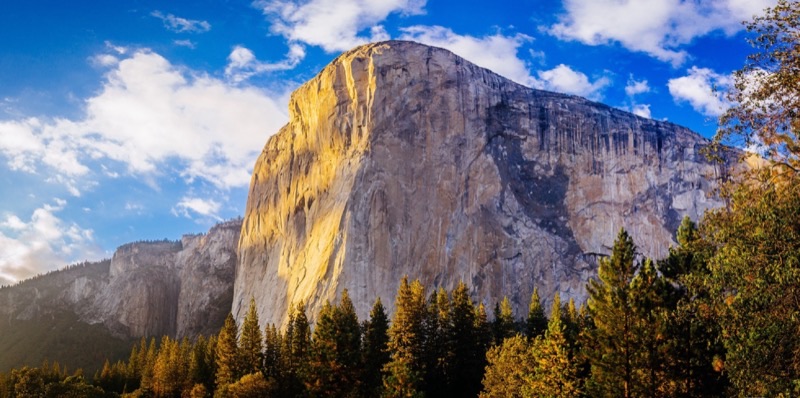
The USA offers an unparalleled diversity of natural environments. From the geysers of Yellowstone, the granite cliffs of Yosemite, the canyons of Zion, to the redwood forests of California, there are 63 national parks and hundreds of state parks. Activities include extensive hiking, rafting, climbing, skiing, and wildlife viewing. Access is often easier, with well-maintained roads and trails, but the sheer scale means often needing a car. While not reaching the same extreme altitudes as Nepal, areas like the Rocky Mountains or the Sierra Nevada provide challenging mountain experiences. The tabiji verdict: Both destinations offer distinct, incredible natural experiences, appealing to different types of outdoor enthusiasts.
- Winner: Tie
- Why: Both countries offer distinct, incredibly powerful natural experiences that cater to different preferences for scale and accessibility.
- Who this matters for: Anyone who prioritizes outdoor activity, from extreme mountaineers to casual hikers and scenic drivers.
🗿 Culture & History
Nepal offers an immersion into ancient traditions, primarily Hindu and Buddhist. Kathmandu Valley alone holds several UNESCO World Heritage Sites like Kathmandu Durbar Square,…
Nepal
Usa
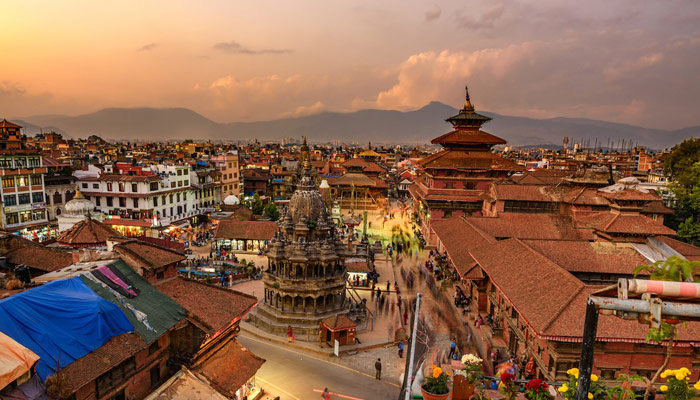
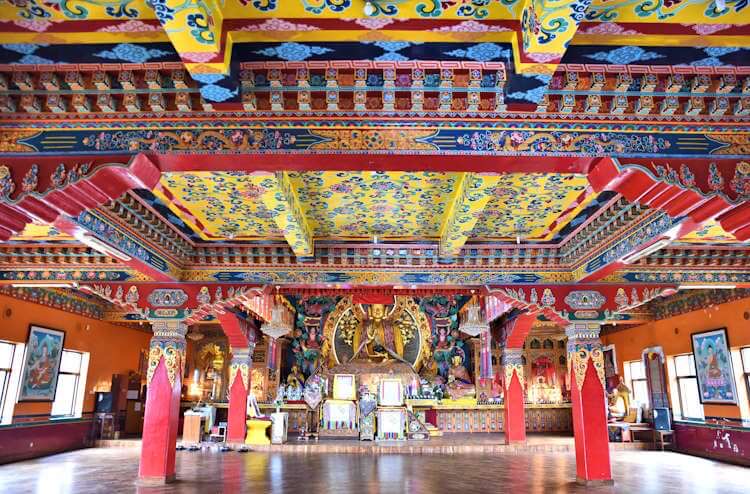
Nepal offers an immersion into ancient traditions, primarily Hindu and Buddhist. Kathmandu Valley alone holds several UNESCO World Heritage Sites like Kathmandu Durbar Square, Swayambhunath (Monkey Temple), and Boudhanath Stupa, where spiritual practices are still actively observed daily. You can witness cremations at Pashupatinath Temple, explore medieval palaces, and walk through narrow alleys filled with small shrines. Village life in the Himalayas provides a look at traditional farming and community structures largely unchanged for centuries, offering profound interactions with local people. The culture is a living, breathing part of daily existence, not just something preserved in museums.
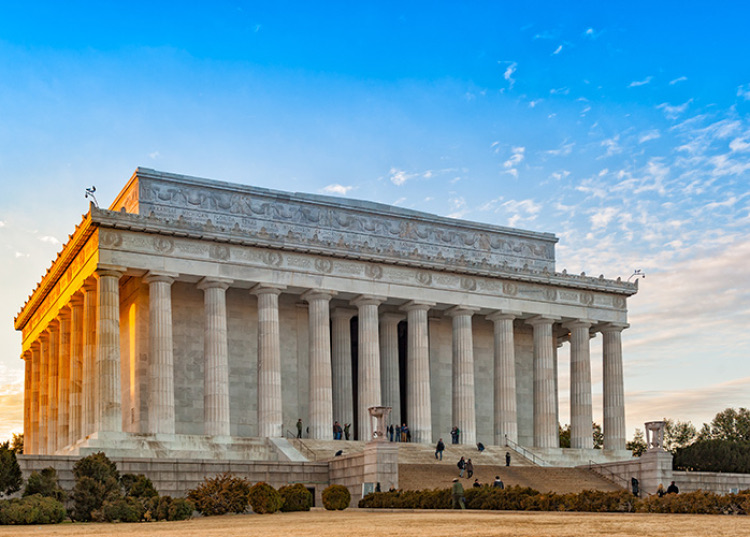
The USA's culture is a dynamic mix, largely influenced by immigration and its relatively short history as a nation. Historical sites range from colonial-era buildings in Boston and Philadelphia to Civil War battlefields and Native American heritage sites. Major cities like New York, New Orleans, and San Francisco present distinct cultural pockets, each with its own traditions in music, food, and art. Museums like the Smithsonian in Washington D.C. or the Metropolitan Museum of Art in NYC house vast collections covering global and American history. However, cultural immersion often requires seeking out specific communities or events, rather than it being an omnipresent daily experience. The tabiji verdict: For travelers seeking profound, ancient, and deeply spiritual cultural immersion, Nepal offers a more immediate and pervasive experience.
- Winner: Nepal
- Why: Nepal provides an immediate and profound immersion into ancient, living spiritual and historical traditions.
- Who this matters for: Culture enthusiasts, history buffs, spiritual seekers, and travelers interested in traditional ways of life.
🍜 Food & Drink
Nepalese cuisine is hearty and functional, especially relevant for trekkers. Dal Bhat, a lentil soup, rice, and vegetable curry combination, is the national dish, often refilled…
Nepal
Usa
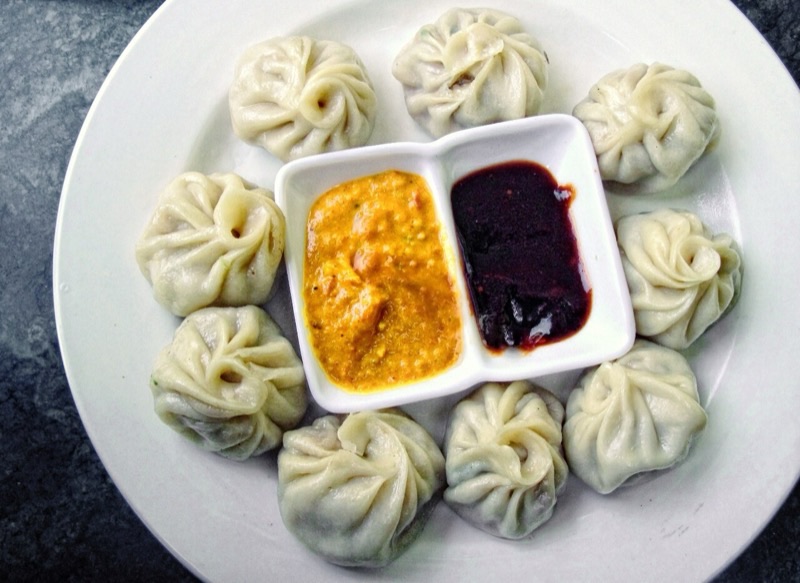
Nepalese cuisine is hearty and functional, especially relevant for trekkers. Dal Bhat, a lentil soup, rice, and vegetable curry combination, is the national dish, often refilled for free in tea houses. Momos (dumplings) are another staple, available with various fillings. Other common dishes include Thukpa (noodle soup), Aloo Gobi, and various curries. The food is generally fresh, vegetarian-friendly, and simple. In tourist areas like Thamel, Kathmandu, you'll find some international options, but the strength lies in local, affordable, and often repetitive fare. Drinks are mostly tea, local beers like Everest or Gorkha, and bottled water.
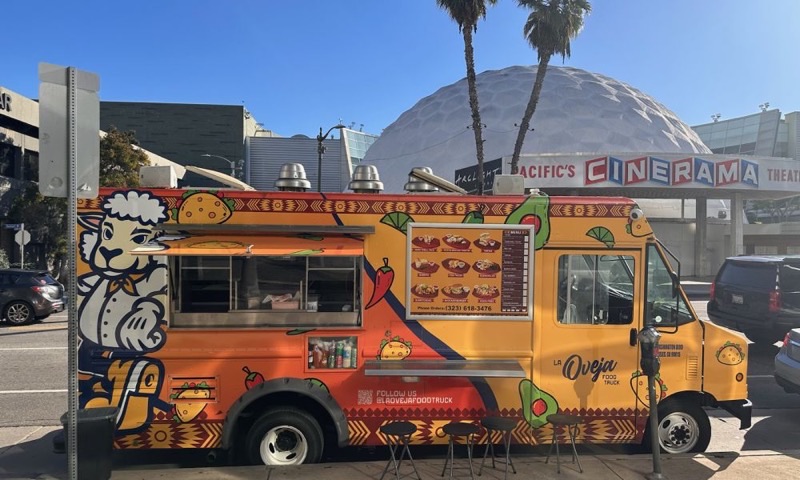
The USA's food scene is incredibly varied. From regional specialties like New York-style pizza, Texas BBQ, Louisiana Creole, and Californian farm-to-table cuisine to a huge range of international options in any major city, the choices are extensive. You can find Michelin-starred restaurants, diverse street food, classic diners, and every fast-food chain imaginable. Food trucks in cities like Portland or Austin offer gourmet options at lower prices. Craft beer, wine regions (Napa Valley), and creative cocktail bars are also prevalent. The tabiji verdict: While Nepal offers satisfying local fare, the USA's culinary diversity and quality are in a different league, making it the winner for food lovers.
- Winner: Usa
- Why: The USA boasts a significantly more diverse and high-quality culinary landscape, catering to all tastes and budgets.
- Who this matters for: Foodies, gourmands, and anyone who wants a wide range of dining experiences.
✈️ Getting There
Getting to Nepal typically involves long-haul flights, often 15-20+ hours from Europe or North America, with at least one layover in a major Asian or Middle Eastern hub like Doha…
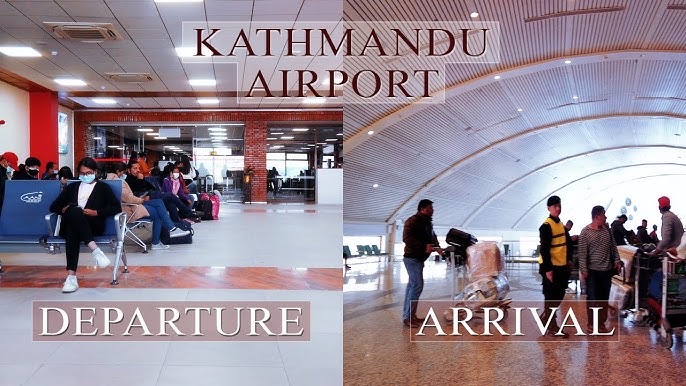
Nepal
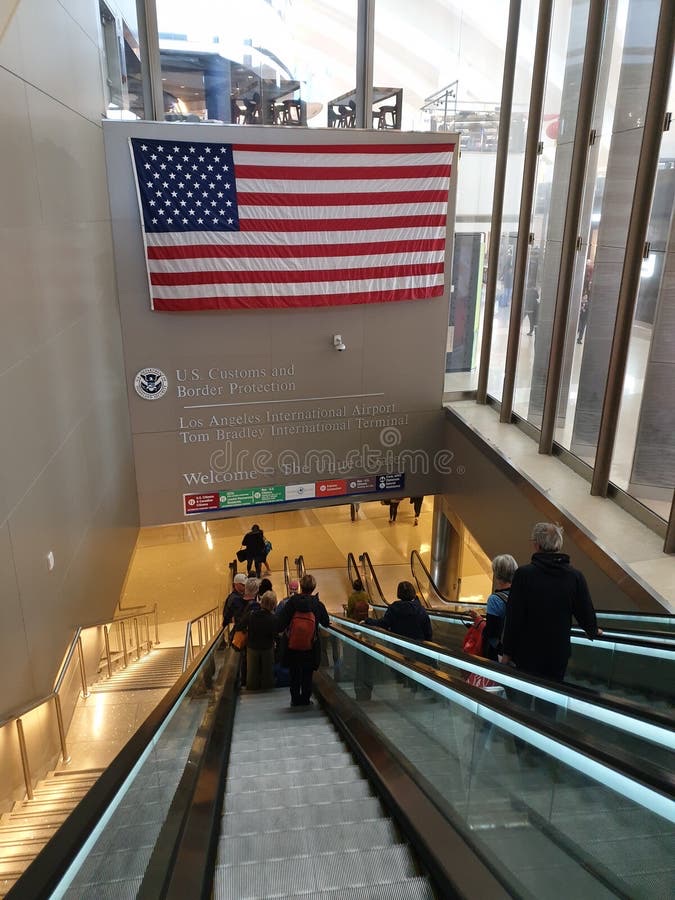
Usa
Getting to Nepal typically involves long-haul flights, often 15-20+ hours from Europe or North America, with at least one layover in a major Asian or Middle Eastern hub like Doha (Qatar Airways), Dubai (Emirates), Istanbul (Turkish Airlines), or Delhi (various Indian carriers). Tribhuvan International Airport (KTM) in Kathmandu is the primary entry point. Flight costs can range from $800-1500+ depending on origin and season. Travel within Nepal often involves small domestic flights to places like Lukla (for Everest treks) or Pokhara, which can be weather-dependent and require booking in advance.
The USA has a vast and well-connected air travel system. Major international airports like LAX, JFK, O'Hare, and Atlanta serve as hubs with numerous direct flights from almost anywhere in the world. Flight times from Europe range from 7-10 hours, and from East Asia, 10-14 hours. Domestic flights are frequent and generally reliable, though can be expensive. Prices for international flights to the USA vary widely, from $500-1200+ for economy round trip, with internal flights often $100-400 for shorter distances. The tabiji verdict: The USA is significantly easier and more convenient to access due to its extensive direct flight network and more stable domestic travel infrastructure.
- Winner: Usa
- Why: The USA offers far more direct international flight options and a more extensive, reliable domestic air travel network.
- Who this matters for: Travelers prioritizing convenience, shorter travel times, and seamless connections.
🚌 Getting Around
In Nepal, getting around means embracing local transport. Buses are cheap (e.g., Kathmandu to Pokhara, $7-10 / 900-1,300 NPR) but often crowded, slow, and on rough roads. Shared…
In Nepal, getting around means embracing local transport. Buses are cheap (e.g., Kathmandu to Pokhara, $7-10 / 900-1,300 NPR) but often crowded, slow, and on rough roads. Shared jeeps are common for reaching trekking trailheads. Taxis are readily available in cities but require bargaining. For scenic or faster travel, domestic flights connect major hubs like Kathmandu, Pokhara, and Lukla, though these are on small aircraft and can be prone to delays due to weather. Outside of urban centers, much of the travel is by foot, especially during treks. The infrastructure is basic but functional for patient travelers.
The USA is built for cars. Renting a car is almost essential for exploring national parks and rural areas, with daily rates typically $40-80 (before fuel). Highways are extensive and well-maintained. Major cities like New York, San Francisco, and Chicago have good subway/bus systems, but public transport between cities is limited, expensive (Amtrak train tickets can be costly), and slower than driving or flying. Ride-sharing services like Uber/Lyft are common. While the USA offers less 'adventure' in its transport, it offers unparalleled freedom and convenience for covering large distances. The tabiji verdict: The USA wins for its efficient, extensive, and comfortable transportation infrastructure, especially for independent exploration.
- Winner: Usa
- Why: The USA's infrastructure for self-driven travel and intercity movement is vastly more developed and convenient.
- Who this matters for: Travelers who value independence, comfort, and covering large distances efficiently, especially families and groups.
🛌 Accommodation
Nepal's accommodation primarily consists of guesthouses and tea houses, especially outside Kathmandu and Pokhara. Rooms are typically basic, with shared or simple private…
Nepal's accommodation primarily consists of guesthouses and tea houses, especially outside Kathmandu and Pokhara. Rooms are typically basic, with shared or simple private bathrooms, often without heating, costing $15-30 (2,000-4,000 NPR) per night. During treks, tea houses offer even simpler rooms, sometimes free with a meal purchase. In major cities, mid-range hotels can be found for $40-80, and some luxury resorts exist, but they are fewer and farther between. Expect simpler amenities, occasional power outages, and a focus on functionality over frills.
The USA offers a spectrum of accommodation types. Budget motels (e.g., Motel 6, Super 8) can be found for $70-120 outside major cities. Mid-range hotels (e.g., Holiday Inn, Hampton Inn) typically cost $120-250. High-end luxury hotels and resorts are plentiful in cities and tourist areas, easily exceeding $300+. Vacation rentals (Airbnb, Vrbo) are also popular, offering homes or apartments. Standards of cleanliness, amenities, and service are generally high and consistent across chains. The tabiji verdict: For sheer variety, reliability, and comfort across all price points, the USA's accommodation infrastructure is superior.
- Winner: Usa
- Why: The USA provides a broader range of reliable, comfortable, and well-serviced accommodation options at various price points.
- Who this matters for: Travelers who prioritize comfort, predictable standards, and diverse lodging choices beyond basic guesthouses.
🩹 Safety & Health
Nepal is generally safe for tourists, particularly outside of political protests. The main safety concerns are natural risks and altitude sickness during treks. Trekkers must…
Nepal is generally safe for tourists, particularly outside of political protests. The main safety concerns are natural risks and altitude sickness during treks. Trekkers must acclimatize properly, recognize symptoms, and descend if necessary; helicopter evacuations are common but costly. Road safety is a significant issue due to poor road conditions, overloaded vehicles, and aggressive driving; long bus journeys carry risks. Food and water hygiene require vigilance; stick to bottled water or purified sources, and eat at reputable places to avoid stomach issues. Basic medical facilities are available in cities, but serious conditions often require evacuation to better hospitals or home.
The USA is generally very safe for travelers. Major concerns are petty crime in urban areas (pickpocketing) and property crime (car break-ins), similar to other developed nations. Gun violence, while a concern, rarely affects tourists directly in common travel areas. The road network is safe, though road trip fatigue can be an issue. Medical facilities are among the best in the world, but healthcare is extremely expensive; robust travel insurance is essential for any medical emergency. Food and water standards are high. The tabiji verdict: The USA offers a higher degree of predictable safety and access to high-quality healthcare, despite its own specific risks.
- Winner: Usa
- Why: The USA has generally safer infrastructure, lower natural hazard risks for general tourism, and superior medical facilities.
- Who this matters for: Travelers prioritizing personal safety, reliable infrastructure, and immediate access to advanced medical care.
🚶♀️ Solo Travel
Nepal is a top destination for solo travelers. Its trekking routes, particularly the Everest Base Camp and Annapurna circuits, naturally foster camaraderie among hikers.…
Nepal is a top destination for solo travelers. Its trekking routes, particularly the Everest Base Camp and Annapurna circuits, naturally foster camaraderie among hikers. Guesthouses and tea houses are designed for individual travelers, making it easy to meet fellow adventurers for company or to share guides/porters. The low cost of living allows solo travelers to extend their trips. While solo female travelers should exercise standard precautions, harassment is generally minimal. The focus on outdoor activity and self-reliance aligns well with the solo mindset, and the local people are generally welcoming and helpful, even if language can be a barrier.
The USA is also a suitable destination for solo travel due to its extensive infrastructure and safety. Road tripping alone through national parks or exploring cities independently is common. Hostels are available in major cities, but are less prevalent than in Europe or Asia. The biggest challenge for solo travelers in the USA is the cost, as many expenses (accommodation, car rental) are not easily shared. It can also feel isolating outside of social hostel environments, as many activities are geared towards couples or groups, and distances between social hubs can be large. The tabiji verdict: Nepal provides a more naturally social and budget-friendly environment for solo travelers seeking adventure and connection.
- Winner: Nepal
- Why: Nepal offers a more conducive environment for social interaction on a budget, especially for adventure-focused solo travelers.
- Who this matters for: Solo adventurers, budget backpackers, and those looking to connect with other travelers easily.
🤝 Local Interaction
In Nepal, local interaction is a fundamental part of the travel experience, especially outside of major tourist enclaves. On treks, you'll stay in family-run tea houses, sharing…
In Nepal, local interaction is a fundamental part of the travel experience, especially outside of major tourist enclaves. On treks, you'll stay in family-run tea houses, sharing meals and conversations with hosts, guides, and porters. 'Namaste' is a common greeting, and locals are often curious, kind, and open to sharing aspects of their daily life. While language barriers exist (Nepali is the official language, but many in tourist areas speak some English), gestures and smiles go a long way. These interactions often lead to memorable insights into Nepalese culture, family life, and the challenges and joys of Himalayan living, creating deeper connections than often found elsewhere.
In the USA, interactions with locals are generally polite and helpful, particularly in service industries. Americans are known for being friendly and conversational, but spontaneous deep connections are less common, especially in large, fast-paced cities. In rural areas or smaller towns, you might find more open and extended conversations. Road trips can sometimes feel isolating without specific planned interactions. While you'll certainly meet people and receive assistance, the cultural setup doesn't inherently push for the same level of intimate, daily interaction you might find in a Nepalese tea house or village. The tabiji verdict: Nepal offers a more pervasive and profound opportunity for genuine, daily local interactions that enrich the travel experience.
- Winner: Nepal
- Why: Nepal's travel style, especially trekking, fosters more frequent, genuine, and profound interactions with local communities.
- Who this matters for: Travelers prioritizing deep cultural immersion, personal connections, and understanding local life firsthand.
🎯 The Decision Framework
Choose Nepal If…
- You want multi-day high-altitude trekking.
- Your daily budget is under $80.
- You seek ancient spiritual and cultural immersion.
- You enjoy basic amenities and local living.
- You want to meet other backpackers easily.
- You are comfortable with less developed infrastructure.
- You want a truly raw, transformative adventure.
- You're interested in the world's highest mountains.
Choose Usa If…
- You want to explore vast national parks via road trip.
- You prioritize convenience and modern infrastructure.
- You have a daily budget of $150+.
- You want a wide variety of culinary experiences.
- You prefer predictable comfort in accommodation and transport.
- You want to experience diverse urban and natural landscapes.
- You value high standards of safety and medical care.
- You want to explore a country with extensive highways and diverse regions.
📅 Sample Itineraries
Weekend in Nepal (3 Days)
💡 To save money on transport, use local buses (around $0.50-$1 per ride) for inter-city travel within Kathmandu Valley instead of taxis, which can cost $5-10 per ride.
Weekend in Usa (3 Days)
💡 For navigating Los Angeles, consider purchasing a day pass for the Metro Rail and Bus system for $7, which is cheaper than multiple single rides at $1.75 each or constant rideshares.
One Week in Nepal (7 Days)
💡 Haggling is common in markets for souvenirs and even taxi fares. Aim to negotiate down by 20-30% from the initial quoted price to get a fair deal.
One Week in Usa (7 Days)
💡 For California road trips, booking accommodations outside major city centers like Santa Monica or downtown San Francisco can save $50-100 per night, especially if you have a rental car.
❓ Frequently Asked Questions
What's the typical flight time from the USA to Nepal?
Expect flight times from major US cities to Kathmandu (KTM) to be 18-24 hours, including one or two layovers in cities like Doha, Dubai, or Istanbul. There are no direct flights, so plan for a full day of travel.
How much does a week of trekking in Nepal cost?
A week of independent trekking in Nepal, including guesthouses, meals (like daily Dal Bhat at $3-7), permits ($20-50 per region), and basic expenses, can be done for $250-500. With a guide, expect $400-800+ depending on the route and services included.
Can I travel around the USA without renting a car?
In major cities like New York, San Francisco, or Chicago, extensive public transport makes a car unnecessary. However, exploring national parks or smaller towns outside city hubs almost always requires a car. Intercity train travel via Amtrak is an option but can be slow and expensive, often costing $50-150+ for a few hours.
What are the essential health precautions for Nepal?
Get recommended vaccinations, carry a water filter or use bottled water, eat at busy, reputable places, and be very aware of altitude sickness symptoms if trekking above 2,500 meters. Proper acclimatization is crucial, and travel insurance for emergencies is highly advisable.
Is solo female travel safe in both countries?
Both countries are generally safe for solo female travelers with standard precautions. In Nepal, common sense applies, especially at night or in remote areas; harassment is rare but possible. In the USA, major cities have typical urban risks, but overall it's safe. Always share your itinerary and use reliable transport.
What's the best time of year to visit Nepal for trekking?
The best times for trekking in Nepal are autumn (September to November) for clear skies and moderate temperatures, and spring (March to May) for rhododendron blooms and warmer weather before the monsoon. Avoid the monsoon season (June to August) due to rain and leeches.
What's a realistic daily budget for the USA?
For budget travelers staying in hostels, cooking, and using public transport, $100-150 per day is possible. A comfortable mid-range trip with hotels, some dining out, and a rental car will likely cost $200-350+ per day. Major cities like NYC or San Francisco will push these figures higher.
Can I hike in US National Parks without extreme fitness?
Yes, US National Parks offer trails for all fitness levels, from short, paved walks (e.g., easy paths in Yosemite Valley) to challenging multi-day backcountry treks. Many parks have accessible viewpoints and shorter loops that provide rewarding experiences without extreme physical exertion.
Ready to plan your next adventure?
Get a free custom itinerary for Nepal, Usa, or both — built from real traveler insights.
👥 Travelers Also Compared
🎟️ Book Tours & Experiences
Hand-picked tours and activities for both destinations — book with free cancellation
Experiences via Viator — free cancellation on most tours