How we built this comparison
This page combines traveler discussion patterns, published price ranges, flight schedules, and seasonal data to help you decide between Nicaragua and Panama.
- Reviewed 100+ Reddit threads from r/travel, r/solotravel, r/Nicaragua, r/Panama.
- Verified costs and logistics against current booking platforms like Booking.com, Hostelworld, Skyscanner.
- Cross-referenced seasonal patterns and weather data for optimal travel timing.
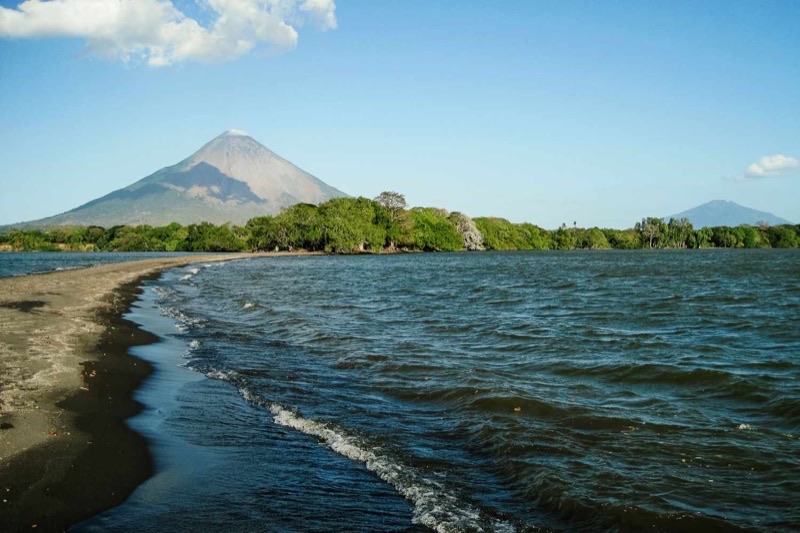
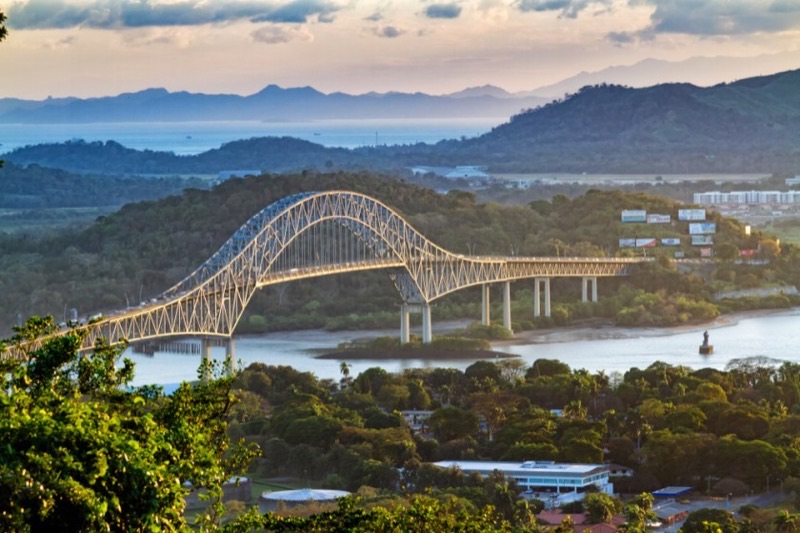
⚡ Quick Answers
⚡ The TL;DR Verdict
For most travelers seeking an affordable, immersive experience focused on nature and history without breaking the bank, Nicaragua is the clear choice, budgeting around $30-60 per day. If a higher budget ($60-120 daily) is not an issue and you prioritize modern amenities, diverse city life, and easier logistics, Panama delivers a more polished experience.
- Choose Nicaragua: Pick Nicaragua if you are a budget-conscious backpacker, a surfer, or someone who wants to experience a less developed, more authentic Central American country with volcanoes and colonial cities.
- Choose Panama: Choose Panama if you prefer modern infrastructure, city comforts, diverse cuisine, and a straightforward travel experience, especially for island hopping or seeing the Canal.
- Choose Both: Consider visiting both if you have 3-4 weeks and want to contrast the raw beauty of Nicaragua with the developed infrastructure of Panama, usually flying between them.
Choose Nicaragua
Choose Nicaragua if you're a budget-conscious adventurer yearning for raw beauty and authentic cultural immersion. It's best for backpackers and surfers eager to sandboard down active volcanoes near Leon, explore vibrant colonial cities like Granada, or catch waves in San Juan del Sur, all while enjoying incredibly low daily costs.
Choose Panama
Opt for Panama if you prioritize modern comforts, seamless travel, and a blend of urban sophistication with natural wonders. It’s ideal for those wanting to witness the engineering marvel of the Panama Canal, explore the historic charm of Casco Viejo, or enjoy island-hopping in Bocas del Toro, with a slightly higher budget for convenience.
📊 Visual Scorecard
🌤 When to Visit
Average high temperatures (°C). Green = best months, orange = avoid.
Quick Comparison
| Category | Nicaragua | Panama | Winner |
|---|---|---|---|
| Costs & Budget | Nicaragua offers significantly lower prices for accommodation, food, and activities, making it ideal for backpackers and long-term travelers. | Panama is comparatively more expensive, with costs similar to some parts of the US, especially in Panama City and popular tourist areas. | Nicaragua |
| Beaches & Coastlines | Nicaragua's Pacific coast is known for consistent surf breaks and laid-back beach towns like San Juan del Sur and Popoyo. | Panama offers a wider variety of beach experiences, from the Caribbean white sands of San Blas and Bocas del Toro to Pacific surf spots. | Panama |
| Nature & Outdoors | Nicaragua features accessible volcanoes, large freshwater lakes, and cloud forests, offering volcano hikes, boarding, and wildlife viewing. | Panama offers dense rainforests, marine parks, and extensive biodiversity, including the Darien Gap and Coiba National Park for diving. | Nicaragua |
| Culture & History | Nicaragua showcases a strong Spanish colonial heritage in cities like Granada and Leon, alongside indigenous roots and revolutionary history. | Panama's history is dominated by the Panama Canal, its indigenous groups, and the colonial Casco Viejo district in Panama City. | Nicaragua |
| Food & Drink | Nicaraguan cuisine relies on simple, hearty staples like gallo pinto, plantains, and grilled meats, with fresh seafood on the coasts. | Panama offers a more diverse culinary scene, especially in Panama City, with international influences, fresh seafood, and higher-end dining. | Panama |
| Nightlife & Entertainment | Nicaragua's nightlife is centered around backpacker bars in San Juan del Sur and local spots in Leon and Granada. | Panama City offers a developed nightlife with diverse clubs, bars, and casinos, while Bocas del Toro has a prominent party scene. | Panama |
| Safety & Security | Nicaragua has improved but still carries some perception of political instability and higher petty crime rates, especially in urban areas. | Panama is generally considered one of the safer countries in Central America, with lower crime rates, though petty crime exists in tourist zones. | Panama |
| Getting Around | Nicaragua relies on chicken buses and shared shuttles, which are inexpensive but can be slow and less comfortable. | Panama has more developed public transport, including a metro in Panama City, reliable long-distance buses, and easier rental car options. | Panama |
| Accommodation | Nicaragua excels in budget-friendly hostels, surf camps, and charming guesthouses, with few luxury options. | Panama offers a wider range of accommodation, from luxury hotels in Panama City to eco-lodges and island bungalows, alongside standard hostels. | Tie |
| Digital Nomads & Solo Travel | Nicaragua is popular with solo backpackers and offers a lower cost of living, but internet can be slower and infrastructure less developed. | Panama offers better infrastructure, reliable internet, and more co-working spaces, though at a higher cost of living. | Nicaragua |
💰 Costs & Budget
Nicaragua is one of Central America's most budget-friendly destinations. A daily budget of $30-60 USD (1,000-2,000 NIO) covers hostel dorms (e.g., Bigfoot Hostel in Leon for…

Nicaragua

Panama
Nicaragua is one of Central America's most budget-friendly destinations. A daily budget of $30-60 USD (1,000-2,000 NIO) covers hostel dorms (e.g., Bigfoot Hostel in Leon for $10/night or 360 NIO), local meals (a 'fritanga' plate for $3-5 or 100-180 NIO), and local transportation. A private room in a mid-range hotel might cost $30-50 (1,100-1,800 NIO). Activities like volcano boarding at Cerro Negro are around $30 (1,100 NIO), including transport.
Panama's costs are noticeably higher. Expect to spend $60-120 USD daily. Hostel dorms in Panama City (e.g., Luna's Castle in Casco Viejo) are $15-25, while mid-range hotels cost $60-100. A meal at a casual restaurant costs $8-15, and a craft beer is $4-6. The Panama Canal entrance is $20. Transport within Panama City via Metro or taxi starts around $1.50-5. For island trips to Bocas del Toro or San Blas, budgets can easily increase to $150-200 per day due to boat transfers and tours. Nicaragua wins for travelers watching their wallets.
- Winner: Nicaragua
- Why: Nicaragua provides a much lower cost of living and travel, making it accessible for extended stays and tighter budgets.
- Who this matters for: Budget travelers, backpackers, and those seeking extended trips without high expenses.
🏖️ Beaches & Coastlines
Nicaragua's beaches are primarily on the Pacific side, catering strongly to surfers. San Juan del Sur is the most developed beach town, with various surf breaks nearby such as…
Nicaragua
Panama
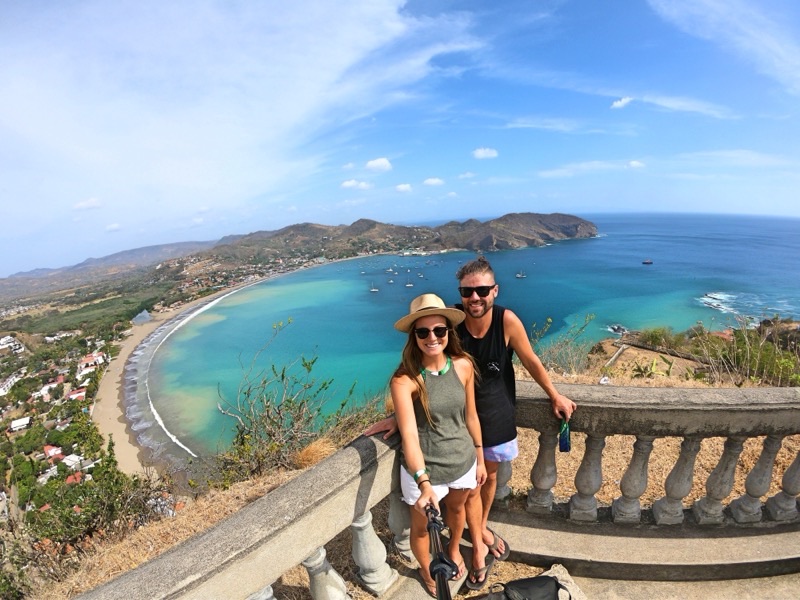
Nicaragua's beaches are primarily on the Pacific side, catering strongly to surfers. San Juan del Sur is the most developed beach town, with various surf breaks nearby such as Playa Maderas. Popoyo and Las Salinas offer more remote, advanced surfing conditions. The Corn Islands (Big Corn and Little Corn) on the Caribbean side provide clear waters and a relaxed pace, but require an internal flight and boat transfer, making them less accessible than mainland beaches. Accommodation in San Juan del Sur ranges from $15 hostel beds to $100+ hotel rooms, while Popoyo offers similar ranges, often with surf camps.
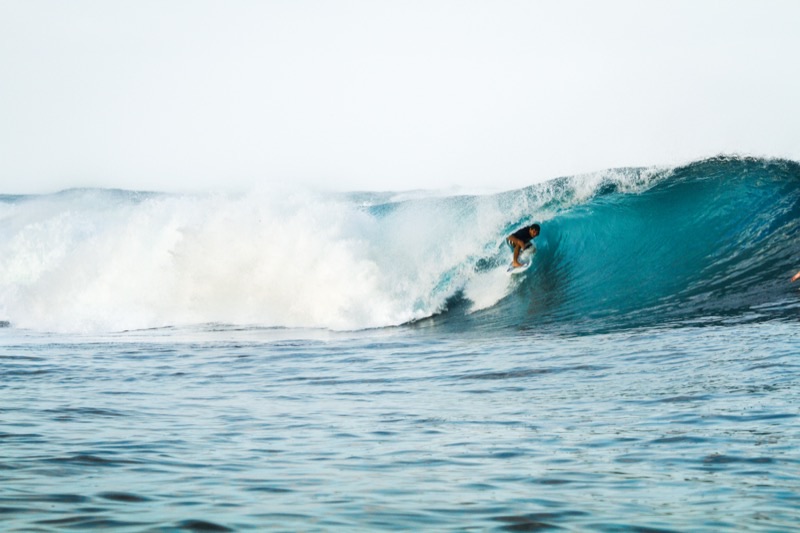
Panama presents a more diverse beach offering across two coastlines. The Caribbean side boasts the San Blas Islands, controlled by the Guna Yala indigenous people, with hundreds of tiny islets featuring white sand and clear, calm waters. Bocas del Toro, an archipelago, has a mix of party beaches, surf spots (e.g., Playa Bluff), and calm snorkeling areas. On the Pacific, Pedasi and Santa Catalina are known for surfing and access to Coiba National Park, an excellent dive spot. Getting to San Blas often involves a 4x4 and boat transfer costing around $150-200 for a 2-night package, while Bocas del Toro is accessible via internal flights or overnight buses. Panama wins for its broader range of beach environments and access to both major oceans.
- Winner: Panama
- Why: Panama's dual coastlines and archipelagos offer more diverse beach experiences, from remote Caribbean islands to Pacific surf hubs.
- Who this matters for: Beach lovers, snorkelers, divers, and those seeking varied coastal scenery beyond just surf.
⛰️ Nature & Outdoors
Nicaragua is defined by its volcanoes and lakes. You can hike active volcanoes like Masaya (night tours are $10-20) or Mombacho (guided hikes $25-40). Cerro Negro offers volcano…
Nicaragua
Panama
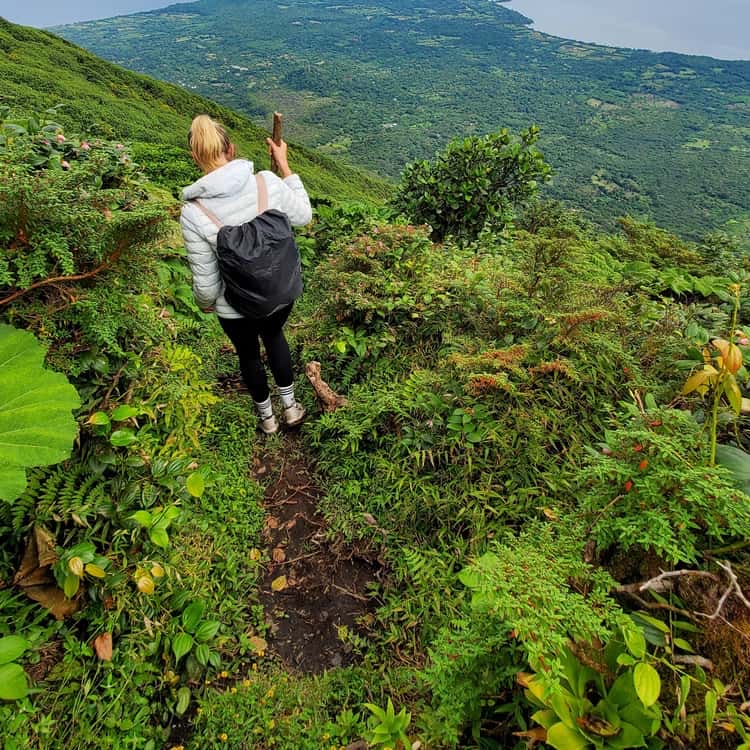
Nicaragua is defined by its volcanoes and lakes. You can hike active volcanoes like Masaya (night tours are $10-20) or Mombacho (guided hikes $25-40). Cerro Negro offers volcano boarding for around $30. Lake Nicaragua, the largest in Central America, has Ometepe Island, formed by two volcanoes, Concepción and Maderas, which are popular for hiking ($20-30 for a guide). The north has coffee regions and cloud forests near Matagalpa and Jinotega, with opportunities for birdwatching and rural stays. The Rio San Juan offers river safaris for wildlife spotting. Accessibility to these sites is generally straightforward via local buses or shared shuttles.
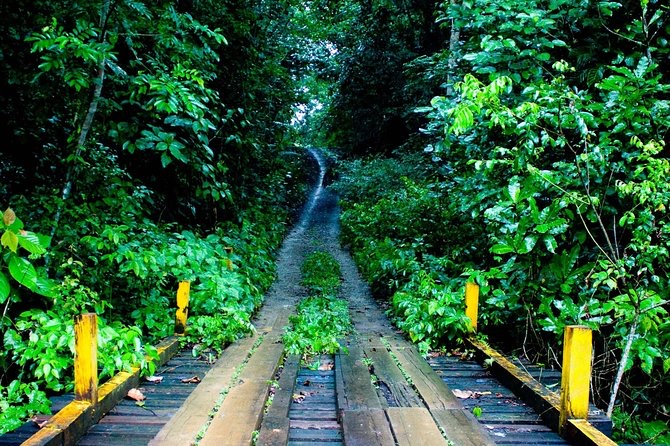
Panama's nature is characterized by rainforests and marine life. Soberania National Park, near Panama City, provides easy access to birdwatching and sloths. The Darien Gap, while a place of extreme biodiversity, is largely inaccessible and unsafe for tourists. Coiba National Park is a marine protected area known for world-class diving with sharks and diverse fish, accessible via boat trips from Santa Catalina ($90-150 for a day trip). Boquete, in the highlands, offers coffee tours, hiking, and white-water rafting. While Panama has impressive biodiversity, Nicaragua's accessible and iconic geological features like active volcanoes give it an edge for direct, hands-on natural experiences. Nicaragua wins for its dramatic, accessible natural features.
- Winner: Nicaragua
- Why: Nicaragua's accessible volcanoes, crater lakes, and large freshwater lake system provide more distinct and engaging natural experiences.
- Who this matters for: Adventure seekers, hikers, volcano enthusiasts, and those wanting direct interaction with geological features.
🏛️ Culture & History
Nicaragua's colonial cities are central to its cultural identity. Granada, with its pastel-colored buildings, horse-drawn carriages, and central park, feels preserved in time.…
Nicaragua
Panama
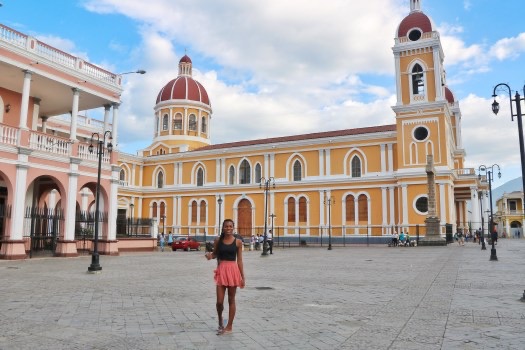
Nicaragua's colonial cities are central to its cultural identity. Granada, with its pastel-colored buildings, horse-drawn carriages, and central park, feels preserved in time. Leon offers a more gritty, intellectual atmosphere, known for its revolutionary murals and the largest cathedral in Central America (climb its roof for $3-5). The indigenous markets in Masaya offer handicrafts and insights into local traditions. Nicaragua's history is also marked by revolution and political struggles, visible in museums and memorials throughout Leon. Walking tours in Granada or Leon typically cost $10-20, offering context to the architecture and events. The country maintains a strong sense of its unique identity.
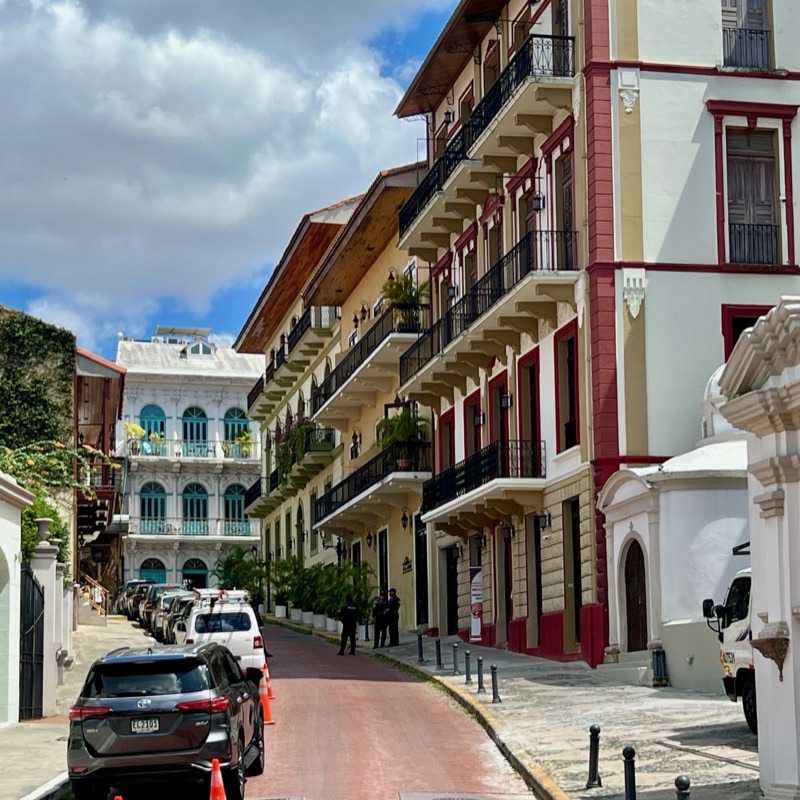
Panama's cultural narrative often revolves around the Panama Canal, an engineering marvel (Miraflores Locks visitor center $20). Casco Viejo, Panama City's colonial quarter, has been revitalized with historic buildings, churches, and plazas, though it feels more curated than authentic. The Embera indigenous villages in Chagres National Park offer cultural tours ($70-100), providing a glimpse into traditional life, though some find them overly touristy. While Casco Viejo is charming, and the Canal is historically significant, Nicaragua's colonial cities offer a more pervasive and accessible historical experience that feels less like a tourist precinct. Nicaragua wins for its depth of easily accessible colonial history and revolutionary spirit.
- Winner: Nicaragua
- Why: Nicaragua's well-preserved colonial cities, revolutionary history, and everyday cultural presence offer a deeper dive into Central American heritage.
- Who this matters for: History buffs, architecture enthusiasts, and those interested in understanding regional political and cultural narratives.
🍽️ Food & Drink
Nicaraguan food is wholesome and often fried. Gallo pinto (rice and beans) is a staple, served with eggs, plantains, or meat for breakfast. 'Fritangas' are street stalls serving…
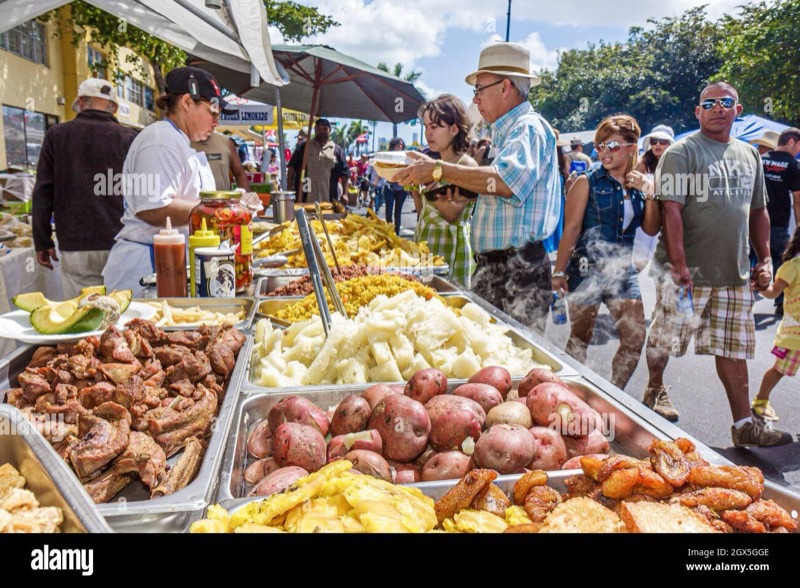
Nicaragua
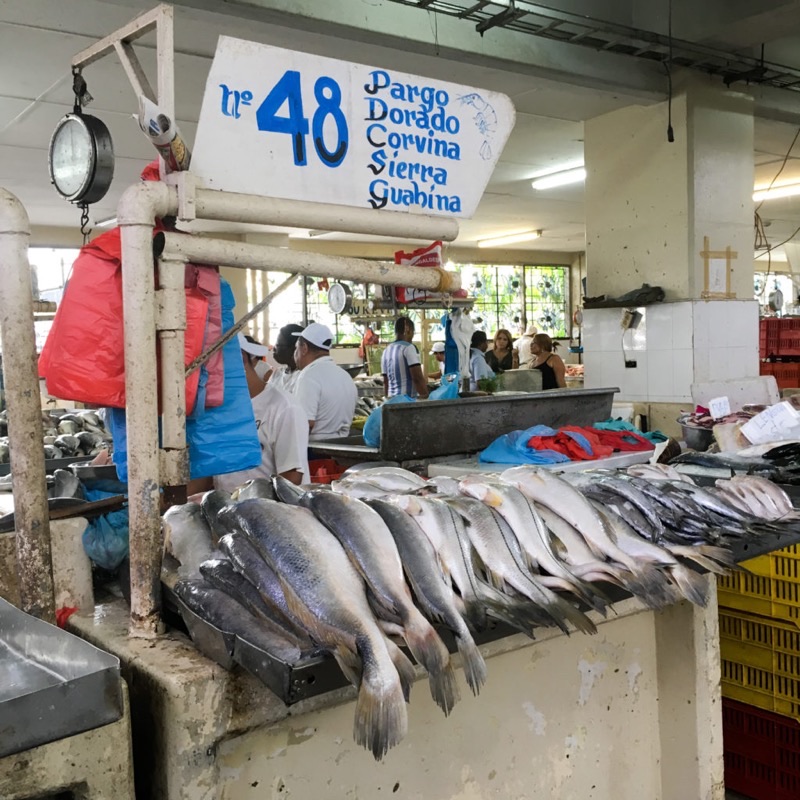
Panama
Nicaraguan food is wholesome and often fried. Gallo pinto (rice and beans) is a staple, served with eggs, plantains, or meat for breakfast. 'Fritangas' are street stalls serving grilled pork ('carne asada'), chicken, plantains, and salads for around $3-5 (100-180 NIO). Indulge in 'vigorón' in Granada (yucca, chicharron, cabbage salad) for $2-4. Seafood is good and inexpensive on the coasts, especially in San Juan del Sur. While tasty, the cuisine can be repetitive for extended stays, and vegetarian options beyond rice and beans are sometimes limited. Upscale dining is uncommon outside of a few tourist hubs.
Panama’s food scene is more varied and sophisticated, particularly in Panama City. Casco Viejo and El Cangrejo have a selection of restaurants offering international cuisine, fusion dishes, and modern Panamanian food. Expect fresh seafood, ceviche, and Caribbean influences, especially in coastal towns and Bocas del Toro. Try 'sancocho' (chicken soup) or 'ropa vieja' (shredded beef). Street food like 'empanadas' or 'carimañolas' are around $1-2. A good meal in a mid-range Panama City restaurant might cost $15-30. Craft beer scenes are developing in Panama City. For culinary diversity, quality ingredients, and a broader range of dining experiences from street food to fine dining, Panama is the clear preference. Panama wins for its wider culinary range and higher quality dining experiences.
- Winner: Panama
- Why: Panama, particularly Panama City, offers greater culinary diversity, international options, and higher-quality dining experiences.
- Who this matters for: Foodies, those who appreciate a variety of dining options, and travelers seeking international flavors.
nightlife Nightlife & Entertainment
Nicaragua's nightlife is more casual and concentrated in specific areas. San Juan del Sur is a prominent party town, with a large Sunday Funday pool crawl ($30-40) and various…
Nicaragua's nightlife is more casual and concentrated in specific areas. San Juan del Sur is a prominent party town, with a large Sunday Funday pool crawl ($30-40) and various bars along the beach. Leon and Granada have smaller, local bars and a few tourist-oriented spots where you can find cheap beer (around $1-2 for a local Toña or Victoria). Live music is present but not as prevalent as in larger cities. The vibe is relaxed and focuses on social interaction among backpackers. Options thin out quickly outside these main hubs, and activities are generally low-key.
Panama City provides a much more expansive and diverse nightlife. Casco Viejo is filled with rooftop bars, speakeasies, and dance clubs that stay open late (cover charges $10-20). The banking district also has modern clubs and casinos. Beer prices range from $3-6 for local brews. Outside the capital, Bocas del Toro is a popular party destination with overwater bars (e.g., Aqua Lounge) and clubs that cater to a younger crowd. The options in Panama City are comparable to larger international cities, offering everything from sophisticated cocktail lounges to energetic dance floors. Panama's urban centers and popular islands offer a more developed and varied nightlife. Panama wins for its scale, variety, and sophistication of nightlife.
- Winner: Panama
- Why: Panama offers a broader, more developed, and diverse nightlife scene, particularly in Panama City, with options ranging from upscale clubs to lively island bars.
- Who this matters for: Party-goers, urban explorers, and those seeking varied entertainment options after dark.
🛡️ Safety & Security
Nicaragua experienced significant political unrest in 2018, which led to a tourism downturn. While the country has stabilized, the political climate remains a consideration. Petty…
Nicaragua experienced significant political unrest in 2018, which led to a tourism downturn. While the country has stabilized, the political climate remains a consideration. Petty crime, such as pickpocketing and bag snatching, is a concern in crowded areas like markets and bus terminals in cities like Managua, Granada, and Leon. Avoid walking alone at night in less populated areas. Taxis should be official. Violent crime against tourists is less common but can occur. Travelers report feeling safe in major tourist hubs but recommend exercising general caution, especially with valuables. Staying aware of local news is prudent. Overall, it's safe if you are aware, but requires more vigilance.
Panama is generally regarded as one of the safer Central American nations. Panama City is a relatively safe capital, especially in areas like Casco Viejo, El Cangrejo, and the banking district, though petty theft can occur in crowded areas. Avoid certain neighborhoods outside the tourist zones, particularly at night. The Darien Gap region bordering Colombia is dangerous and should be avoided by tourists. Public transport, including the Metro, is safe for use. While no country is without risk, Panama's infrastructure and overall stability contribute to a feeling of greater security for travelers. Panama wins for its generally lower crime rates and a more stable environment for tourists.
- Winner: Panama
- Why: Panama has a stronger reputation for safety and stability, providing a more relaxed travel experience for most visitors.
- Who this matters for: Solo travelers, families, and those who prioritize peace of mind and lower perceived risk.
🚌 Getting Around
Getting around Nicaragua is an experience in itself. 'Chicken buses' (former US school buses) are the cheapest and most common way to travel between towns, costing $1-5 for…
Getting around Nicaragua is an experience in itself. 'Chicken buses' (former US school buses) are the cheapest and most common way to travel between towns, costing $1-5 for intercity routes (e.g., Leon to Granada is about $2-3 or 70-100 NIO). They are slow, often crowded, but offer a glimpse into local life. Shared shuttles are faster and more convenient for tourist routes (e.g., San Juan del Sur to Granada $20-25). Taxis are common in cities. Roads can be in varying conditions, especially off main highways. Public transport to remote beaches or the Caribbean coast can be lengthy and involve multiple transfers, like the journey to the Corn Islands which includes a flight and boat.
Panama offers a more modern and efficient transportation network. Panama City has the only metro system in Central America, which is clean, efficient, and cheap (0.35 USD per ride with a rechargeable card). Long-distance buses are comfortable and air-conditioned, connecting major cities like Panama City, David, and Boquete. Rental cars are readily available and roads are generally in better condition than Nicaragua, although traffic in Panama City can be heavy. Flights to Bocas del Toro or David are a quick and popular option. The relative ease and comfort of getting around Panama make it a less stressful logistical experience. Panama wins for its superior infrastructure and variety of transport options.
- Winner: Panama
- Why: Panama provides more reliable, comfortable, and efficient transportation options, including a modern metro system and better roads.
- Who this matters for: Travelers prioritizing comfort and speed, those who dislike cramped public transport, and families.
🏠 Accommodation
Nicaragua is a paradise for budget travelers. Hostels are plentiful and affordable, often with good amenities like pools and social areas (e.g., The Peace Project in San Juan del…
Nicaragua is a paradise for budget travelers. Hostels are plentiful and affordable, often with good amenities like pools and social areas (e.g., The Peace Project in San Juan del Sur for $10-15 dorms). You can find private rooms in guesthouses for $25-40 in cities like Granada or Leon. Surf camps along the Pacific coast combine accommodation with lessons for around $50-100 per night. Mid-range hotels are available but luxury options are limited outside a few boutique properties. The value for money is high, and it's easy to find comfortable, clean places at low prices. Air conditioning is not always standard, especially in budget options.
Panama caters to a broader spectrum. Panama City has an abundance of international hotel chains, luxury high-rises, and boutique hotels in Casco Viejo (e.g., Hotel La Compañía for $150-300+). Hostels are also available, particularly in Casco Viejo and El Cangrejo (e.g., Selina Casco Viejo for $20-30 dorms). Outside the capital, eco-lodges in Boquete, overwater bungalows in Bocas del Toro, and rustic cabanas in San Blas provide varied experiences. While Panama has more luxury and mid-range options, Nicaragua offers better value for budget and mid-range travelers. It's a tie as each excels in a different segment: Nicaragua for budget and authentic stays, Panama for luxury and variety. It depends on your budget and preference for comfort.
- Winner: Tie
- Why: Nicaragua offers superior value for budget and mid-range travelers, while Panama excels in luxury and diverse upscale options, balancing out the category.
- Who this matters for: All travelers; budget-focused will prefer Nicaragua, luxury-focused will prefer Panama.
💻 Digital Nomads & Solo Travel
Nicaragua is a strong contender for solo travelers and budget-conscious digital nomads. The low cost of living means you can stretch your budget further, with rent for a simple…
Nicaragua is a strong contender for solo travelers and budget-conscious digital nomads. The low cost of living means you can stretch your budget further, with rent for a simple apartment outside tourist centers around $200-400 per month. There is an established backpacker trail, making it easy to meet other solo travelers in places like San Juan del Sur, Leon, and Granada. While co-working spaces are limited, many hostels and cafes offer decent Wi-Fi. The slower pace of life and focus on outdoor activities creates a strong community feel. However, internet speeds can be inconsistent outside major cities, and power outages are not uncommon. It is also generally less expensive to take a taxi or shuttle than in Panama. The social aspect and affordability make it very attractive for those traveling alone.
Panama appeals to digital nomads seeking better infrastructure and amenities. Panama City has several co-working spaces (e.g., Workings at $15-25 for a day pass) and reliable, faster internet. The higher cost of living means apartment rentals in desirable areas can be $800-1,500+ per month. While there's a growing expat community, it can be harder to connect with other travelers outside of specific hostels or events, especially for solo backpackers focused on budget travel. Panama offers more creature comforts but lacks the close-knit, backpacker community feel of Nicaragua. For solo travelers, especially those prioritizing social connections and budget over high-tech infrastructure, Nicaragua is a better fit. Nicaragua wins for its affordability and strong solo traveler community.
- Winner: Nicaragua
- Why: Nicaragua's low costs, easy social scene, and strong backpacker trail create an ideal environment for solo travelers and budget-focused digital nomads.
- Who this matters for: Solo backpackers, budget digital nomads, and those prioritizing community and affordability over high-end amenities.
🎯 The Decision Framework
Choose Nicaragua If…
- You want to spend under $60 USD per day for food, lodging, and activities.
- You are a surfer seeking consistent Pacific waves and laid-back beach towns.
- You are excited to hike active volcanoes and try volcano boarding.
- You want to explore well-preserved colonial cities with authentic local life.
- You enjoy connecting with other backpackers on a well-worn trail.
- You prefer a less developed, more 'raw' travel experience in Central America.
- You are comfortable with slower, less predictable public transport.
- You value meeting locals and practicing Spanish in everyday interactions.
Choose Panama If…
- You prefer modern infrastructure and reliable services, even at a higher cost.
- You want a diverse culinary scene with international options and good seafood.
- You enjoy a vibrant city nightlife with clubs, bars, and rooftop lounges.
- You prioritize safety and political stability in your travel choices.
- You want to visit world-class marine parks for diving and snorkeling (Coiba).
- You are keen to experience the engineering marvel of the Panama Canal.
- You plan to explore diverse beach types, from Caribbean islands to Pacific surf.
- You prefer easier, more comfortable travel logistics and internal flights.
📅 Sample Itineraries
Weekend in Nicaragua (3 Days)
💡 For local transport savings, always opt for chicken buses between cities; a ride from Granada to Managua costs around $2.
Weekend in Panama (3 Days)
💡 Purchase a Metro card for $2 (plus credit) to use the Panama City Metro and Metrobuses, saving on taxi fares within the city.
One Week in Nicaragua (7 Days)
💡 When in Granada, visit the ChocoMuseo for a free tour and learn about chocolate making, often offering samples and affordable treats.
One Week in Panama (7 Days)
💡 In Bocas del Toro, negotiate prices for boat tours directly with local captains at the main dock on Isla Colón for potentially better deals than through tour operators.
❓ Frequently Asked Questions
Which country is cheaper, Nicaragua or Panama?
Nicaragua is significantly cheaper than Panama. A comfortable backpacker budget in Nicaragua is $30-60 USD per day, covering hostel beds, local meals, and transport. In Panama, expect to spend $60-120 USD daily for similar travel styles, with city prices often higher.
Is Nicaragua or Panama better for surfing?
Nicaragua is often considered better for surfing due to its consistent Pacific swells, numerous surf breaks (like Popoyo and Playa Maderas), and established surf camp culture. Panama has surf spots, particularly in Bocas del Toro and Santa Catalina, but Nicaragua has a stronger reputation among dedicated surfers.
Which country has better nightlife?
Panama has more developed and diverse nightlife, especially in Panama City's Casco Viejo with its many clubs and bars, and in Bocas del Toro's lively island scene. Nicaragua's nightlife is more concentrated in backpacker hubs like San Juan del Sur and smaller local bars in Leon and Granada.
How long should I plan to visit each country?
For a good overview, plan at least 10-14 days for Nicaragua to see colonial cities, volcanoes, and a beach. For Panama, 7-10 days allows for Panama City (Canal, Casco Viejo) and one other region like Bocas del Toro or Boquete. If visiting both, allocate 3-4 weeks.
What are the main flight routes and times from the US?
Direct flights from major US hubs (e.g., Miami, Houston, Atlanta) to Managua (MGA) take approximately 3-4 hours. Flights to Panama City (PTY) are typically 3-5 hours direct from similar US cities. Both have decent connectivity, though Panama City usually has more frequent international flights.
Which country is safer for solo female travelers?
Panama is generally perceived as safer for solo female travelers due to its lower crime rates and more developed infrastructure. Nicaragua requires a higher level of vigilance regarding petty crime and political awareness. Both countries require standard travel precautions.
Can I visit the Panama Canal from Nicaragua?
No, you cannot easily visit the Panama Canal directly from Nicaragua. The Panama Canal is located in Panama City, Panama. You would need to take an international flight from Nicaragua (Managua) to Panama City, which takes approximately 1.5-2 hours, plus airport transfer time.
Which country is better for foodies?
Panama is generally better for foodies. Panama City offers a diverse culinary landscape with international cuisine, fusion restaurants, and quality seafood. Nicaragua's cuisine is more traditional and staple-based, though delicious and affordable, offering less variety than Panama's larger urban centers.
Ready to plan your Central America trip?
Get a free custom itinerary for Nicaragua, Panama, or both — built from real traveler insights.
👥 Travelers Also Compared
🎟️ Book Tours & Experiences
Hand-picked tours and activities for both destinations — book with free cancellation
Experiences via Viator — free cancellation on most tours