How we built this comparison
This page combines traveler discussion patterns, published price ranges, transit details, and seasonal data to make the Rome vs Barcelona decision easier to resolve.
- Reviewed Reddit discussions from r/travel, r/solotravel, r/Europetravel, r/italy, and r/Barcelona.
- Cross-checked cost claims against Numbeo 2026 data and recent Reddit trip reports.
- Verified weather patterns against Open-Meteo monthly archive data.
Best read as a decision guide, not a universal truth: the right pick depends on your budget, pace, and what kind of trip you actually want.
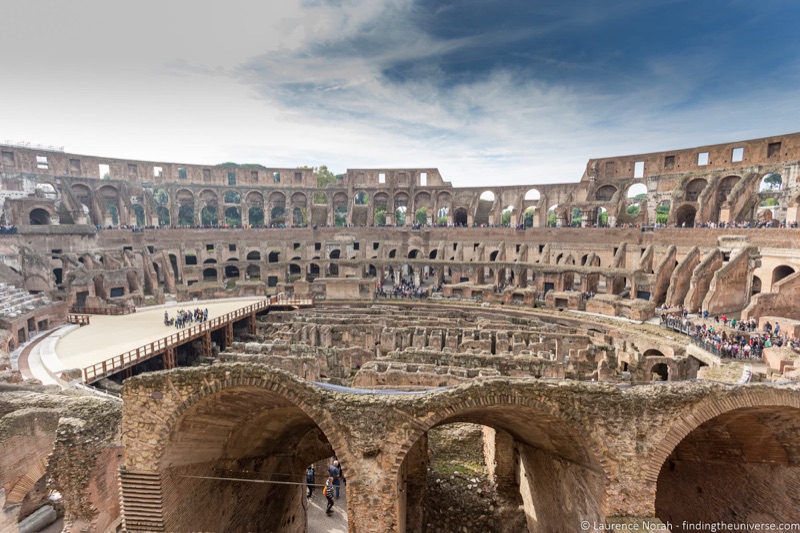
The Colosseum, Rome — 2,000 years of history in one frame
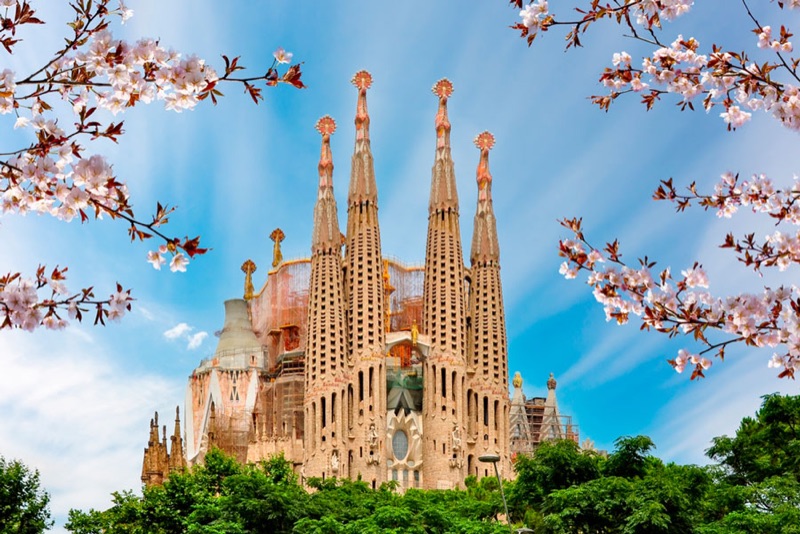
Sagrada Família, Barcelona — Gaudí's 144-year work in progress
⚡ The TL;DR Verdict
Rome wins for history, ancient culture, and iconic food. Barcelona wins for beaches, modern architecture, nightlife, and overall city livability. Budget: Rome €65–100/day, Barcelona €70–110/day.
- Go to Rome if ancient history, the Vatican, and pasta perfection matter most to you.
- Go to Barcelona if you want a beach city with world-class architecture, tapas, and nightlife.
- Go to both — it's a 2-hour flight — and pair Rome's ancient world with Barcelona's modernist dreamscape.
- Reddit is surprisingly clear on this: Rome has a special magic that Barcelona lacks, but Barcelona is the better city for everyday living, safety, and vibes.
🏛️ Rome
The Eternal City. Nowhere else lets you eat carbonara steps from a 2,000-year-old amphitheater. Overwhelming in the best possible way.
🌊 Barcelona
Europe's most livable beach city. Gaudí's fever dreams, world-class tapas, and a metro that actually works. Easier to love, harder to be awed by.
Quick Comparison
| Category | 🏛️ Rome | 🌊 Barcelona | Winner |
|---|---|---|---|
| Daily Budget (mid-range) | €65–100 per person | €70–110 per person | Rome |
| Ancient History | Colosseum, Forum, Vatican, Pantheon | Minimal — Roman ruins at Barri Gòtic | Rome |
| Modern Architecture | Baroque, Renaissance, limited modern | Gaudí Modernisme, world-class | |
| Food Scene | Iconic pasta, pizza al taglio, gelato | Tapas, seafood, pintxos, market food | Tie |
| Beaches | 30km away (day trip required) | 4.5km urban beaches on the Metro | |
| Nightlife | Great aperitivo scene, quieter nights | Among Europe's best — world-class clubs | |
| Public Transit | Metro exists but limited coverage | Excellent metro (L1–L12), buses, tram | |
| Safety | Pickpockets at major sights, watch out near Termini | Pickpockets on La Rambla, La Barceloneta | Tie |
| Weather (Summer) | 35–38°C, very hot | 28–32°C, sea breeze | |
| Day Trips | Florence, Naples, Amalfi Coast, Pompeii | Montserrat, Costa Brava, Sitges | Rome |
| Solo Female Travel | Fine with awareness; some harassment reported | Safer, more cosmopolitan | |
| Overall "Magic" Factor | Unparalleled — the Eternal City | Vibrant and beautiful | Rome |
🏛️ History & Ancient Culture
Rome is not just a city — it's an open-air museum spanning 2,800 years. You can walk from the Colosseum (70 AD) to the Roman Forum (509 BC) to the Pantheon (125 AD) to St. Peter's Basilica in a single afternoon. The density of significant historical sites is unlike anywhere else on Earth. The Vatican Museums alone could occupy three days — the Sistine Chapel ceiling, Raphael Rooms, and miles of sculpture galleries. Castel Sant'Angelo, the Borghese Gallery, and the Villa d'Este gardens are a bonus. Walking Rome's historic center without a plan and stumbling across a 400-year-old fountain or a perfectly preserved temple column around every corner is one of the great travel experiences in the world.
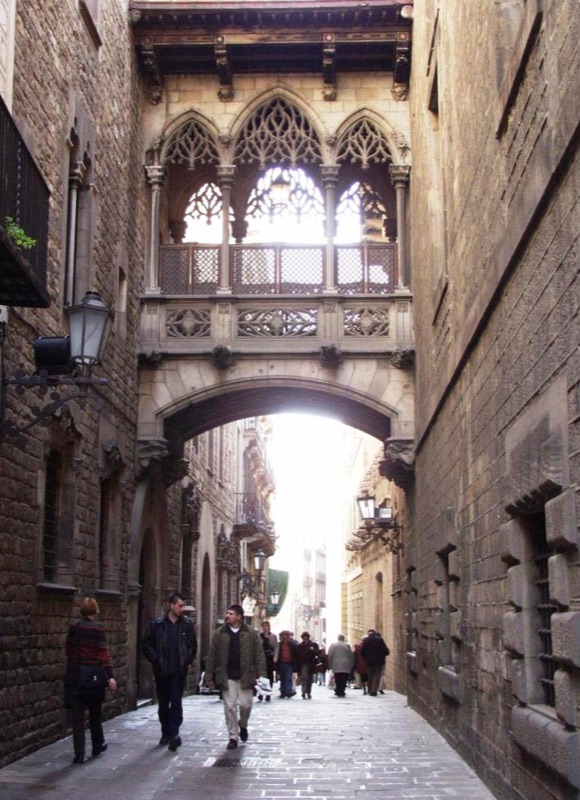
Barcelona's history is different — it's 2,000 years old but its story is largely medieval and modern. The Barri Gòtic (Gothic Quarter) preserves Roman ruins (Temple of Augustus, 1st century BC), a magnificent Gothic cathedral, and medieval palaces that feel genuinely atmospheric. The MACBA (Museum of Contemporary Art) and MNAC (National Art Museum of Catalonia) are world-class. But Barcelona's cultural story is really a Catalan story — a distinct language, architecture, and identity that resists Spanish monoculture. That cultural tension makes Barcelona feel alive in a politically charged, interesting way. It's just not Rome's level for ancient history.
Free sights: Rome's secret advantage
Rome's free-to-enter icons include the Trevi Fountain, Pantheon exterior (interior is €5), Spanish Steps, Piazza Navona, Campo de' Fiori, and all outdoor piazzas. The Vatican Museums require booking (€20–25), as does the Colosseum (€16–22 combined with Forum). Tip: the Palatine Hill/Forum/Colosseum combo ticket is excellent value at €22. Barcelona's big paid attractions — Sagrada Família (€26–36), Park Güell (€10), Casa Batlló (€29–40) — add up faster.
🍝 Food & Dining
Roman food is narrow and perfect. You have five iconic pasta dishes — carbonara, cacio e pepe, amatriciana, gricia, and coda alla vaccinara — and they are genuinely better in Rome than anywhere else on Earth. The key is simplicity: guanciale (cured cheek), pecorino romano, eggs, black pepper, nothing else. Pizza al taglio (by the square slice, €2–4) is Rome's greatest street food invention. Supplì (fried rice balls with mozzarella, €2–3) are better than anywhere. Gelato: €2.50–4 per cone. Sit-down trattorie meal: €12–18 for pasta + glass of house wine. Avoid anything near the major tourist sights — restaurants on the Trevi Fountain piazza will charge €25 for mediocre spaghetti.
Barcelona's food scene is broader and arguably more consistent across price points. Tapas culture means you graze rather than commit to one dish — order jamón ibérico (€8–15 per portion), patatas bravas (€5–7), pan con tomate (€3–5), and fresh seafood from La Boqueria market or the Barceloneta waterfront. The menú del día (set lunch menu) is Barcelona's best-value move: €12–15 for three courses including wine and bread. Catalan cuisine adds its own layer — romesco sauce, escalivada, fideuà (noodle paella) — that's distinct from Madrid's food culture.
Street food budget comparison
Rome: pizza al taglio €2–4/slice, supplì €2–3, gelato €2.50–4, espresso at bar €1–1.50. Barcelona: pintxos €2–4 each, bocadillo (sandwich) €4–6, fresh orange juice at La Boqueria €2–3, cortado €1.80–2.50. Both cities reward eating standing at a bar and penalize sitting on a tourist piazza terrace. Tip: in Rome, always take your espresso standing at the bar — sitting adds 50–100% to the price.
🏗️ Architecture
Rome's architecture spans 2,500 years in a single walk. Ancient Roman engineering (the Colosseum's concrete, the Pantheon's still-unmatchable dome), medieval basilicas, Renaissance palaces, and Baroque piazzas from Bernini and Borromini layer on top of each other in ways that make urban historians weep with joy. The Pantheon's oculus has been open to the sky for 1,900 years. St. Peter's Basilica is the largest church in the world. The Spanish Steps, Piazza Navona, and Piazza del Popolo are Baroque urban design masterclasses. Every neighborhood has its own church with Caravaggio paintings inside, often free to enter.
Barcelona's architecture is dominated by one name: Antoni Gaudí. The Sagrada Família has been under construction since 1882 (completion expected 2026) and is the most visited landmark in Spain — expect queues without advance booking. Casa Batlló and Casa Milà (La Pedrera) on Passeig de Gràcia are jaw-dropping organic fantasies in stone. Park Güell's mosaiced terraces with views over the city are worth the €10 admission. Beyond Gaudí, the Eixample neighborhood is a showcase of Catalan Modernisme (Barcelona's version of Art Nouveau) that stretches for kilometers in a planned grid. The Palau de la Música Catalana (1908) by Domènech i Montaner is one of Europe's most extraordinary concert halls.
The honest take: Rome has more architectural history spread across more eras. Barcelona has a more coherent and distinctive modern architectural identity. Rome overwhelms with scale and age. Barcelona dazzles with creativity. You could argue Barcelona's Gaudí buildings are the most imaginative architecture in Europe — but Rome's total architectural canvas is richer and deeper.
🏖️ Beaches & Outdoor Life
Barcelona wins beaches — decisively. The city has 4.5km of Mediterranean beaches starting from Barceloneta (closest to center, 10 minutes from Plaça de Catalunya on the Metro) and stretching northeast through Nova Icaria, Bogatell, and Mar Bella. Water temperature peaks at 25–26°C in July–August. The beaches are free, clean, and equipped with showers, volleyball courts, and chiringuitos (beach bars) selling sangria and bocadillos. Barceloneta gets crowded in July and August — the locals prefer Bogatell and Mar Bella. The sea is calm enough to swim comfortably from June to October. Barcelona also has Montjuïc (castle hill, great city views), Tibidabo (amusement park and panoramic views), and easy day trips to the Costa Brava cliffs and Sitges beach town.
Rome is landlocked by Mediterranean standards — there are no urban beaches. The nearest coast is Ostia (30km, 30-minute train from Piramide metro), which is fine for a day trip but nothing special — crowded, not particularly beautiful. Most Romans who want beach time head to Fregene (45km) or further afield to the Lazio coast (Sperlonga, Gaeta). If you're spending a week in Rome and the beach is on your agenda, build in a day trip to Anzio or Sperlonga rather than expecting urban beach access.
Day trips: Rome wins on epic scale
Rome's day trip circuit is arguably the best in Europe: Naples (1hr10m by high-speed train, €20–30), Pompeii and Herculaneum (2.5hrs), Amalfi Coast (3–4hrs by bus from Naples), Florence (1.5hrs by Frecciarossa, €25–60), Civita di Bagnoregio (the dying city on a cliff), and Orvieto. Barcelona's day trips are solid — Montserrat monastery (1hr), Sitges (35 min, beach + gay-friendly resort town), Costa Brava (1.5hr), Tarragona (1hr, Roman ruins) — but they don't match Rome's access to multiple UNESCO World Heritage sites in all directions.
💰 Cost Comparison
Rome and Barcelona are closely matched in overall cost — both are mid-tier European capitals, more expensive than Lisbon or Prague, cheaper than London or Paris. The biggest differences are in accommodation and tourist attraction pricing. Barcelona's Gaudí sites stack up significant entry fees; Rome has more free iconic sights. Rome's street food (pizza al taglio, supplì) offers exceptional value; Barcelona's lunch menu del día is the best-value sit-down meal in Europe.
| Expense | 🏛️ Rome | 🌊 Barcelona |
|---|---|---|
| Hostel dorm | €25–40/night | €28–45/night |
| Budget hotel | €70–130/night | €80–150/night |
| Mid-range hotel | €130–220/night | €140–250/night |
| Pizza al taglio / tapas bar lunch | €4–8 (2–3 slices + drink) | €8–15 (menú del día) |
| Sit-down trattoria/restaurant | €14–25/person (pasta + wine) | €18–30/person (tapas + drinks) |
| Espresso / coffee | €1–1.50 at bar | €1.80–2.50 |
| Beer (local, bar) | €4–6 | €3–5 |
| Metro ticket | €1.50 (single) | €2.55 (single) / T-Casual 10-trips €12.35 |
| Main attractions | €16–25 (Colosseum, Vatican: €20–25) | €26–40 (Sagrada Família, Casa Batlló) |
| Daily total (mid-range) | €65–100 | €70–110 |
Where Rome surprises you on cost
Sit-down coffee tax: In Italy, sitting at a café table can double or triple your espresso price (€1.50 standing → €3–4 seated). Always check if there's a coperto (cover charge, €1.50–3/person). Tourist restaurant tax: Restaurants on major piazzas charge 30–50% more for the same food. Walk 2–3 blocks away and prices normalize dramatically. Rome tip: Supermarkets (Conad, COOP) sell excellent pizza al taglio for €3–6, and you can eat lunch for €5 total from a mercato alimentare.
🚇 Getting Around
Barcelona has one of the best metro systems in Southern Europe. The TMB network has 12 lines, runs until 2am on weekdays and 5am on weekends (continuous on Sundays), and costs €2.55/single or €12.35 for a T-Casual 10-trip card (the correct way to buy — halves your per-trip cost). Buses and trams complement the metro. The entire Eixample grid is walkable, and you can reach Barceloneta beach, Park Güell, and Camp Nou all by metro. Cycling: the city's Bicing bike-share system (€50/year or tourist day passes at €15) has dedicated lanes across most of the city. Getting around Barcelona is genuinely easy and affordable.
Rome has a metro with only two main lines (A and B, forming a rough X through the city) — adequate for major sites but limited coverage compared to Barcelona. Many of Rome's best neighborhoods (Trastevere, Testaccio, Campo de' Fiori) are best reached by bus or on foot. The good news: Rome's historic center is compact and extremely walkable — you can walk from the Colosseum to the Trevi Fountain to the Vatican (though Vatican takes 45 minutes each way). Taxis are available and metered. Traffic and parking are nightmare-level — don't rent a car for Rome.
Airport connections
Rome Fiumicino (FCO): Leonardo Express train to Termini station, €14, 32 minutes. Runs every 30 minutes. Rome Ciampino (CIA): Budget airlines use this; take the Terravision bus to Termini (€6, 40 minutes). Barcelona El Prat (BCN): Aerobus to Plaça de Catalunya (€6.75, 35 minutes) or Cercanías train (€4.10, 25 minutes to city center). Both airports are well-connected; Barcelona's train option is slightly better value.
☀️ Best Time to Visit
Both cities have Mediterranean climates with hot summers, mild winters, and spring/fall as the sweet spots. But their summer extremes differ significantly: Rome gets genuinely brutal in July–August, while Barcelona stays manageable thanks to sea breezes.
Data: Open-Meteo archive, monthly averages. Rome's humidity makes summer heat feel more intense than the numbers suggest.
The verdict on timing
Best for Rome: April–May or September–October. Spring sees wildflowers and comfortable walking temperatures (18–22°C). September is Rome's finest month — summer crowds thinning, temperatures dropping from brutal to perfect (26–27°C), golden-hour light on ancient stone. Avoid July–August unless you're heat-tolerant and book early morning Vatican/Colosseum tickets.
Best for Barcelona: May–June or September. May has ideal beach-prep weather before the crowds. July–August is beach peak but extremely crowded at Barceloneta and park queues are brutal. September has warm sea water (24–25°C), thinning crowds, and one of the world's best street festivals: La Mercè (late September), Barcelona's major city festival with free concerts and human towers (castellers).
🏨 Where to Stay
Rome neighborhoods
Historic Center (Centro Storico) — The best base for first-timers. Walking distance to Pantheon, Piazza Navona, Campo de' Fiori, Trevi Fountain. Most expensive: mid-range hotels €150–250/night. Worth it if the budget allows.
Trastevere — Rome's most atmospheric neighborhood. Cobblestone streets, ivy-covered walls, excellent restaurants, vibrant nightlife. Less central but easily walkable to the Colosseum (30 min) or metroed. Mid-range hotels €100–180/night. Preferred by travelers who stay a week or more.
Prati — Near the Vatican, slightly more residential and less touristy. Great for Vatican-first visitors. Good value relative to the Centro Storico: €90–150/night mid-range.
Testaccio — Food lover's neighborhood. Rome's old slaughterhouse district turned into the city's best food market (Mercato di Testaccio), excellent trattorias, and a real-Rome vibe. Budget to mid-range: €70–140/night.
Barcelona neighborhoods
Eixample — Central, safe, walkable to almost everything. Passeig de Gràcia (Gaudí buildings) runs through it. Best metro connections. Mid-range hotels €120–220/night. The practical first-timer choice.
El Born / Sant Pere — Hipster central. Design shops, cocktail bars, the Picasso Museum, and Barcelona's best restaurant density. Young, international crowd. Walking distance to the Gothic Quarter and Barceloneta beach.
Barceloneta — Beach neighborhood. Best for beach-focused trips. Seafood restaurants, chiringuitos, and sunset views. Noisier at night. Budget to mid-range: €80–160/night.
Gràcia — Local Barcelona. Village-within-the-city feel, outdoor squares (plaças) packed with locals, no tourist buses. Metro access to Park Güell (10 min walk). The neighborhood for Barcelona regulars and longer stays.
🎉 Nightlife & Evening Culture
Barcelona has some of Europe's most celebrated nightlife. The city literally starts at midnight — locals don't eat dinner until 9pm, tapas bars fill at 10pm, clubs open at 1am and peak at 3–4am. The Barceloneta waterfront has a cluster of super-clubs (Pacha, Opium, Shôko) with cover charges of €15–25. Sant Pere's cocktail bar scene (El Born cocktail bars like Bar Calders, Paradiso — a hidden bar behind a pastrami shop that's regularly listed as world's best) is world-class for serious cocktail drinkers. Gràcia and the LGBTQ+ Eixample ("Gayxample") have more neighborhood bar cultures. Barcelona also hosts major music festivals: Primavera Sound (June), Sónar (June), and Off Sonar create annual nightlife epicenters.
Rome's evening culture is different but excellent in its own way. The Italian tradition of aperitivo (5–8pm drinks with free food spread, €8–12 buys you a Spritz or Negroni and access to substantial antipasti) is Rome's best evening ritual. Trastevere's bars, Campo de' Fiori at sunset, and the rooftop bars around Piazza Navona have genuine energy until midnight. Rome has clubs but they're more scattered and less internationally significant than Barcelona's. The Roman evening rewards slow wandering: gelato at 11pm, wine on a piazza bench, rooftop aperitivo with Colosseum views.
🎯 The Decision Framework
Choose Rome If…
- Ancient history, the Roman Empire, and the Vatican are top priorities
- You want Italy's iconic pasta dishes in their birthplace (carbonara, cacio e pepe)
- You're visiting Europe for the first time and want the defining "old world" experience
- Day trips to Naples, Pompeii, Amalfi Coast, or Florence are on your list
- You appreciate baroque piazzas, Renaissance architecture, and wandering without a plan
- You're visiting in fall (September–October) or spring (April–May)
- Slow, atmospheric evenings over clubs and late nights appeal to you
- You want a city that has a special "magic" — Reddit's consensus is clear here
Also consider: Rome vs Florence if you're deciding between Italian cities, or Amsterdam vs Berlin for another great European comparison.
❓ Frequently Asked Questions
Is Rome or Barcelona better for first-time visitors to Europe?
Both are iconic first European cities, but they offer completely different experiences. Rome gives you 2,000+ years of Western civilization in one walkable city — the Colosseum, Vatican, Trevi Fountain, and Pantheon are genuinely awe-inspiring. Barcelona delivers Gaudí's architectural fever dreams, a lively beach city vibe, and some of Europe's best tapas. Reddit consensus: if you're a history buff or visiting Europe for the first time, Rome has a special magic that's hard to match. If you want a more cosmopolitan, beach-friendly city with vibrant nightlife, Barcelona wins.
Which is cheaper, Rome or Barcelona?
Rome and Barcelona are closely matched in price — both are mid-range European cities, more affordable than London or Paris but pricier than Lisbon or Prague. Budget travelers can get by on €60–80/day in both cities. Rome has more free iconic sights (the Pantheon exterior is free, the Forum can be admired from outside, all piazzas and fountains). Barcelona's beaches are free. Accommodation is comparable: budget hostel dorms run €25–40 in both cities, while mid-range hotels cost €100–180/night. Where Barcelona gets expensive: the Gaudí attraction fees add up faster than Rome's.
Which has better food, Rome or Barcelona?
Both cities are food destinations in their own right but with very different styles. Rome has the iconic pasta dishes — carbonara, cacio e pepe, amatriciana — that are genuinely better here than anywhere else. Pizza al taglio (by the slice, €2–4) is Rome's best street food. Barcelona excels at tapas culture: pintxos, jamón ibérico, patatas bravas, and fresh seafood. Reddit consensus: Rome is easier to eat cheaply and incredibly well if you know where to go; Barcelona is more consistent across all price ranges. See our best cacio e pepe in Rome and best tapas in Barcelona guides.
Does Rome or Barcelona have better beaches?
Barcelona wins beach access outright. The city has 4.5km of urban beaches (Barceloneta, Nova Icaria, Bogatell) directly accessible by metro, with warm water from June to September. Rome has no urban beach — the nearest is Ostia (30km away, 30-minute train) or the Lazio coast, which requires a day trip. If beach time is part of your plan, Barcelona is the clear choice. Rome's day trip coast (Sperlonga, Gaeta) is actually quite beautiful but requires a half-day commitment.
How many days do you need in Rome vs Barcelona?
Rome: 4–5 days minimum to cover the Colosseum/Forum, Vatican Museums/Sistine Chapel, Trastevere, the main piazzas, and good food without rushing. 3 days is doable for the highlights but will feel rushed. Barcelona: 3–4 days covers the Gaudí essentials (Sagrada Família, Park Güell, Casa Batlló), Gothic Quarter, La Boqueria market, and beach time. 5 days lets you day-trip to Montserrat or the Costa Brava. Both cities reward longer stays — the magic is in the neighborhoods, not just the landmarks.
Is Rome or Barcelona better for solo travel?
Barcelona generally edges out Rome for solo travelers, especially solo female travelers. Barcelona feels safer, cleaner, and more cosmopolitan. The city's walkability, good metro system, and beach bar/café culture makes it easy to meet other travelers. Rome is wonderful solo but requires more awareness of pickpockets in tourist areas (Trevi Fountain, Vatican, Termini station) and occasional street harassment. That said, Rome is one of the world's great cities for solitary exploration — you could spend days wandering and discovering hidden piazzas and Caravaggio paintings in free churches.
What is the best time of year to visit Rome vs Barcelona?
Both cities peak in spring (April–May) and early fall (September–October): mild temperatures (18–24°C), fewer crowds than July–August, and lower prices. Rome's summer (July–August) is brutal — 35°C+, heavy tourist crowds, and many locals flee the city. Barcelona's summer is hot (28–32°C) but more bearable thanks to sea breezes and beach access. Winter: both cities are mild (10–14°C) and surprisingly pleasant with far fewer tourists — excellent for sightseeing without queues.
Can you visit both Rome and Barcelona in one trip?
Yes, and it's a popular European combo. Direct flights between Rome (FCO) and Barcelona (BCN) take about 2 hours and cost €40–150 return on Vueling or Ryanair. A 10–12 day trip works well: 5 days Rome → fly → 5 days Barcelona, or add Florence in between if you have 2 weeks. The two cities complement each other beautifully — Rome for ancient history and authentic Italian cuisine, Barcelona for Modernista architecture, beach culture, and cosmopolitan nightlife. Check our Rome vs Florence comparison if you're deciding which Italian city to add.
Ready to plan your European adventure?
Get a free custom itinerary for Rome, Barcelona, or both — built from real traveler insights, not generic templates.
🎟️ Book Tours & Experiences
Hand-picked tours and activities for both destinations — book with free cancellation
Experiences via Viator — free cancellation on most tours