
How we built this comparison
This page combines traveler discussion patterns, published price ranges, flight schedules, and seasonal data to help you decide between Scotland and United States.
- Reviewed Reddit threads from r/travel, r/solotravel, r/Scotland, r/USTravel.
- Verified costs and logistics against current booking platforms like Skyscanner, Booking.com, and Hostelworld.
- Cross-referenced seasonal patterns and weather data from meteorological services.
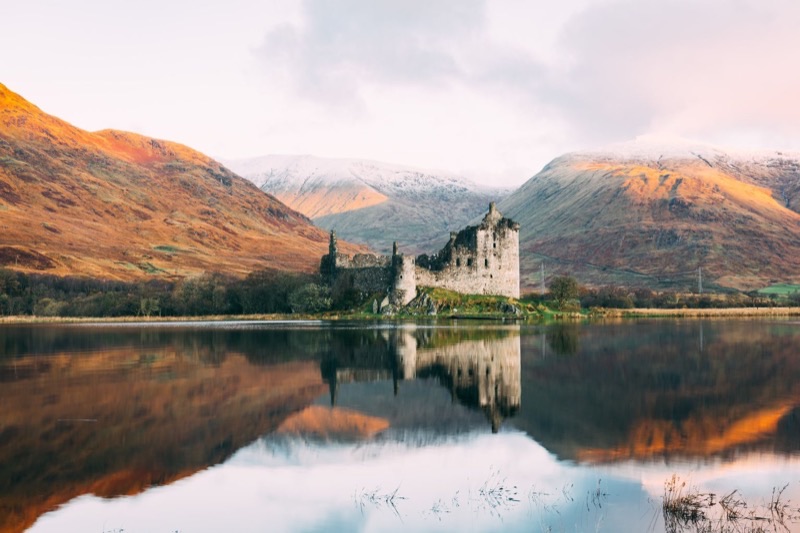
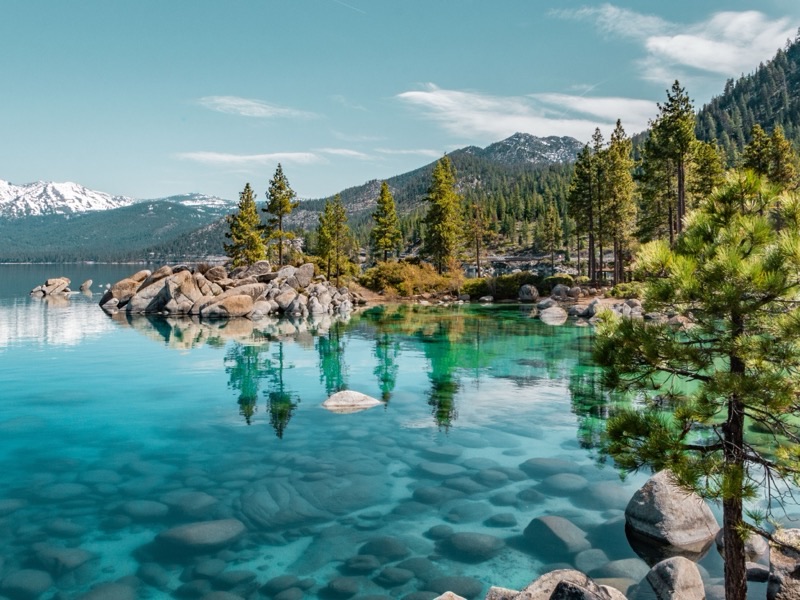
⚡ Quick Answers
⚡ The TL;DR Verdict
For most budget-conscious travelers seeking concentrated history and walking trails, Scotland provides a more accessible and cohesive experience, often for £70-£120 (USD $90-$155) daily. Travelers focused on grand natural expanses, diverse city life, and extensive road trips will find the United States more suited, but at a higher cost, typically USD $150-$250+ per day. Choose Scotland for a direct, focused adventure.
- Choose Scotland: Travelers prioritizing history, compact landscapes, easy public transport between cities, and a more predictable budget will find Scotland a better fit. Its ideal for those who enjoy hiking, whisky, and historic sites without extensive driving.
- Choose United States: Travelers seeking immense natural diversity, expansive road trips, iconic city experiences, and a wide array of climates will prefer the United States. Its suitable for those with a larger budget and a desire for vastness, from deserts to metropolises.
- Choose Both: Both countries offer distinct experiences. Consider a two-week trip for Scotland for a comprehensive tour, or a minimum of two weeks for the United States to explore a single region meaningfully. Combining them in one trip would require at least a month.
Choose Scotland
Choose Scotland if you're a budget-conscious history buff or avid hiker seeking a concentrated adventure. Explore the medieval charm of Edinburgh's Old Town, embark on dramatic Highland walks, and enjoy world-class whisky distillery tours without needing extensive driving. It's best for travelers prioritizing accessibility, a cohesive experience, and a more predictable daily budget of £70-£120.
Choose United States
Opt for the United States if your dream trip involves immense natural diversity, iconic city life, and epic road trips. Discover the awe-inspiring Grand Canyon, vibrant streets of New York City, or the stunning Pacific Coast Highway. It's best suited for adventurers with a more flexible budget (USD $150-$250+ daily) who crave vast, varied experiences across multiple regions and climates.
📊 Visual Scorecard
🌤 When to Visit
Average high temperatures (°C). Green = best months, orange = avoid.
Quick Comparison
| Category | Scotland | United States | Winner |
|---|---|---|---|
| Costs | Generally more affordable with good value for accommodation and food, especially outside Edinburgh. | Significantly higher costs across all categories, with wide regional variations; major cities are very expensive. | Scotland |
| Getting There | Direct flights from major US cities to Edinburgh or Glasgow, typically 6-7 hours. | Numerous direct flights from Europe and Asia to many US hubs, flight times vary widely based on destination. | Tie |
| Getting Around | Compact country with efficient public transport (trains, buses) and manageable driving distances, though roads are narrow. | Requires significant driving or flying between regions; public transport is limited outside major cities. | Scotland |
| Accommodation | Good range of hostels, guesthouses, and unique B&Bs; hotels are generally reasonable outside city centers. | Wide variety from budget motels to luxury resorts, but prices are high in major cities and popular national parks. | Scotland |
| Food & Drink | Hearty pub fare, fresh seafood, whisky, and craft beer; vegetarian options are common. | Immense culinary diversity reflecting immigrant cultures; portions are large, and regional specialties abound. | United States |
| Nature & Scenery | Dramatic Highlands, lochs, glens, and coastlines; compact and easily accessible for hiking. | Immense diversity from deserts and mountains to forests and beaches across different climates; vast and requires extensive travel. | United States |
| Culture & History | Ancient castles, clan history, Jacobite tales, whisky traditions, and vibrant folk music. | Colonial history, indigenous cultures, civil rights history, and modern pop culture; diverse and spread out. | Scotland |
| Nightlife & Entertainment | Pub culture with live music, whisky bars, and a smaller club scene in major cities. | Extremely diverse, from mega-clubs and casinos to live music venues and Broadway shows, varying by city. | United States |
| Safety | Generally very safe with low violent crime rates; common sense precautions apply. | Generally safe in tourist areas but varies greatly by region and city; awareness of surroundings is important. | Scotland |
| Solo Travel | Excellent for solo travelers with welcoming locals, easy navigation, and many group tour options. | Possible but can be more challenging due to vast distances, car dependence, and higher costs; fewer dedicated solo amenities. | Scotland |
💰 Costs
Scotland generally offers a more budget-friendly travel experience. A mid-range daily budget often sits around £70-£120 (USD $90-$155) for accommodation, food, and activities. A…
Scotland generally offers a more budget-friendly travel experience. A mid-range daily budget often sits around £70-£120 (USD $90-$155) for accommodation, food, and activities. A meal at a pub might be £12-£18 (USD $15-$23), while a good hostel bed in Edinburgh is £25-£40 (USD $32-$52). Train tickets, like Edinburgh to Glasgow, cost around £14-£20 (USD $18-$26) if booked in advance. Many museums are free, and outdoor activities like hiking are low cost. Renting a car for a week might run £250-£400 (USD $320-$515) plus fuel.
The United States is significantly pricier, with daily expenses for a mid-range traveler typically USD $150-$250+. A casual restaurant meal in a city like New York or San Francisco easily costs USD $20-$40, and a basic hotel room outside major hubs can be USD $100-$180. Transportation costs add up quickly; a cross-country flight might be USD $200-$400+, and car rentals are often USD $50-$100 per day. National Park entry fees are generally USD $20-$35 per vehicle. Expect higher costs in popular tourist areas like New York City, Los Angeles, and national parks. Scotland wins clearly for the budget traveler.
- Winner: Scotland
- Why: Scotland provides better value for money across accommodation, food, and transport, making it more accessible for most budgets.
- Who this matters for: Travelers prioritizing a lower daily spend without sacrificing experience quality.
✈️ Getting There
Getting to Scotland from North America is relatively straightforward, with direct flights from major US cities like New York, Boston, and Chicago to Edinburgh (EDI) or Glasgow…
Getting to Scotland from North America is relatively straightforward, with direct flights from major US cities like New York, Boston, and Chicago to Edinburgh (EDI) or Glasgow (GLA). Flight times typically range from 6.5 to 7.5 hours. For example, a flight from JFK to EDI can be found for USD $500-$800 round trip if booked several months in advance. From other parts of the world, connecting flights through major European hubs like London or Amsterdam are common, adding a few hours to travel time. Airfare is often more stable and predictable than for the US, given the smaller number of entry points.
Reaching the United States involves a huge network of international airports, with direct flights from almost every major global hub. Flights from Europe to the East Coast (e.g., London to JFK) are around 7-8 hours, while flights to the West Coast (e.g., Paris to LAX) can be 10-11 hours. Prices vary enormously by season and destination, from USD $400-$700 for an East Coast return from Europe to USD $800-$1200+ for West Coast from Asia. The sheer number of airports and flight options can make finding a good deal easier for some routes, but overall travel time within the US to reach a specific region can be substantial. Both offer good connectivity, but for different travel patterns.
- Winner: Tie
- Why: Both destinations offer extensive flight options from major global hubs, making them equally accessible depending on your starting point.
- Who this matters for: Travelers coming from distant continents, as direct routes exist for both.
🚗 Getting Around
Scotland excels in ease of internal travel due to its compact size and decent public transport network. Trains connect major cities like Edinburgh, Glasgow, Aberdeen, and…
Scotland excels in ease of internal travel due to its compact size and decent public transport network. Trains connect major cities like Edinburgh, Glasgow, Aberdeen, and Inverness, with journeys lasting 1-3 hours. A train from Edinburgh to Glasgow takes about 50 minutes and costs £14-£20 (USD $18-$26). Buses are comprehensive and reach most towns and villages. For exploring rural areas like the Highlands and islands, renting a car is advisable, but distances are short. Driving on the left can be a challenge, and rural roads are often single-track with passing places. Fuel costs are higher than in the US, around £1.60 per liter (USD $7.50 per gallon).
The United States, by contrast, is a country built for driving. Distances between attractions and cities are vast; for instance, driving from Los Angeles to San Francisco takes 6-7 hours. Public transportation within cities is decent (e.g., NYC subway, Chicago L), but intercity travel outside of the Northeast Corridor often requires flying or a long-distance road trip. Amtrak train service is available but slow and expensive compared to flying for long distances. Car rentals are generally more affordable than in Europe, around USD $50-$100 per day, with fuel costs typically USD $3.50-$4.50 per gallon. However, gas stations can be scarce in some remote areas, requiring careful planning. Scotland offers a more relaxed and less car-dependent experience for many routes.
- Winner: Scotland
- Why: Scotland is significantly easier to navigate without a car due to its smaller size and effective public transit between key areas.
- Who this matters for: Travelers who prefer not to drive, or who want to cover a lot of ground in a shorter period without long travel days.
🛌 Accommodation
Accommodation in Scotland provides good value, especially outside of peak festival times in Edinburgh. Hostels are plentiful in cities and popular hiking areas, with dorm beds…
Accommodation in Scotland provides good value, especially outside of peak festival times in Edinburgh. Hostels are plentiful in cities and popular hiking areas, with dorm beds costing £25-£40 (USD $32-$52). Family-run B&Bs are a staple, offering comfortable rooms and often a full Scottish breakfast for £70-£120 (USD $90-$155) per night. Mid-range hotels in Glasgow or Inverness can be found for £80-£150 (USD $100-$190). Unique stays like castle hotels or remote cottages are available but at a higher price point, typically £200+ (USD $250+). Booking in advance, especially for popular routes like the NC500 or Skye, is important.
In the United States, accommodation costs vary dramatically by location and season. A basic motel room in a smaller town might be USD $80-$120, while a mid-range hotel in a city like Boston or San Francisco can easily be USD $180-$300+. Hostels are less common outside of major cities, with dorm beds typically USD $40-$70. Airbnb options are abundant but have faced increasing regulations and costs in many areas. National Park lodging can be booked out a year in advance and costs USD $200-$500+ per night for basic rooms due to demand. Camping, however, offers a much cheaper alternative, often USD $20-$40 per night. Scotland provides more consistent and generally lower-cost options for independent travelers.
- Winner: Scotland
- Why: Scotland offers more consistently affordable and characterful accommodation options, particularly the prevalent B&Bs and hostels.
- Who this matters for: Travelers seeking good value and local charm in their overnight stays.
🍽️ Food & Drink
Scottish cuisine is comforting and substantial. Expect traditional dishes like haggis, neeps and tatties (turnips and potatoes), Scotch pie, and fresh seafood, especially on the…
Scottish cuisine is comforting and substantial. Expect traditional dishes like haggis, neeps and tatties (turnips and potatoes), Scotch pie, and fresh seafood, especially on the coasts. A good pub meal with a pint usually costs £15-£25 (USD $19-$32). Breakfasts are generous, often including black pudding and potato scones. Craft beer and whisky are highlights, with distillery tours costing £15-£30 (USD $19-$38). Vegetarian and vegan options are increasingly available, particularly in cities like Edinburgh and Glasgow, with cafes and restaurants like Hendersons or Harmonium offering plant-based menus. Fine dining exists but at a higher price point, typically £50+ (USD $65+) per person for a multi-course meal.
The United States has an unparalleled diversity of food, from regional BBQ styles (e.g., Texas brisket, Carolina pulled pork) to Californian farm-to-table. Cities like New York, Los Angeles, and Chicago offer every cuisine imaginable, often with high quality. A casual meal in a diner might be USD $15-$25, while mid-range restaurants can be USD $30-$60 per person. Street food in cities like Portland or Austin is a highlight, offering creative and affordable options. Portions are typically very large. Alcohol, especially craft beer and wine, is widely available and diverse. Expect to find niche dietary options in most major urban areas. The sheer breadth and depth of culinary experiences make the United States hard to beat.
- Winner: United States
- Why: The United States provides a far greater and more diverse culinary landscape, from regional specialties to international cuisines.
- Who this matters for: Food enthusiasts and those who enjoy a wide variety of dining experiences.
⛰️ Nature & Scenery
Scotland presents a landscape of dramatic beauty, characterized by the rugged Highlands, mysterious lochs (like Loch Ness), deep glens, and wild coastlines. Its natural features…
Scotland presents a landscape of dramatic beauty, characterized by the rugged Highlands, mysterious lochs (like Loch Ness), deep glens, and wild coastlines. Its natural features are concentrated, meaning you can experience significant changes in scenery over short distances. Hiking trails, from gentle walks to challenging Munro bagging (climbing peaks over 3,000 feet), are everywhere. Glen Coe offers incredible mountain vistas, and the Isle of Skye features unique geological formations like the Old Man of Storr. Wildlife spotting includes red deer, eagles, and seals. Its accessible nature allows for quick immersion into the outdoors, often with historic sites nearby. For example, a drive through Glen Etive takes an hour with frequent stops.
The United States offers a scale and variety of natural environments that are globally unmatched. From the towering peaks of the Rocky Mountains (e.g., Yellowstone National Park) to the vast deserts of Arizona (Grand Canyon), the lush forests of the Pacific Northwest (Olympic National Park), and the subtropical wetlands of Florida (Everglades). Each region presents entirely different ecosystems and recreational opportunities. While individual parks like Yosemite or Zion are immensely impressive, seeing a range of these requires significant travel, often flying between regions. The sheer expanse and raw grandeur of US national parks are unparalleled, though often require more planning and internal travel. The US wins for its sheer scale and environmental diversity.
- Winner: United States
- Why: The United States offers an unmatched scale and diversity of natural environments, from deserts to glaciers, over vast areas.
- Who this matters for: Travelers seeking grand natural spectacles, diverse ecosystems, and extensive outdoor activities across various climates.
🏰 Culture & History
Scotland is saturated with history and tradition. Ancient castles like Edinburgh Castle (£19.50 / USD $25 entry) and Stirling Castle (£17.50 / USD $22.50) provide tangible links…
Scotland is saturated with history and tradition. Ancient castles like Edinburgh Castle (£19.50 / USD $25 entry) and Stirling Castle (£17.50 / USD $22.50) provide tangible links to centuries of conflict and royalty. The countrys clan system, Jacobite rebellions, and tales of Robert the Bruce and William Wallace are deeply embedded in the landscape and local identity. Whisky distilleries, such as Glenfiddich, offer tours and tastings, showcasing a key part of Scottish heritage. Traditional music sessions (ceilidhs) are common in pubs, particularly in smaller towns. Museums like the National Museum of Scotland in Edinburgh (free entry) cover everything from prehistoric times to modern art. Its history is palpable and concentrated, making exploration efficient.
The United States has a younger, but incredibly diverse, history. From colonial sites in Boston (Freedom Trail, a self-guided 2.5-mile walk) and Philadelphia (Independence Hall, free timed tickets) to the indigenous cultures of the Southwest (Mesa Verde National Park, USD $30 entrance per vehicle), the civil rights movement in the South (Birmingham Civil Rights Institute, USD $15 entry), and the immigrant narratives in cities like New York (Ellis Island, USD $25 for ferry). Its cultural expressions range from jazz and blues to Hollywood cinema and contemporary art. However, these historical and cultural points are widely dispersed, requiring significant travel to experience a range of them. Scotland offers a more cohesive and easily digestible historical narrative within a smaller geographic area.
- Winner: Scotland
- Why: Scotland offers a more concentrated and immediately accessible historical and cultural experience, with ancient sites and traditions close together.
- Who this matters for: History buffs and those who enjoy exploring ancient traditions and folklore in a compact region.
🍻 Nightlife & Entertainment
Scottish nightlife centers around its pub culture. Cities like Edinburgh and Glasgow have numerous traditional pubs where locals gather for a pint and conversation. Live folk…
Scottish nightlife centers around its pub culture. Cities like Edinburgh and Glasgow have numerous traditional pubs where locals gather for a pint and conversation. Live folk music sessions (often free) are common, especially in Edinburghs Grassmarket or Glasgows West End. Whisky bars offer extensive selections for tasting. There is a club scene in the larger cities, but it is not as expansive or varied as in other European capitals. Expect to spend £5-£7 (USD $6-$9) for a pint of beer. Comedy clubs, theaters, and a growing craft beer scene also provide entertainment options, particularly during the Edinburgh Fringe Festival in August, which transforms the city. Overall, it is a more intimate and less frenetic experience than the US.
The United States offers an immense array of nightlife and entertainment options, largely dependent on the city. New York City has Broadway shows, countless bars, clubs, and live music venues like The Blue Note for jazz. Las Vegas is known for its casinos, extravagant shows, and celebrity DJ performances. Austin has a thriving live music scene (6th Street), and Miami has energetic dance clubs. Prices vary wildly, from a USD $10 cover charge at a local bar to USD $200+ for a premium concert ticket or Broadway show. Beyond alcohol, there are theme parks (Disney World, Universal Studios), major sporting events, and huge convention centers. The scale and diversity of entertainment available are vast. For variety and scale of options, the US is the clear winner.
- Winner: United States
- Why: The United States provides unparalleled diversity and scale in nightlife and entertainment, from world-famous shows to massive club scenes.
- Who this matters for: Travelers seeking a wide array of evening activities, from live music to casino experiences and Broadway shows.
🚨 Safety
Scotland is considered a very safe country for travelers. Violent crime rates are low, and common sense precautions are usually sufficient. Walking alone at night in most city…
Scotland is considered a very safe country for travelers. Violent crime rates are low, and common sense precautions are usually sufficient. Walking alone at night in most city centers or towns is generally safe, though vigilance is always advised. Petty crime, like pickpocketing, can occur in crowded tourist areas like Edinburghs Royal Mile, but it is not prevalent. Rural areas are exceptionally safe, allowing for carefree exploration of hiking trails and remote villages. Emergency services are reliable and easily accessible by dialing 999. Travelers can generally relax and focus on their experiences without significant safety concerns, making it an excellent destination for solo adventurers.
The United States presents a more varied safety landscape. While major tourist destinations and affluent areas are generally safe, crime rates, particularly gun violence, are higher in the US compared to Scotland. Awareness of your surroundings, especially in less-frequented urban areas or at night, is important. Petty crime is common in large cities. Road safety can be a concern in certain areas, particularly regarding driving under the influence. Emergency services are accessible via 911. However, millions of tourists visit the US annually without incident by staying informed and exercising caution. For overall peace of mind and lower general risk, Scotland holds an advantage.
- Winner: Scotland
- Why: Scotland offers a consistently high level of safety across the country, with very low crime rates, providing more peace of mind for travelers.
- Who this matters for: Solo travelers, families with young children, and anyone prioritizing a worry-free travel experience.
🛡 Dig deeper: United States health guide
🚶♀️ Solo Travel
Scotland is an outstanding destination for solo travelers. Its compact size makes navigation straightforward using public transport or a rental car. Locals are generally friendly…
Scotland is an outstanding destination for solo travelers. Its compact size makes navigation straightforward using public transport or a rental car. Locals are generally friendly and open to conversation, especially in pubs. Hostels are plentiful and often organize social activities, making it easy to meet other travelers. Guided day tours from cities like Edinburgh or Inverness provide opportunities to explore the Highlands and islands without the need for independent driving. The low crime rate contributes to a feeling of security. Many attractions, from museums to hiking trails, are enjoyable solo. A daily budget of £60-£100 (USD $77-$130) is achievable for a solo traveler staying in hostels and eating out moderately.
Solo travel in the United States is certainly possible but presents different challenges. The vast distances often necessitate car rental or expensive internal flights, increasing costs and potentially feelings of isolation on long drives. Public transport infrastructure is generally not designed for extensive solo exploration outside major city centers. While cities like New York or San Francisco offer excellent solo experiences with hostels and diverse activities, exploring national parks or smaller towns solo without a car can be limiting. Eating out solo can also be more expensive due to larger portion sizes and tipping culture. A solo budget of USD $120-$200+ per day is realistic. For ease of connection and exploration, Scotland stands out as a better solo destination.
- Winner: Scotland
- Why: Scotland provides a more welcoming and logistically easier environment for solo travelers due to its compact size, robust public transport, and friendly atmosphere.
- Who this matters for: Individuals traveling alone who value ease of navigation, social interaction opportunities, and budget predictability.
🎯 The Decision Framework
Choose Scotland If…
- You want ancient castles and dramatic lochs around every corner.
- You prefer walking and public transport over extensive driving.
- Your budget is closer to $90-$150 per day.
- You enjoy cozy pub culture and whisky tastings.
- You seek a concentrated historical experience with clear narratives.
- You appreciate a generally very safe and welcoming atmosphere.
- You are a solo traveler looking for easy connections and navigation.
- You enjoy hiking short distances to impressive viewpoints.
Choose United States If…
- You dream of vast national parks and diverse natural wonders (deserts, mountains, beaches).
- You plan an epic road trip spanning thousands of miles.
- Your budget allows for $150-$250+ per day.
- You crave unparalleled culinary diversity from global cuisines to regional BBQ.
- You want entertainment on a grand scale: Broadway, theme parks, major sports.
- You appreciate modern infrastructure and sprawling urban centers.
- You desire a very wide range of climates and landscapes in one country.
- You are comfortable with flying between regions for significant distances.
❓ Frequently Asked Questions
Which country is more affordable for a two-week trip?
Scotland is generally more affordable. A two-week trip to Scotland for a mid-range traveler might cost around £1400-£2400 (USD $1800-$3100), including accommodation, food, and transport. A similar trip in the US could easily run USD $2100-$3500+, depending heavily on chosen regions and activities.
What are the typical flight times from the East Coast of the US?
Direct flights from major East Coast US cities like New York to Edinburgh or Glasgow typically take 6.5 to 7.5 hours. Flights to major US hubs like Los Angeles from New York are around 5.5 to 6 hours, while flights from New York to London are about 7 hours.
Is it easy to get around Scotland without a car?
Yes, Scotland is relatively easy to navigate without a car, especially if sticking to cities and popular routes. Trains connect major cities, and buses serve most towns. For remote Highlands or island exploration, a car is helpful, but many guided tours operate from Edinburgh and Glasgow.
Which country has better hiking opportunities?
Both offer excellent hiking, but the type differs. Scotland provides concentrated, dramatic mountain and coastal walks, often accessible from towns. The United States offers vast, diverse wilderness trails within its national parks, requiring more planning and often longer, multi-day treks.
What is the best time of year to visit each country?
For Scotland, late spring (May-June) and early autumn (September-October) offer milder weather and fewer midges. For the US, it depends on the region: spring and autumn are ideal for national parks, summer for northern states and coasts, and winter for southern states like Florida or ski resorts.
Which destination is better for history enthusiasts?
Scotland is generally better for history enthusiasts due to its concentrated ancient castles, battlefields, and clan history that are easily accessible. The US has significant historical sites, but they are geographically spread out, requiring extensive travel to cover diverse periods.
Are there good options for vegetarian or vegan travelers in both countries?
Yes, both countries have good options, particularly in their larger cities. Scottish cities like Edinburgh and Glasgow have a growing number of vegetarian and vegan eateries. The United States, with its diverse culinary scene, offers extensive plant-based choices in nearly all major urban areas and increasingly in smaller towns.
How do tipping customs compare?
Tipping is less prevalent in Scotland; a small tip (10-15%) for good service at restaurants or taxis is appreciated but not mandatory. In the United States, tipping is an expected part of the service industry, with 15-20% customary for restaurant service, bartenders, and sometimes even for takeaway coffee.
Ready to plan your next trip?
Know the tourist scams before you go — documented from real traveler reports.