
How we built this comparison
This page combines traveler discussion patterns, published price ranges, flight schedules, and seasonal data to help you decide between South France and South Spain.
- Reviewed Reddit threads from r/travel, r/solotravel, r/France, r/Spain, and r/Eurotravel for real experiences.
- Verified costs and logistics against current booking platforms like Booking.com, Google Flights, and local transport sites.
- Cross-referenced seasonal patterns, weather data, and regional event calendars to inform travel advice.
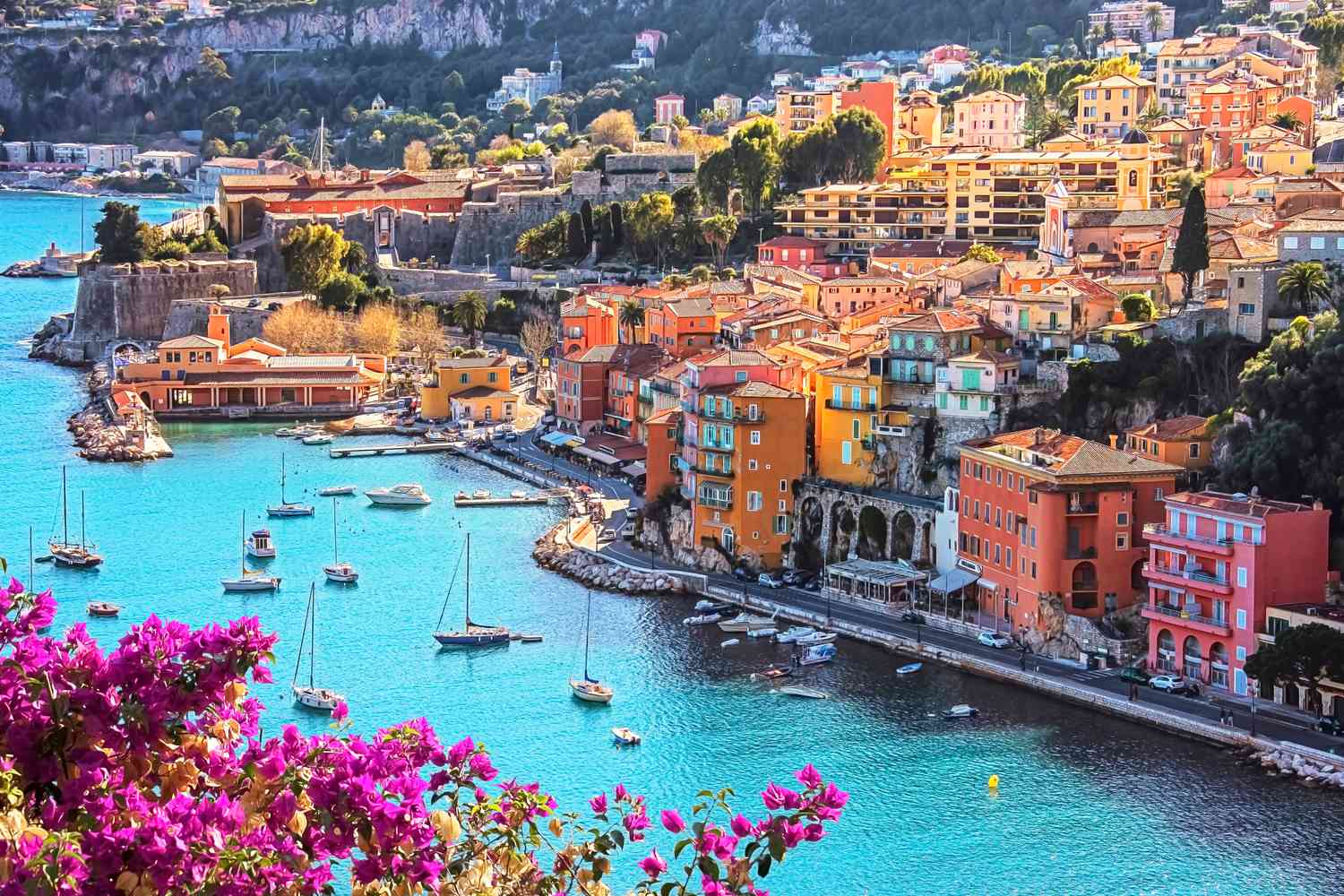
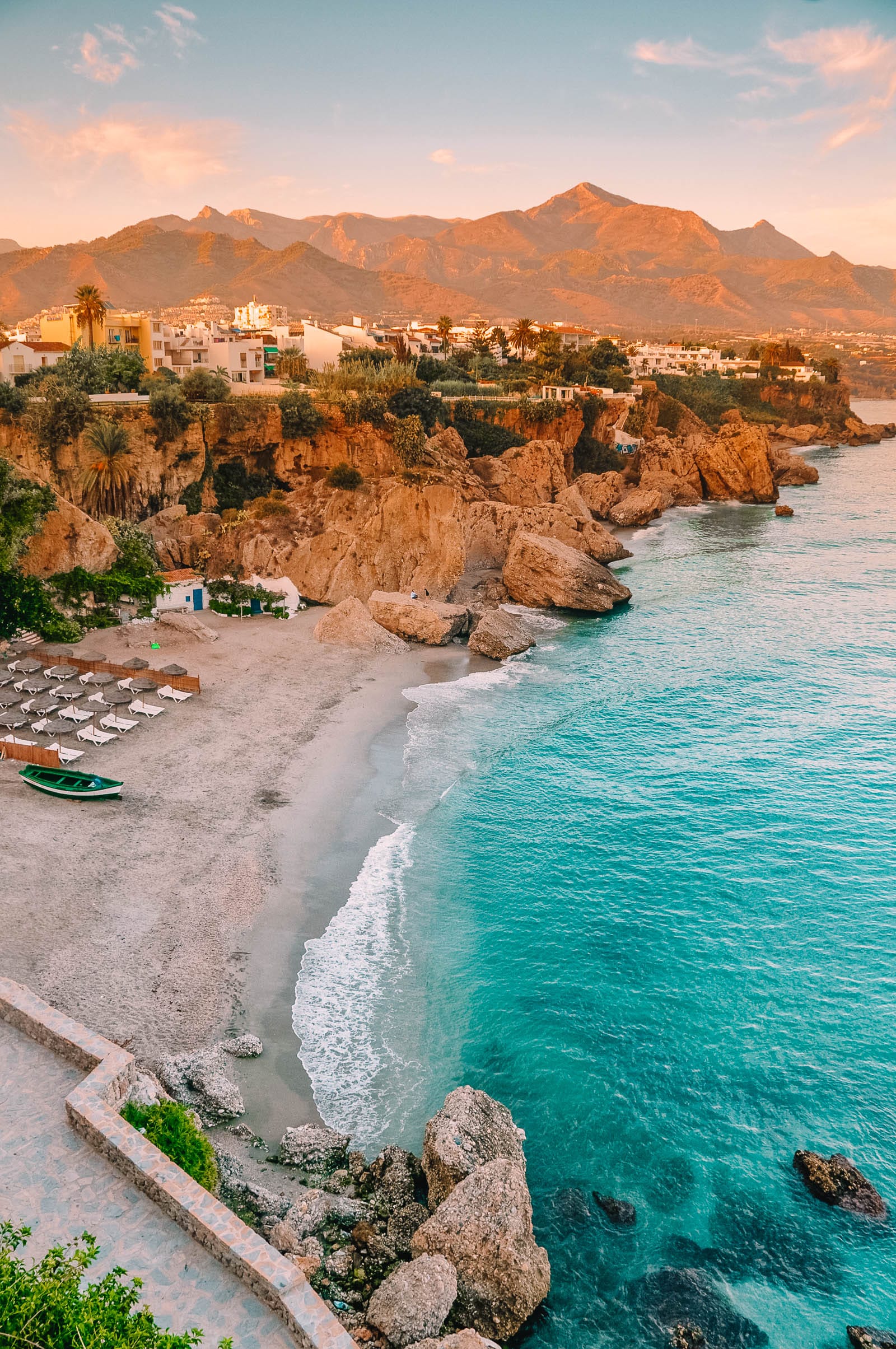
⚡ Quick Answers
⚡ The TL;DR Verdict
For travelers prioritizing old-money elegance, specific coastal views, and exceptional wine, South France is the pick, budgeting €120-€200 ($130-$215) daily. Those seeking ancient history, energetic local culture, and more budget-friendly experiences at €70-€130 ($75-$140) a day should head to South Spain. Most travelers will find more value and cultural density in South Spain.
- Choose South France: You prefer refined experiences, specific types of natural beauty like the Calanques, and an emphasis on Provençal cuisine and rosé wine.
- Choose South Spain: You prioritize history, Moorish architecture, flamenco, tapas culture, and want your travel budget to go further.
- Choose Both: Consider a multi-week trip if you have ample time (3+ weeks) and budget, as direct travel between the regions is possible but time-consuming.
📊 Visual Scorecard
🌤 When to Visit
Average high temperatures (°C). Green = best months, orange = avoid.
Quick Comparison
| Category | South France | South Spain | Winner |
|---|---|---|---|
| Culture & History | Roman ruins, medieval villages, art museums in cities like Avignon and Arles. Emphasis on fine arts and historical estates. | Moorish palaces (Alhambra), ancient mosques, Roman bridges, flamenco heritage. Deeply layered history with noticeable Arab influence. | South Spain |
| Food & Drink | Provençal cuisine, fresh seafood, rosé wine, olive oil, herbs. Expect sit-down meals, often pricier. | Tapas culture, sherry, paella, seafood, gazpacho. Eating is a social event, options for budget and high-end dining are plentiful. | South Spain |
| Beaches & Coastline | Mostly pebble beaches on the Côte d'Azur (Nice), some sandy stretches (Cannes, St. Tropez), dramatic calanques near Marseille. | Expansive sandy beaches on the Costa del Sol (Malaga), Atlantic surf beaches (Cadiz), smaller coves, often warmer water. | South Spain |
| Costs & Budget | Higher cost for accommodation, dining, and activities. Expect premium pricing, especially on the Côte d'Azur. | Significantly more affordable across all categories. Better value for accommodation, food, and transport. | South Spain |
| Getting Around | Good train connections between major cities (TGV), local buses, car rental for rural exploration. Toll roads are common. | Extensive high-speed rail (AVE) between major cities, efficient bus networks, car rental is common. Roads are generally good. | Tie |
| Nightlife | More refined, lounge bars, casinos, and some clubs in coastal cities like Nice and Cannes. Less focus on late-night casual spots. | Lively, late-night tapas bars, flamenco shows, discotecas. Social, energetic, and accessible for all ages. | South Spain |
| Nature & Outdoors | Dramatic limestone cliffs of the Calanques, Gorges du Verdon (canyon), lavender fields (seasonal), Alpilles mountains. | Sierra Nevada mountains (hiking, skiing), Doñana National Park (wildlife), diverse coastal parks, white villages in hills. | South France |
| Accommodation | Hotels, upscale villas, gîtes, and some hostels. Generally higher prices, especially on the coast. | Hotels, hostels, apartments, boutique hotels, and 'casas rurales'. Wider range of prices and options, better value. | South Spain |
| Getting There | Major international airports in Nice (NCE) and Marseille (MRS) with direct flights from many European cities and some long-haul. | Major international airports in Malaga (AGP) and Seville (SVQ) with extensive budget airline connections across Europe. | South Spain |
| Weather & Seasons | Mediterranean climate: hot, dry summers; mild, wet winters. Peak summer (July-August) can be very hot and crowded. | Mediterranean climate, hotter and drier summers, mild winters. Longer shoulder seasons with pleasant temperatures. | South Spain |
🏛️ Culture & History
South France showcases Roman remnants in Arles (Arena, Theatre) and Nîmes (Pont du Gard), along with medieval Papal history in Avignon. Cities like Aix-en-Provence present…
South France showcases Roman remnants in Arles (Arena, Theatre) and Nîmes (Pont du Gard), along with medieval Papal history in Avignon. Cities like Aix-en-Provence present Cezanne's footsteps and stately architecture. Museums in Nice (Matisse, Chagall) offer significant art collections. Historical sites often require entrance fees, like the Palais des Papes (€14-€16 / $15-$17), which are generally well-maintained but can feel formal. Exploring villages like Les Baux-de-Provence reveals medieval fortifications and specific local stories.
South Spain offers a concentration of historical sites with a distinct character. Granada's Alhambra (€18-€20 / $19-$22), Cordoba's Mezquita-Cathedral (€13-€15 / $14-$16), and Seville's Alcázar (€15-€17 / $16-$18) are monumental examples of Moorish influence merged with Christian history. Flamenco shows in Seville (€20-€40 / $22-$44) provide a direct cultural experience. The history feels more integrated into daily life, with ancient structures often found within city centers. Tabiji verdict: South Spain delivers a more profound and accessible historical experience with its unique blend of influences.
- Winner: South Spain
- Why: South Spain offers a more distinct and historically layered cultural experience, especially with its Moorish heritage.
- Who this matters for: Travelers who seek deep historical context and unique architectural styles.
🍽️ Food & Drink
South France focuses on Provençal dishes like ratatouille, bouillabaisse (Marseille), salade niçoise (Nice), and copious amounts of rosé wine from regions like Bandol. Dining…
South France focuses on Provençal dishes like ratatouille, bouillabaisse (Marseille), salade niçoise (Nice), and copious amounts of rosé wine from regions like Bandol. Dining often involves sit-down restaurants, with a 'plat du jour' lunch costing €15-€25 ($16-$27) and dinner easily reaching €40-€70 ($44-$76) per person without excessive alcohol. Local markets, such as Cours Saleya in Nice, provide fresh produce and cheese. While quality is high, spontaneous, casual, and affordable eating is less common. Establishments like 'La Merenda' in Nice offer traditional fare but are often booked.
South Spain excels with its tapas culture, allowing for varied sampling at a lower cost. A few tapas and a drink can be had for €8-€15 ($9-$16) in places like 'El Rinconcillo' in Seville or 'Bar Alfalfa'. Seafood paella, gazpacho, and jamón ibérico are staples. Sherry wine from Jerez is a regional specialty. The social aspect of eating, moving between bars for different small plates, creates a dynamic and approachable food scene. Even sit-down meals for dinner rarely exceed €30-€50 ($33-$55) per person at mid-range restaurants. Tabiji verdict: South Spain offers more accessible, varied, and social food experiences at better price points.
- Winner: South Spain
- Why: South Spain's tapas culture offers more variety, flexibility, and better value for food exploration.
- Who this matters for: Food enthusiasts who enjoy casual dining, sampling many dishes, and a social eating atmosphere.
🏖️ Beaches & Coastline
South France's Côte d'Azur presents a glamorous coastline. Nice is famous for its pebble beaches along the Promenade des Anglais, with private beach clubs charging €20-€30…
South France's Côte d'Azur presents a glamorous coastline. Nice is famous for its pebble beaches along the Promenade des Anglais, with private beach clubs charging €20-€30 ($22-$33) for a chair. Sandy beaches are found in Cannes and Saint-Tropez, often associated with luxury resorts. The Calanques National Park near Marseille and Cassis offers dramatic limestone cliffs and turquoise coves, perfect for hiking and kayaking, but accessing these 'calanques' often requires effort. Water temperatures typically range from 20-24°C (68-75°F) in summer.
South Spain's coastlines are more varied and generally more accessible for casual beachgoers. The Costa del Sol around Malaga offers extensive, family-friendly sandy beaches with plenty of facilities. Atlantic coast beaches near Cadiz, like Bolonia or El Palmar, have larger waves suitable for surfing and a more natural feel. Water temperatures are similar to the French Riviera on the Mediterranean side, but the Atlantic can be cooler. Beach chairs and umbrellas are often cheaper, around €10-€15 ($11-$16) for a day. Tabiji verdict: South Spain provides a greater variety of easily accessible, comfortable sandy beaches suitable for general relaxation.
- Winner: South Spain
- Why: South Spain offers more widespread, comfortable sandy beaches and a broader range of beach experiences.
- Who this matters for: Travelers prioritizing easy beach access, comfortable sand, and traditional beach holidays.
💰 Costs & Budget
South France generally falls into a higher price bracket. A basic hotel room in Nice or Marseille can easily start at €100-€150 ($108-$162) per night. Meals, as mentioned, are…
South France generally falls into a higher price bracket. A basic hotel room in Nice or Marseille can easily start at €100-€150 ($108-$162) per night. Meals, as mentioned, are pricier, and even a simple coffee costs €3-€4 ($3.25-$4.30). Activities like boat trips or museum entry are also at the upper end of European prices. A daily budget for a comfortable trip without excessive luxury would be around €120-€200 ($130-$215) per person. Budget travel requires diligent searching for hostels (€40-€60 / $43-$65) and self-catering.
South Spain consistently offers better value. A comfortable hotel room in Seville or Granada can be found for €70-€120 ($75-$130) per night. Tapas and drinks keep food costs down, with a full dinner possible for €20-€30 ($22-$33). Public transport (bus/metro tickets around €1.50 / $1.60) and entry to attractions are also cheaper. A daily budget of €70-€130 ($75-$140) per person allows for a very enjoyable trip. Even luxury experiences are generally less expensive than their French counterparts. Tabiji verdict: For travelers mindful of their spending, South Spain provides significantly better value across the board.
- Winner: South Spain
- Why: South Spain offers substantially lower costs for accommodation, food, and activities, extending travel budgets further.
- Who this matters for: Budget-conscious travelers and those who want more experiences for their money.
🚗 Getting Around
In South France, the TGV network connects cities like Nice, Marseille, and Avignon efficiently, though tickets can be expensive if not booked in advance (€30-€80+ / $33-$87 for…
In South France, the TGV network connects cities like Nice, Marseille, and Avignon efficiently, though tickets can be expensive if not booked in advance (€30-€80+ / $33-$87 for intercity). Local buses serve smaller towns and coastal areas. Renting a car is often recommended for exploring inland Provence, its small villages, and the Calanques. Be aware of numerous toll roads (e.g., A8 along the coast) which add to costs, and parking can be problematic in older towns. Fuel prices are high, around €1.80-€2.00 ($1.95-$2.15) per liter.
South Spain has an excellent high-speed AVE train network connecting Seville, Cordoba, and Malaga rapidly (€20-€60+ / $22-$65 for intercity). Regional buses are plentiful and very affordable for reaching smaller towns (e.g., Seville to Ronda for €13-€15 / $14-$16). Car rental is practical for exploring Andalusia's white villages or national parks, with fuel prices slightly lower than France, around €1.60-€1.80 ($1.73-$1.95) per liter. Roads are in good condition, and tolls are less frequent than in France. Both regions have reliable public transport in cities. Tabiji verdict: Both regions offer robust transport options, but Spain's train network is marginally more extensive and often cheaper for intercity travel.
- Winner: Tie
- Why: Both regions have effective transport networks; Spain's high-speed rail offers slightly better coverage and value.
- Who this matters for: Travelers who rely on efficient public transport for intercity movement.
🎉 Nightlife
South France's nightlife tends to be more subdued and formal, particularly in inland Provence. Coastal cities like Nice and Cannes have casinos (e.g., Casino Barrière Le Croisette…
South France's nightlife tends to be more subdued and formal, particularly in inland Provence. Coastal cities like Nice and Cannes have casinos (e.g., Casino Barrière Le Croisette in Cannes) and upscale lounge bars. There are some nightclubs, especially catering to a younger crowd, but they can be expensive with cover charges and high drink prices (€10-€15 / $11-$16 for a cocktail). Evenings often revolve around dinner and a post-dinner drink, rather than extended late-night activity in casual settings.
South Spain offers a more active and social nightlife. Evenings begin later, with dinner often at 9 PM or 10 PM. Tapas bars stay open late, providing a relaxed atmosphere for drinks and small bites. Cities like Seville and Granada have numerous 'discotecas' (clubs) that open late and often have free entry before a certain hour. Flamenco shows are a key part of the evening experience and can last well into the night. The 'marcha' (party scene) is accessible and pervasive, from student bars in Granada to stylish clubs in Malaga. Tabiji verdict: South Spain's nightlife is more social, energetic, and culturally integrated, offering more options for casual and late-night entertainment.
- Winner: South Spain
- Why: South Spain provides a more dynamic, social, and accessible nightlife centered around tapas and cultural performances.
- Who this matters for: Travelers who enjoy late nights, social bar hopping, and accessible entertainment.
⛰️ Nature & Outdoors
South France is home to the Calanques National Park, offering rigorous hiking along limestone cliffs and kayaking in turquoise coves near Cassis and Marseille. The Gorges du…
South France is home to the Calanques National Park, offering rigorous hiking along limestone cliffs and kayaking in turquoise coves near Cassis and Marseille. The Gorges du Verdon, Europe's Grand Canyon, provides opportunities for hiking, rafting, and swimming in its striking green waters. During summer, the Plateau de Valensole transforms with vast lavender fields, a major draw. The Alpilles region offers smaller hills for hiking and olive groves. Accessing these areas often requires a car, and some hiking trails can be challenging but lead to incredible views.
South Spain features the Sierra Nevada mountains near Granada, offering hiking in summer and skiing in winter, with peaks over 3,000 meters. Doñana National Park, a UNESCO site, is a vast wetland ecosystem known for birdwatching and the Iberian lynx, though access is often restricted to guided tours. The Cabo de Gata-Níjar Natural Park in Almería has a volcanic landscape with pristine beaches. While impressive, the varied landscapes of South France, especially the Calanques and Verdon, feel more distinct and provide a more direct interaction with dramatic natural features. Tabiji verdict: South France offers more unique and visually striking natural landscapes like the Calanques and Gorges du Verdon.
- Winner: South France
- Why: South France features more distinct and dramatic natural landscapes, like the Calanques and Gorges du Verdon.
- Who this matters for: Active travelers, hikers, and those seeking iconic natural formations.
🏨 Accommodation
Accommodation in South France ranges from luxurious beachfront hotels in Cannes (e.g., Hôtel Barrière Le Majestic from €300 / $325+) to charming gîtes (country cottages) in…
Accommodation in South France ranges from luxurious beachfront hotels in Cannes (e.g., Hôtel Barrière Le Majestic from €300 / $325+) to charming gîtes (country cottages) in Provence. Mid-range hotels in cities like Nice or Marseille typically start from €100-€150 ($108-$162) per night for a decent room. Hostels are available in larger cities, usually €40-€60 ($43-$65) for a dorm bed. Booking well in advance is crucial during peak season, as prices can inflate rapidly, and availability can dwindle.
South Spain provides a more competitive and varied accommodation market. Boutique hotels in historic centers (e.g., Hotel Casa 1800 Sevilla from €150 / $162+) offer great character. Standard hotel rooms in cities like Seville or Malaga often range from €70-€120 ($75-$130) per night. Hostels are plentiful and often well-regarded, with dorm beds costing €25-€40 ($27-$43). 'Casas rurales' (rural houses) offer authentic stays in the countryside at reasonable rates. The price-to-quality ratio generally favors South Spain, allowing for more comfortable stays within a moderate budget. Tabiji verdict: South Spain provides better value and a wider range of high-quality accommodation options for all budget levels.
- Winner: South Spain
- Why: South Spain offers superior value and a broader selection of accommodation types across all budget ranges.
- Who this matters for: Travelers seeking good value, diverse lodging options, and comfort without extreme cost.
✈️ Getting There
South France is served by Nice Côte d'Azur Airport (NCE) and Marseille Provence Airport (MRS). Nice is a primary gateway for the French Riviera, with direct flights from major…
South France is served by Nice Côte d'Azur Airport (NCE) and Marseille Provence Airport (MRS). Nice is a primary gateway for the French Riviera, with direct flights from major European cities (e.g., London to Nice ~2 hours) and some transatlantic routes. Marseille offers good connections to other parts of France and Europe. Flight prices can vary significantly but are generally in line with other major European destinations. Expect flight costs from London to Nice around €50-€150 ($54-$162) return with budget carriers, or higher with full-service airlines.
South Spain benefits from very well-connected airports in Malaga (AGP) and Seville (SVQ). Malaga is a hub for numerous budget airlines (e.g., Ryanair, EasyJet), offering frequent and often very affordable flights from across Europe (e.g., London to Malaga ~3 hours). Seville also has strong connections, particularly from Spain and other European cities. The sheer volume of budget airline traffic often makes flights to South Spain more competitive and cheaper, sometimes as low as €30-€100 ($33-$108) return from London. Tabiji verdict: South Spain offers more frequent and often cheaper flight options, particularly due to its strong budget airline presence.
- Winner: South Spain
- Why: South Spain has more budget airline connections, often resulting in cheaper and more frequent flights from Europe.
- Who this matters for: Budget-conscious travelers and those seeking maximum flexibility in flight options.
☀️ Weather & Seasons
South France experiences a Mediterranean climate. Summers (June-August) are hot and dry, with average daily temperatures of 25-30°C (77-86°F), often feeling hotter, especially in…
South France experiences a Mediterranean climate. Summers (June-August) are hot and dry, with average daily temperatures of 25-30°C (77-86°F), often feeling hotter, especially in July and August when it's also very crowded. Spring (April-May) and autumn (September-October) offer pleasant weather, around 18-24°C (64-75°F), with fewer crowds. Winters are mild but can be rainy, with temperatures rarely dropping below 5°C (41°F). The Mistral wind can be a factor, bringing cooler air.
South Spain also has a Mediterranean climate, but with generally hotter and longer summers. July and August often see temperatures exceeding 35°C (95°F), making daytime exploration difficult in cities like Seville. However, its shoulder seasons are longer and more consistently pleasant. March to May and September to early November offer comfortable temperatures (20-28°C / 68-82°F) and fewer tourists. Winters are mild and often sunnier than in South France, with temperatures typically 10-18°C (50-64°F), making it an appealing off-season destination. Tabiji verdict: South Spain offers a longer window of comfortable travel weather, especially in its extended shoulder seasons.
- Winner: South Spain
- Why: South Spain provides a longer period of comfortable weather, with its shoulder seasons extending further into spring and autumn.
- Who this matters for: Travelers who prefer to avoid extreme heat and crowds, favoring spring or autumn trips.
🎯 The Decision Framework
Choose South France If…
- You appreciate refined elegance and a slower pace of travel.
- You want to explore Roman history and medieval hill towns.
- You prioritize exceptional Provençal cuisine and local rosé wine.
- You are willing to spend more for quality experiences and service.
- You dream of seeing lavender fields or kayaking in the Calanques.
- You enjoy art museums and grand historical residences.
- You prefer coastal walks on pebble beaches with clear water.
- You are comfortable renting a car for rural exploration.
Choose South Spain If…
- You want your travel budget to stretch further, for more days or more activities.
- You are fascinated by Moorish architecture and Islamic history.
- You are eager to experience authentic flamenco performances.
- You thrive in a social, late-night tapas bar setting.
- You seek extensive sandy beaches with easy access.
- You enjoy sampling many different dishes without committing to one large meal.
- You prefer a longer shoulder season for pleasant weather and fewer crowds.
- You want easy access to budget flights from across Europe.
❓ Frequently Asked Questions
Which region is better for a family trip with young children?
South Spain is generally better for families. Its beaches are typically sandier and more expansive, the food options (tapas) are versatile for picky eaters, and the overall cost of activities and accommodation is lower, making it less stressful financially. Many cities like Malaga have good parks and accessible historical sites.
What is the typical flight time from London to each region?
Flights from London to Nice (South France) average around 1 hour 50 minutes to 2 hours. Flights from London to Malaga or Seville (South Spain) average around 2 hours 45 minutes to 3 hours. South Spain often has more frequent budget airline options.
Is it possible to visit both regions in a single trip?
Visiting both in a single trip is ambitious due to distance. A high-speed train from Marseille to Barcelona takes about 4.5 hours, and then from Barcelona to Seville is another 5.5 hours. It is possible if you have at least 2-3 weeks, but it's more practical to focus on one region for a typical 7-10 day trip.
Which region has better opportunities for hiking and outdoor activities?
South France offers more specific, striking geological features for hiking, such as the dramatic Calanques near Cassis and the vast Gorges du Verdon. South Spain has the Sierra Nevada mountains for hiking and skiing, plus coastal walking trails, but the French options are arguably more iconic.
What are the key differences in local public transport within cities?
Both regions have efficient city bus networks, and larger cities like Marseille, Nice, Seville, and Malaga have trams or metros. Fares are comparable, usually €1.50-€2.00 ($1.60-$2.15) for a single ride. South Spain's cities often feel more walkable, with attractions concentrated in historic centers, potentially reducing reliance on public transport.
Which region is better for a romantic getaway?
South France, with its refined dining, charming Provençal villages, and elegant coastal towns, often feels more suited for a romantic getaway, especially if you prioritize upscale experiences and wine country. Imagine sunset strolls in Eze or dinner in Saint-Paul-de-Vence. South Spain can also be romantic, but in a more energetic, passionate way.
Are English speakers common in both regions?
In major tourist areas and cities in both South France and South Spain, you will find many English speakers, especially among younger generations and in hospitality. However, venturing into smaller towns in either region will require some basic French or Spanish, or a translation app. Generally, English proficiency feels slightly higher in more tourist-heavy spots in Spain.
What are typical daily spending estimates for mid-range travelers?
For mid-range travelers, South France typically requires €120-€200 ($130-$215) per person per day, covering mid-range accommodation, meals, and a few activities. South Spain allows for a comfortable mid-range trip on €70-€130 ($75-$140) per person per day, including good food, lodging, and cultural visits.
Ready to plan your next adventure?
Know the tourist scams before you go — documented from real traveler reports.