How we built this comparison
This page combines traveler discussion patterns, published price ranges, flight schedules, and seasonal data to help you decide between South Korea and China.
- Reviewed 500+ Reddit threads from r/travel, r/solotravel, r/koreatravel, r/chinatrip, and r/backpacking for traveler experiences.
- Verified costs and logistics against current booking platforms like Agoda, Booking.com, Ctrip (Trip.com), and local transport sites.
- Cross-referenced seasonal patterns, weather data, and visa requirements against official government and tourism sources.
⚡ Quick Answers
⚡ The TL;DR Verdict
For most travelers seeking an accessible, modern experience with great food and efficient systems, South Korea is the clearer pick, especially if you prioritize ease of navigation and internet freedom. Expect to spend around $70-120 USD per day. China offers a grander scale of history and diverse landscapes for a slightly lower daily cost of $50-100 USD, but requires more preparation and patience, particularly around digital connectivity.
- Choose South Korea: Solo travelers, first-time Asia explorers, K-pop/drama fans, food enthusiasts seeking convenience, and those prioritizing personal safety and digital freedom.
- Choose China: Experienced travelers, history buffs seeking ancient wonders on a monumental scale, budget-conscious groups, and those wanting to explore diverse natural landscapes, provided they are prepared for some logistical hurdles.
- Choose Both: Travelers with 3+ weeks and a desire for contrasts. Start in South Korea for ease, then fly to China for a different scale of adventure. A direct flight from Seoul to Beijing takes about 2 hours.
Choose South Korea
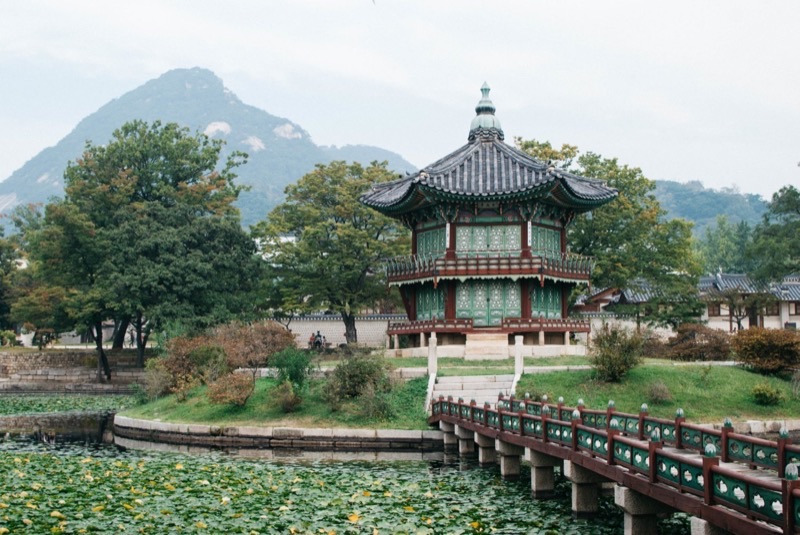
Opt for South Korea for an effortlessly modern and safe adventure, perfect for solo travelers or first-timers to Asia seeking convenience and digital freedom. Immerse yourself in Seoul's vibrant K-pop culture, explore ancient palaces like Gyeongbokgung, and savor delicious street food in Myeongdong with seamless navigation. This destination is best for those prioritizing efficiency, personal safety, and a dynamic urban experience.
Choose China
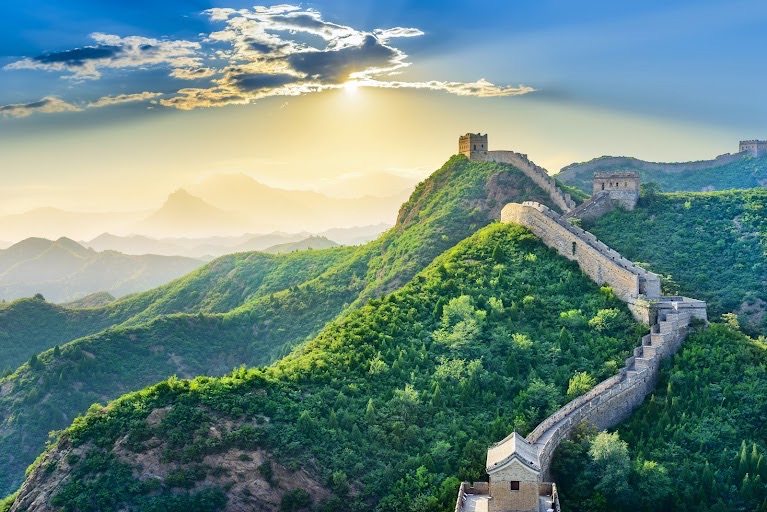
Choose China if you're an experienced traveler craving ancient wonders on a monumental scale and incredible natural diversity, prepared for some logistical hurdles. Marvel at the Great Wall or explore the Forbidden City in Beijing, embracing a journey that rewards with unparalleled historical depth. It’s best for budget-conscious groups and history buffs seeking profound cultural immersion and vast exploration, from Xi'an's Terracotta Army to Guilin's karst mountains.
📊 Visual Scorecard
🌤 When to Visit
Average high temperatures (°C). Green = best months, orange = avoid.
Quick Comparison
| Category | South Korea | China | Winner |
|---|---|---|---|
| Costs & Budget | Generally mid-range, efficient public transport keeps costs down. Food is reasonable, accommodation varies. | Lower base costs, especially outside major cities. Transport is affordable, food is inexpensive, but attractions can add up. | China |
| Food & Drink | Diverse, bold flavors, focus on fermented dishes, Korean BBQ, street food, and cafes. Very accessible. | Incredibly varied regional cuisines, from spicy Sichuan to delicate Cantonese. Street food is everywhere, but can be less approachable. | South Korea |
| Culture & History | Ancient palaces, Confucian traditions, modern K-culture (music, drama, fashion). A blend of old and new. | Thousands of years of imperial history, diverse ethnic groups, monumental sites, Communist era relics. Scale is vast. | China |
| Getting Around | Exceptional public transport, efficient subways, fast trains. English signage is common. | Extensive high-speed rail, busy subways in major cities, good bus networks. Language can be a barrier. | South Korea |
| Safety & Ease of Travel | Extremely safe, low crime rates, efficient services. English widely spoken in tourist areas. | Generally safe, but digital payments and internet restrictions add complexity. Language barrier is significant. | South Korea |
| Nature & Outdoors | Mountains, national parks for hiking, coastal beauty on Jeju Island, four distinct seasons. | Vast, diverse landscapes from deserts to mountains, rivers, and unique geological formations. Scale is immense. | China |
| Nightlife & Entertainment | Dynamic nightlife with karaoke, clubs, themed bars, and late-night dining. Very social. | Major cities have clubs and bars, but less of a cohesive 'scene' and often more expensive. KTV is popular. | South Korea |
| Connectivity & Digital Life | Hyper-connected, fast internet, free WiFi, no internet restrictions. Seamless app usage. | Fast internet in cities, but strict internet censorship (Great Firewall) requires VPN for many apps. Cashless society relies on local apps. | South Korea |
| Accommodation | Wide range from hostels to luxury, clean, modern. Unique options like hanok stays. | Extensive range, but booking platforms can be limited for foreigners. Local options are very affordable. | South Korea |
| Shopping | Fashion, K-beauty, tech gadgets, unique souvenirs. Specific districts for specific goods. | Variety from traditional crafts to modern goods, but quality can vary. Major malls are plentiful. | South Korea |
💰 Costs & Budget
South Korea is not a budget destination, but it offers good value for its quality. A daily budget of $70-120 USD is realistic for a solo traveler staying in hostels…
South Korea
China
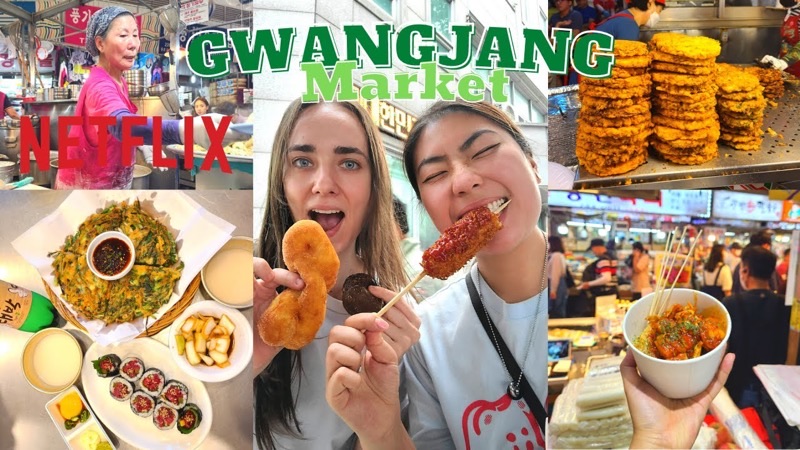
South Korea is not a budget destination, but it offers good value for its quality. A daily budget of $70-120 USD is realistic for a solo traveler staying in hostels (₩25,000-40,000 / ~$18-30 USD) and eating street food or local restaurants (₩8,000-15,000 / ~$6-11 USD per meal). Transport like the T-Money card makes getting around cities like Seoul affordable (a subway ride is around ₩1,250 / ~$0.90 USD). Main attractions like Gyeongbokgung Palace are modestly priced (₩3,000 / ~$2.20 USD), but nightlife and trendier cafes can quickly add up. Expect to spend more on things like experiences at a themed cafe or a night out in Hongdae.
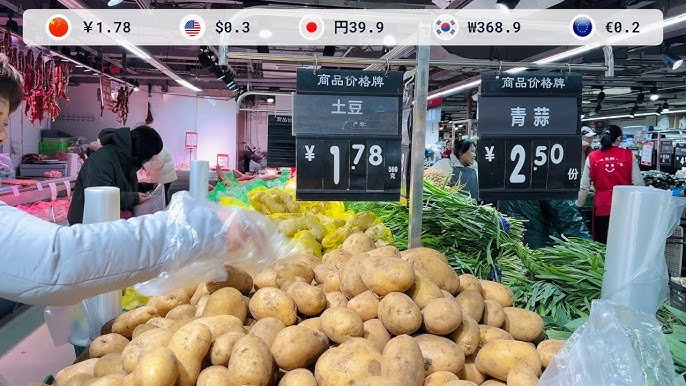
China offers a more budget-friendly experience, especially if you eat locally and use public transport. A daily budget of $50-100 USD is achievable. Hostel beds often range from CNY 50-100 (~$7-14 USD). Street food and local eateries are very cheap, with a full meal costing CNY 15-30 (~$2-4 USD). High-speed trains are excellent value for covering vast distances, though flights can be cheap if booked in advance. Entrance fees for major sites like the Forbidden City (CNY 60 / ~$8.30 USD in peak season) or Terracotta Army (CNY 120 / ~$16.60 USD) can add up, but overall living costs are lower.
Tabiji verdict: China wins for its ability to stretch your budget further, offering grand experiences at a lower daily spend.
- Winner: China
- Why: China offers a significantly lower cost of living and cheaper local food, making a budget stretch further.
- Who this matters for: Budget travelers, long-term backpackers, and families.
🍜 Food & Drink
South Korea excels with its easily approachable yet complex flavors. Dishes like Kimchi Jjigae, Bibimbap, and Korean BBQ (Samgyeopsal) are widely available and consistently…
South Korea
China
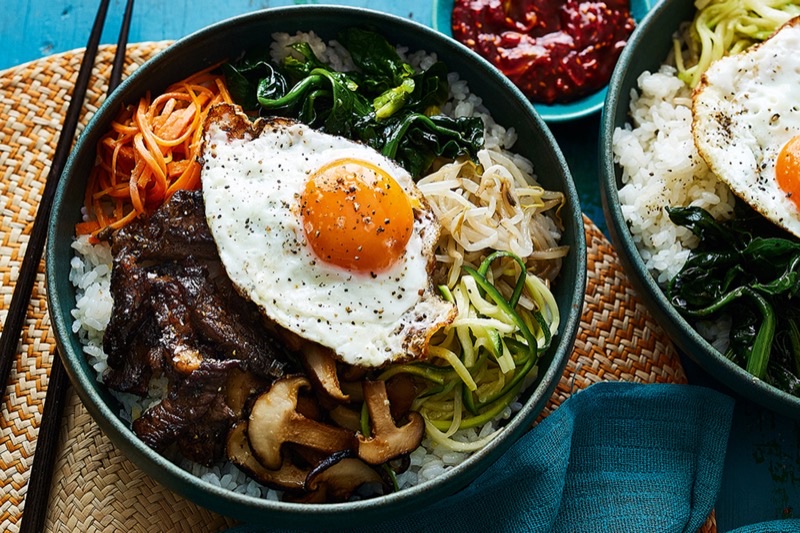
South Korea excels with its easily approachable yet complex flavors. Dishes like Kimchi Jjigae, Bibimbap, and Korean BBQ (Samgyeopsal) are widely available and consistently prepared well. Street food alleys like Myeongdong in Seoul offer Gyeranppang (egg bread) for ₩2,000 (~$1.50 USD) and Tteokbokki (spicy rice cakes) for ₩4,000-6,000 (~$3-4.50 USD). Cafes are a major part of the culture, offering elaborately prepared coffees and desserts for ₩5,000-8,000 (~$3.70-6 USD). Soju and Makgeolli are popular alcoholic drinks, available cheaply at convenience stores (Soju from ₩1,800 / ~$1.30 USD). The food scene is clean, often English-friendly, and dining is a social event.
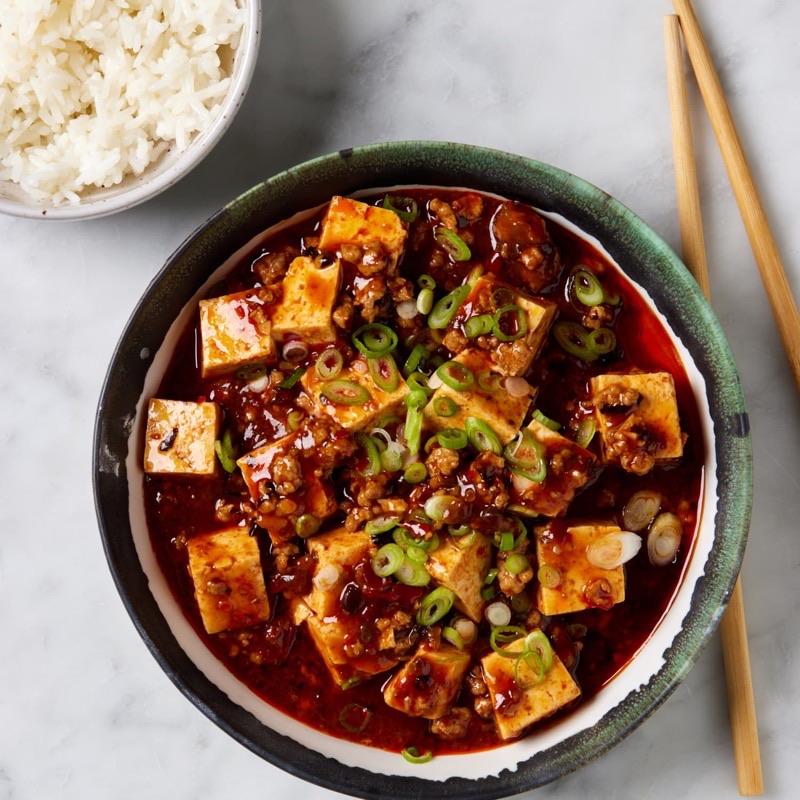
China presents a spectrum of culinary experiences, from the fiery Sichuan hotpot (individual pot for CNY 50-80 / ~$7-11 USD) to the savory Peking Duck (CNY 200-300 / ~$28-42 USD for a whole duck) in Beijing. Street food is abundant, but hygiene standards can vary, and language barriers are common. Regional differences are stark: Cantonese dim sum, Xinjiang noodles, Shanghai dumplings. While incredible, finding specific dishes or navigating menus without Mandarin can be difficult outside tourist hubs. Tea culture is prominent, and local beer (e.g., Tsingtao) is cheap.
Tabiji verdict: South Korea wins for its consistent quality, accessible flavors, and generally higher hygiene standards that make daily eating a stress-free pleasure for most travelers.
- Winner: South Korea
- Why: South Korea offers easily accessible, consistently high-quality, and generally cleaner food experiences with less language barrier.
- Who this matters for: Foodies, travelers with dietary restrictions (easier to communicate), and those prioritizing convenience.
🏯 Culture & History
South Korea presents a fascinating blend of ancient traditions and hyper-modern trends. You can visit Gyeongbokgung Palace in Seoul, attend a traditional tea ceremony, and then…
South Korea
China
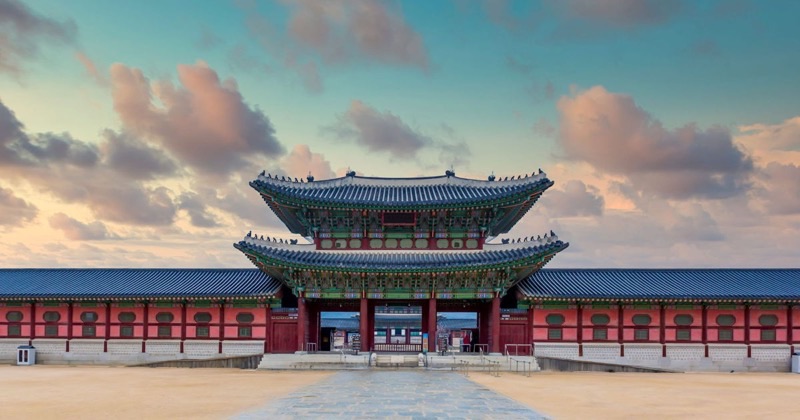
South Korea presents a fascinating blend of ancient traditions and hyper-modern trends. You can visit Gyeongbokgung Palace in Seoul, attend a traditional tea ceremony, and then immerse yourself in the K-pop streets of Gangnam or watch a baseball game. The DMZ offers a poignant look at recent history. Confucian values still influence daily life, apparent in respect for elders and social hierarchies. Museums like the National Museum of Korea provide context for its long, often turbulent past. Hanok villages, like Bukchon Hanok Village, preserve traditional architecture amidst skyscrapers.
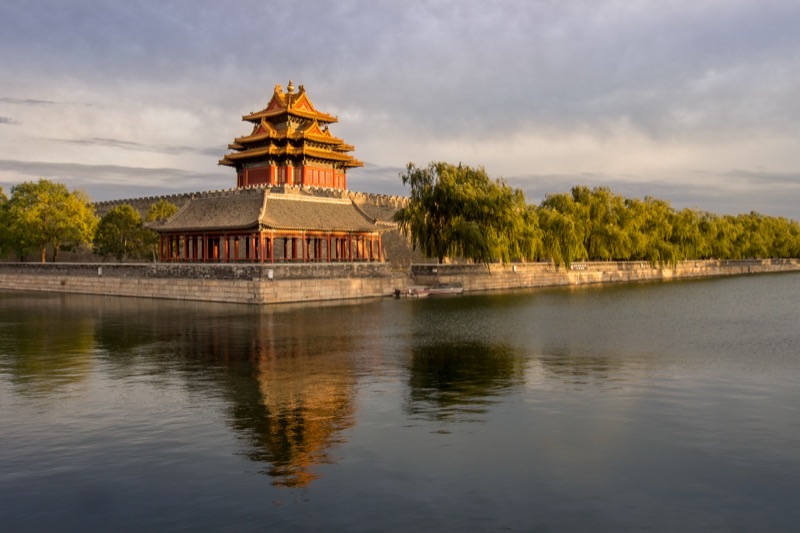
China offers history on an unparalleled scale. From the Great Wall of China near Beijing (entrance CNY 40-65 / ~$5.50-9 USD) and the Terracotta Army in Xi'an to the Forbidden City and ancient water towns, its historical depth is immense. Regional cultures, from Tibetan monasteries in Yunnan to Uyghur markets in Xinjiang (if you can get there), mean constant discovery. The impact of Mao and the Communist Party is seen everywhere, from propaganda posters to significant historical sites. China's history is not just long; it is diverse and spans many distinct eras and empires.
Tabiji verdict: China wins for its sheer scale, ancient depth, and diverse regional histories that are truly unique and globally significant.
- Winner: China
- Why: China offers a historical and cultural depth and scale that is globally unparalleled, with monumental ancient sites.
- Who this matters for: History buffs, those interested in ancient empires, and travelers seeking monumental historical sites.
🚄 Getting Around
South Korea's public transport system is a marvel of efficiency and convenience. The Seoul subway system is clean, extensive, and has excellent English signage and announcements.…
South Korea
China
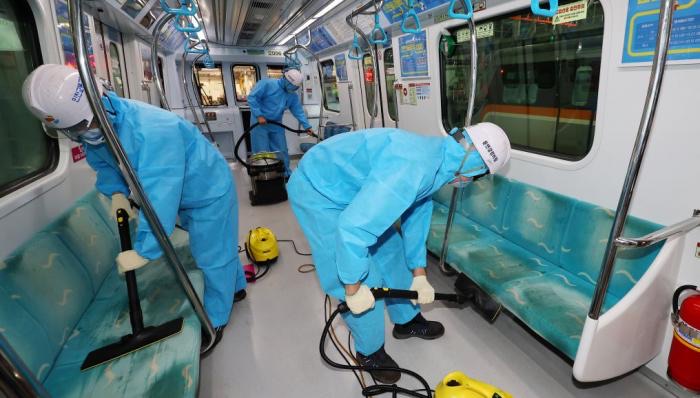
South Korea's public transport system is a marvel of efficiency and convenience. The Seoul subway system is clean, extensive, and has excellent English signage and announcements. A T-Money card makes payments simple across subways, buses, and even taxis. The KTX high-speed rail connects major cities quickly (Seoul to Busan takes about 2.5 hours, costing around ₩59,800 / ~$44 USD). Buses are also reliable. Naver Maps or Kakao Maps are essential for navigation; Google Maps is limited for public transport in South Korea. Getting around is rarely a source of stress, even for independent travelers.
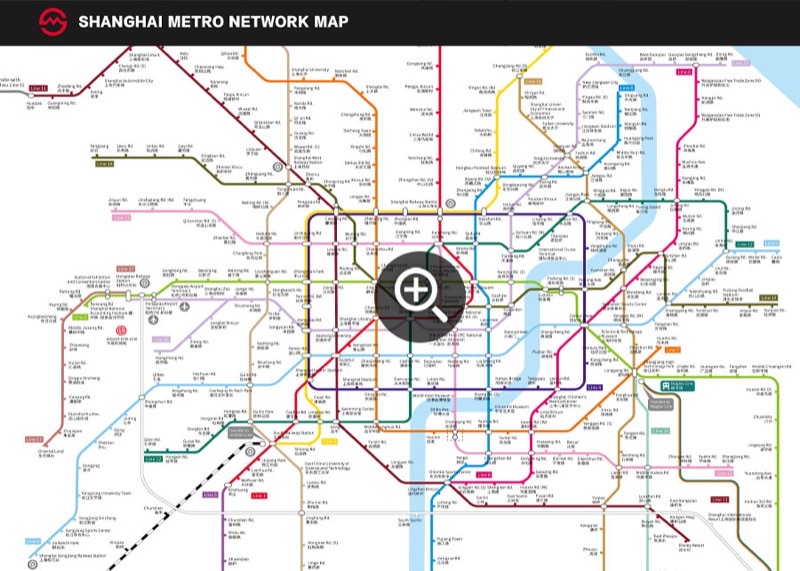
China boasts the world's largest high-speed rail network, connecting cities effectively and affordably. A train from Beijing to Shanghai takes about 4.5-5.5 hours and costs around CNY 553 (~$76 USD) for a second-class seat. Major cities like Shanghai and Beijing have extensive subway systems, though English signage can be less consistent than in South Korea. For local navigation, using apps like Baidu Maps or Amap (Gaode Maps) is necessary, as Google Maps is mostly useless. Didi (China's Uber) is widely used for taxis. Booking train tickets can be complex for foreigners, often requiring third-party apps or station queues.
Tabiji verdict: South Korea offers a less stressful and more straightforward experience for navigating its transport systems, particularly for non-Mandarin speakers.
- Winner: South Korea
- Why: South Korea offers superior ease of navigation with better English support and more traveler-friendly local apps.
- Who this matters for: First-time international travelers, solo travelers, and those who prioritize convenience over complexity.
🛡️ Safety & Ease of Travel
South Korea is one of the safest countries globally, with very low crime rates. Solo female travelers often report feeling secure, even at night. Emergency services are reliable.…

South Korea
China
South Korea is one of the safest countries globally, with very low crime rates. Solo female travelers often report feeling secure, even at night. Emergency services are reliable. English is fairly common in tourist areas, major hotels, and airports. The biggest challenge for some might be navigating certain local dining experiences without Korean, but apps like Papago help. Visa requirements are generally straightforward for many nationalities. The overall experience is very smooth, with a strong sense of order and personal safety.
China is also generally safe from violent crime, but petty theft can occur in crowded areas. The primary challenge for travelers is the digital landscape: restricted internet (VPN required for many common apps) and the near-exclusive reliance on WeChat Pay or Alipay for payments. Cash is increasingly difficult to use, and foreign credit cards are often not accepted directly. The language barrier is significant outside major tourist hubs, making simple tasks like ordering food or asking for directions more difficult. Visa application processes can be time-consuming and require substantial documentation.
Tabiji verdict: South Korea is the clear winner for ease of travel and personal safety, offering a far less complicated experience for most visitors.
- Winner: South Korea
- Why: South Korea provides a far more seamless and secure travel experience with minimal digital and linguistic hurdles.
- Who this matters for: First-time international travelers, solo travelers, and those who value digital freedom and convenience.
🏞️ Nature & Outdoors
South Korea offers a concentrated dose of natural beauty, primarily centered around its numerous mountains and national parks like Bukhansan near Seoul. Hiking is a national…
South Korea offers a concentrated dose of natural beauty, primarily centered around its numerous mountains and national parks like Bukhansan near Seoul. Hiking is a national pastime, with well-maintained trails and stunning autumn foliage. Jeju Island, a volcanic island, offers coastal beauty, lava tubes, and Hallasan mountain. The Hallyeohaesang National Park features islands and clear waters. While pretty, the landscapes are generally less dramatic in scale compared to other regions, but they are very accessible and well-preserved.
China's natural landscapes are incredibly diverse and often monumental. Think of the limestone karsts of Guilin and Yangshuo, the vast deserts and colorful mountains of Gansu province (Danxia Landform Geological Park), the majestic Yangtze River gorges, and the snow-capped peaks of Yunnan or Tibet. The Yellow Mountain (Huangshan) offers mist-shrouded peaks and ancient pine trees. National parks like Zhangjiajie (Avatar Mountains) are visually spectacular and unlike anything else. Accessing some of these remote areas can require longer journeys and more planning.
Tabiji verdict: China wins for the sheer diversity, scale, and dramatic impact of its natural landscapes, offering a wider range of outdoor adventures.
- Winner: China
- Why: China's natural landscapes are more diverse, on a grander scale, and often more visually striking.
- Who this matters for: Adventure seekers, photographers, and those interested in diverse geological formations and large-scale natural beauty.
🍻 Nightlife & Entertainment
South Korea's nightlife is legendary for its energy and variety, especially in Seoul. Areas like Hongdae, Gangnam, and Itaewon offer a multitude of clubs, bars, and karaoke…
South Korea's nightlife is legendary for its energy and variety, especially in Seoul. Areas like Hongdae, Gangnam, and Itaewon offer a multitude of clubs, bars, and karaoke (Noraebang) rooms. Drinks like soju and beer are affordable. Many restaurants and street food vendors stay open very late, making it easy to grab a meal after a night out. The atmosphere is generally social and welcoming, even for solo travelers. Expect to spend ₩5,000-15,000 (~$3.70-11 USD) for a drink at a bar, or more at a club.
China's major cities like Shanghai and Beijing have sophisticated nightlife districts with clubs and bars catering to various tastes, but they often feel less integrated into the local culture compared to South Korea. High-end clubs can be expensive, with drinks costing CNY 50-100 (~$7-14 USD). KTV (Karaoke Television) is immensely popular among locals, offering private rooms for groups. Outside of first-tier cities, nightlife options become much more limited, often revolving around local eateries or small pubs. The scene can feel less spontaneous for independent travelers.
Tabiji verdict: South Korea offers a more accessible, integrated, and consistently energetic nightlife experience for most travelers.
- Winner: South Korea
- Why: South Korea offers a more accessible, social, and widespread nightlife scene with numerous late-night options.
- Who this matters for: Younger travelers, party-goers, and those who enjoy a lively social atmosphere after dark.
📱 Connectivity & Digital Life
South Korea is one of the most digitally advanced countries globally. Internet speeds are exceptionally fast, and free public WiFi is widely available. There are no internet…
South Korea is one of the most digitally advanced countries globally. Internet speeds are exceptionally fast, and free public WiFi is widely available. There are no internet restrictions or censorship, so all your familiar apps (Google, Instagram, WhatsApp, YouTube) work perfectly. Renting a portable WiFi egg (around ₩5,000 / ~$3.70 USD per day) or getting a local SIM card is easy and affordable. Payments are generally by credit card or T-Money, with some local apps like Kakao Pay gaining traction. Communication and navigation are straightforward.
China also has fast internet in its major cities, but it operates behind the Great Firewall, meaning popular apps like Google, Facebook, Instagram, WhatsApp, YouTube, and many foreign news sites are blocked. A reliable VPN is essential, and even then, performance can be inconsistent. The society is almost entirely cashless, relying on WeChat Pay and Alipay. Foreigners often struggle to set these up without a local bank account or find alternatives, making daily transactions a significant hurdle. While there are workarounds (like connecting foreign credit cards to Alipay/WeChat Pay through mini-programs), it adds friction.
Tabiji verdict: South Korea is the undeniable winner for its completely open internet and seamless digital experience, making connectivity a non-issue.
- Winner: South Korea
- Why: South Korea offers unrestricted, high-speed internet and full access to global digital services, simplifying daily life.
- Who this matters for: Digital nomads, travelers who rely on social media, remote workers, and anyone who wants frictionless digital communication.
🛌 Accommodation
South Korea offers a high standard of accommodation across all price points. Hostels are clean, modern, and often have good common areas, averaging ₩25,000-40,000 (~$18-30 USD)…
South Korea offers a high standard of accommodation across all price points. Hostels are clean, modern, and often have good common areas, averaging ₩25,000-40,000 (~$18-30 USD) per night in Seoul. Mid-range hotels are plentiful and well-maintained (₩80,000-150,000 / ~$60-110 USD). Unique experiences like a hanok (traditional Korean house) stay are available, particularly in areas like Jeonju or Bukchon. Booking through international platforms like Booking.com or Agoda is straightforward, and reviews are generally reliable. 'Love motels' also offer affordable, short-term options with good amenities.
China has an enormous range of accommodation, from basic guesthouses (CNY 50-100 / ~$7-14 USD) to international luxury hotels. However, booking can be more complex. Many smaller, budget-friendly hotels and guesthouses are not listed on international platforms or may not accept foreign guests due to specific regulations. Local booking apps like Ctrip (Trip.com for international users) are essential but can still present challenges. In rural areas, finding English-speaking staff or reliable booking information can be difficult. High-end hotels are generally reliable but come at a higher cost.
Tabiji verdict: South Korea provides a more consistent, transparent, and easier booking experience for foreign travelers, especially at the mid-range and budget levels.
- Winner: South Korea
- Why: South Korea offers easier booking and a more consistently high standard of clean, modern, and accessible accommodation for all budgets.
- Who this matters for: All travelers, especially those who prefer easy planning and reliable accommodation standards.
🛍️ Shopping
South Korea is a shopping paradise, particularly for fashion, K-beauty products, and unique accessories. Districts like Myeongdong are famous for cosmetics (face masks from ₩1,000…
South Korea is a shopping paradise, particularly for fashion, K-beauty products, and unique accessories. Districts like Myeongdong are famous for cosmetics (face masks from ₩1,000 / ~$0.75 USD), while Hongdae caters to youth fashion. Dongdaemun Design Plaza offers late-night shopping for clothing and fabrics. Tech gadgets and electronics are also easily found. Tax refunds for tourists are readily available at airports and some stores. The experience is organized, clean, and often comes with good customer service. Traditional markets like Gwangjang Market offer food and crafts.
China offers a vast array of goods, from traditional silks and teas to modern electronics. Major cities have sprawling shopping malls with international brands. However, outside of these, the market is flooded with mass-produced goods, and quality control can be inconsistent. Bargaining is common in smaller markets. Counterfeit goods are prevalent. Finding unique, high-quality souvenirs can require more effort and discernment. Traditional markets like Panjiayuan Antique Market in Beijing offer interesting finds but require a keen eye.
Tabiji verdict: South Korea wins for its organized, high-quality, and specific shopping experiences, especially for beauty and fashion.
- Winner: South Korea
- Why: South Korea offers a more focused, higher-quality, and more enjoyable shopping experience for specific popular categories like K-beauty and fashion.
- Who this matters for: Fashion enthusiasts, beauty product buyers, and those looking for unique, trend-driven souvenirs.
🎯 The Decision Framework
Choose South Korea If…
- You want hyper-efficient public transport and minimal navigation stress.
- You are a K-pop or K-drama fan eager to experience the culture first-hand.
- You want safe, clean, and easily accessible street food and cafe culture.
- You value digital freedom and access to all your usual apps without a VPN.
- You appreciate a generally quiet and respectful populace, even in busy cities.
- You are a solo traveler prioritizing personal safety and ease of communication.
- You prefer modern, tech-forward experiences with traditional elements.
- You enjoy late-night dining and varied entertainment options that feel integrated.
Choose China If…
- You want to explore ancient history on a monumental, world-significant scale.
- You are on a tighter budget and want your money to stretch further.
- You are an experienced traveler comfortable with some logistical challenges.
- You seek immense natural diversity, from mountains and deserts to karsts.
- You are eager to try incredibly diverse regional cuisines, even with a language barrier.
- You want to see a country undergoing rapid development and change.
- You are comfortable using a VPN for internet access and local payment apps.
- You prefer to escape the typical tourist trails and explore vast, less-traveled areas.
📅 Sample Itineraries
Weekend in South Korea (3 Days)
💡 Purchase a T-Money card at any convenience store for about $2.50 to save time and get slight discounts on all public transport in Seoul.
Weekend in China (3 Days)
💡 Download WeChat and Alipay before arriving, as mobile payments are dominant and cash is rarely accepted in many places. You'll need a local SIM or eSIM for internet access.
One Week in South Korea (7 Days)
💡 Utilize the KTX high-speed rail for inter-city travel; booking tickets online in advance, especially during holidays, can save you from fully booked trains.
One Week in China (7 Days)
💡 A multi-city trip across China benefits greatly from pre-booking high-speed rail tickets through apps like Ctrip, as popular routes sell out quickly and stations can be overwhelming.
❓ Frequently Asked Questions
What is the typical flight time from the US to South Korea or China?
Direct flights from major US cities like Los Angeles (LAX) to Seoul (ICN) typically take around 11-12 hours. Flights from LAX to Beijing (PEK) or Shanghai (PVG) are similar, ranging from 11-13 hours. East Coast flights (e.g., JFK) will be longer, around 14-16 hours for both destinations.
Do I need a visa for South Korea or China?
For South Korea, many nationalities, including US citizens, can enter for up to 90 days without a visa, though an electronic travel authorization (K-ETA) is required. For China, most foreign citizens require a visa in advance, which can be a multi-step application process and usually takes several weeks to obtain.
What are the best times of year to visit each country?
Both countries are best visited in spring (April-May) for cherry blossoms and mild weather, or autumn (September-October) for clear skies and colorful foliage. Summers (July-August) can be hot and humid with monsoon rains. Winters (December-February) are cold, especially in the north of both countries.
How easy is it to get around if I dont speak the language?
In South Korea, English is fairly prevalent in tourist areas, major cities, and public transport hubs. Apps like Papago are very effective for translation. In China, English proficiency is much lower outside of major international hotels and airports. Translation apps are essential, and patience is a virtue, especially outside first-tier cities.
Are foreign credit cards widely accepted in South Korea and China?
In South Korea, foreign credit cards (Visa, MasterCard) are widely accepted almost everywhere, from restaurants to shops and transport. In China, the society is largely cashless, relying on WeChat Pay and Alipay. While some international hotels and large stores accept foreign cards, many local businesses do not. Linking a foreign card to Alipay or WeChat Pay through mini-programs is a common workaround but can be complex.
What are some specific cultural differences to be aware of?
In South Korea, bowing is a common greeting, and respect for elders is key. Removing shoes before entering homes is standard. In China, directness in communication can be perceived differently, and 'face' (reputation/dignity) plays a significant role in interactions. The concept of personal space can also differ.
Is it easy to find vegetarian or vegan food in these countries?
Finding vegetarian food can be challenging in both, as meat is often incorporated into many dishes. In South Korea, temple food is an option, but otherwise, clear communication is needed. In China, Buddhist vegetarian restaurants exist, but cross-contamination is common in general eateries. Learning key phrases like 'no meat' (méi ròu) or 'no animal products' is crucial for both.
How much does a typical mid-range hotel cost per night?
In South Korea, a decent mid-range hotel in Seoul or Busan typically costs around ₩80,000-150,000 (~$60-110 USD) per night. In China, a comparable mid-range hotel in Beijing or Shanghai might range from CNY 350-600 (~$50-85 USD) per night, often offering good value for money.
Ready to plan your East Asia trip?
Get a free custom itinerary for South Korea, China, or both — built from real traveler insights.
👥 Travelers Also Compared
🎟️ Book Tours & Experiences
Hand-picked tours and activities for both destinations — book with free cancellation
Experiences via Viator — free cancellation on most tours