How we built this comparison
This page combines traveler discussion patterns, published price ranges, flight schedules, and seasonal data to help you decide between South Korea and Jordan.
- Reviewed 100+ Reddit threads from r/travel, r/solotravel, r/koreatravel, r/jordantravel.
- Verified costs and logistics against current booking platforms like Booking.com, Skyscanner, and local transport sites.
- Cross-referenced seasonal patterns and weather data from meteorological sources for accurate 'best time to visit' advice.
⚡ Quick Answers
⚡ The TL;DR Verdict
For most travelers seeking a well-developed, independent experience with extensive public transit, pick South Korea, budgeting around $70-120 per day. If ancient history, desert landscapes, and cultural immersion with a slightly more rugged approach appeals, Jordan is your choice, at $60-100 daily (excluding big tours). South Korea generally offers a more straightforward, solo-friendly trip.
- Choose South Korea: You want efficient public transport, high-tech cities, K-pop culture, excellent food safety, and independent exploration.
- Choose Jordan: You prioritize ancient historical sites like Petra, desert adventures in Wadi Rum, Dead Sea experiences, and enjoy guided tours for logistics.
- Choose Both: If you have 4-5 weeks and a flexible budget, combine them for a contrast in modern and ancient cultures, but prepare for long flight times between regions.
Choose South Korea
Choose South Korea if you crave an ultra-modern, effortlessly navigable adventure. Perfect for solo explorers and foodies, you'll love diving into Seoul's vibrant Myeongdong street food scene, exploring futuristic Gangnam, and zipping between sights on its impeccable public transit. It's an ideal choice for a safe, independent, and high-energy cultural dive into K-culture.
Choose Jordan
Opt for Jordan if ancient wonders and breathtaking desert landscapes call your name. It's best for history buffs and intrepid travelers who dream of exploring the Rose City of Petra, stargazing in Wadi Rum's Martian terrain, and floating in the Dead Sea. Prepare for a deeply immersive journey, often best enjoyed with local guides to unlock its rich stories and heritage.
📊 Visual Scorecard
🌤 When to Visit
Average high temperatures (°C). Green = best months, orange = avoid.
Quick Comparison
| Category | South Korea | Jordan | Winner |
|---|---|---|---|
| Costs & Budget | Mid-range daily budget of $70-120. Accommodation can be expensive in cities, but food is good value. | Mid-range daily budget of $60-100, though major sites like Petra and guided tours increase this significantly. | South Korea |
| Culture & History | Modern pop culture alongside ancient palaces and Confucian traditions. Rapid technological advancement. | Ancient civilizations, Roman ruins, Nabataean city of Petra, desert Bedouin traditions, religious sites. | Jordan |
| Food & Drink | Diverse Korean cuisine from street food to fine dining. Soju and makgeolli are popular alcoholic drinks. | Levantine cuisine, falafel, hummus, mansaf, kunafa. Alcohol consumption is less common but available. | South Korea |
| Nature & Outdoors | Mountains, national parks, coastal areas, islands like Jeju. Four distinct seasons with seasonal foliage. | Vast desert landscapes, the Dead Sea, Red Sea coral reefs, wadis (valleys). Sparse vegetation. | Jordan |
| Safety & Logistics | Extremely safe, low crime rates. Excellent infrastructure, easy for independent travel. | Generally safe for tourists. Regional stability concerns exist, but tourist areas are secure. Requires more planning for transport. | South Korea |
| Getting Around | Exceptional public transport (subway, buses, KTX trains) covers the entire country. Taxis are affordable. | Limited public transport outside Amman. Reliance on taxis, ride-sharing, hired drivers, or organized tours for inter-city travel. | South Korea |
| Nightlife & Entertainment | Seoul offers extensive nightlife, from K-pop clubs and karaoke rooms to late-night cafes and themed bars. | Nightlife is quieter, centered around cafes, shisha lounges, and hotel bars, especially in Amman. | South Korea |
| Accommodation | Modern hotels, budget guesthouses, hostels, and unique hanok stays. High standards of cleanliness. | Hotels ranging from budget to luxury, guesthouses, and unique Bedouin camps in Wadi Rum. Standards vary. | South Korea |
| Solo Travel Friendliness | Excellent for solo travelers due to safety, efficient transport, and independent dining options. | Feasible but can be more challenging logistically. Tours often help connect with other travelers. | South Korea |
| Flight & Entry | Long-haul flights from North America and Europe, usually requiring a visa for some nationalities. | Long-haul from North America, shorter from Europe. Jordan Pass streamlines visa and entry fees. | Tie |
💸 Costs & Budget
South Korea, particularly Seoul, has higher accommodation costs. A good hostel bed in Seoul typically costs 30,000-45,000 KRW ($22-33), while a mid-range hotel starts around…

South Korea
Jordan
South Korea, particularly Seoul, has higher accommodation costs. A good hostel bed in Seoul typically costs 30,000-45,000 KRW ($22-33), while a mid-range hotel starts around 100,000 KRW ($74). Food can be inexpensive; a solid meal at a local restaurant is 7,000-15,000 KRW ($5-11), and street food even less. Transport is efficient and cheap, with a subway ride costing about 1,400 KRW ($1.05). Overall, a daily budget of $70-120 is realistic for a comfortable solo traveler, excluding big shopping sprees or high-end dining.
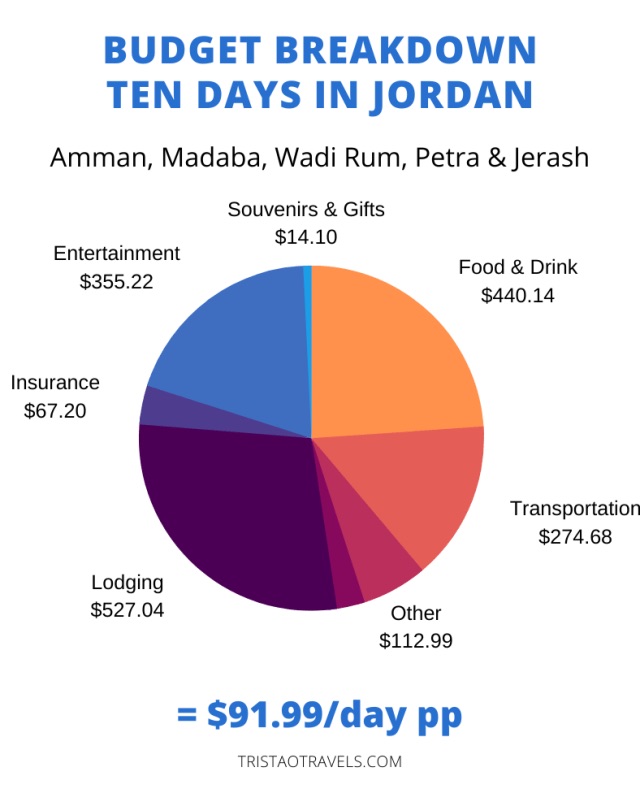
Jordan offers lower daily expenses for food and basic accommodation. A hostel bed in Amman or Aqaba is 15-25 JOD ($21-35), and local meals like falafel or mansaf are 1-5 JOD ($1.40-7). However, major attractions are expensive: a one-day Petra ticket is 50 JOD ($70), and multi-day tours to Wadi Rum can add hundreds of dollars. The Jordan Pass is essential, saving money on visas and entry fees. For two travelers hiring a driver for a day, expect to pay 80-100 JOD ($112-140). A daily budget of $60-100 is feasible if you manage attraction costs carefully. Tabiji verdict: South Korea wins on predictable, manageable costs for independent travel.
- Winner: South Korea
- Why: South Korea offers more consistent, transparent pricing across most travel aspects, making budgeting simpler for independent travelers.
- Who this matters for: Budget-conscious travelers who prefer controlling their expenses without relying on tour packages.
🏛️ Culture & History
South Korea blends ancient tradition with cutting-edge modernity. You can walk through Gyeongbokgung Palace in Seoul, attend a traditional tea ceremony, or visit the DMZ, which…
South Korea

Jordan
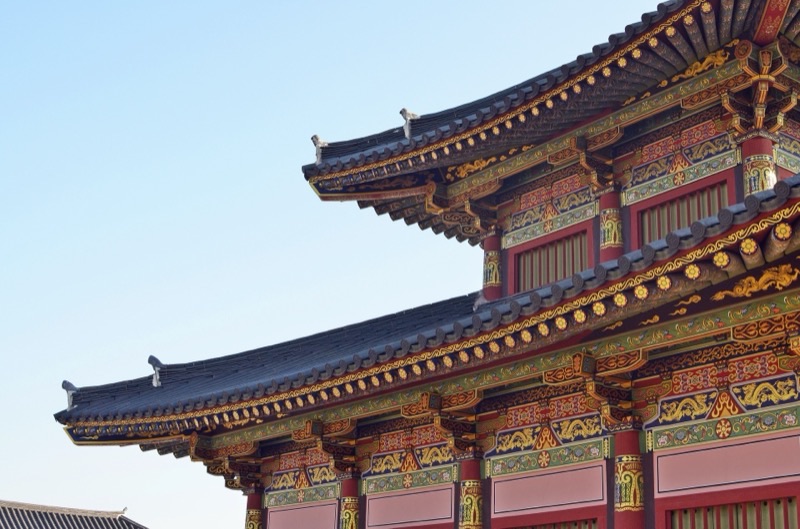
South Korea blends ancient tradition with cutting-edge modernity. You can walk through Gyeongbokgung Palace in Seoul, attend a traditional tea ceremony, or visit the DMZ, which offers a poignant look at recent history. The country also leads in K-pop, esports, and technological innovation, evident in districts like Gangnam. Museums like the National Museum of Korea provide depth on its long past, but much of the countrys appeal lies in its current cultural exports and sleek urban development.
Jordan is a history enthusiasts dream. Petra, the ancient Nabataean city carved into rock, is its undisputed centerpiece, requiring at least two full days to explore properly. Jerash offers some of the best-preserved Roman ruins outside of Italy, and the Crusader castles like Kerak provide insights into medieval conflicts. Bedouin culture in Wadi Rum adds a layer of desert heritage, offering experiences like stargazing and traditional meals. The Dead Sea and Mount Nebo also hold historical and religious significance. Tabiji verdict: For sheer historical depth and ancient wonders, Jordan is the clear choice.
- Winner: Jordan
- Why: Jordan provides access to significantly older, more globally impactful historical sites and desert traditions.
- Who this matters for: Travelers prioritizing ancient history, archaeological wonders, and desert cultural experiences.
🍜 Food & Drink
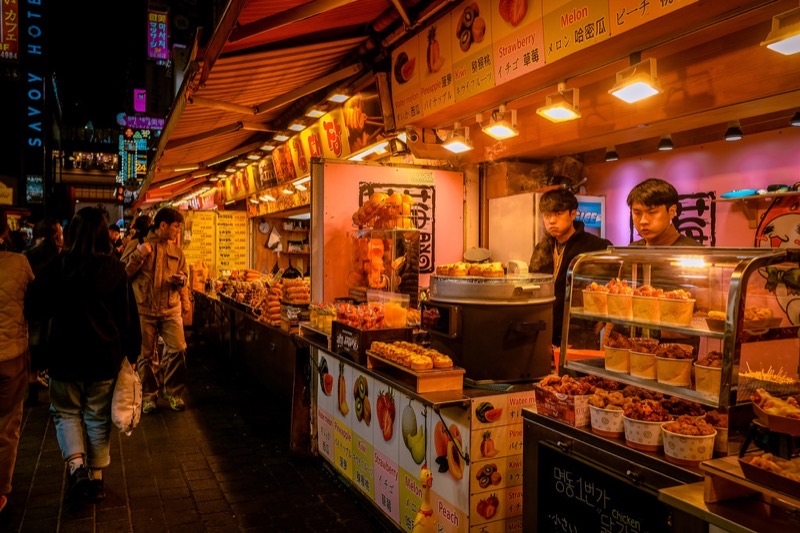
South Korea offers an incredibly diverse and accessible food scene. From street food stalls in Myeongdong selling tteokbokki, gyeranppang, and hotteok for 3,000-8,000 KRW…
South Korea
Jordan
South Korea offers an incredibly diverse and accessible food scene. From street food stalls in Myeongdong selling tteokbokki, gyeranppang, and hotteok for 3,000-8,000 KRW ($2.20-5.90), to barbecue joints, bibimbap restaurants, and cafes on every corner. Convenience stores are well-stocked with quick meals and snacks. Soju and makgeolli are staple alcoholic drinks, easily found and affordable. The food is generally spicy, flavorful, and portions are generous. Hygiene standards are very high across the board.
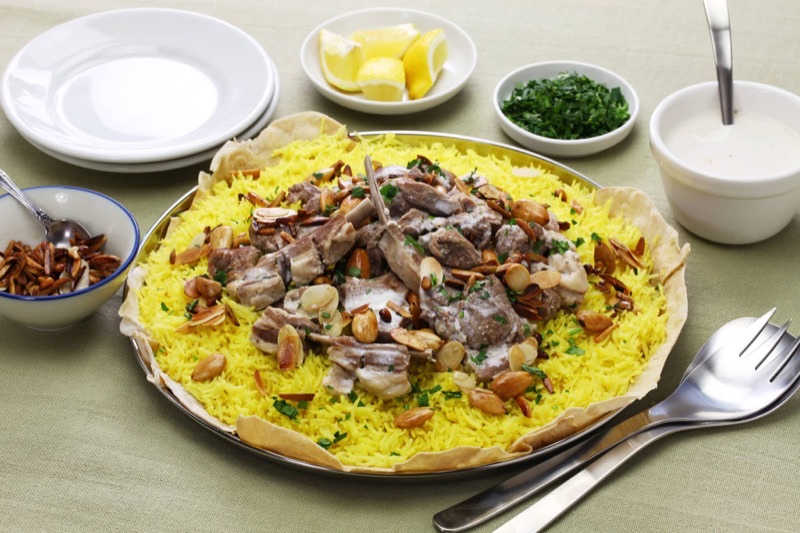
Jordanian cuisine is part of the broader Levantine tradition, focusing on fresh ingredients, mezze, and grilled meats. Falafel sandwiches for 1 JOD ($1.40) and hummus are staples. Mansaf, the national dish, is a hearty lamb and rice platter. Sweet treats like kunafa are popular. Alcohol is available in tourist areas, licensed restaurants, and hotels, but it is not as prevalent or integrated into daily life as in South Korea. While the food is tasty, the variety and accessibility of different dining experiences are less developed compared to South Korea. Tabiji verdict: South Korea offers a more expansive, diverse, and readily available culinary exploration.
- Winner: South Korea
- Why: South Korea provides a wider array of food experiences, from street vendors to cafes and restaurants, with high quality and accessibility.
- Who this matters for: Travelers whose trip satisfaction heavily relies on trying a wide range of different and easily accessible foods.
🏞️ Nature & Outdoors
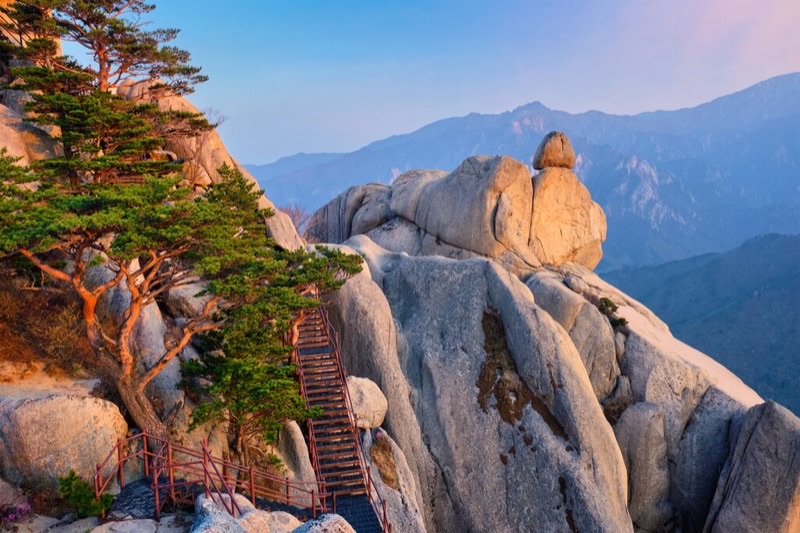
South Korea features many national parks with mountains suitable for hiking, such as Bukhansan National Park near Seoul or Seoraksan National Park further afield. The country…
South Korea
Jordan
South Korea features many national parks with mountains suitable for hiking, such as Bukhansan National Park near Seoul or Seoraksan National Park further afield. The country experiences four distinct seasons, with spring cherry blossoms and autumn foliage being particular draws. Jeju Island offers volcanic landscapes, beaches, and scenic drives. While pleasant, the natural areas often feel well-maintained and structured, less about raw wilderness. Coastal areas like Busan provide city-beach combinations.
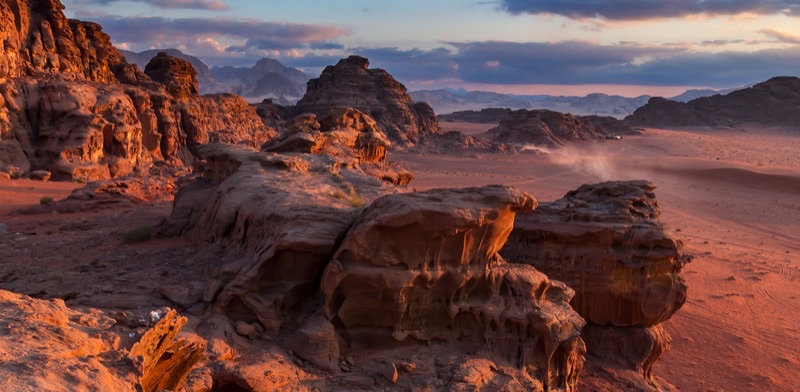
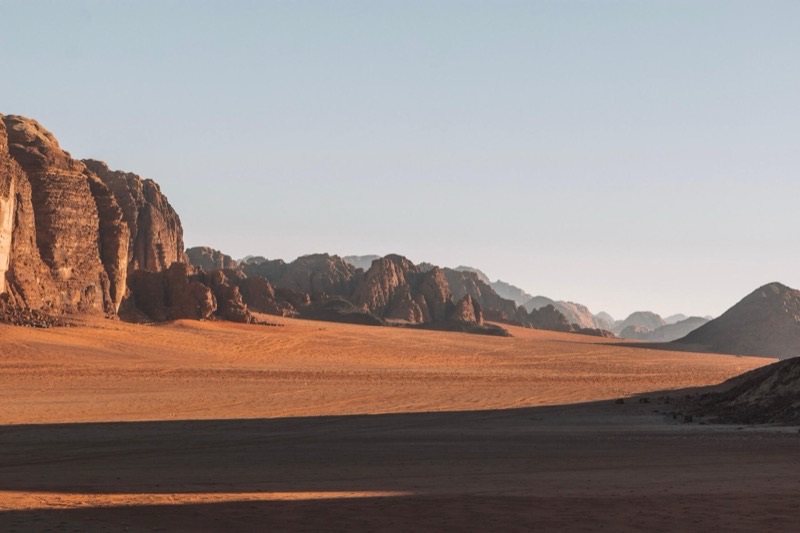
Jordan excels in dramatic, arid natural settings. Wadi Rum, the Martian-like desert, offers jeep tours, camel rides, and overnight stays in Bedouin camps under expansive night skies. The Dead Sea, Earths lowest point, allows for unique floating experiences. Aqaba on the Red Sea provides snorkeling and diving opportunities amidst coral reefs. The landscapes in Jordan are on a grander, more ancient scale, offering stark contrasts and unique geological formations. The focus is on epic desert scenery and geological wonders. Tabiji verdict: Jordan provides more distinctive and globally recognized natural landscapes for outdoor exploration.
- Winner: Jordan
- Why: Jordan's desert landscapes, the Dead Sea, and Wadi Rum offer truly singular natural experiences not found elsewhere.
- Who this matters for: Travelers seeking dramatic, unique natural landscapes and desert adventure experiences.
🚨 Safety & Logistics
South Korea is one of the safest countries globally, with extremely low crime rates, even in major cities like Seoul. Petty crime is rare, and walking alone at night is generally…
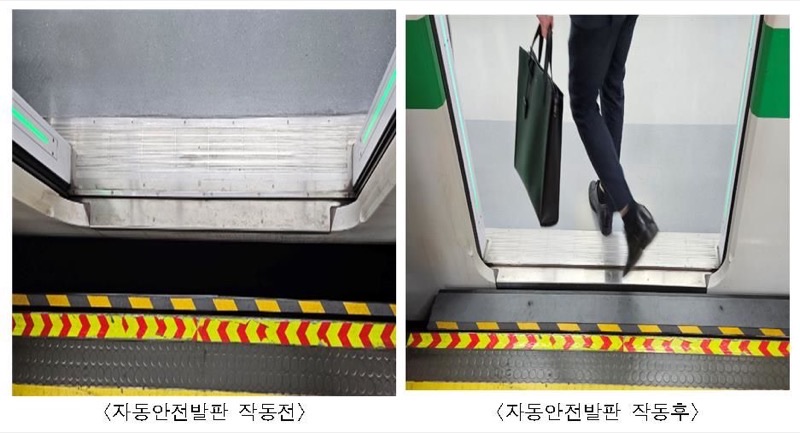
South Korea
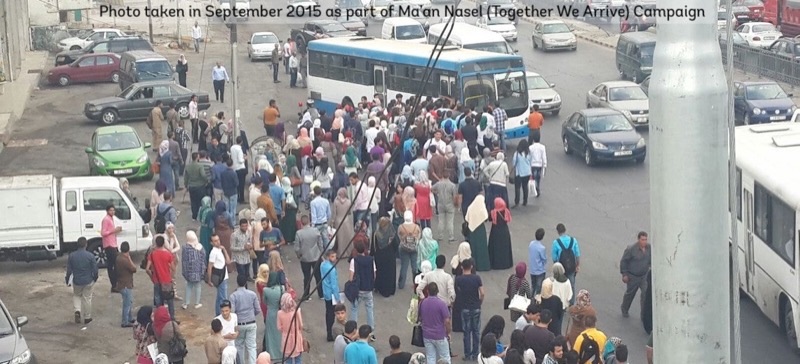
Jordan
South Korea is one of the safest countries globally, with extremely low crime rates, even in major cities like Seoul. Petty crime is rare, and walking alone at night is generally not an issue. The infrastructure is modern and efficient, with excellent English signage in tourist areas and public transport. Everything from buying tickets to finding information is streamlined and easy. Travelers can navigate the entire country independently with minimal fuss, relying heavily on the comprehensive subway and bus systems.
Jordan is generally safe for tourists, with authorities making efforts to secure tourist routes and attractions. However, it is located in a volatile region, and travelers should monitor current events and government travel advisories. While major tourist sites like Petra and Wadi Rum are safe, independent travel outside of organized tours can be more challenging dueencing logistical hurdles like finding reliable transport. Road conditions vary, and local driving can be aggressive. While incidents are rare, awareness of surroundings is always advised. Tabiji verdict: South Korea offers a significantly more secure and logistically straightforward travel experience.
- Winner: South Korea
- Why: South Korea offers an extremely low crime environment and highly efficient, easily navigable public infrastructure, making travel stress-free.
- Who this matters for: Solo travelers, first-time international travelers, and those who prioritize safety and ease of navigation above all else.
🚇 Getting Around
South Korea boasts one of the most efficient and extensive public transportation networks in the world. Seoul has an expansive subway system that is easy to use, with English…
South Korea boasts one of the most efficient and extensive public transportation networks in the world. Seoul has an expansive subway system that is easy to use, with English announcements and clear signage. High-speed KTX trains connect major cities like Busan and Gyeongju quickly and comfortably. Intercity buses are also frequent and reliable. Taxis are plentiful and reasonably priced, especially for shorter distances. Travelers can easily navigate the entire country without needing to rent a car or hire private drivers.
Getting around Jordan outside of Amman requires more planning and often a higher budget. Public buses connect major cities but are less frequent and less comfortable than in South Korea. For tourist routes like the Kings Highway or travel to Petra and Wadi Rum, travelers typically rely on organized tours, hired drivers, or rent a car. Taxis and ride-sharing apps like Careem operate in Amman and other larger towns, but inter-city options are sparse. This makes independent exploration more challenging and potentially more expensive. Tabiji verdict: South Korea's public transport system is vastly superior for independent and efficient travel.
- Winner: South Korea
- Why: South Korea's integrated, efficient, and affordable public transport system simplifies travel throughout the country.
- Who this matters for: Travelers who prefer to navigate independently and do not want to rent a car or rely on private drivers/tours.
🌃 Nightlife & Entertainment
South Korea, particularly Seoul, has a reputation for some of the most energetic nightlife in Asia. Districts like Hongdae, Gangnam, and Itaewon offer a variety of options, from…
South Korea, particularly Seoul, has a reputation for some of the most energetic nightlife in Asia. Districts like Hongdae, Gangnam, and Itaewon offer a variety of options, from pulsating K-pop clubs that stay open until the early morning, to themed bars, norebang (karaoke rooms), and late-night cafes. The culture of 'hoe-sik' (company dinners) often extends into multiple rounds of drinks and activities, meaning places remain lively well past midnight. Concerts and esports events are also common.
Jordan's nightlife is much more subdued. In Amman, options are primarily limited to cafes serving shisha and coffee, some Western-style bars in upscale hotel districts, and a few lounges. There are no large-scale club scenes comparable to Seoul. Outside of Amman, nightlife is virtually nonexistent, focused instead on quiet evenings in guesthouses or under desert stars in Wadi Rum. Alcohol consumption is less prevalent and generally more expensive than in South Korea. Tabiji verdict: For a truly dynamic and diverse nightlife experience, South Korea is the obvious winner.
- Winner: South Korea
- Why: South Korea provides a far more extensive and diverse range of late-night entertainment, from clubs to unique themed venues.
- Who this matters for: Travelers who enjoy late-night social activities, clubs, karaoke, and a lively urban atmosphere.
🏨 Accommodation
South Korea offers a wide array of accommodation, all generally meeting high standards of cleanliness and service. Budget travelers can find well-maintained hostels for…
South Korea offers a wide array of accommodation, all generally meeting high standards of cleanliness and service. Budget travelers can find well-maintained hostels for 30,000-45,000 KRW ($22-33) per night, often with excellent amenities. Mid-range hotels are plentiful, and for a cultural experience, a traditional hanok stay in a historical village like Bukchon is an option. Unique 'love motels' offer stylish rooms for short stays but also serve as regular hotels. Booking is easy online, and facilities are modern.
Jordan's accommodation landscape includes international hotel chains in Amman and Aqaba, local guesthouses, and budget hotels. Prices for a decent hostel bed typically range from 15-25 JOD ($21-35). The standout accommodation experience is staying in a Bedouin camp in Wadi Rum, which varies from basic tents to luxury glamping setups, costing 30-150 JOD ($42-210) per night, usually including meals and tours. While clean, the general standard of budget accommodation can be less consistent than in South Korea. Tabiji verdict: South Korea provides consistently higher quality and more diverse standard accommodation options.
- Winner: South Korea
- Why: South Korea offers consistently high standards of cleanliness, modern facilities, and a broader range of reliable options across all budget levels.
- Who this matters for: Travelers who prioritize comfort, predictable quality, and modern amenities in their lodging choices.
🧍 Solo Travel Friendliness
South Korea is an ideal destination for solo travelers. Its extremely low crime rate means walking around alone, even at night, poses minimal concern. The public transport system…
South Korea is an ideal destination for solo travelers. Its extremely low crime rate means walking around alone, even at night, poses minimal concern. The public transport system is intuitive and efficient, making independent navigation easy. Many restaurants cater to solo diners, and there are countless cafes for quiet reflection. English is widely spoken in tourist areas, and apps like Naver Maps or KakaoMap simplify directions. Meeting other travelers in hostels is common, and local people are generally helpful, though not always outwardly social.
Solo travel in Jordan is feasible but can require more planning. While tourist areas are safe, navigating outside of organized tours means relying on hired drivers or shared taxis, which can be more expensive or less convenient for a single person. Dining alone is less common culturally, though perfectly acceptable in tourist spots. Joining group tours to Petra and Wadi Rum is a common way for solo travelers to manage logistics and meet others. Female solo travelers may experience more unwanted attention than in South Korea, though incidents are rare. Tabiji verdict: South Korea offers a significantly more comfortable and logistically simpler experience for solo adventurers.
- Winner: South Korea
- Why: South Korea's superior safety, public transport, and independent dining options make it exceptionally easy and stress-free for solo exploration.
- Who this matters for: Travelers planning to explore alone who prioritize personal safety, ease of navigation, and independent activities.
✈️ Flight & Entry
Flights to South Korea (Incheon International Airport, ICN) from major North American hubs like LAX or JFK typically involve direct flights of 12-14 hours. From Europe (e.g.,…
Flights to South Korea (Incheon International Airport, ICN) from major North American hubs like LAX or JFK typically involve direct flights of 12-14 hours. From Europe (e.g., London Heathrow, LHR), direct flights are around 10-11 hours. Entry requirements vary by nationality, but many countries, including the US and most of Europe, do not require a visa for stays under 90 days. Always check current regulations as they can change. Flight prices vary seasonally but can range from $800-1500 USD round trip from major hubs.
Flights to Jordan (Queen Alia International Airport, AMM) from North America usually involve one stop and take 12-15 hours. From Europe, direct flights are common and much shorter, around 4-5 hours. For many nationalities, including US, UK, and EU citizens, a visa is required, which can be purchased on arrival for 40 JOD ($56). However, the Jordan Pass (70-80 JOD / $98-112) is highly recommended as it waives the visa fee and includes entry to over 40 attractions, including Petra. This pass is a significant cost and convenience factor. Tabiji verdict: Both destinations require similar flight considerations, with Jordan having the benefit of the Jordan Pass simplifying entry.
- Winner: Tie
- Why: Both destinations present comparable flight durations from major global hubs, with specific benefits like South Koreas visa-free access for many and Jordans Jordan Pass.
- Who this matters for: Travelers primarily concerned with the practicalities of international air travel and entry requirements.
🎯 The Decision Framework
Choose South Korea If…
- You want to navigate easily with excellent public transport.
- You prioritize personal safety and low crime rates above all else.
- You are interested in K-pop, K-drama, and cutting-edge technology.
- You seek a wide variety of readily available street food and diverse dining.
- You prefer independent exploration without needing organized tours.
- You enjoy late-night entertainment, from clubs to karaoke.
- You appreciate consistently high standards of accommodation and hygiene.
- You want a country where solo travel is straightforward and comfortable.
Choose Jordan If…
- You dream of seeing ancient Petra with your own eyes.
- You want to experience sleeping in a Bedouin camp in Wadi Rum.
- You are fascinated by Roman ruins and Crusader castles.
- You want to float in the Dead Sea.
- You are open to hiring drivers or joining small group tours for logistics.
- You appreciate Middle Eastern hospitality and local interactions.
- You prioritize destinations with significant religious and archaeological history.
- You are prepared for a slightly less developed tourist infrastructure outside of main sites.
📅 Sample Itineraries
Weekend in South Korea (3 Days)
💡 Purchase a T-Money card upon arrival for seamless public transport (subway/bus) across Seoul; initial card cost is $2.50, then load as needed.
Weekend in Jordan (3 Days)
💡 Consider buying the Jordan Pass ($99-113) if visiting Petra and other sites; it waives the visa fee and includes entry to over 40 attractions, saving you money.
One Week in South Korea (7 Days)
💡 Utilize the KTX high-speed train for efficient travel between major cities like Seoul and Busan; booking tickets online in advance can secure better seats and sometimes slight discounts.
One Week in Jordan (7 Days)
💡 Renting a car in Jordan ($30-50/day) provides flexibility, especially for reaching sites like Petra and Wadi Rum at your own pace, but be prepared for varying road conditions.
❓ Frequently Asked Questions
What is the best time of year to visit South Korea vs Jordan?
South Korea is best in spring (April-May) for cherry blossoms or autumn (September-October) for pleasant weather and foliage. Jordan is ideal in spring (March-May) or autumn (September-November) to avoid extreme summer heat (40°C / 104°F) and cold desert winters, with daytime temperatures averaging 20-28°C (68-82°F).
How many days are recommended for each country?
For South Korea, a solid 10-14 days allows you to cover Seoul, Busan, and perhaps Gyeongju or Jeju Island. For Jordan, 7-10 days is generally sufficient to visit Amman, Petra (2 days), Wadi Rum (1-2 nights), and the Dead Sea. Both can be explored quicker, but these durations offer a good balance.
Is English widely spoken in South Korea and Jordan?
In South Korea, English is understood in major tourist areas, hotels, and subway stations in Seoul, but less so in smaller towns. Learning basic Korean phrases and using translation apps helps. In Jordan, English is widely spoken in tourist-facing businesses, hotels, and by many locals, especially younger generations.
What are typical flight costs from the US for each destination?
Round-trip flights from major US cities to Seoul (ICN) typically range from $800 to $1500 USD. Flights to Amman (AMM) often fall in a similar range, $700 to $1400 USD, though they usually involve at least one layover. Prices vary significantly based on season and booking time.
Are there specific items to pack for each country?
For South Korea, pack comfortable walking shoes, adapters for Type F sockets, and clothes suitable for city exploration. For Jordan, bring light, modest clothing, a hat, sunscreen, sturdy walking shoes for archaeological sites, and a swim suit for the Dead Sea. Adapters are for Type C/F/G sockets depending on older or newer buildings.
What are the visa requirements for US citizens for South Korea and Jordan?
US citizens can typically visit South Korea without a visa for stays up to 90 days, but an electronic travel authorization (K-ETA) is required prior to travel. For Jordan, US citizens require a visa, which can be purchased on arrival for 40 JOD ($56), or waived if purchasing the Jordan Pass beforehand.
How expensive is alcohol in South Korea vs Jordan?
In South Korea, alcohol is relatively affordable; a bottle of soju is about 2,000 KRW ($1.50) at a convenience store, and a beer around 4,000-7,000 KRW ($3-5) at a bar. In Jordan, alcohol is more expensive due to taxes; a beer in a licensed restaurant can cost 6-10 JOD ($8-14).
Which destination is better for shopping?
South Korea is significantly better for shopping, offering everything from high-tech gadgets, K-beauty products, fashion in areas like Myeongdong and Dongdaemun, to traditional crafts. Jordan offers fewer shopping opportunities, mainly focusing on local handicrafts, Dead Sea products, and spices.
Ready to plan your next adventure?
Get a free custom itinerary for South Korea, Jordan, or both — built from real traveler insights.
👥 Travelers Also Compared
🎟️ Book Tours & Experiences
Hand-picked tours and activities for both destinations — book with free cancellation
Experiences via Viator — free cancellation on most tours