How we built this comparison
This page combines traveler discussion patterns, published price ranges, flight schedules, and seasonal data to help you decide between South Korea and Mexico.
- Reviewed 100+ Reddit threads from r/travel, r/solotravel, r/SouthKorea, r/Mexico, r/CDMX, r/KoreaTravel
- Verified costs and logistics against current booking platforms like Booking.com, Skyscanner, Google Flights
- Cross-referenced seasonal patterns and weather data from NOAA and local meteorological services
⚡ Quick Answers
⚡ The TL;DR Verdict
For most first-time international travelers seeking easy navigation, safety, and modern convenience, South Korea at $80-150/day offers a more streamlined experience. Mexico, at $50-100/day, is the pick for those who crave a more raw, culturally immersive journey, are comfortable with Spanish, and enjoy a slower pace.
- Choose South Korea: You prioritize safety, efficient public transport, ultra-modern cities, and a structured travel experience with consistent quality.
- Choose Mexico: You seek cultural immersion, diverse landscapes, exceptional food on a budget, and do not mind a less predictable travel environment.
- Choose Both: If you have at least 4-5 weeks and a substantial budget, you could experience both; perhaps two weeks in Mexico, then two in South Korea, for a complete contrast.
Choose South Korea
Choose South Korea if you crave an incredibly safe, hyper-efficient, and technologically advanced journey. It's perfect for K-pop fans exploring Gangnam, foodies sampling vibrant street eats in Myeongdong, and anyone seeking seamless travel via KTX, experiencing a dynamic blend of ancient palaces and futuristic Seoul. Best for travelers who prioritize modern convenience, structured experiences, and a meticulously clean environment.
Choose Mexico
Opt for Mexico to dive into a rich tapestry of history, vibrant markets, and unparalleled culinary adventures. It's ideal for explorers seeking authentic street tacos in Mexico City's Coyoacán, marveling at Oaxaca's artisanal crafts, or uncovering ancient Mayan secrets in Yucatán. Best for budget-conscious travelers desiring deep cultural immersion, a slower pace, and a more spontaneous, lively experience.
📊 Visual Scorecard
🌤 When to Visit
Average high temperatures (°C). Green = best months, orange = avoid.
Quick Comparison
| Category | South Korea | Mexico | Winner |
|---|---|---|---|
| Daily Costs & Budget | Higher daily budget, efficient but pricey. Expect ₩80,000-₩150,000 ($60-$115) for a comfortable solo budget. | Lower daily budget, excellent value. Expect MXN $800-MXN $1,500 ($45-$85) for a comfortable solo budget. | Mexico |
| Safety & Security | Extremely low crime rates, safe for solo travelers at all hours. Public order is high. | Safety varies by region. Major tourist cities are generally safe, but petty crime is present. Research specific areas. | South Korea |
| Food & Culinary Scene | Diverse, savory, often spicy. Focus on communal eating and specific dishes like BBQ, stews, street food. | Incredibly diverse, fresh, regional variations. From street tacos to mole, a spectrum of flavors. | Mexico |
| Culture & History | Rich history from ancient kingdoms to modern divisions. Focus on Confucian, Buddhist, and K-pop influences. | Deep pre-Hispanic roots, colonial influence, and indigenous traditions. Maya, Aztec, Spanish influences are strong. | Tie |
| Getting Around | Exceptional public transport: fast, clean, efficient subways and high-speed rail. Easy to navigate. | Public transport varies. Mexico City has a good metro; long-distance buses are common. Driving can be challenging. | South Korea |
| Nature & Scenery | Mountainous landscapes, national parks, island beauty (Jeju). Four distinct seasons. | Massive geographical diversity: deserts, volcanoes, jungles, Caribbean beaches, Pacific coastlines. | Mexico |
| Nightlife & Entertainment | Dynamic urban nightlife with late-night bars, clubs, noraebang (karaoke), and gaming cafes. | Lively nightlife in major cities and beach towns, from upscale bars to local cantinas and dance clubs. | South Korea |
| Accommodation | Clean, efficient, but pricier. Options include hostels, guesthouses, hanok stays, and modern hotels. | Diverse and generally affordable. Hostels, boutique hotels, Airbnbs, and all-inclusive resorts (coastal areas). | Mexico |
| Solo Travel Suitability | Excellent for solo travelers due to high safety, easy navigation, and well-developed infrastructure. | Good for solo travelers, but requires more vigilance and language skills. Opportunities for meeting others are plentiful. | South Korea |
| Getting There & Flights | Long-haul flights, often 10-15+ hours from North America/Europe. Direct flights available to Incheon (ICN). | Shorter flights from North America (3-6 hours). Longer from Europe (10-12 hours). Multiple entry airports. | Mexico |
💰 Daily Costs & Budget
South Korea demands a higher daily budget compared to Mexico. A basic hostel bed in Seoul costs around ₩30,000 ($23), while a meal at a casual restaurant like Kimbap Cheonguk is…
South Korea
Mexico
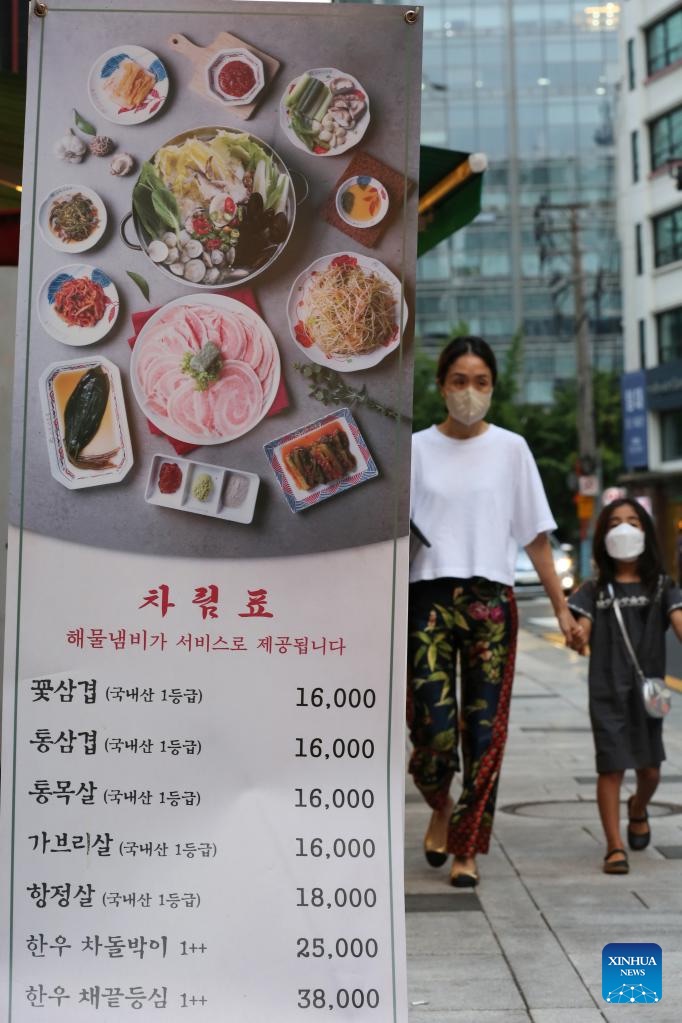
South Korea demands a higher daily budget compared to Mexico. A basic hostel bed in Seoul costs around ₩30,000 ($23), while a meal at a casual restaurant like Kimbap Cheonguk is ₩8,000-₩12,000 ($6-$9). Public transport, like the Seoul Metro, is efficient and costs ₩1,250 ($0.95) per ride. Attractions like Gyeongbokgung Palace are ₩3,000 ($2.30). A moderate hotel might run ₩90,000-₩150,000 ($68-$115) per night. Expect a solo traveler to spend $60-$115 daily, excluding long-distance transport, for a decent experience.
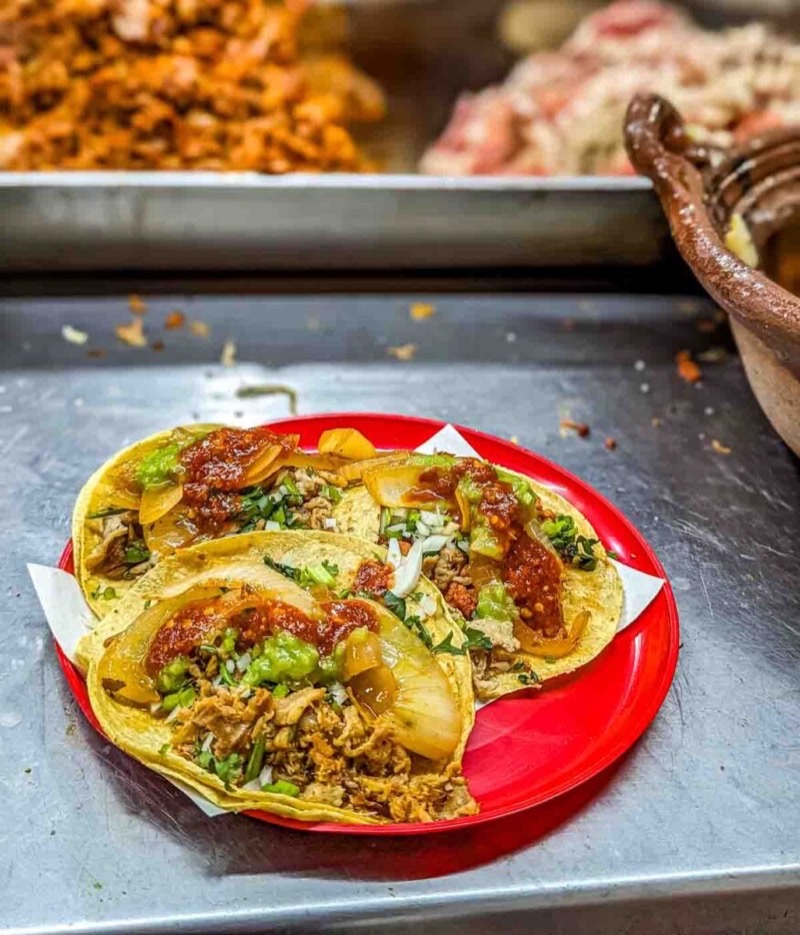
Mexico offers significantly better value. A hostel bed in Mexico City can be MXN $250-MXN $400 ($14-$23), and street tacos are often MXN $20-MXN $30 ($1.15-$1.75) each. A metro ride in Mexico City costs MXN $5 ($0.28). Entrance to major sites like Teotihuacan is MXN $90 ($5). A comfortable mid-range hotel costs MXN $1,000-MXN $2,000 ($57-$115). A solo traveler can realistically enjoy Mexico on $45-$85 daily, eating out frequently and seeing sites. Mexico wins for budget travelers seeking maximum value for their money.
- Winner: Mexico
- Why: Mexico provides substantially more travel experience and local food on a smaller daily budget.
- Who this matters for: Budget-conscious travelers, backpackers, and those planning extended trips.
🚨 Safety & Security
South Korea consistently ranks among the safest countries globally. Walking alone in Seoul at 3 AM is not unusual, and belongings left unattended in cafes are often untouched.…

South Korea
Mexico
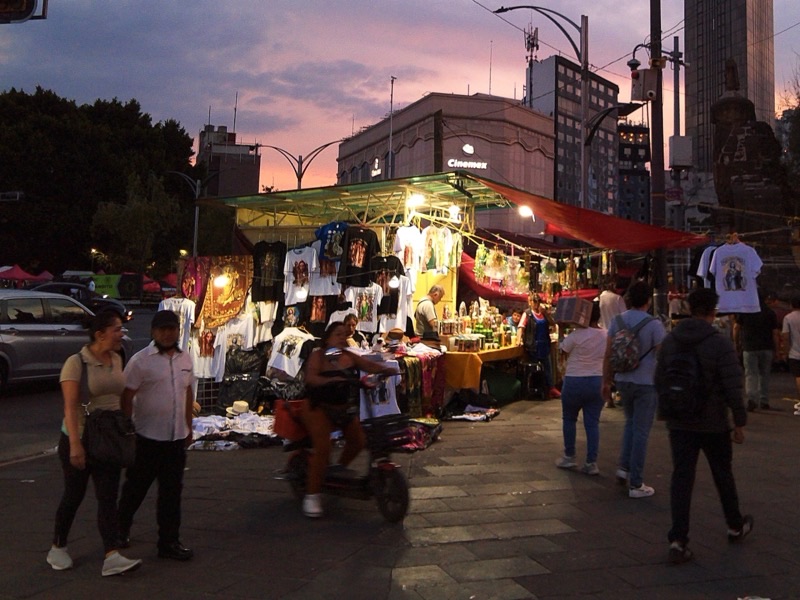
South Korea consistently ranks among the safest countries globally. Walking alone in Seoul at 3 AM is not unusual, and belongings left unattended in cafes are often untouched. Violent crime against tourists is nearly unheard of. Public transportation is safe, and interactions with locals are generally polite and respectful. The police are effective and visible. Travelers report feeling safe across cities like Busan, Gyeongju, and Jeju Island, with minimal concerns about theft or harassment.
Mexico presents a more complex safety situation. Major tourist destinations like Mexico City, Oaxaca, San Miguel de Allende, and the Riviera Maya (Cancun, Playa del Carmen, Tulum) have areas that are generally safe for tourists, especially during the day. However, petty crime like pickpocketing is common in crowded areas, and travelers should avoid displaying valuables. Certain regions, particularly border towns or areas associated with organized crime, have higher risks. Exercising caution at night, using reputable transport, and staying informed about local conditions are important. South Korea provides a level of security and peace of mind that Mexico, despite its attractions, cannot match for the average traveler.
- Winner: South Korea
- Why: South Korea offers an exceptional level of personal safety and security, allowing travelers to relax completely.
- Who this matters for: Solo female travelers, first-time international travelers, and anyone prioritizing peace of mind.
🍜 Food & Culinary Scene
South Korean food is known for its bold flavors, often involving gochujang (chili paste), kimchi, and fermented ingredients. Classic dishes include Korean BBQ (samgyeopsal),…
South Korea
Mexico
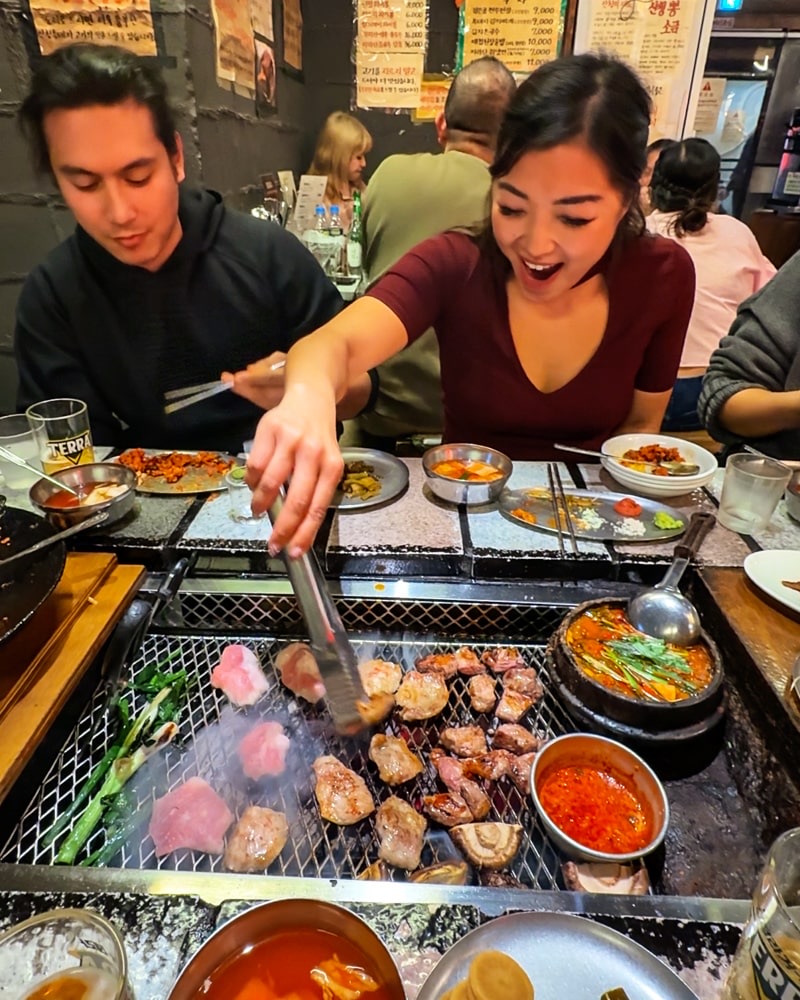
South Korean food is known for its bold flavors, often involving gochujang (chili paste), kimchi, and fermented ingredients. Classic dishes include Korean BBQ (samgyeopsal), kimchi jjigae (kimchi stew), bibimbap, and street food like tteokbokki (spicy rice cakes) and hotteok (sweet pancakes). Vegetarian options can be challenging outside specific restaurants, as many dishes contain meat or fish broth. Dining out is typically efficient and often involves sharing small plates. A meal at a casual restaurant costs ₩8,000-₩15,000 ($6-$11), while a BBQ experience can be ₩25,000-₩40,000 ($19-$30) per person.
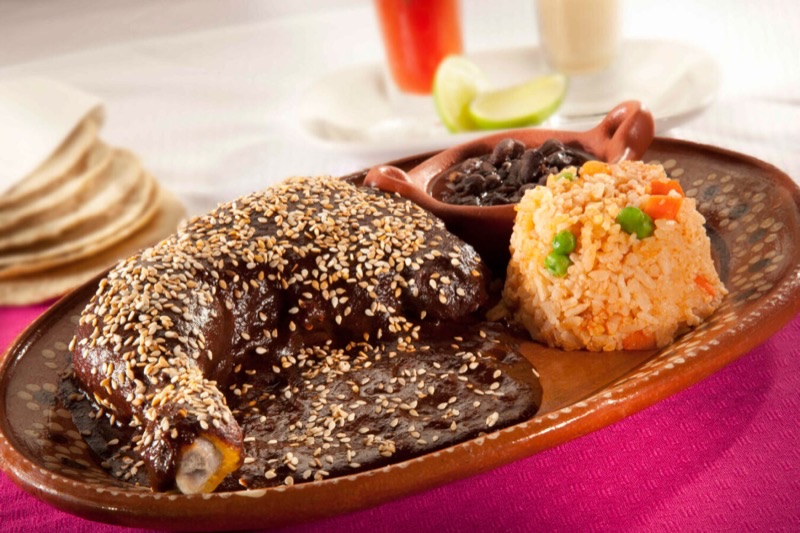
Mexican cuisine is a UNESCO Intangible Cultural Heritage and offers an extensive array of flavors, ingredients, and regional specialties. From the street food of Mexico City (tacos al pastor, quesadillas, elotes) to the mole of Oaxaca and the cochinita pibil of Yucatan, the variety is vast. Fresh ingredients, vibrant spices, and ancient culinary traditions define the food. Vegetarian options are abundant and easily found, especially in markets and local eateries. Street food can cost MXN $20-MXN $50 ($1.15-$2.85) per item, while a sit-down meal is MXN $150-MXN $350 ($8.50-$20). Mexico edges out South Korea for its sheer diversity, accessibility of options, and generally lower cost for exceptional food experiences, making it the winner.
- Winner: Mexico
- Why: Mexico provides a broader range of culinary experiences, more accessible vegetarian options, and better value for its varied dishes.
- Who this matters for: Foodies, adventurous eaters, and travelers seeking diverse, affordable meal options.
⛩️ Culture & History
South Korea presents a compelling blend of ancient traditions and hyper-modernity. Travelers can explore royal palaces like Gyeongbokgung and Changdeokgung in Seoul, visit…
South Korea
Mexico
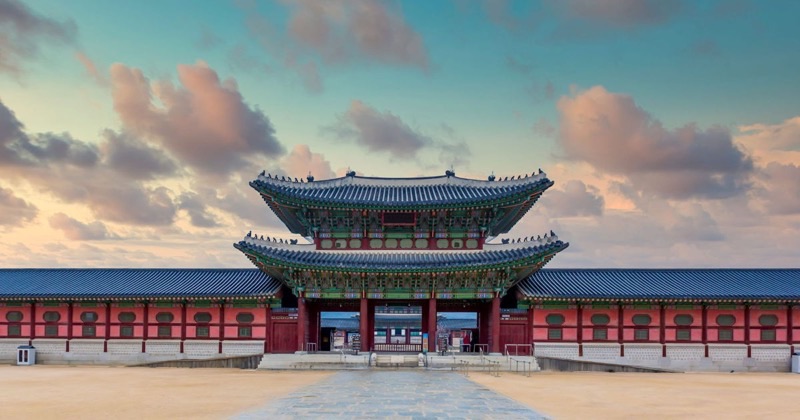
South Korea presents a compelling blend of ancient traditions and hyper-modernity. Travelers can explore royal palaces like Gyeongbokgung and Changdeokgung in Seoul, visit Buddhist temples such as Bulguksa in Gyeongju, or delve into the painful modern history at the DMZ. The country also showcases its rapid post-war development and the global impact of K-pop and K-drama. Traditional hanok villages like Bukchon offer a glimpse into historical living, contrasting sharply with districts like Gangnam. The reverence for elders and societal emphasis on respect and education are noticeable aspects of daily life.
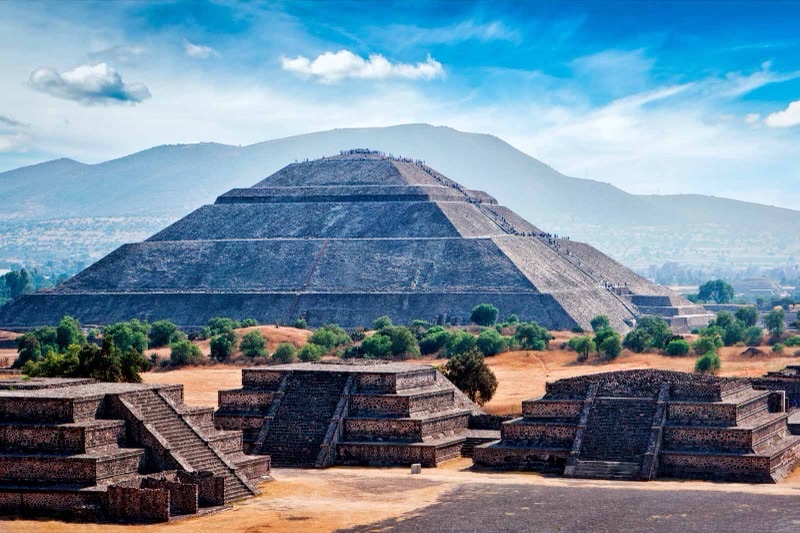
Mexico offers an equally deep but different historical narrative, spanning millennia from powerful pre-Hispanic civilizations like the Maya (Chichen Itza, Palenque) and Aztec (Teotihuacan, Templo Mayor) to the Spanish colonial period reflected in cities like Oaxaca and San Miguel de Allende. Indigenous cultures remain a living force, particularly in states like Oaxaca and Chiapas, influencing art, food, and daily life. The Day of the Dead celebration is a global phenomenon. Both nations provide profound historical and cultural experiences, making this category a tie; the appeal depends on whether one prefers East Asian or Latin American cultural frameworks.
- Winner: Tie
- Why: Both countries offer equally rich and distinct historical narratives and living cultures that appeal to different interests.
- Who this matters for: Travelers interested in either East Asian history and modern culture, or pre-Columbian and colonial Latin American history.
🚇 Getting Around
South Korea excels in public transportation. Its cities, especially Seoul, have extensive, clean, and efficient subway systems with English signage. The T-Money card makes…

South Korea
Mexico
South Korea excels in public transportation. Its cities, especially Seoul, have extensive, clean, and efficient subway systems with English signage. The T-Money card makes payments simple across subways and buses. The KTX high-speed rail connects major cities quickly (e.g., Seoul to Busan in under 3 hours for ₩59,800 or $45). Intercity buses are also modern and reliable. Navigation apps like Naver Maps or Kakao Maps work well, though Google Maps has limited functionality for public transport in South Korea. The ease of getting anywhere without a car is a major benefit.
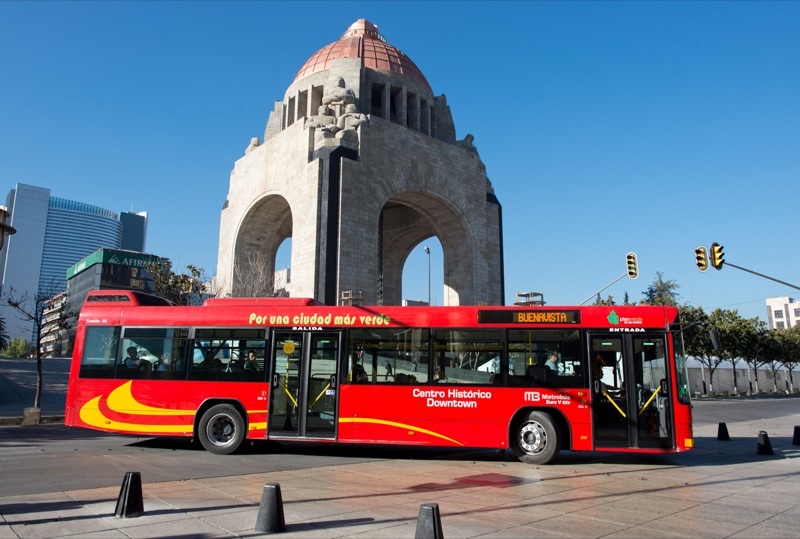
Mexico's transport system is more varied. Mexico City has a large and affordable metro system (MXN $5 or $0.28 per ride), but it can be crowded. For intercity travel, executive class long-distance buses (like ADO) are a comfortable and common option, connecting cities like Cancun, Merida, Oaxaca, and Mexico City. Prices vary, but a 6-hour bus ride might cost MXN $500-MXN $800 ($28-$45). Driving can be stressful due to road conditions, varying traffic laws, and potential safety concerns in certain areas. Ride-sharing apps like Uber are available in major cities. South Korea provides a significantly smoother, more predictable, and more accessible public transport experience for independent travelers.
- Winner: South Korea
- Why: South Korea possesses one of the worlds most efficient, clean, and user-friendly public transportation networks.
- Who this matters for: Independent travelers, those who prefer not to drive, and anyone valuing convenience and efficiency.
🏞️ Nature & Scenery
South Korea offers significant natural beauty, particularly its mountainous terrain which covers 70 percent of the peninsula. National parks like Seoraksan and Bukhansan (near…
South Korea offers significant natural beauty, particularly its mountainous terrain which covers 70 percent of the peninsula. National parks like Seoraksan and Bukhansan (near Seoul) provide extensive hiking trails and autumn foliage. Jeju Island, a volcanic island, is a UNESCO heritage site known for its unique lava tubes, Hallasan mountain, and coastal trails. The four distinct seasons offer varying landscapes, from cherry blossoms in spring to snow in winter. Its natural spaces are generally well-maintained and accessible, but the scale and variety are somewhat limited compared to Mexico.
Mexico boasts an incredible range of natural environments. From the white sand beaches of the Riviera Maya and the rugged Pacific coastline to the high-altitude volcanoes surrounding Mexico City (Popocatepetl, Iztaccihuatl), the deserts of Baja California, and the dense jungles of Chiapas (home to waterfalls like Agua Azul and Misol-Ha). Cenotes (natural swimming holes) are a major attraction in the Yucatan Peninsula. The biodiversity is immense, offering opportunities for snorkeling, hiking, wildlife viewing, and caving. Mexico wins for its sheer geographical scale and the profound diversity of its natural landscapes, catering to almost any outdoor interest.
- Winner: Mexico
- Why: Mexico presents an unmatched diversity of natural landscapes, from tropical beaches to high-altitude volcanoes and deserts.
- Who this matters for: Outdoor enthusiasts, adventurers, and travelers seeking a variety of natural environments.
🍻 Nightlife & Entertainment
South Korea is renowned for its energetic and late-night urban entertainment. Districts like Hongdae, Itaewon, and Gangnam in Seoul are packed with bars, clubs, and pubs that…
South Korea is renowned for its energetic and late-night urban entertainment. Districts like Hongdae, Itaewon, and Gangnam in Seoul are packed with bars, clubs, and pubs that often stay open until 4 AM or later. Noraebang (karaoke rooms) are a ubiquitous and popular activity, as are PC bangs (gaming cafes) open 24 hours. Soju and makgeolli are common drinks, and the culture of 'hoe-sik' (after-work gatherings) means there is always activity. You can find everything from electronic music clubs to chilled-out craft beer spots. A bottle of Soju costs around ₩5,000 ($3.80) in a restaurant.
Mexico offers a robust nightlife, particularly in major cities like Mexico City (Roma, Condesa, Polanco districts) and popular beach destinations like Cancun, Playa del Carmen, and Tulum. Options range from sophisticated rooftop bars and mezcalerias (mezcal bars) to lively cantinas with mariachi music and large dance clubs. Tequila and mezcal are staple drinks, and local beer is affordable (MXN $40-MXN $80 or $2.30-$4.50). While Mexico has its share of fun, South Korea, especially Seoul, delivers a more concentrated, round-the-clock entertainment scene with its unique noraebang culture and late operating hours across the board. South Korea takes this category for its unique and pervasive after-hours culture.
- Winner: South Korea
- Why: South Korea offers a more unique, continuous, and integrated late-night entertainment experience, especially in its major cities.
- Who this matters for: Younger travelers, party-goers, and anyone wanting to experience a distinct urban after-hours culture.
🏨 Accommodation
South Korea provides a range of accommodation that is consistently clean and well-maintained. Hostels and guesthouses are common, with a dormitory bed typically costing…
South Korea provides a range of accommodation that is consistently clean and well-maintained. Hostels and guesthouses are common, with a dormitory bed typically costing ₩25,000-₩40,000 ($19-$30). Mid-range hotels are efficient but can be compact, costing ₩80,000-₩150,000 ($60-$115). Unique options include traditional hanok stays, offering a cultural experience for around ₩100,000-₩250,000 ($76-$190). Airbnb is available but less prevalent than in other regions. While quality is high, prices can add up, especially for private rooms.
Mexico offers a vast and generally more affordable array of lodging. Hostel dorms are often MXN $200-MXN $450 ($11-$26). Boutique hotels in charming cities like Oaxaca or San Miguel de Allende can be found for MXN $1,000-MXN $2,500 ($57-$143), providing excellent value and unique character. Airbnb is widely used and offers many options, from city apartments to beach houses. Coastal areas also feature numerous large resorts, including all-inclusive options. The sheer variety, character, and overall affordability of accommodation options in Mexico give it the advantage. Mexico clearly wins for its more diverse and budget-friendly accommodation choices.
- Winner: Mexico
- Why: Mexico offers a broader selection of accommodation, often with more character and at significantly lower prices.
- Who this matters for: Travelers with varying budgets, from backpackers to those seeking unique boutique stays.
🚶♀️ Solo Travel Suitability
South Korea is an outstanding destination for solo travelers. Its extremely low crime rates mean walking alone, even at night, is not a concern. The public transportation system…
South Korea is an outstanding destination for solo travelers. Its extremely low crime rates mean walking alone, even at night, is not a concern. The public transportation system is intuitive and covers everywhere, making independent exploration simple. Many restaurants cater to solo diners, and there are plenty of cafes, museums, and quiet spaces. While English proficiency is not universal, essential signs are often translated, and younger generations frequently speak some English. The sense of personal security allows solo travelers to fully immerse themselves without constant worry, which is a major benefit.
Mexico is also a popular solo travel destination, particularly in well-trodden routes. Opportunities to meet other travelers are abundant in hostels and group tours. However, solo travelers need to be more aware of their surroundings, particularly in less tourist-centric areas or at night. Basic Spanish skills are highly beneficial for navigating and interacting, as English is not as widely spoken as in parts of South Korea. While rewarding, solo travel in Mexico demands more situational awareness and planning. South Korea provides a more effortless and less stressful experience for those traveling alone, especially for first-time solo adventurers.
- Winner: South Korea
- Why: South Korea offers an unparalleled level of safety, ease of navigation, and a welcoming environment for solo explorers.
- Who this matters for: First-time solo travelers, those prioritizing safety and ease, and individuals seeking independence.
✈️ Getting There & Flights
Reaching South Korea from North America or Europe involves significant travel time. Direct flights from major US hubs like Los Angeles (LAX) to Seoul Incheon (ICN) take around…
Reaching South Korea from North America or Europe involves significant travel time. Direct flights from major US hubs like Los Angeles (LAX) to Seoul Incheon (ICN) take around 12-13 hours. From New York (JFK), it is approximately 14-15 hours. Flights from London (LHR) are 11-12 hours. Airfare can be substantial, often ranging from $800-$1,500 USD round trip from North America, depending on the season. Incheon Airport (ICN) is a major international hub, well-connected to Seoul via express train.
Mexico is much more accessible for North American travelers, with direct flights from Los Angeles (LAX) to Mexico City (MEX) taking about 3-4 hours, and from Dallas (DFW) to Cancun (CUN) around 3 hours. Flights from major European cities like London (LHR) to Mexico City are typically 10-11 hours. Airfare from North America can be as low as $300-$600 USD round trip, while from Europe it is often $700-$1,200 USD. Mexico has numerous international airports (MEX, CUN, GDL, PVR), offering more entry points. For North American travelers especially, Mexico is a clear winner due to shorter flight times and lower costs, making it a more practical choice for shorter trips.
- Winner: Mexico
- Why: Mexico is significantly more accessible for North American travelers with shorter flights and generally lower airfare.
- Who this matters for: Travelers with limited vacation time, those on a tighter overall budget, and North American residents.
🎯 The Decision Framework
Choose South Korea If…
- You want hyper-efficient public transit that is easy to use.
- You prioritize feeling exceptionally safe, even late at night.
- You enjoy modern cityscapes, K-pop, and technological advancements.
- You appreciate a clean, orderly environment.
- You are intrigued by unique nightlife like noraebang (karaoke rooms).
- You seek an easy-to-navigate destination with good infrastructure.
- You are interested in ancient palaces contrasting with futuristic architecture.
- You prefer a travel experience where language barriers are minimized in key tourist areas.
Choose Mexico If…
- You want exceptional street food at very low prices (e.g., $1-2 tacos).
- You enjoy a more relaxed pace and a less structured travel experience.
- You are comfortable with basic Spanish to enhance interactions.
- You seek deep cultural immersion with indigenous roots and colonial history.
- You want varied natural landscapes, from Caribbean beaches to ancient ruins and volcanoes.
- You prefer budget-friendly travel and accommodation options.
- You enjoy lively markets and haggling for goods.
- You are looking for a destination with a strong artistic and artisanal heritage.
📅 Sample Itineraries
Weekend in South Korea (3 Days)
💡 Purchase a T-Money card at any subway station or convenience store for seamless travel on public transport; it saves time and offers slight discounts on fares.
Weekend in Mexico (3 Days)
💡 Use ride-sharing apps like Uber or DiDi for safe and affordable transportation within Mexico City; a typical ride across the city might cost $5-10.
One Week in South Korea (7 Days)
💡 Booking your KTX train tickets online in advance, especially for popular routes like Seoul to Busan, can save you time and ensure availability during peak seasons.
One Week in Mexico (7 Days)
💡 For inter-city travel, domestic flights within Mexico can often be surprisingly affordable, especially if booked in advance, saving significant time over long bus journeys.
❓ Frequently Asked Questions
Which destination is better for a two-week trip?
For a two-week trip, Mexico is generally more accessible from North America with shorter, cheaper flights, allowing more time on the ground. You can comfortably explore one or two regions, like Mexico City and Oaxaca, or the Yucatan Peninsula. South Korea requires longer flights (12-15 hours from North America), meaning less time for exploration unless you are based closer.
Is South Korea much more expensive than Mexico?
Yes, South Korea is notably more expensive than Mexico for daily expenses. A comfortable solo budget in South Korea might be $60-$115/day, while Mexico can be $45-$85/day. Accommodation, sit-down meals, and alcohol are generally higher priced in South Korea, though public transport is very affordable in both.
What about the language barrier in both countries?
In South Korea, English signage is common in major tourist areas and subways, and younger people often speak some English. However, learning basic Korean phrases is helpful. In Mexico, basic Spanish is highly beneficial outside of major resort areas. Many locals, especially outside tourist zones, speak little to no English, making Spanish a significant advantage for deeper immersion.
Which destination has better beaches?
Mexico wins for beaches, especially the Caribbean coast along the Riviera Maya (Cancun, Tulum) with its white sands and clear waters. The Pacific coast also offers diverse beach experiences. South Korea has beaches, particularly on Jeju Island and along its southern coast, but they do not compare to the scale and tropical appeal of Mexico's coastal offerings.
Can I drink the tap water in South Korea and Mexico?
In South Korea, tap water is generally safe to drink in cities, though many locals still prefer filtered or bottled water. In Mexico, tap water is generally not safe to drink for tourists. Always opt for bottled water, 'agua purificada,' or use a water filter bottle. Most restaurants provide purified water or ice made from purified water.
Which country is better for shopping?
South Korea, particularly Seoul, offers exceptional shopping, from high-end fashion districts like Gangnam and Myeongdong to vibrant street markets like Namdaemun and Dongdaemun for cosmetics, clothing, and electronics. Mexico excels in artisanal crafts, textiles, ceramics, and folk art, especially in cities like Oaxaca and San Miguel de Allende, offering unique souvenirs and local goods. It depends on what you want to buy.
What are the visa requirements for US citizens for each country?
US citizens typically do not require a visa for tourist stays up to 90 days in South Korea. For Mexico, US citizens can enter without a visa for tourist stays of up to 180 days, requiring only a valid passport and a completed FMM (Forma Migratoria Múltiple) upon arrival.
How do internet and connectivity compare?
South Korea is famous for its ultra-fast and pervasive internet. Free Wi-Fi is widely available in public spaces, cafes, and transportation. SIM cards are easy to purchase with generous data plans. Mexico has good internet in major cities and tourist areas, but it can be slower and less reliable in rural regions. SIM cards are readily available from providers like Telcel or Movistar.
Ready to plan your next adventure?
Get a free custom itinerary for South Korea, Mexico, or both — built from real traveler insights.
👥 Travelers Also Compared
🎟️ Book Tours & Experiences
Hand-picked tours and activities for both destinations — book with free cancellation
Experiences via Viator — free cancellation on most tours