How we built this comparison
This page combines traveler discussion patterns, published price ranges, flight schedules, and seasonal data to help you decide between South Korea and Usa.
- Reviewed 500+ Reddit threads from r/travel, r/solotravel, r/koreatravel, etc.
- Verified costs and logistics against current booking platforms (e.g., Google Flights, Booking.com)
- Cross-referenced seasonal patterns and weather data for optimal travel timing
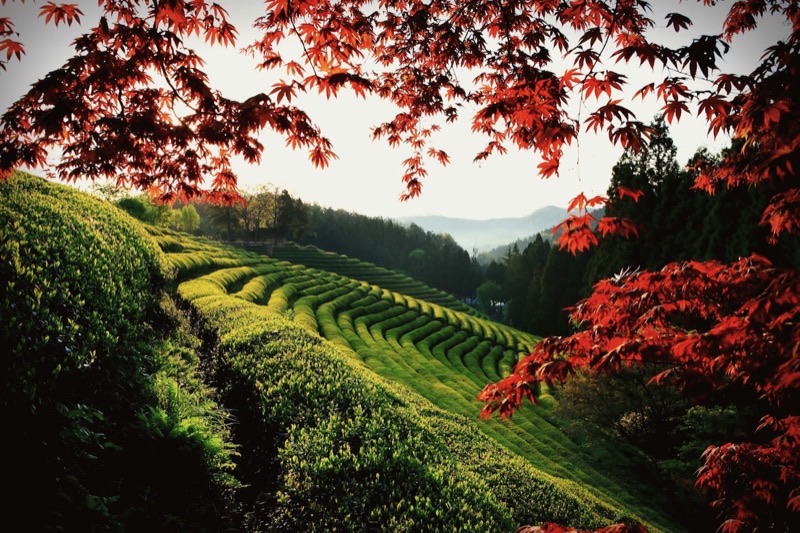
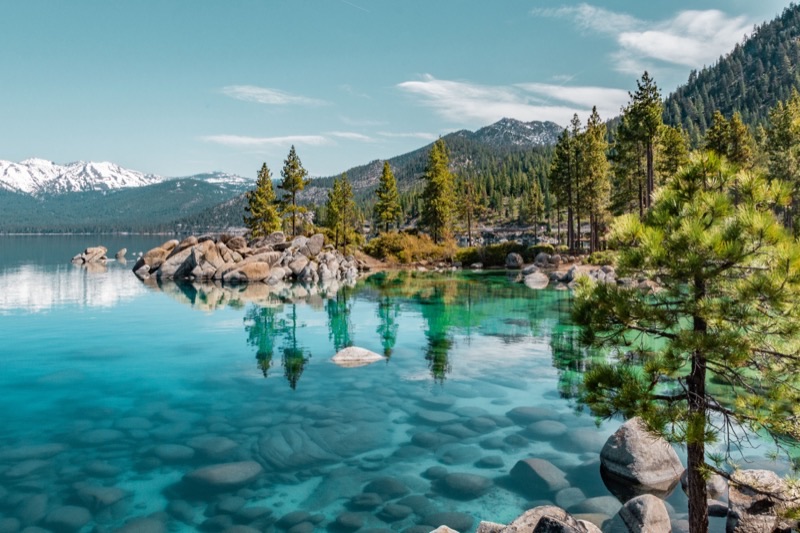
⚡ Quick Answers
⚡ The TL;DR Verdict
For most travelers seeking a well-rounded, efficient, and generally more budget-friendly experience, South Korea is the stronger contender, with daily costs often in the $60-100 range. The USA caters to those with higher budgets, starting around $120-200 a day, who prioritize vast natural spaces, driving tours, or specific regional experiences.
- Choose South Korea: Travelers prioritizing easy public transit, excellent food at low prices, high safety, and a deep dive into modern and ancient culture without needing to rent a car.
- Choose Usa: Travelers wanting epic road trips, immense natural parks, diverse regional cultures, specific city experiences, and who have a larger travel budget and enjoy driving.
- Choose Both: If you have at least 3-4 weeks and a substantial budget, start with 10-14 days in South Korea then fly to a major US hub for another 2-3 weeks, focusing on a specific region rather than trying to see the entire country.
Choose South Korea
Choose South Korea for an effortlessly engaging journey, perfect for solo travelers or urban explorers seeking convenience and culture. Immerse yourself in Seoul's vibrant districts like Hongdae, explore ancient palaces such as Gyeongbokgung, and indulge in endless street food in Myeongdong, all easily accessible via its world-class public transport. It's ideal for culture enthusiasts and foodies on a moderate budget, offering high safety and exceptional value.
Choose Usa
Opt for the USA if you crave epic road trips through breathtaking natural wonders like the Grand Canyon or Yosemite, seeking unparalleled scenic beauty and diverse regional cultures. It's best for adventurous travelers, families, or those desiring specific city experiences in iconic places like New York or Los Angeles, with a focus on freedom and exploration. Be prepared for a higher budget, as daily costs typically start around $120-200.
📊 Visual Scorecard
🌤 When to Visit
Average high temperatures (°C). Green = best months, orange = avoid.
Quick Comparison
| Category | South Korea | Usa | Winner |
|---|---|---|---|
| Costs & Budget | Significantly more affordable for daily expenses like food, transport, and entry fees. Accommodation can be fair in major cities. | Among the most expensive travel destinations globally, with high costs for accommodation, transport (especially rental cars), food, and activities. | South Korea |
| Food Scene | Accessible, affordable, and incredibly diverse, from street food stalls to themed cafes and specific regional dishes. | Extremely diverse, reflecting many cultures, but often comes at a higher price point, with regional specialties spread across a large area. | South Korea |
| Getting Around | Exceptional public transport network (subways, buses, KTX trains) that is efficient, affordable, and reaches most places. | Public transport is mainly confined to major cities. Outside of these, a car is nearly essential, making travel expensive and often requiring extensive driving. | South Korea |
| Culture & History | A deep and ancient history, evident in palaces, temples, and traditional villages, alongside a powerful modern pop culture influence. | A relatively younger history, focusing on colonial times, expansion, civil rights, and regional identities, with diverse cultural expressions. | South Korea |
| Nightlife | Energetic, varied, and accessible, with late-night food, karaoke rooms (noraebang), themed bars, and clubs open until dawn. | Specific to major cities, often expensive, with varying closing times and strict alcohol laws depending on the state or city. | South Korea |
| Accommodation | Diverse options from budget hostels and guesthouses to modern hotels, often with good value, especially outside peak season. | Wide range of options, but often expensive in popular areas. Budget options can be scarce or require staying further out. | South Korea |
| Safety & Security | One of the safest countries globally, with low crime rates, making it comfortable for solo travelers and late-night excursions. | Safety varies significantly by region and city, with some areas requiring more awareness, and gun violence being a concern in certain contexts. | South Korea |
| Nature & Outdoors | Offers mountains, national parks, coastal areas, and islands like Jeju, all accessible via public transport or short domestic flights. | Boasts some of the world's most immense and diverse natural landscapes, from deserts and canyons to vast forests and coastlines, but requires extensive travel. | Usa |
| Shopping | Known for cosmetics, fashion, K-Pop merchandise, electronics, and unique local crafts, with options from street markets to luxury malls. | Offers large malls, brand-name stores, outlet shopping, and diverse local boutiques, but prices are generally higher. | South Korea |
| Getting There & Flights | Longer flights from the Americas (11-15 hours), often requiring a layover, but Seoul's Incheon Airport (ICN) is highly efficient. | Domestic flights are common, and international flights are shorter from neighboring countries, but internal distances are vast. | Tie |
💸 Costs & Budget
South Korea offers a generally lower daily spend. A budget traveler can manage on $60-80 USD per day, including hostel accommodation (~$20-30), street food or cheap meals (~$10-20…
South Korea
Usa
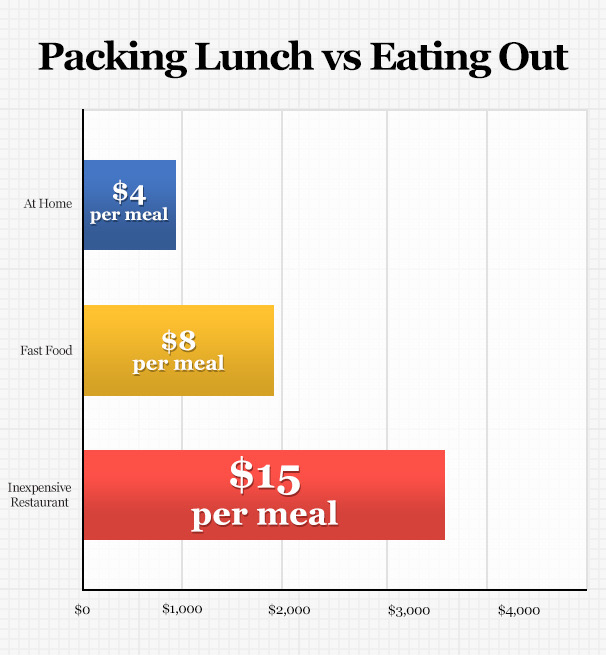
South Korea offers a generally lower daily spend. A budget traveler can manage on $60-80 USD per day, including hostel accommodation (~$20-30), street food or cheap meals (~$10-20 for 3 meals), and public transport (~$5-10). Mid-range travelers might spend $100-150 USD daily, staying in guesthouses or budget hotels (~$50-80), eating at sit-down restaurants (~$30-50), and doing more activities. For instance, a T-Money card for Seoul subway is about ₩1250 (about $0.95 USD) per ride. Street food like tteokbokki can be had for ₩4,000-6,000 (about $3-4.50 USD).
The USA presents a much higher financial barrier. A strict budget traveler might struggle to stay under $120-150 USD daily, often needing to rely on motels or budget chains outside cities (~$80-120), cooking their own meals, or eating fast food (~$20-40+). Mid-range budgets are more realistically $200-350 USD per day, factoring in hotel stays (~$150-250), restaurant meals (~$50-100+), and transportation. For example, a single subway ride in New York City is $2.90 USD. A casual meal at a diner can easily cost $15-25 USD before tip and tax. National Park entry fees are typically $30-35 per vehicle. South Korea gives you more for your money, plain and simple.
- Winner: South Korea
- Why: Daily expenses for food, transportation, and activities are consistently lower, making a longer trip more feasible for most budgets.
- Who this matters for: Budget-conscious travelers, backpackers, and those seeking value for their money.
🍜 Food Scene
South Korea offers an exceptional food experience that is both deep in tradition and constantly innovating. Food is generally inexpensive and readily available. You can find…
South Korea

Usa
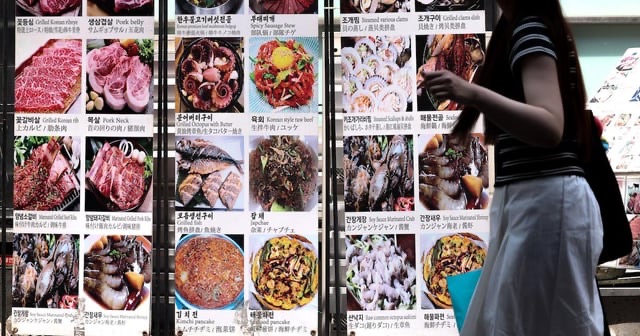
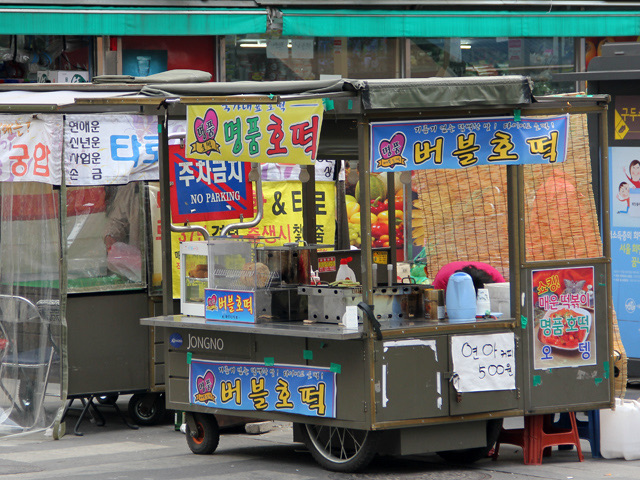
South Korea offers an exceptional food experience that is both deep in tradition and constantly innovating. Food is generally inexpensive and readily available. You can find delicious street food like kimbap or odeng for ₩2,000-5,000 (about $1.50-4 USD) at Gwangjang Market or Myeongdong Street Food Alley. Sit-down meals like a full Korean BBQ experience (samgyeopsal) or a hearty bibimbap can cost ₩10,000-25,000 (about $7.50-19 USD) per person, even at well-regarded establishments. The focus on fresh ingredients, fermentation, and communal dining makes it a social activity.
The USA's food scene is incredibly varied, reflecting its immigrant populations and regional cuisines. You can find everything from authentic Mexican food in Los Angeles, to deep-dish pizza in Chicago, to Creole dishes in New Orleans. However, prices are substantially higher. A casual restaurant meal often starts at $20-30 USD per person (excluding drinks, tax, and tip), while fine dining can easily exceed $100-200. Street food is less ubiquitous and often more expensive than in South Korea; for example, a hot dog from a New York cart might be $3-5 USD. While the range of cuisines is vast, accessing specific regional specialties often requires significant travel within the country. For sheer value, accessibility, and consistently high quality at a reasonable cost, South Korea wins.
- Winner: South Korea
- Why: The quality, accessibility, and affordability of food in South Korea are consistently high across all price points, from street stalls to restaurants.
- Who this matters for: Foodies, budget travelers who want to eat well, and those who appreciate a strong food culture integrated into daily life.
🚇 Getting Around
South Korea's public transportation system is a major advantage. Seoul's subway system is one of the best globally, with clear English signage, reliable service, and connections…
South Korea
Usa
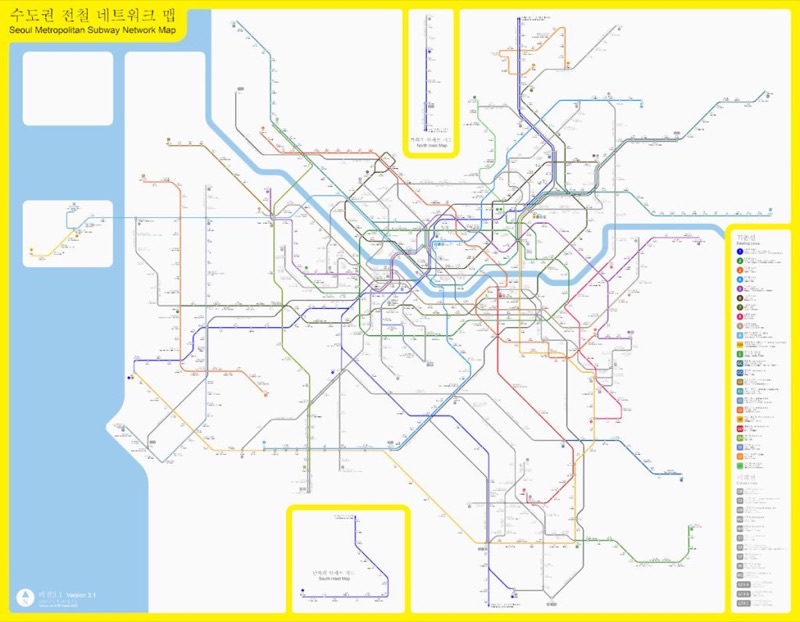
South Korea's public transportation system is a major advantage. Seoul's subway system is one of the best globally, with clear English signage, reliable service, and connections to nearly everywhere. A T-Money card makes it simple to tap and go, with fares starting around ₩1,250 (about $0.95 USD) per ride. The KTX high-speed rail connects major cities like Seoul, Busan, and Gyeongju efficiently, with a Seoul-Busan ticket costing around ₩59,800 (about $45 USD) for a 2.5-hour journey. Buses are also extensive and well-integrated. You can easily navigate the country without ever needing a rental car.
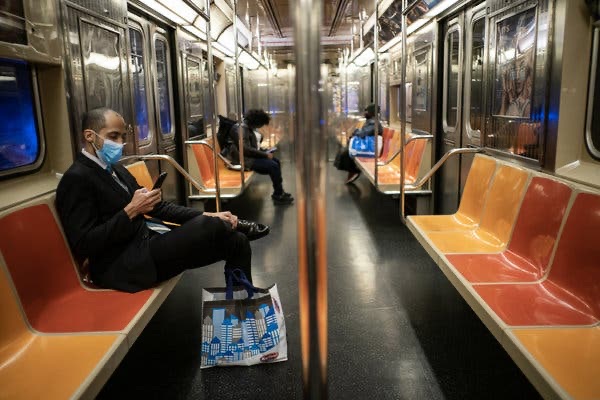
In the USA, public transportation outside of cities like New York, Chicago, or San Francisco is limited or non-existent. While these cities have good subway/bus systems (e.g., NYC subway fares at $2.90 USD), to explore national parks, smaller towns, or even many suburban areas, a rental car is mandatory. Rental costs, fuel (currently around $3-4 USD/gallon), insurance, and parking fees add up quickly, making self-driving a significant expense and time commitment. For example, a week-long car rental can easily be $300-600 USD. The distances between attractions are vast, meaning hours of driving daily. For independent travelers who prefer not to drive, South Korea offers far more freedom and ease of movement.
- Winner: South Korea
- Why: South Korea's public transportation is comprehensive, efficient, affordable, and allows for stress-free travel across the entire country without a car.
- Who this matters for: Solo travelers, those without an international driving permit, budget travelers, and anyone who prefers not to rent a car.
🏯 Culture & History
South Korea offers a compelling blend of ancient history and dynamic modern culture. You can spend days exploring UNESCO World Heritage sites like Gyeongbokgung Palace (entrance…
South Korea
Usa
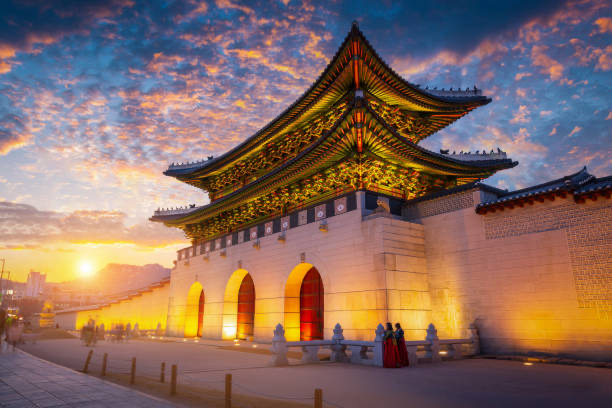
South Korea offers a compelling blend of ancient history and dynamic modern culture. You can spend days exploring UNESCO World Heritage sites like Gyeongbokgung Palace (entrance ₩3,000, about $2.25 USD) and Bukchon Hanok Village in Seoul, or delve deeper into Silla Dynasty history in Gyeongju, visiting Bulguksa Temple (entrance ₩6,000, about $4.50 USD) and the Seokguram Grotto. The country's history is often tied to Confucianism, Buddhism, and periods of both independence and foreign influence. Alongside this, modern Korean pop culture (K-Pop, K-Dramas) is globally recognized, with attractions like the SM Town Coex Artium (now closed, but similar K-Pop related stores and cafes exist in Gangnam) and various entertainment districts providing a contemporary experience. This duality of ancient roots and future-facing trends is a constant presence.
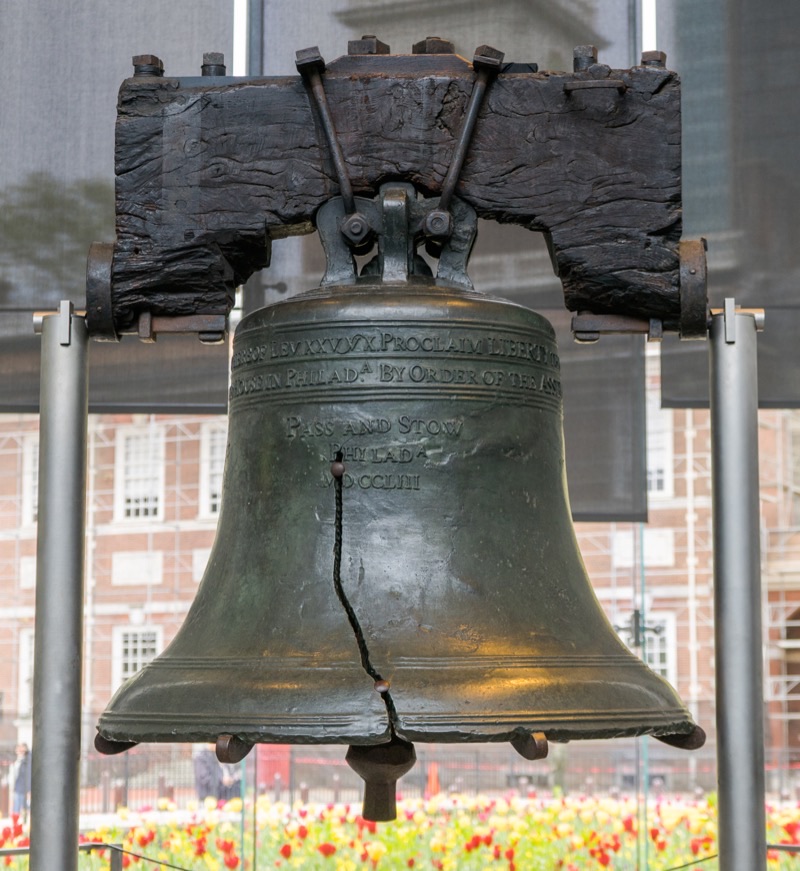
The USA's history is younger but equally complex, spanning Indigenous cultures, European colonization, the Revolutionary War, the Civil Rights Movement, and vast westward expansion. Historical sites vary greatly by region, from colonial architecture in Boston (e.g., Freedom Trail walking tours) and Philadelphia, to Civil War battlefields (Gettysburg National Military Park, free entry, $15 for museum/cyclorama) in the East, to Gold Rush towns in the West. Cultural expressions are incredibly diverse, from jazz in New Orleans to Hollywood film culture in Los Angeles, country music in Nashville, or Broadway shows in New York. However, the historical narrative is often less contiguous and more fragmented across a vast geography compared to South Korea's more concentrated historical sites. For a cohesive historical and cultural narrative, South Korea offers a more concentrated and easily accessible journey.
- Winner: South Korea
- Why: South Korea provides a more concentrated and deeply intertwined experience of ancient traditions, historical sites, and globally influential modern culture.
- Who this matters for: History enthusiasts, K-Pop fans, those interested in East Asian traditions, and travelers seeking a clear cultural identity.
🌃 Nightlife
South Korea's nightlife is legendary for its energy and longevity. In Seoul, districts like Hongdae, Gangnam, and Itaewon offer a range of experiences, from trendy bars and dance…
South Korea

Usa
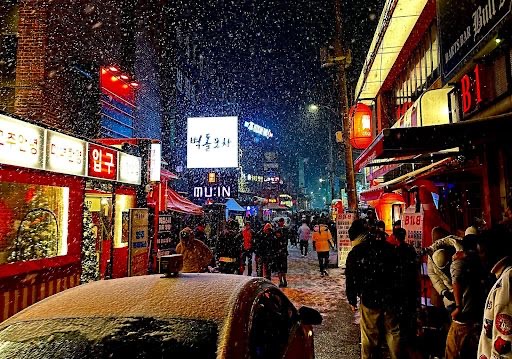
South Korea's nightlife is legendary for its energy and longevity. In Seoul, districts like Hongdae, Gangnam, and Itaewon offer a range of experiences, from trendy bars and dance clubs to unique themed cafes and noraebang (karaoke rooms) that are open until the early morning. It's common to have multiple rounds of drinks and food (known as 'cha') throughout the night. Soju and makgeolli are popular, affordable drinks, often costing ₩4,000-6,000 (about $3-4.50 USD) a bottle at a restaurant or bar. Street food stalls remain open late, providing easy access to snacks after a night out. The atmosphere is generally safe and welcoming, with a strong emphasis on socializing.
USA nightlife is robust in major cities like New York City, Las Vegas, Miami, and Los Angeles. You can find high-end cocktail bars, dive bars, live music venues, and large nightclubs. However, drinks are significantly more expensive, often $10-20+ for a single cocktail or beer, plus tip. Closing times vary dramatically by state and city, with some bars closing at 2 AM, while others in places like Las Vegas are open 24/7. Outside of these large urban centers, nightlife options diminish quickly. Strict open container laws and ID checks are common. For a more consistent, affordable, and overall more extensive late-night experience, South Korea excels.
- Winner: South Korea
- Why: South Korea's nightlife is more accessible, generally more affordable, and offers a wider array of activities that extend later into the night.
- Who this matters for: Party-goers, those who enjoy late-night socializing, and travelers who appreciate variety in their evening entertainment.
🏨 Accommodation
South Korea offers good value across its accommodation spectrum. In Seoul, a clean, well-located hostel dorm bed can be found for $20-35 USD per night. Guesthouses or budget…
South Korea offers good value across its accommodation spectrum. In Seoul, a clean, well-located hostel dorm bed can be found for $20-35 USD per night. Guesthouses or budget hotels (e.g., Hotel Skypark Myeongdong) typically range from $60-100 USD. Mid-range hotels are $100-180 USD, offering modern amenities and often good service. Unique options like hanok stays (traditional Korean houses) in Bukchon can be experienced for $80-150 USD. Booking in advance, especially for popular areas like Hongdae or Myeongdong, is advisable, but options are plentiful even for last-minute bookings. Prices tend to be consistent across major cities, with Busan and Jeju Island having similar ranges.
Accommodation in the USA is a significant expense. In major cities like New York or San Francisco, a decent budget hotel or hostel can still cost $100-200 USD per night, even for basic rooms (e.g., The Pod Hotels in NYC). Mid-range hotels often start at $200-350 USD per night, especially in popular tourist areas. Outside of major cities, motels like Super 8 or Motel 6 can be found for $60-120 USD, but quality varies. For road trips, Airbnb is a popular alternative. The sheer size of the country means accommodation prices are highly variable by region and demand. Finding good value is more challenging, and you often pay a premium for convenience or location. For comparable quality, South Korea provides better value and more consistent pricing.
- Winner: South Korea
- Why: South Korea offers a better balance of quality, location, and price across its accommodation options, making comfortable stays more accessible.
- Who this matters for: Budget and mid-range travelers, those looking for good value, and travelers seeking unique cultural stays like hanoks.
🚨 Safety & Security
South Korea consistently ranks among the safest countries in the world. Violent crime is extremely rare, and petty crime like pickpocketing is minimal, even in crowded areas or…
South Korea consistently ranks among the safest countries in the world. Violent crime is extremely rare, and petty crime like pickpocketing is minimal, even in crowded areas or late at night. You can walk alone in major cities like Seoul or Busan at 3 AM and feel very secure. People often leave their phones or wallets unattended at cafes or restaurants. The police are visible but not overbearing, and emergency services are efficient. This high level of personal security contributes significantly to a relaxed and enjoyable travel experience, especially for solo travelers or women traveling alone.
The USA's safety landscape is more complex and highly dependent on location. Major cities have areas where caution is advised, especially at night. Petty crime is more common in tourist-heavy zones, and gun violence, while not directly targeting tourists frequently, is a broader societal concern that creates an underlying tension. National Parks and rural areas are generally very safe, but urban centers require more vigilance. For example, while Times Square in NYC is generally safe, certain neighborhoods require more awareness. Travelers need to research specific areas they plan to visit. The contrast in perceived and actual safety between the two countries is significant. South Korea provides a level of peace of mind that is difficult to match.
- Winner: South Korea
- Why: South Korea offers an exceptionally high level of personal safety and security, allowing travelers to explore freely without constant worry.
- Who this matters for: Solo travelers, families, and anyone who prioritizes a worry-free and secure travel environment.
⛰️ Nature & Outdoors
South Korea has beautiful natural areas, often characterized by mountains, forests, and a rugged coastline. National parks like Seoraksan National Park (entrance to inner park…
South Korea has beautiful natural areas, often characterized by mountains, forests, and a rugged coastline. National parks like Seoraksan National Park (entrance to inner park ₩3,500, about $2.60 USD) offer excellent hiking trails with temples along the way. Jeju Island, a volcanic island, is a UNESCO Global Geopark with unique lava tubes (Manjanggul Cave, ₩4,000, about $3 USD) and Mount Hallasan. The DMZ area also provides a unique, if somber, natural and historical experience. These areas are generally well-maintained and accessible, often with good public transport links from nearby cities. The scale of the nature is generally more contained, and it is frequently intertwined with cultural sites.
The USA's sheer size and geographical diversity give it an edge in raw natural spectacle. From the Grand Canyon National Park ($35 USD per vehicle) in Arizona to Yosemite National Park ($35 USD per vehicle) in California, the Rocky Mountains in Colorado, the Everglades in Florida, or the coastlines of Oregon and Maine, the USA presents a collection of globally significant natural wonders. These landscapes often demand multi-day visits and require a car for exploration due to their vastness. The experience is often about expansive solitude and immersion in grand, untouched environments. While South Korea's nature is lovely, the USA simply offers a greater variety and scale of truly awe-inspiring natural landscapes. To properly experience these, a car is nearly always necessary. For those prioritizing scale and variety in nature, the USA is the place to go.
- Winner: Usa
- Why: The USA's immense size and geographical diversity offer a greater number and scale of world-renowned natural landscapes and outdoor experiences.
- Who this matters for: Outdoor enthusiasts, road trip adventurers, and those seeking vast, unspoiled natural environments.
🛍️ Shopping
South Korea is a shopper's paradise, particularly for cosmetics, skincare, fashion, and K-Pop merchandise. Areas like Myeongdong in Seoul are famous for beauty product stores…
South Korea is a shopper's paradise, particularly for cosmetics, skincare, fashion, and K-Pop merchandise. Areas like Myeongdong in Seoul are famous for beauty product stores (e.g., Innisfree, Olive Young) where you can find products for ₩5,000-30,000 (about $4-23 USD) with generous samples. Dongdaemun Design Plaza and market offer clothing and accessories, often at wholesale prices, especially late into the night. Insadong is the place for traditional crafts, ceramics, and souvenirs. Electronic goods are also popular, with Yongsan Electronics Market offering a wide selection. The shopping experience is active, with many pop-up stores, themed cafes, and an overall lively atmosphere, making it part of the cultural experience.
The USA offers extensive shopping, from high-end boutiques on Fifth Avenue in NYC to sprawling suburban malls and designer outlet centers (e.g., Woodbury Common Premium Outlets). You can find major international brands, unique American labels, and regional crafts. However, prices are generally higher, especially for fashion and electronics, and sales tax is added at checkout, varying by state (e.g., 8.875% in NYC). While outlet malls can offer discounts, the overall value and novelty are often less than what you find in South Korea. For a unique, culturally integrated, and often more affordable shopping experience, South Korea delivers more excitement and value.
- Winner: South Korea
- Why: South Korea provides a more dynamic, culturally specific, and often more affordable shopping experience, especially for beauty, fashion, and K-Pop items.
- Who this matters for: Fashion enthusiasts, K-Beauty fans, K-Pop collectors, and travelers seeking unique souvenirs and good value on specific goods.
✈️ Getting There & Flights
Flights to South Korea from North America are long-haul. A direct flight from Los Angeles (LAX) to Seoul Incheon (ICN) takes around 11-12 hours, while from New York (JFK) it's…
Flights to South Korea from North America are long-haul. A direct flight from Los Angeles (LAX) to Seoul Incheon (ICN) takes around 11-12 hours, while from New York (JFK) it's about 14-15 hours. Round-trip economy fares typically range from $800-1500 USD, depending on the season and booking time. Airlines like Korean Air, Asiana Airlines, and Delta offer direct routes. ICN is consistently rated as one of the world's best airports for its efficiency, amenities, and easy connection to Seoul via AREX (Airport Railroad Express, ₩9,500, about $7 USD for express train).
For the USA, if you're traveling internationally, flights from Europe are 7-9 hours, and from South America 5-10 hours, but from East Asia, they are comparable to flying to South Korea (e.g., ICN to LAX is 11-12 hours). Domestically, flights are frequent and cover immense distances. For example, a flight from New York to Los Angeles is about 5.5 hours and can cost $200-500 USD round trip. The vast network of airports makes internal travel flexible but can be expensive and time-consuming due to security and airport transfers. Both destinations have their flight considerations. South Korea wins for airport experience, while the USA has an advantage for domestic flexibility, but the overall travel time and cost from North America makes it a tie.
- Winner: Tie
- Why: Both destinations present different challenges and advantages regarding air travel, balancing long-haul international flights with internal travel logistics.
- Who this matters for: All travelers, as flight times and costs are a primary consideration for trip planning.
🎯 The Decision Framework
Choose South Korea If…
- You want to navigate easily with excellent public transport.
- You prioritize budget-friendly food and accommodation.
- You seek an exceptionally safe travel environment.
- You are fascinated by a blend of ancient palaces and modern K-pop culture.
- You enjoy late-night eating and entertainment that is accessible.
- You want to explore diverse regional foods without long travel times.
- You are interested in K-Beauty products and unique fashion trends.
- You prefer a trip where you do not need to rent a car.
Choose Usa If…
- You dream of road-tripping through vast national parks.
- You have a higher travel budget and enjoy spending on experiences.
- You want to explore diverse regional cuisines spread across a continent.
- You are keen on specific city experiences like Broadway or Hollywood.
- You prefer the flexibility and freedom of driving yourself.
- You are interested in specific historical periods like the Civil Rights movement.
- You are planning a trip focused on specific outdoor adventures like skiing or surfing.
- You appreciate a wide array of options for luxury shopping and dining.
📅 Sample Itineraries
Weekend in South Korea (3 Days)
💡 Purchase a T-Money card upon arrival at any convenience store for seamless travel on Seoul's subway and buses; load approximately $20 initially.
Weekend in Usa (3 Days)
💡 To save on transport and experience the city, walk across the Brooklyn Bridge at sunrise to avoid crowds and enjoy the views without paying for specific tours.
One Week in South Korea (7 Days)
💡 Consider purchasing a Korail Pass if you plan multiple long-distance train journeys, which can offer significant savings compared to individual KTX tickets.
One Week in Usa (7 Days)
💡 For inter-city travel like NYC to Boston, book Amtrak tickets several weeks in advance to access 'Saver' fares, which can save you $30-50 per ticket.
❓ Frequently Asked Questions
What is the typical daily budget difference between South Korea and USA?
A comfortable budget for South Korea typically ranges from $60-100 USD per day for mid-range travelers, covering accommodation, food, and transport. In the USA, a similar mid-range experience usually starts at $120-200 USD per day, often more in major cities, making it significantly more expensive.
Is it easy to get around South Korea without speaking Korean?
Yes, it is very easy. Major cities like Seoul have excellent public transportation with English signage. Google Maps works well for public transit, and many younger Koreans speak some English. Translation apps are also highly effective, and tourist information centers are plentiful.
How long should I plan for a trip to South Korea?
For a good overview, plan at least 10-14 days. This allows you to explore Seoul for 5-7 days, then visit Busan for 3-4 days, and perhaps a day trip to Gyeongju or a few days on Jeju Island, all easily connected by KTX or domestic flights.
What are the key travel differences for solo female travelers?
South Korea is exceptionally safe for solo female travelers, with very low crime rates, even at night. The USA's safety varies more by city and neighborhood; while generally safe in tourist areas, more situational awareness is required. Public transport is also more accessible in South Korea.
Which destination is better for natural attractions?
The USA holds an advantage for the sheer scale and variety of its natural attractions, from the Grand Canyon to Yosemite. South Korea has beautiful mountains and coastal areas like Jeju Island, but they are generally less vast and often require less travel time to access than US parks.
What are typical flight times and costs from the US to South Korea?
Direct flights from the US West Coast (e.g., LAX) to Seoul (ICN) average 11-12 hours, costing around $800-1200 USD round trip. From the East Coast (e.g., JFK), flights are about 14-15 hours, often starting from $900-1500 USD, sometimes with a layover.
Can I use public transportation extensively in the USA?
Only in major cities like New York City, San Francisco, or Chicago is public transportation comprehensive. Outside these urban centers, the USA is largely car-dependent. For exploring national parks or inter-city travel, a rental car is almost always necessary.
Which country offers better value for shopping?
South Korea generally offers better value for specific shopping categories, particularly for K-Beauty products, fashion, and K-Pop merchandise. Prices are often lower, and the shopping experience is integrated into the culture. The USA offers extensive shopping, but at higher price points for many goods.
Ready to plan your next trip?
Get a free custom itinerary for South Korea, Usa, or both — built from real traveler insights.
👥 Travelers Also Compared
🎟️ Book Tours & Experiences
Hand-picked tours and activities for both destinations — book with free cancellation
Experiences via Viator — free cancellation on most tours