📋 Our Methodology
This comparison is built from real sources, not AI guesswork:
- 10+ Reddit threads from r/travel, r/solotravel, r/Europetravel, r/austria, r/Switzerland synthesized
- Cost data from Numbeo (March 2026), cross-checked with recent Reddit trip reports
- Weather from Open-Meteo historical averages
- Transit prices from SBB (Swiss Federal Railways) and ÖBB (Austrian Federal Railways) official sources
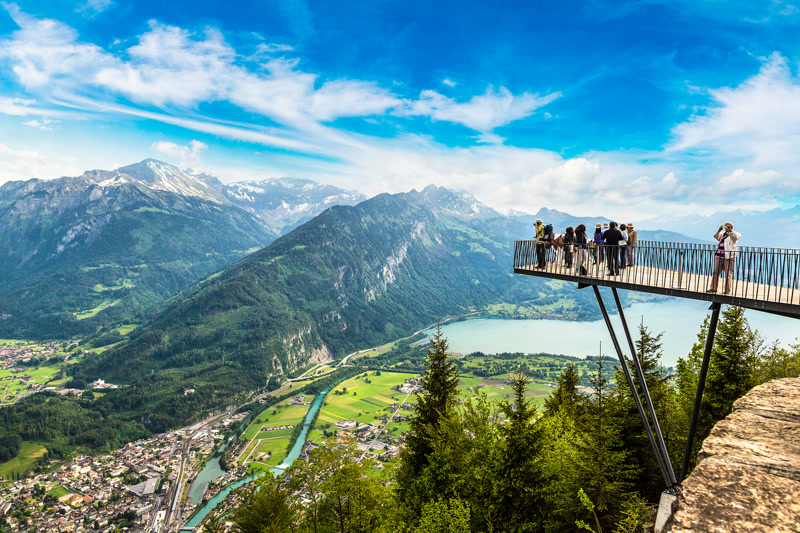
Interlaken, Switzerland — gateway to Jungfraujoch and alpine adventures
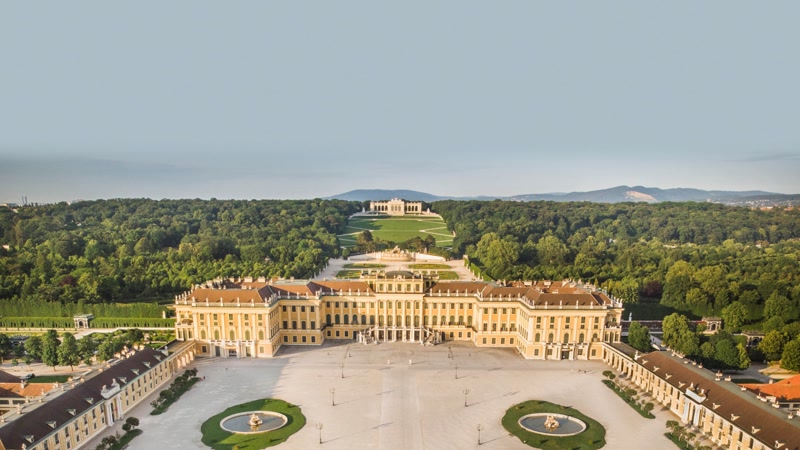
Vienna, Austria — imperial grandeur and world-class culture
⚡ The TL;DR Verdict
Switzerland wins for jaw-dropping alpine drama and precision. Austria wins for cultural depth, livable cities, and budget — roughly 40% cheaper for the same quality of travel.
- Go to Switzerland if alpine scenery is your primary goal — the Matterhorn, Jungfraujoch, and Lucerne are simply unmatched — and budget is flexible (CHF 150–250+/day).
- Go to Austria if you want a richer cultural experience (Vienna, Salzburg, Mozart, the Vienna State Opera) at a much more manageable cost (€80–130/day).
- Go to both — a classic circuit combining Vienna, Salzburg, Innsbruck, Lucerne, and Interlaken is one of Europe's great trips and they're just 2.5 hours apart by train.
- Reddit is clear: Switzerland's scenery is on another level; Austria gives you 75% of the beauty for 60% of the price.
🏔️ Choose Switzerland if...
You want extreme alpine scenery, the Matterhorn, Jungfraujoch, pristine efficiency, and the world's best rail network. Budget: CHF 150–250/day.
🎼 Choose Austria if...
You want Vienna's imperial culture, Mozart's Salzburg, affordable Alpine hiking, and 40% lower costs. Budget: €80–130/day.
Quick Comparison
| Category | 🏔️ Switzerland | 🎼 Austria | Winner |
|---|---|---|---|
| Daily Budget (mid-range) | CHF 150–250 (~$165–275) | €80–130 (~$88–143) | Austria |
| Alpine Scenery | World-class — Matterhorn, Jungfraujoch, 4,000m+ peaks | Stunning — Tyrol, Salzkammergut, Hallstatt | Switzerland |
| Cultural Depth | Good — Zurich, Bern, Geneva museums | Exceptional — Vienna, Salzburg, Mozart, Klimt | Austria |
| Food & Dining | Excellent but pricey (CHF 20–40/main) | Great value — Schnitzel, Tafelspitz (€12–22) | Austria |
| Rail Network | Swiss Travel Pass — comprehensive + scenic | ÖBB — excellent, cheaper Sparschiene fares | Tie |
| Skiing / Winter Sports | World-class — Zermatt, Verbier, St. Moritz | Excellent — Kitzbühel, Innsbruck area, Sölden | Switzerland |
| Hiking Trails | Extensive — Via Alpina, Alta Via routes | Excellent — Eagle Walk, Ziller Valley trails | Tie |
| City Experience | Zurich, Bern, Lucerne — clean and efficient | Vienna, Salzburg — culturally unmatched | Austria |
| English Spoken | Excellent — Zurich and tourist areas universal | Very good — Vienna and tourist towns excellent | Tie |
| Currency | CHF (Swiss Franc ~$1.10) | Euro — easier for European travelers | Austria |
| Best For | Alpine drama, luxury, precision rail travel | Music, history, budget, accessible culture | Depends |
🏔️ Alpine Scenery & Hiking
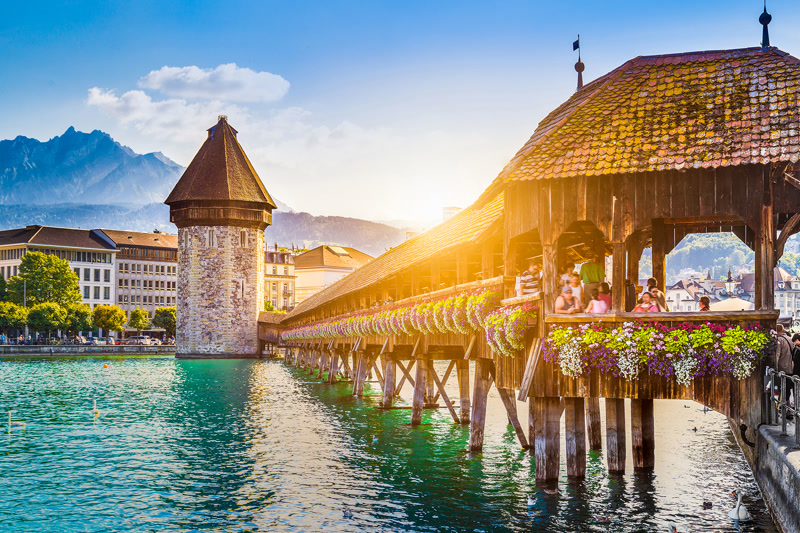
This is the comparison's biggest question — and the honest answer is that Switzerland wins on raw spectacle but Austria wins on accessibility and value. Switzerland's Western Alps are higher, steeper, and more dramatic: the Matterhorn (4,478m) seen from Zermatt is one of Earth's most recognizable peaks, Jungfraujoch (3,454m, the highest railway station in Europe) puts you above the clouds, and the Eiger, Mönch, and Jungfrau seen from Grindelwald are simply unforgettable. The Bernese Oberland region around Interlaken is Switzerland's most visited alpine zone — and for good reason.
Austria's Alps are no slouch. The Tyrolean Alps around Innsbruck, the Salzkammergut lake district (think Hallstatt, one of the world's most photographed villages), and the Hohe Tauern National Park are genuinely spectacular. The Grossglockner (Austria's highest peak at 3,798m) is accessible via one of Europe's most scenic high-alpine roads. But the peaks are lower and the valleys less dramatic than Switzerland's Western Alps.
For hikers specifically: Switzerland has more established long-distance routes (Via Alpina, the Haute Route Chamonix-Zermatt) and the infrastructure to match — mountain huts, cable cars, and clearly marked trails even at 3,000m. Austria's Eagle Walk in Tyrol and the Zillertal Alps offer equally rewarding hiking at lower costs. The key difference: Switzerland's mountain railways and gondolas (Jungfraujoch alone costs CHF 235 round trip from Grindelwald) add up fast, while Austria's mountain access is generally cheaper.
🏛️ Culture & History
This one isn't close. Austria has one of Europe's richest cultural legacies concentrated in two outstanding cities. Vienna was the capital of the Habsburg Empire for 640 years — and the imperial grandeur is everywhere. The Kunsthistorisches Museum (€21) houses Vermeer, Velázquez, and Bruegel. The Belvedere Palace (€18) holds Klimt's The Kiss. The Vienna State Opera offers standing room tickets from €10. The Naschmarkt is a living food market that's been operating since the 16th century. Mozart, Beethoven, Brahms, Schubert, Mahler, and Freud all spent formative years in Vienna.
Salzburg adds Mozart's birthplace (admission €12), the Hohensalzburg Fortress (one of Europe's best-preserved medieval castles), and a baroque old town UNESCO-listed since 1996. The city of Vienna has been ranked the world's most livable city for multiple consecutive years. Switzerland's cultural offerings are solid: Bern's old town is a UNESCO World Heritage Site, Zurich has the excellent Kunsthaus (€18, expanded in 2021), and Geneva's Red Cross Museum is genuinely moving. But they lack the unified imperial narrative and artistic density of Vienna.
🍽️ Food & Dining
Both countries have their culinary signatures — but Switzerland's food costs significantly more. In Austria, a Wiener Schnitzel (veal or pork, pounded thin and fried) costs €12–20 in a traditional Viennese Beisl (neighborhood restaurant). A Tafelspitz (boiled beef with horseradish cream and apple-cider sauce, Austria's other national dish) runs €15–22. Vienna's coffee house culture — Melange (like a cappuccino), Einspänner (black coffee with whipped cream), and cake — is among Europe's great institutions. Café Landtmann, Café Central, and Café Schwarzenberg are 19th-century institutions where you can nurse a coffee for hours without being rushed.
In Switzerland, the same quality of meal runs CHF 25–45 ($27–50). Cheese fondue (CHF 28–45 for two at a restaurant), Raclette, and Rösti (crispy potato dish) are Swiss classics. Zurich's Kronenhalle is famous but expensive (CHF 60+ per main). The good news: Switzerland's supermarkets (Migros, Coop) are reasonably priced by local standards — a prepared meal from a grocery store runs CHF 8–12. Budget travelers in Switzerland survive largely on supermarket food.
Austrian wines (Grüner Veltliner, Zweigelt) are excellent and affordable. A glass of house wine in a Viennese Beisl: €3–5. The same in a Zurich restaurant: CHF 7–12 ($8–13). Beer lovers: Austria's draft beers are €3–5 at most bars; Switzerland's CHF 6–9 ($7–10). For travelers who care about eating well without breaking the bank, Austria is the clear winner.
💰 Cost Comparison
| Expense | 🏔️ Switzerland (CHF) | 🎼 Austria (€) |
|---|---|---|
| Hostel Dorm (per night) | CHF 35–55 ($38–60) | €20–35 ($22–38) |
| Mid-Range Hotel (per night) | CHF 120–220 ($132–242) | €70–130 ($77–143) |
| Budget Meal | CHF 12–18 ($13–20) | €7–12 ($8–13) |
| Sit-Down Restaurant (main) | CHF 22–42 ($24–46) | €12–22 ($13–24) |
| Coffee / Espresso | CHF 4–6 ($4–7) | €2–4 ($2–4) |
| Beer (0.5L, bar) | CHF 6–9 ($7–10) | €3–5 ($3–6) |
| City Train / Tram Ticket | CHF 4–5 ($4–6) | €2.40–3.40 ($3–4) |
| Intercity Train (2h) | CHF 50–85 ($55–93) | €15–49 ($16–54) advance |
| Major Attraction | CHF 20–235 (Jungfraujoch!) | €10–22 |
| Mid-Range Daily Total | CHF 160–230 ($176–253) | €85–130 ($94–143) |
The starkest difference is mountain access. Austria's top attractions cost €10–22; Switzerland's flagship experience (Jungfraujoch) costs CHF 235 ($258) round-trip from Grindelwald. The Swiss Travel Pass can make Switzerland more affordable if you're moving around frequently, but it's still expensive. Vienna's major museums (Kunsthistorisches €21, Belvedere €18) are pricey by Austrian standards but look reasonable next to Switzerland's mountain railway tickets.
🚆 Getting Around & Rail Passes
Both countries have exceptional rail networks. Switzerland's SBB is legendarily punctual, comprehensive, and extends to boats on lakes (Luzern, Thun, Brienz), post buses to remote mountain villages, and mountain railways. The Swiss Travel Pass covers virtually all of this: 3 consecutive days from CHF 244 ($268), 8 days CHF 405 ($445). For a trip doing Zurich → Lucerne → Interlaken → Zermatt → Geneva, it nearly always pays off, especially with mountain excursions included (though top excursions like Jungfraujoch are 25% discount, not free).
Austria's ÖBB is equally excellent and significantly cheaper. The flagship service is the Railjet — connecting Vienna to Salzburg (2h27m, €19–49 advance), Salzburg to Innsbruck (1h53m), and Innsbruck to Zurich (2h28m). ÖBB's Sparschiene advance fares are some of Europe's best deals. The Austria Climate Ticket (€1,095/year) is an option for longer stays. For a typical 5–7 day visit, buying individual advance tickets beats any pass by a wide margin in Austria.
Key practical differences: Switzerland is not in the EU but is in Schengen; Austria uses Euro. For international travelers combining both, this means carrying two currencies. Switzerland's mountain railways (Bernina Express, Glacier Express, Goldenpass) are world-famous scenic rail experiences. Austria's Vienna–Salzburg–Innsbruck corridor is efficient but less inherently spectacular.
🌦️ Best Time to Visit
The sweet spot for both countries is late June to mid-September for alpine hiking. Snow often persists at altitude until late May or June, making high trails inaccessible. July and August are peak season — busiest, priciest, but the best weather and all mountain facilities open. September is often cited as the ideal month: stable weather, golden light, autumn colors, fewer tour groups, and slightly lower prices.
For city-focused trips, both Vienna and Zurich are good year-round. Vienna's Salzburg Festival (late July–August) draws opera and music lovers from worldwide but hotels book months ahead. Vienna's Christmas markets (late November through December) are among Europe's best — the one at the Rathausplatz alone attracts millions of visitors. Switzerland's Montreux Jazz Festival (July) and the Geneva Escalade (December) are cultural highlights. Ski season: December through March in both countries, with Switzerland's high-altitude resorts (Zermatt, Saas-Fee) offering the longest season.
🏘️ Where to Stay — Cities & Regions
Switzerland: Key Bases
Zurich — Switzerland's largest city and financial hub; excellent transport connections and the Kunsthaus; best base for the northern region. Lucerne — the most romantic base for the central Alps; Chapel Bridge and lake cruises. Interlaken — the classic adventure base for the Bernese Oberland, Jungfrau, and Grindelwald; buzzy backpacker scene. Zermatt — car-free village at the foot of the Matterhorn; ultra-scenic but among Switzerland's priciest accommodation. Bern — the federal capital, UNESCO old town, more local feel than Zurich.
Austria: Key Bases
Vienna — the natural base for a city-focused trip; 1st District (Innere Stadt) is prime but pricey; 7th District (Neubau) and 8th (Josefstadt) are hip and more affordable. Salzburg — a manageable two days; stay in the old town (Altstadt) if budget allows or across the Salzach in the Schallmoos area. Innsbruck — the perfect crossroads base for Tyrolean Alps hiking; compact, walkable old town; connecting point between Austria and Switzerland. Hallstatt — impossibly scenic but tiny; most visitors day-trip from Salzburg (1.5h) or Bad Ischl; if staying overnight, book months in advance.
🎵 Music, Arts & Classical Culture
This section exists for one reason: Austria is unique in Europe for the density of classical music culture. Vienna is where Haydn, Mozart, Beethoven, Schubert, Brahms, Bruckner, Mahler, and Strauss all lived and composed. This isn't just history — it's alive. The Vienna Philharmonic regularly performs at the Musikverein (the Golden Hall's acoustics are legendary). The Vienna State Opera performs 300+ productions per year; standing-room tickets (Stehplatz) cost €10–15 and can be booked online 80 days in advance. The Salzburg Festival (late July–August) is one of the world's premier classical music festivals.
Switzerland's arts scene is internationally minded but less historically rooted: Zurich's Zurich Opera House is world-class, the Kunsthaus (expanded 2021) has one of Europe's best modern art collections, and Geneva hosts various UN and NGO cultural events. The Montreux Jazz Festival (July, on Lake Geneva) is one of the world's most famous music festivals. But for the concentrated classical tradition that defines European high culture, Vienna and Salzburg are unmatched by any Swiss city.
🚞 Day Trips & Excursions
From Switzerland's Key Cities
From Zurich: Lucerne (45 min by train, CHF 25 each way), Rhine Falls at Schaffhausen (1h, Switzerland's largest waterfall), Bern (55 min, CHF 32), Liechtenstein (1.5h). From Lucerne: Mount Pilatus via cogwheel railway (CHF 72 round trip), Mount Rigi (CHF 45), Bern (1h). From Interlaken: Jungfraujoch (3.5h each way, CHF 235), Grindelwald (35 min, base for Eiger hikes), Bern (1h). Switzerland is compact — almost any city is reachable in under 2 hours on a well-connected rail network.
From Austria's Key Cities
From Vienna: Bratislava, Slovakia (1h by Regiojet bus, under €10 one way), Budapest, Hungary (2.5h by train), Salzburg (2.5h, €19–49 advance). From Salzburg: Hallstatt (1.5h by bus+boat, one of the most scenic day trips in Europe), Berchtesgaden/Eagle's Nest Germany (1.5h), Werfen Ice Caves (45 min). From Innsbruck: Swarovski Crystal Worlds (30 min), Brenner Pass into Italy (30 min), Zugspitze access (1.5h).
🔀 The Decision Framework
After synthesizing dozens of Reddit threads and real traveler accounts, here's who each country is right for:
🏔️ Choose Switzerland if...
- Alpine scenery is your primary goal — the Matterhorn and Jungfraujoch are bucket-list level
- Budget is flexible (CHF 150–250+/day is comfortable for you)
- You want the world's best-integrated rail + boat + mountain railway network
- Skiing at world-class resorts (Zermatt, Verbier, St. Moritz) is on your list
- You want outdoor adventure: hiking, paragliding, canyoning in the Alps
- You've already done Vienna and want to explore new territory
- You have 7+ days and want to do a proper rail circuit
🎼 Choose Austria if...
- Budget matters — Austria gives 70–80% of the scenery for 60% of the cost
- Classical music, opera, or imperial culture is on your list
- You want a mix of stunning city culture (Vienna, Salzburg) AND mountains
- It's your first time in the Alpine region and you want maximum value
- You want to day-trip to Budapest, Bratislava, or Croatia
- Café culture and lingering over coffee is your pace
- You're a first-time Europe traveler who wants iconic cities + scenery
💡 The ideal trip: do both
- Vienna (3 nights) → Salzburg (2 nights) → Innsbruck (1 night) → Lucerne (2 nights) → Zurich/Interlaken (2 nights) = 10 days of alpine and cultural Europe at its finest
- Innsbruck to Zurich: 2.5h by train (one of Europe's great rail routes)
- Budget for combined trip: roughly €100–160/day average (cheaper in Austria, pricier in Switzerland)
- Both countries share the Schengen Area — no border checks, seamless travel
❓ Frequently Asked Questions
Is Switzerland or Austria better for first-time visitors?
It depends on your budget and priorities. Switzerland delivers jaw-dropping alpine scenery and pristine efficiency, but it's one of the most expensive countries in Europe — budget CHF 150–250/day ($165–275) for a comfortable trip. Austria gives you 70–80% of the same scenery for roughly 40% less money, plus culturally richer cities like Vienna and Salzburg. Reddit consensus is clear: if budget is a concern, Austria is the better choice. If you want maximum alpine drama and can afford it, Switzerland is worth every franc. Most experienced travelers say: do both.
How much does Switzerland cost per day vs Austria?
Switzerland is significantly pricier. A mid-range budget in Switzerland runs CHF 150–250/day ($165–275) including accommodation (CHF 100–200/night in mid-range hotels), meals (CHF 20–40 per sit-down meal), and transit. In Austria, the same style of travel costs €80–130/day — about 35–45% less. Budget travelers can survive in Austria on €50–70/day (hostel dorms €20–30, supermarket meals, regional trains). Switzerland's cheapest hostel beds run CHF 35–50/night ($38–55) in cities.
Which country has better alpine scenery, Switzerland or Austria?
Switzerland edges ahead for sheer dramatic alpine impact — the Matterhorn above Zermatt, Jungfraujoch at 3,454m, the Eiger North Face, and Interlaken wedged between two lakes are simply spectacular. Austria's Tyrol, Salzburg region, and the Hallstatt lake district are beautiful and arguably more accessible, but lower and less extreme. As one r/travel redditor put it: "If you've never been to either, Switzerland's scenery will make your jaw hit the floor. Austria is gorgeous but Switzerland is on another level for the pure alpine wow factor."
What is the Swiss Travel Pass and is it worth it?
The Swiss Travel Pass is a unified transport pass covering trains, buses, boats, and many mountain railways throughout Switzerland. Prices: 3 consecutive days CHF 244 ($268), 4 days CHF 295 ($325), 8 days CHF 405 ($445). It's generally worth it if you're doing multiple cities (Zurich–Lucerne–Interlaken–Zermatt) or taking mountain excursions. Austria's equivalent (ÖBB Sparschiene fares) is much cheaper — advance tickets within Austria from €9–29. For Switzerland's mountain railways alone (Jungfraujoch costs CHF 235 round trip from Grindelwald!), the pass can pay for itself in 1–2 days.
Which is better for culture — Switzerland or Austria?
Austria wins on cultural depth, and it's not particularly close. Vienna is the birthplace or adopted home of Beethoven, Brahms, Schubert, Mahler, Freud, and Klimt. The Kunsthistorisches Museum, Vienna State Opera (from €10 standing), Belvedere Palace (Klimt's The Kiss), and the Naschmarkt are world-class. Salzburg adds Mozart's birthplace and the Hohensalzburg Fortress. Switzerland has excellent museums (the Kunsthaus Zurich, the Olympic Museum in Lausanne) but lacks the imperial cultural density of Vienna and Salzburg. Reddit's r/solotravel consistently rates Vienna among Europe's top 5 cities for culture.
Can you visit both Switzerland and Austria on the same trip?
Absolutely — and it's one of Europe's great trip combinations. Innsbruck (Austria) to Zurich (Switzerland) takes about 2.5 hours by train. A classic 10-day circuit: Vienna (3 nights) → Salzburg (2 nights) → Innsbruck (1 night) → Lucerne (2 nights) → Interlaken (2 nights) covers both countries beautifully. The Arlberg route connects Innsbruck to Zurich with stunning mountain scenery. Both countries are in the Schengen Area; Switzerland uses CHF while Austria uses EUR, so plan to carry both currencies or use a fee-free card.
When is the best time to visit Switzerland vs Austria?
For hiking and alpine scenery: late June to mid-September in both countries. Snow often lingers at altitude until June. July–August is peak season — busier and pricier but the best weather. September is often cited as the sweet spot: stable weather, autumn colors, fewer crowds. For skiing: December–March in both countries, with Switzerland's resorts (Verbier, Zermatt, St. Moritz) having higher altitude and longer seasons. Vienna's Christmas markets (late November–December) are among Europe's best. The Salzburg Festival (late July–August) is a world-class classical music event.
Is Austria or Switzerland better for solo travelers?
Both are among Europe's safest and easiest countries for solo travel. Austria edges ahead on budget friendliness — Vienna has a thriving hostel scene, excellent public transit, and a café culture that's welcoming to solo visitors. Vienna is regularly ranked as one of the world's most livable cities. Switzerland is equally safe but the cost of solo travel is high — every meal, transit ticket, and activity costs more. Reddit users on r/solotravel frequently note that Switzerland can feel isolating on a tight budget, while Vienna's social hostels and café culture make it easier to meet people.
Ready to plan your Alpine adventure?
Get a free custom itinerary for Switzerland, Austria, or both — built from real traveler insights, not generic templates.
🎟️ Book Tours & Experiences
Hand-picked tours and activities for both destinations — book with free cancellation
Experiences via Viator — free cancellation on most tours