How we built this comparison
This page combines traveler discussion patterns, published price ranges, flight schedules, and seasonal data to help you decide between Taiwan and Thailand.
- Reviewed 500+ Reddit threads from r/travel, r/solotravel, r/Taiwan, r/Thailand, r/Taipei, r/Bangkok, etc.
- Verified costs and logistics against current booking platforms (e.g., Booking.com, Google Flights, 12Go.Asia)
- Cross-referenced seasonal patterns and weather data from meteorological services
⚡ Quick Answers
⚡ The TL;DR Verdict
For most travelers seeking a combination of value, diverse experiences, and extensive beach access, Thailand is the clearer choice. It offers a slightly lower daily spend, particularly outside of Bangkok, and a broader range of activities from ancient temples to island hopping. Taiwan excels for those prioritizing modern infrastructure, safety, and a specific East Asian cultural experience with incredible food, but it comes at a slightly higher daily cost, typically $80-120 per day compared to Thailand's $50-100.
- Choose Taiwan: You want a highly efficient, very safe East Asian experience with world-class public transport, incredible food variety focused on street eats and cafes, and unique natural landscapes like Taroko Gorge, without the constant negotiation or party scene.
- Choose Thailand: You prioritize budget-friendly travel, extensive beach and island options, a deep Buddhist culture with grand temples, a lively nightlife, and a broader range of adventure activities like diving or trekking, alongside famously hospitable people.
- Choose Both: If you have 3-4 weeks and are flying from outside Asia, consider combining them. Start in Taiwan for a week or ten days, then fly direct to Bangkok (approx. 3.5-4 hours) to explore Thailand for two weeks. This offers a comprehensive Southeast and East Asian perspective.
Choose Taiwan
Choose Taiwan if you're a discerning traveler seeking a highly efficient, incredibly safe East Asian experience. It's best for those who value world-class public transport to explore diverse landscapes like Taroko Gorge, indulge in Taipei's legendary night market street food, and appreciate a unique blend of tradition and modernity without the constant hustle. Expect impeccable service and a slightly higher daily spend for premium quality.
Choose Thailand
Opt for Thailand if your priority is a vibrant, budget-friendly adventure packed with diverse experiences. It's ideal for beach enthusiasts dreaming of island hopping in Phuket or Krabi, culture vultures exploring ancient temples in Ayutthaya or Chiang Mai, and foodies indulging in street eats from Bangkok's lively markets. Expect endless hospitality, lively nightlife, and incredible value, making it perfect for backpackers and families alike.
📊 Visual Scorecard
🌤 When to Visit
Average high temperatures (°C). Green = best months, orange = avoid.
Quick Comparison
| Category | Taiwan | Thailand | Winner |
|---|---|---|---|
| Food & Drink | Night markets, Michelin-star street food, incredible variety, specific tea culture. | Street food everywhere, regional specialties, focus on spice, cheap beer, cooking classes. | Tie |
| Nightlife & Entertainment | Trendy bars, clubs in Xinyi, KTV, speakeasies, more reserved overall. | Wild parties, specific party streets (Khao San), rooftop bars, clubs, live music, diverse options. | Thailand |
| Culture & History | Chinese heritage, indigenous culture, Japanese influences, modern democracy, temples, museums. | Theravada Buddhism, ancient kingdoms, elaborate temples, palaces, diverse ethnic groups, specific festivals. | Thailand |
| Costs & Budget | Moderately priced, efficient public transport, food is cheap, accommodation can add up. | Generally cheaper, especially outside Bangkok, food and transport are budget-friendly, good value accommodation. | Thailand |
| Getting Around | Exceptional public transport (MRT, HSR, local trains), easy to navigate, English signs. | Varied options (BTS, MRT, Grab, tuk-tuks, taxis, buses, boats), can be chaotic but effective. | Taiwan |
| Nature & Outdoors | Mountainous, hot springs, national parks, hiking, specific geology, dramatic gorges. | Tropical forests, waterfalls, mountains, diverse marine life, caves, specific national parks. | Tie |
| Beaches & Islands | Limited, mostly on south coast, generally not the main draw, some surf spots. | Extensive, world-renowned islands (Phuket, Samui, Phi Phi), diving, snorkeling, diverse options. | Thailand |
| Accommodation | Clean, modern, efficient, good value mid-range hotels, themed motels, hostels. | Wide range from basic guesthouses to luxury resorts, beach bungalows, hostels, good value across categories. | Thailand |
| Safety & Security | Extremely safe, low crime rates, trustworthy, organized. | Generally safe, but petty crime, scams, and tourist traps are present; exercise normal precautions. | Taiwan |
| Solo Travel Suitability | Excellent for solo travel due to safety, ease of transport, welcoming locals, efficient infrastructure. | Very popular for solo travel, easy to meet others, good hostel scene, but requires more caution. | Taiwan |
🍜 Food & Drink
Taiwan’s food scene is a legitimate reason to visit the island by itself. Taipei’s night markets, like Shilin or Raohe, offer an incredible array of dishes such as Lu Rou Fan…
Taiwan
Thailand
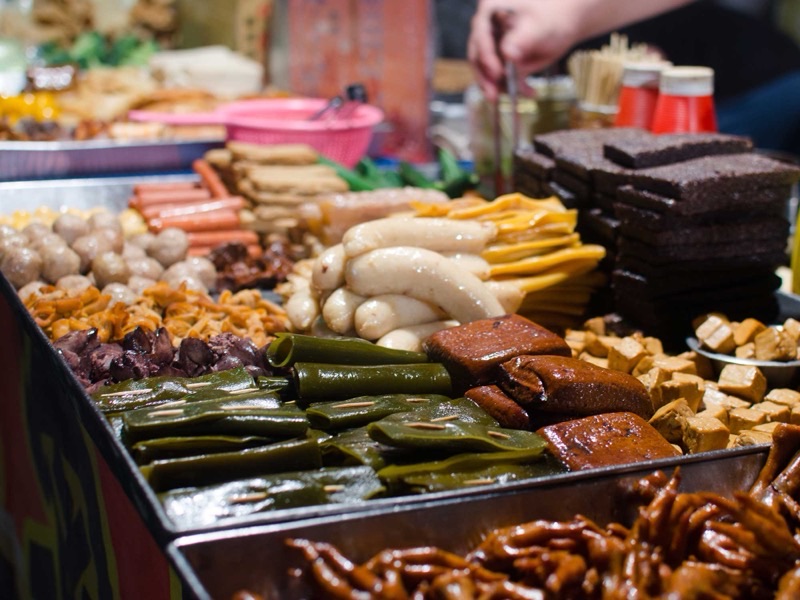
Taiwan’s food scene is a legitimate reason to visit the island by itself. Taipei’s night markets, like Shilin or Raohe, offer an incredible array of dishes such as Lu Rou Fan (braised pork rice), beef noodle soup, stinky tofu, gua bao, and oyster omelets, often for just TWD 50-150 ($1.50-5 USD) per dish. Michelin Bib Gourmand listings frequently include night market stalls, speaking to the quality. Beyond markets, cafes are plentiful, offering specialty coffee and creative desserts. Bubble tea originated here, and local tea houses provide a different cultural experience. Dining in Taiwan is often clean, efficient, and direct, with less emphasis on negotiation.
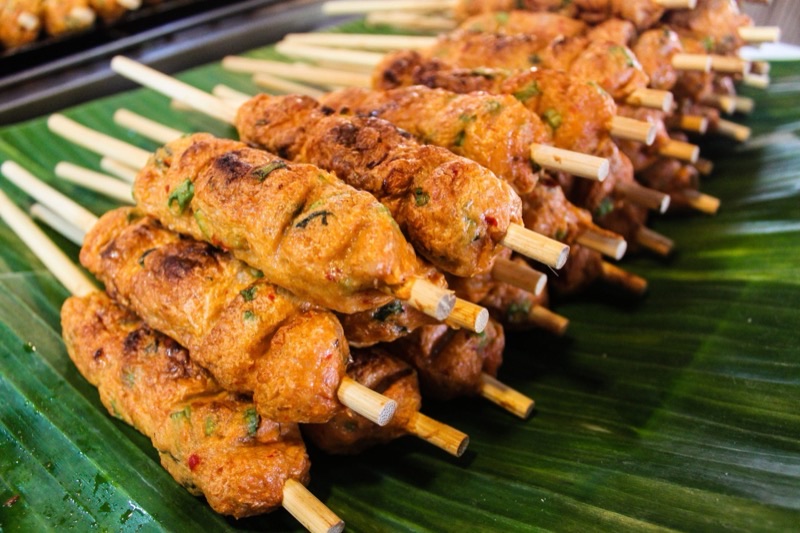
Thailand counters with its equally legendary, but distinctly different, culinary landscape. Street food is a way of life, from Bangkok’s Soi 38 to Chiang Mai’s Sunday Walking Street, you will find Pad Thai for THB 50-80 ($1.50-2.50 USD), Green Curry, Som Tum, and Mango Sticky Rice. Regional variations are significant; Southern Thailand focuses on seafood and spice, while the North features dishes like Khao Soi. Cooking classes are popular, teaching you to recreate the complex flavors. Beers like Chang and Singha are cheap at THB 60-100 ($1.75-3 USD) in local spots. For sheer diversity and accessibility of mind-blowing street eats, both destinations deliver at an extremely high level.
- Winner: Tie
- Why: Both offer some of the best street food experiences globally, with distinct flavors and cultural contexts.
- Who this matters for: Anyone whose trip revolves around eating well and exploring new flavors.
🎉 Nightlife & Entertainment
Taipei offers a solid nightlife scene, primarily concentrated in the Xinyi District with its array of clubs like Omni or Chess. Upscale cocktail bars and speakeasies have gained…
Taiwan
Thailand
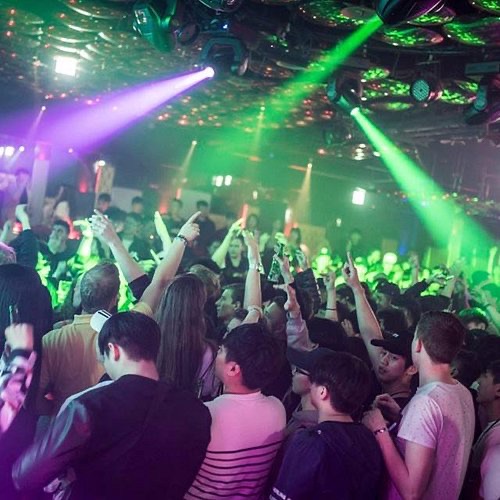
Taipei offers a solid nightlife scene, primarily concentrated in the Xinyi District with its array of clubs like Omni or Chess. Upscale cocktail bars and speakeasies have gained popularity, offering creative drinks for TWD 300-500 ($10-17 USD). KTV (karaoke television) is a popular local pastime, providing private rooms for singing with friends. While there are options, the overall atmosphere is generally more reserved and less focused on open-air street parties compared to Thailand. Night markets, while food-focused, do provide a lively evening atmosphere for casual exploration and late-night snacks.
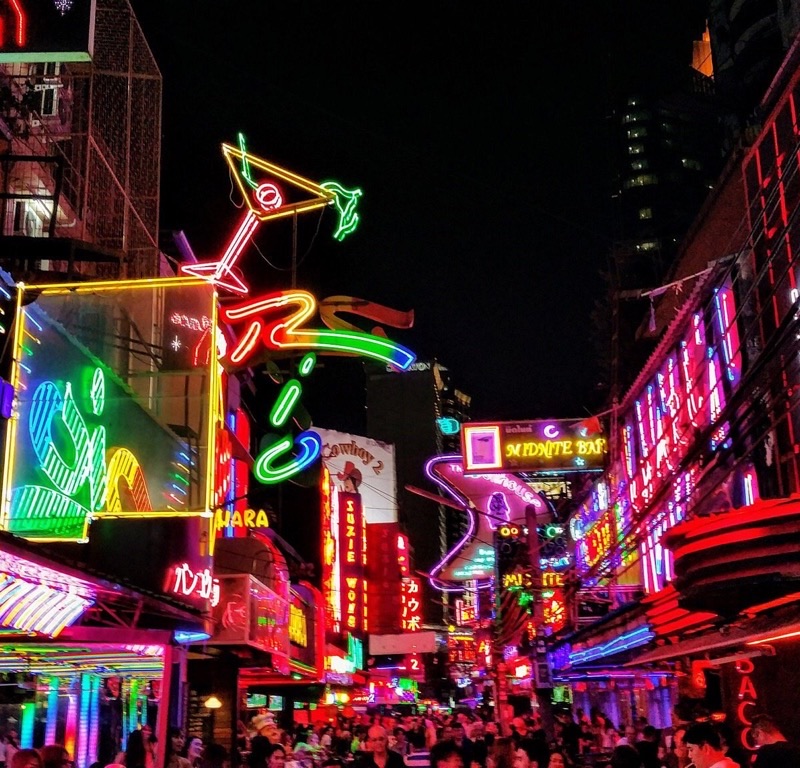
Thailand takes a clear lead for those seeking a more expansive and often wilder nightlife. Bangkok alone offers everything from the backpacker chaos of Khao San Road, where beers are THB 80-150 ($2.50-5 USD) and music blasts, to the sophisticated rooftop bars of Sukhumvit (e.g., Sky Bar at Lebua State Tower) with cocktails at THB 300-500 ($10-17 USD). Major cities like Chiang Mai and beach destinations like Phuket and Koh Phi Phi have a dedicated party circuit with beach clubs, open-air bars, and full moon parties. Live music venues are also common, particularly in Bangkok and Chiang Mai. The options cater to a wider range of preferences, from relaxed drinks to all-night dancing.
- Winner: Thailand
- Why: Thailand provides a broader, more intense, and more varied nightlife landscape, from street parties to sophisticated rooftop venues.
- Who this matters for: Travelers prioritizing party scenes, diverse bar options, and late-night entertainment.
🏛️ Culture & History
Taiwan’s culture is a fascinating blend of Hokkien Chinese, indigenous tribes, and a lingering Japanese colonial influence, all under a modern democratic government. Historical…
Taiwan
Thailand
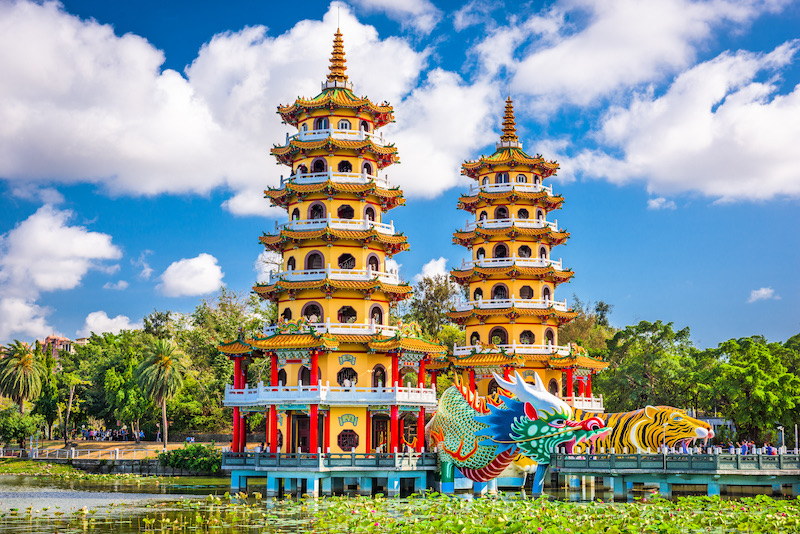
Taiwan’s culture is a fascinating blend of Hokkien Chinese, indigenous tribes, and a lingering Japanese colonial influence, all under a modern democratic government. Historical sites like the National Palace Museum in Taipei house an extensive collection of Chinese artifacts, while places like the Chiang Kai-shek Memorial Hall offer insights into its recent history. Traditional temples, such as Longshan Temple, are active places of worship with intricate designs. Indigenous culture is preserved in specific regions, offering unique experiences. Taiwan has a quieter, contemplative cultural vibe, emphasizing art, tea ceremonies, and a strong sense of national identity distinct from mainland China. It offers a sophisticated, often intellectual cultural exploration.
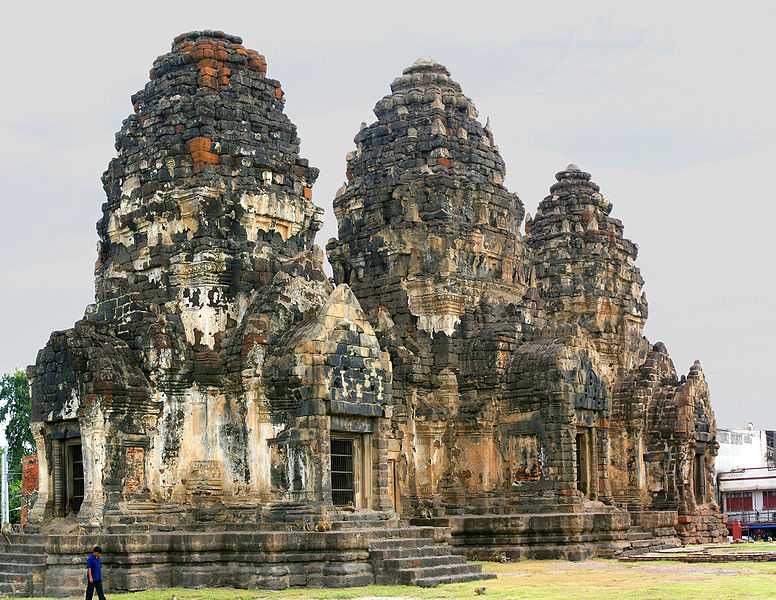
Thailand provides a more immediately recognizable and pervasive cultural experience, largely centered around Theravada Buddhism. The country is covered in thousands of elaborate temples (wats), from Bangkok’s Grand Palace and Wat Arun to Chiang Mai’s Doi Suthep. Ancient cities like Ayutthaya and Sukhothai offer extensive historical parks with impressive ruins. Monks are an integrated part of daily life, and opportunities for respectful interaction are common. Festivals like Songkran (Thai New Year) are major cultural events. The traditional Thai massage is a cultural staple, available for THB 200-350 ($6-10 USD) per hour. The historical narratives are grander, and the visual impact of its cultural sites is often more dramatic and widespread, making its cultural identity more overt.
- Winner: Thailand
- Why: Thailand offers a more immersive and visually striking cultural experience, particularly with its widespread Buddhist temples and ancient historical sites.
- Who this matters for: Travelers seeking grand historical sites, elaborate religious architecture, and visible cultural traditions.
💰 Costs & Budget
Taiwan is a mid-range destination. A comfortable daily budget for a solo traveler covering mid-tier accommodation, food, and transport might be TWD 2,400-3,600 ($80-120 USD).…

Taiwan
Thailand
Taiwan is a mid-range destination. A comfortable daily budget for a solo traveler covering mid-tier accommodation, food, and transport might be TWD 2,400-3,600 ($80-120 USD). Hostels average TWD 600-900 ($20-30 USD) for a dorm bed, while budget hotels are TWD 1,800-2,700 ($60-90 USD). Food from night markets is incredibly cheap, TWD 150-300 ($5-10 USD) for a full meal. Public transport like the MRT is very efficient and affordable, with fares typically TWD 20-60 ($0.70-2 USD). High-speed rail tickets from Taipei to Kaohsiung cost around TWD 1,500 ($50 USD). Overall, it offers excellent value for the quality, but it is not a 'dirt cheap' destination.
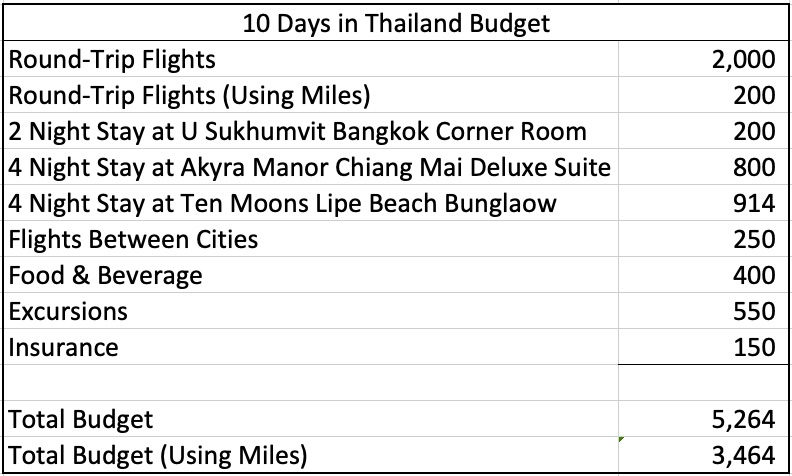
Thailand generally remains more budget-friendly, making it a favorite for longer trips. A similar comfortable daily budget might be THB 1,800-3,600 ($50-100 USD), often less if you eat primarily street food and use local transport. Hostels are THB 300-600 ($9-18 USD) per night, and budget guesthouses/hotels range from THB 800-1,500 ($25-45 USD). Street food meals are regularly THB 50-100 ($1.50-3 USD), and local buses/MRT/BTS fares in Bangkok are THB 16-50 ($0.50-1.50 USD). Domestic flights can be very affordable, e.g., Bangkok to Chiang Mai for THB 1,000-2,000 ($30-60 USD). While tourist-heavy areas might see inflated prices, value is still easily found. Thailand offers more bang for your buck on almost every front.
- Winner: Thailand
- Why: Thailand consistently offers lower costs for accommodation, food, and activities, providing greater value for budget-conscious travelers.
- Who this matters for: Travelers on a tighter budget or those wanting to extend their trip duration.
🚄 Getting Around
Taiwan’s public transport system is one of its strongest assets. The MRT in major cities like Taipei and Kaohsiung is incredibly efficient, clean, and has extensive English…
Taiwan
Thailand
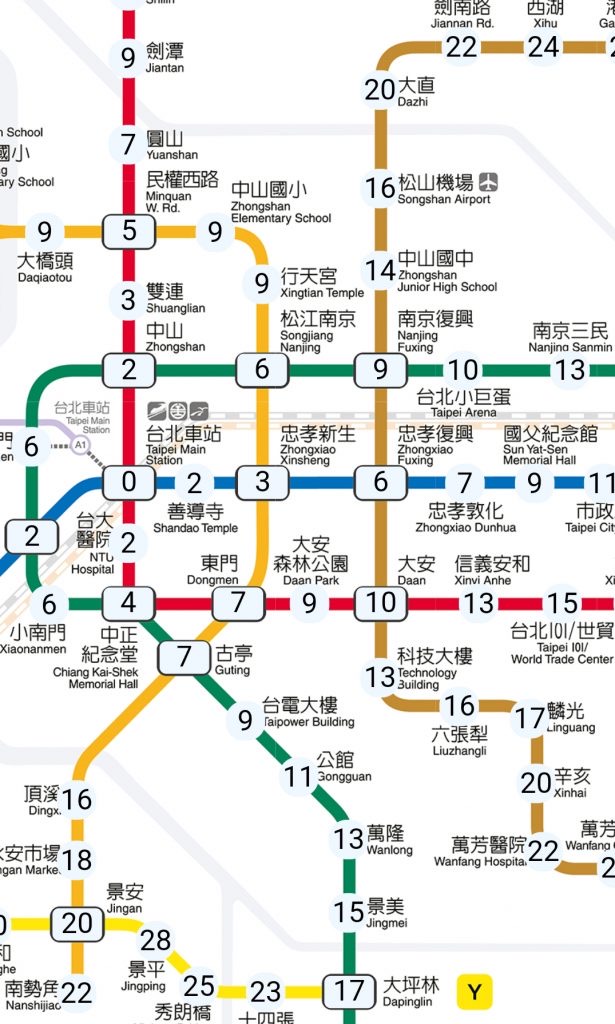
Taiwan’s public transport system is one of its strongest assets. The MRT in major cities like Taipei and Kaohsiung is incredibly efficient, clean, and has extensive English signage, making it very easy for non-Chinese speakers to navigate. Fares are low, typically TWD 20-60 ($0.70-2 USD). The High-Speed Rail (HSR) connects major cities along the west coast quickly and comfortably, for example, Taipei to Kaohsiung in 1.5-2 hours for about TWD 1,500 ($50 USD). Local trains and a comprehensive bus network cover the rest of the island. Rental scooters are popular in rural areas, but the cities are best explored by public transport or on foot. Google Maps works flawlessly, and travel is predictable.
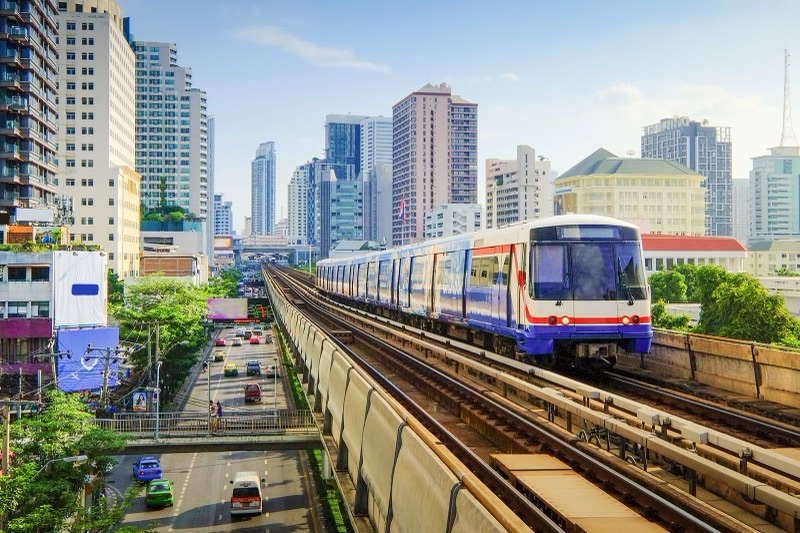
Thailand offers a more diverse, sometimes chaotic, transport experience. In Bangkok, the BTS Skytrain and MRT subway are efficient for specific routes, with fares from THB 16-50 ($0.50-1.50 USD). However, for other areas, you rely on taxis, tuk-tuks, motorbike taxis, or ride-hailing apps like Grab. Tuk-tuks are iconic but require negotiation and can be pricier than metered taxis. Long-distance travel involves buses, trains (slower but scenic), and numerous budget airlines connecting major hubs and islands. Island hopping involves ferries and speedboats. While effective, it often requires more planning, negotiation, and can feel less streamlined than Taiwan’s system.
- Winner: Taiwan
- Why: Taiwan’s public transport infrastructure is exceptionally efficient, clean, and user-friendly, making travel stress-free.
- Who this matters for: Travelers who value ease of navigation, punctuality, and a stress-free travel experience without constant negotiation.
⛰️ Nature & Outdoors
Taiwan is a mountainous island, with nearly two-thirds of its land covered by rugged peaks. Taroko Gorge National Park is a major draw, with its marble cliffs, dramatic tunnels,…
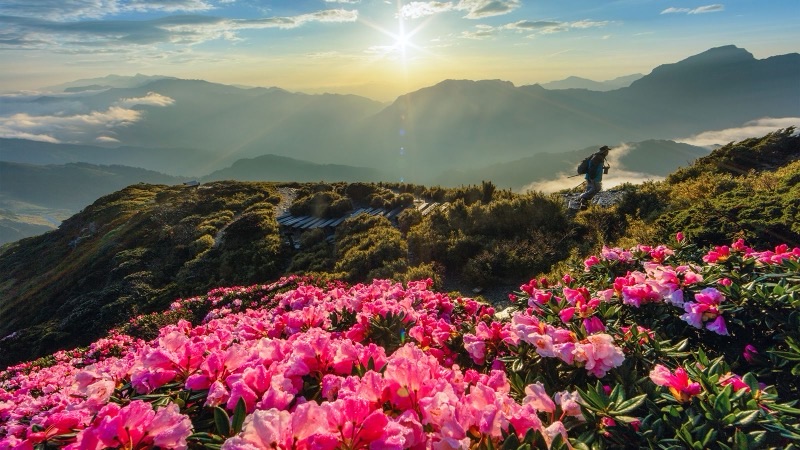
Taiwan is a mountainous island, with nearly two-thirds of its land covered by rugged peaks. Taroko Gorge National Park is a major draw, with its marble cliffs, dramatic tunnels, and hiking trails suitable for various fitness levels. Alishan National Scenic Area is famous for its misty forests, tea plantations, and sunrise views. Yangmingshan National Park, near Taipei, offers hot springs, volcanic landscapes, and hiking trails. The East Coast features cliffs and rocky shores, while Kenting National Park in the south has a tropical feel with beaches and coral reefs. Hiking, cycling, and hot spring bathing are popular activities. The nature here feels robust and varied, offering alpine to subtropical environments.
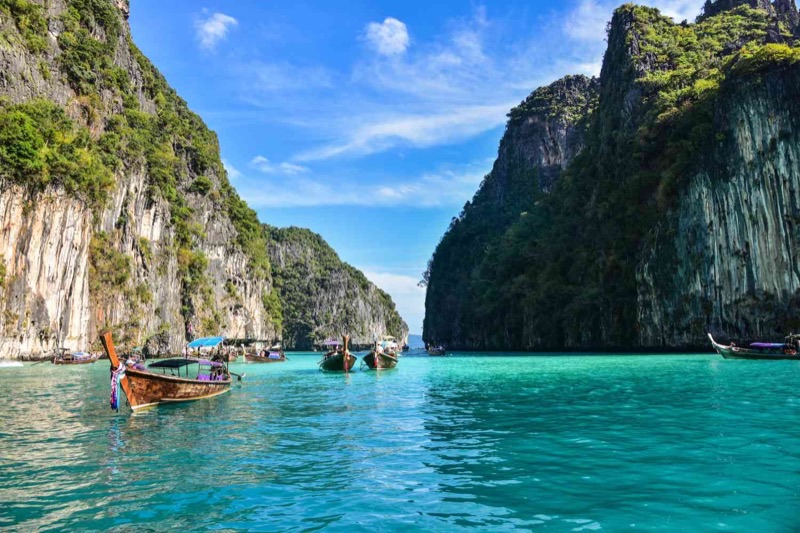
Thailand’s nature is characterized by tropical rainforests, limestone karsts, and extensive coastlines. National parks like Khao Yai (waterfalls, wildlife) or Doi Inthanon (Thailand’s highest peak) offer trekking and exploration. The famous limestone formations of Krabi and Phang Nga Bay are iconic, with opportunities for kayaking and rock climbing. Under the water, places like the Similan Islands offer some of the best diving and snorkeling globally, with abundant marine life. Its nature leans heavily into tropical paradise imagery, offering lush jungles, powerful waterfalls, and an underwater world that is extremely accessible. Both destinations present significant outdoor appeal, just with different geographical strengths.
- Winner: Tie
- Why: Both countries offer distinct and impressive natural landscapes, from Taiwan's mountains and gorges to Thailand's tropical beaches and jungles.
- Who this matters for: Outdoor enthusiasts, hikers, divers, and those seeking scenic landscapes for photography.
🏖️ Beaches & Islands
Taiwan is not primarily a beach destination. While it is an island, its coastline is often rugged or industrial. The best beach options are mostly concentrated in the south,…
Taiwan is not primarily a beach destination. While it is an island, its coastline is often rugged or industrial. The best beach options are mostly concentrated in the south, particularly Kenting National Park. Here you can find white sand beaches like Baisha Beach and Nanwan Beach, suitable for swimming and sunbathing, but they do not compare to Southeast Asian equivalents in terms of scale or water clarity. There are also surf spots on the east coast, such as Dulan. For most travelers, beaches are an afterthought or a brief stop, not the main focus of a trip to Taiwan. The focus is more on mountains and city life.
Thailand is arguably one of the worlds premier beach and island destinations. From the Andaman Sea islands like Phuket, Koh Phi Phi, and Koh Lanta with their dramatic limestone karsts and emerald waters, to the Gulf Coast islands like Koh Samui, Koh Phangan, and Koh Tao offering different vibes and diving opportunities, the choices are extensive. You can find quiet coves, lively party beaches, or remote diving havens. A longtail boat ride from Ao Nang to Railay Beach costs around THB 100 ($3 USD). Snorkeling and diving trips are widely available and affordable, often THB 1,000-2,000 ($30-60 USD) for a day trip. The infrastructure for beach tourism is highly developed, offering everything from luxury resorts to budget bungalows. If beaches are a priority, Thailand is the unequivocal winner.
- Winner: Thailand
- Why: Thailand offers an unparalleled variety of world-class beaches and islands with extensive tourism infrastructure for all budgets.
- Who this matters for: Beach lovers, divers, snorkelers, sunbathers, and anyone prioritizing island hopping.
🏨 Accommodation
Taiwan’s accommodation sector is known for its cleanliness, efficiency, and modern design. Hostels in Taipei and other major cities are generally excellent, offering private pods…
Taiwan’s accommodation sector is known for its cleanliness, efficiency, and modern design. Hostels in Taipei and other major cities are generally excellent, offering private pods and good common areas for TWD 600-900 ($20-30 USD) per night. Mid-range hotels are often very good value, around TWD 1,800-2,700 ($60-90 USD), offering comfortable rooms, sometimes with breakfast. Unique options include themed motels, which can be fun, and local guesthouses in rural areas. Booking is straightforward via international platforms, and English is widely understood in tourist-oriented establishments. Finding a quality place is easy, though luxury options can be pricier than in Thailand.
Thailand offers a more extensive and diverse range of accommodation, often at better price points across all categories. You can find basic guesthouses for THB 400-800 ($12-25 USD), comfortable boutique hotels for THB 1,200-2,500 ($35-75 USD), and luxury resorts for THB 5,000+ ($150+ USD), particularly in beach areas. Hostels are plentiful and generally good value, around THB 300-600 ($9-18 USD). The variety extends to beach bungalows, treehouses, and homestays. The sheer volume of options, coupled with competitive pricing, means you can often get a higher standard of accommodation for your money, especially outside of central Bangkok or popular island luxury zones. The range caters better to extreme budget travelers and those seeking luxury for less.
- Winner: Thailand
- Why: Thailand provides a wider range of accommodation options across all budgets, often delivering more value and unique stays like beach bungalows.
- Who this matters for: Travelers seeking diverse accommodation options, from budget hostels to luxury resorts, or those wanting beach-specific stays.
🚨 Safety & Security
Taiwan consistently ranks as one of the safest countries globally. Crime rates are very low, and instances of petty theft or scams targeting tourists are rare. You can generally…
Taiwan consistently ranks as one of the safest countries globally. Crime rates are very low, and instances of petty theft or scams targeting tourists are rare. You can generally walk alone at night in major cities without concern. Locals are often willing to help if you appear lost. Road safety is reasonable, though scooter traffic can be heavy. Public transport is secure. The country feels highly organized and trustworthy, creating a very relaxed environment for travelers. This high level of personal security contributes significantly to a worry-free travel experience, making it an excellent choice for solo travelers or families.
Thailand is generally safe for tourists, but it requires more awareness and caution than Taiwan. Petty crime, such as pickpocketing, can occur in crowded tourist areas like Bangkok’s markets or Khao San Road. Scams, particularly around tuk-tuks, gem shops, or tourist attractions, are present, requiring travelers to be discerning. While serious violent crime against tourists is uncommon, road safety can be an issue, especially with motorbike rentals. It is important to be aware of your surroundings, protect valuables, and use reputable services. The 'land of smiles' is welcoming, but it is not entirely free of opportunistic individuals. For pure peace of mind, Taiwan holds a distinct advantage.
- Winner: Taiwan
- Why: Taiwan is exceptionally safe with remarkably low crime rates, offering travelers a very high level of personal security and peace of mind.
- Who this matters for: Solo travelers, families with children, first-time international travelers, or anyone prioritizing maximum personal safety.
🚶♀️ Solo Travel Suitability
Taiwan is an outstanding destination for solo travelers. Its extremely high safety rating means you can explore independently without significant worry, day or night. The…
Taiwan is an outstanding destination for solo travelers. Its extremely high safety rating means you can explore independently without significant worry, day or night. The efficient public transport system makes getting around a breeze, even if you do not speak Mandarin, as signage is good and locals are often eager to help with directions. Hostels are plentiful, clean, and provide opportunities to meet other travelers, but the social scene might be a bit quieter than in Thailand. Locals are generally reserved but kind and helpful. Eating alone is common and easy, particularly at night markets. The overall ease of navigation and the sense of security make it a top pick for those traveling by themselves.
Thailand is also a highly popular destination for solo travelers, and for good reasons. It is easy to meet other backpackers and travelers, particularly in hostels and popular areas like Khao San Road or the islands. The hostel scene is lively, fostering social interaction. There are countless tour groups and activities where you can join others. However, as noted in the safety section, solo travelers need to be more vigilant about petty crime, scams, and personal safety, especially late at night or when consuming alcohol. While immensely rewarding and well-trodden by solo adventurers, it demands a slightly higher level of street smarts compared to the generally worry-free experience in Taiwan. For pure effort-free solo exploration, Taiwan slightly edges it out.
- Winner: Taiwan
- Why: Taiwan offers an unparalleled combination of safety, ease of navigation, and efficient infrastructure, making it ideal for worry-free solo exploration.
- Who this matters for: First-time solo travelers, those who prefer a more independent and secure journey, or individuals less inclined towards heavy party scenes.
🎯 The Decision Framework
Choose Taiwan If…
- You prioritize absolute personal safety and security above all else.
- You want an incredibly efficient and modern public transport system (HSR, MRT).
- Your primary interest is exploring night markets and trying diverse street foods like Lu Rou Fan.
- You are fascinated by a unique blend of Chinese, Japanese, and indigenous cultures.
- You enjoy dramatic mountainous landscapes, hot springs, and hiking in places like Taroko Gorge.
- You appreciate a cleaner, more organized urban environment with less chaos.
- You want to experience a specific tea culture and visit traditional tea houses.
- You are a solo traveler seeking a highly independent and worry-free journey.
Choose Thailand If…
- You are working with a tighter budget and want to maximize your travel days.
- Extensive beach hopping, diving, and tropical island experiences are your top priority.
- You are seeking a vibrant, often wild, nightlife and party scene.
- You want to explore elaborate Buddhist temples, ancient ruins, and specific festivals.
- You are keen on learning to cook Thai cuisine and taking cooking classes.
- You enjoy the challenge and adventure of navigating a diverse, sometimes chaotic, transport system.
- You want access to a wider range of cheap massages and spa treatments.
- You are looking for easier social interactions and a well-trodden backpacker trail.
📅 Sample Itineraries
Weekend in Taiwan (3 Days)
💡 Purchase an EasyCard upon arrival for seamless public transport use, saving time and offering discounted fares on MRT and buses.
Weekend in Thailand (3 Days)
💡 Use ride-hailing apps like Grab for taxis to avoid inflated tourist prices; a typical city ride costs $3-8.
One Week in Taiwan (7 Days)
💡 Book HSR tickets in advance, especially for popular routes, to secure seats and potentially get early bird discounts of up to 35%.
One Week in Thailand (7 Days)
💡 For inter-city travel, domestic flights are often cost-effective and save significant time compared to buses or trains, especially for longer distances like Bangkok to Chiang Mai or the islands.
❓ Frequently Asked Questions
Which country is cheaper for a two-week trip?
Thailand is generally cheaper. For a two-week trip, a comfortable mid-range budget in Thailand might be $700-1400 USD (excluding flights), while Taiwan would likely be $1120-1680 USD. Accommodation, local transport, and food typically cost less in Thailand.
What are the flight times and costs from the US to each country?
Flights from major US hubs (e.g., LAX, SFO) to Taipei (TPE) or Bangkok (BKK) typically range from 12-16 hours direct or 15-20+ hours with layovers. Costs vary seasonally, but expect to pay $700-1200+ USD for economy class round trip. Both routes are long-haul.
Is English widely spoken in Taiwan or Thailand?
In Taiwan, English proficiency is good in major cities and tourist areas, especially among younger generations and in service industries. In Thailand, English is also widely spoken in tourist-heavy areas, but less so in rural regions. Communication in both is manageable for travelers.
Which destination is better for hiking and natural parks?
Both offer excellent natural parks. Taiwan excels with its dramatic mountainous terrain, like Taroko Gorge, and extensive hiking trails. Thailand offers lush tropical jungles, impressive waterfalls (e.g., Erawan), and unique limestone karsts. Your preference for alpine vs. tropical will guide your choice.
What is the best time of year to visit each country?
For Taiwan, October to April offers pleasant, drier weather, avoiding the hot, humid summer and typhoon season. For Thailand, November to February is ideal, with cooler, dry conditions. March to May is very hot, and June to October is the rainy season.
Which country has better public transportation?
Taiwan has a superior and more efficient public transportation system. Its MRT and High-Speed Rail are incredibly clean, punctual, and easy to navigate with clear English signage. Thailand has good urban transport (BTS/MRT in Bangkok) but also relies on more chaotic options like tuk-tuks and taxis.
Are there specific cultural etiquette differences to be aware of?
In Taiwan, respect for elders, orderly queuing, and quiet public spaces are valued. In Thailand, respect for the monarchy and Buddhism (including Buddha images) is paramount. Do not touch peoples heads, and remove shoes before entering temples or homes. Modest dress is important in temples in both countries.
Which country offers more unique food experiences?
Both offer exceptional and distinct food experiences. Taiwan focuses on specific night market culture, Michelin-recognized street food, and unique local snacks like gua bao and beef noodle soup. Thailand offers a vast array of regional dishes, vibrant street food stalls everywhere, and a stronger emphasis on spicy, aromatic flavors. It is a tie for unique experiences, just different ones.
Ready to plan your Asia trip?
Get a free custom itinerary for Taiwan, Thailand, or both — built from real traveler insights.
👥 Travelers Also Compared
🎟️ Book Tours & Experiences
Hand-picked tours and activities for both destinations — book with free cancellation
Experiences via Viator — free cancellation on most tours