📋 Our Methodology
This comparison is built from real sources, not AI guesswork:
- 15+ Reddit threads from r/JapanTravel, r/JapanTravelTips, r/solotravel synthesized
- Cost data from Numbeo (March 2026), cross-checked with recent Reddit trip reports
- Weather from Open-Meteo historical averages
- Transit times and costs from JR official timetables and Nohi Bus (Nohi Motor)
⚡ The TL;DR Verdict
Kanazawa wins for packed sightseeing, seafood, and short stays. Takayama wins for rural Japan atmosphere, Hida beef, onsen, and travelers who want to slow down. Budget: both around ¥10,000–15,000/day (~$65–100 USD) mid-range.
- Go to Kanazawa if you have 1–2 nights and want maximum sightseeing density — Kenroku-en, Higashi Chaya, and Omicho Market alone fill a full day.
- Go to Takayama if you want to escape the tourist-city circuit, eat extraordinary Hida wagyu, browse morning markets at 7am, and feel like you have stepped into Edo-era Japan.
- Go to both — the Nohi Bus route via Shirakawa-go (2h 45min, ¥3,600) is one of Japan's great transport experiences and makes a natural 4–5 day itinerary.
- Reddit consensus: Kanazawa for first-timers with limited time; Takayama for return visitors or anyone craving mountain-town Japan.
🌸 Choose Kanazawa if...
You want Kenroku-en garden, the Higashi Chaya geisha district, world-class seafood at Omicho Market, and a beautiful Japanese city that delivers in 1–2 nights.
🏔️ Choose Takayama if...
You want the finest Edo-period merchant streets in Japan, Hida beef wagyu, sake brewery tastings, morning markets at dawn, and access to Kamikochi and Shirakawa-go.
Quick Comparison
| Category | 🏔️ Takayama | 🌸 Kanazawa | Winner |
|---|---|---|---|
| Daily Budget (mid-range) | ¥10,000–15,000/day ($65–100) | ¥9,000–13,000/day ($60–87) | Kanazawa |
| Historic Districts | Sanmachi Suji — 3 blocks, immaculate Edo preservation | Higashi/Nishi/Kazuemachi Chaya — geisha districts | Takayama |
| Flagship Attraction | Sanmachi Suji + Morning Markets + Hida Folk Village | Kenroku-en (top 3 garden in Japan) | Tie |
| Food Signature | Hida beef (wagyu), mitarashi dango, sake breweries | Fresh seafood, snow crab, Omicho Market, gold-leaf soft serve | Tie |
| Ideal Stay Length | 2–3 nights | 2 nights | Takayama |
| City Size | Small mountain town (~88,000 pop.) | Mid-size city (~458,000 pop.) | Kanazawa |
| Access from Tokyo | ~2.5h Nagoya + 2.5h Hida express (~¥13,000) | ~2.5h Hokuriku Shinkansen (~¥14,000) | Kanazawa |
| Day Trips | Shirakawa-go, Kamikochi, Oku-Hida onsen | Noto Peninsula, Shirakawa-go, Wajima | Takayama |
| Onsen | Excellent — Oku-Hida hot spring village | Limited in-city; Yamanaka onsen 1h away | Takayama |
| Contemporary Art / Museums | Hida Folk Village, Takayama Museum | 21st Century Museum of Contemporary Art | Kanazawa |
| Crowds | High season crowds in Sanmachi Suji | Less overrun than Kyoto, manageable | Kanazawa |
🏔️ City Character & Vibe
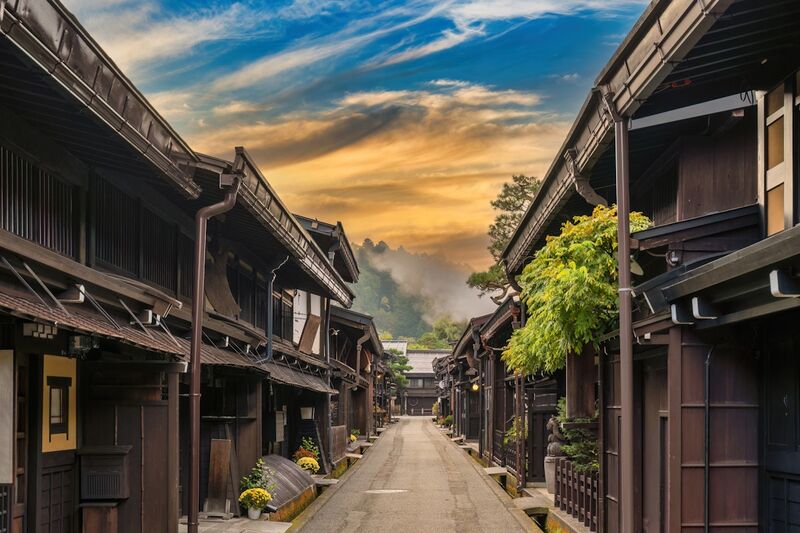
Takayama feels like Japan pressed the pause button sometime in the Edo period and forgot to press play again. Nestled in the Japanese Alps at 560 meters elevation, it's a small mountain town (~88,000 people) whose historic core — the Sanmachi Suji — is genuinely one of the best-preserved merchant districts in Japan. Three narrow streets of dark wooden buildings, sake breweries (look for the cedar ball sugidama hanging above doorways), craft shops, and morning markets running since the 7th century. On a foggy morning in autumn, it looks like a film set.
Kanazawa is a different beast entirely. With 458,000 people, it has the energy of a small city — not a sleepy town. It's been called "Little Kyoto" not because it resembles Kyoto (it doesn't much), but because it escaped WWII bombing and preserves samurai districts, geisha teahouses, and traditional crafts that most Japanese cities lost. It's more cosmopolitan than Takayama, with great restaurants, a world-class contemporary art museum, and a seafood market that rivals Tsukiji.
"Takayama is a small town which is a good base to see the surrounding countryside, while Kanazawa is a small city (but doesn't feel busy) with a lot to see within it. Takayama is better when the weather is warmer and you have a few nights to explore the surrounding area. For 1 night I would choose Kanazawa." — r/JapanTravel
The core difference: Takayama rewards slow travel — the more time you give it, the more it opens up. Kanazawa rewards efficient exploration — you can hit its highlights in 24–48 hours if you're organized.
⛩️ Historic Districts & Culture
Takayama's crown jewel is Sanmachi Suji — three blocks of Higashiyama, Ninomachi, and Sannomachi streets that have barely changed since the Edo period. The buildings are remarkably intact: dark weathered wood, latticed windows, and sake shops with sugidama balls hanging out front. Wandering here at 7am before the tour buses arrive is one of Japan's genuinely special travel experiences. The adjacent Takayama Jinya (a former provincial government building, the only one surviving in Japan) is worth an hour. A 15-minute walk uphill reaches Higashiyama temple walk, stringing together 13 temples and shrines through quiet streets.
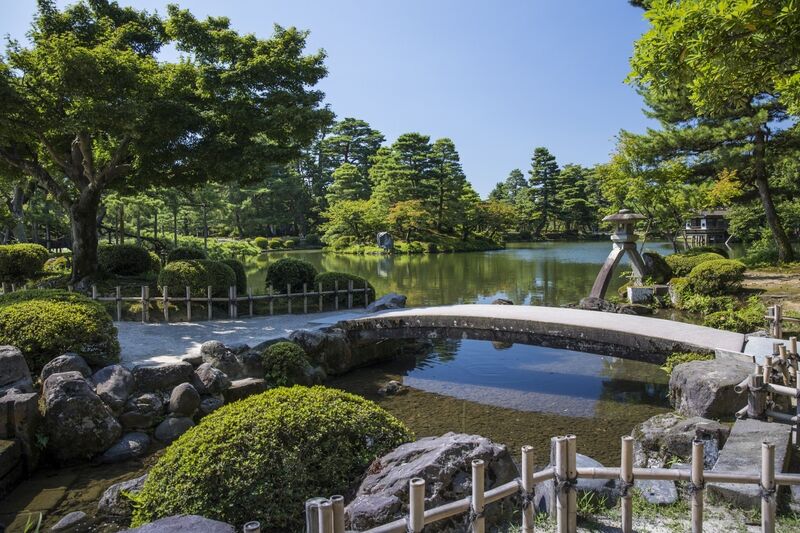
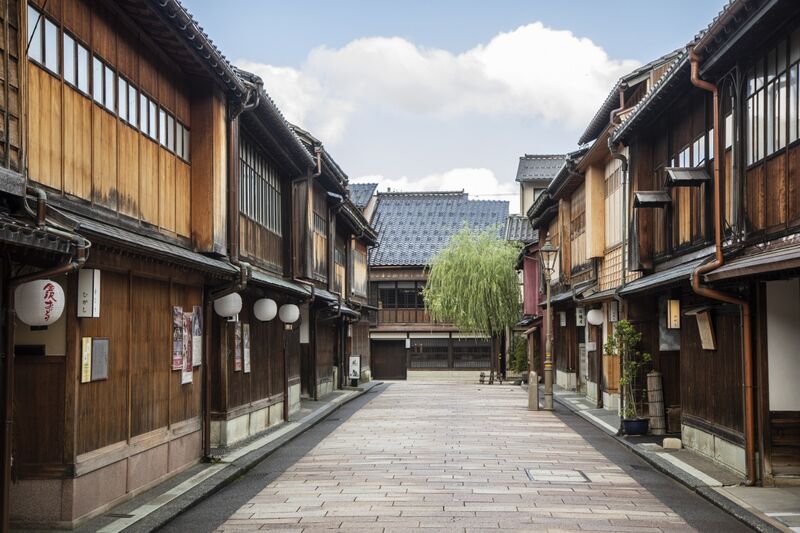
Kanazawa has three preserved districts instead of one. Higashi Chaya (East Geisha District) is the most visited — a block of ochre-colored ochaya teahouses where geisha still entertain. Kazuemachi Chaya District is quieter and more atmospheric. The Nagamachi samurai quarter has preserved earthen walls, stone paths, and a restored samurai villa (Nomura Clan Samurai House, ¥550 entry). The Kenroku-en garden connects it all — 11.7 hectares of meticulously maintained grounds, best in cherry blossom season or with snow.
"I didn't rate the traditional merchant house neighbourhoods in Kanazawa compared to those in Takayama, they were very small and limited. That was probably one of my favourite aspects in Takayama, along with the autumn festival, the morning markets, and excellent local wagyu." — r/JapanTravelTips
Reddit consistently rates Takayama's Sanmachi Suji above Kanazawa's historic districts for sheer scale and preservation quality. But Kanazawa's Kenroku-en is in a different league — a genuine Japanese garden masterpiece that Takayama simply can't match.
🍜 Food & Dining
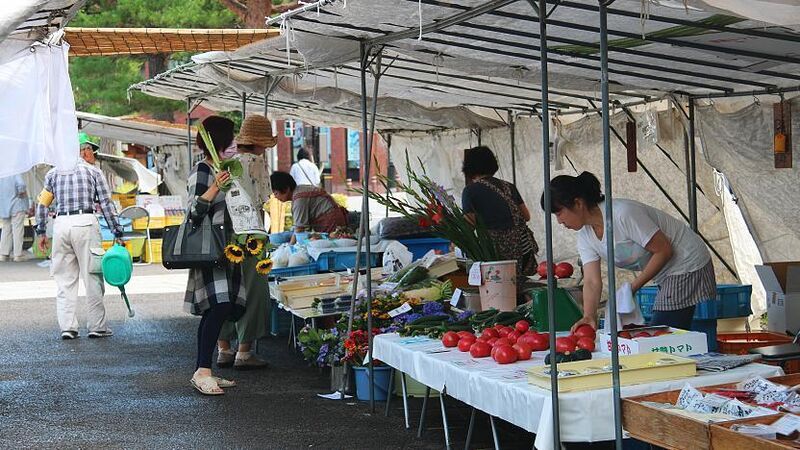
Takayama's food scene is defined by Hida beef — arguably Japan's most underrated wagyu. It's not Kobe or Matsusaka, but it rivals them at lower prices (roughly ¥1,500–2,500 for a street skewer, ¥4,000–8,000 for a proper meal). The morning markets (Jinya-mae: 6am–noon and Miyagawa: 7am–noon) sell local pickles, miso, mountain vegetables, and crafts. Mitarashi dango (grilled rice dumplings with savory soy sauce) are the essential street snack. Sake breweries — most doing free tasting — run throughout Sanmachi Suji. Regional dishes: Hida soba, sanshoku dango, and tofu made with local mountain water.
Kanazawa's food identity is fresh seafood. The city's proximity to the Sea of Japan makes Omicho Market (nicknamed "Kanazawa's kitchen") one of the best fish markets in the country. Snow crab (zuwaigani) from November–March is extraordinary and cheaper here than in Tokyo. The sushi scene is excellent — Kanazawa-style sushi tends toward fatty, rich cuts rather than Tokyo's leaner style. Shops selling gold-leaf-covered soft serve are everywhere (novelty but worth trying). Traditional cuisine: jibu-ni (duck hot pot), kobachi (small dishes), and treats from the wagashi confectionery tradition.
"Kanazawa is known for some of the freshest, if not the freshest, seafood of all the port cities of Japan. Kanazawa also has more tourists if anything, they just feel more spread out." — r/JapanTravelTips
For carnivores: Takayama. For seafood lovers: Kanazawa. For sake enthusiasts: Takayama (more breweries per capita). For variety: Kanazawa (bigger restaurant ecosystem). Both have outstanding food; the choice depends on what you're after.
Internal links: Best Hida Beef in Takayama | Kanazawa Seafood Markets Guide | Best Sushi in Kanazawa
💰 Cost Comparison
Both cities are mid-range Japanese destinations — not cheap, not expensive by Japan standards. Here's what to expect:
Accommodation:
- Budget guesthouse/hostel: ¥3,000–5,000/night ($20–33) in both cities
- Mid-range hotel: ¥8,000–15,000/night ($53–100)
- Ryokan with dinner/breakfast: ¥20,000–40,000/night ($133–267) — better value in Takayama's Oku-Hida area
Food costs:
- Street food (morning market, dango): ¥500–1,500/snack
- Hida beef skewer in Takayama: ¥1,500–2,500
- Ramen or soba lunch: ¥900–1,400
- Mid-range dinner: ¥2,500–5,000/person
- Omicho Market lunch bowl (Kanazawa): ¥1,200–2,500
Sightseeing:
- Kenroku-en (Kanazawa): ¥320 ($2.15)
- Hida Folk Village (Takayama): ¥700 ($4.70)
- 21st Century Museum (Kanazawa, permanent): ¥1,200; free zone free
- Higashi Chaya teahouse tours: ¥700–1,500
- Takayama Jinya: ¥430
"Takayama involves longer travel times (4 hours to get there and another 4 hours to Tokyo), and it's also more expensive than going to Kanazawa." — r/JapanTravelTips
Transport to/from Tokyo: Kanazawa wins on transport cost — the Hokuriku Shinkansen (2.5h, ~¥14,000 from Tokyo) is more direct. Takayama requires Tokaido Shinkansen to Nagoya + Hida limited express (4–5 hours total, ~¥16,000). From Osaka/Kyoto, Kanazawa is also more convenient.
🚃 Getting There & Around
Getting to Kanazawa: The Hokuriku Shinkansen (W7/E7 series) runs Tokyo → Kanazawa in ~2h 30min. From Osaka: about 2h 15min by JR thunderbird limited express. From Kyoto: about 2h. Kanazawa Station is a design landmark (the giant steel "tsuzumi" gate is worth seeing). In-city transit: buses are the main option (Day Pass ¥500); most sights are within walking distance of the historic center.
Getting to Takayama: From Tokyo: Tokaido Shinkansen to Nagoya (1h 40min) + Wide View Hida limited express to Takayama (2h 30min). Total ~4h 15min, ~¥16,000. From Osaka: about 5h. From Nagoya alone: 2h 30min direct by Hida express (~¥5,900). The scenic Hida route through the Japan Alps is beautiful — sit on the right side heading north for mountain views.
Kanazawa ↔ Takayama: The most efficient route is the Nohi Bus (Nohi Motor) through Shirakawa-go: Kanazawa → Shirakawa-go → Takayama (about 2h 45min total, ¥3,600–4,900 for the Kanazawa–Takayama portion). Reservation recommended, especially on weekends. This is the canonical way to do both cities on one trip.
Getting around each city: Both are best explored on foot. Takayama's historic core is extremely walkable — the Sanmachi Suji, morning markets, and Hida Folk Village are all within 2km of each other. Kanazawa is slightly more spread out; a day bus pass (¥500) is worth it if you're hitting Kenroku-en, the castle, and both chaya districts.
🌸 Best Time to Visit
Spring (late March–May): Both cities are spectacular. Cherry blossom in Kenroku-en's iconic weeping cherry is one of Japan's most photographed moments (late March/early April). Takayama Spring Festival runs April 14–15 — one of Japan's top 3 festivals, with elaborate floats dating to the 17th century. Takayama in early spring is cold (4–12°C in March, 10–18°C in April) but beautiful. Crowds are significant in both cities during Golden Week (late April/early May).
Summer (June–August): Hot and humid in Kanazawa (27–32°C); cooler in Takayama due to altitude (22–27°C). Kamikochi opens in late April and is accessible as a Takayama day trip — hiking with views of the Hotaka peaks. Summer is the least romantic season for both cities; the heat strips away the misty atmosphere that makes Takayama special. June has tsuyu (rainy season).
Autumn (October–November): Peak season for both. Takayama Autumn Festival (October 9–10) is the twin of the spring festival — equally spectacular. Foliage in the surrounding mountains peaks in late October. Kanazawa's gardens are stunning with autumn color. Temperatures are comfortable (10–18°C October, 5–14°C November).
Winter (December–March): Takayama gets heavy snow (1–2m accumulation possible) — the town looks magical under snow, but access can be disrupted. Kanazawa gets moderate snow; the yukizuri (rope frameworks protecting garden trees from snow) in Kenroku-en is a classic winter image. Winter Kanazawa is photogenic and far less crowded. Note: Kamikochi closes November through late April.
🏨 Where to Stay
In Takayama: Stay in the historic center (Sanmachi Suji area) for full atmosphere — you can walk to the morning markets at dawn. Ryokans and machiya guesthouses in this area run ¥8,000–25,000/night. For the full onsen experience, Oku-Hida hot spring village (40min bus from Takayama) offers spectacular mountain ryokan from ¥20,000–50,000/night with dinner and breakfast. This is one of Japan's best ryokan valleys and is dramatically undervisited compared to Hakone or Kinosaki. The area around Takayama Station has affordable business hotels (¥6,000–10,000) if you're on a budget.
In Kanazawa: The Higashiyama/Higashi Chaya area puts you closest to the geisha district and has boutique guesthouses in converted traditional buildings (¥10,000–20,000). The area around Kanazawa Station is convenient for transport and has the full range of business hotels (¥7,000–12,000) and capsule hotels (¥3,500–5,000). Katamachi/Korinbo is the central shopping/dining district — good mid-range hotel options and walking distance to Kenroku-en.
"Kanazawa doesn't have the big city issues that Tokyo/Osaka and even Kyoto have (at least in regards to tourists). I've been to Kanazawa twice and Takayama once and both are delightful. Kanazawa has more to do, but Takayama has a great rural charm." — r/JapanTravel
🎒 Day Trips
From Takayama:
- Shirakawa-go & Gokayama (1h bus, ¥2,600 one way): UNESCO-listed gassho-zukuri farmhouses with steep thatched roofs, stunning in snow. One of Japan's most iconic sights. Best as a half-day visit — the main village gets crowded midday, so aim for early morning or evening stays.
- Kamikochi (1h bus, ¥2,600 one way, April–November only): Alpine valley at 1,500m with the Azusa River, Kappa Bridge, and views of Hotaka-dake. One of Japan's great mountain landscapes. No private cars allowed — bus or taxi only.
- Oku-Hida Onsen Village (40min bus): Five onsen villages in mountain valleys. Hirayu, Fukuji, Shin-Hirayu, Tochio, and Shin-hotaka. Day-use bathing from ¥500–800. The Shin-hotaka Ropeway (¥2,900 return) reaches 2,156m for alpine panoramas.
From Kanazawa:
- Noto Peninsula (1.5–2h bus or car): Rugged coastline with fishing villages, Wajima morning market (Japan's most famous), and the dramatic Ganmon rock arch. A car makes this trip far better — public transport is limited. Wajima is also Japan's premier lacquerware city.
- Shirakawa-go (1h bus, ¥2,600): Same UNESCO farmhouse village — accessible from both cities, making it a natural stop on the Kanazawa → Takayama route.
- Yamanaka Onsen (50min bus): Quiet onsen town along a gorge with a Basho poetry history. Day-use at Kikuno-yu bathhouse from ¥600. More intimate than Hakone or Beppu.
"The Open Air museum in Takayama will scratch majority of people's old house viewing itch. Unless you want more crowds and gift shops with trinkets, then Shirakawago is for you." — r/JapanTravelTips
🔀 Why Not Both? The Classic Chubu Route
The good news: you don't have to choose. Takayama and Kanazawa are just 1h 30min apart by the famous Nohi Bus route through Shirakawa-go — making them natural partners on a central Japan itinerary. The classic circuit:
Option A (Tokyo base): Tokyo → Kanazawa (2.5h Shinkansen) → 2 nights Kanazawa → Nohi Bus through Shirakawa-go → 2 nights Takayama → Wide View Hida to Nagoya → back to Tokyo. Total: 5–6 nights.
Option B (Osaka/Kyoto base): Osaka/Kyoto → Kanazawa (2h) → Kanazawa → Shirakawa-go → Takayama → Nagoya → back. Great for JR Pass users doing a Kansai + Chubu loop.
Can you do Takayama as a day trip from Kanazawa? Technically yes, but it's rushed. The Nohi Bus takes 2h 45min each way through Shirakawa-go. With an early departure you get 4–5 hours in Takayama, which covers the morning market and Sanmachi Suji. Reddit is divided on this: some find it worth it, others say it's not enough time to feel the town.
"I would stay in Kanazawa. There's more to see and do there. You can do Takayama as a day trip. But go early and go to the morning markets (open 6am–12 noon)." — r/JapanTravelTips
🎯 The Decision Framework
After synthesizing dozens of Reddit threads and real traveler accounts, here's who each city is right for:
🏔️ Choose Takayama if...
- You want to feel like you've stepped into Edo-era Japan — not a museum replica, the real thing
- Wagyu beef is a priority (Hida beef is exceptional, 30% cheaper than Kobe)
- You're doing sake tourism — Takayama has ~8 breweries in the historic center
- You want an authentic onsen experience without Hakone crowds (Oku-Hida is spectacular)
- Kamikochi alpine hiking is on your list (April–November)
- You're visiting Shirakawa-go and want a natural base nearby
- You've already done Kanazawa or want something more rural and atmospheric
- You have 2+ nights and want to slow down, not pack in sights
- You're visiting in autumn and want the Takayama Festival + foliage combination
🌸 Choose Kanazawa if...
- You only have 1–2 nights and want maximum sightseeing density
- Kenroku-en is on your must-do list (it should be)
- You're a seafood lover — Omicho Market is one of Japan's best
- This is your first Japan trip and you want a manageable, beautiful city
- Traditional crafts interest you: gold leaf, Kaga Yuzen silk, Kutani porcelain
- Contemporary art matters — 21st Century Museum is a world-class institution
- You want geisha district atmosphere without Kyoto's tourist overload
- You're coming from Osaka/Kyoto by train (direct 2h service)
- You want a Japanese city that locals still love and tourists haven't completely overrun
❓ Frequently Asked Questions
Is Takayama or Kanazawa better for a first-time visitor to Japan?
For first-timers with limited time, Kanazawa wins. It packs more sights into a smaller area — Kenroku-en, the Higashi Chaya geisha district, Kanazawa Castle, and Omicho Market can fill 2 full days. Takayama is quieter and more rural, and is better appreciated as a 2–3 night stay when you want to slow down. Reddit consensus: go to Kanazawa if you only have 1–2 nights, save Takayama for when you have more time or want a mountain-town escape.
How much does it cost to travel in Takayama vs Kanazawa?
Both are mid-range Japanese destinations. Budget ¥8,000–12,000/day (~$55–80 USD) for accommodation and food in both cities. Takayama is slightly pricier for ryokan accommodation due to its popularity as an onsen destination. Kanazawa has more budget hostel options (dorms from ¥3,000/night). The main cost difference is transport: getting to Takayama takes longer and costs more from Tokyo (~¥16,000 by JR Shinkansen + Hida limited express, about 4.5 hours).
Can I visit both Takayama and Kanazawa in one trip?
Absolutely — the classic route is Kanazawa → Shirakawa-go → Takayama (or reverse). Kanazawa to Takayama takes about 2 hours 45 minutes by Nohi Bus via Shirakawa-go (¥3,600–4,900). Most travelers do 2 nights Kanazawa + 2 nights Takayama over 4–5 days. If you're pressed for time, you can do Takayama as a full day trip from Kanazawa.
What is Takayama best known for?
Takayama is famous for its remarkably preserved Edo-period merchant quarter (Sanmachi Suji), two morning markets (Jinya-mae and Miyagawa, running since the 7th century), Hida beef (one of Japan's finest wagyu), sake breweries, and the Hida Folk Village open-air museum. It's also the gateway to Shirakawa-go's UNESCO-listed gassho-zukuri farmhouses and Kamikochi alpine valley. The Takayama Festival (April & October) is one of Japan's most spectacular.
What is Kanazawa best known for?
Kanazawa is famous for Kenroku-en — consistently ranked one of Japan's top three gardens — plus the Higashi Chaya geisha district, Kanazawa Castle, the 21st Century Museum of Contemporary Art, and Omicho Market's extraordinary fresh seafood (especially snow crab from November–March). The city survived WWII intact, preserving genuine samurai and geisha districts. It's also known for traditional crafts: Kaga Yuzen silk dyeing, Kutani porcelain, and Kanazawa gold leaf (the city produces 99% of Japan's gold leaf).
Is Takayama worth visiting if I've already been to Kyoto?
Yes — and Reddit travelers often say Takayama is better for those suffering temple fatigue after Kyoto. The atmosphere is completely different: mountain town, sake breweries, craft shops, and outdoor access instead of temple queues. One Reddit user noted: "Takayama is a bit more unique. Kanazawa is great, but you can get a bit temple and gardened out in Japan, and Kanazawa does nothing to remedy that." If you want something distinctly rural and un-Kyoto-like, Takayama is the answer.
How many nights should I spend in Takayama?
2 nights is the sweet spot. One full day to explore Sanmachi Suji, the morning market, and the Hida Folk Village; a second day for day trips to Shirakawa-go or Kamikochi (seasonal). With 3 nights you can add Oku-Hida onsen. One night is doable but rushed — the morning market opens at 7am and you'll want at least 2 mornings to catch the full atmosphere. See our Kyoto vs Nara comparison for similar pacing advice.
When is the best time to visit Takayama and Kanazawa?
Spring (late March–May) is peak for Kanazawa — cherry blossoms in Kenroku-en are iconic. Autumn (October–November) is stunning in both cities: foliage in the mountains around Takayama and the Takayama Festival in October. Summer is beautiful in Takayama for hiking and Kamikochi but humid in Kanazawa. Winter is photogenic in both cities — the snow-covered Sanmachi Suji and yukizuri rope frameworks in Kenroku-en are quintessential Japanese winter images.
Ready to Plan Your Chubu Japan Trip?
tabiji builds personalized Japan itineraries that include both Takayama and Kanazawa with realistic pacing, the Nohi Bus connection, and recommendations from actual travelers.
🎟️ Book Tours & Experiences
Hand-picked tours and activities for both destinations — book with free cancellation
Experiences via Viator — free cancellation on most tours