How we built this comparison
This page combines traveler discussion patterns from r/JapanTravel, r/JapanTravelTips, r/japanlife, and r/solotravel, with published cost data from recent Reddit reports, JMA volcanic alert data, and Yakushima ferry/hiking logistics documentation.
- 10+ Reddit threads analyzed (yakushima hiking, Mount Aso tips, Kyushu itinerary planning)
- Current costs verified via recent r/JapanTravelTips posts (2024–2026)
- Logistics checked against Yakushima ferry schedules and JMA Aso alert data
- Accommodation ranges from booking.com and traveler-reported figures
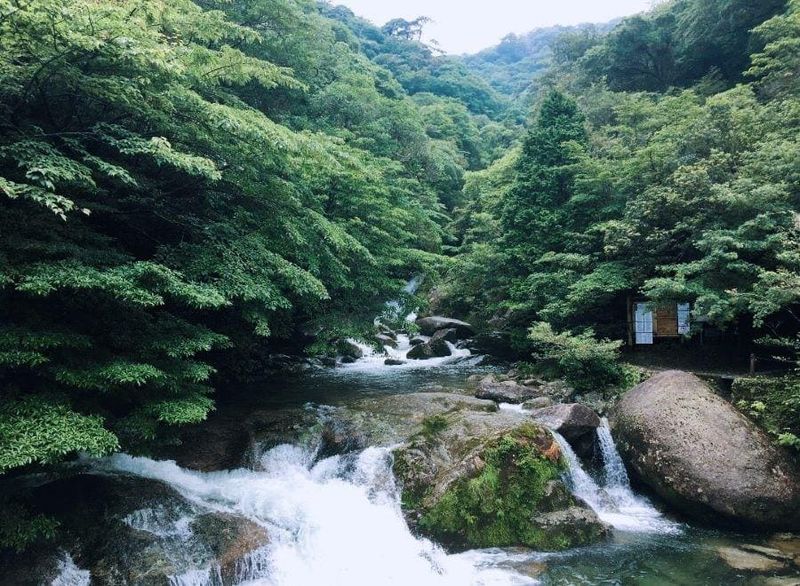
Yakushima — ancient cedar forests up to 7,200 years old
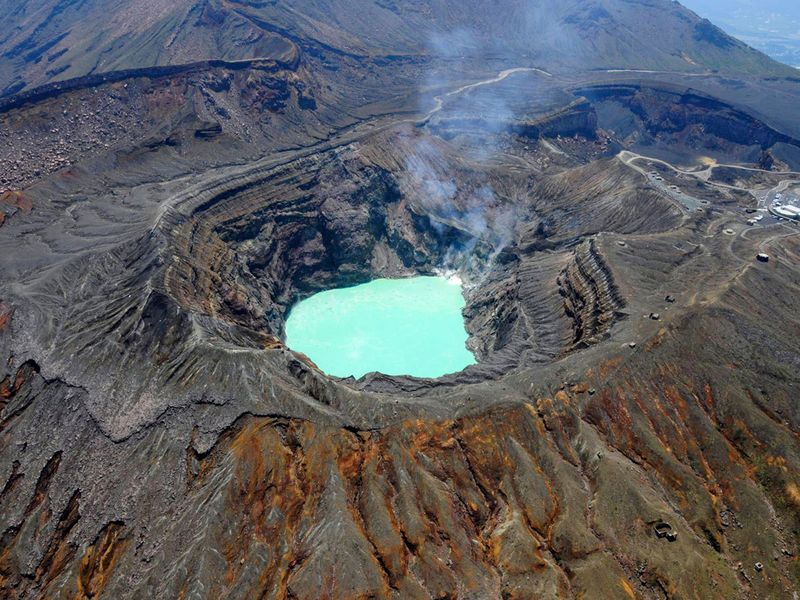
Mount Aso — one of the world's largest active volcano calderas
⚡ The TL;DR Verdict
Yakushima for the most transcendent nature experience in Japan. Mount Aso for dramatic volcanic scenery without the logistics nightmare. Yakushima is genuinely one-of-a-kind — 7,000-year-old cedar trees, Princess Mononoke forests, and hiking that leaves people speechless. But it requires real commitment: ferry or flight from Kagoshima, 3+ nights, rental car, and the risk of rain. Mount Aso delivers jaw-dropping volcanic drama with far less planning — it's doable as a day trip or 1-night base from Fukuoka. If you have 10+ days in Kyushu, do both. If you're tight on time, Aso is the practical win; Yakushima is the bucket-list splurge.
Choose Mount Aso if: You want dramatic nature as part of a broader Kyushu trip, without island logistics — or you want to hedge against the risk of Yakushima's volcanic crater being closed.
🌲 Choose Yakushima if…
You're a serious hiker who wants to walk among ancient cedars that predate the Roman Empire, see the real-life Princess Mononoke forest, and experience a UNESCO World Heritage island that feels like another planet. Plan 3–4 dedicated nights, rent a car, and accept that it might rain (the mist makes it better). Rewards the committed traveler unlike anywhere else in Japan.
🌋 Choose Mount Aso if…
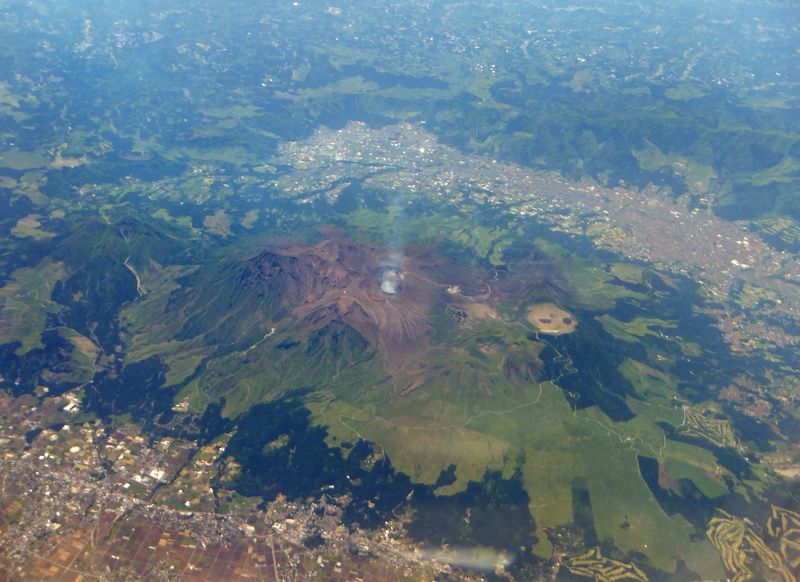
You want to stand at the rim of one of the world's largest active calderas, drive through a volcanic moonscape, and watch cattle graze in the Kusasenri meadow — all without a boat, an early-morning hike bus, or a multi-day commitment. Aso fits neatly into any Kyushu itinerary as a 1–2 night stop, and it's jaw-dropping even if the crater is closed.
📊 Quick Comparison: Yakushima vs Mount Aso
| Category | 🌲 Yakushima | 🌋 Mount Aso | Winner |
|---|---|---|---|
| Getting there | Ferry 2.5h or flight 40min from Kagoshima | Train/bus from Kumamoto or Fukuoka | Aso |
| Minimum stay | 2–3 nights (3 recommended) | Day trip or 1 night works | Aso |
| Daily budget (mid-range) | ¥10,000–20,000 (~$65–130/day) | ¥8,000–15,000 (~$52–98/day) | Aso |
| Nature experience | UNESCO cedar forests, Jōmon Sugi (7,200 yrs), Princess Mononoke ravine | Active caldera, Kusasenri meadow, volcanic moonscape | Yakushima |
| Weather reliability | 4,000mm+ annual rain — mist likely | Clear-sky views possible; crater may close | Aso |
| Hiking | World-class — Jōmon Sugi trail (10–12h), Shiratani Unsuikyō (4–6h) | Good — Nakadake rim walk, Kishimadake, Ebino Kogen | Yakushima |
| Planning complexity | High — ferry/flight, rental car, trail bus reservations | Low — train from Kumamoto, day trip feasible | Aso |
| Crowds | Moderate — managed visitor limits on Jōmon Sugi trail | Busier at crater rim when open; caldera roads uncrowded | Tie |
| Accommodation | Guesthouses/minshuku ¥5,000–15,000; some camping | Farm stays, ryokan ¥10,000–25,000; Kurokawa nearby | Tie |
| Day trips from | Self-contained island; Kagoshima as base city | Kumamoto (1.5h), Fukuoka (2.5h), Beppu day trip | Aso |
| UNESCO status | Yes — World Heritage Site (1993) | No | Yakushima |
| Best for | Serious hikers, nature lovers, Japan veterans | First Kyushu visitors, road trippers, families | Depends |
🥾 Nature & Hiking
Yakushima: Ancient Cedars and the Princess Mononoke Forest
Yakushima's two flagship hikes are genuinely among the best in Japan. The Jōmon Sugi trail (22km round trip, 10–12 hours from Arakawa trailhead) leads to a cedar estimated at 7,200 years old — older than the Egyptian pyramids. The route passes yakusugi forests, mountain streams, and mossy undergrowth that looks like it belongs in a Miyazaki film. Shiratani Unsuikyō Ravine (4–6 hours) was the literal inspiration for Princess Mononoke — lush, mossy, ethereal, and accessible even without a full day commitment.
"My highlight of Yakushima and my whole Japan trip was hiking from Shiratani Unsuikyō to Jōmon Sugi and back. Including Taiko-iwa rock near the summit. This combined hike is 10–14h depending on pace and fitness, but wow."— r/JapanTravelTips
Mount Aso: Volcanic Caldera Walking
Aso offers something Yakushima can't: standing at the rim of an active volcano. When the Nakadake crater is accessible (alert level 1), the sulfurous turquoise crater lake and steam vents are genuinely awesome in the literal sense. The Kusasenri meadow nearby is worth the drive even when the crater is closed — a massive grassy plain inside the caldera with grazing horses and cattle. The Daikanbo viewpoint gives the full caldera panorama, and the Aso Kuju National Park has excellent trails including the less-visited Kishimadake peak.
"How on earth is Aso not recommended enough for Japan trips! It's such a beautiful place, serene and super underrated!!! For context, this is my 4th time to Japan and I think Aso is my favourite destination!"— r/JapanTravelTips
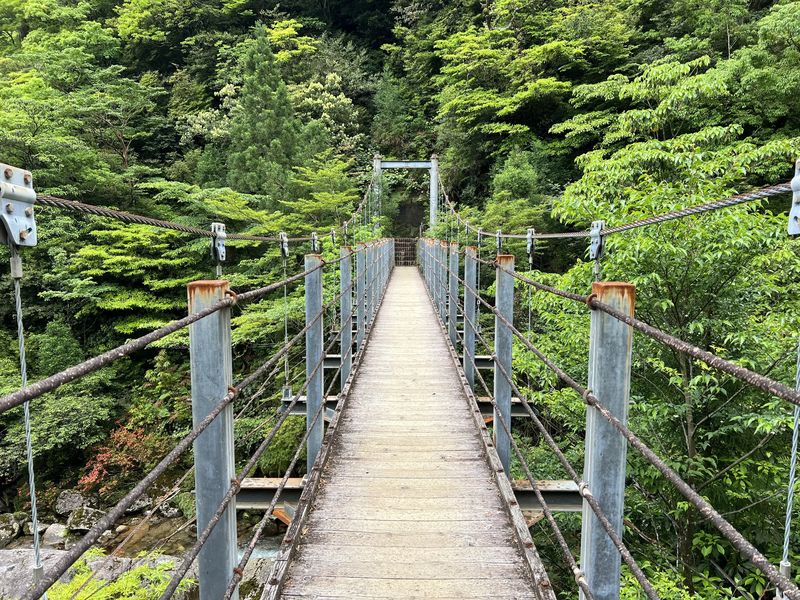
💰 Cost Comparison
Both destinations are relatively affordable by Japanese standards, but Yakushima requires a higher total budget due to ferry/flight costs and the multi-day commitment required.
| Expense | 🌲 Yakushima | 🌋 Mount Aso |
|---|---|---|
| Transport to destination | ¥9,000–20,000 (ferry or flight from Kagoshima) | ¥2,000–4,500 (train from Kumamoto/Fukuoka) |
| Budget accommodation | ¥4,000–8,000/night (minshuku, hostel dorm) | ¥4,000–8,000/night (guesthouse, hostel) |
| Mid-range accommodation | ¥10,000–18,000/night (guesthouse with meals) | ¥12,000–25,000/night (ryokan) |
| Rental car | ¥6,000–10,000/day (highly recommended) | ¥6,000–10,000/day (or buses work) |
| Trail shuttle bus | ¥2,240 round trip (Jōmon Sugi shuttle bus) | N/A (crater access by car/bus) |
| Meals/day | ¥2,000–4,000 (limited restaurant options) | ¥2,500–5,000 (more options in Aso town) |
| Total per trip (3 nights) | ¥50,000–90,000 per person (~$330–590) | ¥25,000–50,000 per person (~$165–330) |
"Budget about ¥2万 for a 2-4 day Yakushima trip — accommodation + ferry + rental car add up. But it's absolutely worth it."— r/japanlife
✈️ Getting There & Logistics
Yakushima: Island Logistics
Yakushima sits 60km south of Kagoshima city. Getting there: Hydrofoil ferry (Toppy or Rocket) from Kagoshima Port — 2h to Miyanoura or Anbo ports, ¥9,000–12,000 one way. Run multiple times daily but cancel in rough seas. Or flight (40 min, ¥15,000–25,000 one way, JAL/ANA). On the island: buses exist but are infrequent and don't serve all trailheads early enough. A rental car is strongly recommended by virtually every Reddit traveler. Book early — cars sell out in peak season (August, Golden Week, October).
Mount Aso: Easy Kyushu Access
Mount Aso is in the center of Kyushu, easily accessible: Train from Kumamoto (Higo-Ozu Station, ~1h by local train, ¥1,130). Bus from Kumamoto (¥1,670, runs seasonally). Rental car from Kumamoto or Fukuoka lets you explore the full caldera route. Day trips from Fukuoka are feasible but rushed (2.5h each way); a night in Aso Town or Kurokawa Onsen nearby is much better. From Fukuoka, the expressway route takes about 2h by car.
"And Yakushima is not a 1 day thing, extreme minimum is 2 days and highly dependent on boat time. Like earliest one you can on day 1 to even have time."— r/JapanTravelTips
🌸 Weather & Best Time to Visit
Yakushima: Expect Rain (and Love It)
Yakushima is one of Japan's rainiest places — receiving over 4,000mm of annual rainfall in lower elevations and up to 10,000mm on the mountain peaks. The island's reputation as a "rain island" is earned. But here's the counterintuitive truth: the rain is part of the magic. The moss forests that make Yakushima so stunning are fed by that rainfall, and the mist rolling through ancient cedars is more beautiful than any sunny day could be. Best times: March–May (cherry blossoms + comfortable temperatures) and October–November (autumn colors, less rain). Avoid peak typhoon season (September) and the heavy rainy season (June–early July).
Mount Aso: Volcanic Uncertainty
Aso's weather is more variable but less extreme than Yakushima's. The bigger uncertainty is volcanic activity — the Nakadake crater closes at alert level 2+ (which can happen any time). Check JMA alert levels before your trip at jma.go.jp. Even at level 2, the caldera drive, Kusasenri meadow, and Daikanbo viewpoint remain accessible. Best times: May (green meadows, clear air) and October–November (autumn colors in the caldera). Winter brings snow to the rim (beautiful, but cold and potentially closed).
"Trip to Aso worth it if crater closed? Answer: absolutely yes. The caldera alone is incredible — it's huge. Kusasenri is beautiful. Don't skip Aso just because the crater might be closed."— r/JapanTravelTips
🏨 Where to Stay
Yakushima Accommodation
Accommodation on Yakushima is limited to guesthouses, minshuku (family-run B&Bs), and a few larger hotels. Most are in Miyanoura (near the ferry terminal) or Anbo. Prices: budget guesthouses/dorm beds ¥4,000–8,000; mid-range minshuku with meals ¥10,000–18,000; the nicest ryokan-style options ¥20,000+. Options like Yakushima Sanso and Hana no Ie are highly rated on Japanese booking sites. Book 2–3 months ahead for spring and autumn peak season — rooms sell out. Many guesthouses don't have English websites; use booking.com or contact directly.
Mount Aso Area Accommodation
Stay in Aso Town (central, near train station, budget-friendly options ¥4,000–12,000) or splurge on nearby Kurokawa Onsen (30min drive, one of Japan's most beautiful hot spring towns, ¥15,000–40,000/night for ryokan with meals and onsens). Kurokawa is a genuine Japan bucket-list destination in its own right and pairs naturally with an Aso day trip. Farm stays and guesthouses in the caldera area give you sunrise views over the volcanic landscape.
"Stay in Kurokawa Onsen when doing Aso — it's 30 minutes away and one of the best ryokan experiences in all of Japan. The outdoor baths overlooking the gorge are incredible."— r/JapanTravel
🚗 Getting Around
Yakushima: Rental Car Essential
The island bus system exists (Yakushima-kanko-kotsu buses circling the coast) but runs infrequently and doesn't reach all trailheads at the times you need. The Jōmon Sugi trail shuttle bus (seasonal, ¥2,240 round trip from Yakushima Airport bus stop) is an exception — it's actually the only way into Arakawa trailhead and leaves very early (around 5am). For everything else — exploring the coast, Oko Falls, Nagata Inakahama turtle beach — a rental car is the consensus best approach. Scooters (125cc, from ¥3,500/day) are an affordable alternative for solo travelers.
Mount Aso: Car or Bus Both Work
Getting around the caldera by rental car is ideal — the Yamanami Highway and caldera circuit roads are one of Japan's great drives. But buses from Aso station (Sanko Bus) serve the main sights including Kusasenri, Nakadake crater area, and Daikanbo. The Aso Loop Bus (seasonal) is a tourist-friendly option. Cycling is increasingly popular on the caldera roads — rental bikes available in Aso town. If you don't have a car, a day trip from Kumamoto by bus is entirely feasible.
"While there are buses, I believe a rental car is absolutely necessary to get the most out of Yakushima. The ability to explore freely, not have to worry about last bus times, and stop whenever you want is invaluable."— r/JapanTravelTips
🦌 Wildlife
Yakushima: Monkeys, Deer, and Sea Turtles
Yakushima has remarkable wildlife. Yakushima macaques (yaku-zaru) and Yakushima sika deer (yaku-shika) are endemic subspecies — smaller than their mainland counterparts from millennia of island evolution. You'll see them regularly on hiking trails, often remarkably unfazed by humans. Loggerhead sea turtles nest on Nagata Inakahama beach (May–July) — one of Japan's most important sea turtle nesting beaches. Birdwatchers come for endemic birds including Ryukyu robin and Japanese wood pigeon.
Mount Aso: Grazing Cattle and Wild Horses
Aso's Kusasenri meadow is famous for grazing cattle and semi-wild Aso horses — a pastoral scene that contrasts surreally with the volcanic backdrop. The caldera's grassland ecosystem is maintained by controlled burns (noyaki fire festivals in early spring). Deer are also present in the national park. Less wildlife diversity than Yakushima, but the iconic image of horses grazing with a smoking volcano behind them is uniquely Aso.
🍜 Food & Dining
Yakushima: Flying Fish and Yakushima Miso
Yakushima's food scene is small but distinctive. The island specialty is tobizuo (flying fish) — grilled, sashimi, or as ramen broth. Yakushima-style ramen with flying fish broth is the must-try local dish. Fresh seafood is excellent. The local ponkan citrus is prized, and Yakushima-grown Japanese cedar honey (sugi honey) is a souvenir worth seeking. Restaurant options are concentrated in Miyanoura; if you're staying elsewhere or returning late from a hike, options can be very limited — many guesthouses offer dinner as part of accommodation (highly recommended).
Mount Aso: Beef, Milk, and Aso Brewery
The Aso caldera's agricultural traditions are reflected in the food. Aka beef (Akaushi) — a prized Japanese wagyu breed raised in the Aso caldera — is the signature dish. Try it at local restaurants in Aso town for ¥2,000–5,000. Fresh dairy from caldera farms means excellent soft-serve ice cream and milk products at roadside stops. The Aso Caldera Brewery is a local favorite for craft beer with caldera views. In nearby Kumamoto: spicy karashi lotus root (karashi renkon) and horse sashimi (basashi) are regional specialties.
"The Akaushi beef in Aso was genuinely incredible — we had yakiniku at a local restaurant and it was some of the best beef I've eaten in Japan. Don't miss it."— r/JapanTravel
🎒 Who Should Visit Each?
Yakushima is Perfect For:
- Serious hikers who want one of Japan's best multi-day trail experiences
- Japan veterans who've already done the Golden Route and want something completely different
- Miyazaki / Studio Ghibli fans — Shiratani Unsuikyō is the literal Princess Mononoke forest
- Nature photographers — ancient cedars, endemic wildlife, misty forests
- Travelers with 10+ days in Kyushu who have time to do it right
Mount Aso is Perfect For:
- First-time Kyushu visitors who want dramatic nature without island logistics
- Road trippers — the caldera circuit is one of Japan's great drives
- Volcano enthusiasts — one of the world's largest active calderas
- Families — accessible by bus, day trips feasible, meadows are stroller-friendly
- Onsen lovers — Kurokawa Onsen 30 minutes away is bucket-list ryokan territory
"Yakushima is not for everyone — the logistics are real, the rain is guaranteed, and you need to be comfortable with long hikes. But if you're a hiker who loves forests, it's the single best thing in Japan."— r/JapanTravel
🔀 Why Not Both?
The two destinations are natural travel partners and geography makes combining them logical. From Fukuoka or Kumamoto: head south through Aso → Kurokawa Onsen → Kagoshima → Yakushima, then fly home from Kagoshima. Or reverse the route.
The classic 10–14 day Kyushu itinerary includes both: Fukuoka (2 nights) → Nagasaki (2 nights) → Mount Aso + Kurokawa (2 nights) → Kagoshima (1 night) → Yakushima (3–4 nights). This circuit hits most of the best Kyushu highlights and ends on the island high note.
If you have fewer than 10 days total in Japan, skip Yakushima (the logistics aren't worth it for a rushed visit) and spend more time in Aso, Beppu, or Kumamoto. A short visit to Yakushima can actually be disappointing — the island rewards the slow traveler.
See our Hokkaido vs Kyushu comparison for a broader regional Japan nature context.
❓ Frequently Asked Questions
Is Yakushima or Mount Aso better for first-time visitors to Kyushu?
Mount Aso is more accessible as a first visit — it's reachable by train/bus from Fukuoka or Kumamoto, can be done as a day trip or 1-night stay, and doesn't require boats, early morning hike buses, or multi-day planning. Yakushima demands more commitment: a ferry or flight from Kagoshima, 3+ nights, rental car, and the risk of rain. Reddit consensus is clear: do Aso early in a Kyushu trip; save Yakushima for when you have time to do it right — or skip it entirely if you only have 2 weeks in Japan.
How many days do you need for Yakushima?
The Reddit minimum is 2 nights, but 3 nights is the strong consensus for doing Yakushima properly. Day 1 arrival (morning ferry or flight from Kagoshima), afternoon explore. Day 2: Jōmon Sugi hike (10–12 hours, ~22km round trip from Arakawa trailhead). Day 3: Shiratani Unsuikyō Ravine (the Princess Mononoke forest, 4–6 hours). Day 4 departure. If you only have 2 nights, pick one big hike — most travelers who do Shiratani say they felt they didn't miss much by skipping Jōmon Sugi. A day trip from Kagoshima is strongly discouraged — the hydrofoil takes 2.5 hours each way, leaving barely 6 hours on the island.
Is Mount Aso's crater always open to visit?
No — Mount Aso is an active volcano and the Nakadake crater closes regularly due to volcanic activity, often at short notice. The Japan Meteorological Agency issues alert levels 1–5; the crater is accessible only at level 1. Reddit threads are full of travelers who arrived to find it closed. The good news: Aso is worth visiting even when the crater is closed — Kusasenri meadow, Daikanbo viewpoint, Aso Shrine, and the caldera drives are spectacular regardless. Check the JMA alert level before your trip at jma.go.jp.
Do you need a rental car for Yakushima?
A rental car makes Yakushima dramatically better. There are island buses, but they're infrequent and don't serve all trailheads early enough for the Jōmon Sugi hike (you need to be at the shuttle bus by 5–6am). For the Jōmon Sugi hike specifically, a dedicated shuttle bus runs from Yakushima Airport in season — you don't need a car for that hike. But for exploring the coast, Oko Falls, Nagata Inakahama turtle beach, and the rest of the island, a rental car or scooter is strongly recommended by Reddit. Book well in advance — cars sell out in peak season (August, Golden Week).
How do you get to Yakushima from Kyushu?
Two options from Kagoshima: (1) Hydrofoil ferry (Toppy/Rocket) — 2h to Miyanoura, ¥9,000–12,000 one way, runs multiple times daily but suspends in rough weather. (2) Flight — 40 minutes, ¥15,000–25,000 one way with JAL/ANA, more reliable. The ferry is the classic option; most Reddit travelers recommend it. Budget: ¥20,000–30,000 round trip including boat or flight plus accommodation (¥5,000–15,000/night). Day trips from Kagoshima are strongly discouraged — you lose 5+ hours to travel.
What is the best time to visit Yakushima?
March–May (spring) and October–November (autumn) are the sweet spots. Temperatures are mild (15–22°C / 59–72°F), trails aren't overcrowded, and the moss forests look their best after rain. Summer (July–August) is peak season — busier, hotter, but still beautiful. Avoid the peak rainy season (June–early July) if possible — Yakushima gets over 4,000mm of rain annually (one of Japan's wettest places), and extended rain can make hiking trails slippery and miserable. That said, light rain is part of the Yakushima experience — the mist makes the cedar forests even more ethereal.
What is the best time to visit Mount Aso?
Late spring (May) and autumn (October–November) are the best times for Mount Aso. The Kusasenri meadow is green and cattle are grazing, visibility is typically good for caldera views, and temperatures are pleasant (15–22°C / 59–72°F). Summer (June–August) can be hot and hazy. Winter brings snow to the caldera rim (November–February) — beautiful but cold, and the crater road may close. Check volcanic alert levels regardless of season. The Aso caldera is dramatic year-round, but clear-sky days in May and October give the best views.
Can you combine Yakushima and Mount Aso on the same Kyushu trip?
Yes, and it's a natural pairing for a 10–14 day Kyushu itinerary. Typical route: Fukuoka → Kumamoto → Mount Aso (1–2 nights) → Kagoshima → Yakushima (3–4 nights) → back to Kagoshima or fly home. Both destinations are in southern Kyushu/Kagoshima prefecture, so the logistics work well together. Aso first, Yakushima last is the standard recommendation — Yakushima feels like the grand finale. If you have fewer than 10 days total, skip Yakushima and add Kurokawa Onsen or Beppu instead.
Ready to Plan Your Japan Nature Trip?
Whether you choose Yakushima's ancient forests or Mount Aso's volcanic caldera — or both — tabiji has curated itineraries to help you get it right.
Explore More ComparisonsOr browse Hokkaido vs Kyushu · Hakodate vs Sapporo · Nagano vs Hakone
🎟️ Book Tours & Experiences
Hand-picked tours and activities for both destinations — book with free cancellation
Experiences via Viator — free cancellation on most tours