Quick answer
Hot pot (火锅) is China's most social dining format — a simmering pot of broth at the table, raw ingredients you cook yourself, and an evening that stretches for hours. Beijing has two distinct hot pot traditions: the original Beijing-style 涮羊肉 (lamb in copper pot) and the imported Sichuan mala style. Both are excellent.
- Best overall
- Haidilao (海底捞)
- Top pick
- Haidilao (海底捞)
Top verdicts
- Haidilao (海底捞): Reservations open through the Haidilao app two weeks ahead — peak weekend dinner waits without one can hit two hours.
- Jubaoyuan (聚宝源) — Old Beijing Style: No reservations and no English menu — show up before 5:30 PM on weekends or expect a 60-90 minute queue.
- Xiao Long Kan (小龙坎): Ask for medium spice (zhong la) on your first visit — full Sichuan spice is genuinely punishing for non-locals.
Area map
All 4 spots at a glance
| # | Name | Style | Price | Area |
|---|---|---|---|---|
| 1 | Haidilao (海底捞) | hot-pot,-premium-service | mid | Wangfujing Ave 88, 8F, Dongcheng |
| 2 | Jubaoyuan (聚宝源) — Old Beijing Style | beijing-original,-copper-pot | mid | 5 Niujie St, Xicheng, Beijing |
| 3 | Xiao Long Kan (小龙坎) | sichuan-mala,-hot-pot | mid | Workers' Stadium area, Chaoyang |
| 4 | Da Long Yi (大龙燚) | chengdu-style,-hot-pot,-good-value | mid | Multiple locations, Beijing |
1Haidilao (海底捞)
Hot Pot, Premium ServiceQuick comparison
- Best for
- First-timers wanting the full Haidilao show
- Strengths
- Known for Hot Pot, Premium Service · Wangfujing Ave 88, 8F, Dongcheng
- Price / value
- ¥120–200/person
- Why it made the list
- China's largest hot-pot chain made its name on theatrical service — hand-pulled noodles tossed at your table, free manicures while you wait, fresh fruit on the house. The Beijing branches deliver the polished Haidilao experience the brand exported worldwide.
- What to order
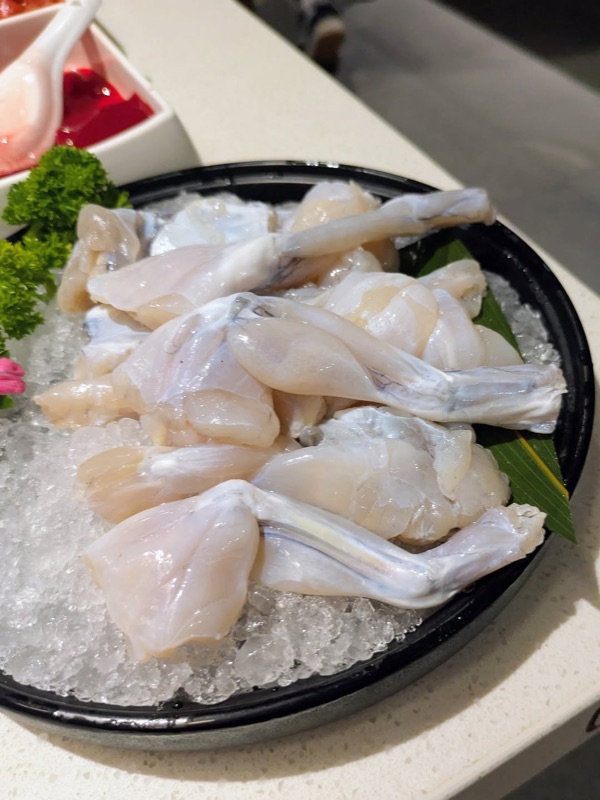
- Spicy mala broth on one side, mushroom broth on the other; add hand-pulled noodles, sliced lamb shoulder, and the signature Haidilao beef.
2Jubaoyuan (聚宝源) — Old Beijing Style
Beijing Original, Copper PotQuick comparison
- Best for
- Traditional copper-pot mutton purists
- Strengths
- Known for Beijing Original, Copper Pot · 5 Niujie St, Xicheng, Beijing
- Price / value
- ¥80–130/person
- Why it made the list
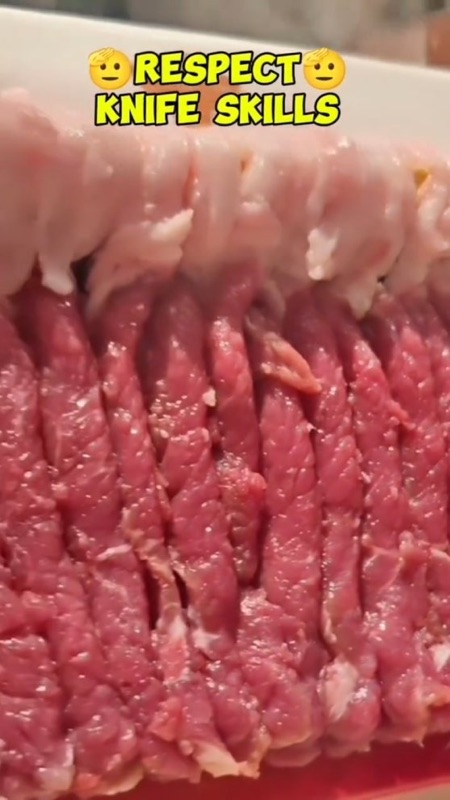
- Old-school copper-pot Beijing-style mutton hot pot in Niujie — charcoal-fired brass pots, hand-sliced lamb, and the simple sesame-paste dipping sauce that defines the genre.
- What to order
- Sliced fresh lamb (xian yangrou), copper-pot broth on the bone, sesame paste sauce, plus the cabbage and tofu sides.
3Xiao Long Kan (小龙坎)
Sichuan Mala, Hot PotQuick comparison
- Best for
- Mala-heat seekers who want the real Sichuan version
- Strengths
- Known for Sichuan Mala, Hot Pot · Workers' Stadium area, Chaoyang
- Price / value
- ¥100–150/person
- Why it made the list
- Chengdu-born Sichuan mala chain that's made the trip to Beijing without losing its tongue-numbing identity. The signature butter broth carries serious huajiao heat — this is the chain that taught urban China to love proper Sichuan-style hot pot.
- What to order
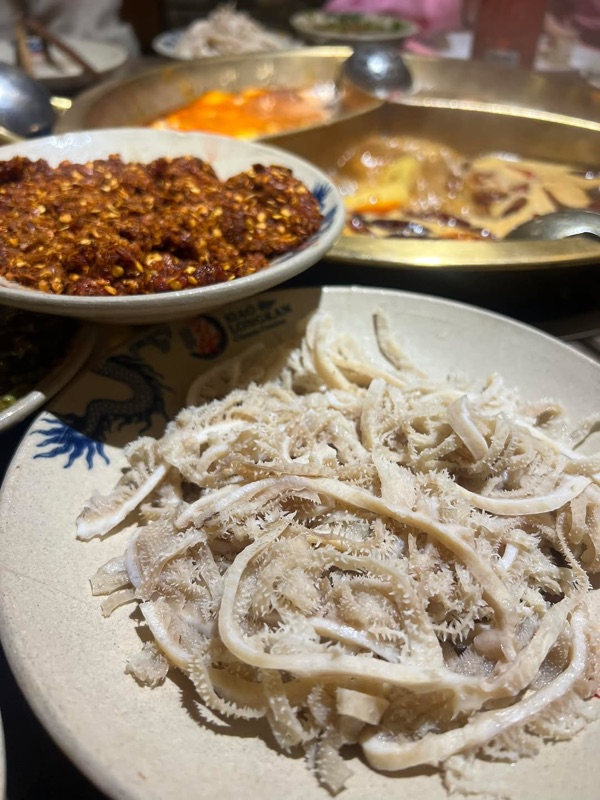
- Butter mala broth (or yuanyang half-and-half if you want relief), beef tallow tripe, fresh duck-blood cubes, and the homemade beef-meatball.
4Da Long Yi (大龙燚)
Chengdu Style, Hot Pot, Good ValueQuick comparison
- Best for
- Sichuan hot pot at a friendlier price point
- Strengths
- Known for Chengdu Style, Hot Pot, Good Value · Multiple locations, Beijing
- Price / value
- ¥80–120/person
- Why it made the list
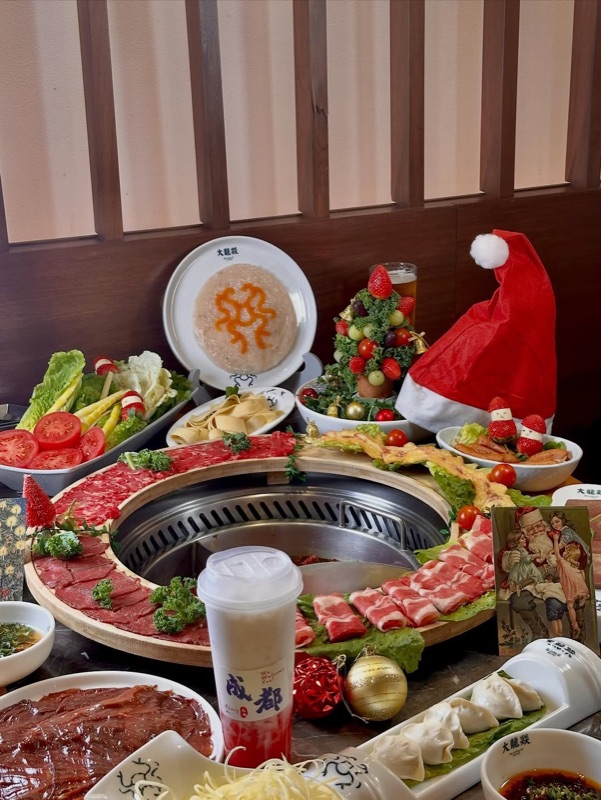
- Another Chengdu-export chain known for nine-square divided pots and bold Sichuan broth — slightly less famous than Xiao Long Kan, but cited by locals as the better-value option for the same Sichuan-mala experience.
- What to order
- The nine-square pot lets you split textures: tripe and duck blood in the deepest section, leafy greens and tofu skins in the milder squares.
Frequently asked questions
What is Old Beijing-style hot pot?
Old Beijing hot pot (涮羊肉) uses a charcoal-heated copper pot with plain bone broth. Thinly sliced lamb is the main protein, dipped in sesame paste sauce. This style predates Sichuan hot pot and is unique to northern China.
How much does hot pot cost in Beijing?
Budget ¥80–150 per person at mid-range spots. Premium restaurants with wagyu beef cost ¥200–350. Haidilao runs ¥120–200 per person.
How long is the wait at Haidilao Beijing?
Waits of 30–90 minutes are common at peak times. Haidilao compensates with extraordinary wait entertainment — snacks, board games, face-stretching noodle performances, even manicures.
What is mala hot pot?
Mala (麻辣) means numbing-spicy — a broth made with Sichuan peppercorns, dried chilis, bean paste, and spices. The Sichuan peppercorn creates a unique mouth-numbing sensation.
Do hot pot restaurants in Beijing have English menus?
Major chains (Haidilao, Xiao Long Kan) have English or picture menus. Smaller restaurants may not — bring a translation app.
What are the main types of hot pot available in Beijing?
Beijing offers two primary styles of hot pot: the traditional Old Beijing copper pot, typically featuring clear broth and paper-thin lamb, exemplified by <a href="#jubaoyuan"><strong>Jubaoyuan</strong></a> and <a href="#great-wall-hot-pot"><strong>Great Wall Hot Pot</strong></a>. The other dominant style is Sichuan/Chongqing mala (numbing and spicy) hot pot, known for its rich, intensely flavored broths, found at places like <a href="#xiao-long-kan"><strong>Xiao Long Kan</strong></a> and <a href="#da-long-yi"><strong>Da Long Yi</strong></a>.
Which hot pot restaurant in Beijing has the best service?
<a href="#haidilao"><strong>Haidilao</strong></a> is world-renowned for its exceptional, over-the-top service. From free snacks and manicures during waiting times to attentive staff who will help you cook and mix sauces, their customer service is a core part of the experience. While other restaurants offer good service, Haidilao sets the benchmark for hospitality in the hot pot industry.
Where can I find authentic Old Beijing hot pot?
For the most authentic Old Beijing hot pot experience, head to <a href="#jubaoyuan"><strong>Jubaoyuan</strong></a> on Niujie Street, famous for its charcoal-fired copper pots and premium hand-cut lamb. Another beloved institution is <a href="#great-wall-hot-pot"><strong>Great Wall Hot Pot</strong></a> in Dongcheng. For a budget-friendly option in a traditional hutong, <a href="#lao-ma-hot-pot"><strong>Lao Ma Hot Pot</strong></a> delivers a truly local and unpretentious take on the classic.
Is Beijing hot pot spicy?
Beijing hot pot can be as spicy or as mild as you like! Traditional Old Beijing style (like at <a href="#jubaoyuan"><strong>Jubaoyuan</strong></a>) typically uses a clear or mushroom broth, which is not spicy. However, if you crave heat, Sichuan and Chongqing style hot pot (available at <a href="#xiao-long-kan"><strong>Xiao Long Kan</strong></a>, <a href="#da-long-yi"><strong>Da Long Yi</strong></a>, or <a href="#jiu-gong-ge"><strong>Jiu Gong Ge</strong></a>) features intensely spicy and numbing mala broths. Many restaurants also offer 'yuan-yang' pots, split into spicy and non-spicy sections.
Are there vegetarian options at Beijing hot pot restaurants?
Yes, hot pot is very vegetarian-friendly! While meat is a highlight, all hot pot restaurants offer an extensive selection of fresh vegetables (leafy greens, mushrooms, potatoes, corn), tofu products, noodles, and various fungi. You can easily opt for a clear or mushroom broth base and enjoy a delicious, meat-free meal. Even <a href="#haidilao"><strong>Haidilao</strong></a> provides a wide array of non-meat ingredients.
What is the key difference between Beijing and Sichuan hot pot?
The main distinction lies in the broth and ingredients. Beijing hot pot, epitomized by <a href="#jubaoyuan"><strong>Jubaoyuan</strong></a>, uses a clear, savory broth, often just water and aromatics, focusing on the quality of thinly sliced lamb cooked in traditional copper pots. Sichuan hot pot, found at places like <a href="#xiao-long-kan"><strong>Xiao Long Kan</strong></a>, features a fiery, numbing 'mala' broth loaded with chilies and Sichuan peppercorns, offering a more intense flavor profile and a wider variety of internal organs and vegetables.
Is Haidilao worth the hype for hot pot in Beijing?
Yes, <a href="#haidilao"><strong>Haidilao</strong></a> is widely considered worth the hype, especially for its extraordinary service that goes above and beyond, offering free snacks, entertainment, and even manicures while you wait. While not the most traditional hot pot, it offers a consistently high-quality experience, fresh ingredients, and a fun atmosphere that makes it a must-try for many visitors, particularly those looking for a comfortable and easy entry into Chinese hot pot.
How do you typically eat hot pot in Beijing?
Eating hot pot involves cooking raw ingredients in a simmering broth at your table. First, choose your broth (or a split 'yuan-yang' pot). Then, select various meats (especially lamb at Beijing-style spots like <a href="#jubaoyuan"><strong>Jubaoyuan</strong></a>), vegetables, noodles, and tofu. Dip ingredients into the boiling broth until cooked, then retrieve them with chopsticks and dip them into your custom-made sauce from the condiment bar. It's a communal and interactive dining experience.
Can I find vegetarian hot pot options in Beijing?
Yes, hot pot is generally very accommodating for vegetarians as you cook your own food. While many broths are meat-based, you can often request a clear or mushroom-based broth. Most restaurants, including chains like <a href="#haidilao"><strong>Haidilao</strong></a> and <a href="#da-long-yi"><strong>Da Long Yi</strong></a>, offer extensive selections of fresh vegetables, mushrooms, tofu products, and various noodles to ensure a satisfying vegetarian meal. Just be sure to specify a vegetarian broth if you have dietary restrictions.
What are some must-try ingredients for hot pot in Beijing?
For Old Beijing style hot pot, the absolute must-try is thinly sliced fresh lamb, often hand-cut, which cooks quickly and absorbs the broth's delicate flavor, particularly at places like <a href="#jubaoyuan"><strong>Jubaoyuan</strong></a>. Other popular choices include various mushrooms, tofu skin, wide potato noodles, and an expertly mixed sesame sauce. For Sichuan hot pot, adventurous eaters might try duck blood, tripe, and various internal organs, alongside common items like beef slices and fresh vegetables, dipped in a rich, garlicky oil sauce.
Where can I find the most authentic local hot pot experience in Beijing?
For the quintessential Old Beijing hot pot experience, <a href="#jubaoyuan"><strong>Jubaoyuan</strong></a> is widely considered the top choice, famous for its charcoal copper pots and high-quality lamb. If you're looking for something more off-the-beaten-path and truly local, venturing into a hutong to places like <a href="#lao-ma-hot-pot"><strong>Lao Ma Hot Pot</strong></a> offers an unpretentious, traditional setting and an authentic taste of Beijing's culinary soul, often without an English menu but with plenty of local charm.
Is Haidilao hot pot worth the wait and the hype in Beijing?
Absolutely, for many, <a href="#haidilao"><strong>Haidilao</strong></a> lives up to its reputation. While it might be a splurge, the wait is often made enjoyable with free snacks, drinks, and even manicures, followed by an unparalleled level of attentive, personalized service. It's less about the 'best' broth and more about a unique, entertaining dining experience.
Where can I find authentic Old Beijing copper pot hot pot?
For the most authentic Old Beijing copper pot experience, <a href="#jubaoyuan"><strong>Jubaoyuan</strong></a> is the undisputed champion, famous for its hand-cut lamb and traditional setting. Other excellent choices include <a href="#great-wall-hot-pot"><strong>Great Wall Hot Pot</strong></a> for a classic feel, or the more rustic <a href="#lao-ma-hot-pot"><strong>Lao Ma Hot Pot</strong></a> in a hutong for a truly local immersion.
How do I order hot pot if I don't speak Chinese?
Many of Beijing's popular hot pot restaurants, especially chains like <a href="#haidilao"><strong>Haidilao</strong></a> and <a href="#xiao-long-kan"><strong>Xiao Long Kan</strong></a>, have English menus or tablet ordering systems with pictures. For smaller or more traditional places like <a href="#lao-ma-hot-pot"><strong>Lao Ma Hot Pot</strong></a>, using a translation app, pointing to pictures, or having hotel staff write down key phrases can be very helpful.
What are common ingredients to order for hot pot in Beijing?
For Old Beijing style, thinly sliced lamb (<a href="#jubaoyuan"><strong>Jubaoyuan</strong></a> is famous for it) is a must. For Sichuan style, common items include beef, tripe, duck blood, various mushrooms, tofu, and a wide array of fresh vegetables. Don't forget noodles (like wide potato noodles) to finish your meal!
Can I find vegetarian options at Beijing hot pot restaurants?
Yes, hot pot is very vegetarian-friendly! While meats are central to the experience, all restaurants offer extensive selections of fresh vegetables, various types of tofu, mushrooms, and noodles. You can easily opt for a clear or mushroom broth base and enjoy a delicious meat-free meal. Just be sure to clarify 'no meat' with staff if unsure.
What is the difference between Beijing-style and Sichuan-style hot pot?
Beijing-style hot pot, as seen at <a href="#jubaoyuan"><strong>Jubaoyuan</strong></a> or <a href="#great-wall-hot-pot"><strong>Great Wall Hot Pot</strong></a>, uses a traditional charcoal-fired copper pot with a mild, clear broth (often lamb-bone based) and focuses on thinly sliced lamb with a sesame paste dipping sauce. Sichuan-style, exemplified by <a href="#xiao-long-kan"><strong>Xiao Long Kan</strong></a> and <a href="#tan-yu-hot-pot"><strong>Tan Yu Hot Pot</strong></a>, is known for its intensely spicy and numbing (mala) red oil broth, often using a divided pot to offer varying spice levels.
Which hot pot restaurant in Beijing offers the best service?
<a href="#haidilao"><strong>Haidilao</strong></a> is world-renowned for its extraordinary customer service. From manicures and free snacks while you wait to attentive table service and birthday surprises, it goes above and beyond to ensure a memorable dining experience. While many other restaurants offer good service, Haidilao consistently sets the gold standard for hospitality.
Where can I find authentic, old-school Beijing hot pot?
For the most authentic old-school Beijing hot pot, look no further than <a href="#jubaoyuan"><strong>Jubaoyuan</strong></a>, famous for its charcoal copper pot and quality lamb. Another excellent choice for a traditional, no-frills experience is <a href="#great-wall-hot-pot"><strong>Great Wall Hot Pot</strong></a>, beloved by locals for its simple, honest flavors. If you're adventurous, <a href="#lao-ma-hot-pot"><strong>Lao Ma Hot Pot</strong></a> in a hutong offers a truly local vibe.
Are there good value hot pot options in Beijing for spicy hot pot?
Absolutely! For fantastic value in spicy mala hot pot, <a href="#da-long-yi"><strong>Da Long Yi</strong></a> is highly recommended. It delivers authentic Chengdu flavors at prices significantly below many competitors, making it a local favorite. <a href="#ba-di-lao"><strong>Ba Di Lao</strong></a> also offers a good balance of flavors, including spicy options, at a reasonable price point, making it a popular local choice for affordability and taste.
What should I order at a Sichuan hot pot restaurant in Beijing?
At a Sichuan hot pot like <a href="#xiao-long-kan"><strong>Xiao Long Kan</strong></a> or <a href="#tan-yu-hot-pot"><strong>Tan Yu Hot Pot</strong></a>, definitely try the signature mala broth, choosing your preferred spice level. Must-order ingredients typically include tender beef slices, tripe (毛肚), duck intestine (鸭肠), fresh shrimp paste, and a variety of mushrooms and vegetables. Don't forget to customize your dipping sauce with sesame oil, minced garlic, and cilantro to balance the spice.
Is hot pot vegetarian-friendly in Beijing?
Yes, hot pot can be very vegetarian-friendly! While meats are prominent, all hot pot restaurants, including places like <a href="#haidilao"><strong>Haidilao</strong></a> and <a href="#shu-xiang-ge"><strong>Shu Xiang Ge</strong></a>, offer extensive selections of fresh vegetables, mushrooms, various tofu products, and noodles. You can also specifically request a clear vegetable broth or opt for a 'yuan yang' pot with a non-spicy side to enjoy alongside your dining companions.