Quick answer
Beijing is one of the world's greatest cities for photography — a place where 3,000 years of history collide with 21st-century ambition at every turn.
- Best overall
- The Forbidden City
- Top pick
- The Forbidden City -- unparalleled imperial grandeur and the most iconic photography subject in Beijing.
Top verdicts
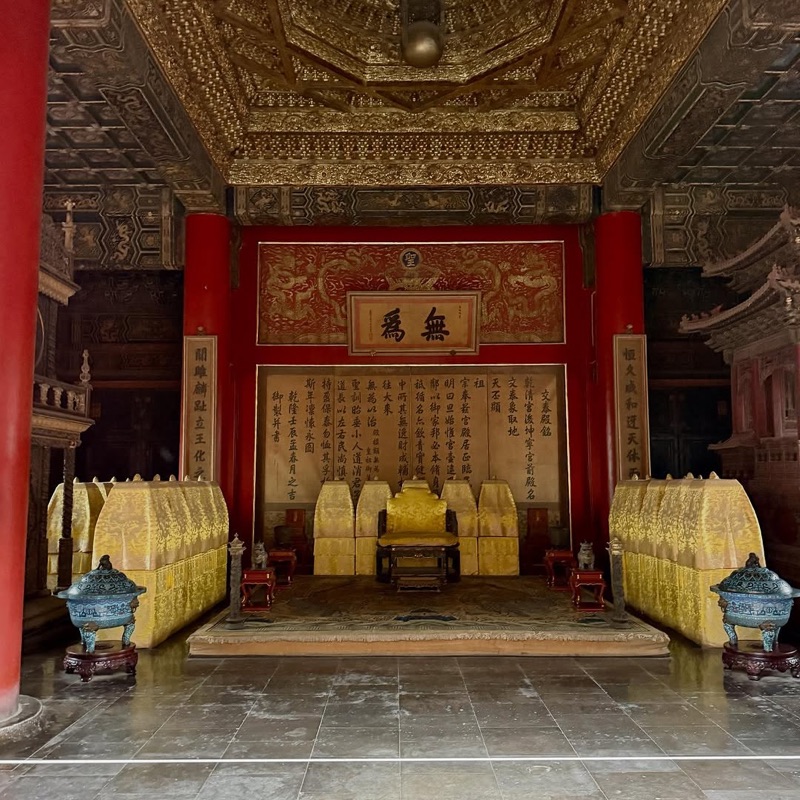
- The Forbidden City: Imperial architecture, sweeping courtyards, and iconic rooftop silhouettes
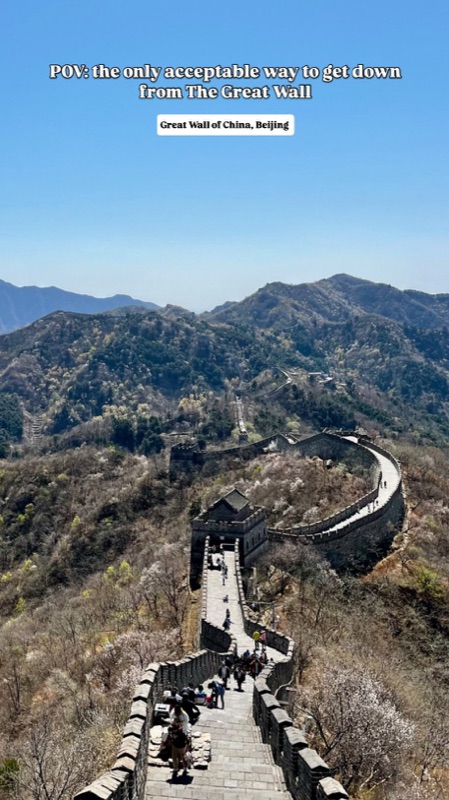
- Great Wall at Mutianyu: Sweeping landscape panoramas, watchtower compositions, and dramatic mountain backdrops
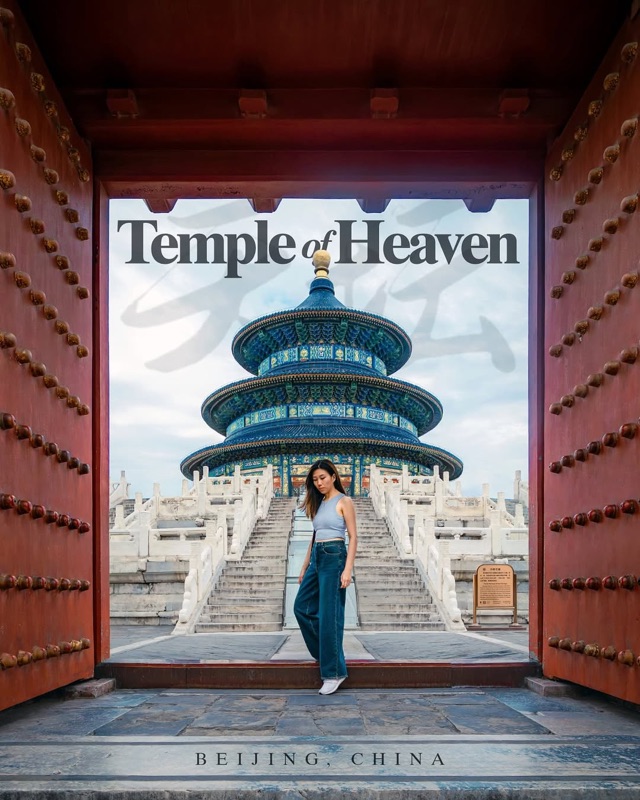
- Temple of Heaven: Symmetrical architectural shots, local life scenes, and tranquil park atmospherics
Within a single day you can shoot the crimson walls of the Forbidden City at dawn, navigate centuries-old hutong alleys at midday, frame the space-age CCTV Headquarters at golden hour, and capture the shimmering reflection of the National Centre for the Performing Arts at night. From the wild grandeur of the Great Wall snaking through forested mountains to the paint-splattered walls of 798 Art Zone, Beijing delivers an extraordinary range of subjects for every style of photographer.
Area map
- 1. The Forbidden City
- 2. Great Wall at Mutianyu
- 3. Temple of Heaven
- 4. Summer Palace
- 5. Jingshan Park
- 6. Houhai Lake Area
- 7. 798 Art Zone
- 8. Dashilar Hutong
- 9. Beijing Olympic Park (Bird's Nest & Water Cube)
- 10. Lama Temple (Yonghegong)
- 11. CBD — CCTV Tower / Guomao
- 12. National Centre for the Performing Arts (The Egg)
All 12 spots at a glance
| # | Name | Style | Price | Area |
|---|---|---|---|---|
| 1 | The Forbidden City | Imperial | paid | Dongcheng |
| 2 | Great Wall at Mutianyu | Scenic | paid | Huairou |
| 3 | Temple of Heaven | Temple | budget | Dongcheng |
| 4 | Summer Palace | Scenic | paid | Haidian |
| 5 | Jingshan Park | Scenic | free | Xicheng |
| 6 | Houhai Lake Area | Street | free | Xicheng |
| 7 | 798 Art Zone | Modern | free | Chaoyang |
| 8 | Dashilar Hutong | Hutong | free | Xicheng |
| 9 | Beijing Olympic Park (Bird's Nest & Water Cube) | Modern | free | Chaoyang |
| 10 | Lama Temple (Yonghegong) | Temple | budget | Dongcheng |
| 11 | CBD — CCTV Tower / Guomao | Modern | free | Chaoyang |
| 12 | National Centre for the Performing Arts (The Egg) | Modern | free | Xicheng |
1The Forbidden City
ImperialQuick comparison
- Best for
- Imperial architecture, sweeping courtyards, and iconic rooftop silhouettes
- Strengths
- Known for Imperial
- Limitations
- Very crowded at midday; must book tickets online in advance; tripods may be restricted at peak times
- Price / value
- 40–60 (approx $6–9)
- Why it made the list
- The ultimate Beijing photography subject. This colossal imperial palace complex offers endless compositions — from its vibrant red walls and golden roofs to its intricate courtyards and gates. The sheer scale and 600 years of history make it a must-capture, especially during golden hour when the light brings out its majestic details.
- What to order
- The Forbidden City is a featured pick in this guide.
2Great Wall at Mutianyu
ScenicQuick comparison
- Best for
- Sweeping landscape panoramas, watchtower compositions, and dramatic mountain backdrops
- Strengths
- Known for Scenic
- Limitations
- 90 minutes from central Beijing; requires early start for best light; can be foggy in summer
- Why it made the list
- The most photogenic and accessible Great Wall section for serious photographers. Mutianyu stretches across rolling hills and thick forests, offering sweeping panoramas without the crushing crowds of Badaling. The combination of restored watchtowers and wild sections makes it ideal for both landscape and detail shots.
- What to order
- Great Wall at Mutianyu is a featured pick in this guide.
3Temple of Heaven
TempleQuick comparison
- Best for
- Symmetrical architectural shots, local life scenes, and tranquil park atmospherics
- Strengths
- Known for Temple
- Limitations
- Interior photography restricted in some halls; midday crowds around the main hall
- Why it made the list
- The Hall of Prayer for Good Harvests is one of the most recognizable buildings in all of China — a three-tiered circular temple of deep blue tiles against the sky. The surrounding park is equally photogenic, with elderly locals practicing tai chi, playing instruments, and dancing under ancient cypress trees.
- What to order
- Temple of Heaven is a featured pick in this guide.
4Summer Palace
NatureQuick comparison
- Best for
- Lake reflections, traditional garden landscapes, and the 728-meter painted Long Corridor
- Strengths
- Known for Nature
- Limitations
- Large grounds require 3–4 hours minimum; Kunming Lake can be hazy in summer; far from city center
- Why it made the list
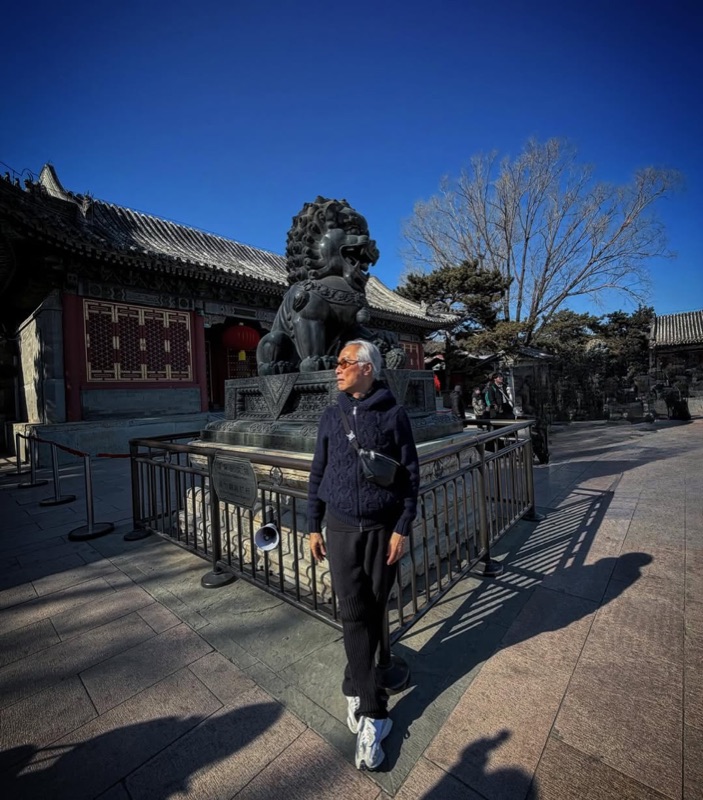
- A vast imperial garden covering 2.9 square kilometers, three-quarters of which is Kunming Lake. The Long Corridor (728 meters of painted beams), the Marble Boat, and the Tower of Buddhist Incense rising above the lake create world-class landscape and architectural compositions.
- What to order
- Summer Palace is a featured pick in this guide.
5Jingshan Park
PanoramicQuick comparison
- Best for
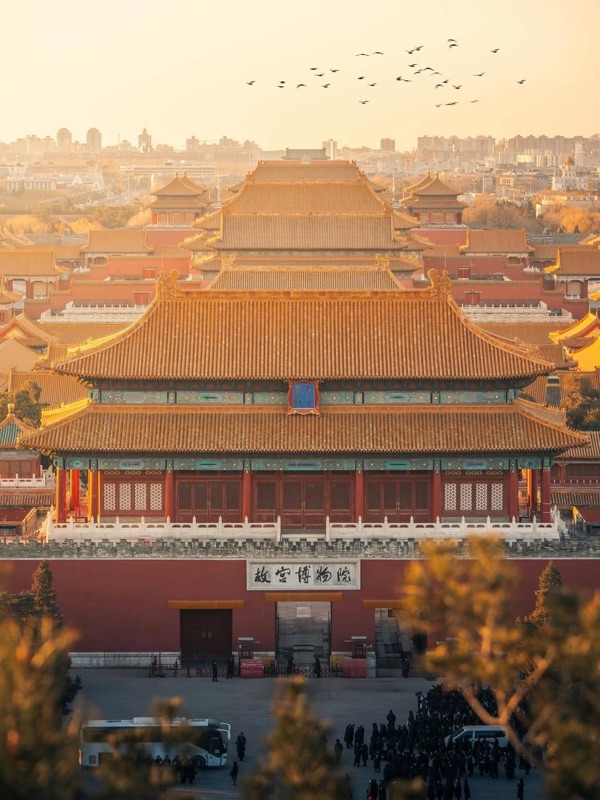
- The classic overhead panorama of the Forbidden City and Beijing's central axis
- Strengths
- Known for Panoramic
- Limitations
- Summit pavilion gets crowded at sunset; limited shooting angles from one point
- Why it made the list
- The single best elevated vantage point over the Forbidden City. From the Pavilion of Everlasting Spring at the summit, you get the definitive panoramic shot of the entire palace complex with the modern skyline beyond. At CNY 2, it is the greatest photographic bargain in Beijing.
- What to order
- Jingshan Park is a featured pick in this guide.
6Houhai Lake Area
LakeQuick comparison
- Best for
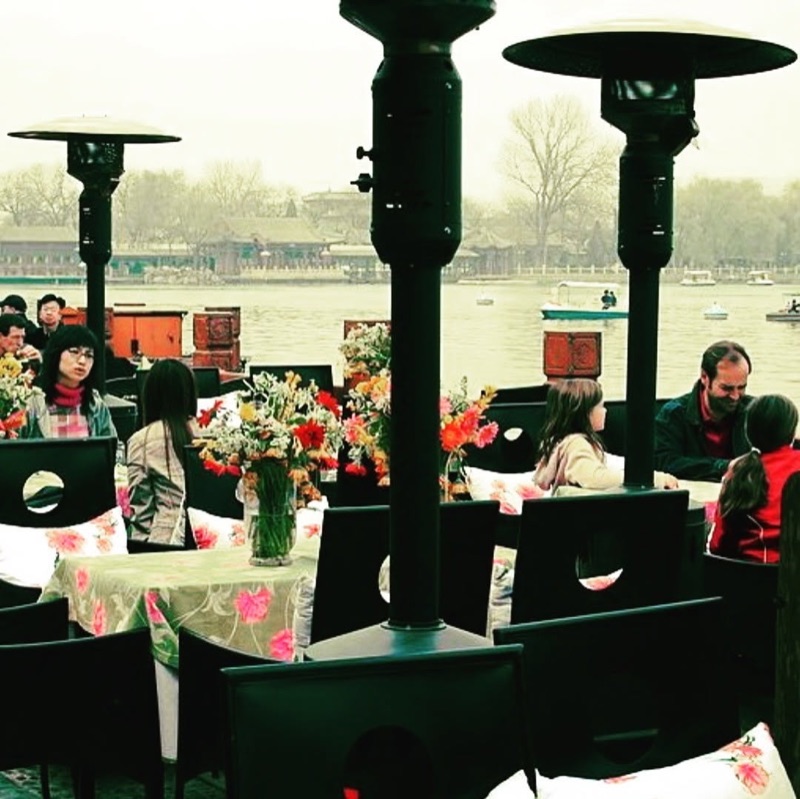
- Street photography, lake reflections, hutong life, and evening atmosphere
- Strengths
- Known for Lake
- Limitations
- Bar street can be touristy and loud at night; lake can be murky in summer
- Why it made the list
- Beijing's most charming lakeside neighborhood — and completely free. Willow-lined shores, traditional hutong alleys, lively bars, and local life all converge around this picturesque lake district. Perfect for street photography, lake reflections, and capturing the authentic rhythm of Beijing life.
- What to order
- Houhai Lake Area is a featured pick in this guide.
7798 Art Zone
Art / ContemporaryQuick comparison
- Best for
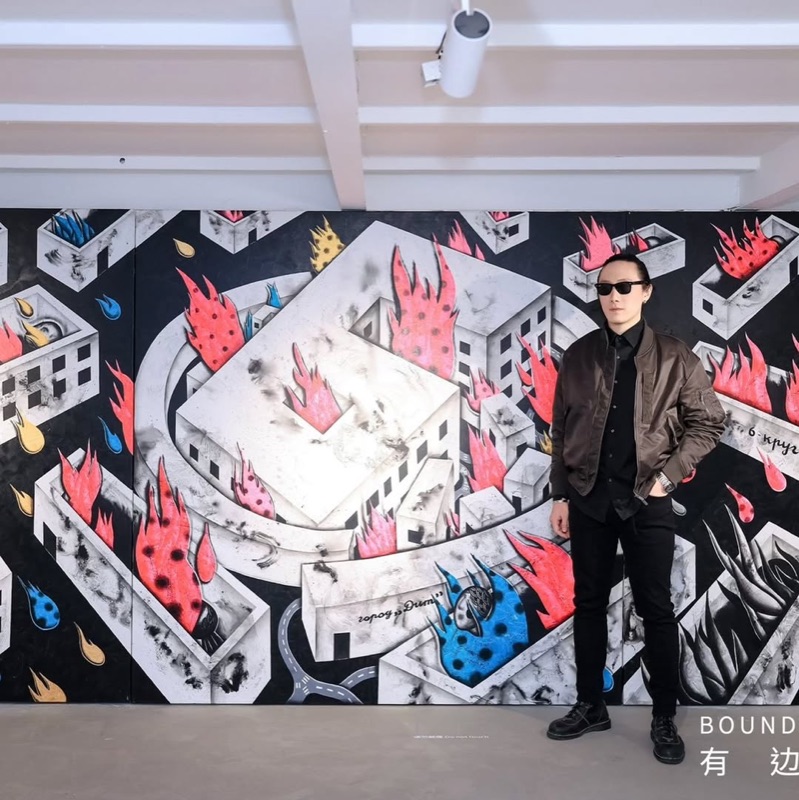
- Graffiti walls, industrial architecture, contemporary art, and creative street scenes
- Strengths
- Known for Art / Contemporary
- Limitations
- Can feel touristy on weekends; some galleries close Monday; far from historic center
- Why it made the list
- A former military factory complex reborn as Beijing's premier contemporary art district. Industrial architecture, graffiti-covered walls, outdoor sculptures, hip cafes, and nearly 80 exhibitions monthly create an endlessly photogenic environment. The collision of brutalist factory buildings and cutting-edge art is unique to Beijing.
- What to order
- 798 Art Zone is a featured pick in this guide.
8Dashilar Hutong
HutongQuick comparison
- Best for
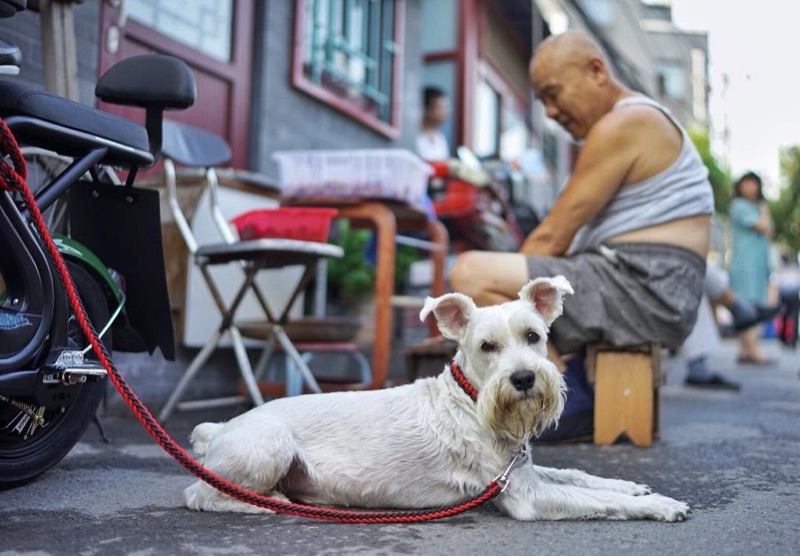
- Street photography, traditional architecture, local life, and the contrast between old and new Beijing
- Strengths
- Known for Hutong
- Limitations
- Main street can be touristy; best scenes are in the side alleys; not as well-known as Nanluoguxiang
- Why it made the list
- One of Beijing's oldest and most atmospheric commercial streets, dating back over 500 years. The mix of traditional hutong architecture, century-old shops, modern design studios, and authentic local life makes it superb for street photography and cultural documentation.
- What to order
- Dashilar Hutong is a featured pick in this guide.
9Beijing Olympic Park (Bird's Nest & Water Cube)
ModernQuick comparison
- Best for
- Night photography of iconic modern architecture, long exposures, and LED reflections
- Strengths
- Known for Modern
- Limitations
- Exterior is the main draw; interior visits less photogenic; can be very cold in winter evenings
- Why it made the list
- The Bird's Nest and Water Cube are two of the most recognizable modern structures in the world. While impressive by day, they truly come alive at night when spectacularly illuminated — the Bird's Nest glows red while the Water Cube shifts through blues and purples. Free to photograph from the exterior.
- What to order
- Beijing Olympic Park (Bird's Nest & Water Cube) is a featured pick in this guide.
10Lama Temple (Yonghegong)
TempleQuick comparison
- Best for
- Atmospheric temple scenes, architectural details, incense smoke effects, and cultural documentation
- Strengths
- Known for Temple
- Limitations
- Interior photography may be restricted in some halls; crowded during Chinese holidays; incense smoke can challenge autofocus
- Why it made the list
- Beijing's most spectacular Tibetan Buddhist temple and a paradise for detail-oriented photographers. The colorful prayer wheels, wafting incense smoke, intricate wood carvings, and golden Buddha statues create rich, atmospheric compositions. Also connects to beautiful nearby hutongs like Wudaoying.
- What to order
- Lama Temple (Yonghegong) is a featured pick in this guide.
🕐 Opening hours
11CBD — CCTV Tower / Guomao
ArchitectureQuick comparison
- Best for
- Modern architecture, futuristic skyline shots, and night cityscape photography
- Strengths
- Known for Architecture
- Limitations
- Air quality can affect visibility; no public observation deck in CCTV building; busy traffic area
- Why it made the list
- Beijing's futuristic skyline district anchored by the CCTV Headquarters — Rem Koolhaas's gravity-defying looped skyscraper that redefines what a building can look like. The surrounding forest of glass towers makes this the best area for modern architectural photography and dramatic night cityscapes.
- What to order
- CBD — CCTV Tower / Guomao is a featured pick in this guide.
12National Centre for the Performing Arts (The Egg)
ArchitectureQuick comparison
- Best for
- Reflections, minimalist architectural shots, and dramatic dusk/night images
- Strengths
- Known for Architecture
- Limitations
- Surrounding water is sometimes drained for maintenance; security restrictions near government district; limited angles
- Why it made the list
- Paul Andreu's masterpiece — an ellipsoid dome of titanium and glass surrounded by an artificial lake, earning the nickname "The Egg." The world's largest dome without a supporting pillar, made of 18,000+ titanium plates and 1,200 ultra-white glass panels. The reflection in the surrounding water at dusk creates one of Beijing's most striking modern architectural photographs.
- What to order
- National Centre for the Performing Arts (The Egg) is a featured pick in this guide.
Frequently asked questions
What is the best time of year for photography in Beijing?
Autumn (September to November) is generally considered the best season, offering clear skies, pleasant temperatures, and beautiful fall foliage, especially at the Great Wall and Summer Palace. Spring (April to May) is also good with blossoms, but can sometimes be hazy. Winter brings crisp blue skies and snow-dusted landmarks, while summer is lush but often humid and smoggy.
Are tripods allowed at most photography spots in Beijing?
Tripods are generally allowed in outdoor public spaces and at many tourist attractions, but always check for specific restrictions, especially inside temples, museums, or during crowded events. The Forbidden City may restrict large tripods during peak times for safety and crowd control. Jingshan Park and the Olympic Park area are tripod-friendly. For street photography in hutongs, a monopod or compact tripod is more practical.
What are some tips for street photography in Beijing's hutongs?
Be respectful of locals, ask for permission if photographing individuals directly, and carry a compact lens to blend in. Focus on capturing daily life, traditional architecture, and unique storefronts. Early mornings are often best for quieter scenes and soft light. The hutongs around Dashilar, Nanluoguxiang, and the Lama Temple area (Wudaoying Hutong) are particularly photogenic.
How can I best capture the Beijing skyline at night?
For historical skyline views, head to Jingshan Park before closing for an elevated perspective of the Forbidden City at golden hour. For modern skyscrapers, the CBD area around the CCTV Headquarters offers dramatic shots. The Olympic Park and the NCPA (The Egg) are spectacular when illuminated at night. Use a tripod, a wide-angle lens, and experiment with long exposures to capture light trails and reflections.
Is it easy to get around Beijing with photography gear?
Beijing has an efficient and extensive subway system that makes it relatively easy to navigate with your gear. Most central spots (Forbidden City, Jingshan, Temple of Heaven, Lama Temple, 798 Art Zone, CBD) are reachable by metro. For the Great Wall at Mutianyu, take the 916 Express bus from Dongzhimen or book a private transfer. Taxis and ride-hailing apps like Didi are also readily available.
What are the must-have camera settings for the Forbidden City?
Bring a wide-angle lens (16-35mm) for the vast courtyards and a telephoto (70-200mm) for architectural details like roof ornaments and watchtower corners. Shoot wide to capture the immense scale, then zoom in on stone textures, carved dragons, and golden roof details. Golden hour (shortly after opening or before closing) delivers the best light. Use a polarizing filter to cut haze and deepen the blue sky.
Are there cultural considerations for photography in Beijing?
Always be mindful and respectful, especially in religious sites like the Lama Temple and Temple of Heaven, where photography may be restricted or considered disrespectful in certain prayer areas. Avoid photographing military installations or government buildings. In general, ask before taking close-up photos of individuals. Drone photography is heavily restricted in central Beijing due to the government district.
Which Beijing photography spot should I visit first?
Start with the Forbidden City early in the morning for the softest light and thinnest crowds. Arrive right at opening (8:30 AM) and head straight to the less-visited side halls. After, walk to Jingshan Park for the panoramic overhead shot. If you only have one day, pair these with a late-afternoon visit to the Temple of Heaven and finish at the NCPA or Olympic Park for night shots.
Planning your Beijing photography tour
The ideal Beijing photography itinerary covers three distinct moods across two to three days.
Day 1 — Historic Beijing: Start at the Forbidden City right at opening (8:30 AM) for the best light and thinnest crowds. Exit through the north gate and climb Jingshan Park for the panoramic sunset shot. In the evening, walk to Houhai Lake for street photography and dinner.
Day 2 — Temples and Hutongs: Begin at the Temple of Heaven at 6 AM for morning park life and the iconic hall. After lunch, explore the Lama Temple and Wudaoying Hutong, then head to Dashilar for afternoon hutong street scenes.
Day 3 — Modern Beijing + Great Wall: Dedicate the morning to the Great Wall at Mutianyu (90-min drive, leave early). Return for evening shots at the Olympic Park (Bird's Nest at night) or the NCPA at blue hour. Save 798 Art Zone for a half-day on any trip extension.
Getting around: The subway covers most central spots efficiently. For Mutianyu, take the 916 Express bus from Dongzhimen or book a private transfer (roughly CNY 400–600 round trip). Budget CNY 200–400/day for entry fees, transport, and meals.
Best season: Autumn (September–November) offers clear skies and foliage. Spring (April–May) brings blossoms. Winter delivers crisp blue skies and snow-dusted landmarks. Avoid major holidays (Golden Week, Chinese New Year) when crowds are extreme.