Boseong (보성) isn't just Korea's prettiest tea destination — it's where green tea actually means something. The Daehan Dawon plantation has been growing organic tea since 1957, and in 2002 Boseong Green Tea became Korea's first-ever geographically indicated agricultural product. When you eat green tea desserts here, you're tasting tea that was picked from the hills you just hiked.
We scoured Reddit threads, travel blogs, and Korean review sites to find the spots where the green tea flavor is genuine — not just food-coloring green. From the iconic plantation soft serve to hidden hanok cafés tucked into bamboo groves, these are the green tea desserts worth the journey south of Seoul.
📊 How we built this list
We analyzed 50+ Reddit posts and comments across r/koreatravel, r/korea, r/tea, and r/Matcha, plus dozens of travel blog reviews and Korean review sites like DiningCode and Naver Blog — spanning 2020 to 2026. Spots were ranked by frequency of positive mentions by independent visitors. We weighted long-term Korea residents' picks and repeat visitors over one-time tourist posts.
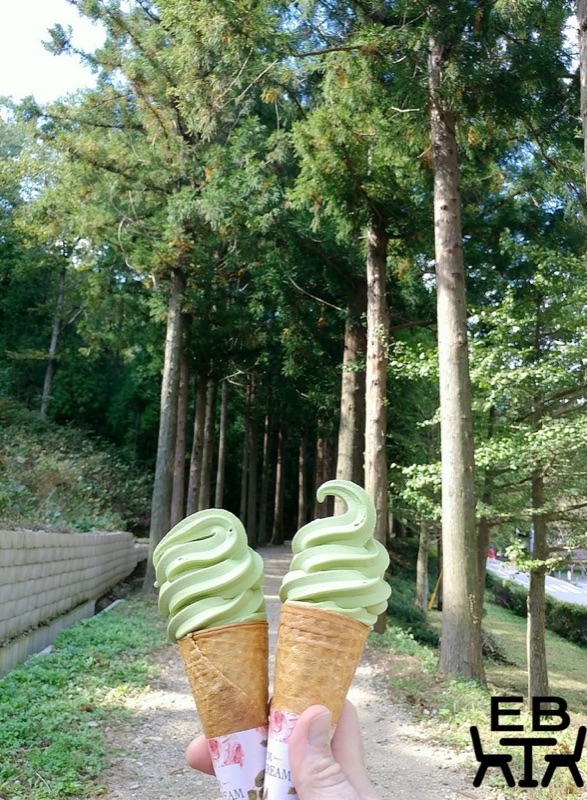
What to order: The green tea soft serve ice cream (녹차 소프트아이스크림) — it's the undisputed star. Intensely green, made with Boseong tea leaves, and best enjoyed with the tea terraces as your backdrop. Also try the green tea shake.
"Treat yourself to some green tea ice cream once you've made it back down. It's seriously my favorite thing ever."
— travel blog · Boseong Green Tea Fields guide
"The cafe sells many tea drinks not to mention green tea ice cream. It was delicious and more like soft serve than the traditional ice cream most of us think of."
— TripAdvisor review · Daehan Dawon reviews
tabiji verdict: The single most mentioned dessert in all of Boseong. Every. Single. Visitor. talks about this soft serve. It's inside the plantation near the central square — grab one before or after your hike to the observatory. The tea flavor is real and intense, not the artificially sweet matcha you get in Seoul chains.
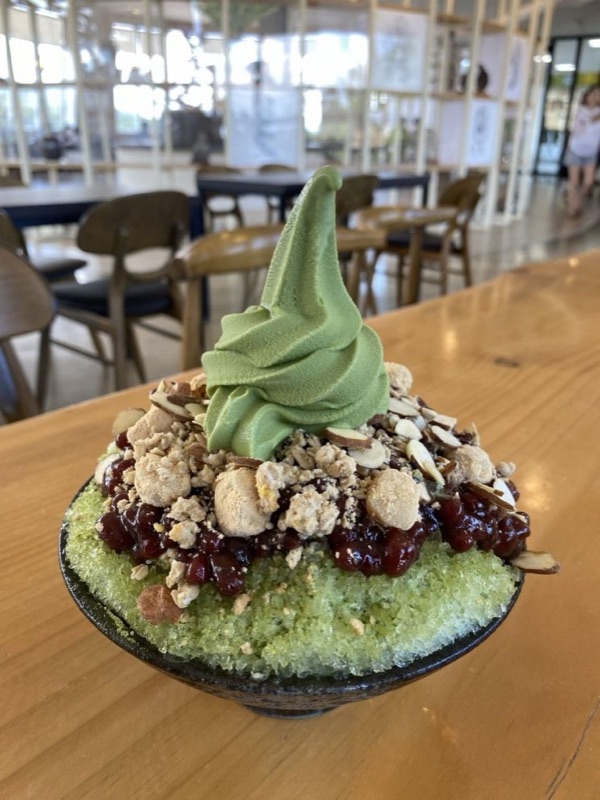
What to order: The matcha patbingsu (말차눈꽃빙수) — shaved ice piled with rich matcha and sweet red bean. Also excellent: matcha latte, matcha cream latte, matcha ice cream latte, and matcha sweet potato latte. They've developed their own Boseong matcha drink line.
"The Greendahyang cafe has become a must-visit spot for social media photos — smooth taste, rich aroma, and visually appealing presentation."
— local coverage · Boseong Matcha-core trend piece
tabiji verdict: The hottest green tea spot in Boseong right now, riding the "matcha-core" wave. Located on the 2nd floor of the Botjae building (about 1km from Daehan Dawon), with stunning views over its own tea terraces. The matcha bingsu is Instagram-famous for a reason — the quality of the matcha here is legit. Visitor numbers jumped 7% year-over-year in 2025.
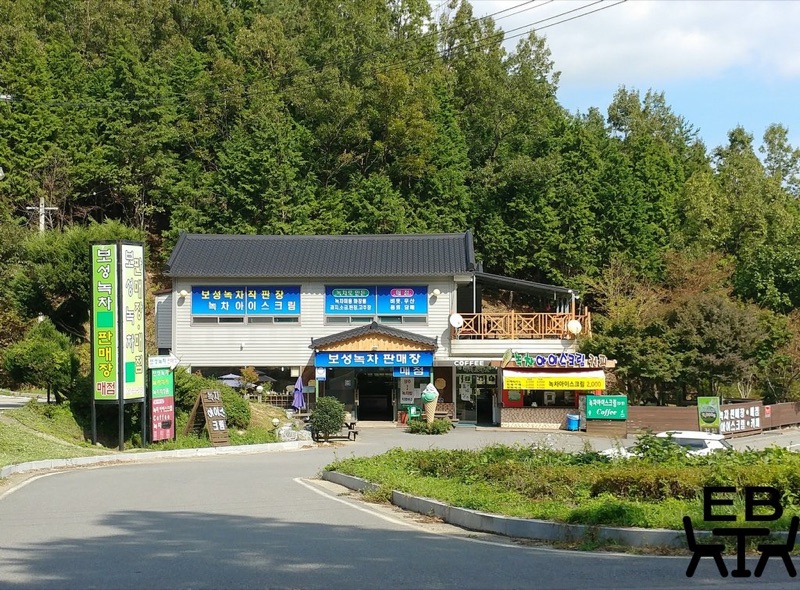
What to order: The green tea soft serve — same delicious flavor as inside the plantation, but ₩1,000–₩1,500 cheaper. Also sells green tea shakes and simple snacks. Grab one for the walk up.
tabiji verdict: The budget-savvy move. It's a tiny shop near the parking lot before you enter the plantation gates — same green tea soft serve, lower price. Multiple travel bloggers independently flagged this tip. Grab one on your way in, save money, and eat it while walking the cedar-lined entrance. Pro move: get one here AND one inside for comparison.
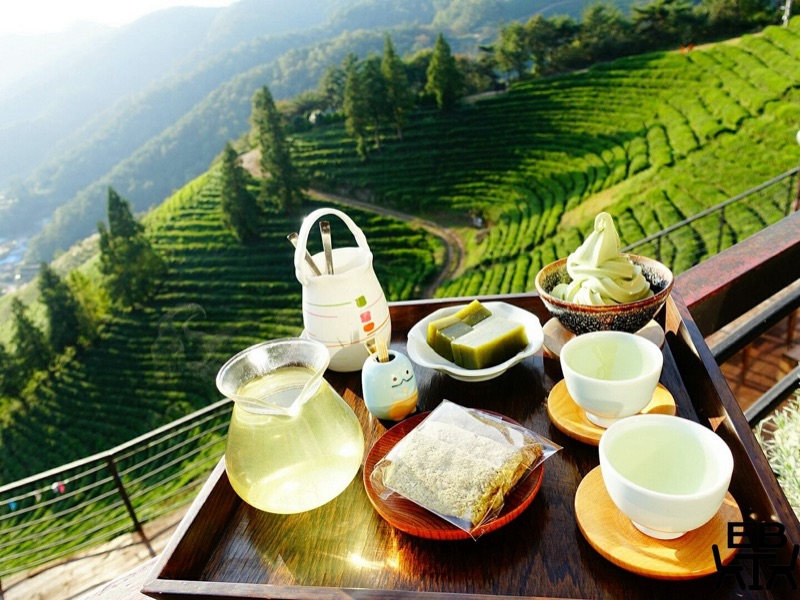
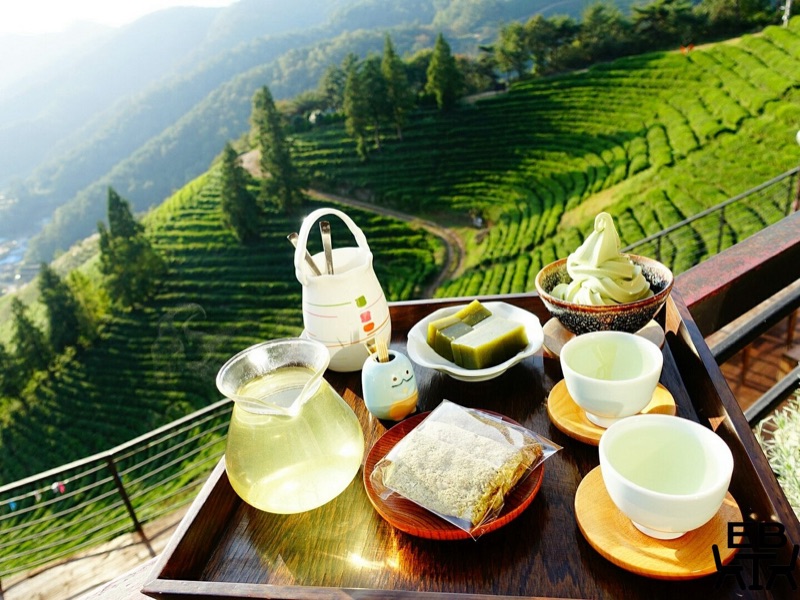
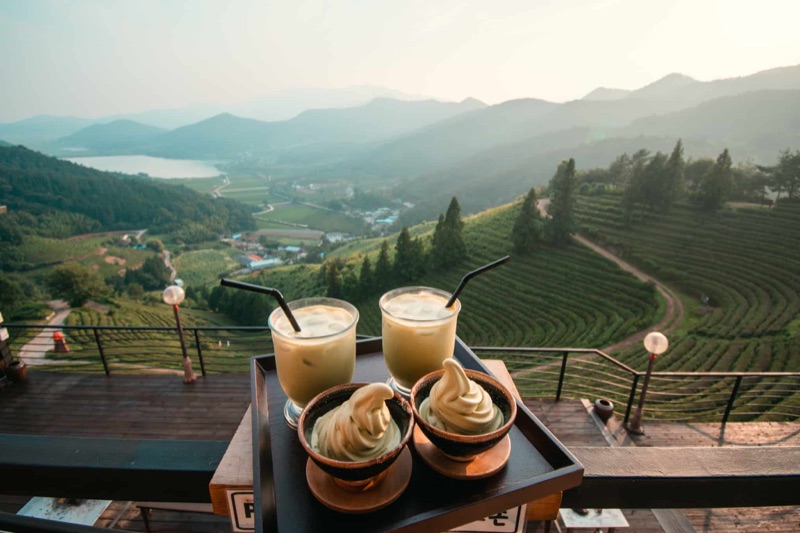
What to order: The green tea dessert tray — this is THE Instagram-famous shot of Boseong. A wooden tray with green tea jelly, green tea ice cream, and other matcha sweets, photographed against the backdrop of sloping tea terraces. Also order a proper brewed green tea.
"There were some particularly pretty photos we had seen of trays of green tea desserts set against a backdrop of sloping tea fields, and we hoped to find that location."
— travel blog · Boseong Green Tea Fields and That Dessert Shot
"The interior was set up like a quite classical tea room, with wooden floors and low tables that you sat on the floor to eat at."
— travel blog · Elsewhere Briefly
tabiji verdict: The photogenic destination. This tea house — about a 20-minute walk from Daehan Dawon along Nokcha-ro (Green Tea Road) — is where those viral Instagram dessert tray photos come from. The traditional floor-seating interior is charming, and the tea field views are spectacular. Ranked #1 on DiningCode's Boseong dessert list. The walk there is scenic but bring good shoes.
What to order: A full lunch here — Cafe Min serves proper Korean food alongside green tea drinks and desserts. It's located near the ticket entrance area. Great for refueling between plantation hikes. Try the green tea latte to wash down your meal.
"After I came back down again, I had time to check out the gift shop and have lunch at Cafe Min (which was delicious). I was glad the shop and cafe were open in December."
— r/koreatravel · Daehan Tea Plantation Trip Report
tabiji verdict: The most practical dining option within Daehan Dawon. Located near the ticket machine area, it serves both green tea desserts and hearty Korean meals — making it the smart choice if you want real food after the hike and still want your matcha fix. Open even in winter when some other spots may close.

What to order: Green tea latte, iced green tea, or green tea biscuits. The "1957" name honors the year Chang Young Seop re-established the Daehan Dawon plantation after it was destroyed in the Korean War. Also sells packaged green tea as souvenirs.
tabiji verdict: Named after the plantation's founding year, this café sits near the entrance and doubles as a gift shop. It's where you go for a proper sit-down green tea drink before or after exploring. The packaged Boseong green tea makes a great souvenir — look for the Geographical Indication No. 1 label.

What to order: Green tea menu items featuring Boseong-grown tea, paired with traditional Korean sweets. The 150-year-old hanok building is the draw — think dark wood beams, bamboo grove out back, and the quiet elegance of a Korean country estate.
"150년 고택 한옥 카페라는 춘운서옥인데 바깥에서부터 느껴지는 한옥의 풍채와 뒷산 대나무숲의 정취가 너무 좋았어요." (The 150-year hanok cafe Chununseooak — the grandeur of the hanok and the bamboo forest behind it were amazing.)
— Naver Blog · Boseong Hanok Café review
tabiji verdict: The atmospheric pick. Ranked #1 on multiple Korean café lists for Boseong. A 150-year-old hanok (traditional Korean house) converted into a café, with a bamboo grove behind it that rivals anything in Damyang. The green tea menu is solid but the real reason to come is the setting — it's the Korea countryside fantasy.
What to order: A traditional Korean tea ceremony experience with premium Boseong green tea. The museum covers the full history of tea in Korea (dating back to 369 AD), and the attached café serves proper brewed teas with traditional rice cakes and sweets.
"A great next stop if you want to learn more about the history of tea in Korea and try a wider range of exceptional teas. You'll find a museum exhibit showcasing how tea is grown and processed, a cafe with wonderful views."
— travel blog · Kavey Eats — Visiting Boseong
tabiji verdict: The educational pick. If you want to understand why Boseong tea tastes different — the terroir, the organic certification, the 1,600+ year history — this is the place. The café itself has panoramic views over tea terraces, and unlike most tourist cafés, you're drinking tea that's been properly brewed, not just turned into a latte. Free admission.
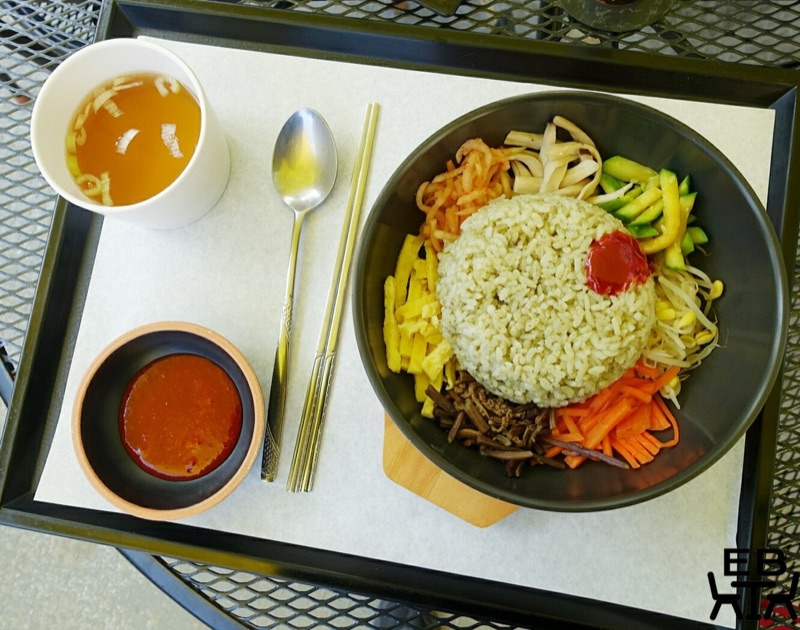
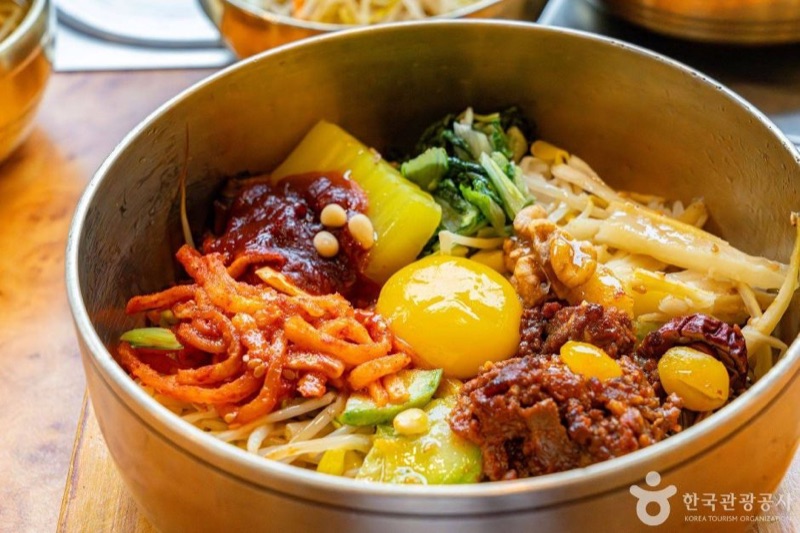
What to order: Green tea bibimbap (녹차비빔밥) or green tea jjajangmyeon — Korean comfort food with a green tea twist. The green tea noodles use tea powder ground from the plantation's own harvest. More of a novelty food experience than a culinary revelation.
"We ordered the green tea bibimbap, and the green tea jjajangmyeon. These were sadly bland, not standout dishes, and the green tea components were not particularly discernible. They came across as touristy gimmick dishes."
— travel blog · Elsewhere Briefly
"There was an eatery in the middle of Daehan Dawon. Really the only food option there."
— travel blog · Elsewhere Briefly
tabiji verdict: We're including this with an honest caveat: the green tea fusion food here gets mixed reviews. The novelty of eating green tea bibimbap surrounded by the actual tea fields is undeniable, but the execution is... tourist-grade. Come for the experience and the location, not for a culinary epiphany. Stick to the soft serve instead if you only have time for one thing.
Frequently Asked Questions
What is the best green tea dessert to try in Boseong?
The green tea soft serve ice cream from Daehan Dawon is the undisputed must-try — every single visitor mentions it. For a more elaborate matcha experience, the matcha patbingsu at Greendahyang in Botjae is the current hot pick. If you want the Instagram shot, head to The World of Spreading Green Leaves for their photogenic dessert tray with tea field views.
How do I get to the Boseong Green Tea Fields?
The most common approach is by intercity bus from Gwangju (about 1.5 hours from USquare terminal — direct buses go to the plantation) or from Suncheon (30 minutes by local bus). From Seoul, take the KTX to Suncheon, then transfer. Driving is easiest — parking at Daehan Dawon is free. Use Naver Maps for navigation (Google Maps has limited Korean countryside coverage).
When is the best time to visit Boseong?
The tea fields are green year-round, but peak season is April–May during the Boseong Green Tea Festival when the fields are at their lushest. Early mornings any time of year offer fewer crowds and beautiful light. Autumn brings small white tea blossoms. Even winter can be magical — snow-dusted tea terraces are hauntingly beautiful, though some cafés may have reduced hours.
How much does it cost to visit Daehan Dawon?
Entrance is ₩4,000 per adult (~$3 USD), ₩3,000 for children/seniors. Green tea soft serve runs ₩2,000–₩3,500 depending on where you buy it. Meals at the plantation restaurant cost ₩8,000–₩12,000. Budget ₩15,000–₩25,000 total for a half-day visit with entrance, food, and souvenirs.
Is Boseong worth the trip from Seoul?
It depends on your schedule. From Seoul it's 4+ hours each way, so most people combine it with a broader Jeollanam-do trip (Gwangju → Boseong → Suncheon → Yeosu). As a day trip from Seoul alone, it's a long haul. But from Gwangju or Suncheon? Absolutely worth it — plan 3-4 hours for the plantation plus surrounding spots. The tea fields are genuinely stunning and unlike anything else in Korea.