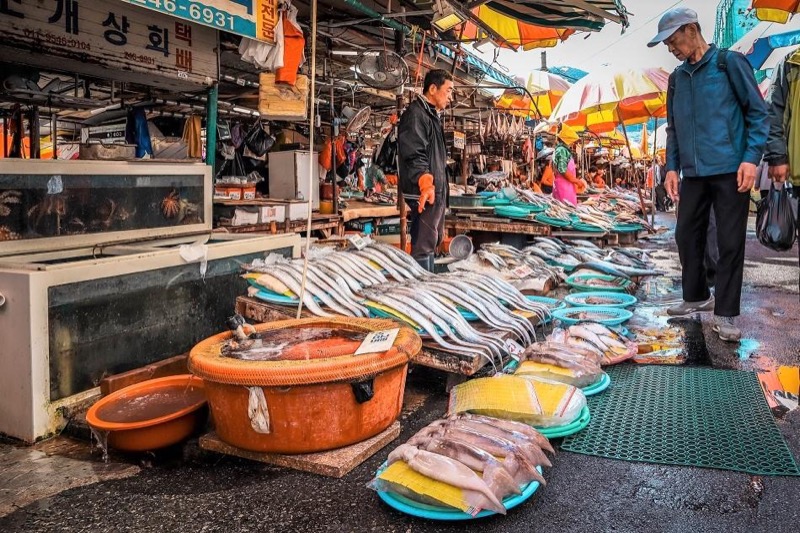
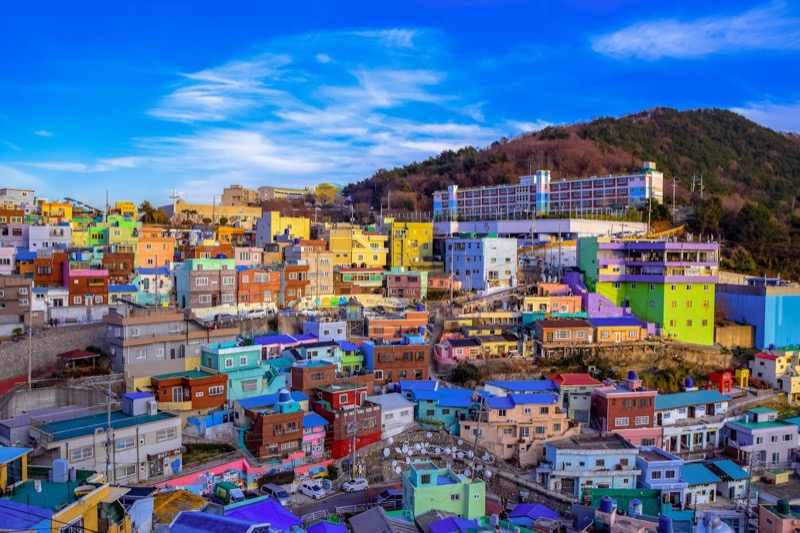
Busan didn't just adopt fish cake — it invented Korean eomuk. Since the 1950s, the port city's access to fresh seafood has made it the undisputed capital of this bouncy, savory snack. Walk any market in the Nampodong area and you'll see it everywhere: flat sheets threaded on skewers, bobbing in pots of steaming kelp broth, the aroma cutting through winter air like a warm invitation.
Gukje Market sits at the heart of Busan's fish cake universe. The surrounding neighborhoods — Bupyeong, Nampodong, BIFF Square — form a dense cluster of eomuk stalls, specialty shops, and legacy brands. We dug through Reddit to separate the genuinely great from the merely convenient, and here's what we found.
📊 How we built this list
We analyzed 80+ Reddit posts and 400+ comments across r/KoreanFood, r/koreatravel, r/busan, r/korea, and r/JapanTravel — spanning 2019 to 2026. Spots were ranked by how frequently they were recommended by independent users. We prioritized tips from Busan residents and repeat visitors over first-timer posts.
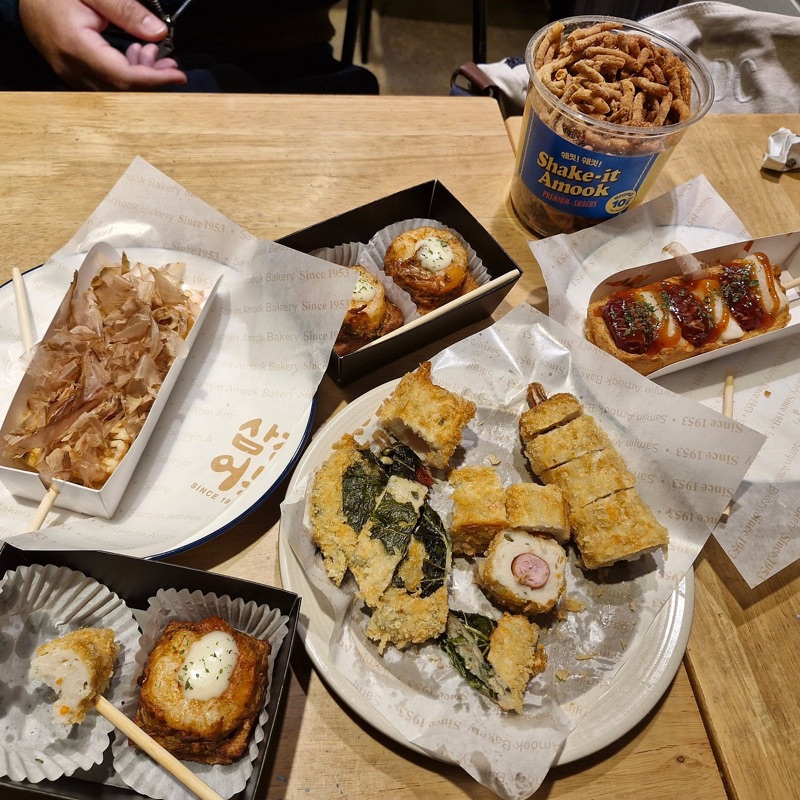
What to try: The signature eomuk croquette (어묵고로케, ~₩2,500) is the cult favorite — crispy outside, bouncy fish cake inside. Also try their cheese eomuk, vegetable eomuk, and the steaming free broth. Grab vacuum-packed boxes as souvenirs before catching your KTX.
"I suggest trying some of the specialty fishcake shops, such as Samjin, to try their unique flavors. There are a TON."
— alovelettertoasia.com (cited in r/koreatravel)
"Last minute dash for Goraesa Eomuk just before boarding our flight — but honestly Samjin at the station is just as good and way more convenient."
— r/KoreanFood · Goraesa Eomuk Thread
tabiji verdict: The most convenient stop for premium Busan eomuk. Samjin (est. 1953) is the city's most famous fish cake brand, and their Busan Station location is strategically placed for last-minute souvenir runs. The eomuk croquette is genuinely delicious — not just a tourist gimmick. Help yourself to the free hot broth while browsing. This is the #1 spot Reddit points to for fish cake newcomers.
💰 ₩1,500–₩12,000
📍 Multiple locations — Yeongdo-gu flagship
📌 Google Maps →
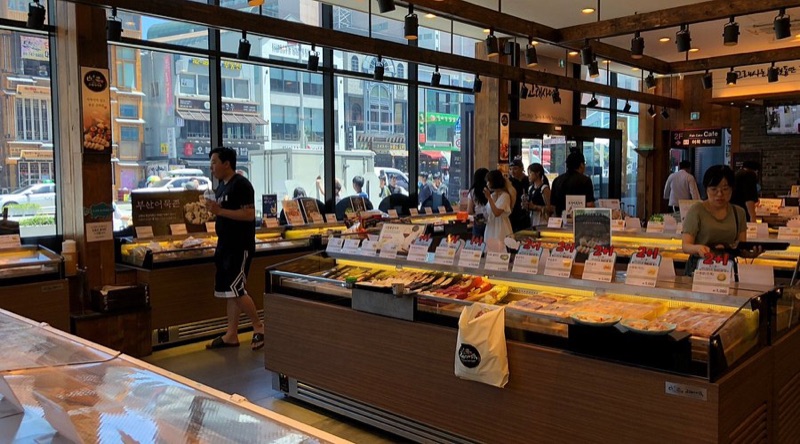
What to try: Their thick, hand-shaped fish cakes have a denser, more rustic texture than Samjin's. Try the original plain eomuk and their sweet potato filling variety. The hot broth here is particularly good — kelp-forward and deeply savory.
"Last minute dash for Goraesa Eomuk just before boarding our flight"
— r/KoreanFood · 9 upvotes · Goraesa Eomuk Thread
"Eomuk is everywhere in Busan, and is considered the best in the country. At market stalls and pojangmacha, skewers of flat, bouncy fish cake float in a clear, lightly salted broth."
— r/koreatravel (travel blog discussion)
tabiji verdict: Goraesa is Samjin's main rival and many Busan locals actually prefer it. The name means "whale" (고래), a nod to Busan's port history. Their fish cakes are slightly chewier and less processed-feeling than the competition. Worth the trip to the Yeongdo flagship if you want to compare — or just grab some at one of their branches near the markets.
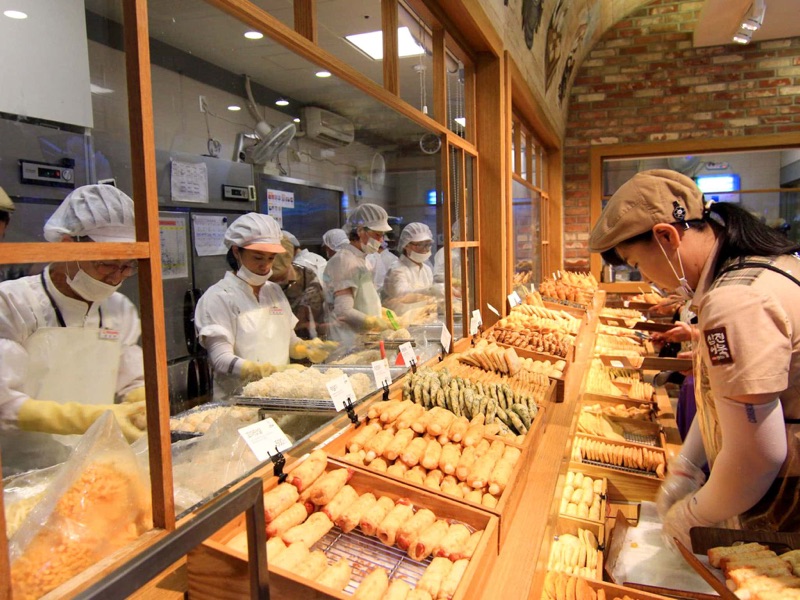
What to try: The original eomuk bar is thicker and more fish-forward than the station branches. Try the hand-rolled varieties and the freshly fried options straight from production. Their gift sets (선물세트) are popular Korean souvenirs.
"Yeongdo-gu — home to Busan's first connecting bridge — is also where the famous fish cake brands started. The area around the bridge has a nostalgic, working-class vibe that's totally different from touristy Haeundae."
— r/koreatravel · Seoul / Busan activities feedback
tabiji verdict: The original Samjin — where it all began in 1953. Yeongdo is slightly out of the way for most tourists, but if you're a fish cake completionist, this is the pilgrimage. The production facility is right here, so the eomuk is as fresh as it gets. Combine with a visit to the Samjin History Museum nearby.
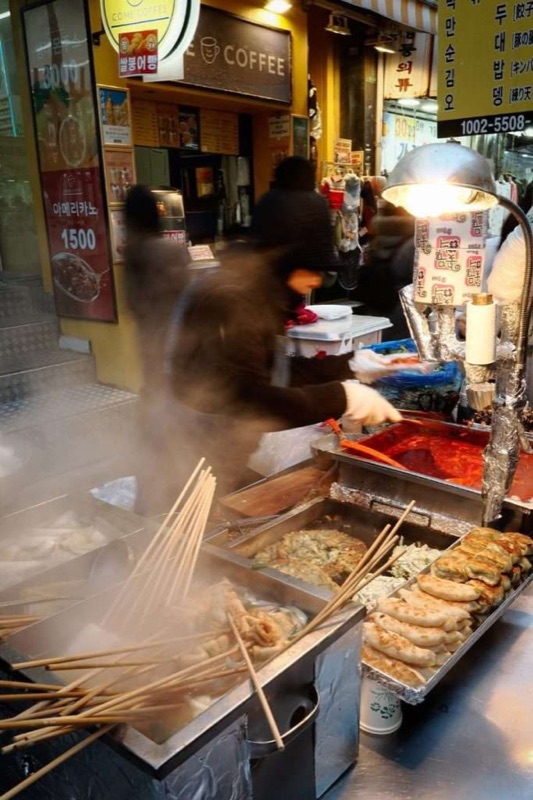
How it works: Walk the main alleyways and you'll find multiple stalls with bubbling pots of fish cake on skewers. Grab a skewer (₩1,000), help yourself to a cup of the hot broth (usually free), and eat standing up. Sample freely from the eomuk displayed on trays — the ahjummas expect it.
"One of Busan's many famed produce — fish cakes. Go to any wet market and you are bound to see plenty of stalls selling these fish cakes. Feel free to help yourself to the samples laid out in front of the stall."
— r/koreatravel · 2 weeks in Korea - Itinerary Check
"Gukje Market is a series of around 12 buildings with interconnected alleyways selling everything under the sun... the bean curd pouch soup dish that comes with fish cake was 100% worth trying."
— r/busan · Busan's Street Food and Fake Market Heaven
tabiji verdict: The most atmospheric way to eat eomuk in Busan. Gukje Market's cramped alleyways are a sensory overload — fish cake stalls sit alongside kitchenware vendors and vintage clothing shops. The eomuk here is mass-produced and won't blow your mind flavor-wise, but the experience of standing in a steamy alley sipping free broth in winter is quintessentially Busan. Come for the vibe, stay for the ₩1,000 snack.
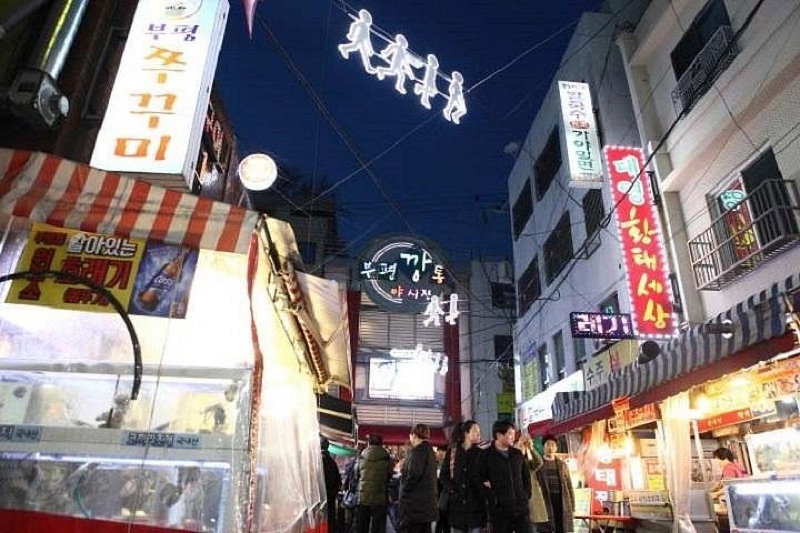
What to try: At night, the market transforms into a bustling food court with expanded eomuk options. Look for the stalls selling thick, freshly fried fish cake with crispy edges — different from the boiled skewered style. Pair with tteokbokki for the classic Korean street food combo.
"If you're looking for street food, then check out Bupyeong Kkangtong Market. This area had TONS of street food, and at night they get even more after they set up their night market!"
— r/busan · 12 upvotes · Busan's Street Food and Fake Market Heaven
tabiji verdict: Bupyeong connects directly to Gukje Market and comes alive at night. The "Kkangtong" (tin can) market got its name from post-war canned goods trading. Today it's Busan's best night market, and fish cake stalls are scattered throughout. Come after 7pm for the full night market experience, eat eomuk with tteokbokki, and wash it down with cheap soju from a nearby stall.
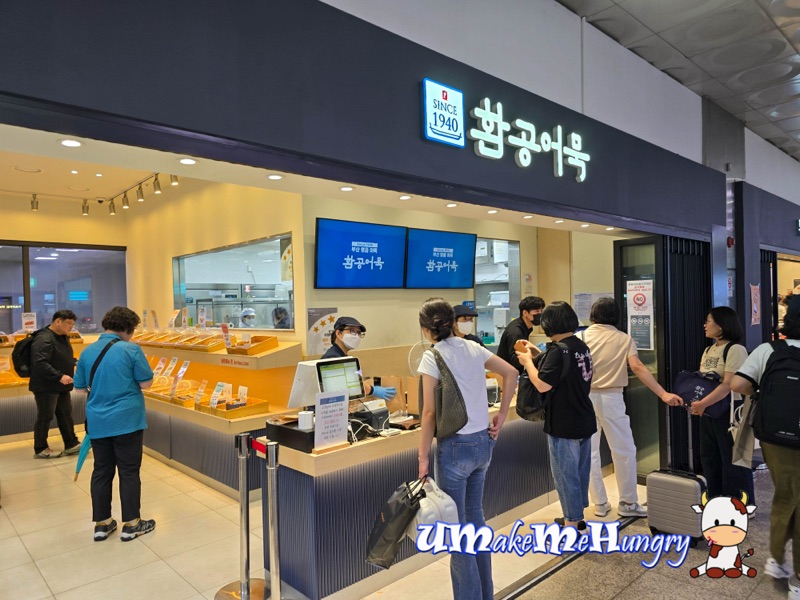
What to try: Known for using higher fish-to-starch ratios than mass-market brands. Try their thick bar-style eomuk and the hand-shaped varieties. They're particularly good heated up in the microwave with a side of their house dipping sauce.
"If eating in the fishcake shop, you can heat them up in the microwave, and don't forget to help yourself to the free soup!"
— Travel blogs cited in r/koreatravel discussions
tabiji verdict: A smaller, less-touristy alternative to Samjin and Goraesa. Hwanggong focuses on quality over brand recognition — you can taste the difference in the fish content. If you're near the Nampodong area and want to skip the crowded flagship shops, this is a solid local pick.
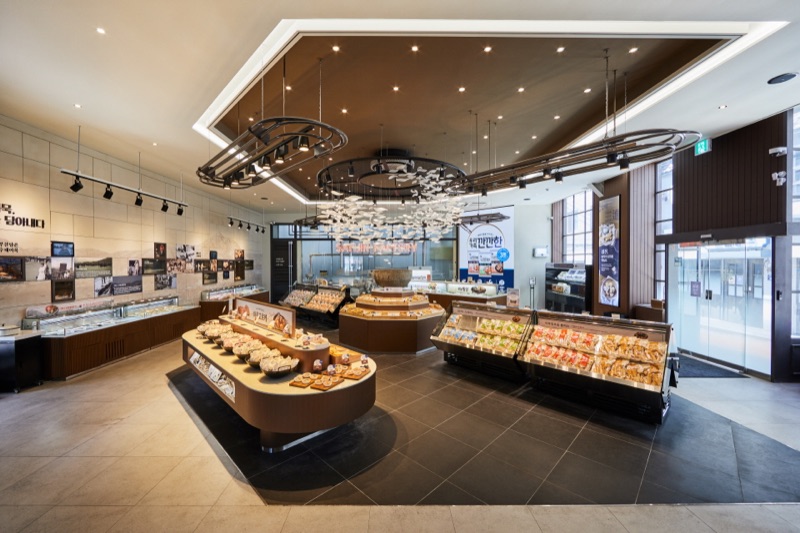
The experience: Free admission to the history exhibits. The museum traces Korean eomuk from its origins to modern day. There's a tasting area where you can sample different varieties, and a shop for purchasing. Some visitors also do the fish cake making class (~₩15,000).
"The famous 'Samjin Eomuk' fish cakes franchise shop that serves cooked fish cakes in various different flavours hails from Busan."
— r/koreatravel discussions
tabiji verdict: Part museum, part shop, part cultural experience. If you're in Yeongdo anyway, it's worth a quick stop to understand why Busan is so obsessed with fish cake. The hands-on class is fun if you're traveling with kids. Not a must-visit for everyone, but fish cake nerds will love it.
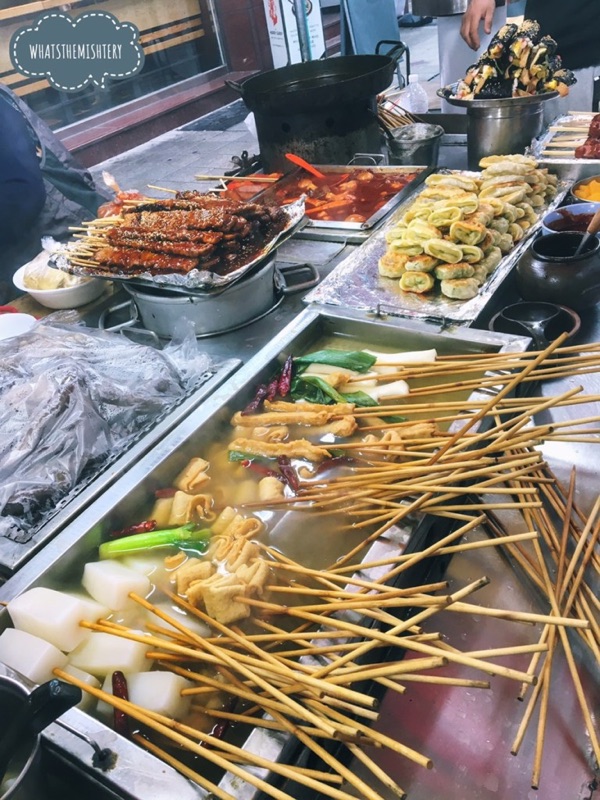
What to try: The classic skewered fish cake dipped in the communal broth pot. Nampodong vendors often have a wider variety of shapes — flat sheets, twisted spirals, and stuffed tubes alongside the standard rectangles. Best enjoyed in winter when the steam from the broth pots creates a fog along the street.
"Nampodong — I heard that this place used to be the old downtown area of Busan, and that this place was well known for having tons of street food and lots of places to shop... and that was an understatement."
— r/busan · Busan's Street Food and Fake Market Heaven
tabiji verdict: Nampodong is the commercial spine connecting Gukje Market, BIFF Square, and Jagalchi. Street-side eomuk vendors dot the entire district, and they're all roughly the same quality. The beauty is convenience — grab a skewer while shopping, eat it in 30 seconds, move on. The quintessential Busan street snack experience.
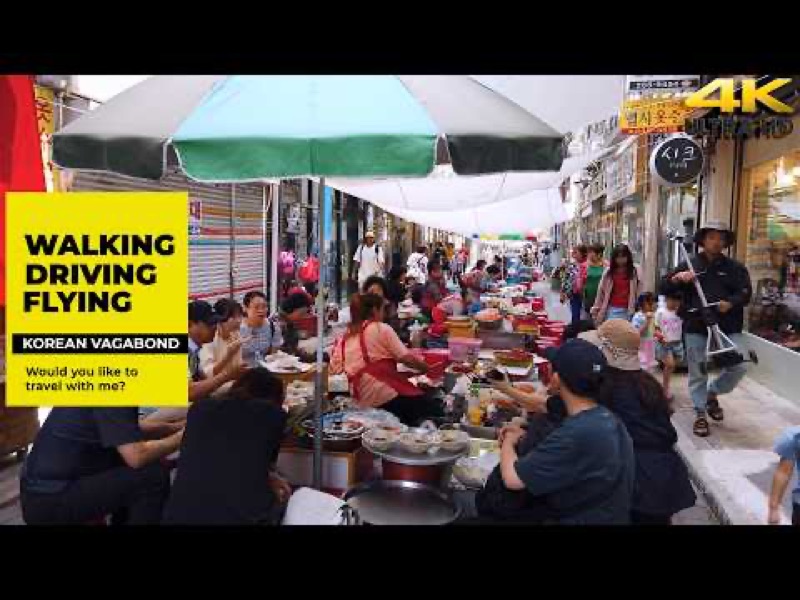
What to try: Eomuk alongside BIFF's famous ssiat hotteok makes the perfect sweet-savory combo. The fish cake here is standard street quality, but the location puts you right in the middle of Busan's most famous street food strip. Grab both and eat walking.
"BIFF street — where Busan originally held its famous BIFF (Busan International Film Festival). Here you'll find tons of street vendors selling both delicious sweet and salty snacks."
— r/busan · Busan's Street Food and Fake Market Heaven
tabiji verdict: BIFF Square is famous for ssiat hotteok (seed pancakes), but the eomuk stalls deserve attention too. The ideal move: hotteok in your left hand, eomuk skewer in your right, broth cup balanced precariously. It's chaotic, greasy, and perfectly Busan. Come in the evening when the crowds and the steam create the best atmosphere.
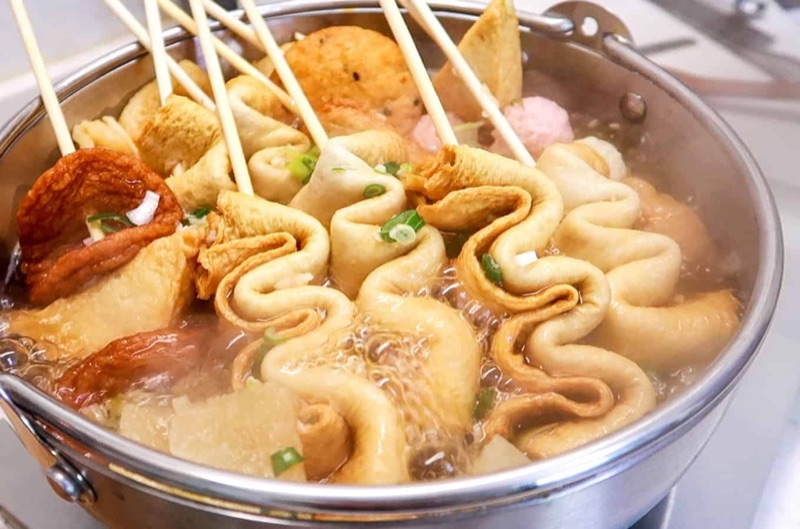
What to try: Eomuk tang (어묵탕) is fish cake soup — a whole pot of various fish cake shapes simmering in kelp-anchovy broth, often with radish and green onion. At pojangmacha (street tent bars), it's the ultimate drinking companion alongside soju. Order a serving and pull skewers from the pot as you drink.
"At market stalls and pojangmacha (street food tents), skewers of flat, bouncy fish cake float in a clear, lightly salted broth. Take a skewer, dip it and devour it standing up."
— travel discussion in r/koreatravel
tabiji verdict: The most authentic eomuk experience isn't at a fancy shop — it's at a pojangmacha, sitting on a plastic stool under a tarp, drinking soju while pulling fish cake skewers from a communal pot. Busan's broth game is noticeably better than Seoul's — something about the local kelp and the proximity to the sea. Look for pojangmacha clusters in Seomyeon, near Jagalchi, or in any neighborhood with Korean nightlife. This is eomuk in its natural habitat.
❓ Frequently Asked Questions
What is eomuk and why is Busan famous for it?
Eomuk (어묵) is Korean fish cake — ground fish paste mixed with starch and vegetables, then shaped, fried or steamed, and typically served on skewers in a hot kelp broth. Busan is the birthplace of Korean fish cake, with production starting in the 1950s near the port area. The city's proximity to fresh seafood means higher-quality fish paste, and brands like Samjin (est. 1953) and Goraesa have become national icons.
How much does eomuk cost in Busan?
Street-stall eomuk on a stick costs ₩1,000–₩2,000 (about $0.75–$1.50 USD). The hot broth is usually free — just help yourself to a cup. At specialty shops like Samjin or Goraesa, premium fish cakes range from ₩3,000–₩15,000 depending on size and filling. Vacuum-packed souvenir boxes typically cost ₩10,000–₩25,000.
Can I bring Busan fish cake home as a souvenir?
Yes! Samjin and Goraesa both sell vacuum-packed fish cakes designed for travel. You can buy them at their shops, Busan Station, or even at the airport. They're shelf-stable for several days, or you can freeze them. Reddit travelers consistently recommend the Samjin Busan Station shop as the most convenient last-minute souvenir stop.
What's the difference between eomuk, odeng, and kkochi?
Eomuk (어묵) is the proper Korean term for fish cake. Odeng (오뎅) is derived from the Japanese word "oden" and is commonly used interchangeably in casual Korean speech, though some consider it informal. Kkochi (꼬치) simply means "skewer" — so eomuk kkochi is fish cake on a stick. At market stalls, you'll hear all three terms used.
When is the best time to visit Gukje Market for eomuk?
Gukje Market is open daily (roughly 9am–8pm, closed 1st & 3rd Sundays). For the best eomuk experience, visit in the late afternoon and stay through evening — the Bupyeong night market kicks in after 7pm. Winter is peak eomuk season; the hot broth is most appreciated when it's cold outside. Avoid weekday mornings when stalls are still setting up.