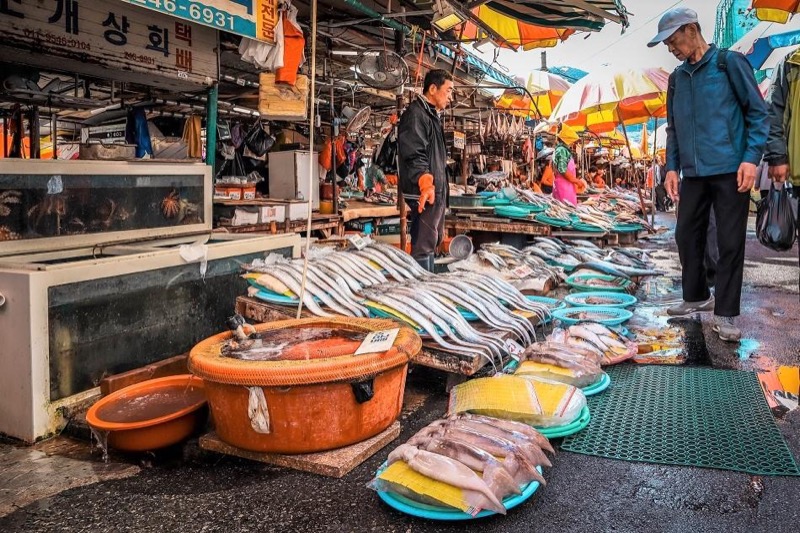
Seogwipo sits on Jeju's southern coast, where the Kuroshio Current brings some of the richest fishing waters in Korea. This isn't mainland seafood — the sashimi here is different. Mackerel so fresh it can only be eaten raw on this island. Hairtail pulled from the deep channel between Jeju and the Korean mainland. Abalone and sea urchin harvested by haenyeo, the legendary female free-divers who've worked these waters for centuries.
We combed through Reddit — r/koreatravel, r/Jeju, r/korea, r/KoreanFood, and more — to find the spots that actual visitors and Jeju residents keep recommending. These are the places worth seeking out.
📊 How we built this list
We analyzed 120+ Reddit posts and 800+ comments across r/koreatravel, r/Jeju, r/korea, r/KoreanFood, and r/sushi — spanning 2022 to 2026. Restaurants were ranked by how frequently they were recommended by independent users. Every spot on this list was mentioned across multiple threads. We supplemented with food blog reviews and Naver/Google Maps ratings for verification.
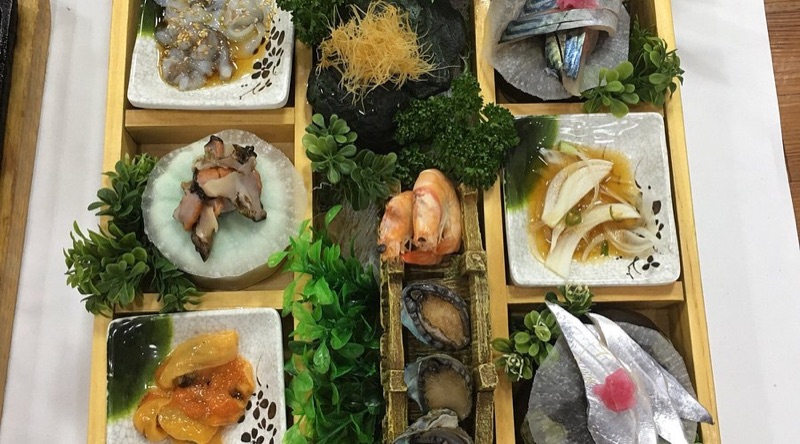
What to order: The 10-course hoe set — an overwhelming parade of fresh fish, abalone porridge, grilled fish, seafood stew, and more. The variety is staggering and the portions are enormous. Come hungry.
"Twins Raw Fish Restaurant in Seogwipo is a must-visit for foodies. Known for its 10-course meal, it offers an incredible feast of portion sizes and unparalleled freshness."
— travel review · r/koreatravel
"The seafood in Jeju was outstanding — abalone, sashimi, and grilled fish were all highlights. We stayed in Seogwipo, which was a great central base."
— r/koreatravel · Just back and sharing experience, 2025
tabiji verdict: The definitive Seogwipo sashimi experience. The 10-course spread is almost comically generous — dish after dish of fish you didn't even know you ordered. It's the "bring-your-appetite" spot and the best value for a full raw fish course in the area. Highly recommended for groups.
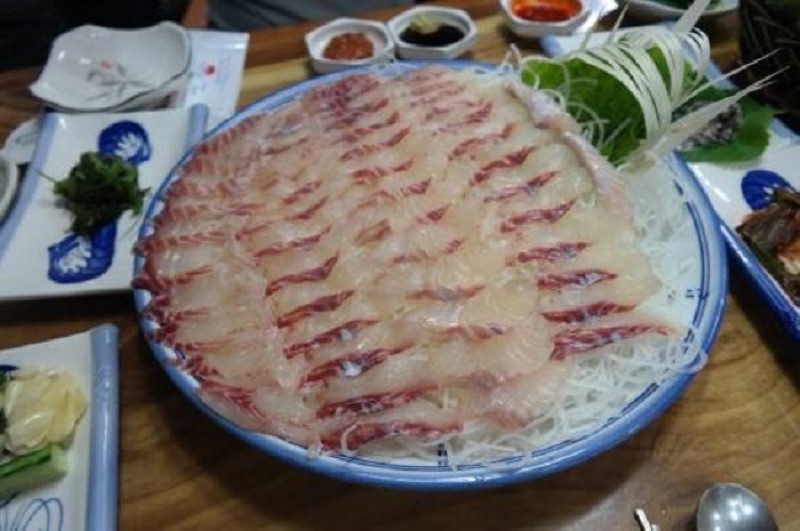
What to order: The premium hoe set course — multiple platters of the day's freshest catch, plus abalone, sea urchin, and seasonal specialties. The presentation is stunning and the fish quality is a cut above. Worth the splurge.
"Namgyeongmirak/남경미락 is a hwe(회) or sliced raw fish restaurant in the Seogwipo area of Jeju. Our most extravagant meal in Jeju and not only was it very fresh, but it was one of the best meals of 2024!"
— Instagram review · @foodie traveler, 2024
tabiji verdict: The splurge pick. Namgyeongmirak is where you go when you want the most premium raw fish experience Seogwipo offers. The multi-course presentation is gorgeous, the fish quality is immaculate, and the harbor-area location sets the mood. Reserve ahead — this place fills up fast.
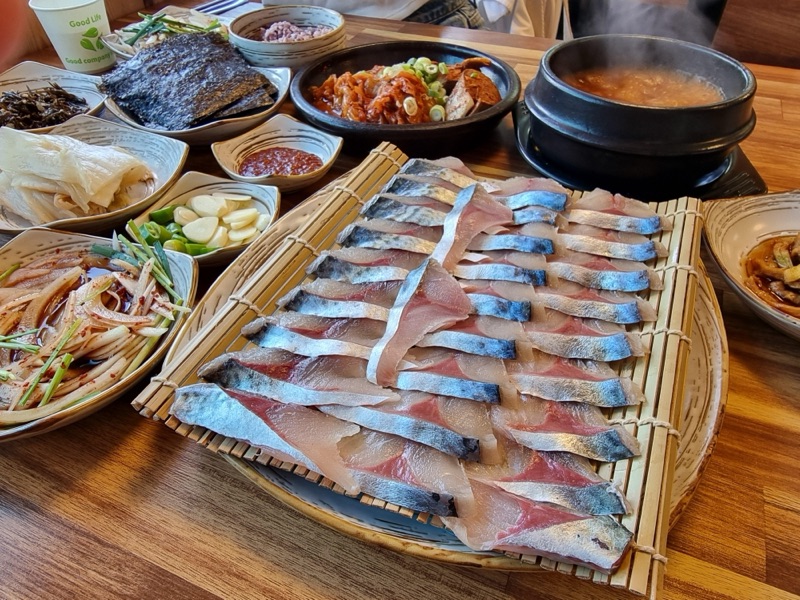
What to order: The mackerel sashimi (고등어회) — this is THE reason to come here. The mackerel is caught that morning and served within hours. Also excellent: grilled mackerel and mackerel stew. Simple, no-frills, devastatingly fresh.
"Mackeral sashimi is a delicacy only enjoyed in Jeju because it's hard to keep that fish fresh to be eaten more inland."
— r/SingaporeEats · Fresh fish in Jeju, 2025
tabiji verdict: The single most Reddit-praised sashimi spot in all of Jeju. Manseon Sikdang is a humble port-side restaurant where the mackerel sashimi will genuinely rewire your understanding of what this fish tastes like. If you've only had cooked mackerel before, prepare to be shocked. Worth the drive to Moseulpo.
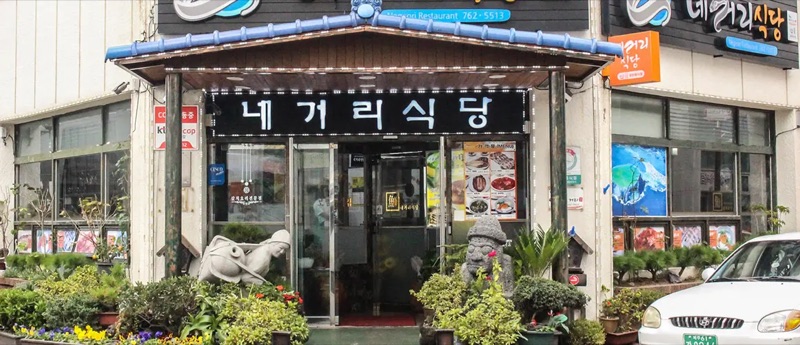
What to order: The hairtail stew (갈치조림) and grilled mackerel. Come early morning — locals order the seaweed soup and get free grilled mackerel on the side. The sea urchin seaweed soup (성게미역국) is also excellent.
"We ordered the stewed fish which was VERY tasty, goes well with rice. We also ordered the Uni seaweed soup. For the morning, most tables just order the seaweed soup, and the restaurant sends fried mackerel for free."
— Google review · Negeori Restaurant
"I originally thought this place was some touristy restaurant but when we went in the morning, it was already filled with locals. So indeed it is a popular restaurant in the area."
— Google review · Negeori Restaurant
tabiji verdict: The local's breakfast spot. Negeori isn't a sashimi-only place — it's a proper Seogwipo neighborhood restaurant where the hairtail stew and grilled mackerel are stars. Come at 7 AM, sit among the locals, and eat fresh fish for breakfast like a Jeju islander. The free mackerel with morning soup orders is a beautiful touch.
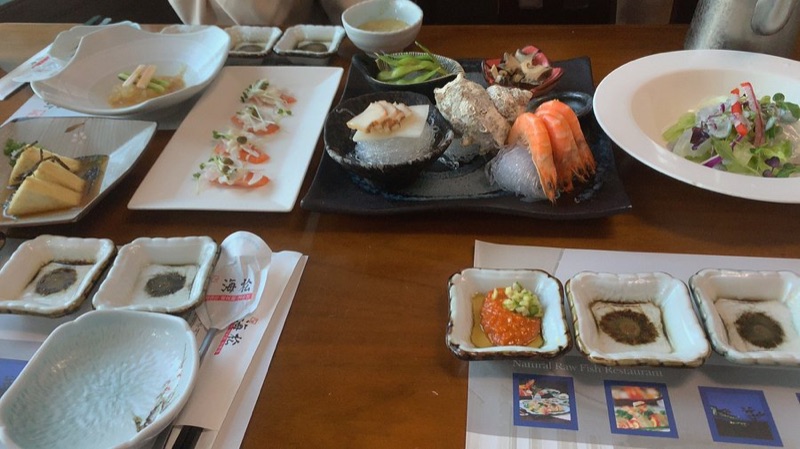
What to order: The omakase course — with only 8 seats, the chef personally prepares every piece. Expect seasonal Jeju fish you've never tried, prepared with Japanese precision but using local ingredients. Book well in advance.
"For a superlative raw fish experience, book a seat at the tiny Hachi restaurant just outside Seogwipo. With only 8 seats, it's an intimate omakase experience using the freshest Jeju catches."
— food blog · Guide to Seogwipo, 2025
tabiji verdict: The intimate, chef-driven pick. Only 8 seats means you're getting the chef's undivided attention and the absolute freshest fish of the day. It's a fusion of Japanese omakase technique with Jeju's incredible local ingredients. Reserve far in advance — this is Seogwipo's hidden gem for serious sashimi lovers.
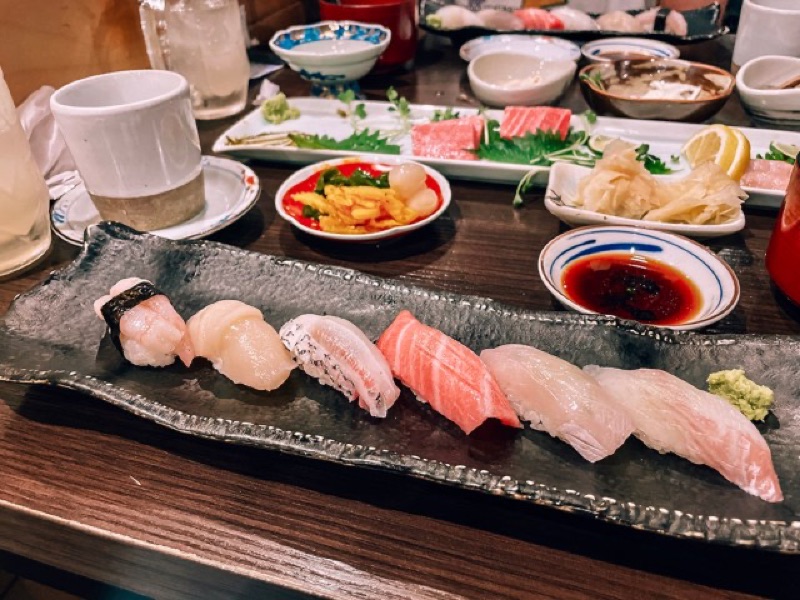
What to order: The sushi omakase — expertly crafted nigiri using Jeju-caught fish. The chef's selection changes daily based on what's freshest. Excellent for those who prefer Japanese-style preparation with Korean ingredients.
"Kou is a premium sushi restaurant in Seogwipo with a 4.7 star rating on Naver Maps and 4.5 stars on Google Maps. The quality of fish and preparation is outstanding."
— food blog · Kou Review, 2025
tabiji verdict: If you prefer Japanese-style sushi and nigiri over Korean-style hoe wraps, Kou is your spot. The chef sources daily from Jeju's waters and the preparation is meticulous. Higher price point but the quality justifies it. A quieter, more refined alternative to the bustling hoe restaurants.
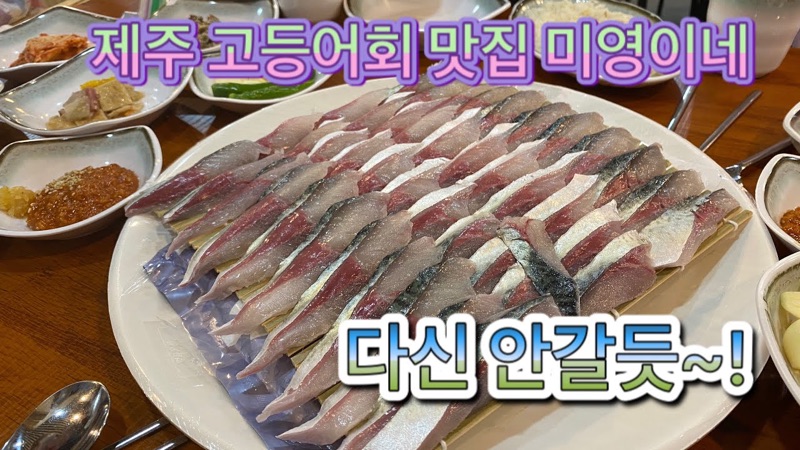
What to order: The mackerel sashimi — a local favorite that rivals Manseon Sikdang. Also try the mixed sashimi platter for variety. Simple, cozy atmosphere where the fish speaks for itself.
"Miyoung's Restaurant, located in Jeju Island, is a cozy and beloved spot frequented by locals. Here, you can savor fresh mackerel sashimi, offering a true taste of Jeju's ocean."
— travel review · Trip.com, 2026
tabiji verdict: A beloved local spot that doesn't get the tourist traffic of bigger names. Miyoung's is where Seogwipo residents go for their mackerel fix — unpretentious, affordable, and consistently fresh. If Manseon Sikdang is too far a drive, this is your mackerel sashimi alternative right in town.
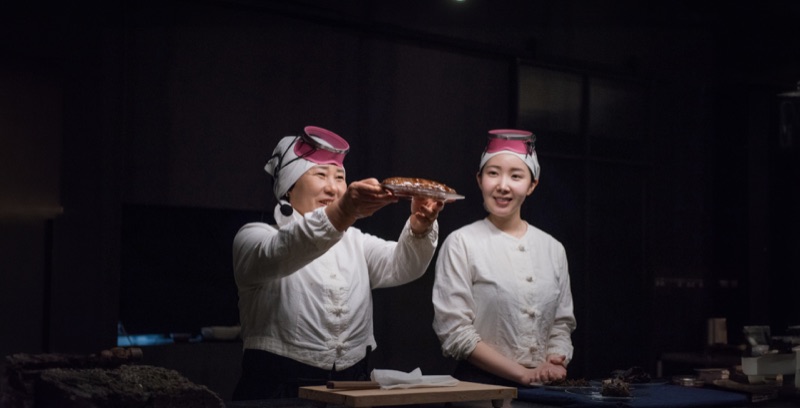
What to order: Whatever the haenyeo divers caught that day — abalone, sea urchin, conch, and various shellfish prepared simply. The experience includes watching the haenyeo dive and then eating what they've just harvested. An unforgettable Jeju cultural experience.
"Haenyeo Kitchen is one place where it is widely known that the seafood prepared is Haenyeo's fresh catch. They also have performance."
— r/Jeju · How to see Haenyeo and eat, 2023
tabiji verdict: This isn't just a meal — it's a cultural experience. The haenyeo (female free-divers) are a UNESCO-recognized tradition, and eating seafood they've just pulled from the ocean is something you can only do in Jeju. The seafood is as fresh as it gets — literally hours from ocean to plate. Worth the trip for the story alone.
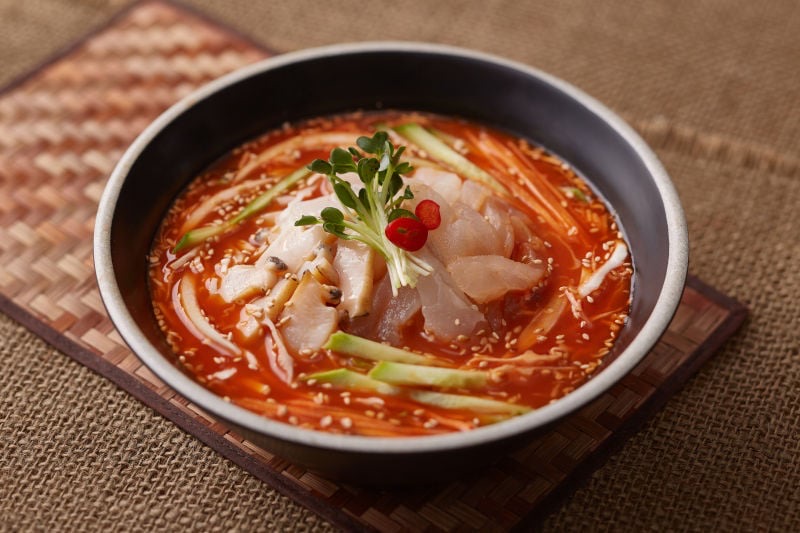
What to order: The mulhoe (물회) — Jeju's signature cold raw fish soup. Thin slices of raw fish in an icy, spicy, sweet broth with vegetables. Also try their regular hoe platter. The restaurant sources from Jeju's #1 male diver.
"Iltong-iban sells fresh seafood harvested by Jeju's No.1 male diver. I recommend trying their signature dish called 'mulhoe,' which is a cold raw fish soup."
— r/koreatravel · Jeju itinerary for 2.5 days, 2024
tabiji verdict: The mulhoe specialist. If you haven't tried mulhoe (cold raw fish soup), this is where to do it — the broth is tangy-spicy-sweet and the fish is impeccably fresh. The backstory is great too: the owner works with Jeju's top male diver for daily catches. A refreshing alternative to traditional sashimi platters, especially in summer.
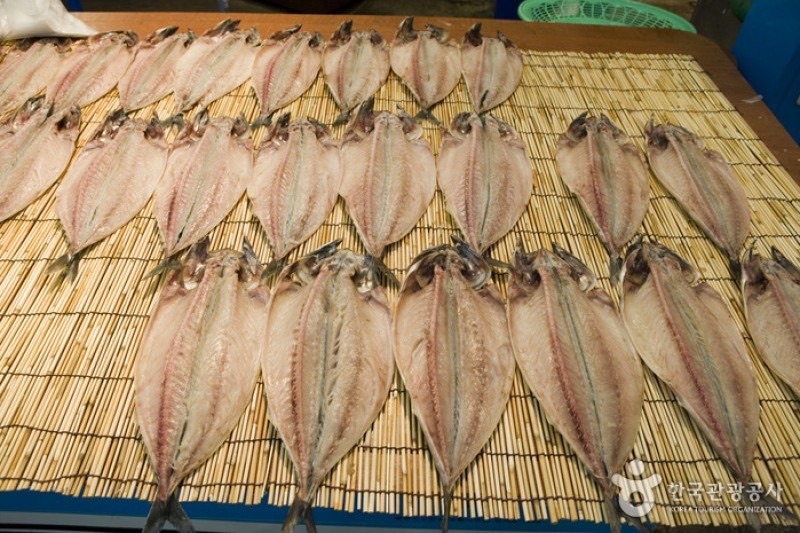
What to order: Pick a stall and point at what looks good — sashimi platters, raw abalone, sea urchin, and mixed hoe plates are all available at market prices. Many stalls let you choose your fish from the tank and they'll prepare it on the spot.
"You can buy hoe (회, raw fish) plates at the traditional markets for much less than you'd pay at a specialty restaurant."
— r/koreatravel · Cheapest food places in Jeju, 2024
"Visit their markets (Seogwipo, Jeju folk, Sehwa). And try Jeju pork soup noodle and mackerel sashimi."
— r/koreatravel · Things to do in Jeju, 2025
tabiji verdict: The budget pick and the most fun way to eat sashimi in Seogwipo. Wander the market, pick a stall that looks busy with locals, point at what you want, and eat it right there. No pretense, no reservations, just incredibly fresh fish at market prices. Pair with tangerines and street food from neighboring stalls.
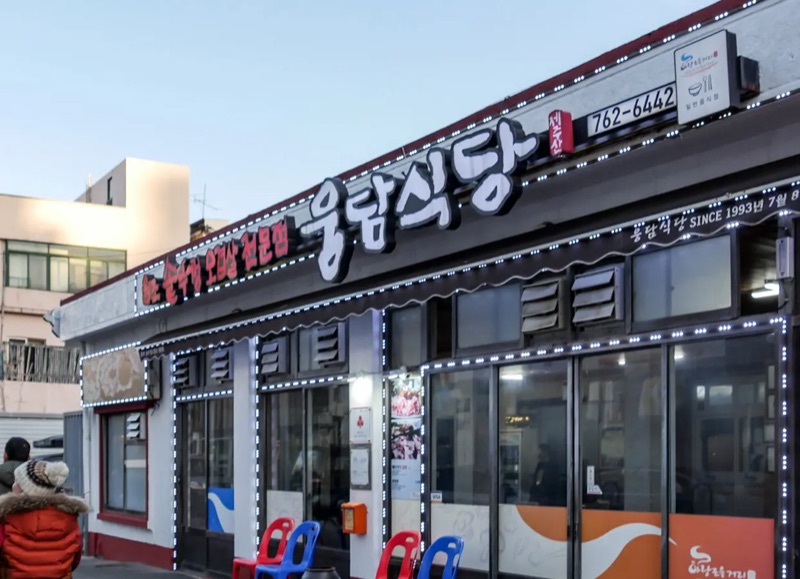
What to order: The abalone porridge (전복죽) to start, then the abalone sashimi and mixed seafood platter. Jeju abalone is famous throughout Korea — larger, meatier, and sweeter than mainland varieties. The grilled abalone is also outstanding.
"Do try tangerines, hallabong, hairtail fish, abalone, sashimi like mackerel and sweet shrimp — these are Jeju specialties you can't get as fresh anywhere else."
— r/koreatravel · Food recommendations in Jeju, 2025
tabiji verdict: The abalone specialist. Jeju produces Korea's best abalone, and Ungdam does them justice — porridge, sashimi, grilled, every way. If you love abalone, this is a must. The porridge alone is worth the visit — creamy, rich, and deeply savory. A comforting meal that's also a sashimi experience.
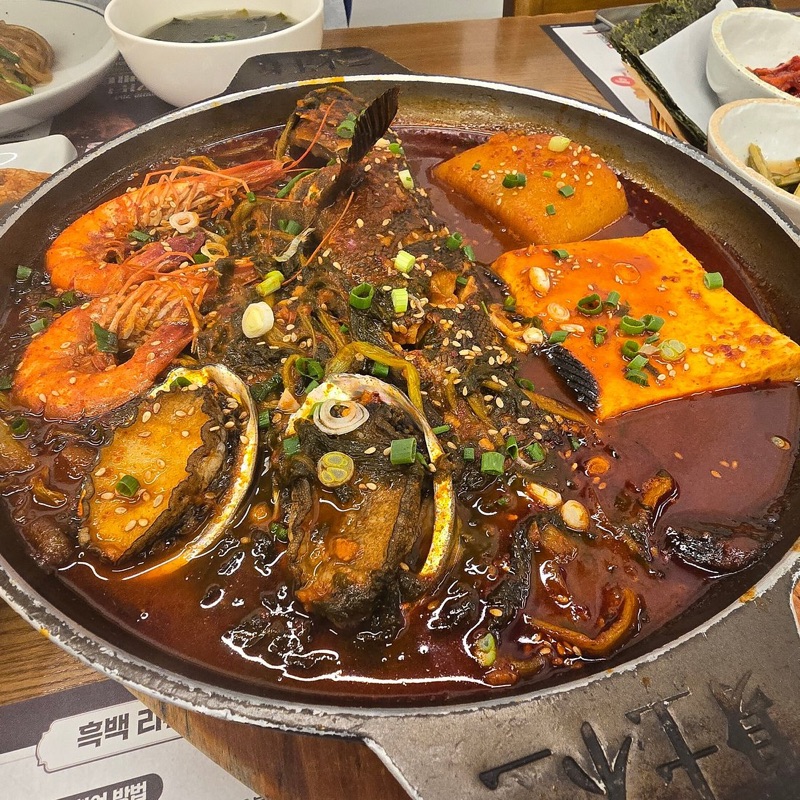
What to order: The rockfish stew (우럭탕) — a bubbling, spicy pot of fresh rockfish that's Jeju comfort food at its best. Pair it with their raw fish platter for the full experience. The combination of hot stew and cold sashimi is quintessentially Korean.
"Dinner: Gozip Dol Wooluck (famous fish stew) — this place is known for its incredible rockfish soup."
— r/koreatravel · Must eat in Jeju Island, 2024
tabiji verdict: The "stew and sashimi" combo pick. Gozip Dol Wooluck specializes in rockfish — served both as bubbling stew and as raw sashimi. The contrast of piping-hot spicy stew and chilled sashimi on the same table is peak Korean seafood dining. Perfect for cooler evenings when you want warmth and freshness in equal measure.
Frequently Asked Questions
What is hoe (회) and how is it different from Japanese sashimi?
Hoe (회, pronounced "hweh") is Korean-style raw fish. Unlike Japanese sashimi served with soy sauce and wasabi, Korean hoe comes with ssamjang (fermented paste), raw garlic, green chili peppers, and perilla leaves for wrapping. The fish is often sliced thinner and chewier. In Jeju, you'll find unique specialties like mackerel hoe (고등어회) and cutlassfish hoe (갈치회) that can only be eaten fresh on the island.
What is the best season for sashimi in Seogwipo?
Seogwipo has excellent sashimi year-round, but each season brings different specialties. Winter (Dec–Feb) is peak for hairtail and yellowtail. Spring (Mar–May) brings sea bream and abalone season. Summer (Jun–Aug) is best for octopus and squid. Fall (Sep–Nov) is mackerel season — the fish are fattiest and most flavorful. The haenyeo are most active spring through fall.
How much does sashimi cost in Seogwipo?
Budget market sashimi plates start at ₩10,000–₩20,000 ($7–$15 USD) at Seogwipo Olle Market. Mid-range restaurants serve full hoe courses for ₩30,000–₩50,000 per person ($22–$37 USD). Premium spots like Namgyeongmirak or Hachi run ₩60,000–₩120,000+ per person ($45–$90+ USD). Most visitors spend ₩30,000–₩50,000 per person for a satisfying meal.
Why is mackerel sashimi special in Jeju?
Mackerel (고등어) spoils extremely fast — within hours of being caught. On the Korean mainland, mackerel is always cooked. Only in Jeju can you eat it raw because the fish goes from ocean to plate within hours. The flavor is rich, buttery, and nothing like the fishy taste of less-fresh mackerel. Locals consider it one of Jeju's absolute must-try foods.
Do I need a car to visit sashimi restaurants in Seogwipo?
For restaurants in central Seogwipo (Olle Market, Negeori, Twins), you can walk or take a short taxi. However, the best spots like Manseon Sikdang in Moseulpo or Haenyeo Kitchen require a car or a 30–40 minute bus ride. Renting a car is highly recommended for exploring Jeju's food scene — many of the best gems are scattered along the coast.