Quick answer
Tokyo's depachika, or department store food halls, offer a culinary adventure ranging from ¥400 to ¥5,000, with Isetan Shinjuku standing out as a premium choice. This Editor-curated guide explores the best basement food halls in Tokyo, offering a diverse range of gourmet experiences.
- Best overall
- Isetan Shinjuku
- Top pick
- Isetan Shinjuku
Top verdicts
- Isetan Shinjuku: Visit after 6 PM for the prepared-food discount stickers — a Tokyo insider trick.
- Nihombashi Mitsukoshi Main Store: Pair with the Nihombashi Takashimaya across the street for a full heritage-depachika afternoon.
- Daimaru Tokyo: Best Tokyo Station bento source on the planet — go before any long-distance train ride.
Depachika (デパ地下) — literally "department store basement" — are one of Japan's greatest contributions to food culture. These sprawling underground food halls beneath Tokyo's department stores are temples of gastronomy: immaculately packaged wagashi, picture-perfect bento, free samples galore, sake tastings, and some of the freshest seafood and produce you'll find anywhere.
Area map
All 12 spots at a glance
| # | Name | Style | Price | Area |
|---|---|---|---|---|
| 1 | Isetan Shinjuku | premium | mid | 3-chōme-14-1 Shinjuku, Shinjuku City, Tokyo 160-0022, Japan |
| 2 | Nihombashi Mitsukoshi Main Store | heritage | mid | 4-chōme-6-16 Ginza, Chuo City, Tokyo 104-8212, Japan |
| 3 | Daimaru Tokyo | bento | mid | 1-chōme-9-1 Marunouchi, Chiyoda City, Tokyo 100-6701, Japan |
| 4 | Ginza Mitsukoshi | luxury | mid | 2-chōme-4-1 Nihonbashi, Chuo City, Tokyo 103-8265, Japan |
| 5 | Shibuya Tokyu Foodshow | station-connected | mid | Japan, 〒150-0043 Tokyo, Shibuya, Dōgenzaka, 1-chōme−12−1 渋谷マークシティ 1階・ 地下1階/し ぶちか |
| 6 | Ikebukuro Tobu | mega | mid | 1-chōme-1-25 Nishiikebukuro, Toshima City, Tokyo 171-8512, Japan |
| 7 | GINZA SIX | modern | mid | 6-chōme-10-1 Ginza, Chuo City, Tokyo 104-0061, Japan |
| 8 | Nihonbashi Takashimaya | classic | mid | 5-chōme-24-2 Sendagaya, Shibuya, Tokyo 151-0051, Japan |
| 9 | Takashimaya Times Square | all-rounder | mid | 1-chōme-28-28-1 Minamiikebukuro, Toshima City, Tokyo 171-8569, Japan |
| 10 | SEIBU Ikebukuro | hidden-gem | mid | 1-chōme-5-1 Nishishinjuku, Shinjuku City, Tokyo 160-8001, Japan |
| 11 | Odakyu Shinjuku | nostalgic | mid | 3-chōme-6-1 Ginza, Chuo City, Tokyo 104-8130, Japan |
| 12 | Matsuya Ginza | sweets | mid | 1-chōme-4-1 Nihonbashimuromachi, Chuo City, Tokyo 103-8001, Japan |
1Isetan Shinjuku
PremiumQuick comparison
- Best for
- Polished first-time depachika
- Strengths
- Known for Premium · 3-chōme-14-1 Shinjuku, Shinjuku City, Tokyo 160-0022, Japan
- Price / value
- ¥500–¥3,000
- Why it made the list
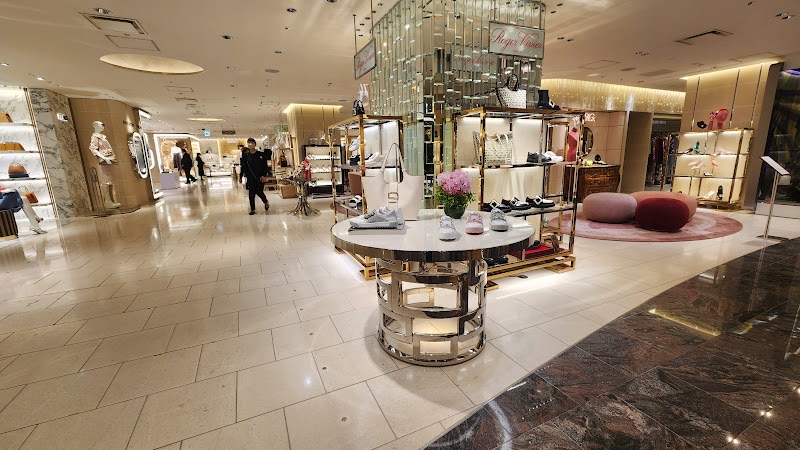
- Isetan Shinjuku is the most-cited depachika in any English-language Tokyo guide — Kitchen Stage's rotating guest chefs and an immaculate bento and wagashi floor make it the polished benchmark.
- What to order
- A premium bento, a piece of nama-namagashi from the wagashi counter, and whatever's at Kitchen Stage.
2Nihombashi Mitsukoshi Main Store
HeritageQuick comparison
- Best for
- Heritage depachika experience
- Strengths
- Known for Heritage · 4-chōme-6-16 Ginza, Chuo City, Tokyo 104-8212, Japan
- Price / value
- ¥500–¥5,000
- Why it made the list
- The Nihombashi Mitsukoshi flagship is Tokyo's heritage depachika — the building dates to 1914 and the food hall is run with the same heritage seriousness.
- What to order
- Tea-house wagashi, a heritage onigiri shop bento, and any of the long-line dessert counters.
3Daimaru Tokyo
BentoQuick comparison
- Best for
- Pre-shinkansen ekiben stop
- Strengths
- Known for Bento · 1-chōme-9-1 Marunouchi, Chiyoda City, Tokyo 100-6701, Japan
- Price / value
- ¥500–¥2,500
- Why it made the list
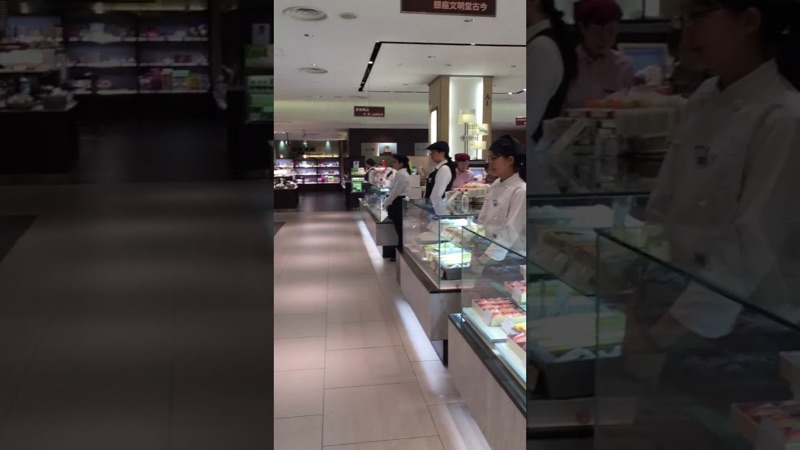
- Daimaru sits directly above Tokyo Station with over 1,000 bento varieties — engineered for shinkansen passengers and arguably the city's best ekiben source.
- What to order
- An ekiben for the train and a takeaway dessert from the wagashi counter.
4Ginza Mitsukoshi
LuxuryQuick comparison
- Best for
- Luxury Ginza omiyage
- Strengths
- Known for Luxury · 2-chōme-4-1 Nihonbashi, Chuo City, Tokyo 103-8265, Japan
- Price / value
- ¥600–¥5,000
- Why it made the list
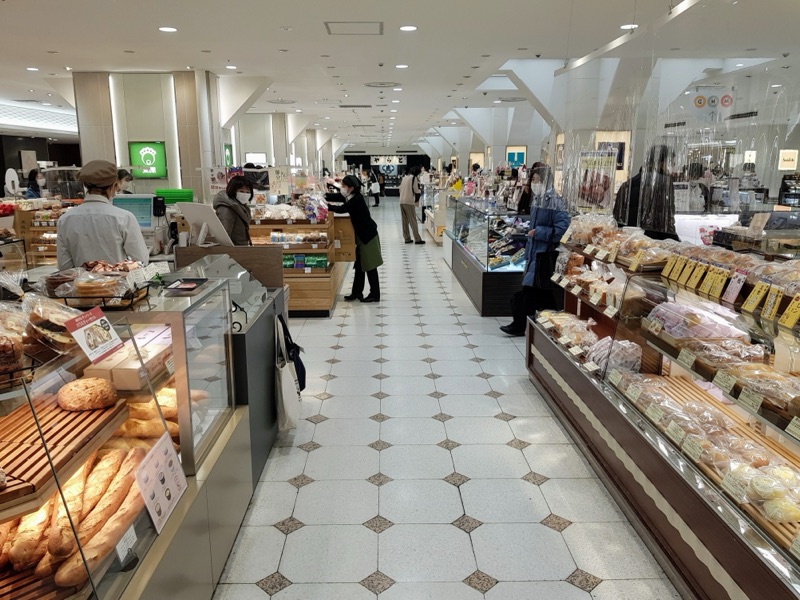
- Ginza Mitsukoshi is the luxury-Ginza face of the chain — designer wagashi, premium fruit, and high-end gift packaging at a step above the average depachika.
- What to order
- Premium fruit (a single luxury melon if you're feeling extravagant) and beautifully packaged wagashi for omiyage.
5Shibuya Tokyu Foodshow
Station-ConnectedQuick comparison
- Best for
- Eat-in Shibuya transit stop
- Strengths
- Known for Station-Connected · Japan, 〒150-0043 Tokyo, Shibuya, Dōgenzaka, 1-chōme−12−1 渋谷マークシティ 1階・ 地下1階/し ぶちか
- Price / value
- ¥400–¥2,000
- Why it made the list
- Shibuya Tokyu Foodshow is the rare depachika built for eat-in — Shibuya Stand's standing counters let you skip the takeaway-only model.
- What to order
- A bento and a craft beer at one of the standing counters.

6Ikebukuro Tobu
MegaQuick comparison
- Best for
- Maximalist 200-stall mega-hall
- Strengths
- Known for Mega · 1-chōme-1-25 Nishiikebukuro, Toshima City, Tokyo 171-8512, Japan
- Price / value
- ¥400–¥3,000
- Why it made the list
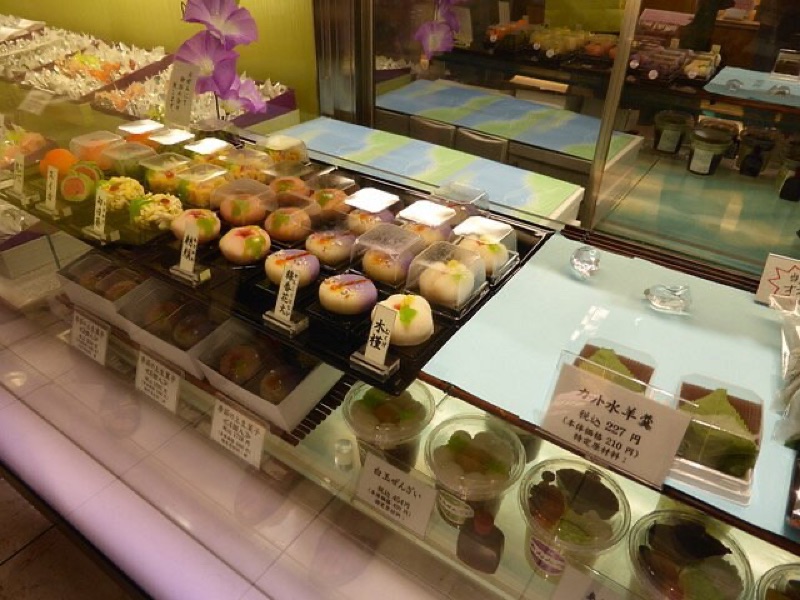
- Ikebukuro Tobu is Tokyo's largest depachika — over 200 stalls and a floor plan that takes serious time to navigate.
- What to order
- Plan to graze 4–5 stalls; treat it like a market crawl, not a single-stall stop.
7GINZA SIX
ModernQuick comparison
- Best for
- Modern boutique depachika
- Strengths
- Known for Modern · 6-chōme-10-1 Ginza, Chuo City, Tokyo 104-0061, Japan
- Price / value
- ¥600–¥4,000
- Why it made the list
- GINZA SIX represents the modern depachika model — fewer, more curated stalls in a designer-store setting, with international and Japanese brands side by side.
- What to order
- Whatever brand collaboration is rotating; the floor refreshes more often than the heritage halls.

8Nihonbashi Takashimaya
ClassicQuick comparison
- Best for
- Classic heritage depachika
- Strengths
- Known for Classic · 5-chōme-24-2 Sendagaya, Shibuya, Tokyo 151-0051, Japan
- Price / value
- ¥500–¥4,000
- Why it made the list
- The Nihonbashi Takashimaya depachika is the more traditional half of the Nihombashi heritage pair — and home to the Shunpanro fugu eat-in counter.
- What to order
- An eat-in fugu set at Shunpanro, or a heritage wagashi for takeaway.

9Takashimaya Times Square
All-RounderQuick comparison
- Best for
- All-rounder Shinjuku depachika
- Strengths
- Known for All-Rounder · 1-chōme-28-28-1 Minamiikebukuro, Toshima City, Tokyo 171-8569, Japan
- Price / value
- ¥400–¥3,000
- Why it made the list
- The Shinjuku Times Square Takashimaya is the everyday all-rounder — broad selection, less crowded than Isetan, easier sightlines for first-timers.
- What to order
- A bento, a slice of cheesecake from one of the patisserie counters, and a takeaway tea.
10SEIBU Ikebukuro
Hidden GemQuick comparison
- Best for
- Calmer Ikebukuro alternative
- Strengths
- Known for Hidden Gem · 1-chōme-5-1 Nishishinjuku, Shinjuku City, Tokyo 160-8001, Japan
- Price / value
- ¥400–¥2,500
- Why it made the list
- SEIBU Ikebukuro is the quieter cousin to Tobu in the same neighborhood — a less-visited option with an equally serious bento and wagashi floor.
- What to order
- A bento and a wagashi for the train back into central Tokyo.

11Odakyu Shinjuku
NostalgicQuick comparison
- Best for
- Showa-era Shinjuku flavor
- Strengths
- Known for Nostalgic · 3-chōme-6-1 Ginza, Chuo City, Tokyo 104-8130, Japan
- Price / value
- ¥400–¥2,000
- Why it made the list
- Odakyu Shinjuku is the older, more nostalgic option in Shinjuku — smaller scale, classic stalls, and more Showa-era atmosphere than the polished Isetan.
- What to order
- An old-school bento and a piece of dorayaki from one of the wagashi counters.

12Matsuya Ginza
SweetsQuick comparison
- Best for
- Ginza wagashi and gift box
- Strengths
- Known for Sweets · 1-chōme-4-1 Nihonbashimuromachi, Chuo City, Tokyo 103-8001, Japan
- Price / value
- ¥500–¥3,000
- Why it made the list
- Matsuya Ginza is the chain's smaller Ginza flagship and a wagashi-and-sweets stronghold — a quieter alternative to Mitsukoshi's tourist crush.
- What to order
- A box of seasonal wagashi and one of the limited-edition cake collaborations.

Frequently asked questions
What is a depachika?
Depachika (デパ地下) is a portmanteau of 'depato' (department store) and 'chika' (underground/basement). These are the basement food halls of Japanese department stores, featuring everything from gourmet bento boxes and wagashi (Japanese sweets) to fresh produce, sake, and international delicacies. They're a cornerstone of Japanese food culture and a must-visit for any food lover in Tokyo.
Can you eat inside a depachika?
Most depachika are designed for takeaway — you buy food to eat at home or elsewhere. However, some have evolved to include eat-in options: Shibuya Tokyu Foodshow has standing counters (Shibuya Stand), Isetan Shinjuku has Kitchen Stage with guest chefs, and Nihonbashi Takashimaya has the Shunpanro fugu counter. A popular strategy is to buy food at the depachika and eat it in a nearby park or rooftop garden.
What time do depachika close?
Most Tokyo depachika follow their parent department store hours: typically 10:00 AM to 8:00 PM (20:00). Some close at 7:30 PM. A major insider tip: visit in the evening (after 6 PM) when many stalls discount prepared foods with special sale stickers — you can get premium bento at 20-50% off.
Which depachika is best for first-timers?
For first-timers, Isetan Shinjuku or Daimaru Tokyo are the best starting points. Isetan is well-organized and easy to navigate with clear sections. Daimaru is conveniently located at Tokyo Station with 1,000+ bento varieties — perfect if you're catching a shinkansen. For the most overwhelming (in a good way) experience, try Ikebukuro Tobu — Tokyo's largest depachika with 200+ stalls.
How much should I budget for depachika food?
A basic bento runs ¥600–¥1,200 ($4–8 USD). Premium bento and specialty items range ¥1,500–¥3,000. Wagashi and sweets start around ¥300–¥500 per piece. Luxury fruit can be eye-wateringly expensive (¥5,000+ for a single melon). For a satisfying depachika meal with a few treats, budget ¥1,500–¥3,000 ($10–20 USD). Evening discounts can cut that significantly.
Are depachika good for souvenirs (omiyage)?
Depachika are arguably the BEST place in Tokyo for omiyage (food souvenirs/gifts). Japanese gift-giving culture demands beautiful packaging, and depachika excel at this. Popular omiyage include Tokyo Banana, beautifully boxed wagashi, regional cookies and cakes, and premium tea. Daimaru Tokyo and Ginza Six are particularly strong for gift shopping. Most items come perfectly packaged and ready to give.
What's the difference between depachika in Ginza vs Shinjuku vs Ikebukuro?
Each area has its own personality: Ginza depachika (Mitsukoshi, Matsuya, Ginza Six) are the most luxurious — designer sweets, premium everything, higher prices. Shinjuku (Isetan, Takashimaya, Odakyu) offer the best range from premium to everyday. Ikebukuro (Tobu, Seibu) are the biggest and most value-oriented — great for serious food shopping without the Ginza markup.