Quick answer
Tokyo's morning markets range from world-famous fish markets open at dawn to charming weekend flea markets and antique fairs. Tsukiji Outer Market remains the #1 must-visit for food lovers, while the Oedo Antique Market is the top pick for vintage and souvenir hunters.
- Best for food
- Tsukiji Outer Market — 4.2★ (55,374 reviews)
- Best for antiques
- Oedo Antique Market — 250+ vendors
- Best for produce
- Aoyama Farmers Market — 4.3★
- Last verified
- 2026-03
Top verdicts
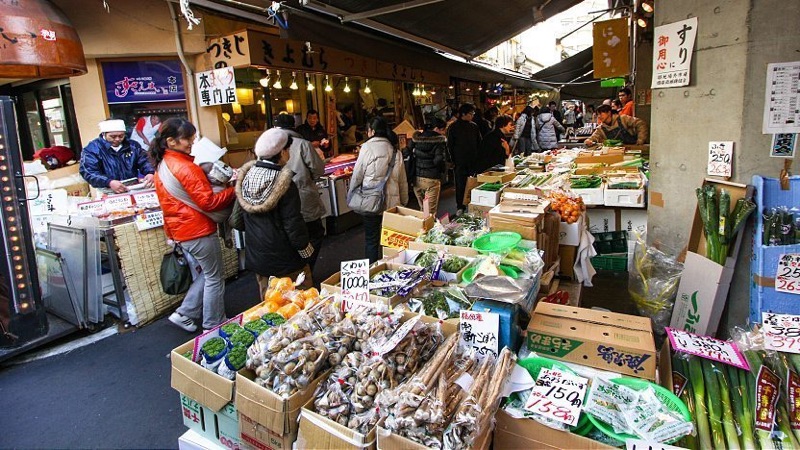
- Tsukiji Outer Market: Still the king — 400+ stalls of fresh seafood, street food, and kitchen supplies.
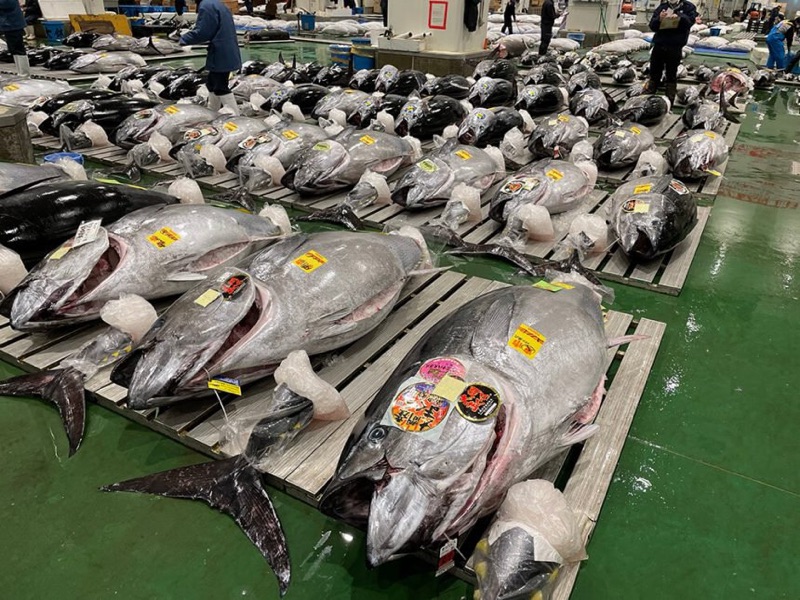
- Toyosu Market: The tuna auction is a bucket-list experience, but arrive before 5:30 AM.
- Oedo Antique Market: Japan's largest outdoor antique market — perfect for unique souvenirs.
Tokyo's morning markets range from free entry to ¥100,000+, with Tsukiji Outer Market being the top recommendation for most tourists due to its accessibility and street food options. This guide covers the best fish, antique, flea, and farmers markets in Tokyo, offering a diverse range of experiences for early risers and bargain hunters.
Tokyo is one of the greatest market cities in the world. Whether you're chasing the freshest sushi at dawn, hunting for Edo-period ceramics, or browsing organic vegetables from Japanese farms, there's a morning market for every type of traveler.
We analyzed hundreds of Reddit posts from r/JapanTravelTips, r/JapanTravel, r/TokyoTravel, and r/japanlife to find the markets that actual travelers and Tokyo residents recommend. The city's market scene spans four distinct categories: fish/food markets (daily), antique fairs (periodic), flea markets (weekends), and farmers markets (weekends). This guide covers all four, with practical tips on timing, transport, and what to buy.
Morning Market Map
How we built this list
We analyzed 400+ Reddit posts and thousands of comments across r/JapanTravelTips, r/JapanTravel, r/TokyoTravel, and r/japanlife — spanning 2019 to 2026. Markets were ranked by how frequently they were recommended, the quality of the experience described, and practical accessibility for tourists. We cross-referenced with Google Places data for ratings, hours, and current status.
1Tsukiji Outer Market
Seafood & Street FoodQuick comparison
- Best for
- Fresh sushi breakfast, street food grazing, kitchen supplies
- Strengths
- 400+ stalls, incredible variety, decades of foodie reputation
- Limitations
- Tourist-heavy; prices at entrance stalls are inflated
- Best time
- 7–9 AM weekdays (avoid weekends if possible)
- Why it made the list
- Even after the wholesale market moved to Toyosu, the outer market remains a world-class food destination. Go deeper into the market past the tourist traps for the real gems. The tamagoyaki, fresh oysters, and standing sushi counters are unbeatable.
2Toyosu Market
Wholesale Fish MarketQuick comparison
- Best for
- Tuna auction viewing, world-class omakase breakfast
- Strengths
- The real deal — where Tokyo's top sushi chefs source their fish
- Limitations
- Industrial feel, requires very early arrival, long restaurant waits
- Best time
- 5–5:30 AM for auction, 7–8 AM for restaurants
- Why it made the list
- Nothing like lining up at dawn to watch multi-million-yen tuna change hands. Sushi Dai and Daiwa Sushi are legendary but expect 1–3 hour waits. The newer restaurants in the facility are less crowded and just as good.
🕐 Hours
3Oedo Antique Market
Antiques & VintageQuick comparison
- Best for
- Vintage kimono, ceramics, woodblock prints, unique souvenirs
- Strengths
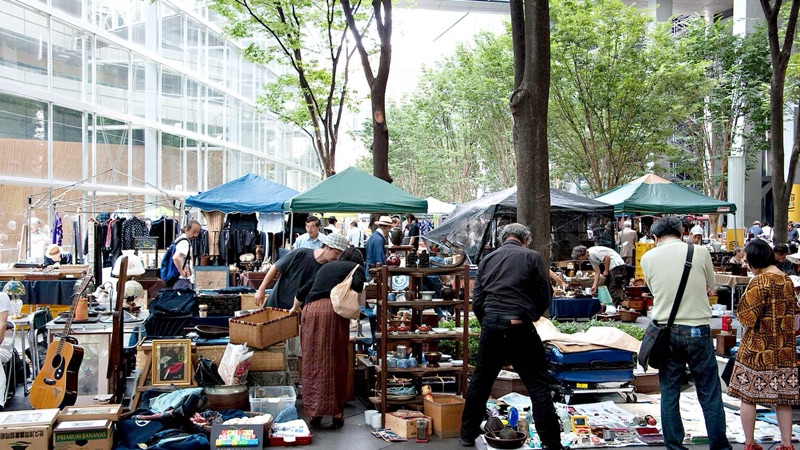
- 250+ vendors, incredible variety, beautiful setting at Tokyo International Forum
- Limitations
- Only held on 1st and 3rd Sundays — plan your trip around it
- Best time
- 9–10 AM for best selection
- Why it made the list
- This is where serious collectors and casual browsers alike find incredible Japanese antiques at fair prices. Vintage kimono from ¥500, ceramic tea sets, old maps, traditional crafts. The glass-roofed Forum courtyard is stunning even if you don't buy anything.
🕐 1st & 3rd Sundays only
4Tokyo City Flea Market
Flea MarketQuick comparison
- Best for
- Secondhand clothing, household goods, vintage finds, people-watching
- Strengths
- Huge scale, great prices, fun atmosphere with food vendors
- Limitations
- Weekends only, can get crowded by late morning, quality varies
- Best time
- 9 AM sharp for the best finds
- Why it made the list
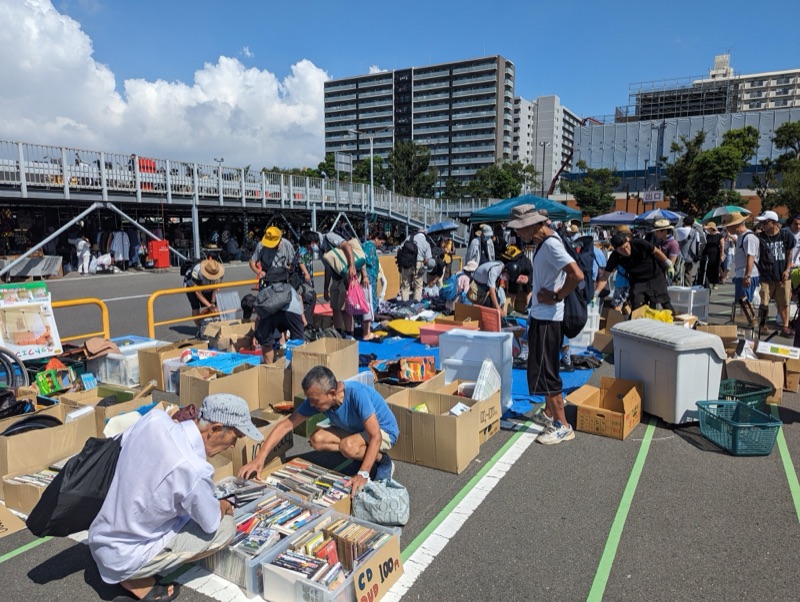
- The sheer scale is impressive — hundreds of vendors selling everything from ¥100 clothing to vintage cameras. Many of the same vendors appear at multiple Tokyo flea markets, but the racecourse setting gives this one extra charm. Great for a lazy weekend morning browse.
🕐 Weekends only
5Aoyama Farmers Market
Farmers MarketQuick comparison
- Best for
- Organic produce, artisanal food, craft coffee, local atmosphere
- Strengths
- High-quality vendors, beautiful Aoyama setting, great people-watching
- Limitations
- Weekends only, 10 AM start means it's not an early morning market
- Best time
- 10–11 AM Saturday for best selection
- Why it made the list
- This is the Tokyo market experience for those who prefer organic miso paste and craft granola over tuna auctions. Farmers from across Japan sell seasonal produce, pickles, and preserves. The surrounding area (Omotesando, Harajuku) makes for a perfect half-day outing.
🕐 Weekends only

6Harmonica Yokocho Morning Market
Local Morning MarketQuick comparison
- Best for
- Local atmosphere, handmade crafts, fresh produce, authentic vibes
- Strengths
- Off the tourist trail, charming alleyway setting, great local food stalls
- Limitations
- Morning market is only on 2nd Sundays, small scale
- Best time
- 2nd Sunday of the month, early morning
- Why it made the list
- Harmonica Yokocho is a nostalgic maze of tiny bars, restaurants, and shops near Kichijoji Station. The morning market transforms the alley into a bustling local scene with vendors selling fresh bread, vegetables, and handmade goods. Combine with a stroll around Inokashira Park for the perfect morning.
🕐 Yokocho daily / Morning market 2nd Sunday

7Hanazono Shrine Antique Market
AntiquesQuick comparison
- Best for
- Antique ceramics, vintage kimono, traditional crafts
- Strengths
- Beautiful shrine setting in the heart of Shinjuku, spiritual atmosphere
- Limitations
- Periodic schedule (check website), smaller than Oedo
- Best time
- Morning on market days
- Why it made the list
- Hanazono Shrine has hosted antique fairs for decades. The combination of the tranquil shrine grounds and eclectic antique vendors creates an atmosphere you won't find at any indoor market. After browsing, explore the Golden Gai bar district just steps away.

8Tomioka Hachimangu Antique Fair
Antiques & CollectiblesQuick comparison
- Best for
- Serious antique collectors, traditional Japanese crafts, ceramics
- Strengths
- More curated and intimate than larger flea markets, knowledgeable vendors
- Limitations
- Only on 1st, 15th, and 28th of each month, smaller scale
- Best time
- Morning on market days (1st, 15th, 28th)
- Why it made the list
- Tomioka Hachimangu is a historic shrine in the Fukagawa area, and its antique fair attracts serious collectors. The vendors here tend to be more specialized and knowledgeable than at the larger flea markets. Combine with exploring the Fukagawa neighborhood — one of Tokyo's most atmospheric old-town areas.

9Yanaka Ginza Shopping Street
Historic Shopping StreetQuick comparison
- Best for
- Traditional snacks, cat-themed souvenirs, old-Tokyo atmosphere
- Strengths
- Year-round, daily operation, charming shotengai vibes, cat culture
- Limitations
- Not a "market" in the traditional sense — more a shopping street
- Best time
- 10 AM weekdays for quiet exploration
- Why it made the list
- Yanaka Ginza is a 170m stretch of old-style shops selling croquettes, senbei, menchi-katsu, and handmade crafts. The Yuyake Dandan (Sunset Steps) at the entrance offers one of Tokyo's most photogenic views. The surrounding Yanaka area is full of temples, historic cemeteries, and neighborhood cats.

10Adachi Market
Wholesale Fish MarketQuick comparison
- Best for
- Authentic wholesale market experience, fresh seafood without crowds
- Strengths
- Zero tourist crowds, genuine working market, special Market Days with public access
- Limitations
- Far from central Tokyo, very early hours, limited public access days
- Best time
- 8:00–10:00 AM on "Adachi Market Day" (2nd Sat of odd months)
- Why it made the list
- If you want the authentic Tokyo wholesale fish market experience that Tsukiji used to offer, Adachi is it. The bimonthly Market Day events let the public in to buy fresh seafood and eat at market restaurants. It's the real deal — working fishmongers, wholesale pricing, zero Instagram influencers.
🕐 Very early mornings

11Setagaya Boroichi Market
Historic Flea MarketQuick comparison
- Best for
- Historic experience, traditional crafts, winter festival atmosphere
- Strengths
- 440+ years of history, 700+ stalls, deeply cultural event
- Limitations
- Only 4 days per year (mid-Dec and mid-Jan), extremely crowded
- Best time
- Early morning on market days to beat crowds
- Why it made the list
- Boroichi ("rag market") has been running since 1578. Today it features 700+ stalls selling antiques, used clothing, plants, pottery, and traditional foods. The market draws 200,000+ visitors over its 4 days — it's a genuine Tokyo cultural event. If your trip coincides, don't miss it.

12Nakano Broadway
Otaku & CollectiblesQuick comparison
- Best for
- Manga, anime figures, vintage toys, retro games, rare collectibles
- Strengths
- Unmatched density of specialty shops, Mandarake flagship stores
- Limitations
- Niche appeal — if you're not into otaku culture, it's less interesting
- Best time
- Weekday mornings (opens ~10 AM) for browsing without crowds
- Why it made the list
- While not a traditional "morning market," Nakano Broadway is Tokyo's greatest treasure hunt for collectors. The Mandarake stores alone span multiple floors selling everything from ¥100 manga to ¥1M vintage toys. The Sunday morning market in the nearby Nakano Sun Plaza area adds extra flea-market fun.

FAQ
What time should I arrive at Tokyo's morning markets?
For Tsukiji Outer Market, arrive by 7–8 AM for the best selection and fewer crowds. Toyosu Market's tuna auction viewing opens at 5:30 AM — get there by 5 AM. Flea markets and antique fairs typically start at 9 AM. The Aoyama Farmers Market opens at 10 AM on weekends. General rule: earlier is always better for fish markets, and opening time is fine for flea markets.
Is Tsukiji or Toyosu better for tourists?
Tsukiji Outer Market is better for most tourists — it's more accessible, has more street food stalls, and doesn't require an early wake-up. Toyosu is the actual wholesale fish market with the famous tuna auction, but it's more industrial and less atmospheric. Reddit consensus: visit Tsukiji for eating, Toyosu only if you want to see the auction. Many travelers do both — Toyosu first at dawn, then Tsukiji for breakfast.
Are Tokyo's flea markets worth visiting?
Absolutely. Tokyo's flea markets are some of the best in the world. The Oedo Antique Market (1st and 3rd Sundays) has 250+ vendors. Tokyo City Flea Market at Oi Racecourse is massive. Prices are very reasonable. Bring cash — most vendors don't accept cards.
What should I eat at Tsukiji Outer Market?
Must-try items: fresh sushi and sashimi at standing counters, tamagoyaki (Japanese rolled omelet), grilled seafood skewers (scallops, crab legs, uni), fresh oysters, and matcha treats. Budget ¥3,000–¥5,000 for a full breakfast. Venture deeper into the market past the entrance stalls for better quality and prices.
Which Tokyo markets are open on weekdays?
Tsukiji Outer Market is open daily (individual stalls vary). Toyosu Market is open Monday–Saturday except Wednesdays. Yanaka Ginza shops are open daily. Adachi Market is open Monday–Saturday mornings. Most flea and antique markets are weekend-only.
How do I get to Toyosu Market for the tuna auction?
Take the Yurikamome Line to Shijo-mae Station. For the tuna auction viewing deck, arrive before 5:30 AM. The auction is viewed from behind glass — you can't walk on the floor. After watching, head to the restaurant area for fresh sushi breakfast.
What's the best flea market for antiques and souvenirs?
The Oedo Antique Market at Tokyo International Forum is the top pick — Japan's largest outdoor antique market with 250+ vendors. Vintage kimono from ¥500, ceramics, ukiyo-e prints, and traditional crafts. Tomioka Hachimangu (1st, 15th, 28th monthly) is smaller but more charming. Hanazono Shrine in Shinjuku is also excellent.
🎫 Book Tokyo Experiences
Tours and activities hand-picked for this guide — book with free cancellation