Quick answer
Tokyo has one of the world's great street food scenes — but it's spread across markets, festival stalls, and atmospheric covered alleys rather than one single district.
- Best overall
- Tsukiji Outer Market
- Top pick
- Tsukiji Outer Market
Top verdicts
- Tsukiji Outer Market: Morning seafood crawl — the freshest ingredients in Tokyo, eaten steps from the stall
- Ameya-Yokocho (Ameyoko) Market: Budget street eating in a lively, historic market atmosphere near Ueno
- Shibuya Yokocho: A yakitori and izakaya-style evening in a central, easy-to-find location
Takoyaki octopus balls from a sizzling griddle, thick yakisoba noodles tossed in smoky sauce, skewers of perfectly charred yakitori, fish-shaped taiyaki filled with sweet red bean paste — these are the flavours that define eating on the move in Tokyo. Add the Tsukiji Outer Market's morning seafood ritual and the neon-lit yokocho drinking alleys, and you have a complete street food itinerary.
Area map
All 7 spots at a glance
| # | Name | Style | Price | Area |
|---|---|---|---|---|
| 1 | Tsukiji Outer Market | Market | mid | Tsukiji |
| 2 | Ameya-Yokocho (Ameyoko) Market | Market | budget | Ueno |
| 3 | Shibuya Yokocho | Yokocho | mid | Shibuya |
| 4 | Takoyaki Stalls (Asakusa / Shinjuku) | Takoyaki | budget | Asakusa / Shinjuku |
| 5 | Yakitori Alleys (Yurakucho / Omoide Yokocho) | Yakitori | budget | Yurakucho / Shinjuku |
| 6 | Yakisoba & Festival Stalls | Noodle | budget | Citywide |
| 7 | Taiyaki Shops | Sweets | budget | Citywide |
1Tsukiji Outer Market
MarketQuick comparison
- Best for
- Morning seafood crawl — the freshest ingredients in Tokyo, eaten steps from the stall
- Strengths
- Known for Market
- Limitations
- Gets very crowded after 10 AM; arrive early. Most stalls close by 2 PM.
- Why it made the list
- No Tokyo street food list is complete without Tsukiji. The outer market survived the inner market's move to Toyosu and remains the go-to for fresh street eating. Every Reddit thread on Tokyo food mentions it first.
- What to order
- Tamagoyaki from Tsukuji Yamachiku, fresh oysters from any vendor with a queue, uni toast, grilled scallops with soy and butter. Pick up a tuna skewer for the walk.

2Ameya-Yokocho (Ameyoko) Market
MarketQuick comparison
- Best for
- Budget street eating in a lively, historic market atmosphere near Ueno
- Strengths
- Known for Market
- Limitations
- Very crowded on weekends; some tourist-facing stalls are overpriced — look for ones with locals queuing
- Why it made the list
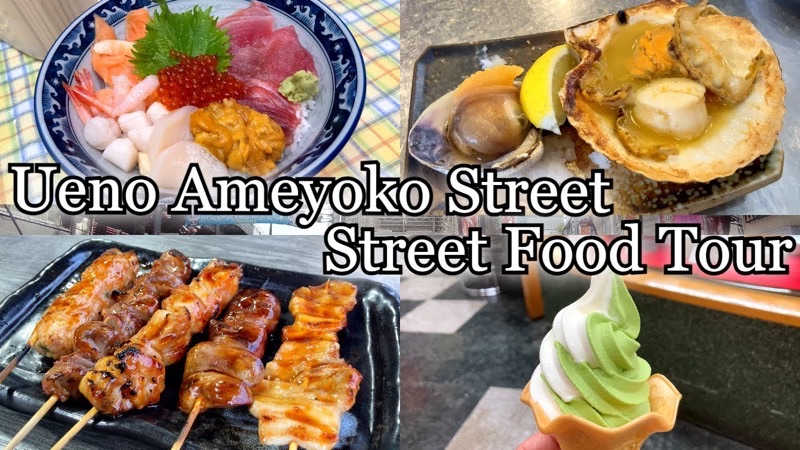
- Redditors consistently recommend Ameyoko as a must-see and must-eat. The post-war black market atmosphere survives in the cramped alleys, and the food stalls have served the same staples for decades. Pick up dried fruits and nuts to snack on between stops.
- What to order
- Grilled squid on a stick, takoyaki, fresh fruit skewers, tapioca drinks, and dried seafood snacks. Ask prices before ordering at crowded stalls.
3Shibuya Yokocho
YokochoQuick comparison
- Best for
- A yakitori and izakaya-style evening in a central, easy-to-find location
- Strengths
- Known for Yokocho
- Limitations
- More tourist-oriented than older yokocho; can feel less authentic than Omoide Yokocho
- Why it made the list
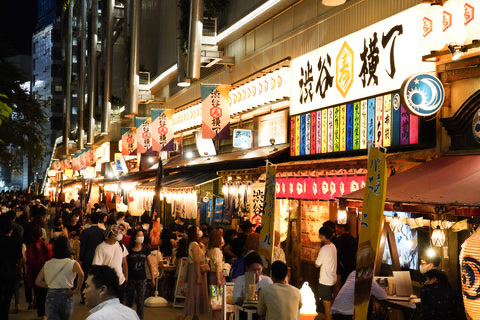
- Redditors recommend Shibuya Yokocho as the easiest introduction to the yokocho dining experience. The variety of stalls, covered environment, and convenient Shibuya location make it perfect for first-time Tokyo visitors.
- What to order
- Yakitori skewers, oden (pick and mix from the pot), cold Sapporo beer, and grilled kushikatsu. Walk the full length before sitting down to compare menus.
4Takoyaki Stalls (Asakusa / Shinjuku)
TakoyakiQuick comparison
- Best for
- The single best Tokyo street snack — portable, cheap, and deeply satisfying
- Strengths
- Known for Takoyaki
- Limitations
- Very hot when fresh — wait 2 minutes or burn your mouth (everyone does this once)
- Why it made the list
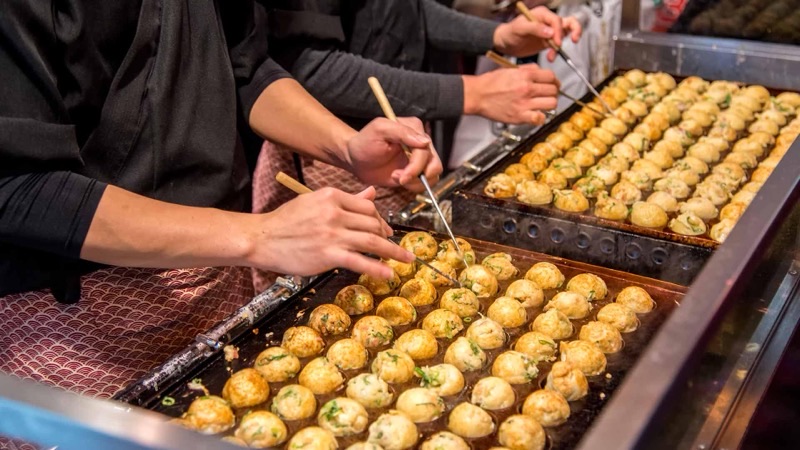
- Takoyaki is universally recommended across every Tokyo street food Reddit thread. The best stalls in Asakusa near Senso-ji are run by skilled vendors who cook to order, with the dancing bonito flakes on top being the visual signature.
- What to order
- Standard takoyaki with all toppings. Some stalls offer cheese-filled or mentaiko (spicy roe) variations — worth trying if available. Eat immediately while hot.
5Yakitori Alleys (Yurakucho / Omoide Yokocho)
YakitoriQuick comparison
- Best for
- Authentic Tokyo yakitori experience — charcoal-grilled chicken skewers with beer after work
- Strengths
- Known for Yakitori
- Limitations
- Very smoky — your clothes will smell. Omoide Yokocho can have tourist markups. Yurakucho is more local.
- Why it made the list
- Every Tokyo food Redditor points to the Yurakucho gado-shita (under-track) yakitori stalls as the real deal. The smoke, the salary workers, the tiny counters — it's the most Tokyo dining experience possible.
- What to order
- Negima (chicken and spring onion), tsukune (chicken meatball with tare sauce and raw egg yolk), kawa (chicken skin, crispy), and tebasaki (wing). Order tare (sweet soy) or shio (salt) glaze.
🕐 Opening hours

6Yakisoba & Festival Stalls
NoodleQuick comparison
- Best for
- Authentic festival-style eating — cheap, filling, and deeply Japanese
- Strengths
- Known for Noodle
- Limitations
- Best at seasonal festivals and shrine events; year-round stalls can be less exciting
- Why it made the list
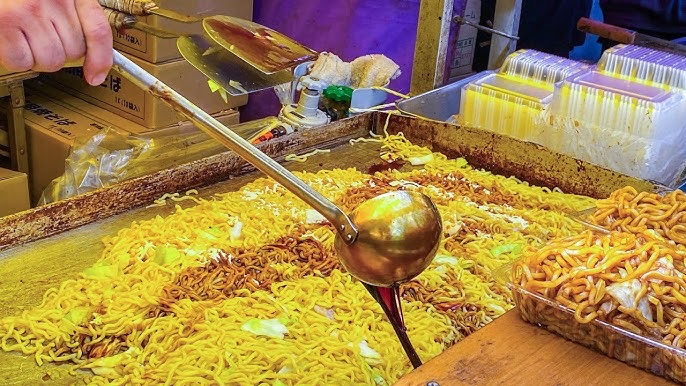
- Yakisoba is the street noodle Japan is built around. In Tokyo, every matsuri (festival) and hanami (cherry blossom viewing) comes with rows of yakisoba stalls. Ueno Park during hanami season has some of the city's best festival stalls.
- What to order
- Standard yakisoba with extra beni shoga (pickled red ginger). Some stalls offer yakisoba-pan (yakisoba in a hot dog bun) — a uniquely Japanese street food combination.
7Taiyaki Shops
SweetsQuick comparison
- Best for
- Sweet street snacking — perfect walking food, lovely gift, and a taste of old Tokyo
- Strengths
- Known for Sweets
- Limitations
- Naniwaya Souhonten (the original) can have 30-minute queues on weekends
- Why it made the list
- Redditors regularly name taiyaki as one of Japan's best street foods. The fish shape, the crispy batter, the warm anko filling — it's endlessly satisfying. Naniwaya Souhonten is the pilgrimage option; countless other shops across the city are nearly as good.
- What to order
- Classic anko (red bean) at Naniwaya. Try custard-filled at any other shop. Some modern shops offer matcha cream or sweet potato fillings — excellent if you find them.
Frequently asked questions
What is the best time to visit Tokyo for street food?
Tokyo's street food can be enjoyed year-round, but spring (March–May) and autumn (September–November) offer pleasant weather for outdoor stalls. Tsukiji Outer Market is best early morning (by 8 AM) for the freshest produce and seafood. Yakitori alleys and yokocho come alive from 5 PM onwards.
Is street food safe to eat in Tokyo?
Yes, Tokyo's street food is exceptionally safe. Japan maintains very high hygiene standards and vendors take great pride in serving fresh, quality ingredients. You can confidently enjoy street food without worrying about food safety.
How much does Tokyo street food cost?
Most individual items range from ¥300 to §800 (approximately $2–$5 USD). A satisfying meal across a few stalls typically costs ¥1,000–¥3,000 ($7–$20 USD) per person.
Do street food vendors in Tokyo accept credit cards?
Many traditional street food stalls and yokocho vendors are cash-only. Always carry yen. Larger spots like Tsukiji Outer Market's bigger shops may accept cards or IC cards (Suica/Pasmo).
What are the must-try street foods in Tokyo?
Absolutely try takoyaki (octopus balls), yakitori (grilled chicken skewers), yakisoba (stir-fried noodles), taiyaki (fish-shaped pastry filled with red bean or custard), and fresh seafood at Tsukiji Outer Market (tamagoyaki, grilled scallops, uni toast).
Planning your Tokyo street food day
The ideal Tokyo street food itinerary takes you from morning markets to evening yakitori alleys.
Start at Tsukiji Outer Market by 8 AM — grab tamagoyaki, fresh oysters, and a tuna skewer for breakfast. By mid-morning, head to Asakusa for takoyaki near Senso-ji temple and a browse of Nakamise-dori's snack stalls. In the afternoon, swing through Ameyoko in Ueno for budget street eating and the chaotic market atmosphere. As evening approaches, settle into Yurakucho's yakitori alleys under the train tracks, or Omoide Yokocho in Shinjuku for the more famous — and smokier — experience. End with taiyaki from any shop you pass on the way back to your hotel.
Budget roughly ¥2,000–4,000 ($13–$27 USD) for a full day of street food sampling across multiple spots.